
In this guide
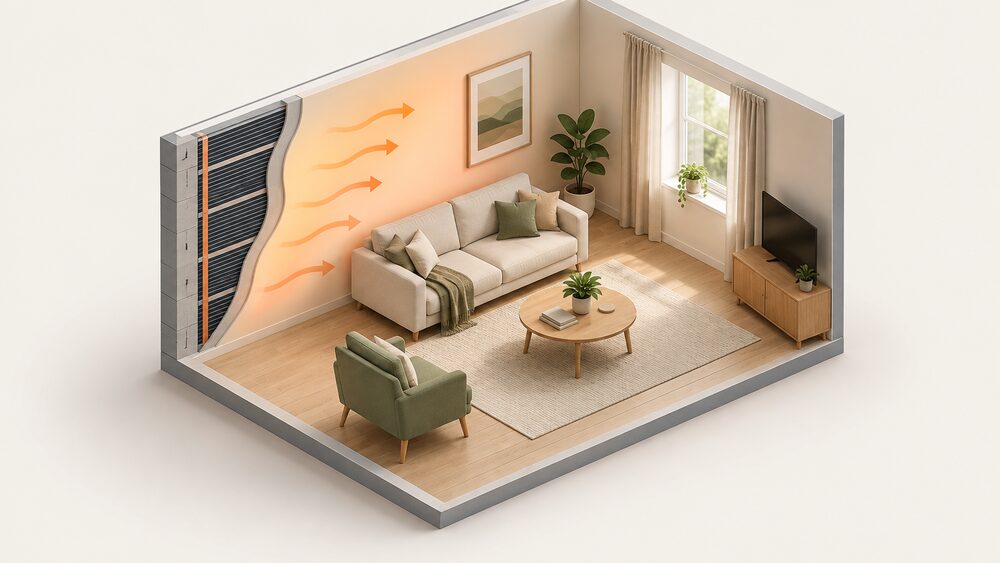
Electric wallpaper is a thin heating film, usually containing carbon, copper or graphene, that is fixed to a wall or ceiling and then painted or plastered over. Low voltage electricity warms the element to around 40 to 45°C, and the surface gives off infrared heat that warms people and objects in the room rather than the air first1. It is a low temperature heating system, and it is one of the more recent entrants to the UK electric heating market.
The appeal is straightforward: it removes radiators from the wall, distributes heat more evenly than a small panel, and needs no boiler, no pipework and no flue. The catch is equally straightforward. Electric wallpaper runs on electricity, and the unit price of electricity is around four times that of gas, so it is more expensive to run than a gas boiler and also more expensive to run than a heat pump1. It also produces no hot water at all.
This page sets out what the technology is, how it compares with infrared panels, what surface temperatures and outputs to expect, where it can be installed, what it costs, and what the evidence does and does not yet support. It is a young category: independent guidance describes it as relatively new technology with only limited knowledge about it, and notes there is little conclusive research about the effectiveness of electric wallpaper and infrared heating1.
What electric wallpaper is and how it heats a room
Electric wallpaper contains a heating element which is usually made from carbon, copper or graphene1. It is installed on walls or ceilings before being painted or plastered over, so once finished it is invisible: the room simply has warm surfaces rather than a visible heater1. It is a form of electric heating, which broadly means using electricity to warm your home3.
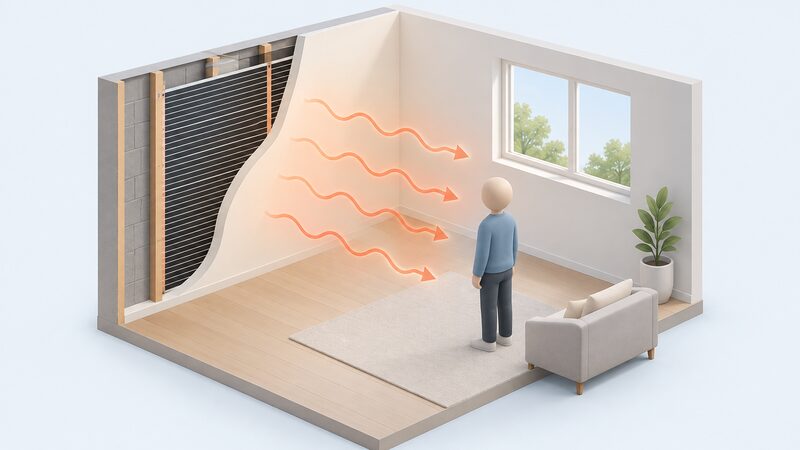
The mechanism is radiant rather than convective. Infrared heating systems provide heat via radiation, with heat radiating outwards from the heater and warming any surfaces it comes into contact with2. That is different from a convector or a traditional radiator, which mostly warm the air and rely on that air circulating. Because the film covers a large area of wall or ceiling rather than a single small panel, it can provide a more even heat distribution in a room than radiators or smaller infrared panels1.
It sits within a wider family of electric space heating. Electric heaters are wall-hung units on the main electricity supply that convert electricity into heat using internal tubes or fluid, switched on when needed4. Electric underfloor heating uses electric wires installed beneath or within your floor5, and dry systems are made up of electric heating mats or cables laid underneath the floor that generate heat when electricity is fed through them6. Electric wallpaper is the same principle applied to a vertical surface.
The practical consequence of the large-area, low-temperature approach is that the film runs cooler than a panel heater but covers more surface. That is what allows it to be plastered over and decorated without scorching the finish, and it is also why the output per square metre is modest. It is a low temperature heating system, and the design of any low temperature system must include all emitters in the heating system, not just the new one7.
Electric wallpaper vs infrared heating panels: how the two compare
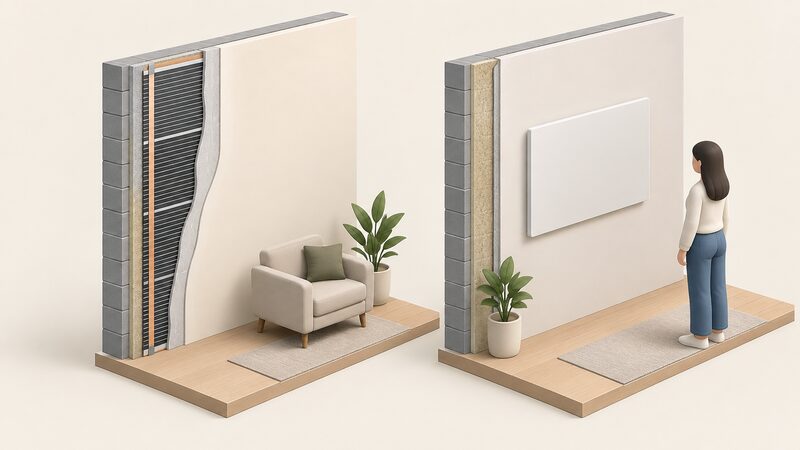
The two technologies share a heating method but differ in form factor, coverage and how they are finished. Electric wallpaper is essentially infrared heating delivered as a continuous surface rather than as discrete units.
| Feature | Electric wallpaper | Infrared heating panels |
|---|---|---|
| Form | Film on wall or ceiling, plastered and painted over1 | Wall panels, free-standing units, or fabric-like wallpaper8 |
| Typical output | Not stated per unit in the guidance reviewed | 350 to 900 Watts for wall panels designed for homes2 |
| Heat distribution | More even than radiators or smaller infrared panels1 | Radiates outwards, warming surfaces it reaches2 |
| Installation cost | Could be less than a boiler or heat pump and radiators, but more than replacing an existing boiler1 | Same position: could be less than a boiler or heat pump and radiators, but more than replacing an existing boiler2 |
| Running cost | More than a gas boiler, and more than a heat pump1 | A well-controlled infrared system will probably cost less to run than standard electric panel heaters2 |
| Hot water | None1 | None |
The running cost comparison is the point where the two diverge most usefully. Independent guidance states that a well-controlled infrared system will probably cost less to run than standard electric panel heaters2, which is a meaningful distinction if the alternative is plug-in resistive heating. But it does not make infrared cheaper than a heat pump: heat pumps use two to four times less electricity than infrared heating to produce the same amount of heat1.
Infrared heating can come as underfloor heating or a fabric-like wallpaper, which can be plastered over and decorated8. That means the category boundary is blurry: some products marketed as infrared wallpaper are functionally the same as electric wallpaper, and the choice between them is often about finish and coverage rather than physics.
Heat you feel, not air you warm: how radiant heat works
Radiant heating changes what is being heated, and that changes how a room feels. Infrared heating uses radiant infrared heat to warm people or objects rather than the air, which means it uses energy more efficiently than traditional heating8. The heat radiates outwards from the heater and warms any surfaces it comes into contact with2.
In practice this means a room can feel comfortable at a lower air temperature, because the occupant and the surfaces around them are being warmed directly. It also means the warm-up is fast: electric heaters can quickly bring a room to a comfortable temperature4. There is no water to heat, no pipework to warm through and no boiler to fire.
The same property explains the technology's limits. Radiant heat is directional and falls off with distance and with obstruction. A film on one wall warms what it faces; furniture, alcoves and the far side of a large room are less well served. This is why coverage matters more than raw wattage, and why some rooms will need more than one panel if they are the main heat source in the room2.
There is also a distinction between comfort heating and space heating. Electric underfloor heating systems are described in two modes: comfort heating, or underfloor warming, which takes the chill off the floor on cold days and makes walking around barefoot pleasant, and space heating, which is the full duty of warming the room9. Electric-based underfloor heating can be effective for quickly warming small areas such as providing comfort underfoot in a bathroom6. Electric wallpaper sits closer to the space heating end, but the same question applies: is the film the main heat source, or a comfort layer on top of another system?
"But infrared heating systems provide heat via radiation, with heat radiating outwards from the heater and warming any surfaces it comes into contact with."
Surface temperature and output: what to expect from a low-temperature system
The headline figure is the surface temperature: low voltage electricity warms the element to around 40 to 45°C1. That is well below the temperature of a traditional radiator's surface and far below a glowing element. It is warm to the touch rather than hot, which is what makes plastering and painting over it feasible.
Output is the harder number to pin down, because the guidance reviewed does not give a watts-per-square-metre figure for electric wallpaper. What it does give is the panel equivalent: wall panels designed for homes typically range from 350 to 900 Watts2. A whole-room film installation would need to be sized to the room's heat loss, and the design of a low temperature heating system must include all emitters in the heating system7.
Low temperature operation is a deliberate design choice, not a limitation to be overcome. Warm water underfloor heating operates at low temperatures so that eco-friendly heat sources perform at their best while delivering consistent comfort10. The same logic applies to a wall film: running cooler and covering more area is how a low-grade heat source can still deliver a comfortable room.
The trade-off is response time and peak output. A low-temperature, large-area emitter cannot dump heat into a room as fast as a high-output convector, so it suits a well-insulated, continuously heated space better than a draughty one that is heated in short bursts. Solid wall insulation systems provide a high level of thermal performance, helping to maintain more stable temperatures, warmer in winter and cooler in summer11. Fabric first is not a slogan here; it is what makes a low-temperature emitter viable.
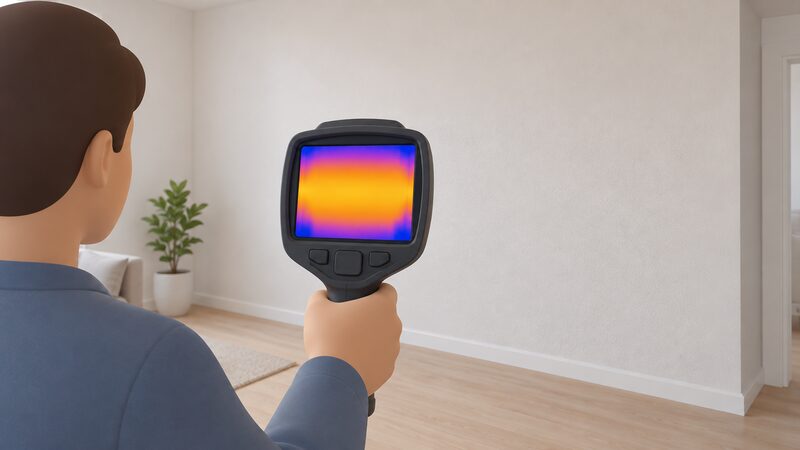
Where it can be installed, and which walls it suits
Electric wallpaper can be installed on walls or ceilings before being painted or plastered over1. That flexibility is one of its advantages: a ceiling installation removes the film entirely from the usable wall area, and a wall installation removes the need for radiators, which is described as a space-saving design1.
Not every wall will do. Independent guidance states plainly that it may not be suitable for every wall type1. The constraint is partly about substrate and fixings, and partly about what sits behind the wall: insulation, damp, services and the condition of the plaster all bear on whether a film can be reliably bedded in.
For new build projects, electric heating can be installed at the second fix wiring stage12, which is the natural point to plan a film installation because the walls are still open and the electrics are being run. Retrofit is more disruptive, because the film has to go onto a prepared surface and then be made good.
There is a UK precedent worth noting. The Welsh Government included a wallpaper heating project among innovative projects trialled in Wales to tackle climate change and cost13. The product involved, NexGen Graphene Infrared Heating, is described as being installed on walls, ceilings or under floors13. That is a maker's description of its own product rather than an independent performance result, but it confirms the installation surfaces the category targets.
Floor-based alternatives exist for households comparing options. Ezy-Warm underfloor heating is compatible with a wide choice of floor coverings including carpet, Luxury Vinyl Tile and Engineered Wood, and with an appropriate underlay, floor tiles can be installed and uplifted cleanly14. Water underfloor heating, by contrast, is not normally possible to retrofit15, which is one reason electric variants dominate retrofit conversations.
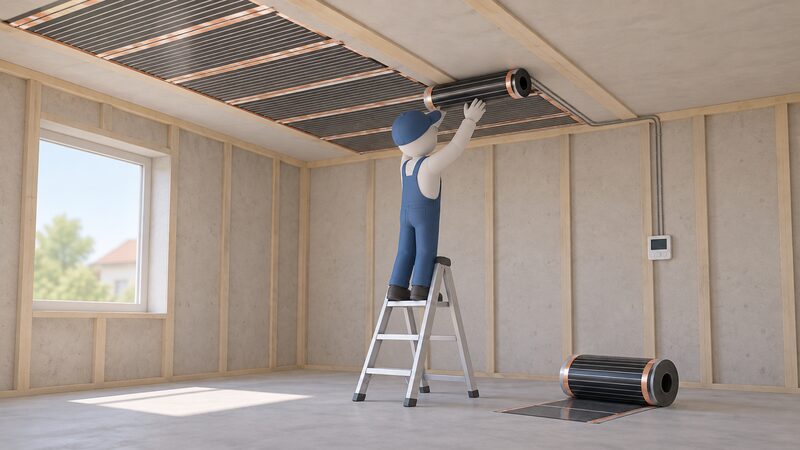
Costs: purchase, installation and running costs compared with gas boilers and heat pumps
Installation cost is the more encouraging half of the picture. Electric wallpaper could be less expensive to install than a boiler or heat pump and radiators, but it will cost more than just replacing an existing boiler1. The same position is stated for infrared heating generally2. That is a meaningful distinction: the comparison is not against doing nothing, it is against a full system replacement.
Independent guidance is explicit that there is not yet enough information to provide a reliable expected install cost for electric wallpaper1. Prices are installer-quoted, and the figure will depend on the area covered, the state of the walls and the electrical work required. For context on electric heating generally, electric panel heaters are quoted at £300 to £500 per room5, but that is a different product and should not be read across to film.
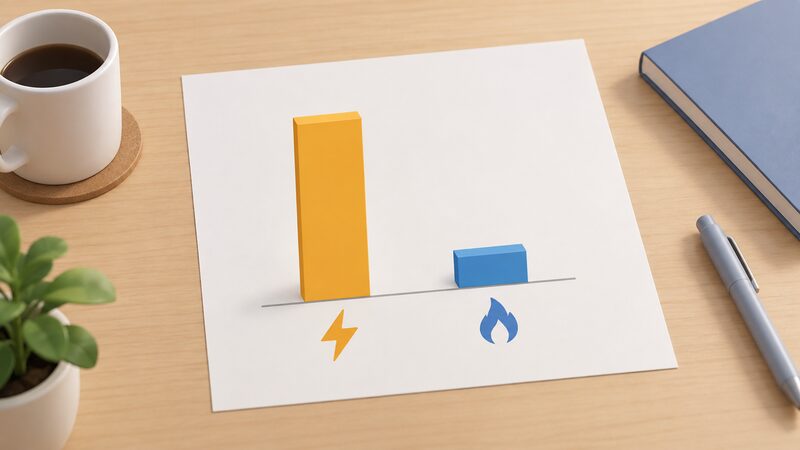
Running cost is where the case weakens. Because it runs on electricity, electric wallpaper will be more expensive to run than a gas boiler, and it is also more expensive to run than a heat pump1. The reason is the unit price of electricity being around four times that of gas1. Heat pumps use two to four times less electricity than infrared heating to produce the same amount of heat1, so even on the same tariff the heat pump does more work per unit.
The wider electric heating picture is consistent. Electric underfloor heating is more expensive than radiators, both in terms of installation and running costs, with an exception for heating a single room where radiators cannot be zoned16. Electric underfloor heating systems are typically more expensive to run than their wet counterparts9. And heat pump installation costs are higher than gas boilers, in part due to the need for additional retrofitting17, which is the comparison that makes electric wallpaper look cheap to install.
Hot water: what electric wallpaper cannot do
This is the clearest limit in the category. Electric wallpaper can heat a room, but it will not produce hot water1. A household installing it needs a way of producing and storing hot water, such as immersion heaters in a hot water cylinder1. That is a separate system with its own capital cost, its own running cost and its own space requirement.
The omission matters for how the whole-house economics are read. Running-cost illustrations for electric wallpaper explicitly exclude hot water: hot water is not included, and the figures are for space heating only1. A household comparing a gas boiler with an electric wallpaper installation is not comparing like with like, because the boiler was doing two jobs.
It also matters for resilience. A combi boiler delivers both heat and hot water from one unit; removing it in favour of a wall film means the hot water supply depends on a cylinder and an immersion, which in turn depends on electricity. There is no stored hot water in the film itself, and no way for it to provide any.
For households weighing the wider shift away from gas, this is the point at which the technology's scope has to be stated honestly. Electric wallpaper is a space heating product. It is not a heating system in the sense a boiler is, and any plan built around it needs a hot water strategy alongside it. Pages on heat batteries and hot water cylinders cover the storage side of that question.
Controls, zoning and maintenance
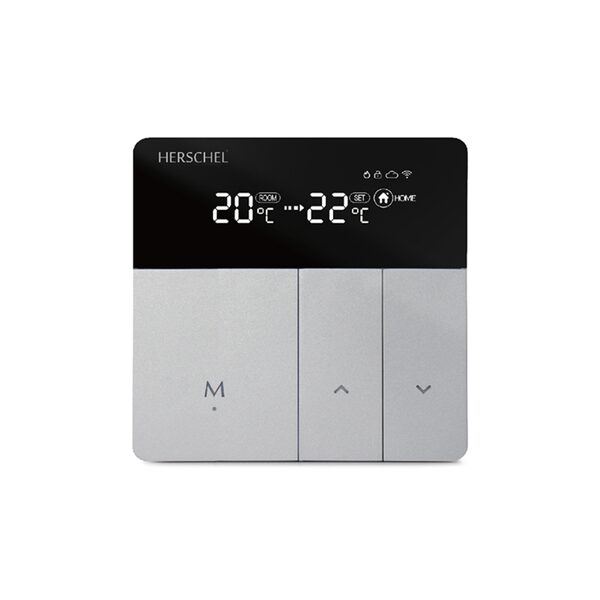
Control is one of the areas where electric heating performs well, because each emitter is independent. Electric space heating allows each room to be treated as a separate zone, and so can be controlled individually18. Depending on the specific type of electric heating, a household can control each heater individually or control the whole system centrally3.
Zoning is the mechanism that turns that into lower bills. The use of zoning allows control of the temperature of individual rooms, and smart, programmable thermostats can keep a home heated on a schedule to help minimise bills9. For a film installation, that means a room-by-room thermostat strategy rather than one system-wide setpoint.
Maintenance is light. Like other infrared heaters, electric wallpaper might not need much maintenance and could last a long time1. There are no moving parts, no combustion and no water circuit. Free-standing infrared panels are usually wired into the electricity supply by an electrician2, and once a film is installed and connected there is little to service.
The exception is repair. Repairs can be more complex if the electric wallpaper is plastered over1, because the element is behind the finished surface. A fault in the film means opening up the wall, not swapping a unit. That is the price of the invisible finish, and it is worth weighing against the low maintenance expectation.
Safety, health and the limits of the evidence
The safety case for a low-temperature film is reasonable on its face: a surface at around 40 to 45°C1 is not a burn hazard in the way a glowing element is. Professionally installed infrared systems with panels fixed to walls or ceilings may be designed for safe use during the night, but guidance advises checking with the installer first, and panels should be at a safe height, out of reach of young children or pets2.
Installation quality is the variable that matters most. For electric underfloor heating, guidance recommends a registered electrician certified with a recognised certification body like NICEIC9, and a qualified electrician is needed to connect the system to the electricity supply and install the thermostat15. The same requirement applies to electric wallpaper: a qualified electrician will need to connect it to your home's electricity supply1.
The evidence base is the weakest part of the case. There is little conclusive research about the effectiveness of electric wallpaper and infrared heating1, and for infrared heating there is little research available to confirm running cost savings2. Independent guidance also notes that a well-controlled infrared system will probably cost less to run than standard electric panel heaters2, which is a modelled expectation rather than a measured field result.
There is a broader caution about how quickly this sector moves. Official statistics on solid wall insulation installed under ECO4 and GBIS found that a small percentage of installations, 6% of external wall insulation and 2% of internal wall insulation, were found to have health and safety risks to occupants20. That is a different technology, but it is a reminder that retrofit work installed at scale can carry quality failures, and that independent audit is what surfaces them.
Regulation is also still settling. First phase energy smart appliances regulations were subject to final parliamentary approval of the regulations21, which means the framework governing how flexible electric heating devices interact with the grid is not yet fixed. Households buying into the category now are buying into a moving target.

What it means for household energy independence
Electric wallpaper changes where a household's heat comes from, and that has a direct bearing on independence. It removes gas from the space heating equation entirely, which means no boiler, no flue, no gas connection for heating and no exposure to gas standing charges for that portion of demand. The household's heating becomes an electrical load it can, in principle, supply itself.
That is the opportunity. A solar PV and battery system can offset some of the running cost, particularly in spring and autumn when generation is reasonable and heating demand is modest. One independent case study noted that savings from a cheaper infrared heating panel system could be put towards a solar PV and battery system which can help reduce heating costs, particularly in the spring and autumn22. The combination of a low-temperature emitter and self-generated electricity is the closest thing to a self-contained heating system in this category.
The dependence that remains is substantial. The film still draws from the grid, and in winter, when heating demand peaks, solar output is at its lowest. The household remains dependent on a supplier and on the wholesale electricity price, which is the price that carries the environmental and social levies. Independent analysis notes that the price of electricity is inflated by environmental and social levies, with the result that a heat pump can be more expensive to run compared to a gas or oil boiler23. The same levy structure applies to any resistive electric heating, and it applies more sharply because resistive heating uses more electricity per unit of heat.
There is also a hot water dependency, covered above, and a manufacturer dependency: the film is a proprietary product, and its controls and thermostats are part of that maker's ecosystem. The technology is also young enough that long-term durability is not established. Independent guidance describes it as relatively new technology with only limited knowledge about it1.
For households thinking about the wider picture, the pillar guide to emerging home energy technology sets this alongside heat pumps, heat batteries and storage, and the page on emerging technology and household energy independence covers the trade-offs in more detail.
Sources23 cited
- Electric wallpaper explained, Energy Saving Trust, 2026-03-26
- Infrared heating explained, Energy Saving Trust, 2026-03-13
- Heating your home, Energy Saving Trust, 2026-05-19
- Electric heaters vs storage heaters, Energy Helpline, 2026-09-20
- Electric heating, Energy Saving Trust, 2026-07-01
- Underfloor heating, Energy Saving Trust, 2025-10-02
- Low temperature heating, NCM PCDB, 2026-09-17
- Electric central heating, Which?, 2025-09-22
- Underfloor heating system, NICEIC, 2026-09-17
- Underfloor heating: efficient, flexible comfort, BEAMA, 2024-12-02
- Masonry solid wall insulation, MIMA, 2026-09-20
- Benefits of electric space and water heating, BEAMA, 2026-09-17
- Wallpaper heats homes among innovative projects trialled in Wales, Welsh Government, 2022-05-31
- Ezy-Warm underfloor heating, UK Green Building Council, 2024-04-25
- Electric vs water underfloor heating, Which?, 2026-05-27
- Underfloor heating costs, Which?, 2026-05-27
- Heat pumps and the transition to low-carbon heating, Parliamentary Office of Science and Technology, 2026-09-19
- Electric space heating, BEAMA, 2026-09-19
- Building regulations and electrical works, London Borough of Richmond upon Thames, 2026-06-02
- Solid wall insulation installed under ECO4 and GBIS: statistical audit results, GOV.UK, 2026-09-17
- Smart Secure Electricity Systems programme: first phase energy smart appliances regulations, interim response, GOV.UK, 2026-09-17
- Solar PV report, National Energy Action, 2025-02-19
- Beyond affordability: why heat pumps feel like a gamble, Which?, 2026-06-16
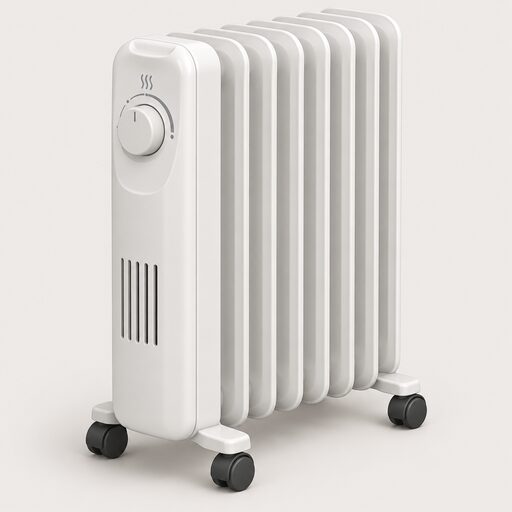 Electric Radiators and PanelsDo electric radiators cost more to run than gas heating, and are they worth it for one room or a whole house?
 Infrared Heating and PanelsDo infrared heating panels cost less to run than normal electric heaters, and how much do they add to a bill?
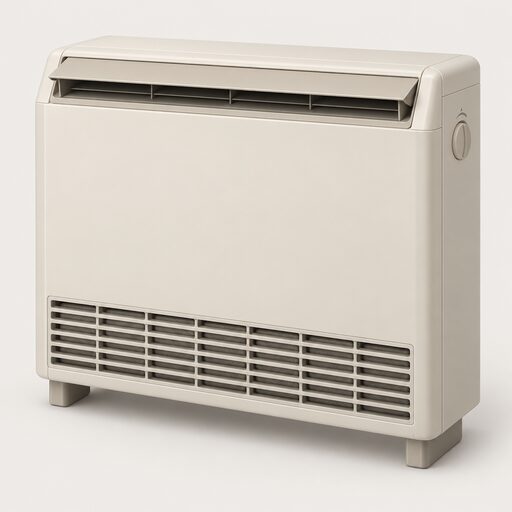 Electric Heating CostsHow to work out what electric radiators, panel heaters, infrared and storage heaters cost to run per hour and per season.
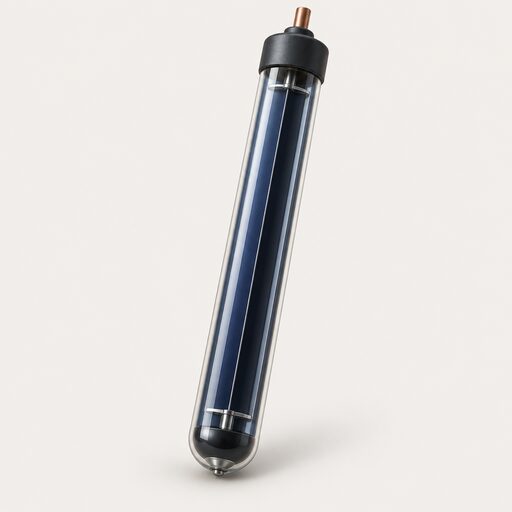 Solar Water Heating CollectorsSolar water heating uses panels on your roof to warm the water in your cylinder, working alongside your boiler rather than replacing it.
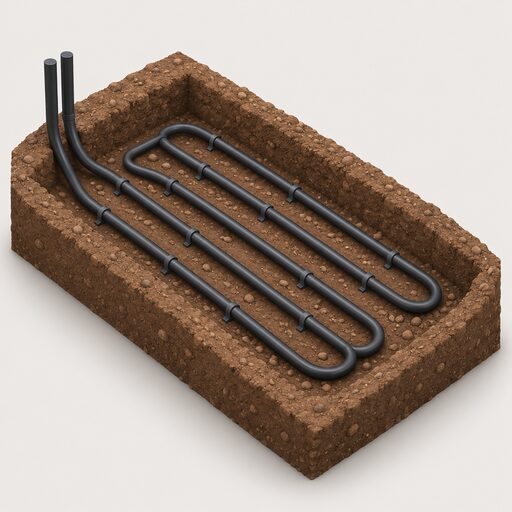 Heat Pumps vs BoilersWill a heat pump actually cost less to run than my boiler, and does it heat the house as well?
 Energy IndependenceA heat pump runs your heating on electricity instead of gas or oil, so how much does that really cut what you pay and how exposed you are when fuel prices jump?