

In this answer
Short answer
A registered electrician is one who belongs to a government-approved competent person scheme, which means their business is assessed, their work is checked, and they can certify that the work meets the Building Regulations without a separate visit from Building Control. Registration is not a badge of quality in the abstract: it is the mechanism that lets one tradesperson take legal responsibility for the safety and compliance of the work they have just done. Electrical Safety First's campaign message is blunt: "Always use a registered electrician"1.
The practical reason is legal as well as safety-driven. It is a legal requirement for certain electrical work to use a registered electrician, and where that applies, the electrician notifies the local authority before work starts and issues the certificates afterwards2. Where the work is not notifiable, registration still buys you assessed competence, insurance and a documented complaints route.
The limits matter as much as the benefits. Registration is held by the business, not the individual, unless the electrician is a sole trader, so a check on the person alone proves little3. Schemes handle complaints about their members, but they are not compensation funds, and the financial remedy for poor work sits with the member's insurance and your consumer rights.
What a registered electrician is, and why registration matters
A registered electrician is regulated by the UK Government through a competent person scheme, is insured so the householder is protected, and has their work regularly assessed2. Those three things are the substance of registration, and each answers a different risk.
The regulation point is about legal authority. A competent person scheme is authorised by the Secretary of State, and an electrician registered with such a scheme can certify work as safe without notifying Building Control7. That is a delegated power, not a marketing claim, and it is why the scheme's own assessment of the business matters to you.
The insurance point is about recovery. Electrical Safety First's guidance for choosing a registered electrician lists being insured so you are protected as one of the things to look for1. Insurance is not a guarantee that a dispute will be resolved in your favour, but it is the difference between a claim against a business with cover and a claim against an individual with none.
The assessment point is about ongoing competence. Registration is not a one-off exam. Registered electricians have their work regularly assessed, and the scheme can remove a member who falls below standard2. That continuing scrutiny is the part a recommendation from a neighbour cannot replicate: one third of people have hired an electrician based on a recommendation, without checking their credentials2.
For a household's energy independence, registration is the assurance layer under everything else. A home that adds solar, a battery or a heat pump is adding electrical load and complexity, and the certificate trail from registered work is what makes the installation legible to insurers, buyers and future contractors.

Self-certification: the legal shortcut a registration gives you
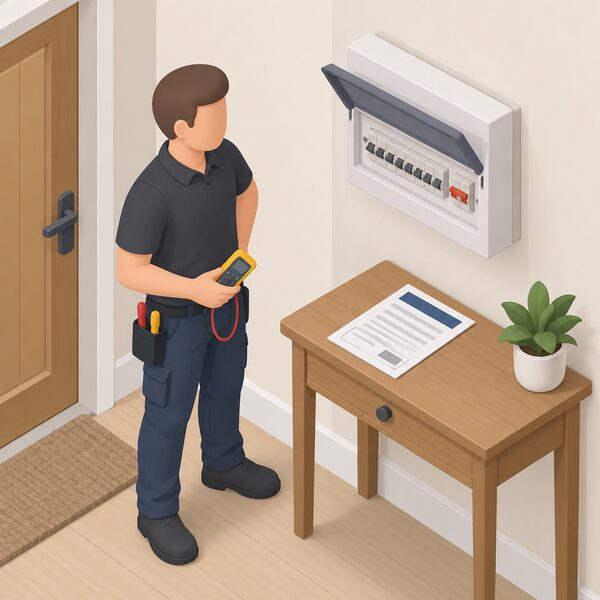
Self-certification is the single most useful thing registration does for a householder, because it removes a step that would otherwise fall to you. Electricians become registered with an approved self-certification organisation, and that registration is what allows them to certify their own work8.
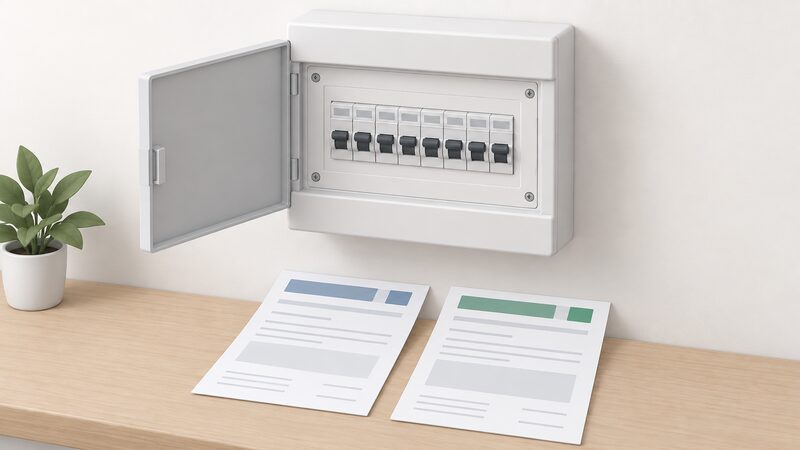
The paperwork that follows is specific. A registered electrician issues an Electrical Installation Certificate or a Minor Work Certificate confirming the work meets BS 7671, and a Building Regulations Compliance Certificate confirming it meets the Building Regulations5. The Minor Works Certificate means the electrician has tested the work to make sure it is safe9. The Electrical Installation Certificate provides the person responsible for the safety of the installation with a declaration that the new installation, or the alteration or addition, is safe to use at the time it was put into service10.
Without a registered installer, the same work needs a Building Regulations application to Building Control, made either because the electrician is not registered as a competent person or because the householder is doing the work7. That application carries a fee and an inspection, and it is the householder who carries the administrative burden.
The same principle runs across the trades. For gas appliances, employing a registered installer with the relevant competencies means they can self-certify without close involvement from Building Control11. Solar installers should provide a certificate for the electrical installation and make the notification to Building Control through their certification body, such as NAPIT12. Self-certification is therefore not a loophole: it is the designed route by which competent trades take responsibility for compliance.
NICEIC and NAPIT: the two main certification bodies compared
NICEIC and NAPIT are the two names most householders encounter, but they are not the only recognised schemes. Electrical Safety First advises that for all types of electrical work you use a registered electrician with either NICEIC, NAPIT, ECA, SELECT or BLUE Flame13. Its guidance on inspection and testing names NICEIC or NAPIT as examples of recognised competent person schemes14.
The two bodies describe themselves differently. NICEIC states it has been the UK's largest certification body for electrical businesses3. NAPIT describes itself as a certification body and training provider15. Both appear as certification routes for newer technologies: to get certified in Battery Installation under the MCS battery standard, installers contact either NAPIT or NICEIC to register interest and begin certification16.
| Body | How it describes itself | Certification held by | Assessment |
|---|---|---|---|
| NICEIC | UK's largest certification body for electrical businesses3 | The business, not the individual, unless a sole trader3 | Annually, by an experienced NICEIC assessor17 |
| NAPIT | Certification body and training provider15 | Members, who must hold valid insurances and be regularly assessed18 | Regular assessment of ongoing competence18 |
The scope of what members can certify is broad. NAPIT registered scheme members can certificate their own work in electrical, heating, plumbing, ventilation and air-conditioning, microgeneration and building fabric trades in England and Wales18. That matters for a household planning a package of measures rather than a single job, because one registered business may be able to certify several strands.
Neither scheme publishes a headcount of registered electricians in the material available here, so any figure you see quoted elsewhere should be treated with caution. What is published is the structure: business-level certification, annual or regular assessment, and a defined complaints route.

How registered electricians are assessed: annual checks and current standards
Assessment is the part of registration that keeps it meaningful over time. NICEIC-registered electricians are assessed on an annual basis, and their business is assessed annually by an experienced NICEIC assessor to ensure they meet stringent quality and technical requirements17. NAPIT members are required to hold valid insurances and are regularly assessed to provide assurance of their ongoing competence18.
The standards themselves move. Amendment 4 of the 18th Edition Wiring Regulations was published on 15 April 2026, and NICEIC-certified businesses will need to demonstrate access to Amendment 4 to maintain NICEIC certification from 15 October 20264. That is a concrete example of why annual assessment matters: a business that has not kept up with the current edition is not simply out of date, it is at risk of losing the certification that lets it self-certify.
For householders, the practical test is whether the business can show current competence for the specific work. Electrical Safety First recommends only using a competent and qualified electrician who is adequately assessed to carry out periodic inspection and testing, such as one registered with a recognised competent person scheme14. Periodic inspection and testing should be carried out only by electrically competent persons, such as registered electricians19. Landlords are advised to arrange periodic inspection and testing through a registered electrician at the relevant intervals19.
The same logic applies to other fuels and technologies, and the consequences of ignoring it are documented. Gas appliances should be fitted, fixed and checked by a Gas Safe registered engineer20, and in some cases not using a Gas Safe registered engineer can invalidate your home insurance21. The pattern is consistent across trades: registration is the evidence of current competence, and the assessment cycle is what keeps that evidence valid.
"NICEIC-registered electricians are assessed on an annual basis"
What registration does not cover: complaints, compensation and your remedies
Registration gives you a complaints route, not a compensation scheme, and the distinction is worth understanding before you need it. NAPIT's complaints policy sets out who can complain: any person who has had work completed by a member who is certified for the relevant scope of work at the time6. Before the scheme will take the complaint, you must have formally contacted the member directly and allowed a minimum of 14 days for them to acknowledge it6. Once NAPIT receives the complaint, it acknowledges receipt within 5 working days6.
NAPIT does not publish a compensation fund for non-compliant work. Its consumer guidance states that members are required to hold valid insurances and are regularly assessed18, and a NAPIT member is defined as a business or tradesperson who has demonstrated competence, holds the necessary insurances and has the right processes and procedures in place to assure compliance22. The financial remedy therefore sits with the member's insurance and with your statutory consumer rights, not with the scheme.
Data handling is part of the picture. NAPIT states it cannot remove personal data while a complaint is ongoing, or if a guarantee related to the complaint has not yet expired6. It may share information with government departments, enforcement authorities, consumer protection organisations, technical experts, manufacturers, scheme owners, legal counsel and other certification or registration bodies6.
Beyond the scheme, the escalation routes differ by subject. For energy supply problems rather than electrical work, the Energy Ombudsman can take a complaint if a reported problem is not fixed within 8 weeks, if you and the company cannot agree a fix, if you receive a deadlock letter, or if you are unhappy with the decision received23. The same body can be used if the issue is not resolved to your satisfaction24, and for Green Deal work if you are not happy with the work the installer did25. None of these routes covers electrical workmanship directly, which is why the scheme complaint and your consumer rights are the relevant paths.
When certain electrical work legally requires a registered electrician
Not all electrical work is notifiable, but where it is, the legal position is clear. It is a legal requirement for certain electrical work to use a registered electrician1. Where the work is notifiable, the route is an electrician registered with a government-approved scheme, who notifies the local authority before the work is started1. Most work requires an installer registered with a competent person scheme, or approval from a Building Control body, and a Building Regulations application is needed where the electrician is not registered as a competent person or where the work is done by the householder2.
The dividing line is drawn by the Building Regulations. Most work requires using an installer registered with a competent person scheme or seeking approval from a Building Control body7. An application should be made if the electrician is not registered as a competent person, or if the work is done by the householder7. It is recommended to hire an installer registered with a competent person scheme who can self-certify that the work meets the required standards26.
For work that is not notifiable, the recommendation is still to use a properly qualified or registered electrician27. That covers the everyday jobs where the risk is real even though the paperwork is not: wiring a shed, for example, where the guidance is to hire a registered electrician certified with a recognised body like NICEIC4. If you ever have concerns about electrical safety in your home, that is something a registered electrician should be sorting out28.
The rules differ across the UK. In Wales, the competent person scheme route applies, with the electrician registered by an organisation authorised by the Secretary of State and able to certify the work as safe without notifying Building Control7. The same self-certification structure operates in England8. Where a household is planning renewable work alongside electrical work, the notification duty often sits with the same certification body: solar installers should provide a certificate for the electrical installation and notify Building Control through their certification body, such as NAPIT12.
For a household pursuing energy independence, this is the compliance backbone. Every added circuit, inverter or battery connection needs a certificate that a future buyer, insurer or inspector can rely on, and registration is what produces it.
Sources28 cited
- Choosing a registered electrician, Electrical Safety First
- 5 questions to ask your electrician, Electrical Safety First
- The NICEIC help hub for householders and landlords, NICEIC
- Wiring a shed: a guide for homeowners, NICEIC
- Building regulations and electrical work, Electrical Safety First
- Complaints against members policy, NAPIT
- Building regulations: electrics, Welsh Government
- Electrical safety, Cumberland Council
- Building regulations: minor works, Planning Portal
- How to work with your tradesperson, NICEIC
- Boilers and heating, Planning Portal
- Building regulations renewables guidance, Bedford Borough Council
- Rogue trader hotspots revealed, Electrical Safety First
- How safe is your home from melted wires to cracked plug sockets, Electrical Safety First
- Government urged to rethink pay per mile scheme for electric vehicles, NAPIT
- MCS launches industry-first battery installation standard, MCS
- Everything you need to know about choosing an electrician, NICEIC
- Consumer advice, NAPIT
- Portable heaters, Electrical Safety First
- Carbon monoxide, SGN
- Gas safety home renovation tips, Northern Gas Networks
- Glossary of terms, NAPIT
- Complain about your energy supplier or network operator, Ofgem
- Smart meters: your rights and expectations, GOV.UK
- Green Deal energy saving measures, GOV.UK
- Do I need building regulations approval for alterations to or installation of electrics?, Planning Portal
- Before you get building work done, Citizens Advice
- Standby power: the hidden costs of vampire devices, NICEIC
 Gas Safety RulesAnyone working on gas in your home has to be on the Gas Safe Register, whether they are installing, fixing or servicing an appliance.
 Using an Installer in EnglandHow do you check an installer is registered to sign off their own work, and what happens if they are not?
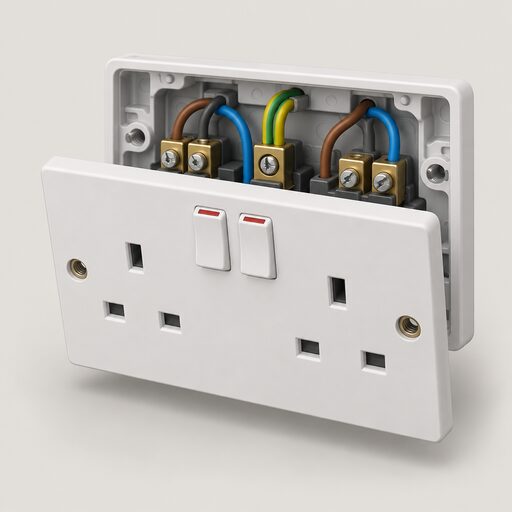 Arrange an Electrical InspectionHow to find and check a registered electrician, what an Electrical Installation Condition Report covers and the intervals usually recommended for owner-occupied homes.
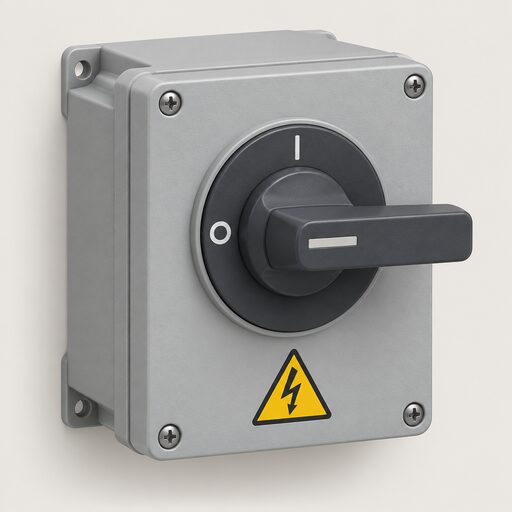 Backup Power Safety RulesWho signs off a battery or backup circuit, and can you legally plug in a power station or a plug-in solar panel in the UK?
 Competent Person SchemesIf a tradesperson says they can sign off their own work, how do you know they are genuinely registered?
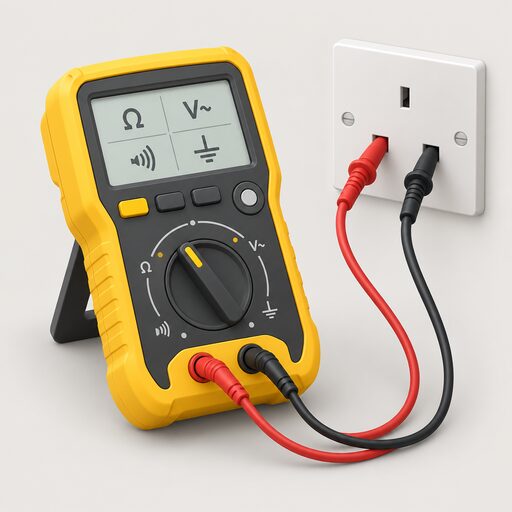 Landlord Electrical ChecksWho is responsible for checking the electrics are safe in your rented home, and how often should it happen?