
In this answer
Short answer
Amendment 4 (2026) to BS 7671:2018 is the current edition of the UK wiring regulations, published by the IET and BSI on 15 April 2026. It forms the UK national standard for all new low voltage electrical installations, for additions and alterations to existing installations, and for periodic inspection and testing of existing installations1. It incorporates Amendment 3:2024 to BS 7671:2018 as part of the main document, so the two sets of rules now sit in one volume1.
The changes that matter most to a householder are the new dedicated requirements for stationary battery storage systems, a major revision of Section 710 on medical locations, and the conditions under which a plug-in solar device may be connected to a UK socket circuit2. The standard is listed as current, with an ICS code of 91.140.50 for electricity supply systems2.
For a household, the practical effect is that any generation or storage equipment added to an existing installation is now designed, specified and verified against a single current document. That document is the reference point an installer, a certification body and a building control officer all work to.
What Amendment 4 changes to how systems are designed and specified
Amendment 4 introduces updates that affect how electrical systems are designed, specified and implemented, including considerations around battery storage systems and evolving safety requirements7. The scope of BS 7671 itself covers the design, erection and verification of electrical installations, including additions and alterations to existing installations, and the requirements for design, installation, inspection, testing, verification and certification8.
The headline addition is a dedicated Chapter 57 for stationary secondary battery installations4. This is the first time the wiring regulations have carried a chapter aimed specifically at stationary battery storage, and it means a home battery is now specified against its own set of rules rather than being treated as a generic addition to a circuit. The covered technologies in the amendment include solar photovoltaic systems, battery energy storage, Power over Ethernet (PoE) and electrical installations in medical locations3.
A major revision of Section 710 (Medical Locations) sits alongside the domestic changes, including new requirements for recording resistance of supplementary protective equipotential bonding conductors2. That section is unlikely to touch a dwelling, but it shows the breadth of the amendment.
The amendment also carries forward the direction set by Amendment 3:2024, which added two new definitions to Part 2 of BS 7671 in addition to a new regulation in Chapter 5310. Those definitions and that regulation addressed the issue of electrical sources applied to the load side of protective devices, which is the technical problem that arises when generation feeds power into a circuit from the wrong end11.
For a household, the design consequence is that the protective devices in a consumer unit must be selected for the installation being worked on, and the installer must establish whether the devices being installed are bi-directional or unidirectional10. A device that cannot carry fault current in both directions is not suitable where generation feeds back into the circuit.
Plug-in solar: the conditions for safe connection to UK installations
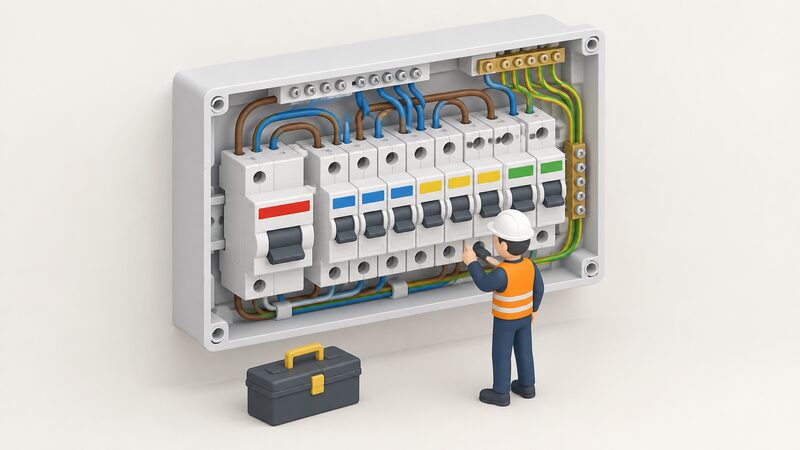
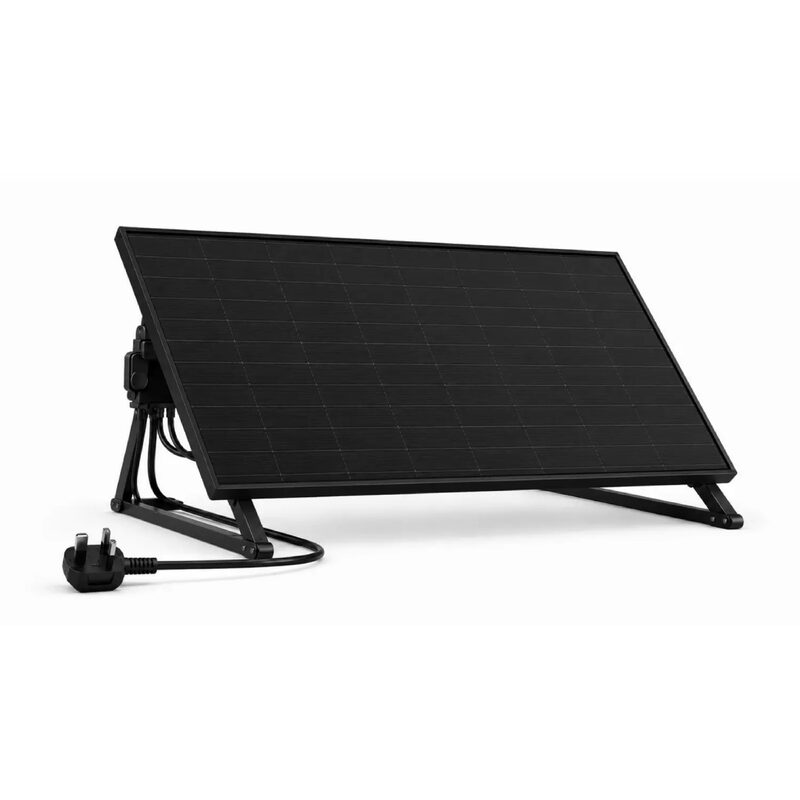
Plug-in solar is the area where Amendment 4 meets the newest product category. Official interim product specification sets out the conditions. Plug-in solar intended for connection to UK sockets must use plugs designed to BS 1363-112. The device must be connected only to socket circuits and not to circuits supplying lighting or other fixed equipment12. It must be connected to a UK mains socket solely by the manufacturer-supplied plug12.
The device must also comply with the technical requirements for connection and parallel operation with low voltage distribution networks in Great Britain, which means Engineering Recommendation G98 Issue 2 Amendment 112.
"Plug-in solar shall comply with the technical requirements for connection and parallel operation with low-voltage distribution networks in Great Britain."
The joint statement from ECA, Electrical Safety First, IET, NICEIC and SELECT notes that Amendment 3:2024 to BS 7671:2024 addressed the issue of electrical sources applied to the load side of protective devices11. That is the technical groundwork that makes a socket-connected generator addressable under the wiring rules at all.
NAPIT states it supports the principle of permitting compliant plug-in solar products to be connected to UK electrical installations, subject to conditions, and that enforcement prevents unsafe or non-compliant imports entering the UK market13. NAPIT is a certification body and training provider14.
Application of the specification to Northern Ireland is subject to further consideration and may require amendment5. That is a live difference between the nations and it matters to a household in Northern Ireland considering a plug-in product.
Older homes: wiring and RCD limitations when generation feeds back
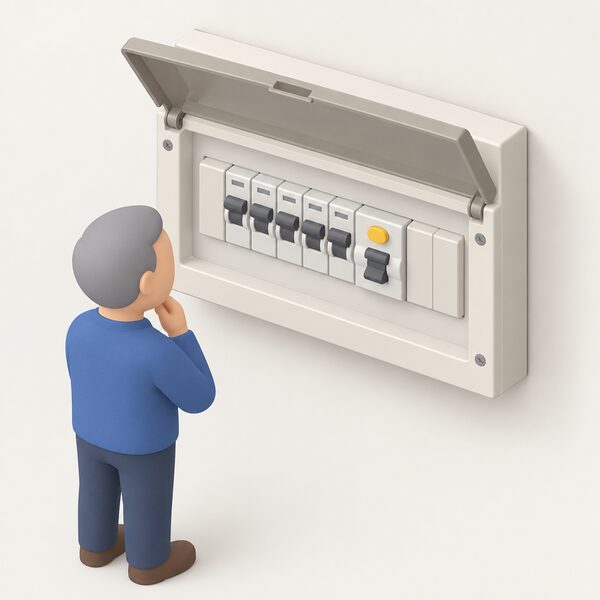
The IET has warned that some older homes may have wiring or protection devices not designed for electricity flowing back into a circuit, and that older consumer units may contain RCDs that may not trip properly, meaning they do not offer shock protection when a fault occurs15. That warning is the single most important limit on retrofitting generation to an older installation.
The technical reason sits in BS 7671:2018 Section 722, where further requirements apply to both Type A and Type B RCDs to take account of DC fault current16. A DC fault current can blind certain RCD types, which is why the type matters as much as the rating.
Where equipment does not comply with British Standards, the resulting degree of safety of the installation must be not less than that obtained by compliance with BS 7671:2018+A2:202217. That is the fallback rule: non-standard equipment is not automatically barred, but the safety outcome must be equivalent.
All electrical work should follow the safety standards in BS 7671, and the standard applies to all new build and properties being rewired18. Solar panel installations must meet the requirements of BS 7671 to be considered safe and compliant20.
For a household, this means the state of the existing installation, not the new equipment, is often the deciding factor. A generation or storage device added to a circuit whose protective devices were never selected for reverse current is a design problem before it is a product problem.
Inspection, testing and who can certify the work
BS 7671 covers requirements for design, installation, inspection, testing, verification and certification of electrical installations9. Work carried out by a registered electrician will meet the UK national standard, BS 767121. That is the assurance a competent person scheme is built to give.
Building regulations approval is a separate track. Applications are required for new build, property extensions and also work of a minor nature, particularly installing fittings, new heating appliances and systems, altering a building's structure, changing the use of a building or building work affecting fire safety, and in some instances repair work22. Replacing windows and doors is also covered alteration work23.
Installers accredited by bodies such as NAPIT can submit a building regulations application on the householder's behalf24. That is the route by which a self-certifying installer notifies the work rather than the householder making a separate application.
The nations differ. In Scotland, building regulations were revised to amend Section 0 General, Section 2 Fire, Section 3 Environment and Section 4 Safety in the technical handbooks for use from 6 April 2026, and the Building (Scotland) Amendment Regulations 2025 changed Regulation 8 with new 8(4)(k) and 8(4)(l) and updated definitions25. A household in Scotland therefore works to a separate technical handbook track alongside the UK-wide wiring standard.
The Boiler Upgrade Scheme (England and Wales) Regulations 2022 cite BS EN ISO/IEC 17065:2012 for conformity assessment of bodies certifying products, processes and services under Regulation 4(1)(a)(i)27. That is the certification architecture that sits behind product approval for funded work.
NAPIT's role, accreditation and what happens when work is non-compliant
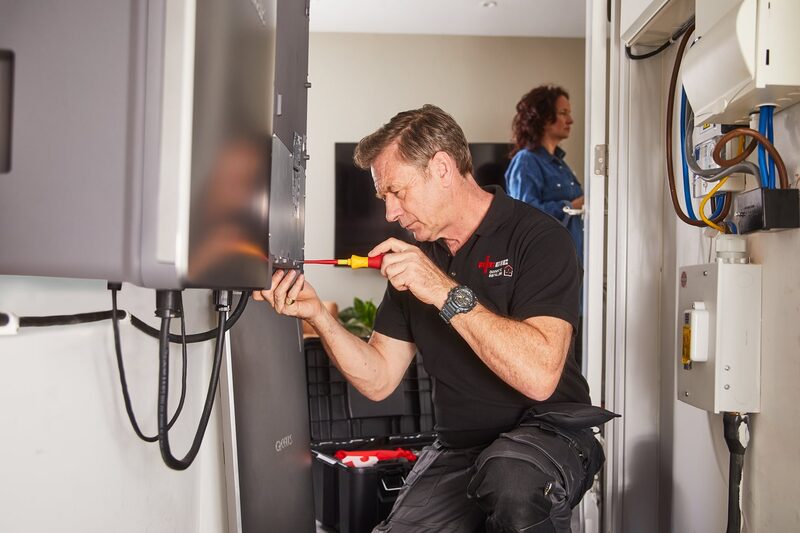
NAPIT is a certification body and training provider14. Its complaint process applies when a company certificated by NAPIT has been contracted or subcontracted to carry out work covered by the scope of their certification6. It is NAPIT's policy to review all complaints with impartiality6.
The process has conditions. The consumer or consumer representative must have formally contacted the member directly and allowed a minimum of 14 days for the member to acknowledge the complaint6. NAPIT requires evidence of authority for a representative to act on behalf of a consumer6. Once the complaint is received, receipt is acknowledged within 5 working days, and any communication will be responded to within 10 working days unless this is outside NAPIT's control6. Where further investigation is required, this may be completed via desktop review or inspection6.
Eligibility turns on the nature of the failure. A complaint can be raised if work undertaken does not comply with Building Regulations, British Standards, MCS published standards, or has resulted in an unsafe situation, and the issue must first be raised directly with the installer24.
If rectification work is not done satisfactorily or no resolution is agreed, the installer may jeopardise their NAPIT certification24. Non-routine matters that fall outside of procedure will be referred to the NAPIT Compliance Panel6. Where sanctions are imposed onto a member's certification, NAPIT can share the status of the membership, but the specific details as to any sanctions imposed will not be disclosed to the consumer or consumer representative6.
Two exclusions are worth knowing. The process does not cover work carried out as part of the plan for a new build property constructed within the last ten years6. NAPIT also cannot remove personal data whilst the complaint is ongoing, or if a guarantee related to the complaint has not yet expired6.
NAPIT states plainly that it will not compensate or reimburse monies in regard to non-compliant work24. A householder's remedy through the scheme is rectification by the member, not payment.
What this means for a household's energy independence
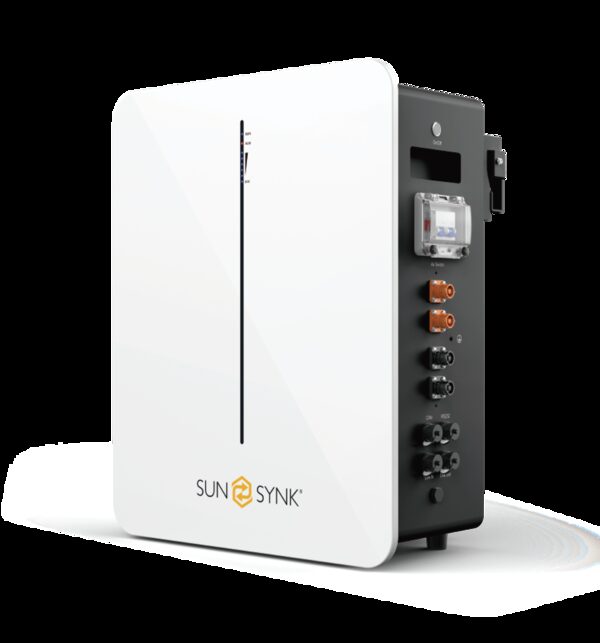
Amendment 4 widens what a home can legally connect and store, and it does so by tightening the design rules around the point of connection. A home battery now has its own chapter4. A plug-in solar device has a defined route to a socket circuit, with a specified plug standard and a network standard to meet12. Solar installations must meet BS 7671 to be considered safe and compliant20.
The dependence that remains is on the installation itself and on the people who certify it. The grid connection is still governed by Engineering Recommendation G98 for parallel operation5. The protective devices in the consumer unit must be right for reverse current, and in some older homes they are not15. Certification runs through a competent person scheme and a building control notification, and the scheme's complaints process rectifies work rather than paying for it24.
For a household, the sequence the rules imply is: establish the state of the existing wiring and protective devices, confirm the equipment meets the current standard, and confirm who is certifying the work and notifying building control. The rules set what is permitted; they do not choose a product or an installer.
Sources27 cited
- IET and BSI officially publish Amendment 4:2026 to BS 7671:2018, IET, 15 April 2026
- Requirements for Electrical Installations, IET Wiring Regulations, BSI, 15 April 2026
- UK electrical wiring standard to be updated in 2026, E&T, 15 January 2026
- Long lasting battery technology, Fuse Energy, 17 August 2026
- Plug-in solar final interim product specification, GOV.UK, July 2026
- Complaints against members policy, NAPIT, 20 September 2026
- Amendment 4 to BS 7671 electrical installations webinar, Eaton, 16 April 2026
- BS 7671 Requirements for Electrical Installations, BSI, 17 September 2026
- Part P England and Wales frequently asked questions, IET, 17 September 2026
- Have your views heard on BS 7671:2018 Amendment 3, Electrical Safety First, 19 September 2026
- Joint statement on plug-in solar panels, ECA, 8 June 2026
- Plug-in solar interim product specification (withdrawn), GOV.UK, June 2026
- NAPIT responds to the Government's plug-in solar consultation, NAPIT, 16 July 2026
- NAPIT responds to the pay per mile scheme for electric vehicles, NAPIT, 24 February 2026
- Plug-in solar panels vs rooftop systems, Which?, 27 April 2026
- The impact of the 18th Edition Sections 722 to 753 and new 730, IET, 17 September 2026
- RCDs for electric vehicle supply equipment, IET, May 2024
- Building regulations general information, Planning Portal, 2026
- Surge protective devices, IET, 17 September 2026
- Solar panel installation, maintenance and repair, NICEIC, 17 September 2026
- Part P of the Building Regulations, Electrical Safety First, 17 September 2026
- Building Control application forms, Building Control NI, 2026
- Building regulations approval, GOV.UK, 17 September 2026
- Building regulations renewables guidance, Bedford Borough Council, 17 September 2026
- Monitoring and improving building regulations, Scottish Government, 6 April 2026
- Building Standards Technical Handbook Domestic (April 2026), Scottish Government, 6 April 2026
- Notice of standards, grant categories and grant levels, GOV.UK, 21 July 2026
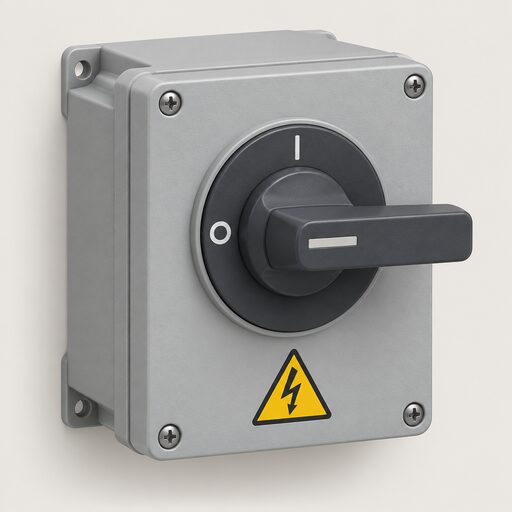 Backup Power Safety RulesWho signs off a battery or backup circuit, and can you legally plug in a power station or a plug-in solar panel in the UK?
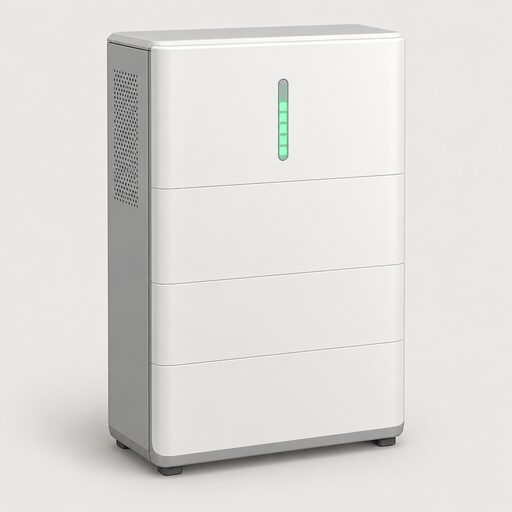 AC-Coupled vs DC-CoupledCan you add a battery to your existing solar panels without swapping the inverter, and does one kind waste more of your solar power than the other?
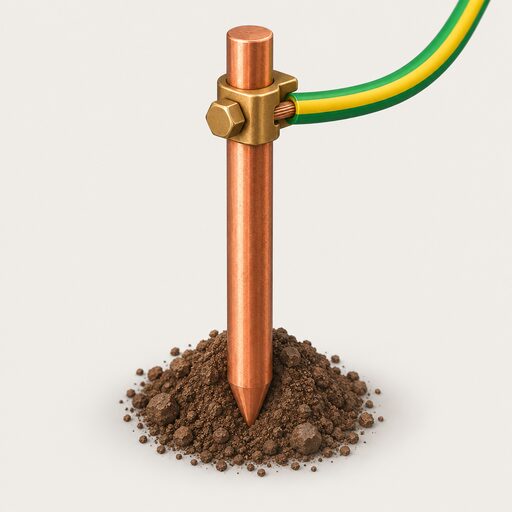 Electrical Safety for GenerationWho signs off the wiring when you fit solar panels or a small wind turbine, and how do you know it is safe?
 Installation StandardsWhich rules must an installer follow when fitting a home battery?
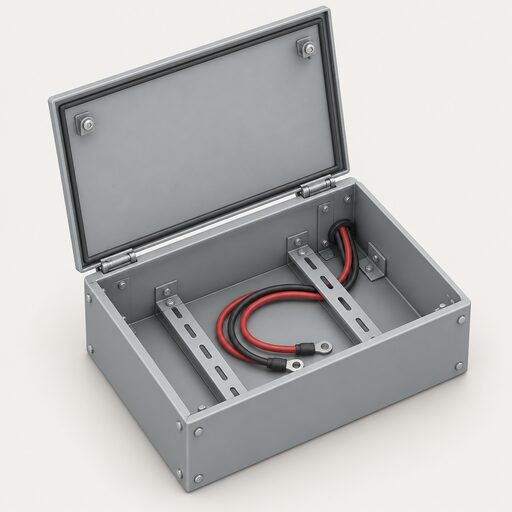 DIY Home Battery BuildsBuilding your own home battery?
 Suppliers and IndependenceCan you really cut your energy bills by making your own power, and how much of your supplier do you still need?