
In this answer
Short answer
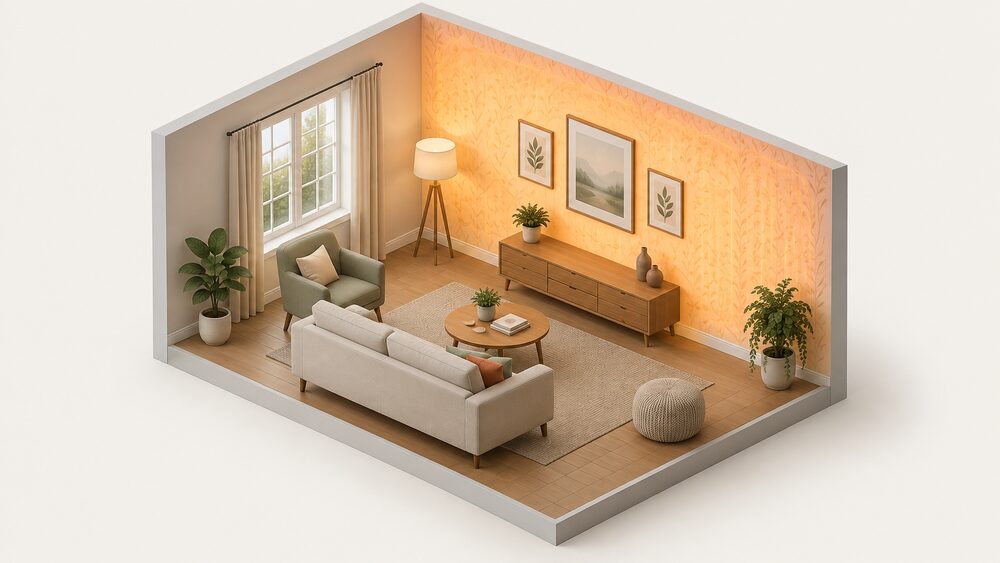
Electric wallpaper warms its element to around 40 to 45°C, according to independent guidance from the Energy Saving Trust1. One maker of infrared wallpaper states a maximum surface temperature of 40°C, reached at a power density of approximately 200 watts per square metre2. That is the headline answer: a surface you can touch, warm rather than hot, and far below the temperature of a radiator or a hot water cylinder.
The figure matters because it defines what the technology is. Electric wallpaper is a low temperature heating system1, and it works by infrared, warming people and surfaces in the room directly rather than heating the air first1. It is not a boiler replacement in the conventional sense, and it will not produce hot water1. A household running it still needs a separate way of making and storing hot water, such as immersion heaters in a cylinder1.
For context, an electric blanket typically ranges from 18 to 56°C3, so the wallpaper sits in the lower half of that band. Independent guidance for households with health issues, elderly people or young children recommends heating occupied rooms to at least 20°C4, and storage heater controls are usually set somewhere between 18°C and 21°C5. The wallpaper's surface temperature is a property of the panel, not a promise about the room.
Why 40 to 45°C counts as low temperature heating
Low temperature heating is a description of how gently a system delivers heat, and electric wallpaper qualifies because its element never approaches the temperatures found in combustion or resistance boilers. The Energy Saving Trust describes it as a low temperature heating system, and notes that it can provide a more even heat distribution in a room than radiators or smaller infrared panels1. That evenness is the practical benefit of a large surface running cool rather than a small surface running hot.
The construction explains the figure. Electric wallpaper contains a heating element usually made from carbon, copper or graphene1, and low voltage electricity warms that element to around 40 to 45°C1. Infrared heating more broadly can come as underfloor heating or as a fabric-like wallpaper which can be plastered over and decorated9, so the emitter is hidden inside the building fabric rather than mounted on it.
What a household should expect in practice is a slow, steady warmth rather than a rapid blast. The Energy Saving Trust notes that electric wallpaper might not need much maintenance and could last a long time, but also that there is little conclusive research about the effectiveness of electric wallpaper and infrared heating1. That is an important limit: the temperature is well established, the whole-house performance is not.
On cost, the same guidance says it could be less expensive to install than a boiler or heat pump and radiators, but will cost more than just replacing an existing boiler1. Electric underfloor heating, a comparable low temperature electric approach, has lower installation costs than water-based systems10. For energy independence, electric wallpaper removes gas from the heating side of the home and removes radiators from the wall, but it leaves the household dependent on electricity supply and on a separate hot water arrangement.
How it is powered: electricity, heat pumps and external wall systems
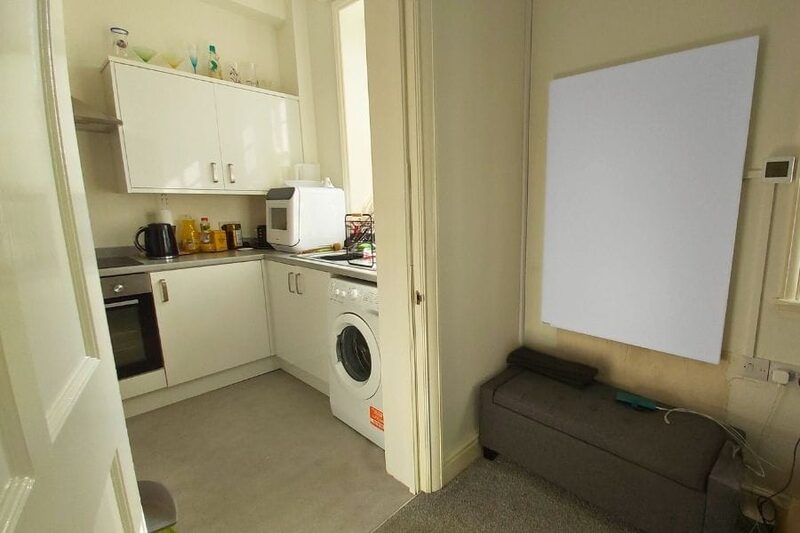
Electric wallpaper runs on electricity. Electric heating uses electricity to warm your home11, and electric heaters are wall-hung units on the main electricity supply that convert electricity into heat using internal tubes or fluid, switched on when needed12. There is no combustion, no flue and no gas connection in the heating circuit itself.
It does not run off a heat pump. A heat pump is a separate appliance: heat pumps can work with radiators or underfloor heating, but some types can work without either11. The two systems are not interchangeable, and electric wallpaper will not produce hot water1, which is the job a heat pump or a cylinder would cover. A household choosing electric wallpaper is choosing resistance heating for the room, with all the running cost implications that carries.
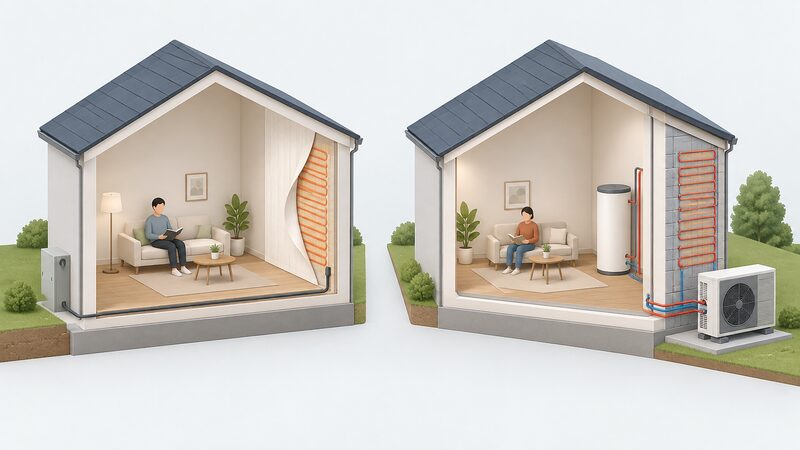
There is a third route worth knowing about, where the wall itself becomes the heat emitter. Alpha announced in April 2026 that it has supplied its Magis M heat pump to the EnergyWall system, a Manchester Innovation Prize finalist led by Underheat13. That is an external wall heating system driven by a heat pump rather than by resistance elements, and it shows the direction some manufacturers are taking: keeping the wall as the emitter but changing what supplies the heat.
The distinction matters for independence. Resistance heating converts electricity to heat at the point of use and depends entirely on the grid or on a home's own generation. A heat pump moves heat rather than making it, and can be paired with a cylinder for hot water. Neither removes the household's dependence on electricity, but they place different demands on it, and only one of them also solves hot water.
Pairing electric wallpaper with a heat battery
Electric wallpaper and a heat battery do different jobs, and the pairing works because each covers the other's gap. The wallpaper heats the room; the heat battery stores heat for hot water and, in some designs, for the wet central heating circuit. Independent guidance is explicit that a home using electric wallpaper will need a way of producing and storing hot water, such as immersion heaters in a hot water cylinder1.
Heat batteries connect to an existing wet central heating system via a heat exchanger and run at 55 to 60°C, which is hot enough for domestic hot water6. That is a materially higher temperature than the wallpaper's 40 to 45°C1, and the difference is the point: the wallpaper is a room emitter, the battery is a store that can serve taps and radiators.
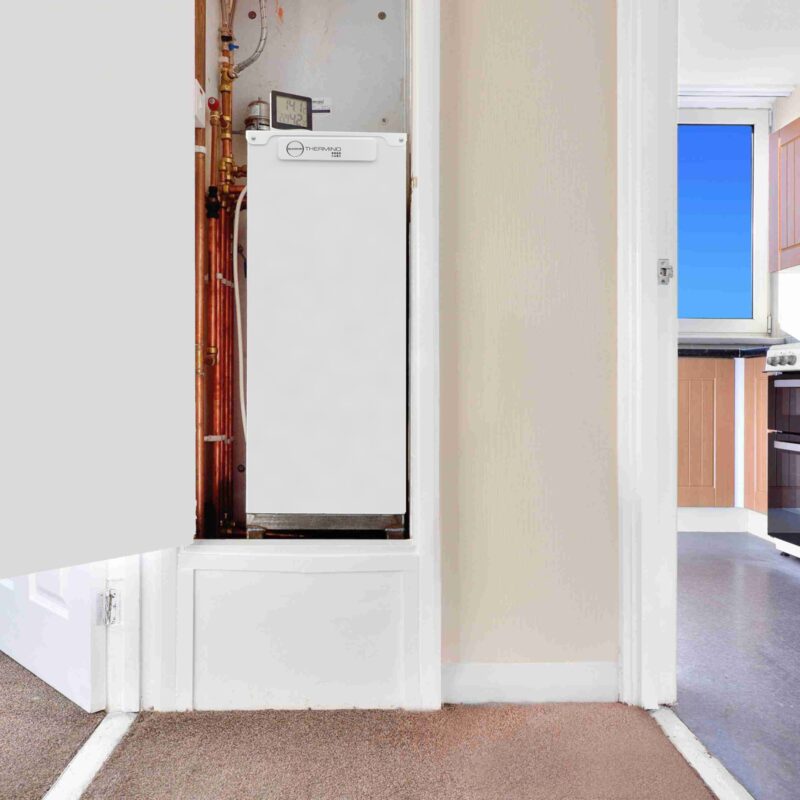
One maker describes its heat batteries as a thermal energy storage solution that replaces hot water cylinders, and states they are up to four times smaller than the equivalent hot water tank14. The same maker describes a thermal battery fitting neatly in a cupboard15. These are the manufacturer's own figures, so they describe that maker's products rather than the category as a whole.
"Our heat batteries are a thermal energy storage solution that replaces hot water cylinders"
For a household, the combination is a route to removing gas from both space heating and hot water, at the cost of taking all of that demand onto electricity. The independence gained is independence from a gas supply and from a boiler. The dependence that remains is on electricity, on the grid connection, and on the manufacturer for a store that is a sealed unit rather than a conventional cylinder.
What a heat battery costs, and grants and VAT
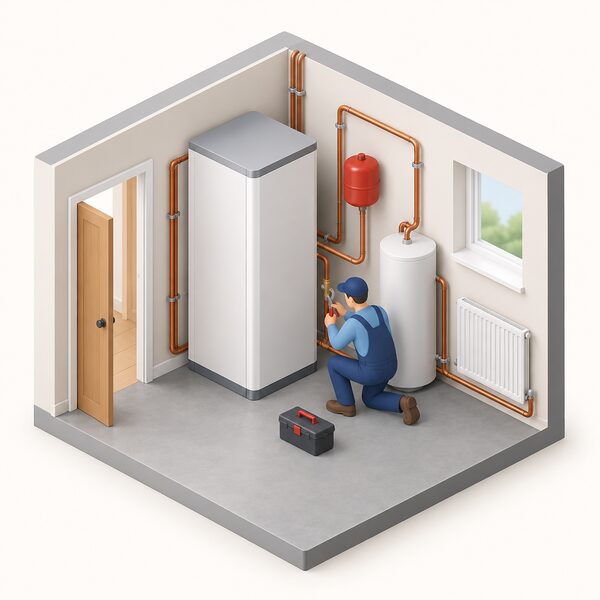
The grant position is the clearest signal of where heat batteries sit. Official guidance states that a £2,500 grant for heat batteries will also be available once the legislation and appropriate product standards are in place7. That is a stated intention with two conditions attached, not a payment a household can claim today. Independent guidance already lists installing a heat pump, biomass boiler or heat battery among the measures the Boiler Upgrade Scheme funds16, and the scheme's installer rules list air-to-air heat pumps among eligible technologies17.
The VAT position is less favourable. Independent guidance states that heat batteries are currently the only major heating technology that does not qualify for VAT relief8. Energy bill costs carry VAT at 5%18, and official guidance sets 5% VAT on heating equipment work funded through an energy efficiency grant in Great Britain or Northern Ireland19. Where a grant funds the work, the reduced rate applies; where it does not, the heat battery does not attract the relief that other heating technologies do.
Wider funding exists for related measures. The Warm Homes Plan is described as including funding packages for solar panels and a battery worth around £9,000 to £12,000 per home, based on current costs20, and independent reporting puts fully funded installations of solar panels and a battery for low-income households at the full average cost, currently between £9,000 and £12,00021. Those figures are for solar and storage, not for heat batteries, and should not be read across.
No published price exists for heat batteries themselves, so these systems are installer-quoted and no range is given here. VAT treatment depends on how the work is funded and where the home is: in Great Britain or Northern Ireland, heating equipment work funded through an energy efficiency grant carries 5% VAT for eligible households1. In Northern Ireland, where materials exceed 60% of a total installation cost, an installer charging £5,385 excluding VAT (£3,500 materials, £1,885 labour) applies standard 20% VAT to the materials and 5% to the labour2. For scale on running costs rather than purchase price, an electric heater used two hours a day is put at £2.28 a month on a standard variable tariff3.
Where heat batteries fit: size, output and suitability
Heat batteries are most suitable for smaller homes that do not have space for an outdoor heat pump unit, according to independent guidance6. That is a siting judgement as much as a technical one: the store goes inside the home, in a cupboard, where a cylinder or a plant room might otherwise be.
The output side is what makes them useful. Running at 55 to 60°C through a heat exchanger into an existing wet central heating system6, a heat battery can serve radiators and hot water without a boiler. For a household, that means the gas connection can go, provided the electricity supply and the store are sized for the demand.
There are limits to where a store can go. Maker guidance on battery storage notes that storing batteries in extreme temperatures, either too high (above 45°C) or too low (below -10°C), can affect their capacity22. That is guidance for electrical batteries rather than thermal stores, but it is a reminder that storage technologies carry placement conditions. A thermal battery in a cupboard is inside the thermal envelope, which is where it needs to be.
For heat pumps as the alternative, the operating range is wide: one single phase heat pump is described as capable of reliably providing 100% heating performance even in extremely cold weather, at temperatures as low as -25°C23. That is a manufacturer's claim for one model, and it addresses the outdoor unit that a heat battery avoids needing.
The independence picture is therefore a trade. A heat battery removes the boiler and the gas supply, stores heat indoors and suits a home with no space outside. It leaves the household dependent on electricity to charge the store, on the manufacturer for a sealed unit, and, for now, outside the VAT relief that other heating technologies enjoy8. Households weighing it against a cylinder can read more in heat battery vs hot water cylinder, and those comparing it with the alternative heating route can read heat battery vs heat pump. For the wider context of where these technologies sit, see the emerging home energy technology guide.
Sources23 cited
- Electric wallpaper explained, Energy Saving Trust, 2026-03-26
- Infrared heating panels, Herschel Infrared, 2026-09-20
- How much does it cost to use an electric blanket?, Uswitch, 2026-07-01
- No cost low cost energy saving, Low Carbon Hub, 2026-08-05
- A guide to using electric storage heater controls, Energy Saving Trust, 2026-05-21
- Electric heating, Centre for Sustainable Energy, 2026-06
- Carbon Budget and Growth Delivery Plan: heat and buildings factsheet, GOV.UK, 2026-06-23
- No home left behind: how to support lower income homes in the heat transition, Association for Decentralised Energy, 2026-09-20
- Electric central heating, Which?, 2025-09-22
- Electric vs water underfloor heating, Which?, 2026-05-27
- Heating your home, Energy Saving Trust, 2026-05-19
- Electric heaters vs storage heaters, Energy Helpline, 2026-09-20
- Alpha heat pump powers innovative EnergyWall heating system, Alpha Innovation, 2026-04-09
- Thermino range, Sunamp, 2026-03-17
- Social housing solutions, Sunamp, 2026-03-24
- Grants and loans, Energy Saving Trust, 2026-02-19
- Boiler Upgrade Scheme: installers, Ofgem, 2026-09-17
- Check if you are owed money on your energy bill, Ofgem, 2026
- Tax on shopping: energy saving products, GOV.UK, 2026-09-17
- What the Warm Homes Plan means for you, Energy Saving Trust, 2026-01-23
- Warm Homes Plan announcement, NAPIT, 2026-01-21
- Energy storage FAQ, Eaton, 2026-09-17
- Samsung EHS Mono HT AE120BXYDEG single phase heat pump, Quiet Mark, 2026-09-17
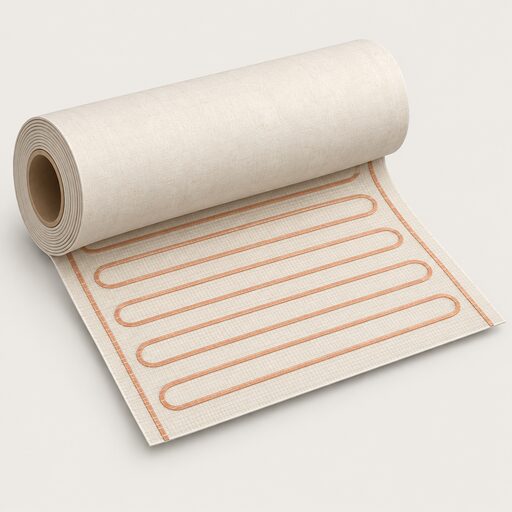 Heating Films and WallpaperCan electric wallpaper really heat a whole room, and what does it cost to run compared with a gas boiler or heat pump?
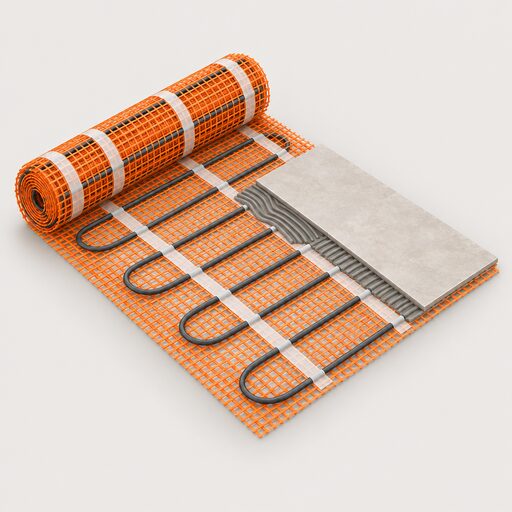 Underfloor Heating SystemsWhich rooms suit electric underfloor heating and which need a wet system?
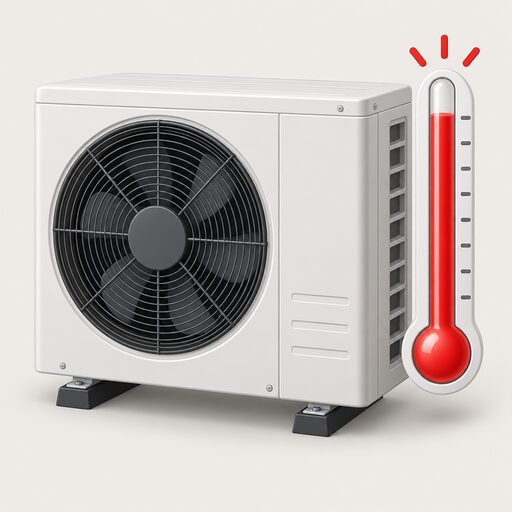 High Temperature Heat PumpsHigh-temperature heat pumps deliver flow temperatures of roughly 65 to 80°C, close to boiler levels, so existing radiators can often stay in place.
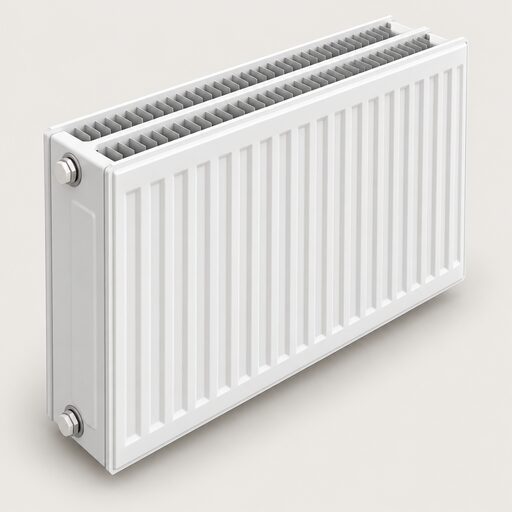 Radiators and Heat EmittersA radiator's real heat output depends on how hot the water inside it is compared with the room, so the figure in a catalogue often overstates what you will actually get.
 Radiators and EmittersWill your radiators still heat the house properly with a heat pump?
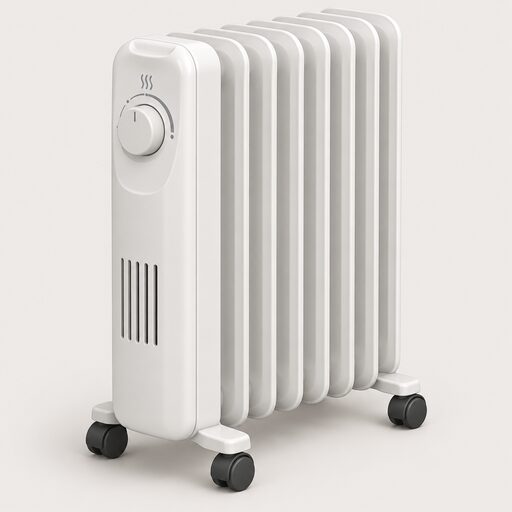 Electric Radiators and PanelsDo electric radiators cost more to run than gas heating, and are they worth it for one room or a whole house?