
In this guide
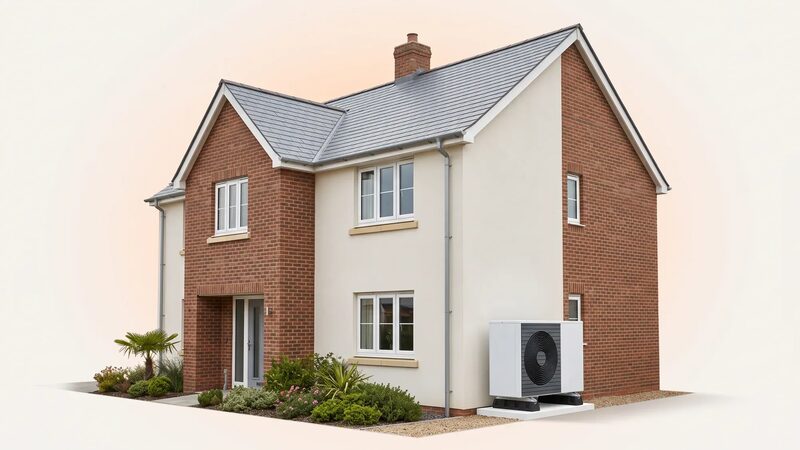
The funding that exists for household energy work is aimed at efficiency and low carbon heating, not at cutting a home loose from the grid. The largest single pot is the Boiler Upgrade Scheme, which provides upfront capital grants of up to £7,500 to encourage property owners to replace existing fossil fuel heating, and pays £7,500 off the cost and installation of an air source heat pump or £5,000 off a biomass boiler1. From 21 July 2026, eligible off-gas grid properties can apply for an uplifted grant of £9,000 for an air-to-water or ground source heat pump, a value in place until 31 March 20272.
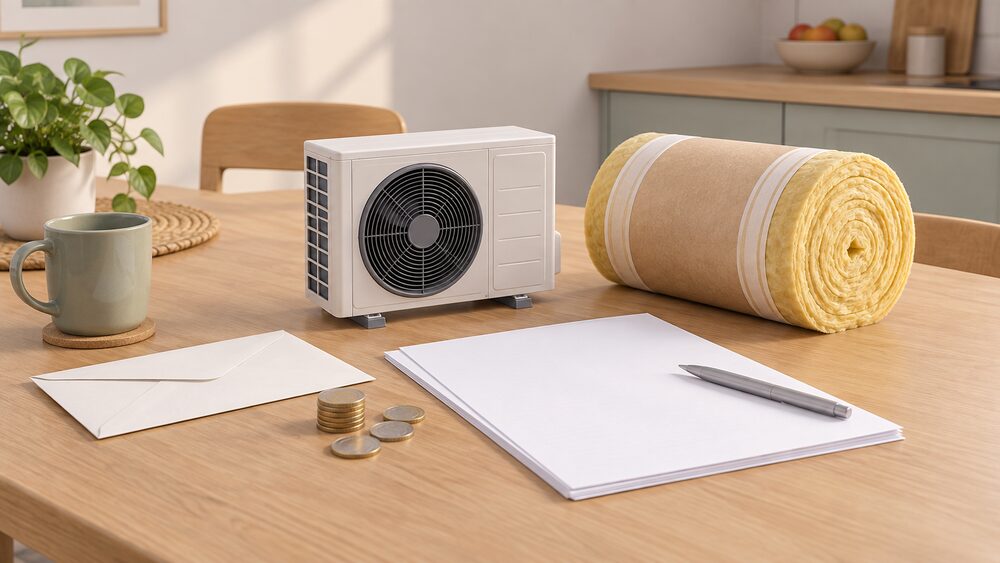
That is the shape of the whole landscape. Grants pay for insulation, heating systems and the fabric of a home. They do not pay for solar panels, batteries or a disconnection. A household that wants to reduce what it buys from a supplier can use these schemes to cut demand, and that is a real gain in independence, but the wires and pipes remain.
The distinction matters because "energy independence" is used loosely. What the schemes deliver is lower consumption and a different heating fuel. What they do not deliver is self-sufficiency. The sections below set out the figures, what drives them, how the four nations differ, the rules that govern applications, and what all of it means for a household's exposure to fuel markets and supplier pricing.
What the grants actually pay for
A grant, in the technical sense used by the tax authority, is money paid directly by grant-awarding bodies to installers to fund work done for someone else6. That definition explains the architecture of every scheme here: the money does not usually reach the household, it reaches the installer, and the household sees a reduced quote. Under the Boiler Upgrade Scheme, installers must deduct the full grant value from the quote before any payment is made by the property owner2.
The measures funded fall into two groups:
- The fabric of the building. Loft and cavity wall insulation, and in Northern Ireland grants for householders to make their homes more energy efficient by installing loft, cavity wall insulation and a new boiler or heating system7.
- The heat source. Air-to-water heat pumps, air-to-air heat pumps, ground source heat pumps including water source heat pumps and shared ground loops, and biomass boilers8.
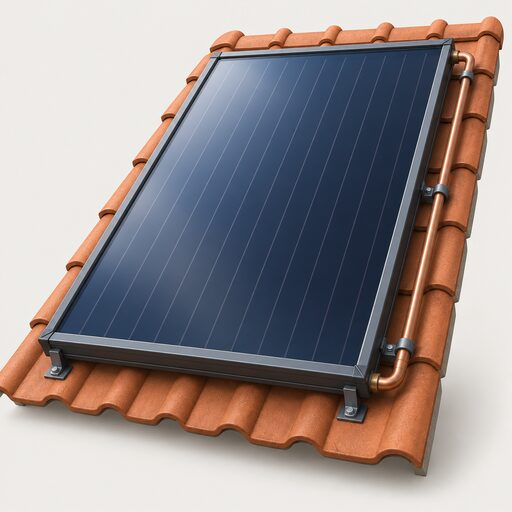
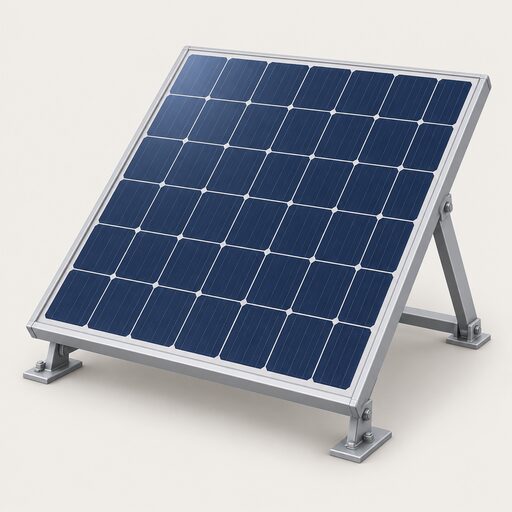
What is absent is generation and storage. Solar photovoltaic panels could power your home, reduce your bills and may earn you money, and installing them may require approval under the Building Regulations, but no grant in this set funds them9. Battery storage does not appear in the funded measures at all. For a household whose goal is to generate its own electricity rather than buy it, the grant system offers nothing direct.
The figures behind the schemes

The headline numbers are straightforward, but they sit inside budgets that are smaller than they appear and are subject to annual limits.
| Scheme | What it pays | Amount | Where |
|---|---|---|---|
| Boiler Upgrade Scheme | Air source heat pump | £7,500 | England and Wales1 |
| Boiler Upgrade Scheme | Biomass boiler | £5,000 | England and Wales1 |
| Boiler Upgrade Scheme | Off-gas grid uplift, air-to-water or ground source | £9,000 | England and Wales, 21 July 2026 to 31 March 20272 |
| Warm Homes: Local Grant | Energy performance and low carbon heating | 50% of cost up to £7,500 for certain private landlord properties | England5 |
| Home Energy Scotland | Energy efficiency measures | £7,500 optional interest free loan | Scotland3 |
| Home Energy Scotland | Private sector households | Interest free loans up to £15,000 | Scotland4 |
The Boiler Upgrade Scheme had an initial budget of £150m per financial year for 2022-20252. One set of official statistics records £295 million for 2025/26, with 2024/25 funding increased by £30 million10. A separate official guidance figure of £450 million also appears in the documents, and the two have not been reconciled, so the budget for the current year should be treated as reported rather than settled2.
The Home Upgrade Grant, now closed to new applicants, allocated £218 million in Phase 1 to improve energy efficiency in low-income homes off the gas grid, with later funding totals reaching £220 million10. The Energy Bills Support Scheme, a bill discount rather than a retrofit grant, accounted for £328 million of spend in Northern Ireland11.
What drives the priorities
The schemes are driven by fuel poverty and decarbonisation of heat, in that order. The Home Upgrade Grant provides funding to upgrade low energy-efficiency homes off the gas grid that are occupied by low income families13. The Warm Homes: Local Grant is a government grant scheme to provide energy performance upgrades and low carbon heating via local authorities, for energy performance improvements and low carbon heating improvements with the aim of achieving energy bill savings15.
In Scotland the driver is stated more broadly. Grants are provided by the Scottish Government to support the implementation of Net Zero measures16. That is a wider remit than bill savings alone, and it explains why the Scottish route includes loan finance alongside grant funding.
The consequence for a household is that eligibility usually turns on income, tenure and the fuel the home currently uses, not on ambition. A well-insulated home on the gas grid with a moderate income is not the target of these schemes. A low income household off the gas grid in a poorly performing property is. The Boiler Upgrade Scheme is the exception: it is not means tested, but it is restricted to properties replacing a fossil fuel heating system such as gas, oil or LPG, or an electric heating system excluding existing heat pumps17.
The uplifted £9,000 grant sharpens this. To qualify, the previous heating system being replaced must be fuelled by oil or liquefied petroleum gas2. Households already off the gas grid, and therefore already exposed to delivered fuel prices rather than a mains tariff, are the ones offered the larger sum.
How the four nations differ
The Boiler Upgrade Scheme supports the decarbonisation of homes and small and medium non-domestic buildings in England and Wales, and only properties in England and Wales are eligible1. Scotland and Northern Ireland sit outside it entirely.
Scotland runs the Home Energy Scotland Grant and Loan Scheme. An additional £7,500 of funding is available as an optional interest free loan for energy efficiency measures such as insulation, and the scheme makes interest free loans of up to £15,000 available to private sector households to support installation of energy efficiency measures3. Applications for grant under the Home Energy Efficiency Scheme (Scotland) Regulations 2006 are made to the administering agency, and a grant may also be made for energy advice, energy efficient lamps, and insulation to any water heating system18.
Northern Ireland has a different structure again. NI Energy Advice offers free advice on saving energy in your home, energy efficiency grants, and oil buying clubs, plus referrals to energy grants and other sources of help19. The grants are available to homeowners and private tenants7. Northern Ireland also received £328 million through the Energy Bills Support Scheme, a bill support figure rather than a retrofit one11.
Wales sits inside the Boiler Upgrade Scheme but has its own additional support. Thousands of Welsh households have received help with oil and LPG heating costs through a Welsh Government scheme21. For households in Wales on delivered fuel, that route addresses running costs rather than the capital cost of a heat pump.
The rules that govern an application

The Boiler Upgrade Scheme application runs in a fixed order:
- The installer submits a voucher application.
- A voucher is issued by Ofgem.
- The installer submits a voucher redemption application.
- The installer receives the grant payment12.
The application must be properly made within 120 days of the commissioning date2.
Several conditions attach to the property. The installation must replace an existing fossil-fuel or electric heating system22. Properties classed as social housing are not eligible for BUS funding, and this includes shared ownership properties17. Self-build properties are only eligible for BUS funding for heat pumps2. A hybrid heat pump system, for example a combination of gas boiler and air source heat pump, cannot receive a grant8.
Technical limits apply to the equipment:
- Heat pump capacity. An individual heat pump system is capped at 45 kWth, a multi heat pump system at 70 kWth, and a shared ground loop system at 300 kWth total, with each connected heat pump not exceeding 45 kWth2.
- Performance. Air-to-water and ground source heat pumps must achieve an in situ seasonal coefficient of performance of at least 2.82.
- Biomass. Biomass boilers may only be installed in properties in rural areas, are capped at 45 kWth for an individual system, and must meet emissions limits of 30g/GJ net heat input for particulate matter and 150 g/GJ net heat input for NOx2.
The installer must be certified by the Microgeneration Certification Scheme, and all heating systems installed under the scheme must meet the relevant MCS standards approved and published by the Secretary of State1. Installers are required to keep all documentation relied upon in voucher applications and voucher redemption applications for six years from the date the application was properly made2.
One rule has loosened. From 28 April 2026, properties are no longer required to have a valid EPC to apply for BUS, and BUS heat pumps can be installed alongside supplementary heating appliances provided these are not fossil fuel based2. Earlier scheme rules had required a valid energy performance certificate1.
What this means for energy independence
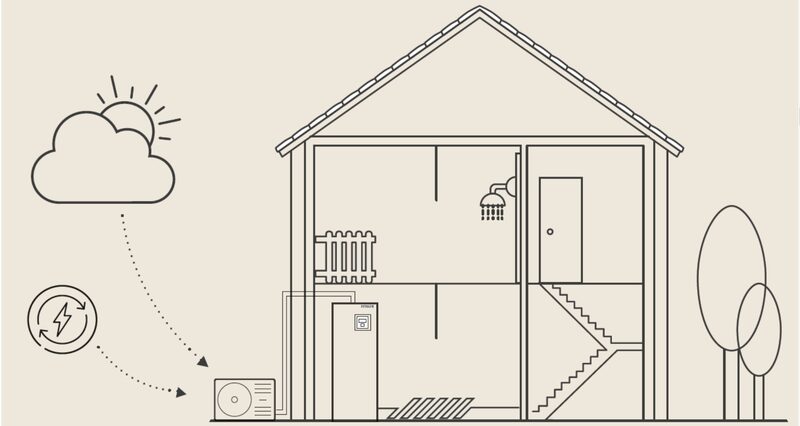
The honest answer is that these schemes reduce dependence on imported fuel and on supplier pricing, but they do not remove it. A heat pump replaces a gas or oil boiler, which cuts the volume of imported gas or delivered fuel a household buys. Insulation cuts the volume of everything. Neither severs the connection.
The dependence that remains is specific. A heat pump runs on electricity, so the household still buys from a supplier and still pays network costs. A biomass boiler runs on delivered fuel, so the household still depends on a supply chain, though a different one. Solar panels, which would generate rather than buy, are outside the grant system, and battery storage is not funded at all. A household that installs a heat pump with a grant has changed its fuel, not its reliance on the grid.
There is a second dependence worth naming: the manufacturer and the installer. The Boiler Upgrade Scheme requires an MCS certified installer, and the grant is paid through that installer, who must deduct the full value from the quote before any payment is made1. The household's exposure to that company's competence and continued trading is real, and the scheme's audit trail of six years of retained documentation exists precisely because the money flows through a third party2.
The schemes also carry a timing dependence. The Boiler Upgrade Scheme closes to new applications at 11:59pm on 30 December 2029, and the uplifted off-gas grid value ends on 31 March 20271. Unspent budget is not carried over12. A household planning a retrofit around grant funding is planning around deadlines it does not control.
For a household weighing up home energy grants as a route to independence, the realistic position is this: the funding available cuts demand and changes the heating fuel, which lowers exposure to gas prices and to the wholesale market. It does not fund self-generation, storage or disconnection. Independence, in the sense of not needing a supplier, is not what these schemes buy.
Sources23 cited
- Boiler Upgrade Scheme, Find Government Grants, 2026
- Boiler Upgrade Scheme Guidance for Installers v5.1, Ofgem, 2026
- Energy Saving Home Improvements, Scottish Government, 2026
- Energy Efficiency Private Rented Property Scotland Regulations 2019 Consultation, Scottish Government, 2019
- Warm Homes: Local Grant, Greater Manchester Combined Authority, 2026
- VAT Energy Saving Materials and Grant Funded Heating Supplies, GOV.UK, 2026
- Home Heating, Belfast City Council, 2026
- Apply for the Boiler Upgrade Scheme: What You Can Get, GOV.UK, 2026
- Solar Photovoltaic (PV) Panels, Bromley Council, 2026
- Home Upgrade Grants and Boiler Upgrade Scheme Funding, House of Commons Library, 2026
- Energy Bills Support: An Update, National Audit Office, 2024
- Boiler Upgrade Scheme Quarterly Report Issue 14, Ofgem, 2025
- Heat Pump Deployment Quarterly Statistics United Kingdom 2025 Q2, Department for Energy Security and Net Zero, 2025
- Heat Pump Deployment Quarterly Statistics United Kingdom 2025 Q3, Department for Energy Security and Net Zero, 2025
- Warm Homes: Local Grant, House of Commons Library, 2026
- Green Heat Finance Taskforce Report Part 1, Scottish Government, 2023
- Boiler Upgrade Scheme Guidance for Property Owners V5, Ofgem, 2026
- The Home Energy Efficiency Scheme (Scotland) Regulations 2006, legislation.gov.uk, 2006
- Cost of Living and Winter Support, Belfast City Council, 2026
- Energy Saving Grants in Your Area, nidirect, 2026
- Thousands of Welsh Households Get Help With Oil and LPG Heating Costs, Welsh Government, 2026
- Boiler Upgrade Scheme: Installers, Ofgem, 2026
- Domestic RHI Essential Guide, Ofgem, 2022
 Heating and Energy IndependenceCan you heat your home without relying on gas or oil, and what would that take?
 Planning Energy IndependenceCutting what you use, moving heating off gas, putting solar on the roof and adding a battery all help, but none of them takes you off the grid completely.
 Energy IndependenceA heat pump runs your heating on electricity instead of gas or oil, so how much does that really cut what you pay and how exposed you are when fuel prices jump?
 Cost of Energy IndependenceA heat pump and better insulation are the usual starting point, but what does the whole job really cost, and what help is there with the bill?
 Charging and Energy IndependenceCharging an electric car at home can cut your fuel costs, but how much does it really free you from the grid?
 DESNZ Energy PolicyThe government department behind home energy rules is not the one that pays your grant.