In this guide
The Green Homes Grant is closed. The voucher scheme opened in September 2020 and closed to new applications at 5pm on 31 March 2021, with the scheme fully closed on 30 November 20211. Government guidance now lists it among the schemes that are "now closed (such as the Green Homes Grant, Home Upgrade Grant and Green Deal loans)"2. It was scrapped in 20213.
What it offered, while it ran, was substantial. For most people the maximum contribution was £5,000, covering up to two thirds of the cost of the works. Households on low incomes were eligible for up to 100% funding, up to a maximum of £10,0002. It was an England-only scheme for domestic properties, and it was designed to "enable up to 600,000 households" to install energy efficiency improvements and low carbon heat measures in their homes4.
The scheme left a mixed record. Over 52,000 vouchers were issued, worth over £221 million, and its local authority delivery arm aimed to support retrofit measures in circa 50,000 low-income households in England5. But it "ultimately, it did not create the number of jobs government had hoped for" against an expectation of 100,000 jobs across the UK4. For a household thinking about energy independence today, the Green Homes Grant matters less as an option than as a lesson: what a voucher scheme can and cannot do, and what replaced it.
The Green Homes Grant: a closed scheme and what it left behind
The scheme's life was short and its closure was staged. It opened in September 2020 and closed in March 20217. New applications stopped at 5pm on 31 March 2021, and the scheme was fully closed on 30 November 20211. Some government documents describe the closure differently: the Commons Library records that "it was closed to new applications on 31st March 2021" and "it was fully closed on 30th November 2021", while a separate briefing on spray foam insulation refers to "The scheme, which closed in March 2022"2.
What it left behind is a set of numbers that show both reach and shortfall. Over 52,000 vouchers were issued, worth over £221 million5. The local authority delivery arm aimed to support retrofit measures which improve energy efficiency and increase low carbon heating in circa 50,000 low-income households in England5. The scheme was expected to support the creation of 100,000 jobs across the UK, and the government's own assessment is that it did not create the number of jobs it had hoped for4.
For a household, the practical residue is simple: no route to a voucher, no outstanding entitlement, and a set of successor schemes that work through councils rather than through a central application. The scheme's own rules on vouchers were tight, and they explain why nothing could be salvaged after closure.
"Vouchers issued by the Green Homes Grant Voucher Scheme are only for use by the named applicant for the measure and property applied for"
What the scheme funded: primary and secondary measures
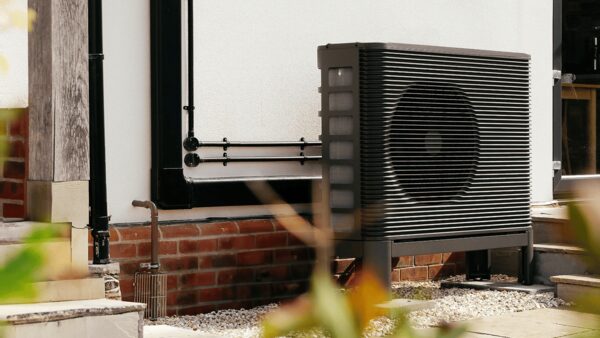
The Green Homes Grant was built around energy efficiency improvements and low carbon heat measures4. Its stated purpose was to make homes warmer, reduce energy bills and help protect the environment, and it covered up to two-thirds of the cost of works to improve the energy efficiency of homes10. Heat pumps were an eligible measure within the scheme, and evidence submitted to a parliamentary committee welcomed "the inclusion of heat pumps as an eligible measure within the Green Homes Grant"12.
The structure was a two-part one, with primary measures carrying the bulk of the funding and secondary measures allowed only alongside them. That design shaped what households could actually buy. The evidence to Parliament argued that "the scope of heating measures should be wider to better support consumer needs and include other key components such as hot water storage cylinders"12. In other words, the scheme funded the heat source but not always the full system a heat pump needs to work well.
The local authority delivery arm had a different emphasis. It funded retrofit measures which improve energy efficiency and increase low carbon heating in low-income households, and it was aimed at circa 50,000 of them in England5. That arm outlived the voucher scheme and fed into the schemes that followed.
| Element | What it covered | Source |
|---|---|---|
| Voucher scheme | Energy efficiency improvements and low carbon heat measures | 4 |
| Voucher scheme | Up to two thirds of the cost of works | 10 |
| Heat pumps | Eligible measure within the scheme | 12 |
| Local authority delivery | Retrofit for circa 50,000 low-income households in England | 5 |
How much you could claim: two thirds up to £5,000, or 100% up to £10,000
The money was the scheme's headline, and the two rates are worth stating precisely because they are so often misquoted. For most people, the maximum contribution was £5,000, covering up to two thirds of the cost of the works. Households on low incomes were eligible for up to 100% funding, up to a maximum of £10,0002. Council guidance repeats the same structure, describing grants of up to £10,000 to make homes warmer, reduce energy bills and help protect the environment, aimed at lower income households in or at risk of fuel poverty11.
The two-thirds rate is the one that catches people out. A household spending £6,000 on a measure would not receive £6,000; the voucher covered two thirds of the cost, so the household met the remaining third itself. The £5,000 cap then limited the total contribution regardless of how large the works were. At the low income rate, the £10,000 cap applied instead, and the household contribution could fall to nothing.
The scheme ran at two rates for two groups. Households able to pay received two thirds of the cost of their improvements, capped at £5,0002. Households on low incomes, in England on income support, received 100% of the costs of work covered, up to a maximum of £10,0002. The two figures are not alternatives for the same household: they describe the able-to-pay tier and the low-income tier respectively. A worked example from the able-to-pay tier: total costs of £9,000, and the grant covers £5,0002.
Who qualified: income support, fuel poverty and the eligibility split

Eligibility split into two groups, and the split determined both the rate and the cap. The higher rate was aimed at lower income households in or at risk of fuel poverty, who could receive grants of up to £10,00011. The local authority delivery arm was explicitly for low-income households6. Everyone else fell into the two-thirds group, capped at £5,0002.
The scheme sat inside a wider landscape of fuel poverty targeting that still shapes successor schemes. Warmer Homes Scotland is available to households, including owner-occupiers and some private rented sector tenants, who are living in or at risk of fuel poverty and who meet the qualifying eligibility criteria13. The Home Upgrade Grant provided energy efficiency upgrades and low carbon heating to low income households in properties which are off the gas grid and in energy efficiency bands D to G14. In Northern Ireland, NISEP schemes are targeted at households who do not qualify for assistance from other government schemes such as Affordable Warmth, and a household is not eligible if it has been approved under another grant-funded programme for the same measure at the same property, or received a grant within the last 15 years for the same measure at the same property15.
That last condition is the one that most often surprises households: grant funding for the same measure at the same property is treated as spent, not repeatable. The Green Homes Grant operated in the same spirit, with vouchers tied to a named applicant, a named measure and a named property1.
How the voucher scheme worked, from application to installer
The mechanics were straightforward on paper. Homeowners applied for vouchers with a certified installer, and the installer received the grant funding once the measure was fitted4. The household did not receive cash; the value was realised as work done. That structure is why the scheme's closure was so abrupt for anyone mid-process: the voucher was a permission to proceed, not a payment.
The rules on transfer were strict. Vouchers issued by the scheme were only for use by the named applicant for the measure and property applied for, with no right to transfer the rights or obligations to anyone else1. A household that moved, changed its mind about the measure, or found a different installer could not pass the voucher on.
The application deadline for heat pumps and other measures was 31 March 2021, and the guidance was explicit that applications had to be made before installation16. Work done before a voucher was issued did not qualify. That sequencing rule, combined with the closure date, meant that households who had already commissioned work without a voucher had no route to recover the cost.
The numbers show how many got through. Over 52,000 vouchers were issued, worth over £221 million5. Against a target of up to 600,000 households, that is a fraction of the intended reach4.
Installers: TrustMark registration and MCS certification
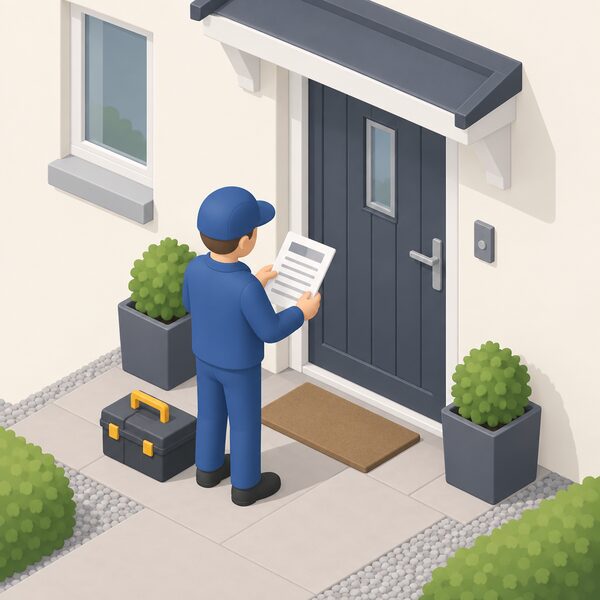
Installer standards were the scheme's quality control, and they have outlived it. To qualify for government incentive schemes such as the Green Homes Grant, installation contractors had to be TrustMark registered16. Installers under UK Government schemes must be TrustMark registered and/or Microgeneration Certification Scheme (MCS) certified2.
That dual requirement is now standard across the grant landscape. Warm Homes: Local Grant installers must be TrustMark registered and certified under the latest version of PAS 2030 or by MCS to install the relevant measures17. The Surrey County Council installer network is TrustMark Registered and MCS accredited for renewable technologies, and certified to PAS2035:202318. In Wales, installers must either be registered with TrustMark as an approved PAS 2030 installer, or registered with TrustMark and certified with the Microgeneration Certification Scheme where the installation involves a low carbon technology such as a heat pump or solar panels19. The Welsh-language scheme rules say the same thing20.
For a household, the practical test is unchanged from the Green Homes Grant era: check the registration before work starts, not after. A TrustMark or MCS registration is the evidence that an installer can be paid under a government scheme at all.
What the scheme did not cover: solar power and energy storage
Solar photovoltaic panels and battery storage were not the purpose of the Green Homes Grant. The scheme was built around energy efficiency improvements and low carbon heat measures, and heat pumps were the low carbon heating measure it is remembered for4. Households searching for solar funding under this scheme's name are looking in the wrong place, and always were.
The gap mattered. The evidence to Parliament argued that the scope of heating measures should be wider to better support consumer needs and include other key components such as hot water storage cylinders12. A heat pump without adequate hot water storage is a compromised installation, and the scheme's structure did not always fund the full system.
Solar and storage have their own separate funding landscape, and the Green Homes Grant is not part of it. Households weighing up solar should look at the dedicated grant routes rather than at a closed voucher scheme, and should treat any page offering "Green Homes Grant solar" as a warning sign rather than an opportunity.
Why the scheme closed early and the calls to extend it
The closure was early by design and contested in practice. The scheme was scrapped in 2021, and the factors behind that decision are recorded in consumer protection commentary on energy efficiency pledges3. The government's own assessment is blunt: the scheme "ultimately, it did not create the number of jobs government had hoped for"4. It had been expected to support the creation of 100,000 jobs across the UK6.
The shortfall against the 600,000 household target tells the same story4. Over 52,000 vouchers were issued, worth over £221 million, against a scheme intended to reach an order of magnitude more homes4. The local authority delivery arm, aimed at circa 50,000 low-income households, was the part that continued to deliver after the voucher window shut5.
The calls to extend it came from the same evidence base that criticised its scope. The argument that heating measures should be wider, including hot water storage cylinders, was made in written evidence to a parliamentary committee12. The scheme's closure left that criticism unresolved, and the successor schemes inherited the question of whether they fund whole systems or single measures.
The schemes that replaced it: Warm Homes: Local Grant and the Home Upgrade Grant
Two schemes took over the ground. The Home Upgrade Grant provided energy efficiency upgrades and low carbon heating to low income households in properties which are off the gas grid and in energy efficiency bands D to G, and it ended in March 20252. The Warm Homes: Local Grant is the current route, described as a government grant scheme to provide energy performance upgrades and low carbon heating via local authorities, and it includes off-grid homes previously supported by the Home Upgrade Grant2. The Warm Homes: Social Housing Fund replaced the Social Housing Decarbonisation Fund2.
The Warm Homes: Local Grant began in 2025 and its funding runs until 31 March 20289. It has been allocated £500 million over three years as part of the Autumn Budget 2024 settlement14. Up to £30,000 of measures is available per property, and gas and oil boilers are not eligible improvements under the scheme23. Households must usually have a combined income of £36,000 a year or less, and an Energy Performance Certificate of D to G, or the equivalent for a park home24. Households outside the most deprived deciles may still be eligible through low income proxies or a household income threshold25.
Delivery is through councils, not a central voucher. Residents of homes within selected areas are contacted by officers working for the listed organisations23. In London the scheme is delivered on behalf of 31 local authorities working together as a consortium, with funding shared between authorities based on the number of homes in fuel poverty in each area22. Applications in Years Two and Three are managed on a first come, first served basis within each local authority, rather than across London as a whole22.
| Scheme | Status | Key figure | Source |
|---|---|---|---|
| Green Homes Grant | Closed | Up to £5,000, or £10,000 for low incomes | 2 |
| Home Upgrade Grant | Ended March 2025 | Off-gas, EPC D to G, low income | 2 |
| Warm Homes: Local Grant | Open, runs to 31 March 2028 | Up to £30,000 per property | 9 |
| Warm Homes: Social Housing Fund | Open | Replaced Social Housing Decarbonisation Fund | 2 |
What the closure means for householders seeking energy independence
The Green Homes Grant's closure is a case study in what a grant can and cannot do for a household's energy independence. What it did was fund the fabric and the heat source: insulation and low carbon heating, with heat pumps eligible4. What it did not do was remove the household's dependence on the grid, on a supplier, or on a manufacturer. A heat pump funded by a voucher still runs on electricity bought from a supplier, and the household's exposure to price and availability is unchanged by the grant.
The dependence that remains is structural. The scheme was England-only, so households in Scotland, Wales and Northern Ireland were never within it7. Its successor works through local authorities, which means eligibility depends on where a household lives and which council area has funding23. The Warm Homes: Local Grant's income limit of £36,000 a year, its EPC D to G requirement, and its exclusion of gas and oil boilers all shape who can benefit24. The Domestic Renewable Heat Incentive, the other major heat payment scheme of the era, closed to new applicants at midnight on 31 March 2022 and now accepts only change of ownership applications26.
For a household, the honest position is that the Green Homes Grant is a closed chapter with a live successor. The voucher route is gone, the local authority route is open but means-tested and area-based, and the underlying dependence on grid electricity and a supplier remains whatever the grant funds. The schemes that followed are worth understanding on their own terms, and the closed schemes are worth understanding so that no one is caught by a page still selling them.

Sources26 cited
- Green Homes Grant scheme collection, GOV.UK, 2021
- The Green Homes Grant and successor schemes, House of Commons Library, 2026
- Energy efficiency pledges undermined by lack of consumer confidence, Approved Code, 2024
- Green Homes Grant, National Audit Office, 2021
- Green Homes Grant voucher scheme, Public Accounts Committee, 2021
- Carbon Budget Delivery Plan, GOV.UK, 2023
- Heat pump deployment quarterly statistics, UK 2025 Q2, Department for Energy Security and Net Zero, 2025
- Heat pump deployment quarterly statistics, UK 2024 Q4, Department for Energy Security and Net Zero, 2025
- Heat pump deployment quarterly statistics, UK 2025 Q3, Department for Energy Security and Net Zero, 2025
- Spray foam insulation and mortgages, House of Commons Library, 2026
- Grants and funding, Tameside Council, 2026
- Written evidence on heat pumps and the Green Homes Grant, UK Parliament, 2026
- Energy saving home improvements, Scottish Government, 2026
- Home Upgrade Grant and Warm Homes schemes, House of Commons Library, 2026
- NISEP list of schemes 2026-27, Utility Regulator Northern Ireland, 2026
- Register energy devices in homes or small businesses, GOV.UK, 2021
- Warm Homes: Local Grant policy guidance, Department for Energy Security and Net Zero, 2026
- Warm Homes: Local Grant, Surrey County Council, 2026
- Green Homes Wales, Development Bank of Wales, 2026
- Cartrefi Gwyrdd Cymru, Development Bank of Wales, 2026
- Environmental Audit Committee report, UK Parliament, 2025
- Warmer Homes, Greater London Authority, 2026
- Warm Homes: Local Grant, Greater Manchester Combined Authority, 2026
- Home and business grants, schemes and advice, East Hertfordshire District Council, 2026
- Warm Homes: Local Grant, GOV.UK, 2024
- Domestic Renewable Heat Incentive, Ofgem, 2022
 The Full Grants and Schemes GuideWhich grants can you actually get right now, and how do you apply for them?
 Closed Energy PoliciesIf a scheme you used has closed, do you still get paid?
 Apply for a Home Energy GrantThe application sequence common to funded schemes: the checker, the survey or assessment, the installer, the paperwork and the sign-off.
 Housing Stock Data for EnglandHow energy efficient are English homes, and how many have insulation or low carbon heating?
 Housing Stock Data for NIMost homes in Northern Ireland heat with oil, so why are the grants and help different from the rest of the UK?
 Grants and Energy IndependenceCan you get a grant for solar panels or a battery?