
In this guide
Charging an electric car at home costs roughly £8 to £17 for a full battery, and the difference is almost entirely the tariff rather than the car. A full charge of a car with a 50kWh battery on a standard domestic tariff costs approximately £171. The same charge on an EV tariff or another time-of-use tariff costs about £82, and an off-peak rate can bring a full charge to less than £103.
The unit rate is what drives that gap. Home charging on an off-peak or EV rate can be as low as 7p per kWh, while public rapid charging at a typical rate of 79p per kWh costs more than ten times as much4. In October 2024 the average cost to charge an electric car at home was £13, based on the average UK domestic electricity rate of 24.5p per kWh and a typical 54kWh battery5.
For most households the practical figure is cost per mile rather than cost per charge. Home charging on an off-peak or EV rate works out at about 2p per mile, based on an average tested efficiency of 3.18 miles per kWh, against 7p per mile at a standard home rate4. Drivers who take around 80% of their energy at home typically paid £630 a year to run their car, less than half the average cost of fuelling a petrol or diesel equivalent5.
What a full charge costs, and why the same car gives three answers
The arithmetic behind every published figure is the same: battery size in kWh multiplied by the unit rate paid, with the caveat that the usable capacity of a battery is smaller than its headline capacity and that charging slows significantly after about 80% to protect the battery and prolong its lifespan7.
At a tariff rate of 24.5p per kWh, filling a typical 60kWh battery is costed at £14.70; charging the same car overnight at 10p per kWh brings that to £6.008. A 77kWh battery filled at an off-peak EV rate has been costed at about £5.39, while at a peak rate of around 28.69p per kWh the same charge would cost £22.29 or more7. Those two examples, a few pence per kWh apart in one direction and twenty in the other, explain the spread better than any single average.
| Scenario | Battery | Unit rate | Full charge |
|---|---|---|---|
| Standard tariff1 | 50kWh | not stated | approx. £17 |
| EV or time-of-use tariff2 | not stated | not stated | about £8 |
| Average home charge, Oct 20245 | 54kWh | 24.5p/kWh | £13 |
| Standard rate example8 | 60kWh | 24.5p/kWh | £14.70 |
| Overnight rate example8 | 60kWh | 10p/kWh | £6.00 |
| Off-peak EV rate example7 | 77kWh | not stated | about £5.39 |
| Peak rate example7 | 77kWh | 28.69p/kWh | £22.29 or more |
The published sources do not fully agree. One guide puts a standard-tariff full charge at approximately £17 and another, dated the same month, at £8 for an EV tariff charge, and the two figures describe different tariffs rather than different cars. Two costings dated 22 April 2025 give £14.70 and £6.00 for the same 60kWh battery on different rates. Read together they bracket a real household outcome rather than contradict one: the battery is a fixed quantity and the tariff is the variable.
In practice nobody charges from zero to full very often. A household topping up a partly discharged battery pays a fraction of these numbers, and the figure that matters over a year is the pence per mile.
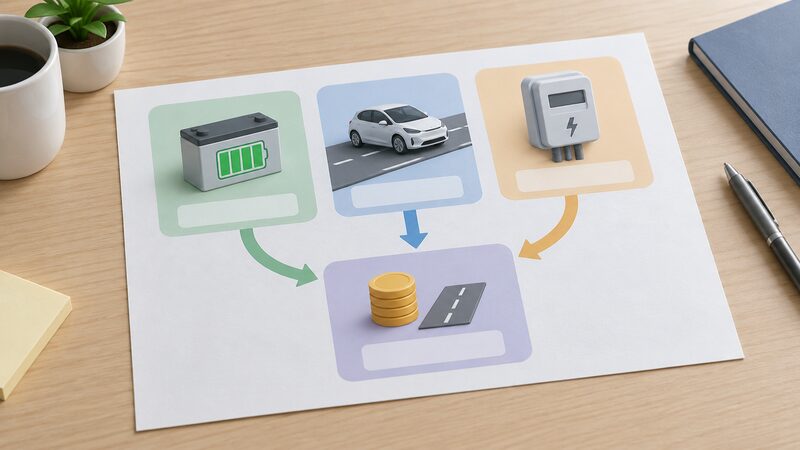
Cost per mile and per 100 miles: the figures for budgeting
Cost per mile is the honest comparison with a petrol car, because it absorbs both the battery size and the efficiency of the vehicle. Home charging at an off-peak or EV rate is costed at 2p per mile using an average tested efficiency of 3.18 miles per kWh, and 7p per mile at a standard home rate4. A comparison of charging prices uses a lower efficiency assumption of 2.23 miles per kWh for home off-peak charging, which is one reason published pence-per-mile figures differ: the same electricity buys fewer miles in a heavier or less efficient car9.
Expressed per 100 miles, driving an EV charged from a home chargepoint costs £7 in electricity10, and a wider estimate puts the fuel cost of 100 miles at around £5 to £811. Over a year the picture broadens once public charging is included. Drivers taking about 80% of their energy at home typically paid £630 a year, about 6p per mile, against £1,410 for the average petrol or diesel car5. A modelled archetype of 80% home charging and 20% rapid public charging over 10,000 miles gives £660 a year12. In the year to May 2022, an EV charged at home was found to be £780 a year cheaper to run than a petrol equivalent13.
Two cautions apply to any calculator result. Cost per mile figures of this kind are for pure electric driving only, so a plug-in hybrid will not match them14. And the low end of the range assumes a cheap rate is actually captured: the 2p per mile figure quoted by government in the context of the chargepoint grant scheme is contingent on access to cheaper electricity rates15.
Why the tariff decides the bill
On a standard variable or fixed tariff, electricity is charged at the same price at all times of the day, so there is no cheap night-time rate to charge into16. Price paid at midnight equals price paid at six in the evening17. A time-of-use tariff instead charges different rates depending on the time of day: cheaper when demand is low, usually overnight, and more expensive when demand is high, typically in the early evening18.
EV tariffs are the household version of that design. They are typically two-rate tariffs, cheaper at night, so an electric car can be charged more cheaply overnight19, and they often work similarly to domestic Economy 7, with a lower unit rate for seven hours during the night20. Most EV tariffs available involve a lower rate for charging overnight21. There are two shapes in the market: cheaper overnight electricity on a two-rate tariff, where the cheap power can also run other appliances, or an add-on to an existing tariff where the cheaper rate applies only to EV charging22.
The independence consequence is worth stating plainly. A time-of-use tariff lowers the cost of the car, but it ties the household to a specific supplier product, a specific meter and a specific window of hours. Missing the window, through a late return home or a slow charge in cold weather, means paying the day rate for the shortfall. Further detail sits on EV energy tariffs and home charging and the comparison of an EV tariff against a standard tariff.
Octopus Go and Intelligent Octopus Go compared
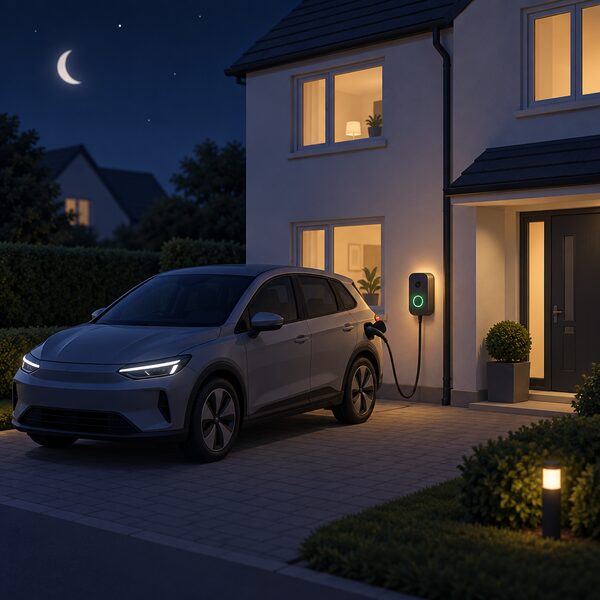
Octopus currently offers three EV tariffs to customers who want to charge at home24. The original Octopus Go gives five hours of cheaper energy every night, and any vehicle will work with it24. Intelligent Octopus Go works differently: the supplier charges the car at the times when energy is at its cheapest, and there are some vehicles that will not work with the tariff24.
| Octopus Go | Intelligent Octopus Go | |
|---|---|---|
| Cheap period | five hours of cheaper energy every night24 | supplier schedules charging at the cheapest times24 |
| Vehicle compatibility | any vehicle will work24 | some vehicles will not work24 |
| Control | household sets charging to the window | supplier controls when the car draws power24 |
On costs, a 77kWh battery filled at the Octopus Go off-peak rate is costed at about £5.39, while at peak rates of around 28.69p per kWh the same charge would cost £22.29 or more7. For a typical UK household with both an EV and a heat pump, a time-of-use tariff of this type has been modelled at £500 a year for EV charging within a total annual electricity cost of £1,25025.
Published off-peak unit rates for Intelligent Octopus Go, and the exact length of its cheap window, differ between product pages and support articles dated within weeks of each other, so the figures quoted by a supplier at the point of sign-up are the ones that apply. What holds across the documents is the structure: a fixed nightly window on one tariff, and supplier-scheduled charging on the other.
How smart charging works, and what it is worth
Smart charging means letting the car draw power when electricity is cheapest and greenest, often overnight, without changing the household routine26. The charger or the smart meter knows when the price of electricity is low, so charging happens during the times that cost less27. On a tariff with a continuous cheap overnight block, a 7kW charger will usually complete a substantial top-up inside it; on a tariff where the supplier schedules the session, the car may start and stop several times across the night.
The value is not marginal. Modelling by the EV Energy Taskforce found that domestic EV charging prices will be 25% higher without smart charging28. That figure describes the price paid for the energy, not the hardware, and it is the clearest official statement in the field that the scheduling, not the plug, is where the saving sits.
Households already using time-shifting describe the same behaviour applied more widely: charging home batteries in cheap slots at night alongside the car. Smart charging is also the entry point to wider flexibility, where a home shifts demand away from peak periods in return for lower prices26. More detail is on smart charging, flexibility services and reward schemes and on what a smart EV charger does.
What you need to access the cheap rates
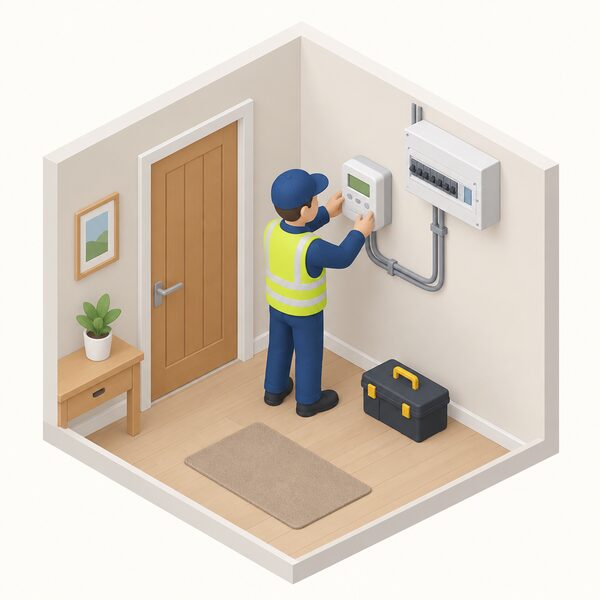
A smart meter is not needed simply to charge an electric car, but without one access to some EV-specific tariffs is not possible29. Most, if not all, EV tariffs require a smart meter so the supplier can track usage at different times of the day30, and in most cases a smart meter is required to access EV tariffs at all31.
- Smart meter: required in most cases for an EV tariff31, not required to charge the car itself29.
- Home chargepoint: a dedicated chargepoint is the cheapest way to charge where there is a driveway or garage21. Some energy providers offer smart charging tariffs that make it cheaper to use electricity at night or at times of low demand32.
- Compatible vehicle or charger: any vehicle works with a fixed-window tariff such as Octopus Go, while supplier-scheduled tariffs do not support every car24.
- Switching time: switching to any energy tariff is simple, does not cause power outages and typically takes just a few days30.
Where a tariff applies the cheap rate to the whole meter rather than only to the car, the washing machine, dishwasher and any home battery can use the same window. That is the difference between a two-rate tariff and an EV-only add-on22.
Charger installation: £450 to £1,200
Research suggests that installation costs range between £450 for a basic model, increasing to around £1,200 as the power and capabilities increase6. A consumer body puts the current figure at between £500 and £1,200 to buy and install a home EV charger, with 7kW units, the common domestic choice, at around £90033. Independent guidance gives a typical cost of around £800 to £1,200 for a home charge point1, and a 7kW charge point fully installed at between £700 and £1,20034. A Checkatrade report found the average cost of installing a home EV charger was £1,000 for parts and labour5. For the electrical work alone, excluding the charger unit, a typical domestic installation is put at £800 to £1,50035.
| Source type | Figure | Scope |
|---|---|---|
| Official guidance6 | £450 to £1,200 | unit and installation, by power and capability |
| Consumer body33 | £500 to £1,200; around £900 for 7kW | bought and installed |
| Independent guidance1 | around £800 to £1,200 | typical home charge point |
| Trade report5 | £1,000 average | parts and labour |
| Electrical trade guidance35 | £800 to £1,500 | electrical work only, charger excluded |
The spread reflects real differences: cable run length, consumer unit condition and whether earthing arrangements need work. One household reported free installation of a charger but £250 to have the wiring in the house redone.
Grant support narrows the gap for some. The closed Electric Vehicle Homecharge Scheme covered 75% of purchase and installation costs capped at £350 including VAT, for homes with off-street parking and an eligible vehicle36. Current grant support of up to £350 is directed at landlords and flat tenants, which can bring an installation down to as low as £6505; a flat that is owned or rented with its own dedicated off-street parking space may qualify for £350 or 75% off the cost32. See the chargepoint grant for renters and flat owners and how much a home charge point costs fitted.
What these running costs mean for household energy independence
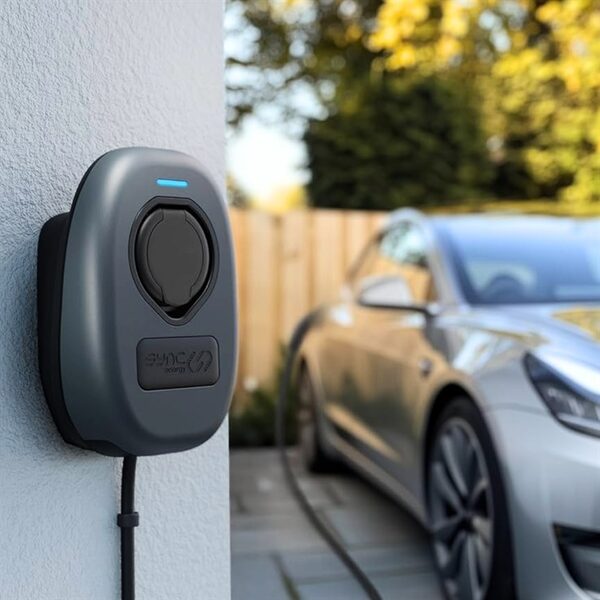
Cheap home charging is a genuine transfer of household transport spending away from imported liquid fuel and into a domestic electricity supply the household can partly control. Charging at home or at work overnight when electricity is cheap reduces overall fuel costs by more than 70%37. Evidence from Scotland suggests the effect is felt: 30% of surveyed drivers who tend to charge at home report running costs being lower than expected, compared with 16% of those who do not38.
The dependence that remains is specific and worth naming. The cheap rate comes from a supplier's product, not from the household, and it can be withdrawn or repriced. A smart meter, and for scheduled tariffs a cloud connection between supplier, charger and car, sits between the household and the price it pays. And the energy itself still comes from the grid unless the household generates it: charging from your own electricity is significantly cheaper than using grid power and far cheaper than petrol or diesel over the same distance39, which is the case for pairing charging with solar generation or a home battery.
Not every household can reach the low figures. The cheapest rates presuppose off-street parking and a dedicated chargepoint; public chargepoints are widely available across the UK but are more expensive than charging at home21. In Northern Ireland, home charging is described in official guidance as the least expensive way to charge because it allows use of lower home electricity tariffs40. Households without a driveway face the position set out in charging without off-street parking.
Cold weather compresses the advantage slightly. Extra power is needed to heat both the inside of the car and the battery, so charging takes longer41. On a fixed cheap window, a longer session can run past the end of the cheap hours and be billed at the day rate.
VAT, road tax and what changes from 2028
The tax treatment of charging has been a persistent split between homes with and without a driveway. Electricity used to charge a vehicle at home has been charged at 5% VAT, while charging away from home is levied at 20%42. A later account puts home charging at zero VAT with public charging still at 20%, hitting homes without driveways43; the two figures for the domestic rate do not agree, so both are given here. The practical effect is measurable: in 2025 a UK driver reliant entirely on public charging paid an estimated £194 in VAT on charging costs, compared with just £48 for a driver with a home charger44. That is set out further in why public EV charging VAT is higher.
"Home charging will now be zero VAT whilst public charging is levied at 20 per cent, hitting homes without driveways."
On vehicle tax, purely electric cars have enjoyed vehicle tax exemption30, and new electric cars with a list price of over £40,000 currently pay a higher rate of car tax45. Government publishes its own overview of electric vehicle costs, charging and infrastructure, updated in April 2025 with revised vehicle tax rates46.
Set against a home off-peak energy cost of about 2p per mile4, a charge of that order would more than double the marginal cost of a mile driven on cheap overnight electricity, while leaving the comparison with petrol at £1,410 a year for the average car5 still favourable on the published figures. Households planning around charging costs over a decade should treat the pre-2028 pence-per-mile figures as the current position rather than a fixed one.
Sources46 cited
- Electric vehicles: debunking the myths, Energy Saving Trust, 2025-09-22
- Smart charging of electric vehicles, Energy Saving Trust, 2025-03-25
- Should I buy an electric car?, Which?, 2026-04-16
- How much does it cost to charge an electric car?, Which?, 2026-08-26
- EV charging statistics, Uswitch, 2025-12-15
- Electric vehicle chargers and planning permission, Planning Portal, 2026
- Electric car charging guide, Carwow, 2025-07-16
- Electric vehicle charge points, Flexi-Orb, 2025-04-22
- Reduced public charging prices could boost EV sales, ChargeUK, 2026-07-31
- Electric cars, Home Energy Scotland, 2026-09-20
- Making the switch: experiences of people who have switched to EVs, Energy Saving Trust, 2025-03-31
- Supercharging the EV transition, Consumer Scotland, 2025
- The cost of running a net zero vs fossil fuel household, ECIU, 2022-05
- Home charging calculator details, Zapmap, 2026
- Four more EV models qualify for £3,750 discount under the Electric Car Grant, GOV.UK, 2025-12-03
- What is Economy 7?, Smart Energy GB, 2026-04-07
- Using energy flexibly, Smart Energy GB, 2026-04-14
- Should I switch to a time of use tariff?, Energy Saving Trust, 2026-01-23
- Energy flexibility, Smart Energy GB, 2026-08-17
- Electric cars and energy bills, Uswitch, 2026-04-27
- Charging electric vehicles, Energy Saving Trust, 2026-04-23
- Time of use tariffs explained, Which?, 2026-04-23
- SAP 10 fuel prices from 01-01-2026, BRE Group, 2026-07
- Octopus EV energy tariffs, Uswitch, 2025-10-09
- Best tariffs for EV and heat pump households, Uswitch, 2025-07-02
- Smoothing the journey: engaging domestic consumers in energy flexibility, Ofgem, 2023-08-17
- Smart homes and lower carbon footprints, Energy Saving Trust, 2026-01-21
- What is flexibility?, FlexAssure, 2026-09-19
- EV tariffs and home charging: what consumers need to know, Energy Ombudsman, 2026-09-11
- EV energy tariffs, Uswitch, 2025-09-17
- Smart meter benefits for Britain, Smart Energy GB, 2026-04-24
- Electric vehicle charger installation and maintenance, NICEIC, 2025-08
- Electric car charging at home, Which?, 2026-02-25
- Home charging guide, Zapmap, 2025-06-19
- Section 722 EV charging: complete guide, Elec-Mate, 2026-07-02
- Funding for EV charging infrastructure, Cenex, 2021-02-18
- EV basics, Zapmap, 2024-05-14
- Consumer experience of electric vehicles in Scotland, Consumer Scotland, 2024-08-11
- Can solar panels charge electric cars?, The CPA, 2026-04-15
- Electric vehicles, nidirect, 2026-09-17
- How long does it take to charge an electric car?, Uswitch, 2024-11-26
- Government urged to rethink pay-per-mile scheme for electric vehicles, NAPIT, 2026-02-24
- MPs challenged to play their charge card, ChargeUK, 2026-09-13
- EV charging VAT, Zapmap, 2025
- Budget analysis, Energy Saving Trust, 2025-12-09
- Electric vehicles: costs, charging and infrastructure, GOV.UK, 2025-04-10
 Home EV Charger CostA home charge point usually costs between seven hundred and fifteen hundred pounds fitted, with most people paying around a thousand.
 Home Battery CostA home battery usually costs between one and a half and ten thousand pounds fitted, depending on size.
 Electric Vehicle TariffsCharging an electric car at home can cost far less overnight, but only on special electricity plans.
 The Full EV Charging GuideCharging an electric car at home usually means a wallbox, but do you need one, and what will it cost to fit and run?
 EV Charging Bolt-OnsCan you get cheap electricity for your car without changing the tariff for the rest of your home?
 Charging and Energy IndependenceCharging an electric car at home can cut your fuel costs, but how much does it really free you from the grid?