

In this answer
Short answer
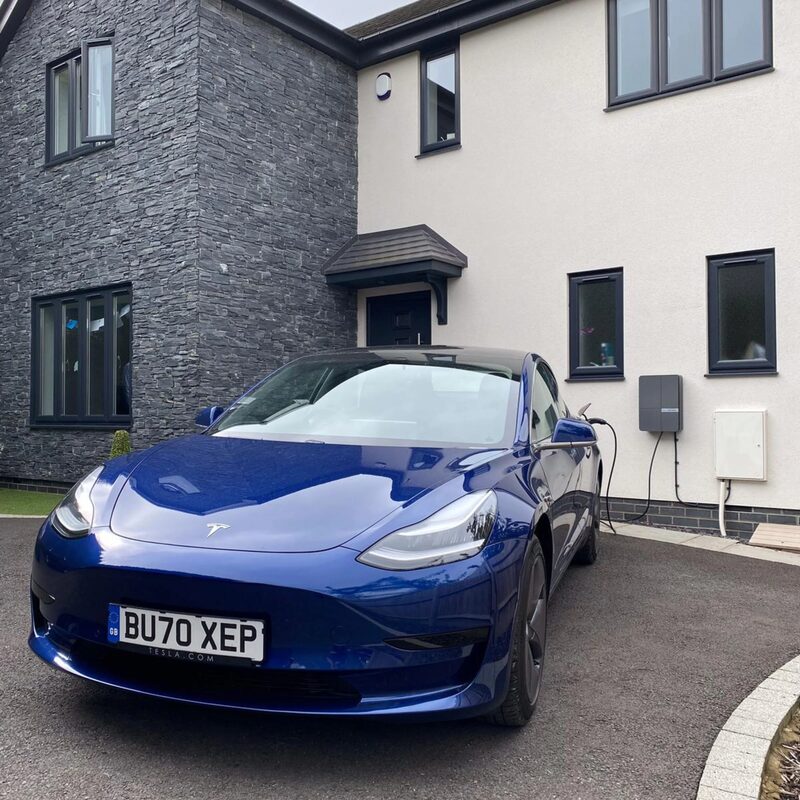
A full charge of a Tesla Model 3 costs £7.19 on a home EV tariff for the Standard Range Plus and £10.78 for the Long Range Dual Motor, both figures published by the maker1. On a standard domestic tariff the same cars cost more, and on the public rapid network more again. The headline range across the versions is roughly £7 to £26, with the top of that range reflecting a Long Range driven 285 miles on a blended tariff rather than a single fill2.
Per mile, the picture is simpler. The maker's own running cost for the Model 3 Long Range is 9p per mile2. Independent testing puts home charging on an off-peak or EV rate at 2p per mile, based on an average tested efficiency of 3.18 miles per kWh, against 27p per mile on public ultra-rapid chargers3. The gap between those two numbers is the single most important fact about running this car.
What follows is what the published figures say about each way of charging a Model 3, what drives the differences, and where the household's control over the cost begins and ends.
What a full charge costs: £7 to £26 depending on the version
The cost of filling a Model 3 is not one number, because the battery size, the tariff and the charger all move it. The maker's own table gives £7.19 for a full charge of the Standard Range Plus, with a cost per 100 miles of £3.78, and £10.78 for the Long Range Dual Motor1. Those are EV tariff figures. The same table shows a 60 kWh mid-size car, which it names alongside the Model 3, at £15.67 on a standard tariff and £4.80 on an EV tariff at 8p per kWh, and a 75 kWh large car at £19.58 on a standard tariff and £6.00 on an EV tariff7.
The top of the range comes from a different kind of figure. The Long Range costs £25.50 to drive 285 miles on the maker's published running cost2. That is a journey cost, not a battery fill, and it sits at the upper end because it blends charging types rather than assuming one cheap overnight rate.
Independent guidance puts a full charge of an electric vehicle at £8 on an EV tariff or other time-of-use tariff, typically requiring a smart meter, and £53 for a full charge on public rapid charging8. The same source gives £17 for home charging in a separate table, so the two home figures are reported here as they stand.
Cost per mile: about 9p on a home tariff
Cost per mile is where the Model 3's running cost becomes comparable with anything else. The maker's figure for the Long Range is 9p per mile2. Independent testing, using an average tested efficiency of 3.18 miles per kWh, gives 2p per mile on a home off-peak or EV rate and 27p per mile on public ultra-rapid charging3. A separate maker guide puts home charging on a standard tariff at about 6.6p per mile and on an overnight EV tariff at around 2p9. Another puts home charging on a standard tariff at roughly 7p to 10p per mile10.
The spread between 2p and 10p per mile is not disagreement about the car. It is disagreement about the tariff. The same battery, charged at the same rate of efficiency, costs five times as much per mile on a peak standard rate as on an overnight EV rate. The car's efficiency is fixed; the price of the electrons is not.
For a household, this is the clearest expression of energy independence the Model 3 offers. Every mile charged at home on an off-peak rate is a mile bought at a domestic unit rate rather than a forecourt rate, and domestic electricity carries 5% VAT against 20% on public rapid charging6. What remains is dependence on the grid and on a supplier, and on the tariff that supplier offers.
Home charging: 11 kW on board and roughly 1.5 hours
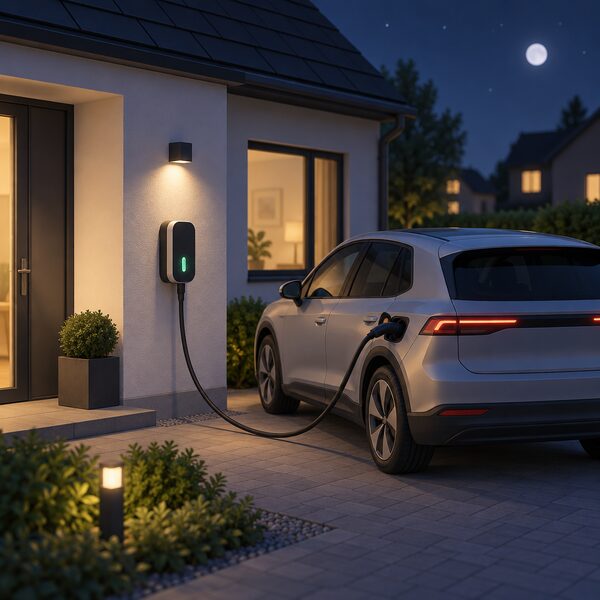
The Tesla Model 3 is fitted with an 11 kW on-board charger for Type 2 AC charging as standard6. That is the ceiling for AC charging, whatever the wallbox can deliver, and it is why a 22kW home charge point does not halve the time for this car.
Published charge times for the model list 1.5 hours on 50kW charging to 80%6. What is consistent is that a 7kW home charge point, the common UK domestic unit, takes the better part of a night.
Independent guidance on charging times gives 11 kW AC as 2 hours for a 25kWh battery and 6 hours 45 minutes for 75kWh, all assumed from 20% charged11. A maker guide gives a 7.4kW wall mounted home charger six hours for a Model 3 with a battery of up to 50kWh, from 20% to 100%, and a 3-pin plug charger 18.3 hours for the same car12. A separate maker page gives the same 7.4kW unit six hours13.

Overnight on an EV tariff: under £5 against £15 at peak
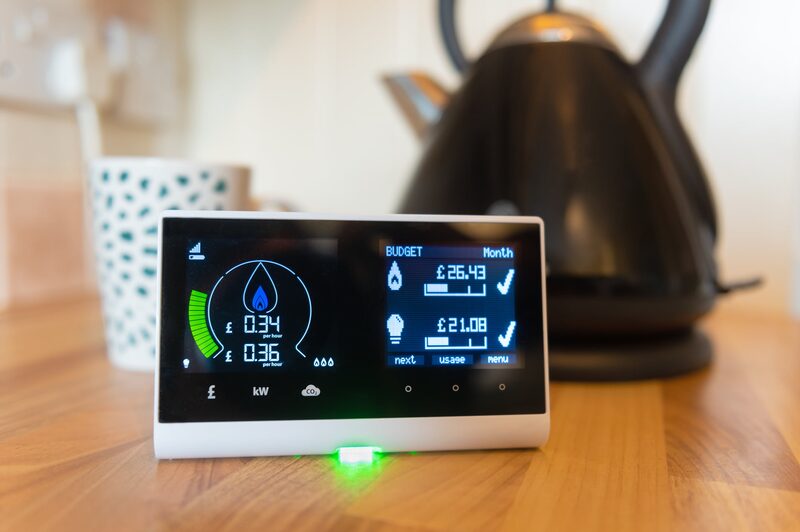
Charging a Tesla Model 3 overnight on an EV tariff can cost under £5, compared with £15 during peak times4. That single comparison carries most of the household economics of the car. EV tariffs typically charge a cheaper rate for electricity used at night, and most involve a lower rate for charging overnight14. They generally require a smart meter8.
The same pattern appears in the per-100-mile figures. Off-peak overnight charging on an EV tariff comes in at under £3 per 100 miles10. Home charging on an EV tariff is put at about 2.3p per mile in one guide7 and around 2p per mile in another9.
For a household, the practical consequence is that the timing of charging matters more than the choice of car. A Model 3 charged between midnight and the start of the morning peak costs a fraction of the same car charged at teatime. The dependence that remains is on the tariff structure itself: an off-peak rate is a supplier's product, it can be withdrawn or repriced, and it usually comes with a higher peak rate that other household loads pay.
Public rapid charging: 59p to 92p per kWh
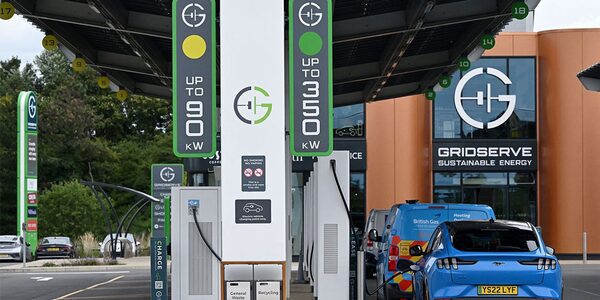
Public rapid charging is the expensive end. Across the top ten rapid and ultra-rapid networks, pay-as-you-go prices ranged from 59p per kWh to 92p per kWh in August 2026, with InstaVolt highest at 92p and Tesla cheapest at 63p15. Ultra-rapid charge points on the public network are typically priced at 79p per kWh, and 79p is a typical minimum for an ultra-rapid charger16. Slower public charging ranges from free to use up to around 57p per kWh16. One local authority lists rapid chargers at 50kVA and fast chargers at 7 to 22kVA at 54p per kWh to 72p per kWh17.
The average across the network was 76p per kWh for rapid and ultra-rapid chargers in July 2025, approximately 23p per mile5. Independent testing puts public ultra-rapid charging at 27p per mile3. A full charge on public rapid charging is put at £538.
Tesla's own network sits at the cheaper end for those who can use it. Non-Tesla cars pay around £0.53 per kWh during peak periods of 4:00pm to 8:00pm and £0.43 at other times18. A Supercharger membership costs £8.99 per month or £90 per year, and the annual option saves £17.8819. Members charging at the Gatwick Airport Superchargers pay 26p per kWh between midnight and 4am, saving 13p per kWh against non-member rates19.
Annual charging cost: what a year of charging adds to the bill
There is no published annual charging figure for the Model 3 itself, because annual cost is mileage multiplied by cost per mile, and both vary. What the figures allow is the arithmetic. At the maker's 9p per mile for the Long Range2, 10,000 miles a year comes to about £900. At the 2p per mile independent figure for off-peak home charging3, the same mileage comes to about £200. The difference between those two outcomes is the tariff, not the car.
For scale, the Ofgem price cap for a typical household using 3,100 kWh a year on single-rate metering was £913.63 in the Northern region from 1 July 202520. Benchmark maximum charges for the charge restriction period give £994.24 a year at 3,100 kWh in Northern, £896.72 in Eastern and £946.01 in South Wales21. Adding an electric car to a household's load moves it against those benchmarks, and the size of the move depends on how much of the charging lands off peak.
The wider comparison is stark. Over 7,100 miles, an average rapid and ultra-rapid charging mix cost £389 more than petrol, while an 80% home off-peak and 20% rapid mix saved £73522. Home charging gives lower costs per mile than petrol, with savings that vary by car model and energy tariff23. Which way a household falls is decided by where the car is plugged in, not by the badge on the bonnet.
Sources23 cited
- Cost to charge an electric car, E.ON Next, 2026-09-17
- Electric cars buyer's guide, EDF Energy, 2026
- How much does it cost to charge an electric car?, Which?, 2026-08-26
- Is electricity cheaper at night?, EcoFlow, 2025-04-09
- EV charging statistics, Uswitch, 2025-07
- Tesla Model 3 charging guide, Zapmap, 2026
- Compare EV tariffs, The Energy Shop, 2026-08-03
- Electric vehicles: debunking the myths, Energy Saving Trust, 2025-09-22
- Savings calculator, waEV-charge, 2026-09-17
- Running costs of electric cars, E.ON Next, 2026-09-17
- Charging electric vehicles, Energy Saving Trust, 2026-04-23
- Electric car charging at home, Which?, 2022-12-12
- Should I get a home charger for my electric vehicle?, E.ON Next, 2025-06-30
- Smart meter benefits for Britain, Smart Energy GB, 2026-04-24
- Rapid charging prices, Zapmap, 2026-08
- Electric car charging costs: all you need to know, Zapmap, 2026-09-04
- Electric vehicle charging, Isle of Anglesey County Council, 2026-09-20
- Can non-Tesla cars use Tesla Superchargers?, Carwow, 2025-07-31
- Best electric car charging subscriptions, Carwow, 2025-11-21
- Energy price cap levels, 1 July to 30 September 2025, Ofgem, 2025-07-01
- Benchmark maximum charges for the charge restriction period 13a, Ofgem, 2025
- Reduced public charging prices could boost EV sales, ChargeUK, 2026-07-31
- New to EVs, Ohme, 2025-09-12
 Cost to Charge an EV at HomeHow home charging cost is worked out from battery size, efficiency, the unit rate paid and the tariff behind it, with full-charge costs of about £8 to £17, cost per mile, annual running costs and what changes for EV owners from April 2028.
 Home EV Charger CostA home charge point usually costs between seven hundred and fifteen hundred pounds fitted, with most people paying around a thousand.
 EV Charging Bolt-OnsCan you get cheap electricity for your car without changing the tariff for the rest of your home?
 Home Battery CostA home battery usually costs between one and a half and ten thousand pounds fitted, depending on size.
 Portable Power Station CostHow much does a portable power station cost in the UK, and what does the money actually buy?
 Electric Vehicle TariffsCharging an electric car at home can cost far less overnight, but only on special electricity plans.