
In this guide
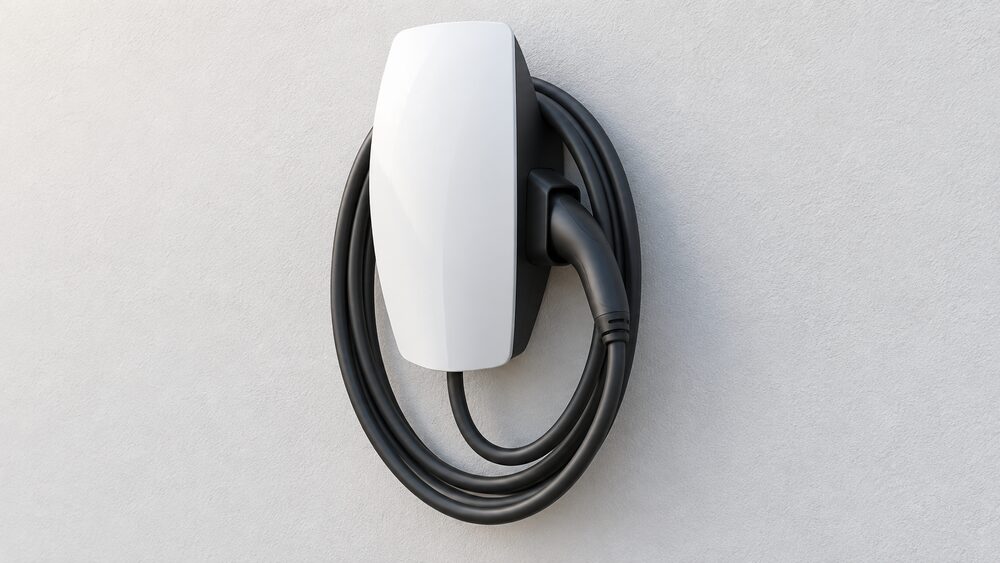
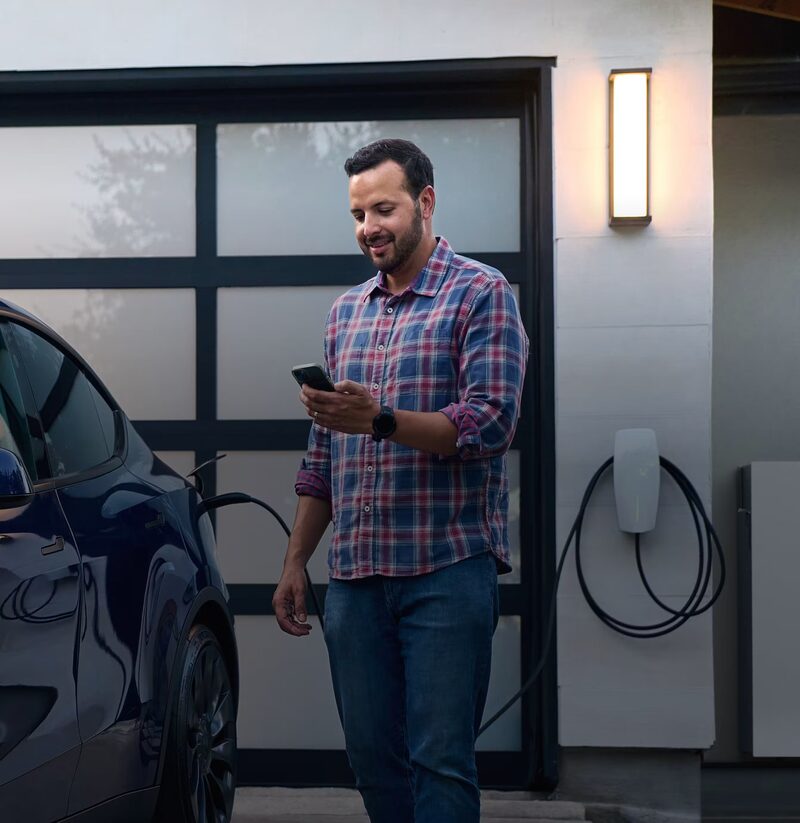
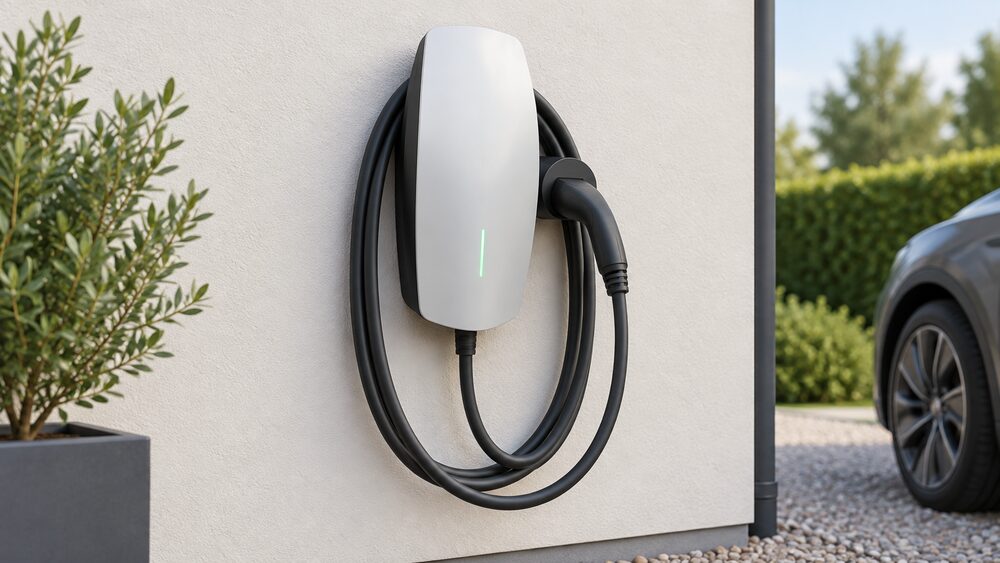
The Tesla Gen 3 Wall Connector is the charge point Tesla sells for the home: a tethered unit with a 7.3-metre cable and a four-year warranty, priced at around £425 before installation costs1. It is the recommended choice for Tesla owners, and it can charge other brands of EV with a Type 2 connection2. For most UK homes it operates as a 7kW single-phase charger, with 22kW possible where a three-phase supply exists4.
What it does not do matters as much as what it does. The Wall Connector is a one-way AC charge point: it puts energy into a car and cannot take it back out, so it is not a vehicle-to-grid or vehicle-to-home device5. It can be paired with solar, but Tesla's own guidance notes that solar charging with the Wall Connector often needs extra software or energy management systems to work well6. The charger itself is a straightforward piece of electrical equipment; the intelligence sits in the car, the app and whatever tariff the household holds.
For a household weighing energy independence, the Wall Connector is a well-specified, keenly priced way to charge at home, and it keeps the household on the grid and on a domestic electricity tariff. It does not generate, store or export anything. The sections below set out the specification, the vehicles it serves, the solar question and the dependencies it creates.
Price: around £425 plus installation
The Wall Connector is sold at around £425, a figure that excludes the cost of fitting it1. That places it at the affordable end of the home charger market, and it is worth being clear about what the number does and does not cover. The unit price is the hardware alone. Installation is quoted separately by an electrician, and the final figure depends on cable runs, whether a new circuit is needed from the consumer unit, and whether the supply has capacity for the load.
There is no published Tesla list price for a supplied-and-fitted Wall Connector in the UK. Prices for the installation element are installer-quoted, and no range is published here because none is given. Households comparing chargers should treat the £425 as the starting point and expect the fitted cost to be higher.
The wider context is that home charging hardware sits in a market where the unit is often the smaller part of the bill. A domestic charge point installation involves a dedicated circuit, protective devices and, in many cases, notification to the network operator. Those are separate from the charger's own price. For a fuller picture of what fitting involves, see home EV charge point installation and how much a home EV charge point costs, fitted.
Features that matter for household charging
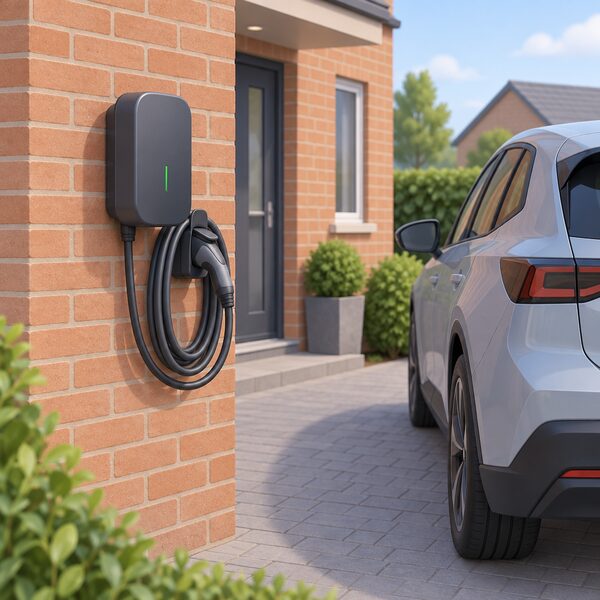
The specification is deliberately simple. The unit has a 7.3-metre tethered cable and a four-year warranty1. The cable length is the practical figure most households care about: it determines whether the charger can reach the car on a driveway without the vehicle being manoeuvred into a particular spot. At 7.3 metres it covers most single-car driveways and many double-width ones.
The Wall Connector is suitable for indoor or outdoor placement, so it can be fitted in a garage or on an external wall3. It is a tethered design, meaning the cable is permanently attached. That removes the need to store a separate lead, and it also means the cable type is fixed: a Type 2 connector, which is the standard AC inlet on UK electric cars.
Power output is the other headline. The unit runs at 7kW on a single-phase supply, which is the typical domestic arrangement in the UK, and can reach 22kW where a three-phase supply is available4. A three-phase installation is unusual in a domestic setting, so most households will see the 7kW figure. Charging speed at that rating is set by the vehicle's onboard charger as much as by the wall unit. For the difference the two ratings make in practice, see 7kW vs 22kW home EV charger and EV charging speeds and times.
| Specification | Figure |
|---|---|
| Price | around £425, excluding installation1 |
| Cable | 7.3-metre tethered1 |
| Warranty | four years1 |
| Power | 7kW single-phase, 22kW three-phase4 |
| Placement | indoor or outdoor3 |
| Connector | Type 23 |
Which vehicles can use it: Tesla and other brands
The Wall Connector is the recommended choice for Tesla owners, but it is not restricted to them2. Tesla states that it can charge other brands of EV with a Type 2 connection3. Since Type 2 is the standard AC inlet across the UK electric car market, that covers the large majority of vehicles on sale.
The Tesla Model 3 illustrates how the connector picture works. It uses two charging standards for its inlets, Type 2 and CCS7. Type 2 handles AC charging, which is what a home Wall Connector provides. CCS handles DC rapid charging, which is a public network matter. For rapid charging the vehicle uses a tethered CCS connector that is part of the charging unit, not something the driver supplies7. The Wall Connector plays no part in that.
Tesla's public charging estate is a separate question from the home unit. The company often installs a non-Tesla-specific Type 2 charge point alongside its destination chargers, available for any EV driver with a Type 2 inlet, since those units come with tethered cables8. That is a public charging arrangement, not a home one, but it explains why Tesla hardware appears in discussions of non-Tesla vehicles.
For households with a non-Tesla car, the practical point is that the Wall Connector will charge it, and the charging speed will be governed by the car's onboard charger. A vehicle limited to 7kW will not charge faster because the wall unit can do more. Connector types are set out in more detail in EV connectors and cables and Type 2 vs CCS.
Charging with solar and home energy
Solar charging with the Wall Connector is possible, but it is not the unit's native strength. Tesla's guidance notes that other smart chargers, including the Wall Connector, can be used with solar setups, and that they often need extra software or energy management systems to get the most out of solar charging6. That is a meaningful qualification. A solar-aware charger adjusts its draw to match surplus generation automatically; the Wall Connector relies on additional equipment or software to achieve something similar.
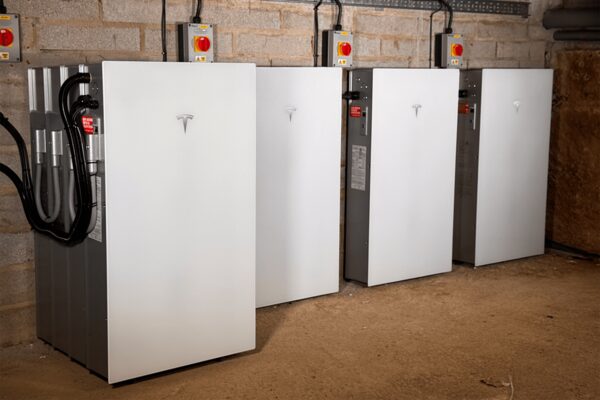
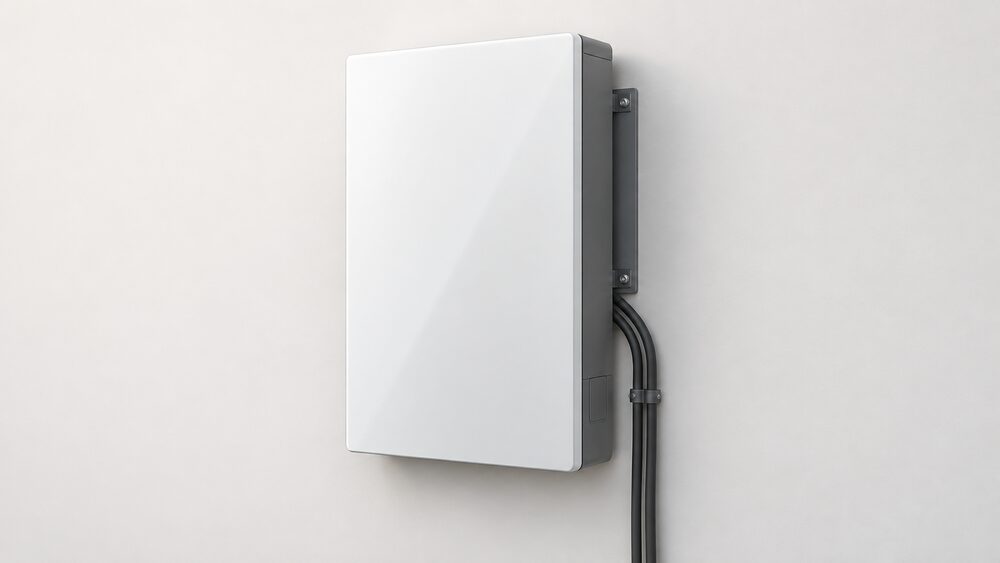
Where the Wall Connector fits most naturally is alongside a Tesla home battery. Tesla Powerwall 3 is designed to store excess solar energy from a home's panels and make it available when needed, including charging a Tesla vehicle after sunset10. It has a built-in solar inverter and works with an existing solar setup11. A documented UK installation pairs three Powerwall 3 units with a Wall Connector for 22kW three-phase charging4. That is a large, three-phase system rather than a typical domestic one, but it shows the intended combination.
The battery side has its own economics. Powerwall 3 has a nominal capacity of 13.5kWh, and a case study describes 13.5 kWh of usable storage13. In the UK a Powerwall 3 typically costs around £6,700 to £7,600 per battery unit depending on installation requirements15. One comparison places the Powerwall 3 around 3% higher per kilowatt-hour than the Fox Evo16. For households thinking about pairing storage with charging, see EV charging alongside a home battery and charging an EV from solar panels.
Does the Gen 3 Wall Connector support V2G or V2X?
No. The Wall Connector is a one-way charge point. Vehicle-to-grid technology allows an EV charger to not only charge a vehicle but also take energy from the vehicle5. That requires a bidirectional charger and a compatible vehicle, and the Wall Connector provides neither.
This is the clearest limit on what the unit can contribute to a household's energy independence. A one-way charger moves energy from the grid or from home generation into the car and stops there. It cannot discharge the car's battery into the home during a power cut, and it cannot export to the grid for payment. Households wanting those capabilities need a different class of equipment, covered in vehicle-to-grid and vehicle-to-home charging and Wallbox Quasar 2.
The distinction matters because bidirectional charging is often discussed as though it were a charger setting. It is not. It is a hardware capability on both sides of the cable, and it is not something a firmware update adds to a one-way unit. For the wider comparison, see V2G vs smart charging and can my home EV charger be upgraded to V2G.
Smart tariffs, virtual keys and app control
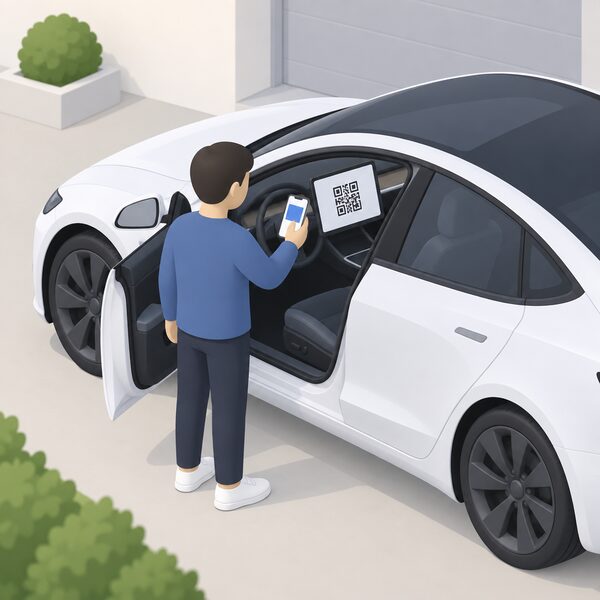
The Wall Connector's intelligence is limited, and much of what households associate with smart charging happens elsewhere. The Smartcar virtual key is a good example. It is a vehicle-side connection used by apps such as equiwatt to enable pausing and resuming of a Tesla's charging during flexibility events17. Setup runs through the Tesla app: the QR code opens the Tesla App and asks to add Smartcar's Virtual Key17. For a Model 3, Model Y or a 2021 or later Model S or X, Phone as a Key must be set up first before the virtual key is added18.
None of that depends on the charge point brand. The virtual key connects the car to a flexibility service, and it works alongside whatever charger is installed. That is worth understanding, because it means a household can take part in smart charging arrangements without the charger itself being the smart element.
Tesla's own tariff integration sits on the battery side rather than the charger side. Powerwall 3 can integrate with Octopus Intelligent tariffs such as Octopus Intelligent Flux19. Rate Plan Charging can reduce home vehicle charging costs when a Powerwall and a compatible Wall Connector are installed20. That is a battery-and-charger combination, not a charger-only feature. For the tariff landscape more broadly, see EV energy tariffs and how they change home charging and smart charging, flexibility services and reward schemes.
Tesla as an electricity supplier: what the licence means
Tesla Energy Ventures Limited has been granted a licence authorising it to supply electricity to domestic and non-domestic consumers in Great Britain, announced on 12 March 202613. That is a regulatory permission. It is not a live tariff, and no launch date or rate card has been confirmed.
The expectation in the market is that Powerwall owners would gain access to a virtual power plant scheme once a supply business launches, with UK terms not yet announced16. Tesla Electric was announced for the UK at the same time as the Powerwall 3 release21. If you have a Powerwall 2 or 3, Tesla states you can optimise earnings and get rewarded for sharing electricity with your community through paid export21.
For a household, the distinction between a licence and a service is the whole point. A licence granted in March 2026 does not mean a Tesla domestic tariff exists to switch to. It means the company has cleared a regulatory hurdle. Until terms are published, the practical position is unchanged: the Wall Connector charges from whatever tariff the household already holds. The supplier landscape is covered in EV tariffs and home charging.
What owning a Wall Connector means for energy independence
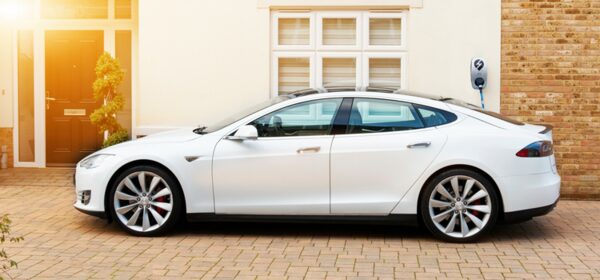
The honest answer is that the Wall Connector improves convenience and cost control at home without changing where the energy comes from. It charges from the grid on a domestic tariff, or from home solar where the household has the additional management equipment to direct surplus generation into the car6. It does not generate, store or export. Every kilowatt hour it delivers is either bought or harvested elsewhere.
The dependencies are straightforward. The household remains on the electricity grid and with a supplier. Charging at home depends on the domestic supply having capacity for the load, which is an installation question rather than a charger one. Where solar is involved, the Wall Connector depends on separate energy management to follow surplus rather than doing it natively6. Where a home battery is involved, the intelligence sits in the battery and its app.
What the unit does offer is a fixed, tethered, weather-suitable charge point at a low hardware price, with a four-year warranty and compatibility across Type 2 vehicles1. For a Tesla owner it is the recommended option2. For a household whose aim is genuine energy independence, the charger is one component: the generation, storage and tariff arrangements around it do the heavier lifting. Those are set out in EV charging and household energy independence and EV charging at home in the UK.
Sources21 cited
- Best EV charger for solar panels, Spirit Energy, 2026
- Best EV charger for Tesla cars, Spirit Energy, 2026
- Understanding electric car charging, Spirit Energy, 2026
- Is this the largest home battery system in the UK, Spirit Energy, 2025
- Vehicle-to-grid best practice guide, Energy Saving Trust, 2026
- Charge your EV with solar panels, E.ON Next, 2026
- Tesla Model 3 charging, Zapmap, 2026
- Destination charging, Zapmap, 2026
- Destination charging, Zapmap, 2026
- Charge your Tesla with solar energy using Tesla Powerwall 3, Tesla Powerwall, 2026
- Powerwall 3, Tesla Powerwall, 2026
- Tesla Powerwall, Tesla Powerwall, 2026
- Tesla Energy Ventures Limited granted electricity supply licence covering Great Britain, Ofgem, 2026
- Hampshire Tesla Powerwall 3, Spirit Energy, 2026
- The best solar batteries explained, Good Energy, 2026
- What's the best battery in 2026, Spirit Energy, 2026
- Connecting your Tesla to equiwatt via Smartcar, equiwatt, 2026
- Own a Tesla? Connect it to equiwatt with a virtual key for Smartcar, equiwatt, 2024
- Tesla Powerwall 2 vs 3, Spirit Energy, 2024
- Home battery brands for off-peak EV charging, SolaX, 2026
- Tesla Electric UK, Spirit Energy, 2024
 Tesla Wall Connector for home chargingCan you use a Tesla Wall Connector if your car is not a Tesla?
 Tesla Home BatteriesHow much does a Tesla Powerwall cost to buy and install in the UK, and what does the warranty actually cover?
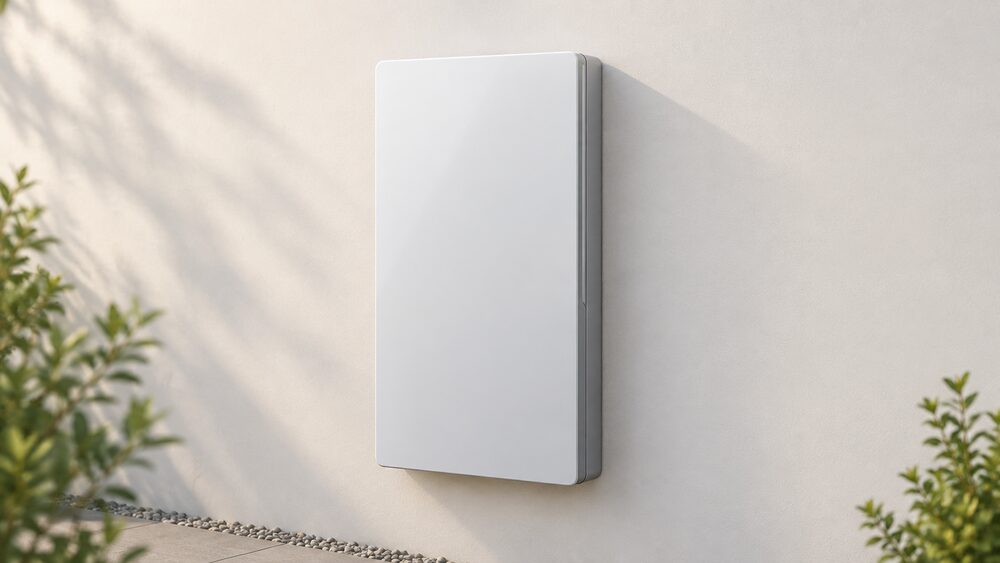 Tesla Powerwall 3How much does a Tesla Powerwall 3 cost installed in the UK, and what does it actually power in a blackout?
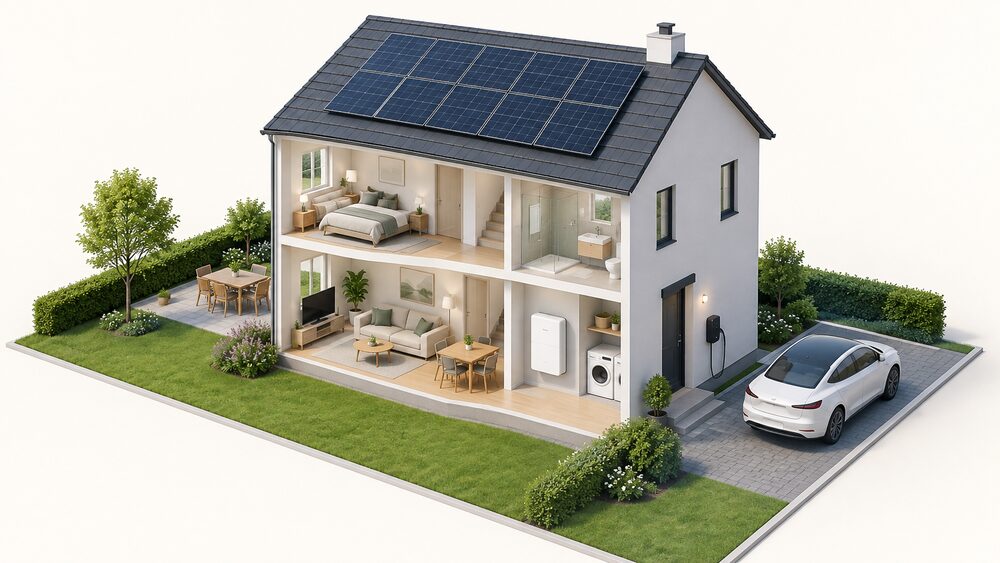 Tesla home energy productsA Tesla Powerwall stores cheap or solar electricity for use when you need it, and the Wall Connector charges your car at home.
 The Tesla Energy PlanCan you still get the Tesla Energy Plan with a Powerwall, and what does it pay for power you send back?