
In this guide
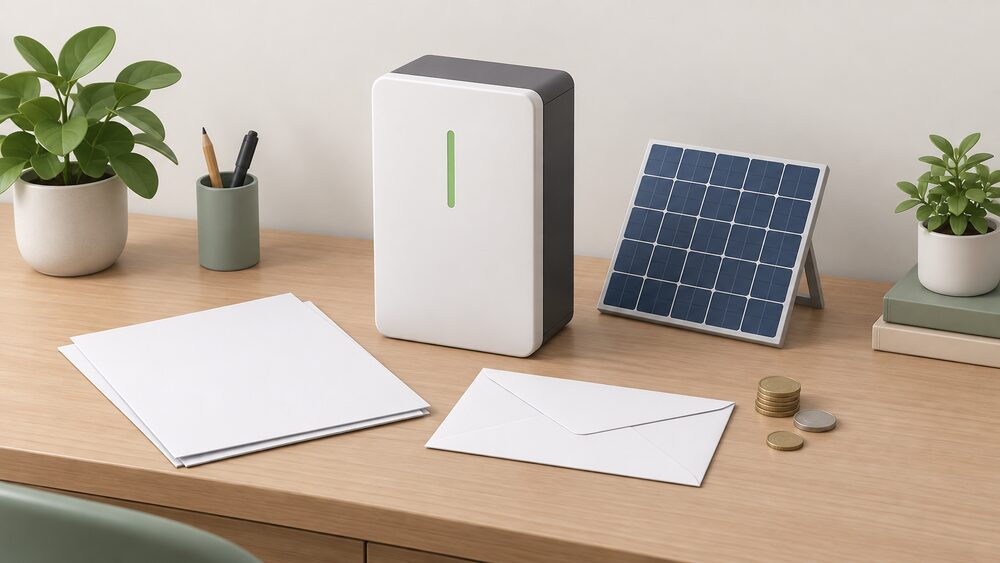
The Tesla Energy Plan is a battery-linked electricity tariff rather than a product you can buy from a shelf. It appears in the official record as a bundled Octopus Energy tariff that was "only available to customers with solar photovoltaic (PV) who installed a 'Tesla Powerwall'"1. In exchange for letting an algorithm schedule the battery, the household gets a cheap import rate and an export rate matched to it.
No current UK rate card is published. The figures that circulate, 8p or 11p flat, or 10 to 12p per kWh by location, are not in any official or independent document available here, so they cannot be confirmed. What is confirmed is the structure: Tesla Energy Ventures Limited was granted a Great Britain electricity supply licence on 12 March 2026, authorising it "to supply electricity to domestic and non-domestic consumers in Great Britain"2. That licence applies to Great Britain only, so Northern Ireland is outside it.
The practical position for a household is that the tariff is closed or dormant, places on battery-linked tariffs are limited, and the hardware side is live and documented. Tesla states that the Powerwall 3 stores energy from solar panels or the grid and "works seamlessly with or without solar panels"3.
What the Tesla Energy Plan is: cheap rates in exchange for battery control
The plan belongs to a family of tariffs that pay a household for handing over some control of when its battery charges and discharges. The mechanism is not unique to Tesla. Time-of-use tariffs "offer lower electricity prices at certain times of the day, rewarding households that can shift some" of their use away from peak periods8. Battery owners are advised to consider "switching to a time-of-use tariff which will let you charge the battery during off-peak times when electricity is cheap"9, and to "set the battery to charge up when electricity is cheap, and to discharge when electricity is expensive"10.
What distinguishes a branded plan is who does the setting. Tesla states that the Powerwall 3 will "automatically charge your battery when electricity prices drop to low or negative rates overnight"3. That is the trade: the household gives up manual scheduling, and in return the battery is worked against the price signal without intervention.
The wider policy direction supports the model. The Affordable Energy Action Plan "highlighted the importance of reducing electricity bills and remunerating energy grid flexibility"11, and one case study describes owners who expect to "sell more power when prices are high and charge the battery when electricity rates are lower under new electricity tariffs set to be introduced"12. A branded plan is one route into that market; it is not the only one, and the general mechanics are covered in time-of-use tariffs and smart charging and supplier-controlled tariffs.
Eligibility: solar PV and a Powerwall, and nothing else qualifies
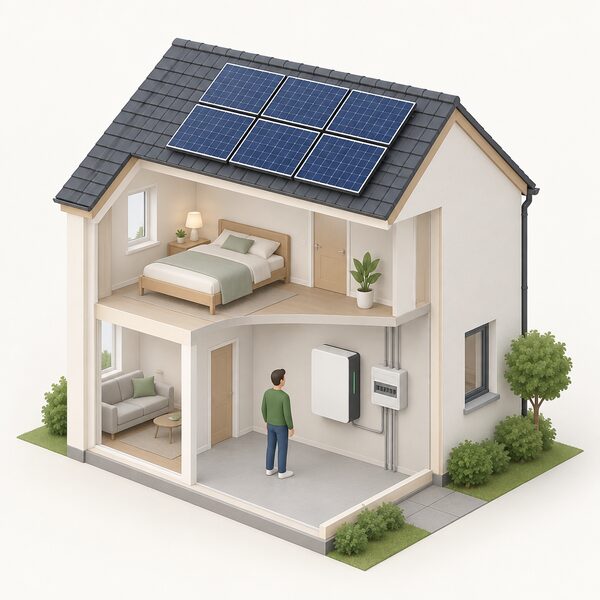
The eligibility rule recorded for the bundled tariff is narrow and specific: solar photovoltaic plus a Tesla Powerwall1. Solar PV is an eligible technology type under the Smart Export Guarantee13, so the generation side is unremarkable. The battery side is the constraint.
Tesla's own hardware position is broader than the tariff was. The Powerwall 3 "works seamlessly with or without solar panels" and solar can be "easily add[ed] later"3. A household with a Powerwall and no panels can therefore still charge on cheap overnight rates, but it would not have met the recorded eligibility condition for this particular export tariff.
Two further conditions sit around any export arrangement. A household cannot be paid twice for the same electrons: "You must choose one scheme for your export payments. You can't be paid by both SEG and the Feed-in Tariff for the same energy you're sending to the grid"14. And where a Feed-in Tariff installation is involved, a generator must "not be in receipt of an export tariff under the FIT scheme for the same installation and generation capacity" and must first opt out of FIT export payments15.
Rates and charges: what is published and what is not
No import rate, export rate or standing charge for the Tesla Energy Plan is published in the available record. The commonly quoted figures of 8p or 11p flat, or 10 to 12p per kWh by location, do not appear in any official, independent or maker document here, so they are unverified and should be treated as such.
What can be said is how the surrounding market prices. The Smart Export Guarantee annual report for Year 5 records that 337.8 GWh, or 76.2% of export volume, "was on tied tariffs"17, meaning export rates bundled with an import supply contract. That is the structure this plan uses. The ceiling for SEG payments is high but rarely reached: "As of June 2026, SEG payments can reach up to 25 pence per kWh, which is comparable to the unit rate of electricity"6. Against that, a typical published export rate sits far lower, with So Energy's Export Flex listed at 4.5p per kWh7.
On standing charges, the general rules apply. Ofgem describes the standing charge as "the standing charge, which you pay every day even if you do not use any energy on that day"18, and dual-fuel customers "may pay a separate standing charge for gas and electricity"19. The standing charge "is restricted by the energy price cap, which is reviewed on a quarterly basis"19. Whether a battery-linked tariff sets its own standing charge is a contract question, not a published figure.
| Item | Published position |
|---|---|
| Import rate | Not published for this tariff |
| Export rate | Not published; described as matched to import |
| Standing charge | Not published; general rules apply18 |
| SEG ceiling, June 2026 | up to 25p per kWh6 |
| Typical So Energy export rate | 4.5p per kWh7 |
| Share of SEG volume on tied tariffs | 337.8 GWh (76.2%)17 |
Export rate: matched to your import rate
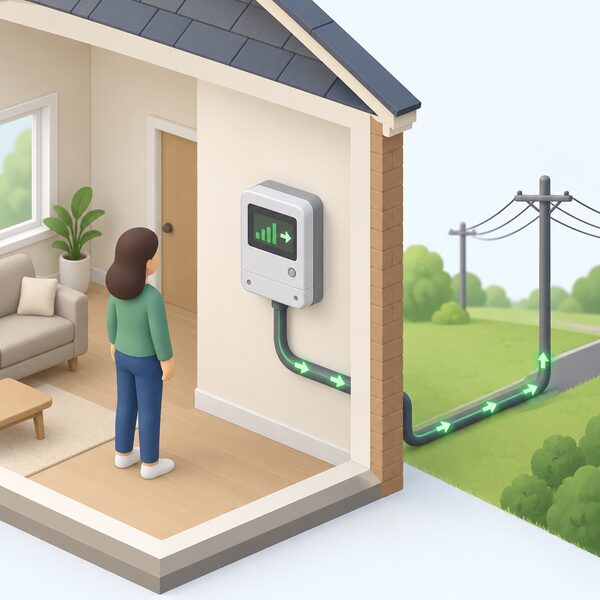
A matched export rate is the feature that makes a battery-linked tariff legible to a household: whatever the import rate is, the export rate tracks it, so the value of cycling the battery is easy to see. The independent guidance is that "to get the best rate, you'll need to switch to the same company for both import and export"10, which is exactly what a bundled plan does.
The alternative is a standalone export tariff. Payments under the Smart Export Guarantee are "exclusively an export tariff, based solely on how much electricity you export back to the grid, as recorded by your smart meter"14. That is a cleaner arrangement for a household that wants to keep its import supply separate, but it usually pays less than a tied rate.
Metering matters. Where a smart meter is not in place, the Feed-in Tariff applies a "deemed" rate that "estimates you export 50% of the energy you generate"14, and the same 50% assumption appears in FiT guidance14. A battery-linked tariff of this kind depends on half-hourly metering to work at all, so the deemed route is not a substitute.
For the wider picture of what suppliers pay, see SEG export rates and exporting electricity from a home battery.
How the algorithm controls the battery in a virtual power plant
The control layer is a virtual power plant. Tesla describes these as systems that "connect Powerwalls worldwide to provide sustainable power to communities, support electric grids when demand is high, and help households earn money for excess energy from their batteries"5. The company reports 104 programmes supported and 230,152 homes participating, both global figures rather than UK ones5.
The terms Tesla publishes are protective of the household on paper: "Homeowners keep control of their backup reserves, are paid for each kilowatt-hour supplied and can opt out at any time"5. It also states that "in retail-integrated VPPs, households also benefit from dynamic tariffs that optimise when devices charge or discharge"5. That is the maker's description of its own programme terms.
Independent work on home energy management is more cautious about what control means in practice. Energy Systems Catapult's Living Lab describes relaying "controls to EVs, heat pumps and batteries, allowing you to test algorithms in real homes"20, which is the same architecture: an external signal reaching into household equipment. The question a household is really answering is not whether the battery can be overridden, but what the reserve floor is, how often the battery is cycled, and how quickly an opt-out takes effect.

Availability in the UK: Octopus, and Great Britain only
The plan's UK history runs through Octopus Energy. The bundled tariff recorded in Ofgem's reporting was an Octopus product1, and Octopus is described elsewhere as a British supplier with "HQ: London, United Kingdom"21. Co-op Energy's plans are "managed by fellow British supplier Octopus on its behalf"21, which shows the same operating pattern of one supplier running another's book.
The licensing position changed in 2026. Tesla Energy Ventures Limited "has been granted a licence authorising it to supply electricity to domestic and non-domestic consumers in Great Britain"2, and "the new licence applies to electricity supply activities in Great Britain only"2. A supply licence is a permission, not a launched tariff, and no rate card has followed it.
Northern Ireland is outside all of this. The licence does not extend there, and the tariff's recorded history is a Great Britain arrangement. Households in Northern Ireland should read tariffs in Northern Ireland for what applies locally.
Availability is also limited by design. Battery-linked tariffs of this kind are capped by the supplier, because the value to the supplier comes from a fleet of batteries responding together. A household cannot simply sign up on demand.
What it means for household energy independence

A battery-linked tariff buys a household cheaper units and a payment for flexibility. It does not buy independence. The home remains connected to the grid, supplied by a licensed supplier, and dependent on that supplier's systems for the tariff to function.
The dependencies are specific. The battery is a Tesla product, so firmware, app and warranty run through one manufacturer. The scheduling algorithm runs on the supplier's or the maker's platform, so the cheap-rate behaviour depends on a working internet connection and a live service. The export payment depends on a smart meter and on the supplier continuing to offer the tariff. And the tariff itself can be withdrawn: closed and withdrawn products are a normal part of the market, as closed and withdrawn tariffs sets out.
What the household does gain is control over when it buys. A battery charged on cheap overnight rates and discharged at peak is a genuine hedge against peak pricing, and the general case for that is made in tariffs and household energy independence. The independence is in the timing, not in the supply.
Tesla Energy Plan vs other export and smart tariffs
The comparison that matters is between a tied, battery-linked tariff and a standalone export tariff.
A tied tariff pays an export rate matched to the import rate and requires the household to buy and sell from the same supplier10. A standalone SEG tariff pays on export alone, "based solely on how much electricity you export back to the grid, as recorded by your smart meter"14, and can be held alongside any import contract. The trade is rate against flexibility.
The scheme rules also constrain what a household can hold. SEG and the Feed-in Tariff cannot both pay for the same exported energy14, and a FIT generator must opt out of FIT export payments before claiming SEG15. A household already receiving FIT export payments therefore has a decision to make before any switch.
On the import side, the alternatives are the general time-of-use and smart-charging products. EV tariffs are "typically 2-rate tariffs, where it is cheaper to use energy at night"23, and the same overnight window is what a battery charges into. A household without a Powerwall can still access cheap overnight rates; it simply cannot access a tariff whose eligibility rule names the hardware.
For the wider landscape, see import tariffs designed for solar and battery homes, smart charging tariffs and the pillar guide to UK energy tariffs.
Sources23 cited
- SEG 2022-23 Annual Report, Ofgem, September 2023
- Tesla Energy Ventures Limited granted electricity supply licence covering Great Britain, Ofgem, 12 March 2026
- Tesla Powerwall, Tesla, 14 September 2026
- Solar panel battery storage, Which?, 14 May 2026
- Tesla Virtual Power Plants, Tesla, 17 September 2026
- Smart Export Guarantee, Parliamentary Office of Science and Technology, June 2026
- Smart Export Guarantee, Solar Energy UK, 12 May 2026
- Beyond retrofit: helping households benefit from the energy transition, National Energy Action, 14 July 2026
- Battery storage, Home Energy Scotland, 20 September 2026
- Tariffs for renewable technology, Energy Saving Trust, 12 August 2026
- Affordable heat pumps annual report, European Heat Pump Association, 28 January 2026
- Solar success in the West Midlands, MCS Certified, 23 September 2023
- Smart Export Guarantee generators, Ofgem, 17 September 2026
- Feed-in Tariff guide, Uswitch, 13 July 2026
- Guidance for FIT Generators V18, Ofgem, 1 April 2026
- Best electric car charging subscriptions, Carwow, 21 November 2025
- Smart Export Guarantee Annual Report Year 5, Ofgem, December 2025
- Energy price cap, Ofgem, 17 September 2026
- Standing charges, National Energy Action, 28 April 2026
- Making home energy management work for consumers, Energy Systems Catapult, 12 February 2026
- Which energy suppliers are British?, Uswitch, 2026
- What happens if your energy supplier goes out of business, Ofgem, 2026
- Energy flexibility, Smart Energy GB, 17 August 2026
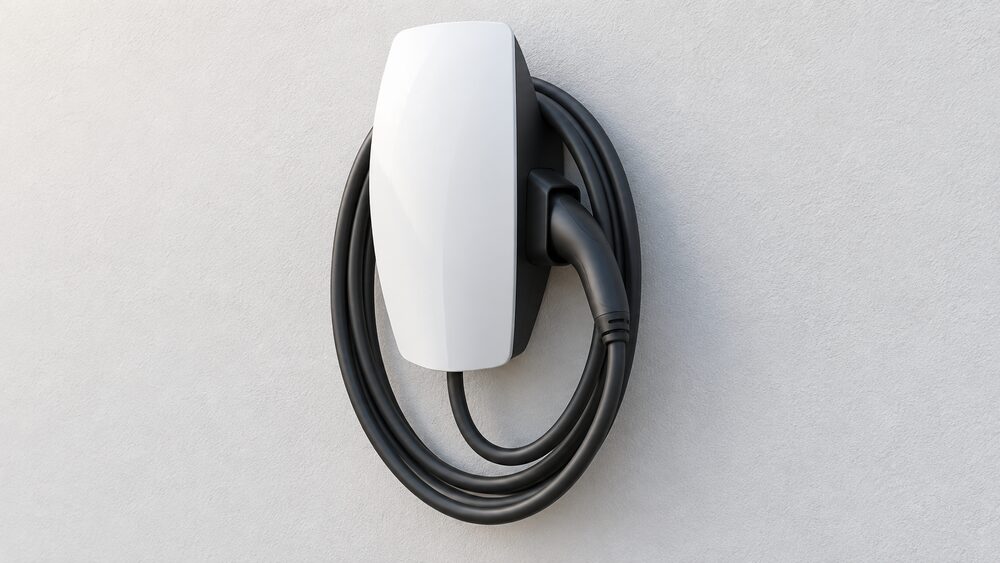 Tesla Gen 3 Wall ConnectorHow fast will a Tesla Gen 3 Wall Connector charge your car at home, and will it work with a non-Tesla electric car?
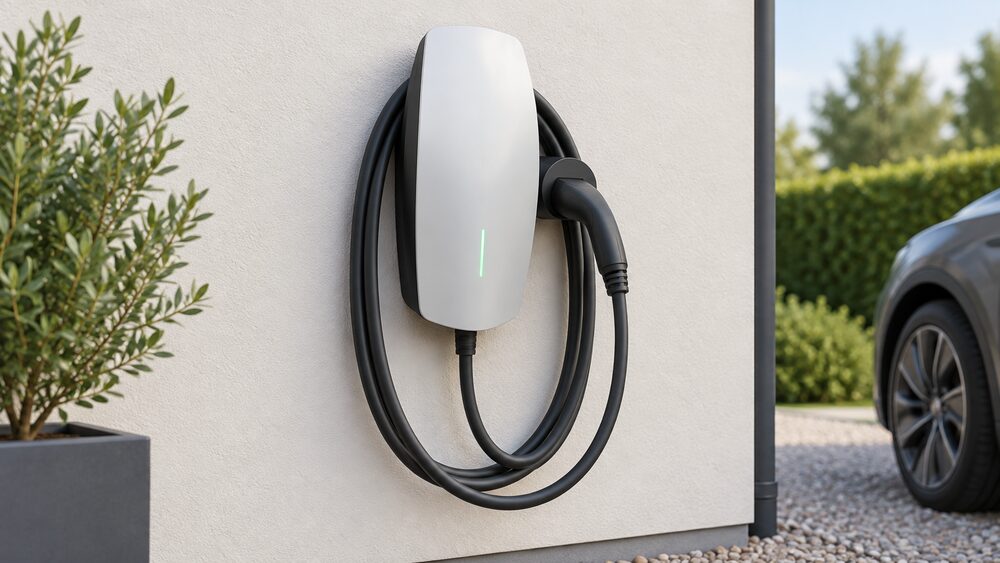 Tesla Wall Connector for home chargingCan you use a Tesla Wall Connector if your car is not a Tesla?
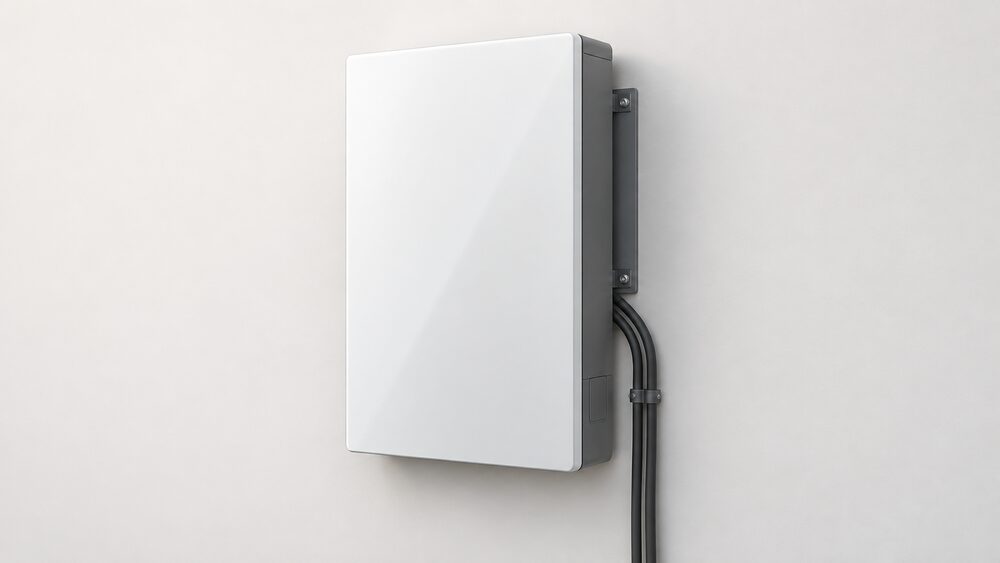 Tesla Home BatteriesHow much does a Tesla Powerwall cost to buy and install in the UK, and what does the warranty actually cover?
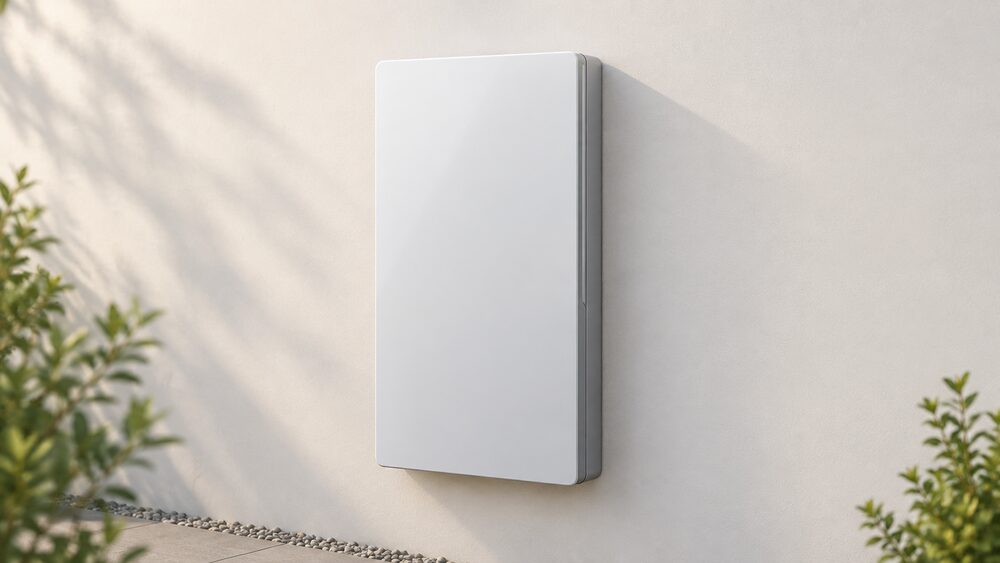 Tesla Powerwall 3How much does a Tesla Powerwall 3 cost installed in the UK, and what does it actually power in a blackout?
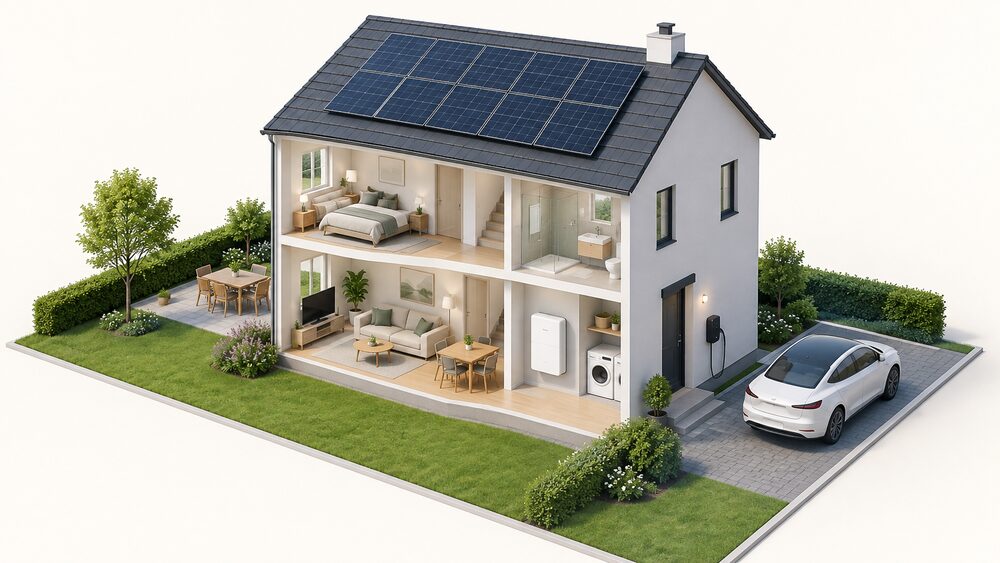 Tesla home energy productsA Tesla Powerwall stores cheap or solar electricity for use when you need it, and the Wall Connector charges your car at home.