In this guide
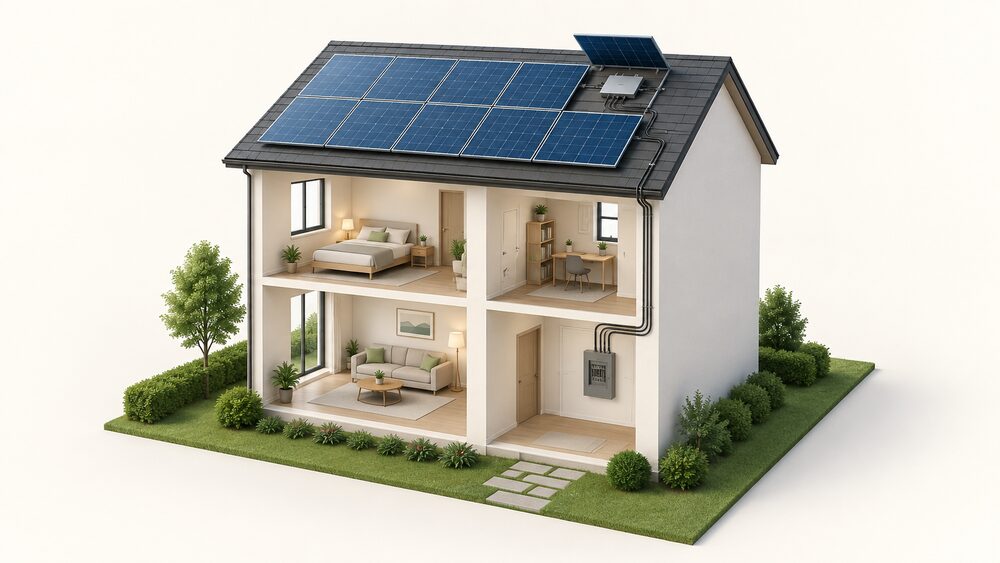
Enphase is a global energy technology company that sells microinverter-based solar and battery systems, EV chargers, home energy management systems and virtual power plant solutions1. For a UK household the proposition is specific: instead of one central inverter handling a whole array, every panel gets its own small converter mounted at the roof, turning that panel's direct current into mains alternating current on the spot2. The company says it has shipped approximately 89.4 million microinverters and that more than 5 million homes run on Enphase systems3.
The practical consequences are panel-level monitoring, panel-level fault isolation and a low-voltage DC side. Enphase states that there is no power left in the system within 30 seconds of a shutdown5. The trade-off is that the electronics live at roof level, so any maintenance happens up there, and the system remains grid-tied unless it is built with the backup components that let it island from the grid6.
What Enphase makes for UK households
The core product is the IQ Microinverter, sold in the IQ8 series for the UK and European market. Enphase states that IQ Microinverters are compatible with virtually all solar panel makes and models, which matters because it means a household is not tied to one module brand when the array is specified8. The company also sells AC modules, where the microinverter is integrated with the panel at manufacture, and the IQ Battery for storage11.
The system is designed to be added to rather than replaced. Enphase's own product pages state that a household can start small and grow the system with IQ Microinverters or IQ Batteries with no extra work required2. That is a genuine difference from a string inverter, where adding panels later can mean replacing the central unit. The IQ Battery itself contains six built-in microinverters per unit, so the storage behaves like the array: modular, AC-coupled, and expandable in steps11.
Enphase also sells EV charging and home energy management under the same app and account. The IQ EV Charger is commissioned through the Enphase Installer App, and owners manage charging through the Enphase App13. The company describes itself as a global energy technology company, and its product line now spans solar, storage, charging and virtual power plant participation1.
For a household, the significance is that one manufacturer's ecosystem covers generation, storage and vehicle charging, with a single monitoring layer over all of it. The counterweight is that the ecosystem is proprietary: the app, the gateway and the cloud account are Enphase's, and the equipment is designed to work together rather than with third-party components. A wider view of where Enphase sits among competing makers is at solar inverter and microinverter manufacturers.
Microinverters: one converter per panel, DC turned to AC at the roof
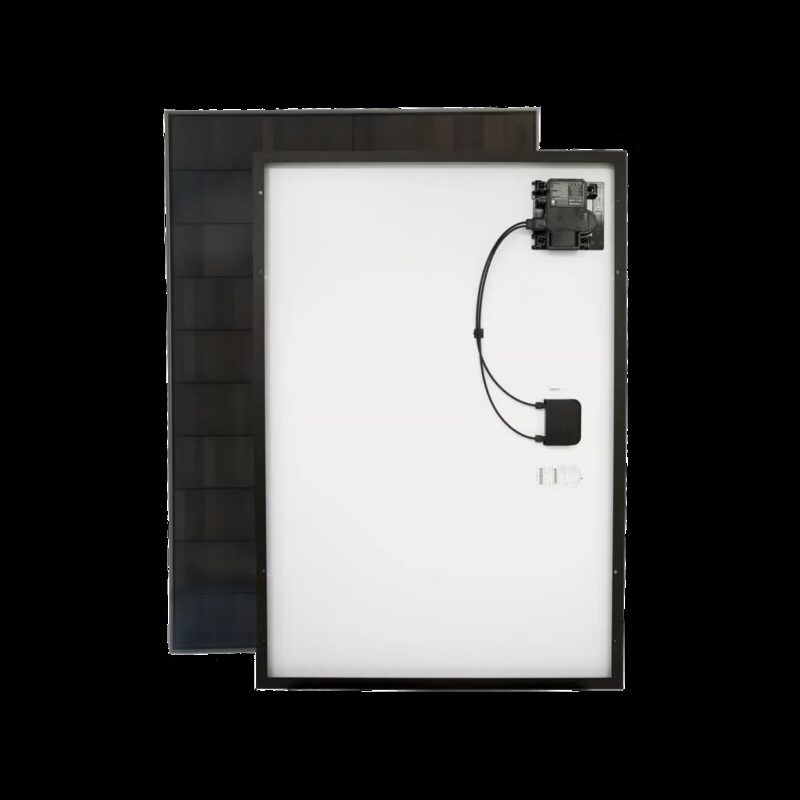
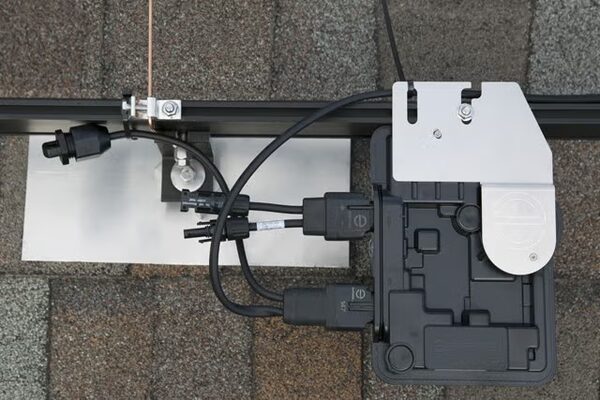
A microinverter converts an individual panel's DC electricity into AC on the roof6. The architecture is panel-level, with the unit installed at the panel itself, and the power path runs from solar panel to microinverter to an AC branch circuit and then to the electrical panel14. That is the whole design idea: the DC side never travels far, and the current that comes down the cable is already mains AC.
The alternative is a string inverter, which handles multiple panels at once and converts at a single point, usually indoors or at the side of the house16. Microinverters work panel by panel, so one panel's performance does not drag on the others16. Enphase states that each panel has its own microinverter, so the system keeps running even if one stops working2. Independent guidance makes the same point in different words: microinverters separate the panels, so if one panel fails the whole system is not affected17.
Shading is the classic reason an installer recommends the approach. The Energy Saving Trust advises that where shading is unavoidable, an installer might recommend microinverters or power optimisers, because these let each panel work independently18. On a roof with a chimney, a dormer or a neighbouring tree, a string inverter's output is set by its weakest panel, while a microinverter array is not.
The trade-off is location. Microinverters are attached to each panel, so if they need maintenance that work happens at roof level6. A string inverter on a garage wall is easier to reach. Enphase's answer is reliability and monitoring rather than serviceability, and the company's own safety material notes that microinverters are the result of more than 15 years of innovation5.
Safety: low-voltage DC and rapid shutdown within 30 seconds
The safety case rests on two things: how much DC voltage is present, and how quickly it can be removed. Enphase describes its microinverter systems as low-voltage, and states that a low-voltage system keeps solar safe and reliable2. A comparison table published by SolaX puts microinverter DC voltage at 60 V or below, described as low and safer, against the higher voltages present on a string array's DC side9.
Rapid shutdown is built into the microinverters rather than added as a separate roof-level device. Enphase states that IQ Microinverters include built-in rapid shutdown to help keep utility workers and first responders safe, and that there is no power left in the system within 30 seconds2. The IQ8MC, IQ8HC and IQ8AC product pages each describe rapid shutdown functionality meeting what the company calls the strictest safety standards19.
"It is already mandatory by law in America and the European Union is going to vote on capturing this in regulation."
The IQ7HS datasheet is more specific about the electrical arrangement. It describes a 1 x 1 ungrounded array with no additional DC side protection required, and AC side protection rated at a maximum of 20 A per branch circuit21. The same datasheet states that the product is UL Listed as PV rapid shutdown equipment and conforms with NEC 2014, NEC 2017 and NEC 2020 section 690.12, and with Canadian rule C22.1-2018 for rapid shutdown of PV systems on AC and DC conductors, when installed according to the manufacturer's instructions21.
Those are North American standards. The UK position is not stated in the documents, so the requirement here rests on the wiring regulations and on the installer's design. Electrical Safety First publishes general safety advice on solar panels for households, and the practical point is that the safety case for any array is a matter for the installer and the certifying body, not for the datasheet alone22.
Panel-level monitoring and the Enphase app
Monitoring is the feature that most clearly distinguishes a microinverter system from a string system. Microinverters usually provide panel-level monitoring, making underperforming panels easier to identify, and Enphase's app shows each panel's performance in real time so a household can spot shade, dirt or issues instantly14. The Enphase Enlighten App is designed for Enphase microinverters and offers panel-level visibility showing energy production from each panel23.
The hardware behind it is the IQ Gateway, which the IQ7HS datasheet lists as compatible with the Enphase Installer App and monitoring options21. The same datasheet describes the IQ7HS as part of the Enphase Energy System, integrating with the IQ Gateway, the IQ Battery and the installer monitoring and analysis software21. Microinverters communicate over power line communication, which means the data travels on the same cabling that carries the power21.
Enphase also pushes over-the-air software updates that bring new features to the solar system and the app2. That is a real benefit and a real dependence: the system's capabilities can change without anyone visiting the house, and the app's usefulness depends on Enphase continuing to support it. A household that wants panel-level data is choosing a system whose monitoring layer is the manufacturer's.
The app is also the control surface for the wider system. Enphase states that owners can use the Enphase App to start and stop EV charging, set and update all charging modes, monitor real time and historical energy consumption, generate charging reports and manage charger settings13. The company has also launched an AI assistant in the app24. For a household, the monitoring layer is where the independence question bites: the panels generate without anyone's permission, but the visibility into them runs through Enphase's cloud.
How microinverters behave on a congested grid
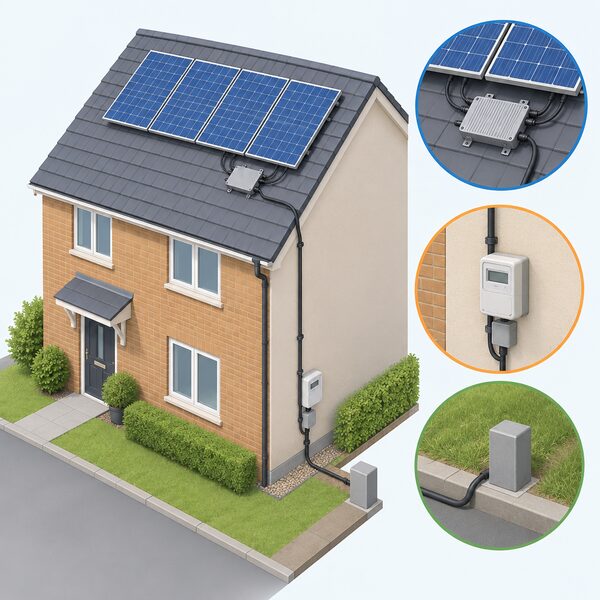
Grid support is where microinverter design has moved beyond simple generation. Enphase's S270 microinverter complies with fixed power factor, voltage and frequency ride-through requirements, supports remote updating, and can be configured for variable grid profiles and export limiting25. The IQ7X microinverter is described as having advanced smart grid features12. Enphase states that its systems support more than 1,700 grid codes and electrical parameters, with active deployments and installer networks in over 160 countries4.
Ride-through matters on a congested network. Where a string inverter might trip offline during a voltage or frequency excursion, equipment configured to ride through keeps generating within defined limits. Export limiting matters for the opposite reason: where a network operator restricts how much a household can push onto the grid, the inverter can be configured to hold within that cap rather than being curtailed entirely.
Fault behaviour is the other half of the picture. If a fault occurs with one panel, only that panel shuts down rather than the entire system6. Some systems use microinverters or power optimisers to limit power generation when a fault develops22. That is a safety function as much as an availability one.
The limit is that most grid-tied microinverters shut down when the grid fails26. Standard microinverter systems are strictly grid-tied, and by law they must shut off when the grid goes down to protect utility workers15. Enphase states plainly that in the event of a failure in the electricity grid, or if the off switch is hit, its microinverters stop producing power5. A household with a plain microinverter array therefore has generation that stops the moment the network does, which is the opposite of independence in a power cut.
Batteries, EV charging and backup: the wider Enphase system
Backup is a system-level feature, not a microinverter feature. Enphase's Sunlight Backup arrangement consists of IQ8 Series Microinverters, an IQ System Controller 2, an IQ Combiner 4C, up to two IQ Load Controllers and other accessories as needed27. The IQ8 microinverters are the ones that can form a grid during an outage; the controller and load controllers decide which circuits get that power.
Commissioning a backup system is restricted. Enphase states that Enphase University certification is required to commission IQ8 Microinverters in systems with backup, covering Sunlight Backup, Home Essentials Backup and Full Energy Independence, while Solar Only systems do not require certification19. That is a meaningful constraint on who can install the more capable configurations.
Storage is modular and AC-coupled. The IQ Battery contains six built-in microinverters per unit and uses a PowerMatch function that automatically turns microinverters on and off within the unit to match the home's power use11. Enphase announced in July 2026 that European homeowners with existing second-generation IQ Batteries could add an IQ System Controller and expand storage while retaining their existing batteries24. The company also opened pre-orders for a limited edition IQ PowerPack 1500 in July 202624.
On vehicle charging, Enphase states that it will support both AC and DC bidirectional charging, and publishes an IQ Bidirectional EV Charger with a 230 VAC single-phase and 230/400 VAC three-phase operating voltage28. The company says the charger can integrate with existing Enphase Energy Systems to unlock home backup, smart charging and grid services, depending on the site configuration and components present28. Data is available through the Enphase Cloud API, and the unit is managed through the Enphase App, switching between modes based on site conditions and homeowner preferences4. For context on what bidirectional charging involves more broadly, see vehicle to grid charging.
Scale and track record: 14 million microinverters, 5 million homes
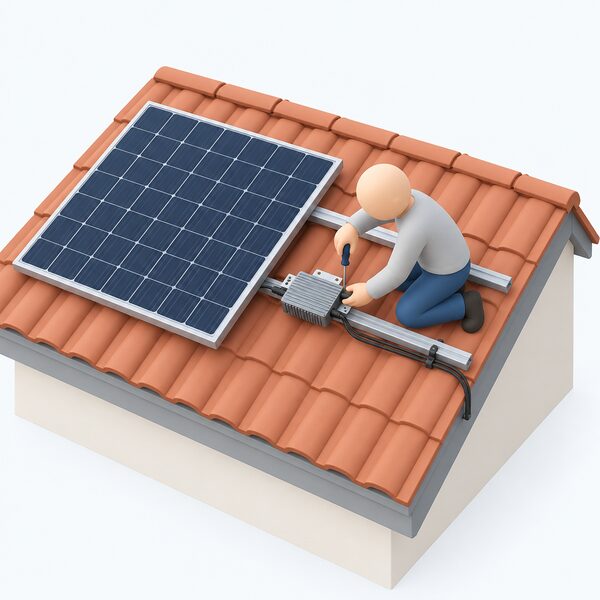
Enphase's own figures describe a company that has moved well past the pilot stage. It states that more than 14 million Enphase microinverters have been installed worldwide, and that the company launched its eighth generation of technology in America5. More recent company statements put cumulative shipments at approximately 89.4 million microinverters, with approximately 5.3 million Enphase-based systems deployed in over 165 countries3.
The company reported shipping 1.58 million microinverters and battery inverters from its Texas and South Carolina facilities in the second quarter of 202624. It also joined the Open Compute Project Foundation as a Platinum member in June 2026, working on open standards for AI data centre power infrastructure24. That is a signal about where the company sees growth, and it sits alongside the residential business rather than replacing it.
| Measure | Figure | Date |
|---|---|---|
| Microinverters shipped | approximately 89.4 million3 | 2026 |
| Systems deployed | approximately 5.3 million in over 165 countries8 | 2026 |
| Homes powered | over 5 million4 | 2026-06 |
| Grid codes supported | 1,700+4 | 2026-06 |
| Q2 2026 US factory shipments | 1.58 million microinverters and battery inverters24 | 2026-06-30 |
Scale is not the same as longevity at the household level. Microinverters have yet to undergo a sufficiently extended period of usage to generate comprehensive long-term performance data, which is a fair statement of where the evidence sits15. The installed base is large and growing, but a household buying into the technology is buying into a product category whose twenty-year behaviour is less documented than that of string inverters.
What owning Enphase means for energy independence
The honest position is that an Enphase system delivers partial independence, and the parts it does not deliver are worth naming. On the generation side, a microinverter array produces power without a fuel supply, without a delivery contract and without a standing charge on the electrons themselves. Panel-level conversion means one shaded or failed panel does not take the array down, and the low-voltage DC side is a safety advantage2.
What remains is a set of dependencies. The array is grid-tied, so it stops producing when the grid fails unless the household has paid for the backup configuration with IQ8 microinverters, an IQ System Controller and load controllers26. The monitoring layer runs through the Enphase App and the Enphase Cloud API, so visibility depends on broadband and on the manufacturer's servers28. The longest backup configurations can only be commissioned by installers holding Enphase University certification19. And the equipment is a single manufacturer's ecosystem, from microinverter to battery to charger.
For a household weighing this up, the questions that decide the outcome are whether backup circuits are wanted, whether the installer holds the right certification, and whether the roof is a place where maintenance access is realistic. The company's own framing is that a household can start small and grow the system with IQ Microinverters or IQ Batteries with no extra work required, which is a genuine advantage for anyone who expects to add storage or panels later2. A broader comparison of the two architectures is at SolarEdge vs Enphase, and the wider question of what manufacturer choice means for a household is covered in manufacturers and energy independence.
Sources28 cited
- Enphase Energy launches AI assistant in the Enphase App, Enphase Newsroom, 2026-08-20
- Home solar systems, Enphase, 2026
- Enphase Energy highlights safety and reliability of IQ EV Charger 2, Enphase Investor Relations, 2026-09-03
- IQ Bidirectional EV Charger datasheet, Enphase, 2026-06
- Enphase inverter technology: safest in the solar industry, Enphase, 2022-03-18
- Solar panel optimiser: is it worth it?, E.ON Next, 2026-09-17
- Enphase homeowners, Enphase, 2026
- Enphase home solar systems, Enphase, 2026
- Microinverters and battery storage, SolaX Power, 2026-07-24
- IQ8AC microinverter, Enphase, 2026-09-17
- Retrofitting battery backup, Midsummer Wholesale, 2026-09-19
- Enphase Panasonic AC modules, Enphase, 2026-09-17
- Enphase IQ EV Charger integration, Enphase, 2025-08-28
- Microinverter vs string inverter, SolaX Power, 2026-07-22
- Microinverter vs hybrid inverter, SolaX Power, 2026-08-25
- Microinverter complete guide, Sungrow, 2025-04-23
- Buying advice for solar panels, Which?, 2026-08-12
- Solar panel installation, Energy Saving Trust, 2026-09-07
- IQ8MC microinverter, Enphase, 2026-09-17
- IQ8HC microinverter, Enphase, 2026-09-17
- IQ7HS microinverter datasheet, Enphase, 2024-08-02
- Solar panels safety advice, Electrical Safety First, 2026-09-17
- Best solar monitoring apps, LuxPowerTek, 2026-02-25
- Enphase Energy reports second quarter 2026 financial results, Enphase Newsroom, 2026-07-28
- Enphase S270 microinverter support article, Enphase Support, 2026-09-17
- Best microinverters for solar panels, SolaX Power, 2026-08-11
- Sunlight Backup user guide, Enphase, 2026
- Enphase bidirectional EV charging, Enphase, 2026-09-17
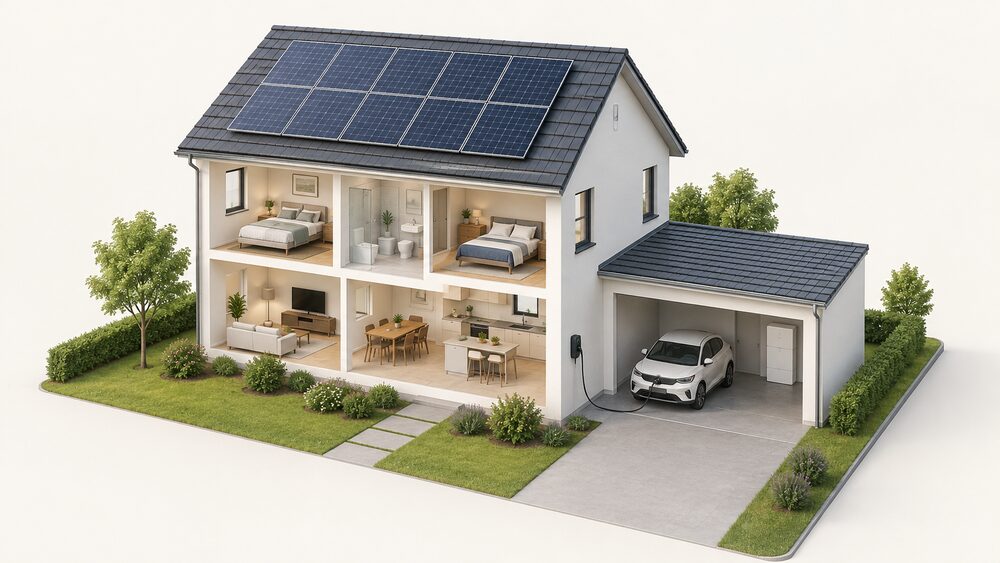 Enphase home EV chargersCan the Enphase charger use the solar power your roof is already making, even if your panels are not Enphase?
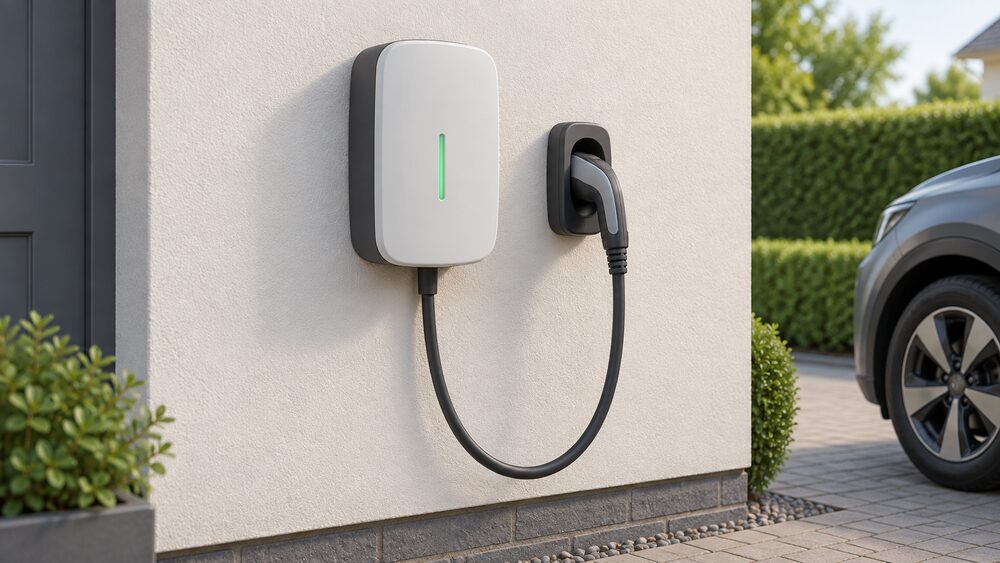 Enphase IQ EV Charger 2Can the Enphase IQ EV Charger 2 send spare solar power to your car instead of the grid?
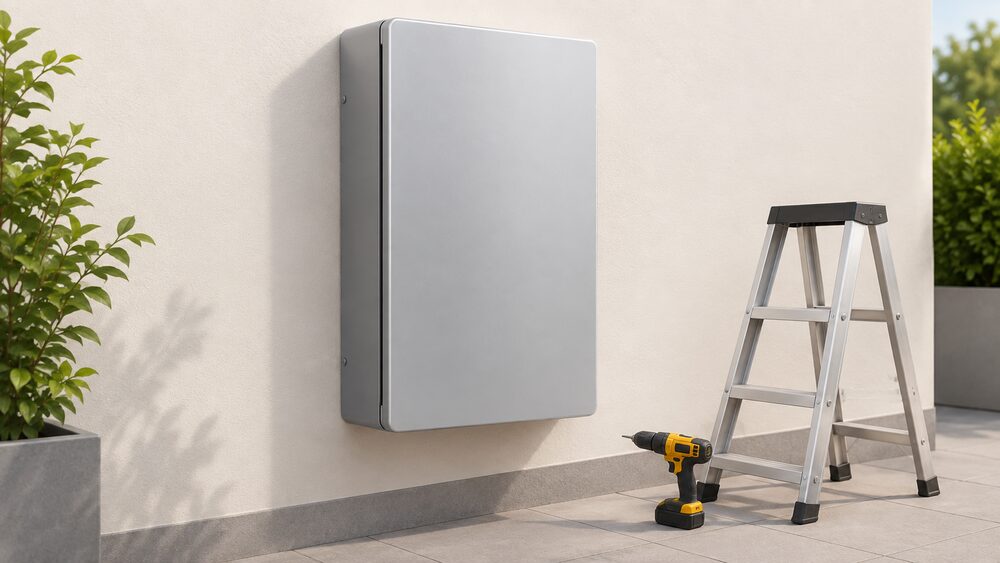 Enphase Home BatteriesEnphase makes the IQ Battery range for UK homes, and the current model is the IQ Battery 5P.
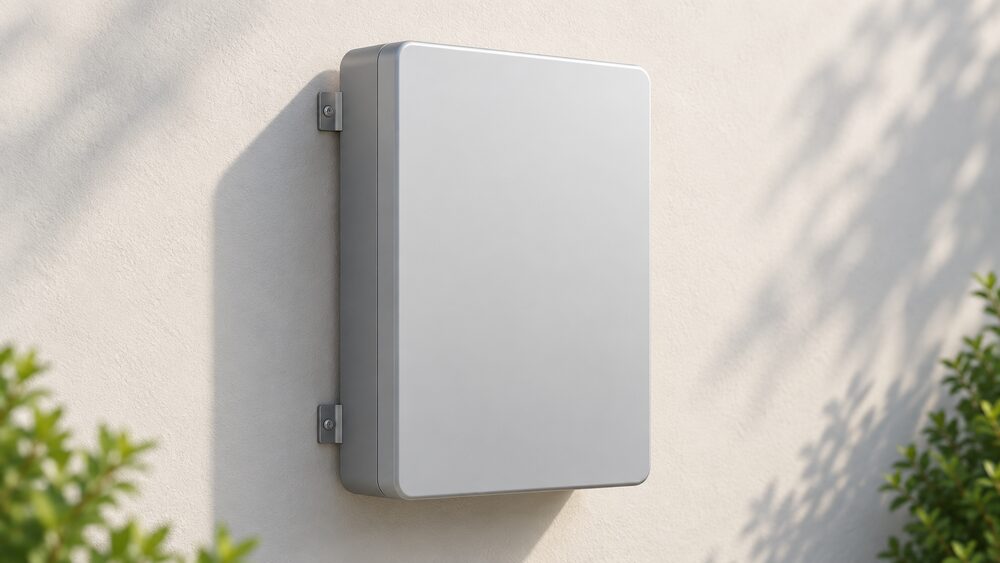 Enphase IQ Battery 5PHow much power does the Enphase IQ Battery 5P actually store, and how long does the warranty last?
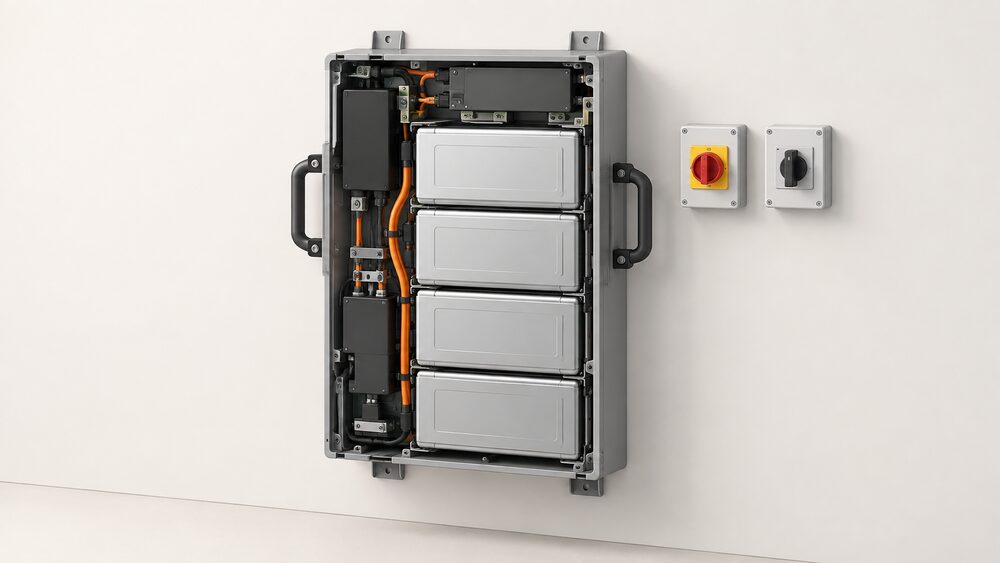 Enphase IQ Battery C80You may have seen the Enphase IQ Battery C80 mentioned and want to know whether it is a real battery you can buy in the UK, how it compares with the 5P and 10C, and what it would cost to run one at home.
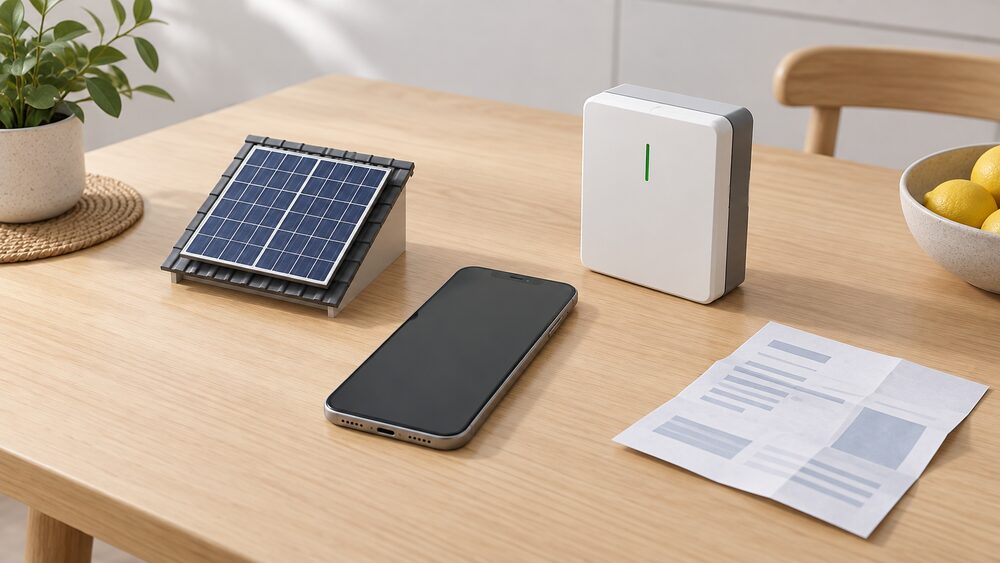 EnphaseEnphase makes the kit that turns sunlight into power for your home, and its app lets you watch what your solar panels are doing all day.
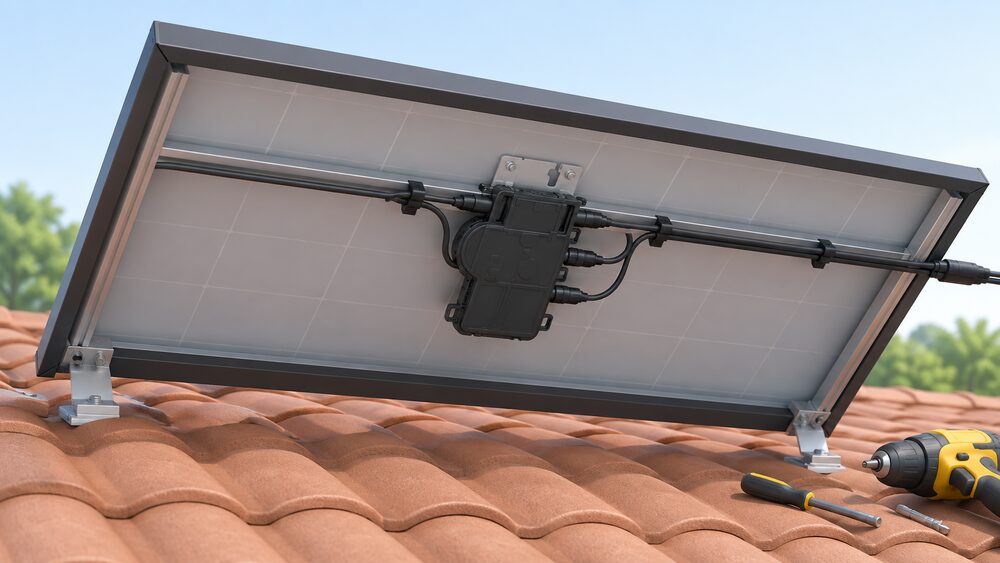 Enphase IQ8 microinvertersWhich Enphase IQ8 model suits your roof, and what do the different versions cost?