In this guide
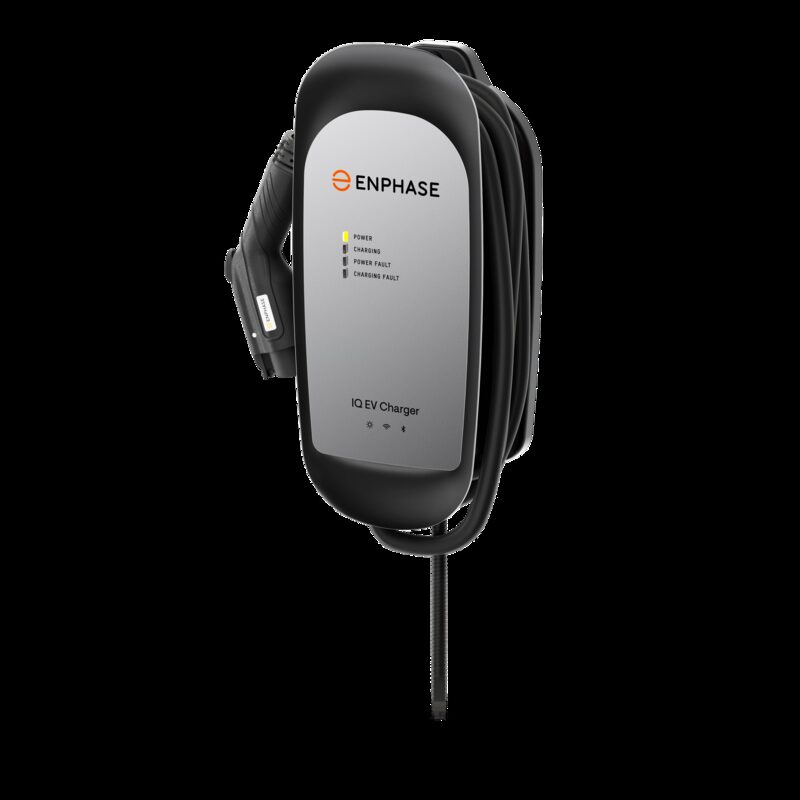
The Enphase IQ EV Charger 2 is a tethered Type 2 wallbox that works either as part of an Enphase Energy System or as a standalone charger on the grid1. It is a single-phase unit rated up to 7.4 kW and up to 32 A, with a three-phase variant that Enphase lists at up to 22 kW on three-phase systems and 7.4 kW on single-phase2. Charging current is adjustable between 6 A and 32 A in the Enphase App3.
The second-generation model is the one to watch for solar households. Enphase states that green charging uses available surplus solar energy to charge the vehicle and works with compatible third-party solar systems as well as Enphase solar4. That matters because it means the charger is not locked to an Enphase array, though the deepest integration, including battery assist and phase switching, sits inside the Enphase ecosystem.
For a household weighing energy independence, the picture is mixed. The charger can absorb surplus generation rather than export it, and dynamic load balancing can keep the installation inside the existing supply capacity without a service upgrade4. But the smart features run through the Enphase App and, for fleet or billing use, through third-party platforms, so remote control depends on broadband, Enphase's cloud and a manufacturer's software.
What the IQ EV Charger 2 is, and how it fits a home
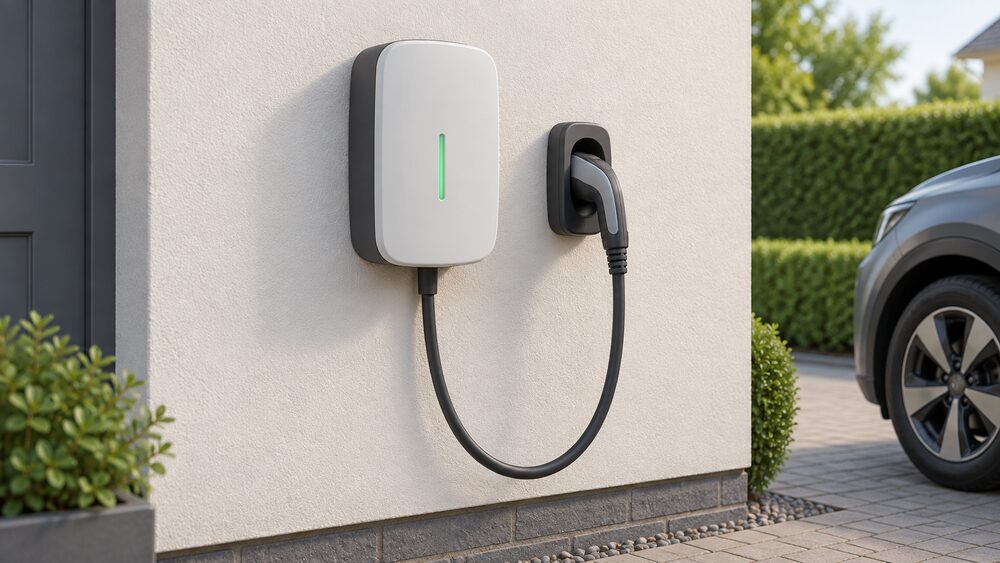
The IQ EV Charger 2 is a tethered unit, meaning the cable is fixed to the wallbox rather than carried in the car2. Enphase describes it as offering seamless integration with the Enphase Energy System or functioning independently as a standalone charger1. The single-phase variant is the mainstream UK product; the three-phase variant supports both single-phase and three-phase wiring with configurable power up to 32 A per phase and automatic phase switching7.
The connector is a rugged Type 2 plug, which Enphase states is compatible with all electric vehicles in the UK on the single-phase model and with all European electric vehicles on the three-phase model1. A separate cable and connector holster is sold that works with all variants of the charger8.
The three-phase variant also carries a built-in MID meter for usage tracking and reimbursements2. That is a commercial feature as much as a domestic one: MID metering is what allows charging costs to be attributed accurately, which matters for company car reimbursement or landlord billing.
Power and specifications: 7.4 kW single-phase, 22 kW three-phase
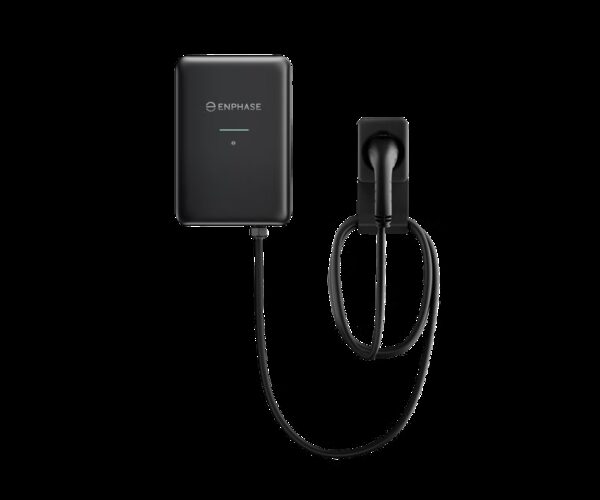
The headline figures are straightforward. Enphase lists the single-phase charger at up to 7.4 kW and up to 32 A3. The three-phase variant supports charging speeds up to 22 kW on three-phase systems and 7.4 kW on single-phase systems2. Enphase's July 2026 press release repeats the wiring position: single-phase and three-phase wiring with configurable power up to 32 A per phase, plus automatic phase switching7.
The 6 A to 32 A control range is the practical detail. At 6 A the charger draws roughly 1.4 kW, which is the level at which solar-only charging becomes viable on a modest array. Enphase states that, paired with an Enphase Energy System, the charger can charge from as little as 1.4 kW6. The safety and reliability article gives a minimum three-phase charging capacity of under 4.14 kW10.
| Specification | Single-phase | Three-phase |
|---|---|---|
| Maximum power | up to 7.4 kW3 | up to 22 kW on three-phase, 7.4 kW on single-phase2 |
| Maximum current | up to 32 A3 | up to 32 A per phase7 |
| Adjustable range | 6 A to 32 A in the app3 | 6 A to 32 A in the app3 |
| Connector | tethered Type 21 | tethered Type 22 |
| Metering | not stated | built-in MID meter2 |
| Connectivity | wired and wireless1 | wired and wireless2 |
For context on what those speeds mean in practice, EV charging speeds and times sets out how long a given battery takes at 7 kW and 22 kW. Most UK homes have a single-phase supply, so the 7.4 kW figure is the one that applies to the majority of installations, and the three-phase variant is relevant mainly to larger properties with a three-phase connection.
Charging with your own solar: surplus charging and third-party compatibility
This is the feature the charger is bought for. Enphase states that green charging uses available surplus solar energy to charge the vehicle and works with compatible third-party solar systems as well as Enphase solar4. The product page puts it more broadly: whether you have an Enphase system or any other solar, the charger adapts in real time to enable solar energy6.
Inside an Enphase system the behaviour is more granular. With an Enphase solar and home consumption monitoring setup, the charging power increases in 25% increments as more solar power becomes available11. That stepped approach avoids the charger chasing small fluctuations in generation. Where an IQ Battery is present and Green Charging with Battery Assist is enabled, the system will supplement solar with energy from the IQ Batteries so that charging can continue smoothly, until the system reaches the next 25% charging level11.
The three-phase variant adds intelligent phase switching, automatically adjusting between single-phase and three-phase charging to maximise the use of surplus solar energy2. That is a genuine advantage on a three-phase supply, because surplus generation often appears on one phase at a time.
"Green charging uses available surplus solar energy to charge the vehicle and works with compatible third-party solar systems as well as Enphase solar"
The limit is worth stating plainly. Solar-aware charging needs metering that tells the charger what the house is generating and consuming. Enphase states the charger can use home metering data from compatible smart meters or CT-based metering solutions to enable dynamic load balancing and green charging4. Without that input, the charger still works, but it charges from the grid. More on the general principle is at charging an EV from solar panels.
Dynamic load balancing: staying inside the DNO fuse limit
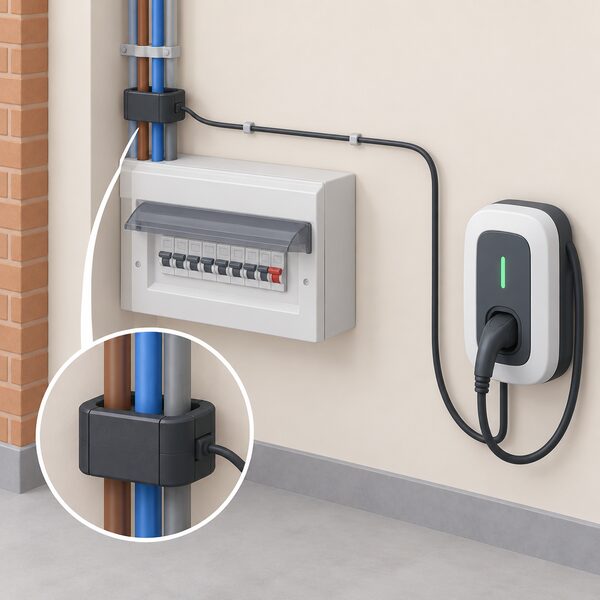
A 7.4 kW charger added to a house that is already drawing heavily can push the total past the rating of the main fuse. Enphase states that dynamic load balancing automatically adjusts EV charging as electricity use in the home changes, helping prevent overloads and keep charging within the home's available electrical capacity4. The company adds that it can help keep the customer inside their DNO fuse limit and even provide solar charging in homes where the customer does not want to upgrade their supply4.
The mechanism is a meter. Enphase states that dynamic load management can be activated via a Shelly meter, with no supply upgrade required3. The charger's own product page describes built-in load balancing that adjusts power draw in real time so the household can plug in without expensive rewiring5.
The metering compatibility was widened in September 2026. Enphase announced expanded metering compatibility for the IQ EV Charger 2, enabling smart meter and CT-based metering integrations for dynamic load balancing and green charging in several European markets4. Named integrations are Linky in France through TIC, P1/DSMR in the Netherlands, Belgium and Luxembourg, and HAN connections in Norway; in other markets, installers can use compatible CT-based metering solutions4. No UK-specific smart meter integration is named in that list, so a UK installation should be expected to use CT-based metering.
The wider subject of how chargers share a supply is covered at load management and load balancing for home EV chargers, and the notification step that applies to new charge points is at telling the network operator about a home EV charger.
Smart Charging in the Enphase App: schedules, modes and monitoring
Smart Charging became available in the Enphase App for homeowners using the IQ EV Charger 2 on 15 April 202612. Enphase states it lets homeowners set a target driving range and departure time, then optimises charging using solar and low-tariff grid periods12. Charging modes can be reached from the EV charger status page, the EV charger settings page and the profile page in the app12.
The app is also the everyday control surface. Enphase states that owners can start and stop EV charging, set and update all charging modes, monitor real-time and historical energy consumption, generate charging reports and manage charger settings13. The charger is paired with the Enphase App for advanced monitoring, control and access features1.
The modes available depend on what else is in the house. For homes where the IQ EV Charger is not paired with Enphase solar or battery systems, Enphase states there are two options for charging modes, Scheduled Charging and Manual Charging, both using the grid11. Where an Enphase Energy System is present, the system profile setting applies in addition to charging schedules15. Enphase's UK and EU guidance for the IQ Battery describes off-peak charging schedules, custom schedules, surplus-solar charging, and whether the battery should be used for EV charging16.
This is where the dependence sits. Local control at the charger continues, but scheduling from away, energy monitoring and remote diagnostics run through the Enphase App, which needs a home broadband connection and Enphase's cloud. The general pattern is set out at EV charger apps, Wi-Fi, 4G and firmware.
Standalone or Enphase system: which setup suits which home
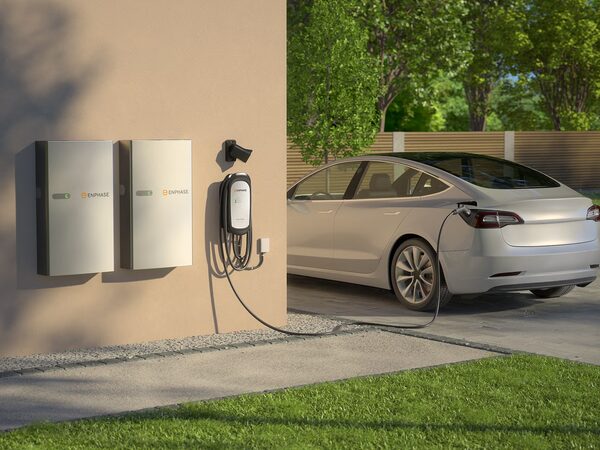
The charger is sold on the basis that it does two jobs. Enphase states it works with Enphase solar and battery systems or as a standalone charger7. The single-phase and three-phase store pages both describe seamless integration with the Enphase Energy System or independent standalone operation1.
In a standalone installation, the household gets a tethered 7.4 kW charger with app control, scheduling and dynamic load balancing, drawing entirely on the grid. The solar-aware modes are not available because there is no generation data to act on. That is a perfectly workable setup, and it is the one most buyers outside the Enphase ecosystem will have.
In an Enphase system, the charger becomes part of a wider energy management arrangement. Enphase states that its AI optimises the home's energy use by adapting to available solar power, charging from as little as 1.4 kW6. The battery assist behaviour described above only exists where an IQ Battery is installed11.
| Setup | What the charger can do |
|---|---|
| Standalone, no solar | Scheduled and Manual Charging from the grid11 |
| With third-party solar and metering | Green charging from surplus solar4 |
| With Enphase solar | Green charging, 25% power increments, system profile setting11 |
| With Enphase solar and IQ Battery | Battery assist, surplus solar first, off-peak and custom schedules11 |
For a household already running Enphase equipment, the charger is the natural addition. For everyone else, the decision turns on whether the third-party solar compatibility is enough, and on whether the app and cloud dependencies are acceptable. The broader trade-off is discussed at EV charging and household energy independence.
Third-party platforms and control levels: OCPP, APIs and local EMS
Beyond the consumer app, the IQ EV Charger 2 is built to be controlled by other systems. Enphase states it connects with infrastructure through OCPP standards, robust APIs and local EMS interfaces17. Three integration routes are described.
A direct OCPP connection lets a partner's charging station management system manage the entire experience, or just authentication, control and monitoring17. A local connection to an energy management system over Modbus or similar lets the EMS own the end user experience, with Enphase able to monitor the charger only17. A partner cloud integration using custom APIs allows either Enphase or the partner to control and monitor, depending on the need17.
Enphase also publishes control levels for partners. Full control covers start and stop charging, charging profiles and schedules, and access control, described as ideal for charge point operators or smart EMS integrations17. Partial control covers real-time monitoring and historical energy data with the ability to start or stop charging for grid load management17. Monitoring only covers real-time status tracking and historical consumption and session data, described as ideal for utilities managing grid load17. RFID card management allows charging only with registered cards, with session-level data for billing, which Enphase describes as ideal for leasing company integrations17.
Two named platforms have published integration guides. Flipturn integration requires the charger to be online and unplugged before Enable is clicked, then an activation form is completed and Flipturn verifies and confirms once the charger is connected13. ChargeLab integration runs through the Enphase Enlighten App: select ChargeLab, review access permissions and tap Enable, after which a registration request is sent to the ChargeLab platform and the screen shows Active status if registration succeeds14. Residential users then open the ChargeLab App, go to the My Chargers tab, select Add Home Charger then Enphase, choose the model, enter the serial number and agree to the terms; commercial users contact ChargeLab directly14.
Disconnection follows the same path on both platforms: click the three dots in the top-right corner, click Revoke access, then click Confirm13. Enphase's earlier integrations with E-Flux by Road and Optimile via Mobiflow follow the same pattern of handing authentication to the partner portal18.
Price and UK availability
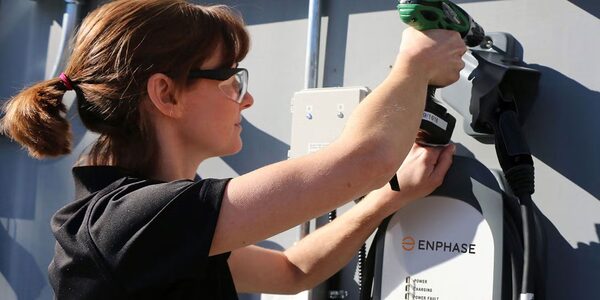
Enphase publishes no UK list price for the IQ EV Charger 2. The store pages for the single-phase and three-phase variants are live, but no figure is given1. Prices are installer-quoted, and no range should be assumed from the absence of a published figure.
What can be said is that the charger is a current product with an active support and integration programme. Enphase issued a press release on 16 July 2026 highlighting the safety certifications, thermal engineering and availability of the IQ EV Charger 2 across European markets7, and a further release on 3 September 2026 covering metering compatibility4. The safety and reliability article states the charger is completely compliant with the UK smart charging regulations of 202110, which is the regulatory baseline for any domestic charge point sold in the UK. That regime is explained at the Electric Vehicles (Smart Charge Points) Regulations 2021.
For cost context on home charging generally, how much does a home EV charge point cost, fitted covers the components that make up a quote. Buyers comparing this unit with others in the Enphase range can look at Enphase home EV chargers.
Where the IQ EV Charger 2 has limits
The charger's strengths are solar absorption and load management. Its limits are worth stating with equal clarity.
The deepest solar features are conditional. Battery assist requires an IQ Battery and the Green Charging with Battery Assist toggle11. The 25% increment behaviour requires Enphase solar and home consumption monitoring11. Third-party solar compatibility is stated, but it depends on metering being available to the charger4.
Remote control depends on the cloud. The Enphase App carries scheduling, monitoring and reporting13, and partner platforms carry authentication and billing data17. None of that works without a network connection to Enphase's servers or the partner's.
Authentication can be a friction point. If authentication is enabled, a valid RFID card must be presented or the session authenticated remotely by scanning the QR code, and charging will not begin without it14. If automatic start is configured, no authentication is needed and charging starts on plug-in14. Once a partner integration is live, the default is that the RFID card is used for authenticating sessions14.
Finally, the charger is a load, not a source. It can shift when energy is drawn and from where, but it does not generate or store anything on its own. The household remains connected to the grid and to a supplier for every kilowatt the solar does not cover. For the wider picture, see EV charging at home in the UK.
Sources18 cited
- IQ EV Charger 2 (tethered, single-phase), Enphase
- IQ EV Charger 2 (tethered, three-phase), Enphase
- EV chargers for installers, Enphase
- Enphase brings smart EV charging to more homes across Europe, Enphase, 3 September 2026
- IQ EV Charger 2, Enphase
- Enphase EV chargers for homeowners, Enphase
- Enphase highlights safety and reliability of IQ EV Charger 2, Enphase, 16 July 2026
- Cable and connector holster, Enphase
- IQ Bidirectional EV Charger, Enphase
- IQ EV Charger 2 safety and reliability, Enphase
- Manage EV charging in the Enphase App, Enphase, 8 October 2025
- Smart Charging: never wake up to an uncharged EV again, Enphase, 15 April 2026
- IQ EV Charger 2 integration with Flipturn, Enphase, 6 May 2026
- IQ EV Charger 2 integration with ChargeLab, Enphase, 27 May 2026
- Control EV charging in the Enphase App, Enphase, 26 September 2023
- IQ EV Charger integration with Optimile via Mobiflow, Enphase, 28 August 2025
- IQ EV Charger partner integrations, Enphase
- IQ EV Charger integration with E-Flux by Road, Enphase, 28 August 2025
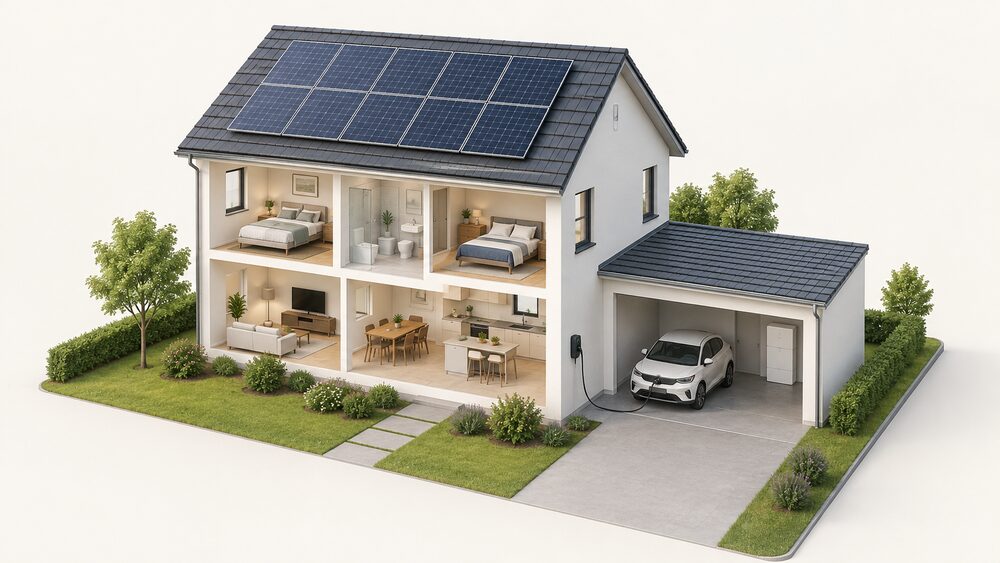 Enphase home EV chargersCan the Enphase charger use the solar power your roof is already making, even if your panels are not Enphase?
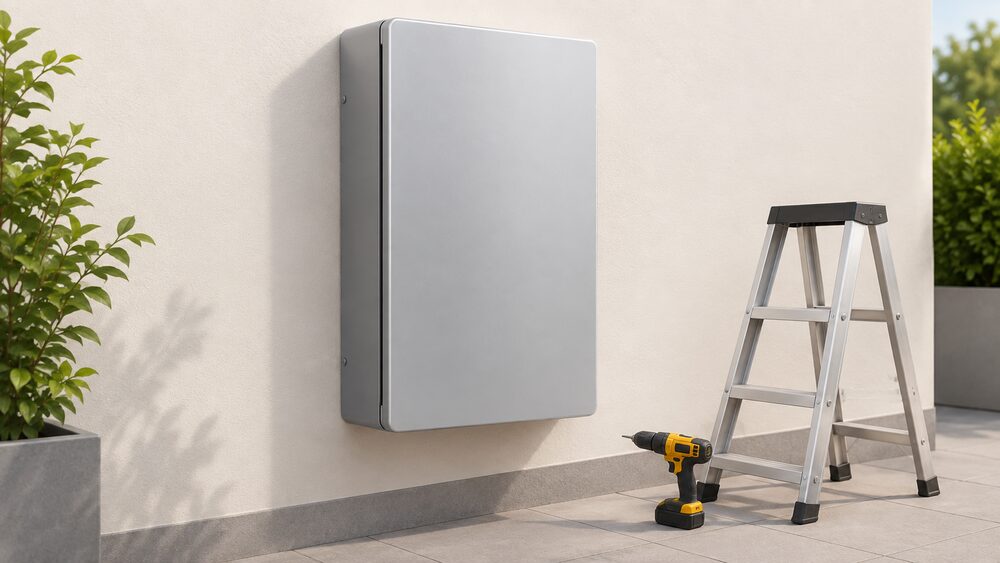 Enphase Home BatteriesEnphase makes the IQ Battery range for UK homes, and the current model is the IQ Battery 5P.
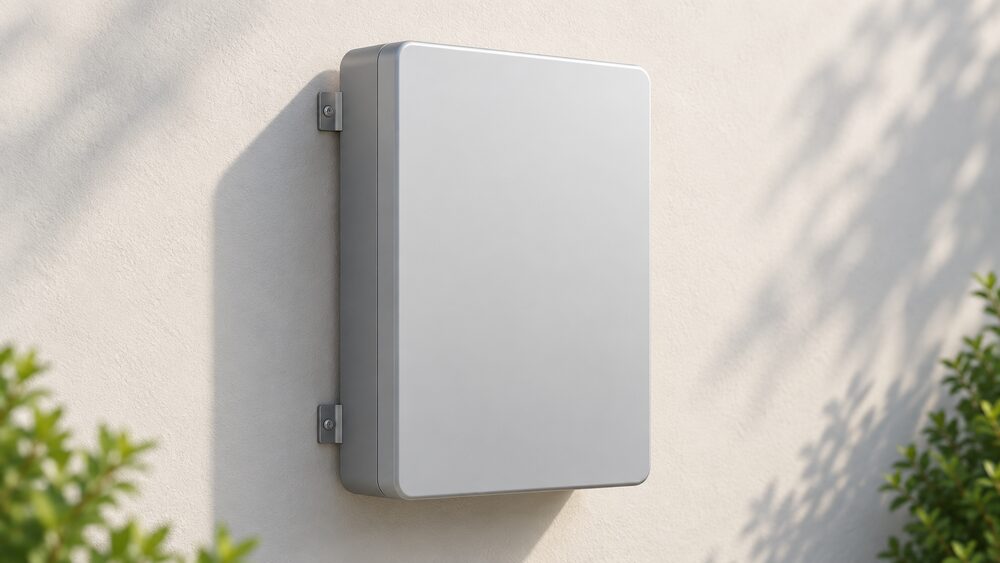 Enphase IQ Battery 5PHow much power does the Enphase IQ Battery 5P actually store, and how long does the warranty last?
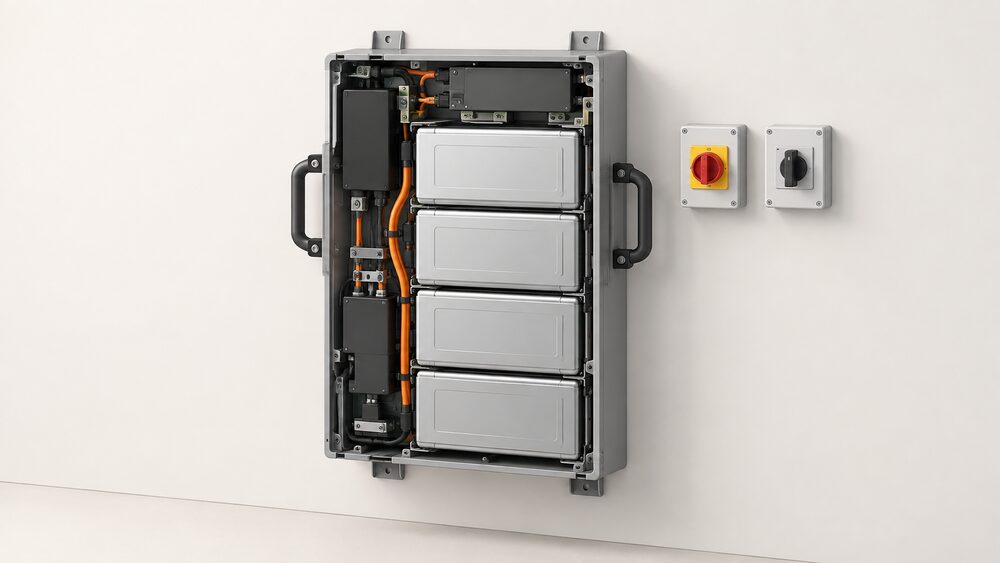 Enphase IQ Battery C80You may have seen the Enphase IQ Battery C80 mentioned and want to know whether it is a real battery you can buy in the UK, how it compares with the 5P and 10C, and what it would cost to run one at home.
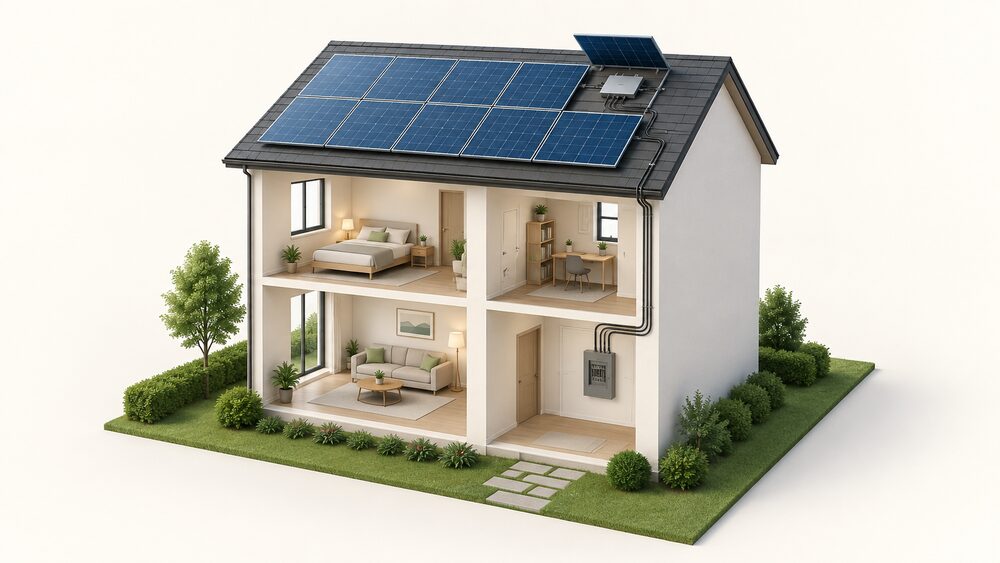 EnphaseEnphase puts a small converter on every panel instead of one big box on the wall, so you can see how each panel is doing and a fault on one does not stop the rest.
 EnphaseEnphase makes the kit that turns sunlight into power for your home, and its app lets you watch what your solar panels are doing all day.
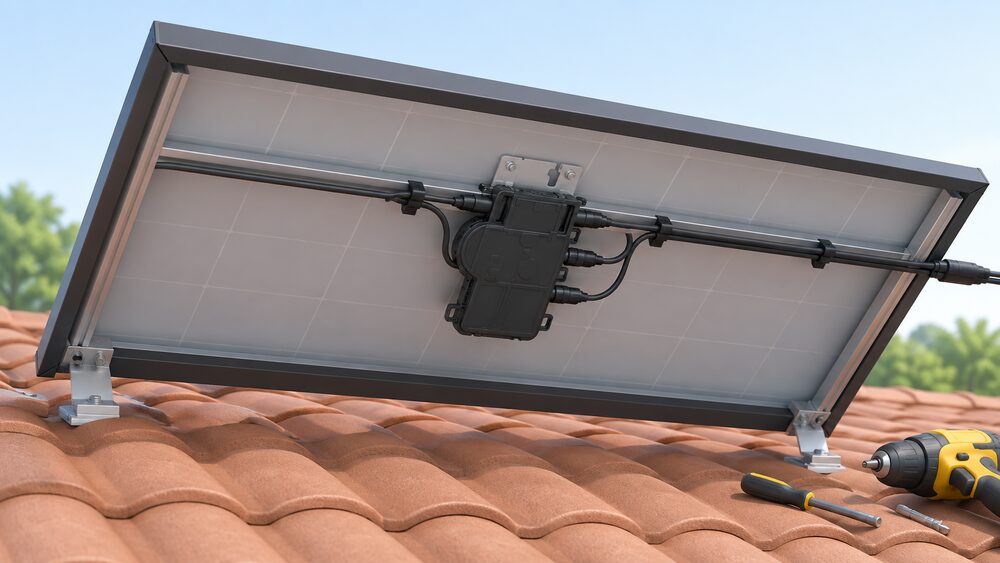 Enphase IQ8 microinvertersWhich Enphase IQ8 model suits your roof, and what do the different versions cost?