
In this guide
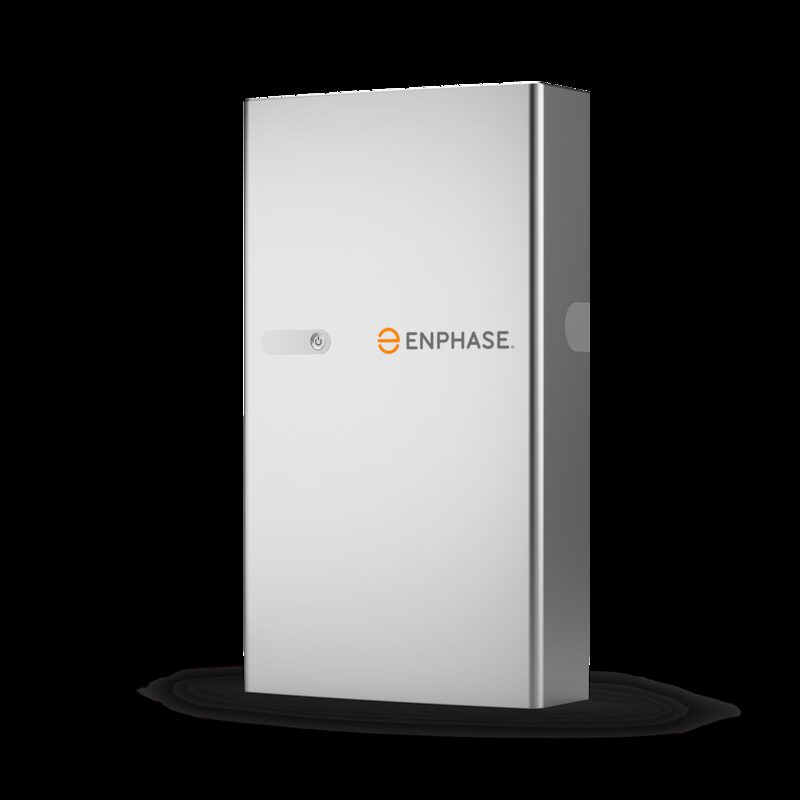
Enphase and Enphase Energy are the same company, and the batteries it sells to UK households are the IQ Battery range. The current unit is the IQ Battery 5P, an all-in-one AC-coupled storage system with 5.0 kWh of usable capacity and six embedded grid-forming microinverters giving a continuous output rating of 3.2 kVA1. A variant, the IQ Battery 5P with FlexPhase, is rated at up to 3.84 kVA continuous and can be used on single-phase and three-phase installations3.
The proposition is modular rather than monolithic. Enphase builds its batteries on a distributed architecture platform, so a household can start with one unit and add more as needs grow, and the maker states the design can be expanded with compatible batteries4. That suits homes that already have Enphase microinverters, and the datasheet lists compatibility with IQ Series Microinverters and third-party PV string inverters, so an existing array does not have to be replaced5.
The warranty is the headline commercial term: 15 years from the Activation Date or 6,000 discharged cycles, whichever comes first, with capacity retention of at least 60% of nameplate rating at the end of the 15th year6. What follows sets out the specifications, the chemistry, the warranty conditions, UK pricing and availability, and the dependence the system creates on the manufacturer's app and servers.
The IQ Battery range at a glance
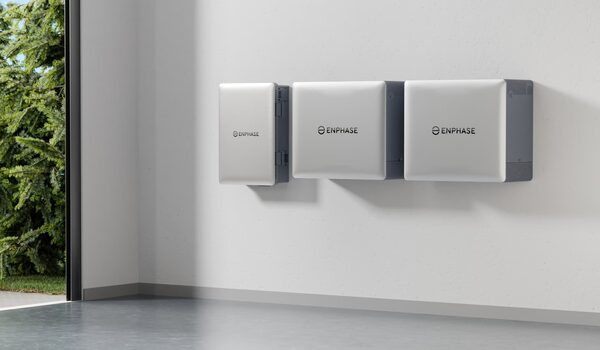
Enphase sells the IQ Battery 5P and the IQ Battery 5P with FlexPhase as its current UK domestic storage products, both listed on the installer storage comparison page8. The 5P is described as an all-in-one, AC-coupled storage system and the most powerful Enphase battery to date, with 5.0 kWh usable capacity and six embedded grid-forming microinverters4. The FlexPhase version carries the same 5.0 kWh usable capacity but a higher continuous output rating of up to 3.84 kVA and phase compatibility with both single-phase and three-phase installations3.
The range has moved on from earlier products. The IQ Battery 10, documented in a 2021 datasheet, had 10.5 kWh total capacity, twelve embedded grid-forming microinverters with a 3.84 kW power rating, and dimensions of 1070 mm x 664 mm x 319 mm9. The fourth-generation Enphase Energy System, launched in June 2026, centres on the IQ Battery 10C and 10CS10. The 5P remains the unit most commonly specified for UK homes, and the 10C is the newer, larger option.
| Product | Usable capacity | Continuous output | Phase |
|---|---|---|---|
| IQ Battery 5P | 5.0 kWh2 | 3.2 kVA2 | Single-phase |
| IQ Battery 5P with FlexPhase | 5.0 kWh3 | up to 3.84 kVA3 | Single and three-phase3 |
| IQ Battery 10 (2021) | 10.5 kWh total9 | 3.84 kW9 | Grid-tied PV9 |
Enphase states that the fourth-generation battery delivers nearly 34% greater energy density than its predecessor2. The IQ Batteries are NEMA 3R rated in the maker's general description, while the 5P datasheet gives an Outdoor-IP55 enclosure rating, which is the figure that applies to the UK unit2.
IQ Battery 5P specifications: 5.0 kWh usable, 3.2 kVA continuous
The core numbers are consistent across Enphase's own documents. The product page states the unit has a total usable energy capacity of 5.0 kWh and includes six embedded microinverters with a 3.2 kVA power rating2. The datasheet repeats the 5.0 kWh usable capacity and gives a rated continuous output apparent power of 3.2 kVA for the IQBATTERY-5P-1P-INT model7. The store listing describes six embedded grid-forming microinverters and a continuous output power rating of 3.2 kVA4.
The FlexPhase variant is the one to watch if output matters more than capacity. Enphase states it has a continuous output power rating of up to 3.84 kVA, and that it can be used for single-phase installations and three-phase installations3. That makes it the more flexible unit for larger homes or three-phase supplies, at the same 5.0 kWh usable capacity.
Two practical points sit alongside the headline figures. The datasheet lists field replaceable components, and Enphase states that IQ Batteries use microinverter technology that can be swapped out in minutes, so a failed microinverter does not mean returning the whole battery7. The unit carries CE product labelling for the UK and European market7.
Lithium iron phosphate chemistry and AC-coupled design
The IQ Battery 5P uses lithium iron phosphate chemistry. Enphase states that IQ Batteries use lithium iron phosphate chemistry, which means they are safer and last longer, and describes the IQ Battery as the first microinverter-based home battery system to incorporate safe lithium iron phosphate technology1. The same chemistry appears across the maker's earlier storage products, including the IQ Battery 10 datasheet, which cites lithium iron phosphate chemistry for maximum safety and longevity9.
LFP is not unique to Enphase. Other makers selling into the UK use the same cell chemistry, including the T-BAT LR3.6 and LR10.8 ranges, the BTS E5-E20-DS5, the SBR064/096/128 and the RCT Power DC-coupled system11. The practical significance is cycle life: one maker's guidance describes LFP batteries as often achieving 6,000+ cycles and lasting 10 to 15 years15. That aligns with the 6,000-cycle figure in the Enphase warranty.
The AC-coupled design is the other defining feature. An AC-coupled battery has its own inverter built in, so it connects to the household supply rather than to the solar array's DC side. Enphase describes the 5P as an all-in-one, AC-coupled storage system, and the FlexPhase version the same way3. The consequence for a household is that the battery can be added to an existing solar installation without replacing the panels or the existing inverter, and installers can design a system that works with what is already there16. The trade-off is a conversion loss each time power passes through the battery's own inverter, which is why round-trip efficiency matters as much as capacity. More on that is at AC-coupled and DC-coupled home batteries.
Warranty: 15 years or 6,000 cycles, with 60% capacity retention
The warranty is the strongest part of the Enphase offer on paper. Enphase states that IQ Batteries are covered by a 15-year limited warranty, and that the 5P is covered by a 15-year warranty up to 6,000 cycles2. The UK storage warranty document sets the term precisely: it ends on the earlier of 15 years from the Activation Date or 6,000 discharged cycles6. The datasheet summarises the same terms as more than 60% capacity, up to 15 years or 6,000 cycles7.
Capacity retention is the second half of the promise. The warranty states the covered battery will maintain the ability to store and discharge an energy capacity of at least 60% of the covered IQ Battery product nameplate rating, and specifies 60% of the nameplate rating at the end of the 15th year of the limited warranty period6. That is a floor, not a forecast: a unit that holds 60% at year 15 is inside the term, and one that falls below it is not.
"will maintain the ability to store and discharge an energy capacity of at least sixty percent (60%) of the Covered IQ Battery Product nameplate rating"
Registration is where the term is won or lost. The Activation Date is defined as the earlier of the date the covered product is registered with Enphase or the date it is activated at the original location through the installer portal, and the product must be registered within 45 consecutive days of that date6. Claims must be submitted during the limited warranty period6. The warranty also states the product is not intended for use as a primary or backup power source for life-support systems, other medical equipment, or any use where failure could lead to injury, loss of life or catastrophic property damage6.
The wider warranty picture, including how retained-capacity terms compare across makers, is at home battery warranties.
What the 5P costs in the UK and where to buy it
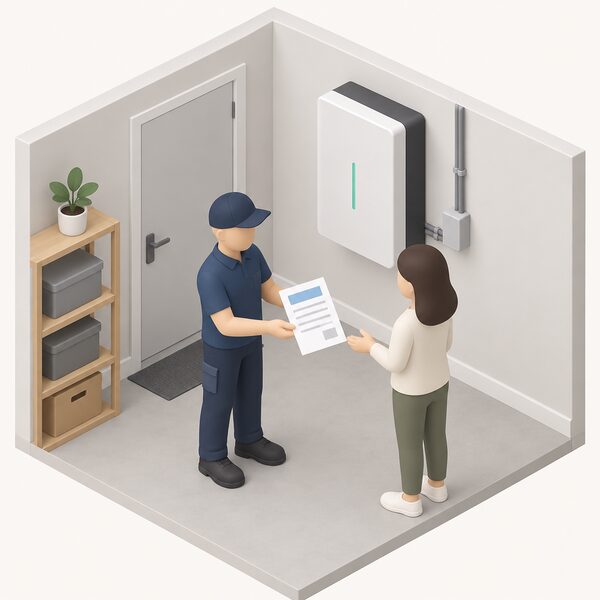
Enphase does not publish a consumer price for the IQ Battery 5P in the material here. The store pages for accessories require a login to purchase, and the storage store page shows the FlexPhase multi rating main label as out of stock10. That points to the normal UK route: the battery is bought and fitted through an installer, and the household sees a quoted price rather than a list price.
The indicative figures that exist are for home battery storage generally rather than for this model. The Energy Saving Trust states that home battery storage can range from £1,500 to £10,000, but the cost for a 5kWh battery system is around £4,60017. A case study in an Energy UK publication gives a 5kWh battery a measure cost of £2,25019. One buying guide puts a 5kWh battery at around £2,500 to £4,000 or slightly higher depending on installation conditions, and separately at £3,000 to £5,00020. An energy supplier's solar and battery options page is a further route to a quote21.
For context on the older product, Which? lists the Enphase AC Battery at £1,699 excluding installation, with 1.2kWh capacity and a 10-year warranty22. That is a different, much smaller unit and not a guide to 5P pricing.
Scalability: starting small and adding batteries over time
The modular design is central to how Enphase sells the range. The maker's message is to start small, go big, and add more batteries as energy needs grow over time2. The FlexPhase unit is described as built on a distributed architecture platform, with a modular and flexible design that can be expanded with compatible batteries8. Each additional 5P adds 5.0 kWh of usable capacity and 3.2 kVA of continuous output2.
That approach has a practical logic. A household can begin with one or two units and add capacity later without replacing what is already installed, which spreads cost and lets the system match actual consumption rather than a guess at the outset. One supplier's package illustrates the starting point: a base optimised package configured with one to two Enphase IQ Battery 5P units at 5 kWh each21. Guidance on how much storage a home actually needs is at what size home battery do you need, and the mechanics of expansion are at modular and stackable home batteries.
The wider direction of travel supports small modular storage. A government consultation on the future of small-scale low-carbon generation projected that small battery storage would account for around a third of total battery storage deployment capacity by 204023. For a household, the modular route means the battery is not a single irreversible decision, though each added unit still depends on the same manufacturer's ecosystem and installer.
Compatibility with existing Enphase AC Batteries and third-party solar
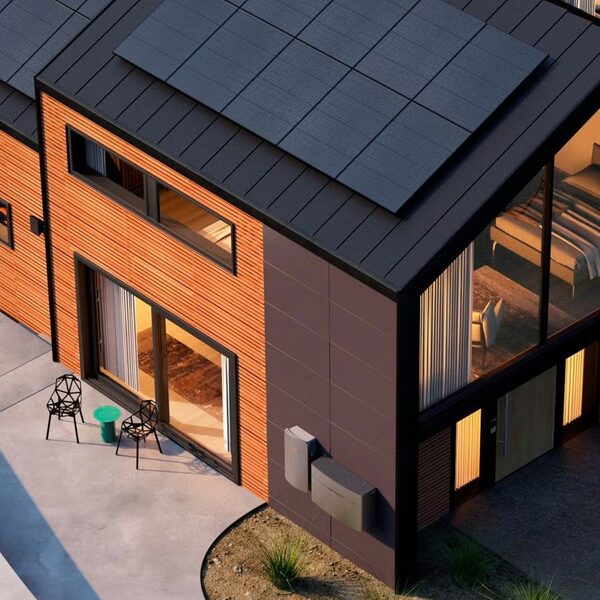
The 5P is designed to work with what a household already has. The datasheet lists solar inverter compatibility with IQ Series Microinverters and third-party PV string inverters7. Enphase guidance states that installers can design a system that works with what you already have, without needing to replace your existing solar panels or inverter16. That is the main reason an AC-coupled battery appeals to a home with an existing array from another brand.
The older Enphase AC Battery, at 1.2kWh with a 10-year warranty, is listed by Which? as available via UK installers22. It is a legacy product with a fraction of the 5P's capacity, and the two are not equivalent options today.
Compatibility is not unlimited, and it is worth being precise about what the maker claims. Enphase announced in August 2026 that homeowners with existing non-Enphase solar systems can add the IQ Battery 10C and whole-home backup without replacing their existing solar equipment, with support available through installation partners in the United States and Canada24. That announcement concerns the 10C and North America, not the 5P in the UK. For the 5P, the datasheet's compatibility list is the relevant statement7. The general principles of retrofitting storage to an existing array are at AC-coupled and DC-coupled home batteries.
Backup, siting and the app: what the system depends on
The 5P supports backup operation. The datasheet states it supports Self-Consumption and Full Backup mode of operation, and Enphase describes banking the power you make and using it anytime, day or night, rain or shine2. The warranty's exclusion for life-support and medical equipment is a limit on what the maker will stand behind, not a statement that the battery cannot run a home's circuits during an outage6. How backup is wired and what stays live is covered at battery backup in a power cut.
Siting is flexible. Enphase states the IQ Battery is approved for installation both indoors and outdoors at temperatures from -20°C to 55°C, and the datasheet gives an Outdoor-IP55 enclosure rating2. The FlexPhase unit offers wall and floor mount options with left, right and rear conduit entry8. Anchor clips are needed to securely install a 5P to a wall, and the wall mount bracket and control cable are separate accessories11.
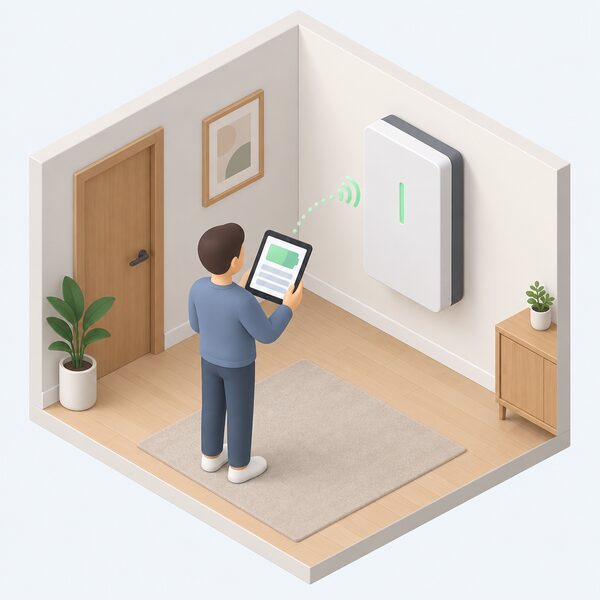
The dependence sits in the software. Enphase provides over-the-air software updates for the Enphase Energy System and the Enphase App2. That means the battery's feature set and monitoring run through the manufacturer's cloud service and app, so remote visibility and updates depend on Enphase's servers and a home internet connection. The maker's UK and EU guidance also covers off-peak charging schedules, custom schedules, surplus-solar charging, and whether the battery should be used for EV charging, with Green Charging able to use surplus solar first25. Those functions are useful, and they are also the point at which the household's control passes through a third party. More on this is at monitoring a home battery.
Enphase the company: scale, ownership and support
Enphase Energy is a single manufacturer, not a brand licensed to others, and it makes both the microinverters and the batteries. The company has been selling storage since at least the IQ Battery 10 in 2021, and describes its inverter technology as the safest in the solar industry9. Its fourth-generation Energy System, built around the IQ Battery 10C and 10CS, launched in June 202610.
Support runs through the installer network and the company's own channels. The Enphase store lists a UK telephone number, 0044-3308088522, and a sales inquiry line on 510-945-675210. Accessories require a login to purchase, which reflects the trade-facing nature of the store11. Enphase updated its Terms of Service on 9 June 2025, governing its websites, apps and services including Enlighten, 365 Pronto and the Enphase App26.
Distribution in the UK widened in March 2026, when Waxman Energy announced a partnership giving installers access to Enphase microinverter technology and advanced battery storage solutions, with Enphase microinverters and all-in-one battery units available through Waxman Energy. That matters for availability and lead times rather than for the product itself.
The dependence a household takes on is therefore threefold: on Enphase as the maker of both the battery and its embedded microinverters, on the installer network for supply and registration, and on the company's cloud services for monitoring and updates. The battery reduces dependence on the grid for the energy it stores, and it does not remove dependence on a manufacturer for the software that runs it. The wider picture is at home batteries and household energy independence.
Sources26 cited
- Enphase home battery storage, Enphase
- Enphase IQ Batteries, Enphase
- IQ Battery 5P with FlexPhase, Enphase
- IQ Battery 5P, Enphase
- IQ Battery 5P data sheet, Enphase, July 2025
- Enphase Energy limited warranty, IQ Battery 5P UK, Enphase
- IQ Battery 5P usable capacity, Enphase
- IQ Battery 5P with FlexPhase installer page, Enphase
- IQ Battery 10 data sheet, Enphase, October 2021
- Enphase UK storage store, Enphase
- IQ Battery 5P wall mount bracket, Enphase
- Enphase control cable, Enphase
- IQ Battery 5P anchor clips, Enphase
- Enphase inverter technology, Enphase
- Best solar batteries, SolaX Power, May 2026
- Retrofitting battery backup, Midsummer Wholesale
- Battery storage, Energy Saving Trust, August 2026
- Battery storage, England, Energy Saving Trust, August 2026
- Clean heat and low-income households, Energy UK, June 2026
- 10 kW solar battery price UK, Jackery, June 2026
- Solar and battery options, Octopus Energy
- Solar panel battery storage, Which?, May 2026
- The future for small-scale low-carbon generation, Department for Business, Energy and Industrial Strategy
- Enphase brings IQ Battery 10C and whole-home backup, Enphase, August 2026
- Home battery brands for off-peak EV charging, SolaX Power, August 2026
- Enphase Terms of Service, Enphase, June 2025
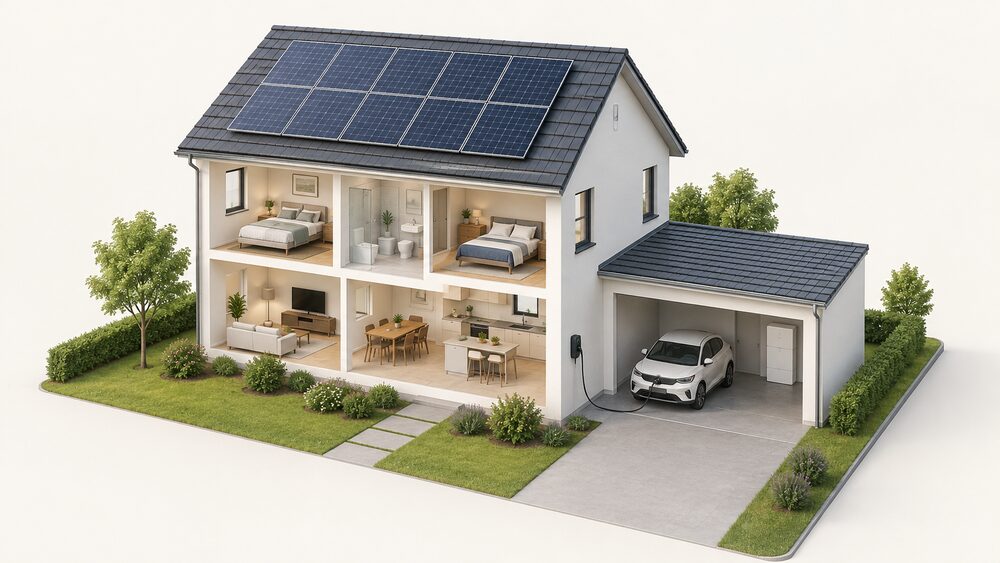 Enphase home EV chargersCan the Enphase charger use the solar power your roof is already making, even if your panels are not Enphase?
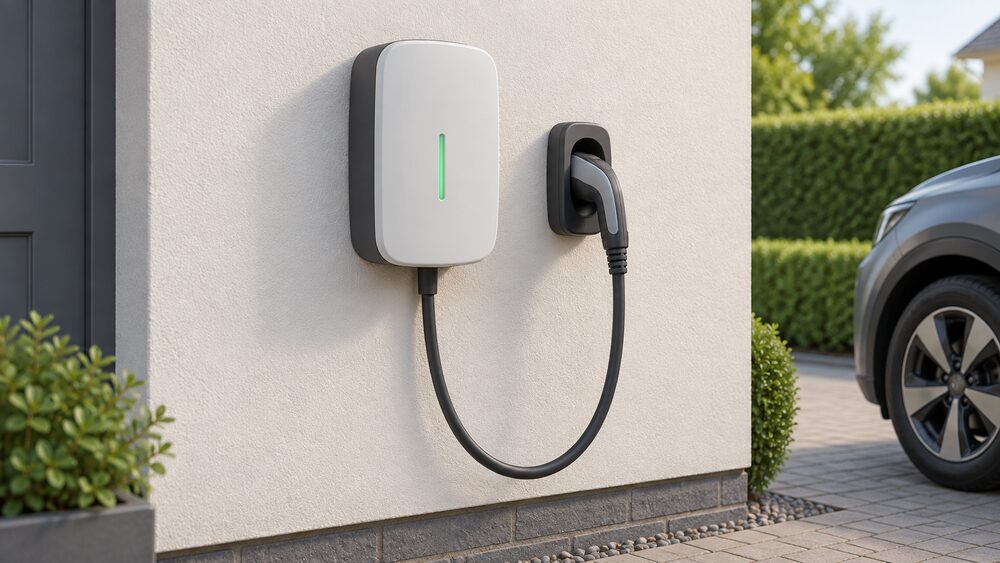 Enphase IQ EV Charger 2Can the Enphase IQ EV Charger 2 send spare solar power to your car instead of the grid?
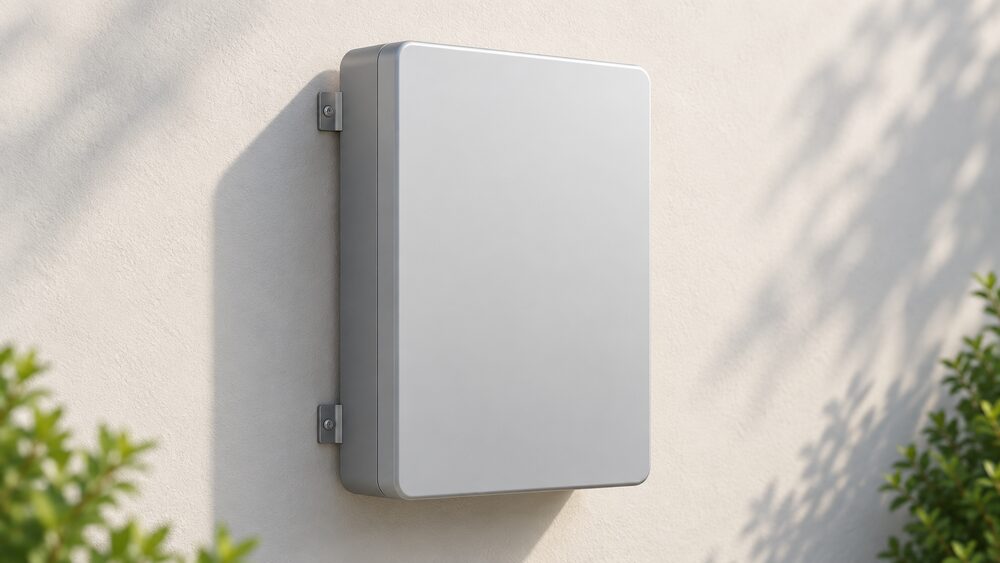 Enphase IQ Battery 5PHow much power does the Enphase IQ Battery 5P actually store, and how long does the warranty last?
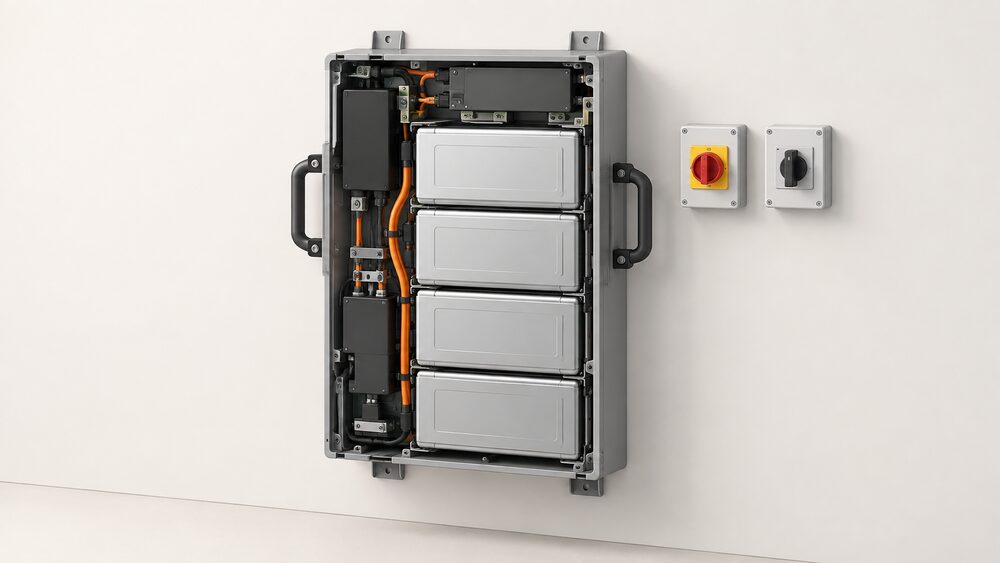 Enphase IQ Battery C80You may have seen the Enphase IQ Battery C80 mentioned and want to know whether it is a real battery you can buy in the UK, how it compares with the 5P and 10C, and what it would cost to run one at home.
 EnphaseEnphase puts a small converter on every panel instead of one big box on the wall, so you can see how each panel is doing and a fault on one does not stop the rest.
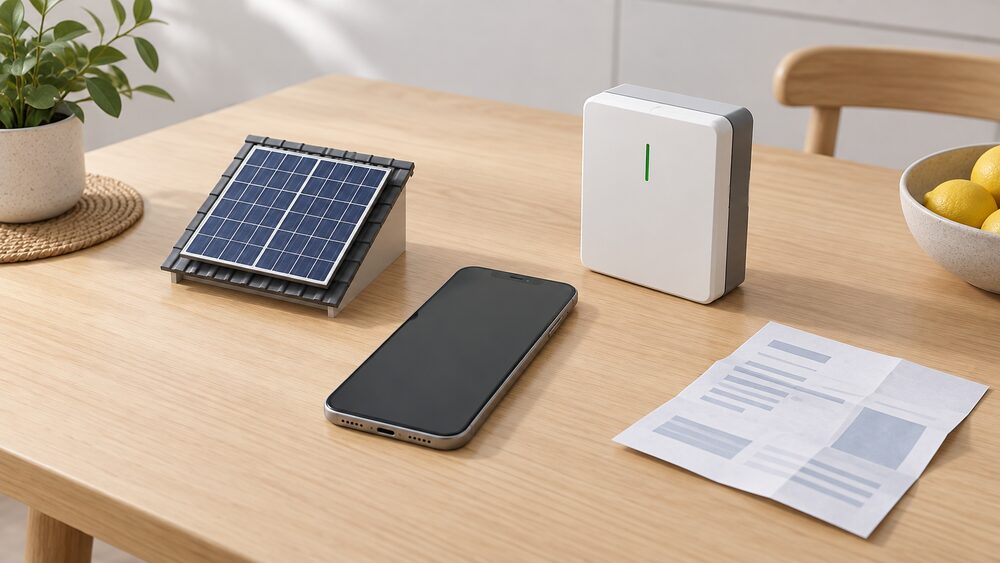 EnphaseEnphase makes the kit that turns sunlight into power for your home, and its app lets you watch what your solar panels are doing all day.
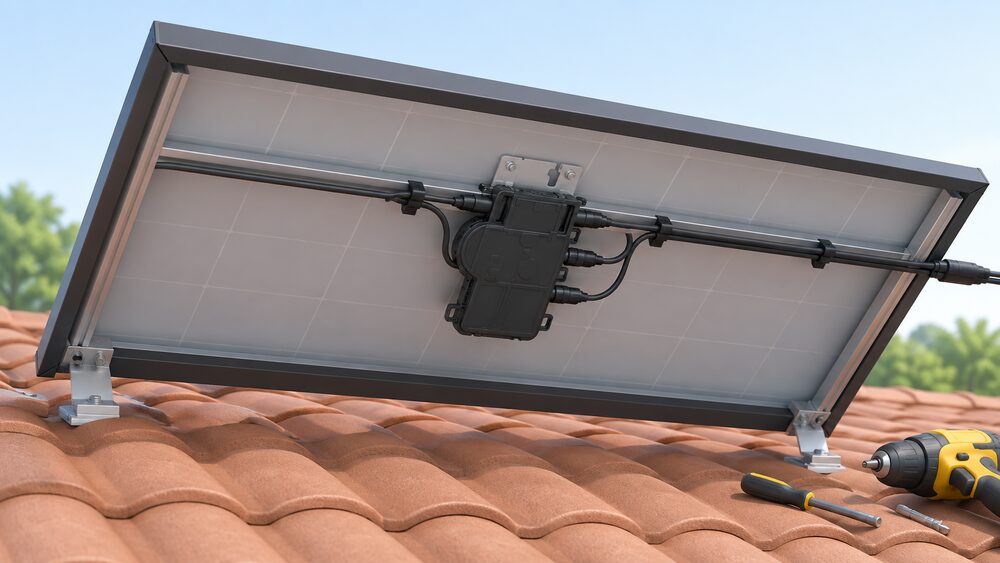 Enphase IQ8 microinvertersWhich Enphase IQ8 model suits your roof, and what do the different versions cost?