
In this answer
Short answer
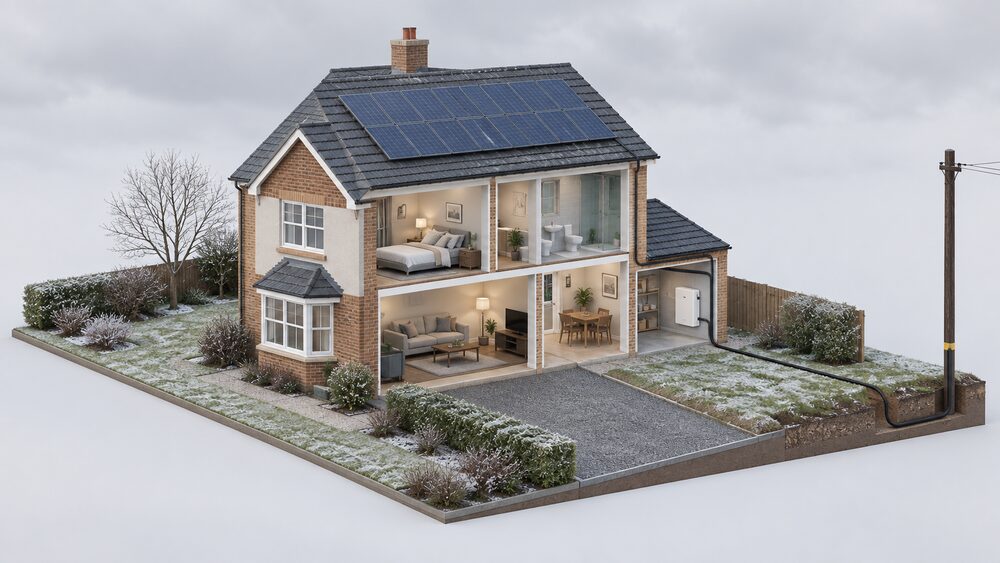
Solar panels work in winter. They generate electricity whenever there is daylight, so a UK array keeps producing through December and January, just far less than in June. The Energy Saving Trust states plainly that panels work in winter but generate less electricity than in summer1, and independent guidance puts the reduction at 25% to 50% compared with summer because of shorter days and more cloud2.
The scale of the drop matters more than the direction. One maker's figure suggests winter generation may be around 10% to 25% of what the same system would produce in the summer months3, and a 3.2kW south-facing array in London was modelled at around 8% of its yearly generation in winter, against 43% in summer4. A real 12-panel, 4.2kW array produced 979 kWh across the winter periods of 20254.
For a household weighing up energy independence, the honest position is that solar plus a battery reduces winter dependence on the grid but does not remove it. Generation falls, demand rises, and the shortfall is met from the grid or from stored energy. What follows sets out the seasonal figures, what drives them, and how batteries and grid top-ups cover the gap.
Do solar panels work in winter? Yes, but with lower output
Panels work whenever there is daylight, so winter operation is not in question2. What changes is how much light reaches the cells and at what angle. The sun sits lower in the sky during winter, so it may not hit the panels as directly as it does in summer2. Shorter daylight hours compound that, and increased cloud cover does the rest2.
Cold itself is not the problem. Cooler temperatures can actually enhance solar panel efficiency, preventing the overheating that can reduce output in hotter climates8. ScottishPower makes the same point from the maker side: shorter days and a lower sun mean panels typically generate less energy in winter, though cold temperatures mean they work more efficiently9. Luxpowertek notes that cold temperatures do not stop panels and that they can even perform better in cooler weather, with shorter daylight hours and snow covering the panels the factors that reduce output10.
The practical consequence is a seasonal profile rather than a winter shutdown. Generation concentrates heavily in the brighter half of the year: solar panels typically generate 80% of their electricity between March and September12. On a normal sunny day, output peaks from around 11am to 3pm13. In winter, both the window and the peak are compressed.
"Yes, solar panels work in winter. But they'll generate less electricity than in summer"

Winter output: 25 to 50% less than summer, and as little as 10 to 25% of summer generation
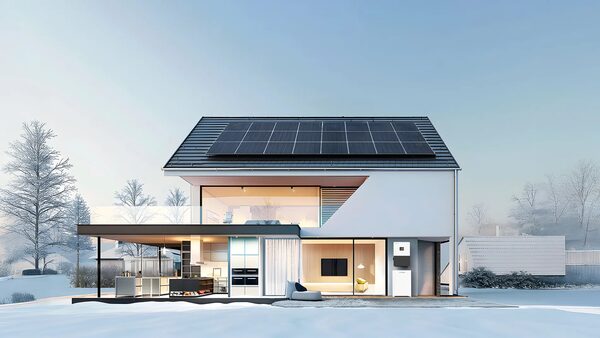
The headline range from independent guidance is that panels can be 25% to 50% less effective in winter than in summer, driven by shorter days and increased cloud cover2. That is a reduction against summer, not against nothing. A separate independent figure puts winter generation at around 10% to 25% of the power expected in the summer months3, which is a steeper fall and reflects the same physics measured differently: one compares winter with summer output, the other expresses winter as a fraction of summer.
Maker figures sit in the same territory. Solar production can drop by 30% to 50% during winter months14. A 4kWp domestic system was described as producing about 10% of the output of summer in winter, with autumn doing better than winter15. An independent case study of Terry and Chris Rigden's system reported that overall generation from the end of November to February would be about 10% of what it is in the summer16.
The spread between 10% and 50% is not a contradiction so much as a difference in what is being measured: a bright, cold February day against a wet December week, a south-facing unshaded roof against one with morning shading, and whether the comparison is month against month or season against season. For a household, the useful planning assumption is that winter delivers a small fraction of summer output, and that the fraction varies widely by location, orientation and weather.
| Measure | Figure | Source type |
|---|---|---|
| Winter versus summer effectiveness | 25% to 50% less2 | Independent |
| Winter as a share of summer generation | around 10% to 25%3 | Maker |
| Winter production drop | 30% to 50%14 | Maker |
| Winter output, 4kWp system | about 10% of summer15 | Maker |
| Winter share of annual generation | around 8%4 | Maker |
What a real winter looks like: a 4.2kW array's figures
Abstract percentages become clearer against measured output. A 12-panel, 4.2kW array produced 979 kWh across the winter periods of 2025, covering 1 January to 31 March and 1 October to 31 December4. That is a full winter's generation from a mid-sized domestic system, and it is the kind of figure a household can compare against its own winter consumption.
Daily figures show how unevenly that total arrives. A typical 4kW solar panel system in the UK can produce an average of around 8 to 12 kWh per day, ranging from under 3 kWh in winter to 18 to 20 kWh on a sunny summer day5. A dark winter day may generate only 2 to 5 kWh or less6. The gap between a good winter day and a bad one is therefore larger than the gap between an average winter day and an average summer day.
For scale, a typical 4kW system, made up of 8 to 12 panels, can generate approximately 3,400 kWh annually under UK conditions7. Winter's contribution to that annual total is small: even in the winter, solar panels will contribute around 8% of the year's solar energy generation for a 3.2kW south-facing London array4. The same modelling put summer at 43%, spring at 32% and autumn at 17%4.

Batteries and the grid: covering the winter shortfall
A battery does not make winter sun brighter. It changes when the energy is used, storing daytime generation for the evening rather than sending it straight to the grid2. Independent guidance is direct on the limits: if the aim is to cover winter energy use, an additional solution such as battery storage may be needed12. E.ON Next frames the same point for heat pump households: solar panels can help, but output drops in winter, so expect to supplement with grid energy or battery use17.
Grid top-up is part of the design, not a failure of it. A solar battery combined with solar roof tiles can top up the battery from the grid in winter months, or on cloudy days, at a much lower cost per unit18. Any excess electricity generated by the panels can be exported to the grid19, which is what happens in summer when generation outstrips both household demand and battery capacity.
The seasonal mismatch is sharpest for electric vehicle charging. In summer a reasonably sized system can cover a significant portion of a typical household's EV charging needs; in winter output drops considerably and grid top-ups become more necessary7. The same logic applies to any large winter load.
What this means for independence is a partial shift rather than a severance. A household with solar and a battery generates its own electricity for much of the year, stores some of it, and buys the rest. Over the colder months the balance tilts towards the grid. One independent case study reported that across the colder months the household still generated over half of what it needed, and even, at times, sold extra electricity back to the grid20. That is a meaningful reduction in dependence, not its elimination.
Garden and plug-in panels: 10 to 30% of a sunny day
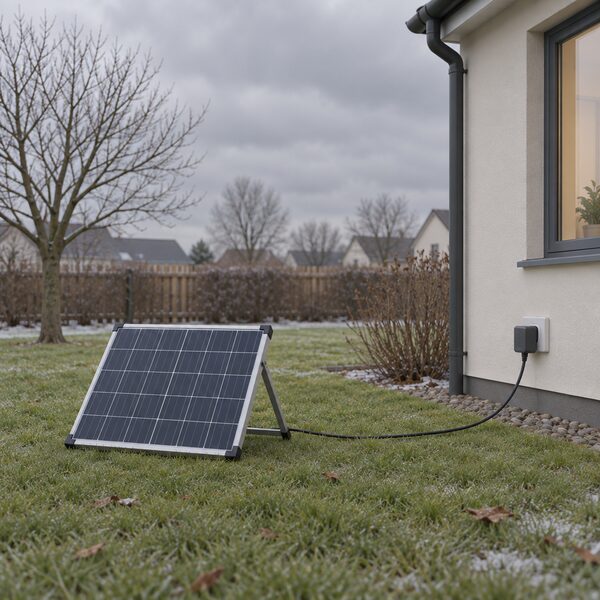
Smaller and portable systems follow the same seasonal pattern, with a steeper penalty because they are often less optimally sited. Garden solar panels produce output usually only about 10% to 30% of what it would be on a sunny day in winter or cloudy weather21. That is a narrower band than the 10% to 25% quoted for a cloudy day on a roof-mounted system2, and it reflects the same constraint: less light in, less electricity out.
Plug-in solar has its own economics. If a household is able to use 90% of the output, typical for such installations, then the panels would provide 400kWh22. That self-consumption assumption matters more in winter, when there is less surplus to export and more value in using every kWh on site. For households exploring this route, plug-in solar kits and balcony solar systems set out how the hardware and permissions work.
The seasonal pattern for any solar system is the same: panels typically produce most electricity during the daytime in summer when it is sunny23. Winter does not reverse that; it shrinks it. A garden or plug-in array in January is a small contributor, and should be planned as one.
Snow, cloud and cold: what actually limits winter output
Cloud is the dominant winter constraint, and it does not stop generation. Solar panels can still generate electricity on cloudy days and during winter24, and even on a cloudy day, good generation can be achieved25. They do not need direct sunlight to work26, and they use light, not heat, to generate energy27. The output penalty is real but partial: a cloudy day may deliver 10% to 25% of a sunny day2.
Snow is a temporary and usually brief interruption. Heavy snow will drastically impact the amount of energy panels generate temporarily, but in practice it is rare for snow to build up, because the angled slant, the sleek smooth texture and the black colour mean any snow that lands rarely settles28. Generation resumes as the surface clears.
Cold is not a threat to output. Cooler temperatures can enhance efficiency by preventing overheating8, and panels can perform better in cooler weather10. The winter losses come from the sun's position, the length of the day and cloud cover, not from temperature.
Should winter generation change the decision to install solar?
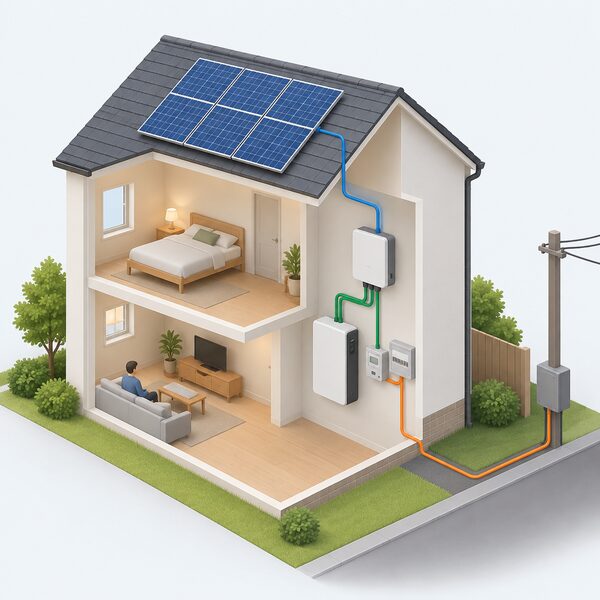
Winter output is a reason to size expectations, not a reason to rule solar out. The seasonal profile is well understood: 80% of generation falls between March and September12, and winter contributes a small share of the annual total4. A system is designed around the annual figure, with winter met from the grid or a battery.
There is a practical upside to a winter installation. It could mean a speedier installation because demand for panels in the winter will naturally be lower outside the peak spring and summer months2. For households comparing options, solar panel sizing covers how annual demand and roof space set the system size, and adding battery storage to a solar system explains how storage changes the winter balance.
The independence question has a clear answer. Solar and a battery cut the amount of electricity a household buys and increase the share it generates and stores, but a grid connection remains for the darker months, and for any winter load larger than the roof can serve. That is the trade: lower bills and lower dependence for most of the year, with the grid still carrying the winter.
Sources28 cited
- Solar power facts, Energy Saving Trust, 2026-08-13
- Do solar panels work in winter?, Uswitch, 2026-09-15
- How can you get the most from your solar panels this winter?, Good Energy, 2026-07-10
- Solar panel output in the summer vs the winter, Good Energy, 2025-08-21
- How much energy do solar panels produce per day, Fuse Energy, 2026-06-13
- Solar panel output, Bluetti Power UK, 2026-08-31
- Integrating solar panels with EV charging, Uswitch, 2025-07-02
- Solar panel installation in Dumfries, Fuse Energy, 2026-09-07
- Solar panel questions, ScottishPower, 2026-09-17
- How much solar do I need for my home, Luxpowertek, 2025-09-05
- How much solar do I need for my house, Luxpowertek, 2025-09-05
- Solar panel installation guide: costs, planning and savings, The IAA, 2026-09-20
- Making the most of your solar PV panels, Centre for Sustainable Energy, 2026-08
- What size solar battery do I need, SolaX Power, 2026-07-03
- What affects solar panel output, Spirit Energy, 2021-07-28
- Installing solar and saving energy, Energy Saving Trust, 2025-04-03
- Can solar panels power an ASHP, E.ON Next, 2026-09-17
- Solar batteries and solar roof tiles for new build benefits, Marley, 2024-03-01
- Research briefing CBP-8090, House of Commons Library, 2026-09-17
- A homeowner's experience of solar panels and battery storage, MCS Certified, 2024-04-10
- Garden solar panels, EcoFlow UK, 2025-06-24
- How plug-in solar can save UK homes £1,100 on energy bills, Carbon Brief, 2026-04-02
- Make the most of your solar panels, Which?, 2026-08-12
- Solar photovoltaic (PV), MCS Certified, 2026-07-30
- Solar panels, Oxfordshire County Council, 2026-09-17
- Can your toilet generate electricity?, Energy Saving Trust, 2025-12-11
- Solar panel myths: five common concerns debunked, Which?, 2026-06-09
- What happens if it rains on solar panels, Spirit Energy, 2023-11-28
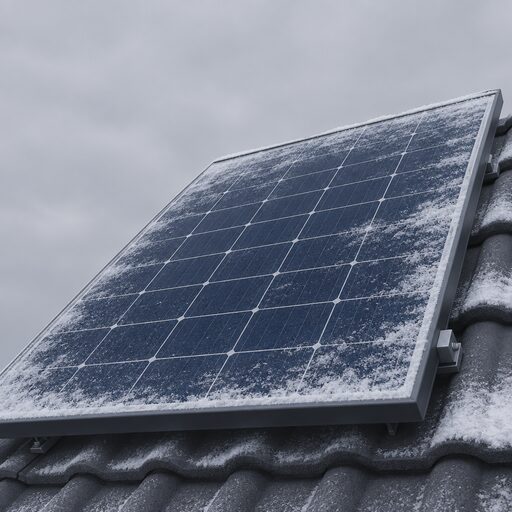 The Winter GapSolar panels make most of their power in summer, but homes need the most electricity on dark winter mornings and evenings.
 The Full Solar Panels GuideHow much do solar panels cost, and what could they save you each year?
 Warranties and DegradationHow long do solar panels actually last, and what do the warranties really cover?
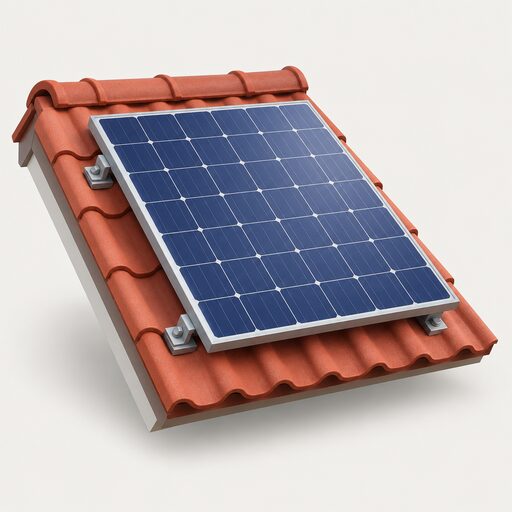 Solar PV Deployment StatisticsHow much solar power does the UK actually have, and how much of it sits on people's roofs?
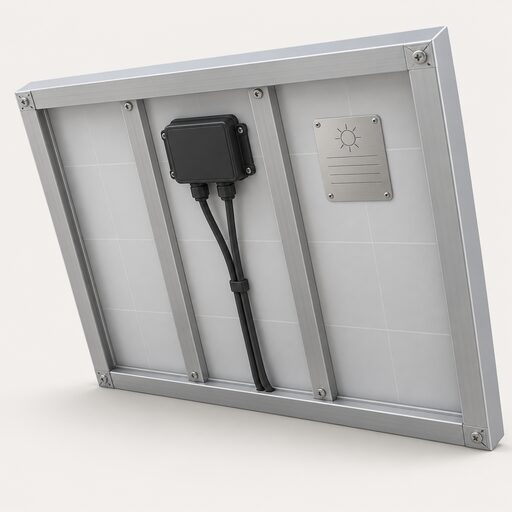 Panel SpecificationsA panel's quoted wattage comes from lab conditions, not a cloudy British roof, so what will it really produce at home?
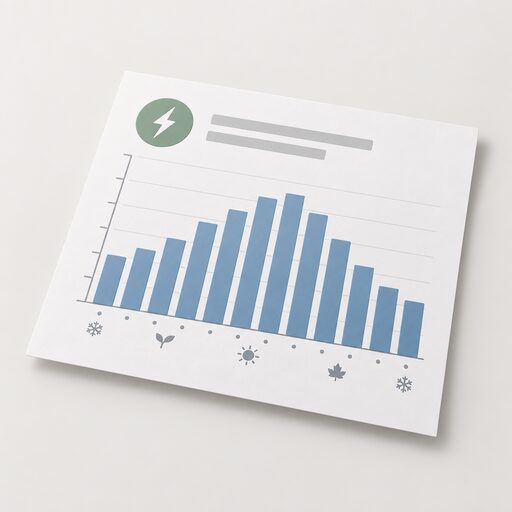 Sizing a Self-Sufficient HomeHow many solar panels and how much battery storage does a home need to stop relying on the grid?