
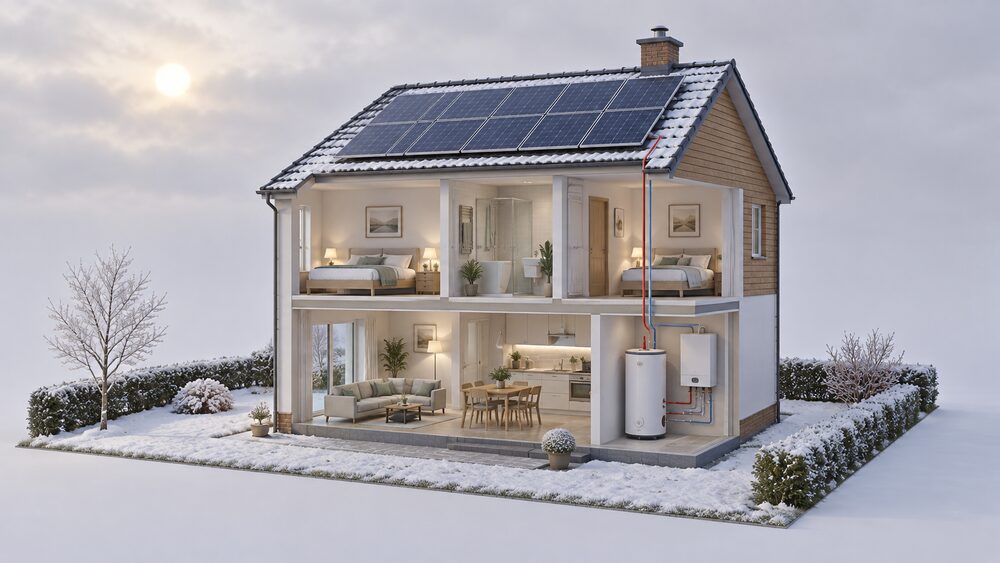
In this answer
Short answer
Yes, solar panels work in winter. They generate less electricity than in summer, but they are not dormant: they work whenever there is daylight, and cold temperatures do not stop them1. One maker's guidance goes further and states that panels can even perform better in cooler weather3.
The size of the winter penalty is the part that matters for a household. Panels can be 25% to 50% less effective in winter than they are in summer, because winter days are shorter, cloud cover increases and the sun sits lower in the sky, so it may not hit the panels as directly2. That is a seasonal reduction, not a failure, and it is the reason a solar array alone rarely carries a home's winter heat.
The distinction that answers most of the confusion is that photovoltaic panels make electricity from light, not heat. They do not require full sunlight, just light, and power can be generated even on a cloudy day4. What they cannot do is heat a radiator circuit directly, and what they cannot do at all is work at night2. A home that wants winter warmth from its roof is really asking about a system: panels, a way to store or convert the electricity, and a heating appliance that runs on it.
How panels make electricity from light, not heat
The mechanism is the reason winter is a reduction rather than a shutdown. Solar panels absorb energy from the light spectrum visible to us and wavelengths that can pass through clouds, so they work best in direct sunlight but generate from daylight1. Official guidance in Wales puts it plainly: solar PV requires only daylight and not direct sunlight to generate electricity, and power can be generated even on a cloudy day5. Oxfordshire County Council's retrofit guidance adds that panels do not require full sunlight, just light, so even on a cloudy day, good generation can be achieved4.
That is why the common expectation, that a grey January day means nothing at all, is wrong. Solar panels work during daylight, even when it is cloudy or overcast, as they use light, not heat, to generate energy3. The Energy Saving Trust notes that rooftop panels even work on cloudy days8, and Smart Energy GB states that the solar panel can power all the different appliances in the home, even on cloudy days9.
Two limits sit alongside that. The first is time: solar PV panels only produce electricity during daylight hours, so a winter evening is always served by something else10. The second is that generation is seasonal in shape, producing electricity during the day and more in the summer than the winter11. Cold is not the enemy here. Cool and windy conditions can even be beneficial, since it can serve as a cooling mechanism for the PV modules, leading to increased efficiency3. The winter loss comes from the shorter window and the weaker, lower light, not from the thermometer.
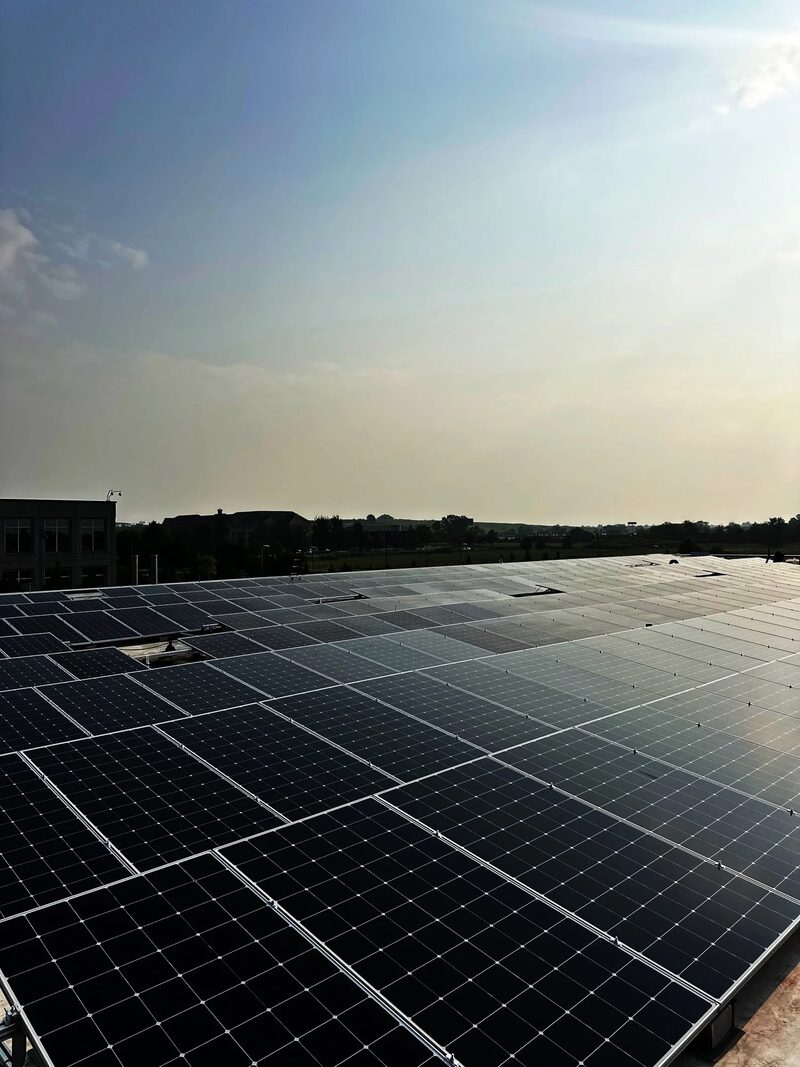
What winter output means for a home's electricity supply share
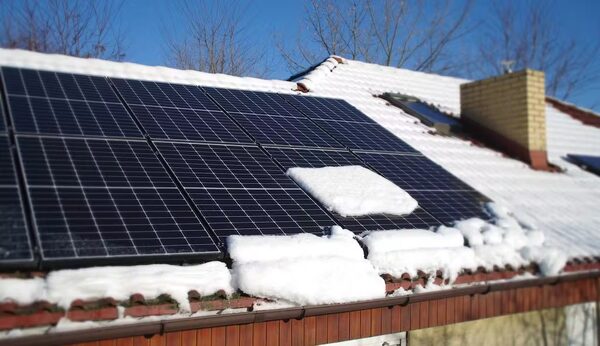
The structural problem is timing. Solar PV produces most of its output during summer months, when demand is lower, while heating and hot water demand peaks in winter12. A household's largest energy use therefore lands in the season when its roof produces least, which is the seasonal mismatch that shapes every decision about winter heat.
The scale of the shortfall varies with the system, the location and the household's own consumption, and no single percentage covers all homes. What the evidence supports is the direction and the range: a 25% to 50% reduction against summer2. Which? surveyed more than 2,000 solar panel owners about the size of their system and how much of their electricity it provides, which is the closest thing to a household-level picture of real coverage13.
In practice, a winter day's generation tends to arrive in a short, weak window around the middle of the day and to be consumed as it is produced, by base load, a heat pump or an immersion heater. Anything not used at that moment either goes to a battery or to the grid. The household's independence in winter is therefore partial by design: the array reduces the volume of imported electricity, and reduces it most in the middle of the day, but it does not remove the winter evening draw. That gap is the subject of the winter gap, and the wider arithmetic of how much a home still imports is set out in how much imported energy a UK household uses.
Solar water heating in winter: why a boiler or immersion is still needed
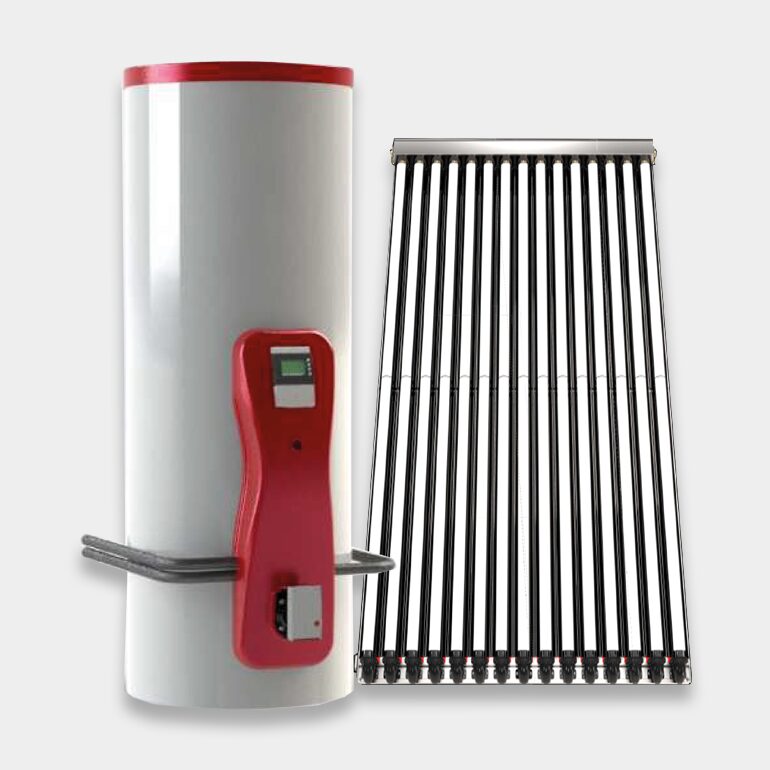
Solar thermal panels, which heat water rather than generate electricity, follow the same seasonal curve and carry the same caveat. They can still generate heat on cloudy days and during winter14, and in Northern Ireland the official guidance confirms they can work even in cloudy or overcast conditions7. But the coverage figures make the backup unavoidable.
One independent source puts solar thermal at around 90% of hot water in summer and around 25% in winter12. Official guidance states the panels can supply up to 60 per cent of a household's domestic hot water needs over a year7. The Energy Saving Trust's position is that solar water heating won't give you 100% of your hot water needs, and that it is best used alongside your boiler or an immersion heater, to make up the difference15. Its solar water heating guidance repeats that solar thermal systems are usually used alongside a conventional boiler or immersion heater6, and the Consumer Council for Northern Ireland gives the same advice: a regular boiler or immersion heater can be used to make the water hotter, or to provide hot water when solar energy is unavailable17.
There is a practical requirement too. Along with solar collector panels on your roof, you'll need a hot water cylinder, ideally somewhere inside the home, though a garage or similar space can work16. That cylinder is what makes the system compatible with some boilers and awkward with others. Solar water heating is easier to work with system boilers, although you can adapt combi boilers too15, and a storage combi is compatible because it stores hot water, so you can keep that water warm with solar thermal18. Solar thermal panels can be installed alongside other renewable or traditional heating systems, though they aren't so easy to combine with a combi boiler12.
"Since the amount of sunlight varies throughout the year, solar water heating won't give you 100% of your hot water needs. It's best used alongside your boiler or an immersion heater, to make up the difference"
The immersion heater is the piece that ties the two technologies together. Some immersion heaters can use electricity from solar panels, so you're heating water for nothing19. That gives a household a winter arrangement in which the roof contributes what it can, the cylinder stores it, and the boiler or immersion covers the rest. The dependence that remains is on gas or on imported electricity for the balance, and on a hot water cylinder that takes up space.
Pairing panels with storage and other options for winter months
Storage changes what a winter array is worth, because it moves generation from the middle of the day to the evening when the household wants heat. A solar PV system can be paired with a battery storage system to store excess electricity that your panels generate for when you most need it20. Combining solar panels with a home battery lets you store free, renewable electricity to power your heat pump, making you less reliant on grid electricity21. Battery storage can also be added to existing solar panels to maximise the benefits of your system, under a scheme run by Birmingham City Council22.
The honest limit is that a battery shifts energy rather than creating it. On a short, dull winter day there may be little surplus to store, so the battery's contribution depends on what the array produced. What batteries do add is flexibility about when grid electricity is bought: those who installed storage batteries alongside their solar panels found that they could also take advantage of newer energy tariffs to buy grid electricity at cheaper rates overnight as well as charging from solar panels23. Solar Energy UK notes that this could help eliminate the winter evening peak in electricity demand24.
Other winter options work on the same principle of using daytime electricity for later warmth:
- Storage heaters: if you have solar panels, you could use the electricity they generate to charge your storage heaters during the day so you still have warmth in the evening25.
- Underfloor heating: solar panels could also be used to power a dry electric underfloor heating system, and a battery to store excess solar electricity would make this more efficient26.
- Heat pumps: a domestic solar panel system should generate enough during the year to balance a heat pump's requirements in a typical home, though the balance is annual rather than daily27.
- Radiator reflectors: these help get warmth from radiators into your room and may make your heating more efficient, a fabric-level measure rather than a generation one28.
For electric vehicles the pattern is the same. Solar panels can charge an electric car, though solar power alone is unlikely to be relied on year-round in the UK, especially in winter; in summer a reasonably sized system can cover a significant portion of a typical household's EV charging needs, while in winter output drops considerably and grid top-ups become more necessary29.
Where a winter array falls short
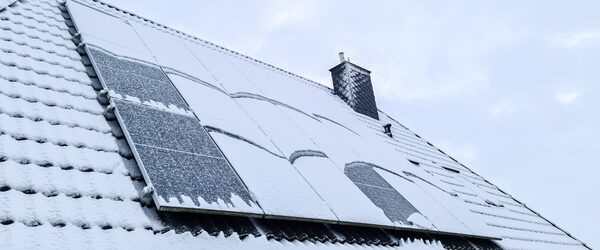
The limits are worth stating as firmly as the benefits. Panels need daylight, so they will not work at night, which is precisely when winter heating and lighting demand is highest2. Snow lying on the array blocks the light until it clears or slides off. A roof must be strong enough to take the weight of the panels, especially where they are placed on a structure not designed for them30. Shading from trees or neighbouring buildings cuts output, and solar thermal collectors work best on south-facing roofs that aren't shaded by trees or other buildings12.
The dependence that remains after a winter installation is a list, not a single item: the electricity grid for evening and overnight supply, a gas or electric backup for hot water, the seasonal shape of the sun itself, and, for anything with an app or a cloud account, the manufacturer's platform. A household that wants to know how far it can push against those limits can work through designing a whole-home energy system and sizing generation and storage for a self-sufficient home, and can see where the ceiling sits in can a UK home be completely energy self-sufficient.
Plug-in solar and the smaller-scale winter option
Plug-in solar panels became legal across Great Britain on 27 August 2026, following safety testing, with savings of up to £100 a year31. They are recommended for renters, people in smaller homes such as flats, and those unable to afford full roof system installation costs32. They generate on the same light-driven principle as a roof array, so they carry the same winter reduction, and their modest capacity means they are best understood as a contribution to daytime base load rather than a route to winter heat. For a household weighing that against a full installation, self-consumption explains how much of the generation is actually used on site.
Sources32 cited
- Solar power facts, Energy Saving Trust, 2026-08-13
- Do solar panels work in winter?, Uswitch, 2026-09-15
- Solar panel myths: five common concerns debunked, Which?, 2026-06-09
- Solar panels, Oxfordshire County Council, 2026-09-17
- Generating your own energy: solar electricity, Welsh Government, 2026-09-17
- Solar water heating, Energy Saving Trust, 2026-05-20
- Solar thermal panels, nidirect, 2024-10-22
- Solar panel installation, Energy Saving Trust, 2026-09-07
- How do solar panels work?, Smart Energy GB, 2026-03-16
- Energy saving myths, Centre for Sustainable Energy, 2026-07
- Clean energy boost, Low Carbon Hub, 2024-06-25
- Heating your home with renewable energy, Which?, 2025-09-22
- Buying advice for solar panels, Which?, 2026-08-12
- Solar heating, MCS Certified, 2026-08-17
- Boilers, Energy Saving Trust, 2026-05-20
- Could solar water heating work for you?, Energy Saving Trust, 2026-05-20
- Renewable energy, Consumer Council for Northern Ireland, 2026
- What are the different types of boiler?, Which?, 2025-09-16
- Immersion heaters, Which?, 2026-06-01
- Solar photovoltaic (PV), MCS Certified, 2026-07-30
- How to ensure a heat pump runs efficiently, Energy Saving Trust, 2026-05-19
- Switch Together Birmingham, Birmingham City Council, 2026-01-27
- Should you get solar panels?, Which?, 2024-07-03
- Batteries in the home, Solar Energy UK, 2026-09-17
- Storage heaters, Which?, 2026-06-01
- Underfloor heating, Centre for Sustainable Energy, 2025-11
- Heat pump questions answered, Energy Saving Trust, 2026-05-27
- Top energy savings tips, National Energy Action, 2026-07-13
- Can solar panels charge electric cars?, The CPA, 2026-04-15
- Solar electricity: photovoltaics, Planning Portal, 2026-09-17
- Plug-in solar panels now available, Energy Saving Trust, 2026-08-27
- Plug-in solar panels, Uswitch, 2026-09-04
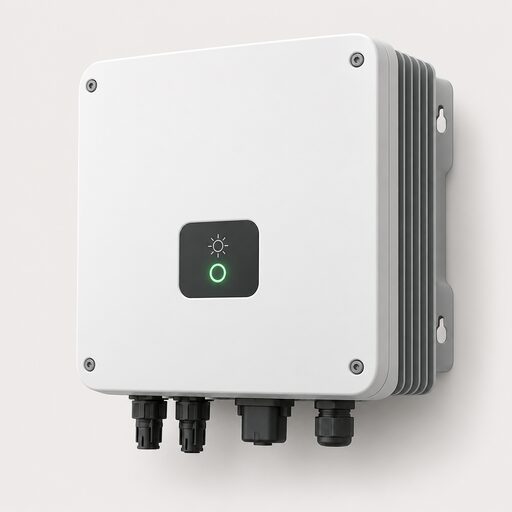 Cooling with Solar PanelsCan solar panels run an air conditioner, and will they cover the whole bill?
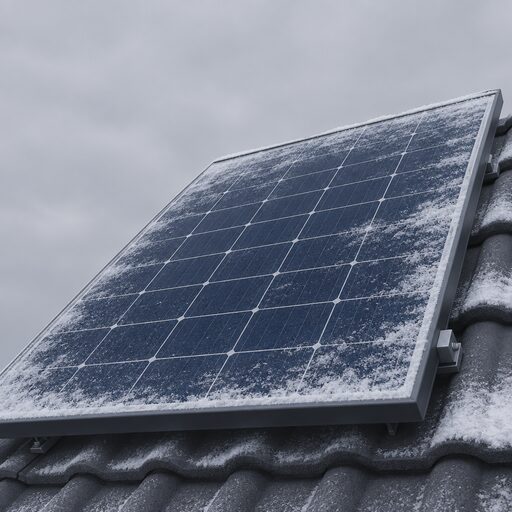 The Winter GapSolar panels make most of their power in summer, but homes need the most electricity on dark winter mornings and evenings.
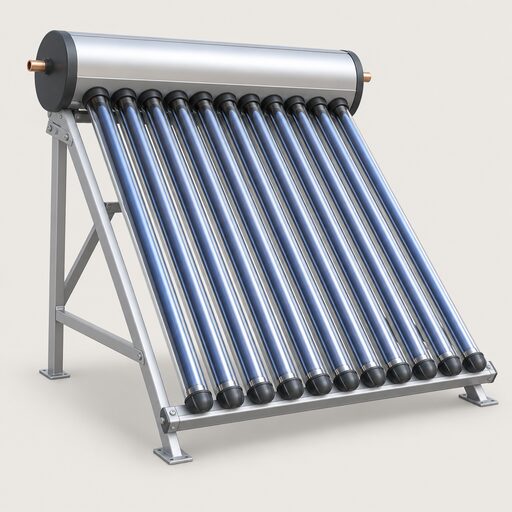 Solar Thermal Water HeatingSolar thermal panels heat your water using the sun, working alongside your boiler rather than replacing it.
 Using a Heat Pump for CoolingCan a heat pump cool your home in summer as well as heat it in winter?
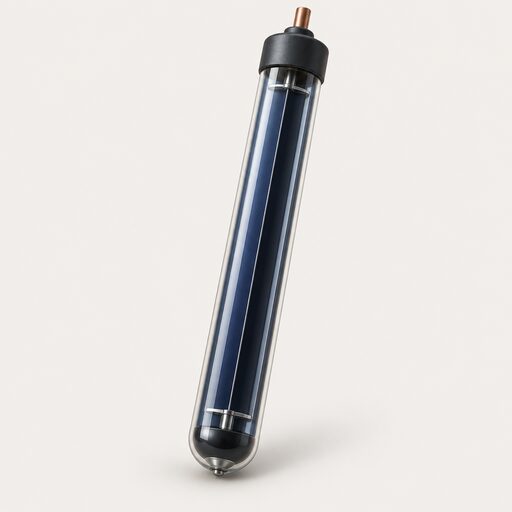 Solar Water Heating CollectorsSolar water heating uses panels on your roof to warm the water in your cylinder, working alongside your boiler rather than replacing it.
 Heat Pumps in Cold WeatherDo heat pumps still work when it is freezing outside, and will one keep your home warm in a cold snap?