
In this answer
Short answer
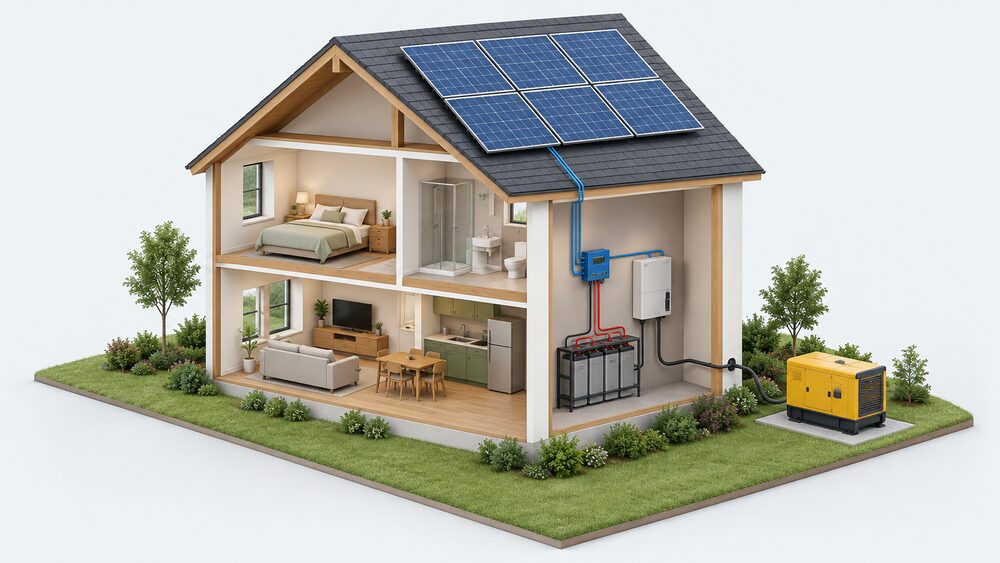
Yes, a generator can be added to an off-grid solar system, and most off-grid systems are built with one in mind. An off-grid power supply typically combines solar panels, windchargers or hydro systems with batteries, an inverter and a charge controller, and some systems include backup generators as a matter of course1. The generator is not there to run the house permanently. It charges the battery and runs loads when the battery becomes low, and it can be started and stopped automatically by the inverter-charger2.
The reason is straightforward. An off-grid solar inverter works independently of the grid and uses batteries to store energy for later use, which means the available power is limited by the battery and inverter capacity, and the system may run out of power if solar generation is low and the batteries are depleted unless a backup generator is available3. The generator closes that gap. It is the difference between a system that copes with a British winter and one that does not.
For a household, this is the core of energy independence: generating your own electricity instead of relying on the grid4. What remains is a dependence on fuel, on a machine that needs servicing, and on the manufacturer whose inverter and control gear sit at the centre of the system. This page sets out how the generator connects, what it does, which fuels suit which homes, and what Victron Energy, the maker whose off-grid equipment is widely sold in the UK, offers in warranty and support.
Yes, most off-grid systems include a backup generator
The off-grid system is defined by what it does not have: a connection to the utility grid. An off-grid solar inverter works independently of the grid and uses batteries to store energy for later use, while an on-grid inverter connects directly to the utility grid and exports excess energy3. That independence is the point, and it is also the vulnerability. Off-grid systems require batteries, which significantly increases system cost and maintenance, and the power available is limited by the battery and inverter capacity3.
A generator answers that limit directly. Generators serve three main roles in off-grid systems: backup charging, lead-acid battery equalising, and running high loads that exceed the capacity of the inverter2. The third role matters more than many households expect. A large load, such as a pump or a welder, may exceed what the inverter can deliver even when the battery is full, and the generator can carry it.
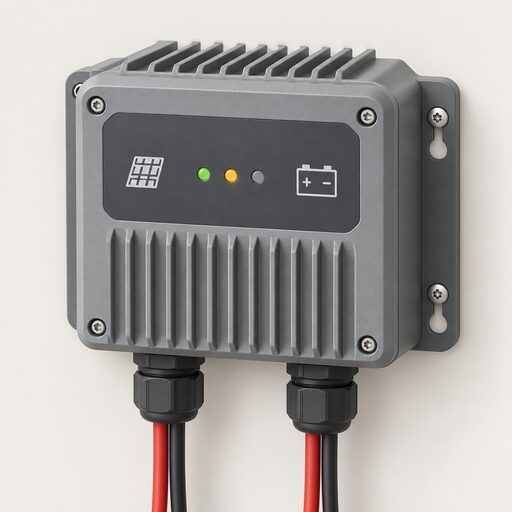
The components of an off-grid remote power system are solar panels, windchargers or hydro systems, batteries, an inverter and a charge controller1. The generator sits alongside that list rather than replacing any part of it. It does not generate the household's everyday electricity; it protects the battery and covers peaks.
For a household weighing independence, the honest position is that a generator reduces dependence on the weather and on battery capacity, but introduces dependence on fuel supply, on maintenance, and on a machine that must be run and serviced. It is a resilience measure, not a removal of dependence.
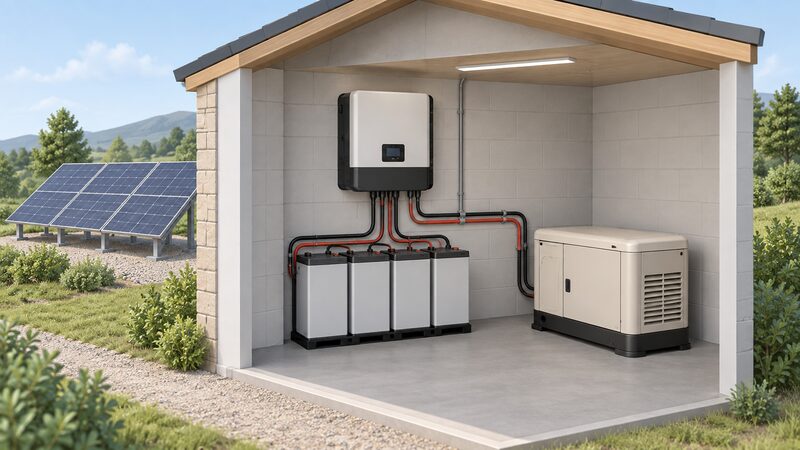
What the generator actually does: occasional battery charging and running loads
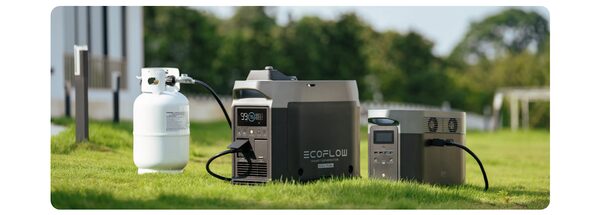
The generator's working life in an off-grid system is intermittent. In a solar-diesel hybrid AC off-grid system, the generator charges the battery and runs loads when the batteries become low, and it can be automatically started and stopped using the inverter-charger2. That automatic control is what makes the arrangement practical: the household does not have to watch the battery state and walk outside to start a machine.
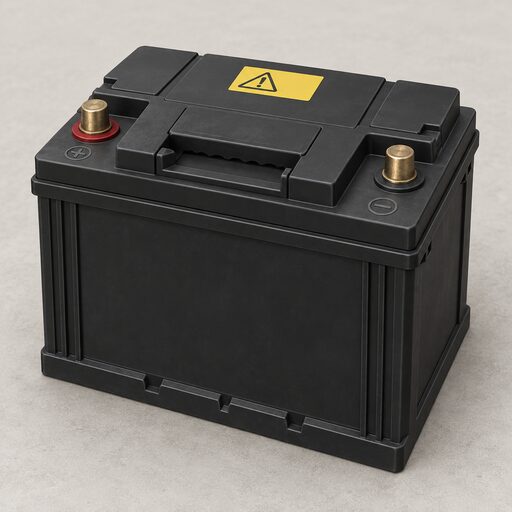
The battery is the buffer that keeps generator running time down. Batteries store excess energy for later use1, and in a home with solar they charge up if there is surplus generation from the panels in between times8. The more surplus the system captures, the less the generator is needed. This is why generator sizing and battery sizing are decided together rather than separately.
There is a second function that matters for some battery types. Generators are used for lead-acid battery equalising, a maintenance charge that keeps the bank in condition2. Households running lithium batteries will not need this, but those running lead-acid will.
The limits are worth stating plainly. The generator does not remove the need to replace the battery bank: in off-grid systems, batteries are essential and will need replacing every six to 10 years6. Nor does it make the system maintenance-free. What it does is convert an occasional shortfall in generation into a manageable event rather than a blackout.
How the generator connects to the system: inverter, GX devices and managed batteries
The connection runs through the inverter-charger, not through the house wiring. In an AC-coupled off-grid system, solar PV panels or other generation sources are connected to the system as if it were a grid connect system, which is described as the most efficient method of connecting the generation9. The generator connects at the same AC level, and the inverter-charger decides what to do with the power it supplies.
For wind generation, the same principle applies in a different form: an AC generator can be connected via dedicated synchronisation and protection relays, or the turbine can be inverter connected10. The relay route is the one that matters for generator integration, because it is the mechanism by which two AC sources are held in step.
Managed batteries are integrated through GX devices, and Victron Energy states that this can be done in minutes7. The same GX device coordinates AC-coupled PV inverters, which are supported directly after installing a software assistant on the inverters7. In practice, the GX device is the point at which the generator, the solar, the battery and the loads are brought under one control system.
This matters for a household because it determines whether the generator can be added to an existing system or whether the system has to be rebuilt. Where the inverter-charger and control gear already support generator input and managed battery integration, the generator is an addition. Where they do not, the control layer is the part that changes.
Choosing a generator: diesel and other options for residential systems
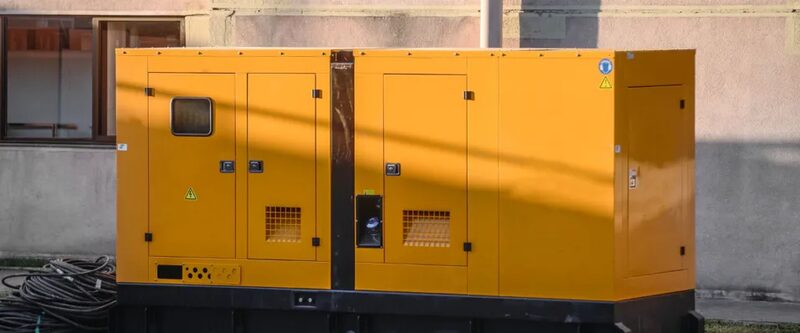
Generators rely on petrol, diesel or LPG to produce power5, so the fuel choice is open. The guidance on which suits which home is specific: diesel is described as suited to larger homes with higher power requirements, extended power outages, regular or frequent generator use, durability and long-term operation, and higher-power backup systems5. That is a description of the off-grid household that runs its generator often and for long periods.
Petrol suits the opposite case: occasional running, smaller loads, and a household that does not want to store large volumes of fuel. LPG sits between the two and avoids some of the storage problems of petrol and diesel, though it brings its own.
The decision is driven by three things. The first is how often the generator will run, which depends on battery capacity and on how much surplus the solar array captures. The second is the size of the largest load the household needs to carry, since the generator's role includes running high loads that exceed the capacity of the inverter2. The third is fuel storage, which is a practical and safety matter as much as a cost one.
Off-grid inverters are sold with generator compatibility as a stated feature, and some are described as offering generator compatibility for extended backup12. That is the specification to check when matching a generator to an existing system, alongside the inverter's continuous and peak ratings.
Victron Energy: the maker, its 5 year warranty and UK support
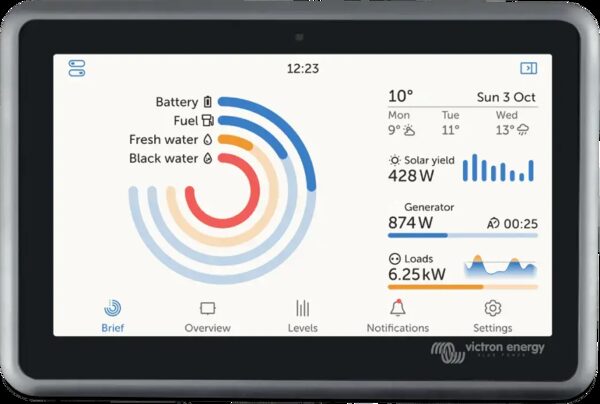
Victron Energy is a family run business with over 50 years of experience, and it states that it has spent over 45 years learning what it takes to build backup and off-grid systems that stand the test of time7. It has been supplying off-grid and on-grid battery storage systems for use in automotive, marine, industrial and other applications13. Its off-grid product range includes the Multi RS Solar 48/6000, listed for off-grid use14.
The warranty position is set out by the maker. Victron Energy states a standard 5 year warranty, upgradable to 10 years by an additional 10% of the initial investment7. The 5 year term appears on individual product pages, including the SmartSolar MPPT 150/45 charge controller15. That is a maker's warranty term, and it is the figure a household should weigh when comparing the cost of the equipment against its expected service life.
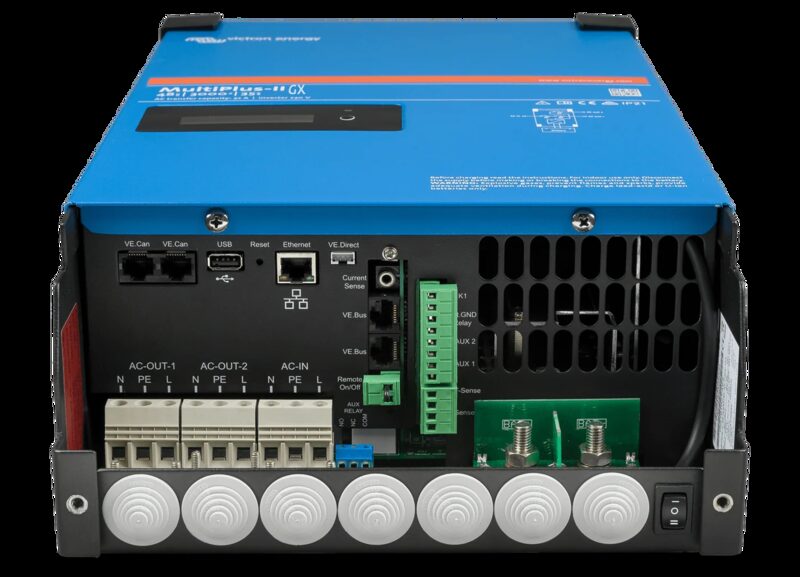
On integration, Victron states that managed batteries can be integrated through its GX devices in minutes, and that it has deep integration with third party managed battery brands via GX devices, with AC-PV inverters supported directly after installing a software assistant7. Its VE.Direct inverters carry a VE.Direct communication port and can take a remote on/off switch16.
"Our standard 5 year warranty is upgradable to 10 years by an additional 10% of the initial investment."
The dependence this creates is worth naming. A Victron-based off-grid system depends on the maker for firmware, compatibility lists and support, and on the GX device for coordination between generator, battery and solar. That is a managed system, not a set of independent parts.
Buying in the UK: availability and technical support
Victron Energy equipment is sold in the UK through Wind & Sun, which lists Victron products in its battery charger collection17. Availability of individual models varies, and prices for this class of equipment are quoted by the supplier rather than published as a fixed retail figure, so a household planning a system should expect installer or supplier quotes rather than a list price.
Technical support runs through the same channel. Victron supports AC-PV inverters directly once a software assistant is installed on its inverters, and it works closely with Fronius PV inverters7. Its GX devices handle third-party managed battery integration, and the company publishes manuals and compatibility documentation for its control gear7.
For households in England, Scotland, Wales and Northern Ireland, the position on off-grid equipment is the same across the four nations, since an off-grid system is not connected to the distribution network and so does not engage the network operator's connection process. The separate G98/G99 process covers connecting generation equipment, such as solar panels or home batteries, to the grid11, and it applies where a system is or becomes grid-connected rather than where it stands alone.
Two general cautions apply to any purchase in this area. Only buy a system that has been approved for the UK market and meets the relevant British safety requirements18. And where a system is being assembled from parts, the compatibility of the inverter, the control device and the battery is the specification that decides whether the generator can be added later.
Sources18 cited
- Off-Grid Remote Power Supply, Marlec, 2026-01-29
- Choosing a Generator for Off-Grid Systems, Wind & Sun, 2023-11-24
- Off-Grid vs Hybrid Inverter, Solax Power, 2026-03-13
- Solar PV, Flexi-Orb, 2025-04-22
- Home Backup Guide, Champion Power Equipment, 2026-09-17
- Small Wind Turbines, MCS Certified, 2026-08-18
- Off-Grid Systems, Victron Energy, 2026
- Integrated Electric Home Case Study, Energy Saving Trust, 2026-08-12
- AC Coupled Off-Grid System, Wind & Sun, 2026-09-20
- Wind, Wind & Sun, 2026-09-20
- EV Charger Installation Gloucestershire, Fuse Energy, 2026-08-25
- Off-Grid Solution, LuxpowerTek, 2025-11-07
- Batteries Economics: Victron Storage, Spirit Energy, 2026
- Victron EasySolar II GX, Wind & Sun, 2026-09-20
- Victron SmartSolar MPPT 150/45, Wind & Sun, 2026-09-20
- Inverter VE.Direct 250VA-1600VA Datasheet, Victron Energy, 2026-09-17
- Battery Chargers, Wind & Sun, 2026-09-20
- Plug-in Solar Panels: Five Top Tips, REA, 2026-08-04
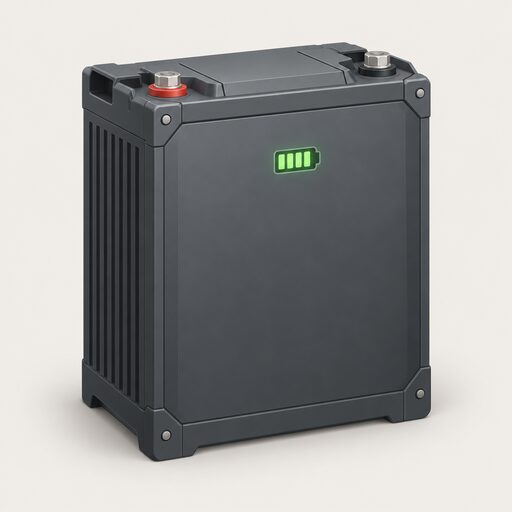 Off-Grid in a UK WinterHow does a home with no mains connection keep the lights on through the darkest, stillest weeks of a UK winter?
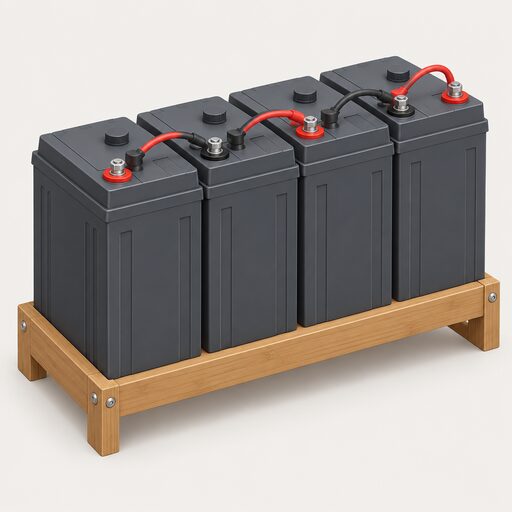 Off-Grid Battery SystemsHow many days of power do you need when there is no sun?
 Off-Grid SolarOff-grid solar means your home, cabin or boat runs on its own power, with no connection to the grid.
 Off-Grid Wind PowerHow much power can a small wind turbine actually make for a house, boat or caravan that is not on the grid?
 Telling the Network OperatorFitting a generator, solar panels or a battery that works alongside the grid usually means telling your network operator.
 Backup Power and EPSWill your lights stay on when the power goes out?