
In this guide
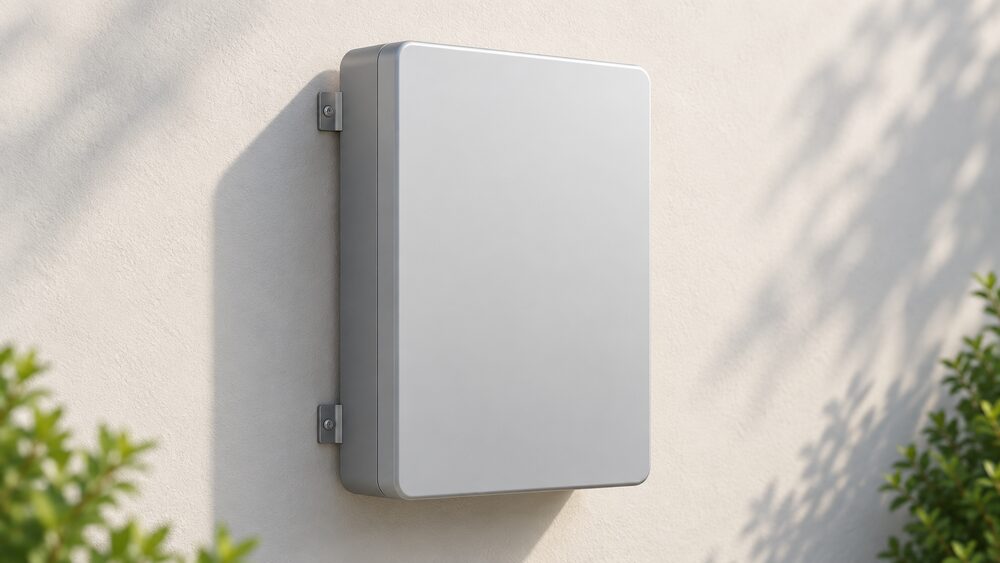
The Enphase IQ Battery 5P is an all-in-one, AC-coupled home battery with 5.0 kWh of usable capacity and six embedded grid-forming microinverters, giving a continuous output rating of 3.2 kVA1. It is the smallest unit in Enphase's current UK storage line, designed to be stacked rather than bought once: Enphase's own guidance is to "start small, go big" and add more batteries as energy needs grow2.
The headline commercial facts are a 15-year warranty up to 6,000 cycles, a lithium iron phosphate (LFP) chemistry, and an outdoor-rated IP55 enclosure that can be fitted indoors or out at temperatures from -20°C to 55°C3. The battery alone is priced at £2,399.07 ex VAT and £2,878.88 inc VAT, though Enphase publishes no list price of its own4.
For a household, the 5P is a self-consumption and backup product rather than an off-grid one. It stores surplus solar or cheap-rate grid electricity and releases it later, and in Full Backup mode it can island part of the home during an outage. What it does not do is remove the grid, the installer relationship or the manufacturer's app from the picture, and those dependencies are worth understanding before buying.
What the IQ Battery 5P is: AC-coupled, with six microinverters
The 5P is an AC-coupled system, which means it sits on the alternating-current side of the house wiring rather than sharing a DC connection with the solar array1. Inside the unit are six embedded IQ8D-BAT microinverters, and Enphase describes them as grid-forming, which is what allows the battery to establish a local grid during a power cut rather than simply following the mains1. The datasheet also lists field replaceable components, so parts of the unit can be swapped without replacing the whole enclosure3.
That architecture has a practical consequence. Because the battery converts DC to AC internally, it can be added to an existing solar system without matching a hybrid inverter, and it can be expanded in 5 kWh steps. Enphase's FlexPhase variant is quoted as scaling up to 60 kWh of capacity, and the platform is described as a distributed architecture with a modular, flexible design that can be expanded with compatible batteries7. The trade-off is that each unit carries its own conversion electronics, which is part of why the per-kWh cost of a small stack is higher than a single large DC battery. The wider distinction is set out in AC-coupled and DC-coupled home batteries.
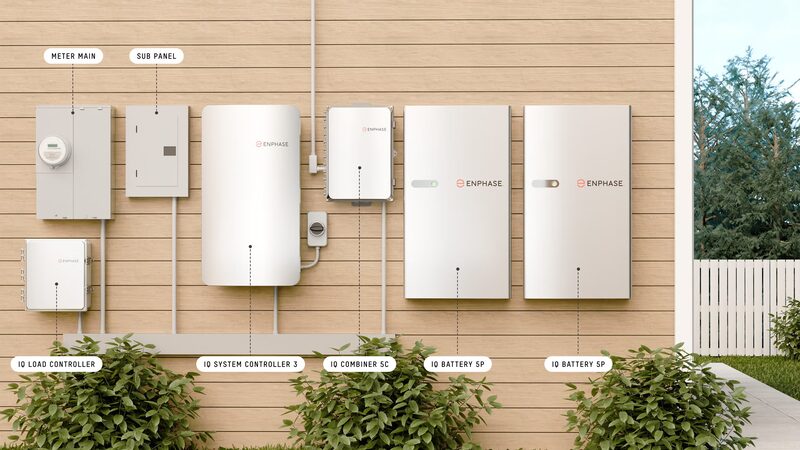
The 5P is not a standalone product. Enphase pairs it with the IQ Combiner 5 HDK, IQ Series microinverters and the IQ System Controller 3 or 3G to form what the company calls a complete, grid-agnostic energy system8. The datasheet names the IQ Gateway Metered as the gateway for the 5P3. A household buying one battery is therefore buying into a small ecosystem, not a single box.
Capacity and power: 5.0 kWh usable, 3.2 kVA continuous
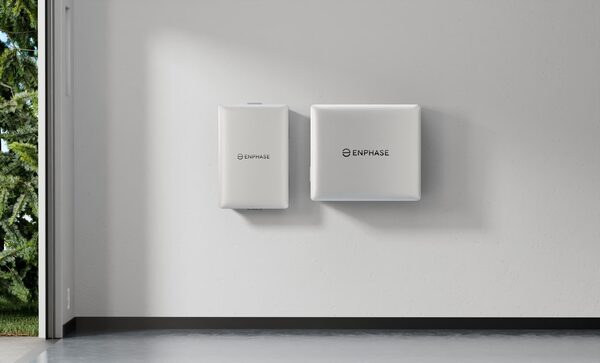
The 5P's usable energy capacity is 5.0 kWh, and Enphase states this as usable rather than nominal, so the figure is the energy a household can actually draw1. Continuous output is rated at 3.2 kVA on the standard 5P, and the datasheet repeats that figure as the rated continuous output apparent power for the model IQBATTERY-5P-1P-INT1.
The FlexPhase version is quoted higher. Enphase's launch material gives 3.84 kW continuous power in single-phase configuration and 1.28 kW per phase in three-phase configuration, and the FlexPhase product page states a continuous output power rating of up to 3.84 kVA4. The two figures describe different products, not a disagreement: the standard 5P is rated at 3.2 kVA and the FlexPhase at up to 3.84 kVA.
| Specification | IQ Battery 5P | IQ Battery 5P with FlexPhase |
|---|---|---|
| Usable capacity | 5.0 kWh1 | 5.0 kWh4 |
| Continuous output | 3.2 kVA1 | up to 3.84 kVA4 |
| Phase options | Single-phase | Single-phase and three-phase4 |
| Embedded microinverters | Six IQ8D-BAT3 | Six, grid-forming1 |
| Warranty | 15 years or 6,000 cycles1 | 15 years or 6,000 cycles7 |
For context on what 5 kWh means in a home, a 5 kWh battery is the smallest size most UK cost guides discuss, and independent guidance puts a 5 kWh battery system at around £4,600 installed9. The 5P's 3.2 kVA continuous output is enough to run a normal base load and several appliances at once, but not a whole house at peak demand on its own. How output and capacity interact is covered in battery power ratings and C-rate.
Backup: banking the power you make for day or night
Enphase's consumer framing is that with the IQ Battery 5P with FlexPhase a household can "bank the power you make and use it anytime, day or night, rain or shine"10. The datasheet lists two operating modes, Self-Consumption and Full Backup, and states that the battery supports both3. The FlexPhase page describes the unit as usable in a grid-tied or backup configuration4.
Backup in practice is more than a mode setting. Enphase's battery pages describe an integrated load controller that lets a household turn power-hungry appliances on and off from the Enphase App during an outage, with automatic or manual management, so that a limited charge is spent on what matters2. The same pages describe a Storm Guard feature that monitors the National Weather Service for approaching storms and automatically fully charges the batteries for maximum backup power2. That weather feed is a United States service, so its usefulness in the UK is limited.
The older Enphase IQ Battery 10 was specified with grid-forming capability for backup operation, and the 5P inherits that role in the current range11. For a household, the independence gain is real but bounded: the battery can carry selected circuits through an outage, and it can shift solar generation into the evening, but it does not make the home self-sufficient and it does not remove the grid connection.
Chemistry, temperature range and where it can be installed
The 5P uses lithium iron phosphate (LFP) chemistry, which Enphase describes as safe, and the datasheet confirms the chemistry as LFP for the model IQBATTERY-5P-1P-INT2. LFP is the dominant chemistry in current home storage for cycle life and thermal stability reasons, and the comparison across chemistries is set out in home battery chemistries.
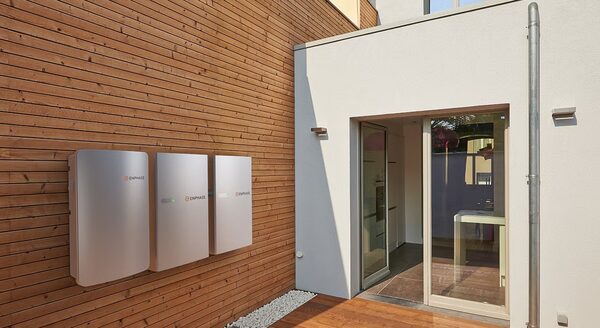
Installation is unusually flexible. Enphase states the IQ Battery is approved for installation both indoors and outdoors at temperatures from -20°C to 55°C, and the datasheet gives the enclosure an Outdoor-IP55 rating2. The datasheet also gives an altitude limit of under 2,500 metres3.
Mounting options differ by version. The FlexPhase unit offers wall and floor mount options with left, right and rear conduit entry7. The standard 5P needs IQ Battery 5P Anchor Clips to be securely installed to a wall, and those clips were listed as out of stock with a notify-me option12. Siting rules, clearances and the standards that govern installation are covered in where a home battery can be installed and ventilation and temperature.
Scalability and compatibility with older Enphase batteries
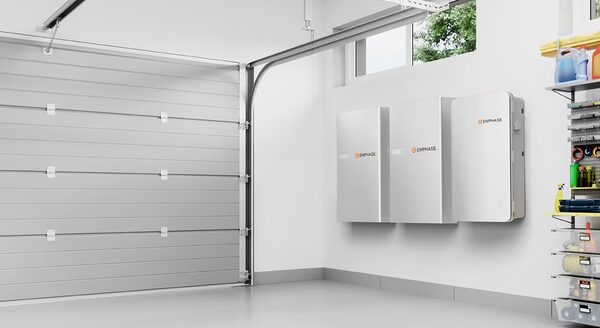
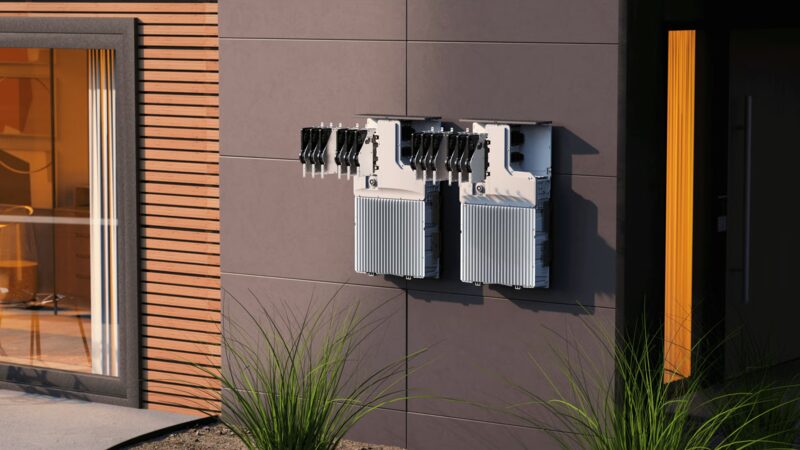
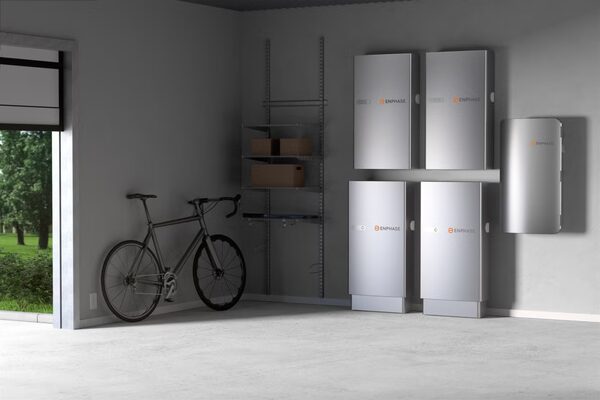
Enphase sells the 5P as a starting point. The product pages say to add more batteries as energy needs grow over time, and the FlexPhase page describes a distributed architecture platform with a modular, flexible design that can be expanded with compatible batteries2. The FlexPhase unit can be used for single-phase and three-phase installations, and the launch material quotes configurations scaling up to 60 kWh4. One UK package pairs one or two 5P units at 5 kWh each13.
Compatibility with the older Enphase AC Battery is the question most existing owners ask. Enphase support states that the 5P will work with existing 1.2 kWh V1.5 batteries and that they do not have to be removed14. There is a limit attached: the older 1.5 AC Battery cannot be pulled into a microgrid by IQ8 PV or IQ8 battery storage, which the same article lists as the Encharge 3, 3T, 10, 10T and 5P14. In other words, the legacy units can remain on the system and continue to cycle, but they are not part of the backup island.
The IQ Battery 10, the previous generation, was compatible with grid-tied PV systems, Enphase M215 and M250 microinverters, IQ Series microinverters, the IQ System Controller and the IQ Gateway for backup operation11. Its warranty terms were different: over 70% capacity retention, up to 10 years or 4,000 cycles11. A household adding a 5P to a 10-based system is therefore mixing two warranty regimes and two capacity-retention floors. The general principles of expanding a stack are covered in can I add more batteries later.
Warranty: 15 years or 6,000 cycles, to 60% capacity
The 5P carries a 15-year warranty up to 6,000 cycles, stated on the product pages and repeated on the FlexPhase page1. The datasheet gives the terms more precisely as over 60% capacity, up to 15 years or 6,000 cycles3. Enphase's UK storage warranty document sets the period as ending on the earlier of 15 years from the activation date or 6,000 discharged cycles, and states that the battery will maintain the ability to store and discharge at least 60% of its nameplate rating6.
"ends on the earlier of (a) 15 years from the Activation Date or (b) 6,000 discharged cycles."
The UK storage warranty takes effect on or after 15 September 2025 for Scotland, England and Wales6. That is a maker's warranty, not a statutory right, and it is conditional on installation and registration through the proper channels. The same warranty document gives a five-year period from the activation date for a list of system components including the IQ Gateway, the System Shutdown Switch, the Mobile Connect, the Consumption CT and the Communications Kit6. So the battery and the electronics around it do not share a term.
Two things follow for a household. First, the cycle limit is the binding constraint for a heavily cycled battery: a unit cycled twice a day reaches 6,000 cycles well before the 15-year calendar limit. Second, the 60% floor is a capacity guarantee, not a performance guarantee, and it is measured against nameplate rating. How these terms compare across the market is covered in home battery warranties and cycle life and degradation.
Cost in the UK: battery-only prices from distributors
Enphase publishes no UK list price for the 5P. Its own store page for the FlexPhase unit shows £0.00 including VAT, which is a placeholder rather than a price, and the store listing for the range shows the FlexPhase unit as out of stock11. The figures that exist come from distributors and from wider market guides.
| Item | Price | VAT position | Source |
|---|---|---|---|
| IQ Battery 5P, battery only | £2,399.07 | ex VAT | Distributor listing4 |
| IQ Battery 5P, battery only | £2,878.88 | inc VAT | Distributor listing4 |
| All-in-one bundle, new package | £2,934.52 | ex VAT | Distributor listing4 |
| All-in-one bundle, new package | £3,521.42 | inc VAT | Distributor listing4 |
| All-in-one bundle, retrofit package | £2,692.31 | ex VAT | Distributor listing4 |
| All-in-one bundle, retrofit package | £3,230.77 | inc VAT | Distributor listing4 |
Those are hardware figures, not installed prices, and the published market figures differ. Independent guidance from the Energy Saving Trust puts home battery storage at £1,500 to £10,000, with a 5 kWh battery system around £4,6009. A Scottish Government publication from 2018 put a 13.5 kWh battery storage system at around £5,600 ex VAT17. Energy UK cites a 5 kWh battery measure cost of £2,250 in a case study18. Among the market guides, one puts a 5 kWh battery at £2,500 to £4,000 or slightly higher depending on installation conditions, another at £3,000 to £4,500, and a third at £3,000 to £5,00019. A battery module alone is quoted at £1,188 to £1,652, and a standalone or retrofit 5 kWh battery at £3,500 to £5,500 including extra electrical work, possible inverter changes and commissioning21.
The spread reflects what is included. A battery-only price excludes the gateway, the system controller, mounting, cabling, labour and any electrical remedial work, all of which the 5P needs because it is part of a system rather than a plug-in unit. Prices are installer-quoted, and the VAT treatment of the figures above is not consistent between them. The full cost picture is set out in how much does a home battery cost, and the VAT rules in the VAT rate on home battery storage.
Availability and stock: what UK buyers can expect
The 5P and the 5P with FlexPhase both appear on Enphase's UK installer storage comparison page, so both are part of the range offered to the UK trade22. The FlexPhase unit was listed as out of stock on the Enphase store, and the 5P Anchor Clips were also out of stock with a notify-me option12. Stock at the manufacturer's own store is not the same as stock in the distribution chain, but it is an indicator that availability moves.
Distribution widened in March 2026, when Waxman Energy announced a partnership giving installers access to Enphase microinverter technology and advanced battery storage solutions, with Enphase microinverters and all-in-one battery units available through Waxman Energy23. Enphase storage is sold through UK installers rather than direct to householders, and the older Enphase AC Battery was likewise described as available via UK installers24.
For a household, availability has a second meaning. Because the 5P depends on an Enphase gateway and system controller, and because the warranty runs through registration, the practical question is not only whether a unit can be bought but whether a local installer can supply, fit and register the whole system. The installation route is covered in home battery installation.
Monitoring, the app and the dependence it creates
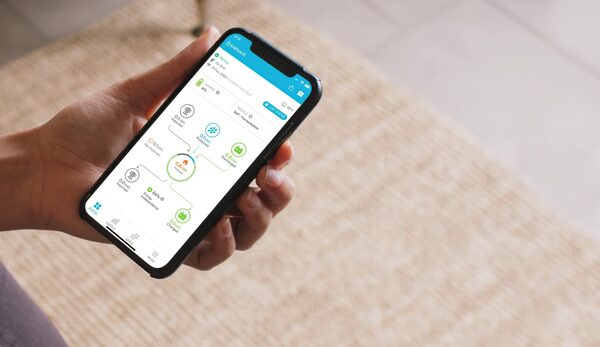
The 5P is managed through the Enphase App. Enphase says the batteries are managed by the app, giving a tap-away view of how much energy is stored and used, and the datasheet lists remote monitoring and control from the app2. The wider battery pages describe a real-time view of power made, used and saved, plus reports from a period of time, system settings and service messages in a single mobile app10. Over-the-air software updates are also part of the offer2.
That is a genuine convenience and a genuine dependency. Scheduling, energy reporting and remote diagnostics run through a home broadband connection, Enphase's servers and a manufacturer's app. Local control at the unit continues without an internet connection, but the features most householders buy the app for do not. Enphase's terms of service were updated on 9 June 2025 and govern its websites, apps and services including the Enphase App, which is the contractual layer behind that access25. The general pattern across brands is covered in monitoring a home battery.
Where the 5P sits in the Enphase range
Enphase sells the 5P alongside the FlexPhase version and the newer IQ Battery 10C and 10CS, which the company promotes as its fourth-generation energy system26. The 5P is the small, modular option; the 10C and 10CS are larger units aimed at whole-home backup. In August 2026 Enphase announced that homeowners with existing non-Enphase solar systems could add the IQ Battery 10C and whole-home backup without replacing their existing solar equipment, initially through installation partners in the United States and Canada27. That support is not stated for the UK.
The range also includes the IQ PowerPack 1500, a 1,500 Wh portable unit with a 5-year or 2,500-cycle limited warranty, which is a different product class from the 5P and not a home storage system28. The full Enphase line is described in Enphase home batteries, and the wider market in home battery storage.
What the 5P means for household energy independence
The 5P does three things for a household. It stores surplus solar generation for evening use, it can charge from cheap-rate grid electricity and discharge at peak times, and it can island selected circuits during an outage in Full Backup mode3. Those are real gains in self-consumption and resilience, and the 15-year or 6,000-cycle warranty is among the longer terms published for a UK home battery1.
What remains is a list of dependencies. The home stays connected to the grid and to a supplier for import and export. The battery needs an Enphase gateway and system controller to function as designed, so the household is tied to one manufacturer's ecosystem for expansion and spares8. Remote monitoring and control depend on broadband and Enphase's servers2. Installation and warranty registration run through an approved installer, and the warranty is a maker's document with conditions rather than an automatic right6. The battery is also a 5 kWh unit, so a single one will not carry a typical home through a long outage without load management2.
None of that makes the 5P a poor product. It makes it a grid-tied battery with a strong warranty and a modular design, sold into a market where independence is incremental rather than absolute. The wider picture is set out in home batteries and household energy independence and how much self-sufficiency a solar home battery can achieve.
Sources28 cited
- IQ Battery 5P product page, Enphase, 2026
- Home solar batteries, Enphase, 2026
- IQ Battery 5P data sheet, Enphase, July 2025
- IQ Battery 5P with FlexPhase product page, Enphase, 2026
- IQ Battery 5P with FlexPhase press release, Enphase, June 2024
- Warranty update: Enphase Energy Limited Warranty, 5P Battery FlexPhase UK, Enphase, September 2025
- IQ Battery 5P with FlexPhase installer page, Enphase, 2026
- IQ Combiner 5 HDK, Enphase, 2026
- Battery storage advice, Energy Saving Trust, August 2026
- Enphase homeowners hub, Enphase, 2026
- IQ Battery 10 data sheet, Enphase, October 2021
- IQ Battery 5P Anchor Clips, Enphase, 2026
- Solar and battery options, Octopus Energy, 2026
- Adding a 5P to an existing system with V1.5 batteries, Enphase Support, 2026
- Enphase Energy Limited Warranty, IQ Battery 5P UK, Enphase, 2023
- Enphase storage store, Enphase, 2026
- Energy Efficient Scotland route map, Scottish Government, May 2018
- Clean heat: supporting low-income households, Energy UK, June 2026
- 10 kW solar battery price UK, Jackery UK, June 2026
- Solar battery storage, Fuse Energy, April 2026
- 5 kW solar battery price UK, Jackery UK, June 2026
- Installer storage comparison, Enphase, 2026
- Waxman Energy partners with Enphase, Waxman Energy, March 2026
- Solar panel battery storage, Which?, May 2026
- Enphase Terms of Service, Enphase, June 2025
- Enphase installer storage, Enphase, June 2026
- Enphase brings IQ Battery 10C and whole-home backup to third-party solar systems, Enphase, August 2026
- IQ PowerPack 1500, Enphase, 2026
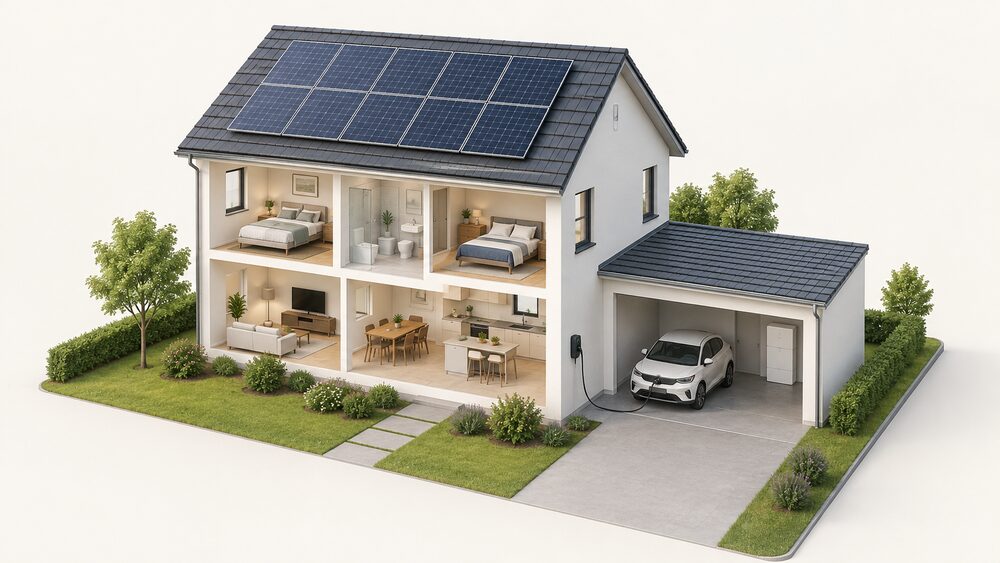 Enphase home EV chargersCan the Enphase charger use the solar power your roof is already making, even if your panels are not Enphase?
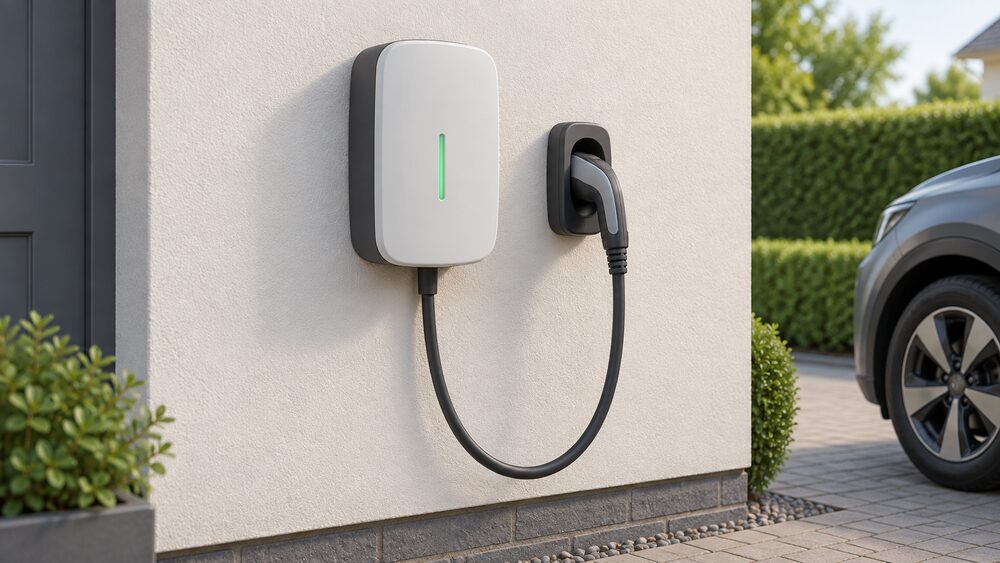 Enphase IQ EV Charger 2Can the Enphase IQ EV Charger 2 send spare solar power to your car instead of the grid?
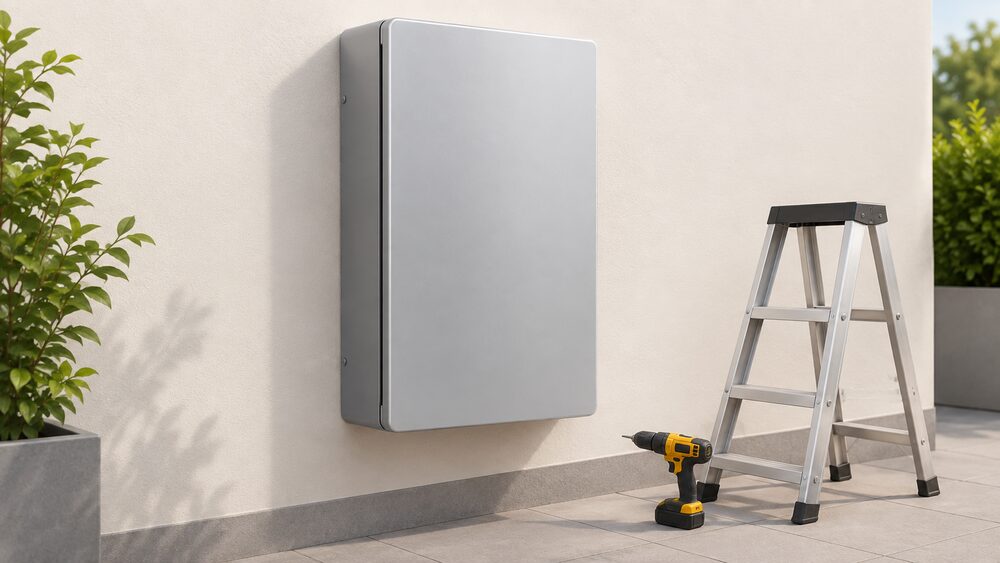 Enphase Home BatteriesEnphase makes the IQ Battery range for UK homes, and the current model is the IQ Battery 5P.
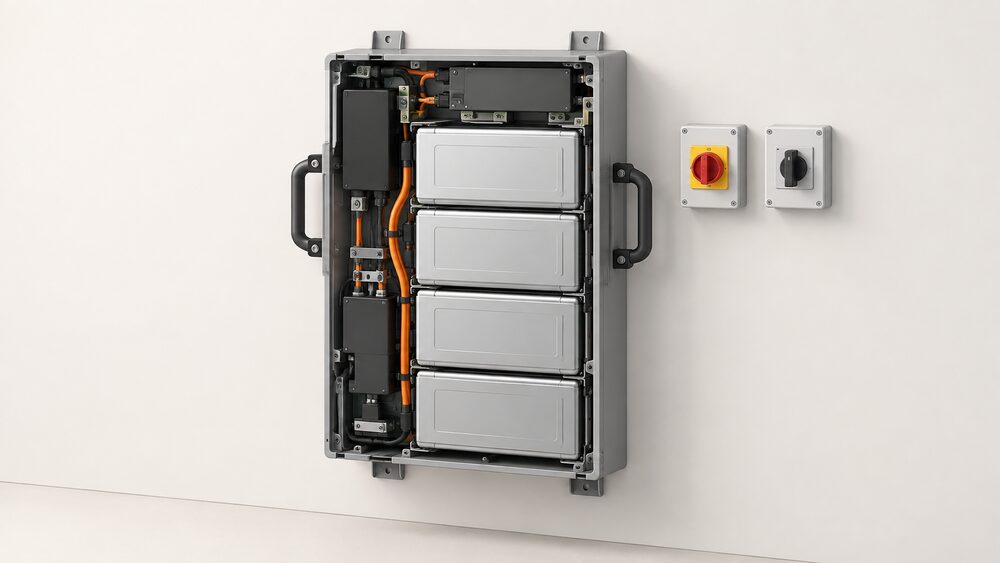 Enphase IQ Battery C80You may have seen the Enphase IQ Battery C80 mentioned and want to know whether it is a real battery you can buy in the UK, how it compares with the 5P and 10C, and what it would cost to run one at home.
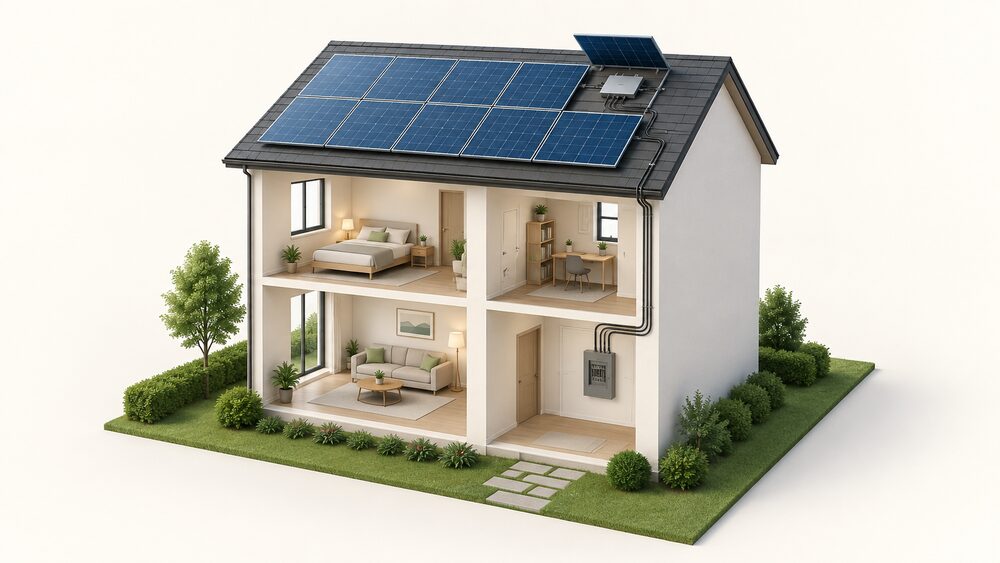 EnphaseEnphase puts a small converter on every panel instead of one big box on the wall, so you can see how each panel is doing and a fault on one does not stop the rest.
 EnphaseEnphase makes the kit that turns sunlight into power for your home, and its app lets you watch what your solar panels are doing all day.
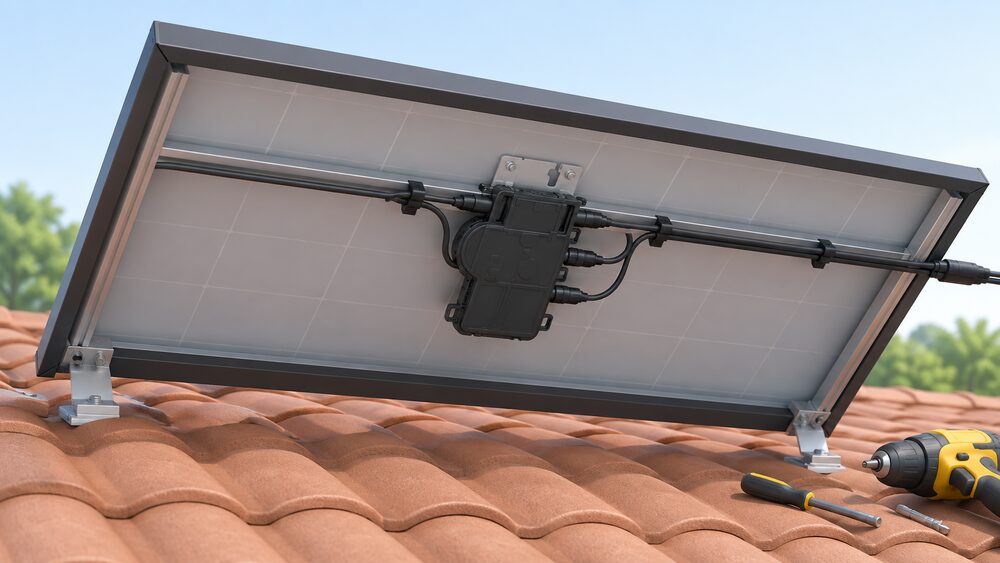 Enphase IQ8 microinvertersWhich Enphase IQ8 model suits your roof, and what do the different versions cost?