In this guide
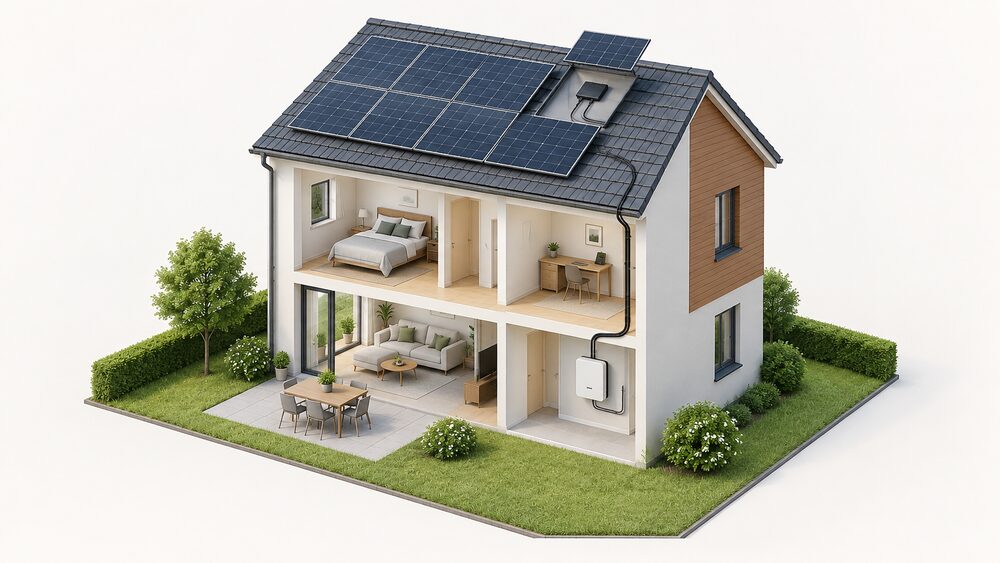
A SolarEdge system is not a single box. It is a central inverter paired with a power optimiser fitted under every panel, and the maker states plainly that its inverters are "specifically designed to work with power optimizers"1. That architecture is what the brand is known for: panel-level optimisation and monitoring, which is why it is often favoured for complex roofs with mixed orientation or partial shade2.
The headline figures are strong. SolarEdge lists a maximum inverter efficiency of 99.2% for the single phase HD-Wave unit3, 98.3% for the three phase SE25K4, and up to 99% weighted efficiency for the Home Wave inverter5. Inverters carry a 12 year warranty as standard, extendable to 25 years6, and the maker claims 200% DC oversizing on its Home inverters2.
One UK corporate fact sits above all of this. SOLAREDGE SUPPORT LTD was dissolved on 10 March 20267. That is a UK support entity, not the manufacturer of the hardware, and it does not by itself end product warranties, but it is the first thing a UK household should know before buying into the ecosystem.
SolarEdge Support Ltd has been dissolved: what that means for UK owners
SOLAREDGE SUPPORT LTD was dissolved on 10 March 2026, according to the Companies House register7. The company that holds the product warranties and issues the firmware is SolarEdge Technologies and its subsidiaries, not this UK support entity, so the dissolution is not the same event as a manufacturer failure. It does, however, remove a UK-registered support presence, and it sits alongside other corporate movement: SolarEdge announced on 10 March 2026 that its chief financial officer, Asaf Alperovitz, would step down and leave the company in June 2026, with the board identifying a replacement, and reaffirmed its first quarter financial guidance in the same announcement9.
For a household, the practical question is who answers when something breaks. SolarEdge's own support guidance for system owners is to contact the installer for further assistance, and where the mySolarEdge app has never shown production data, the first step the maker gives is for the installer to check inverter communication10. Diagnosis therefore runs through the installer and the manufacturer's platform, not through a UK support company.
The wider context is that SolarEdge remains an active global business. It states that it has installed millions of systems in over 140 countries since 200611, and it has been expanding in other directions, including a collaboration with Infineon on solid-state transformer technology announced in November 2025 and extended in September 202612. None of that guarantees UK service levels. It does mean the brand is not in the position of a company that has ceased trading, and the distinction matters when weighing a warranty. Households comparing how such situations are handled elsewhere can read when an energy equipment manufacturer fails.
SolarEdge at a glance: who makes the inverters and optimisers
SolarEdge describes itself as the world's number one solar provider with the number one award-winning inverter, and its residential scope covers inverters, power optimisers, batteries, backup solutions and smart energy devices5. The company was founded in 2006 and reports millions of systems installed across more than 140 countries11. An independent product profile describes it as a one-stop shop that also sells storage batteries and inverters14.
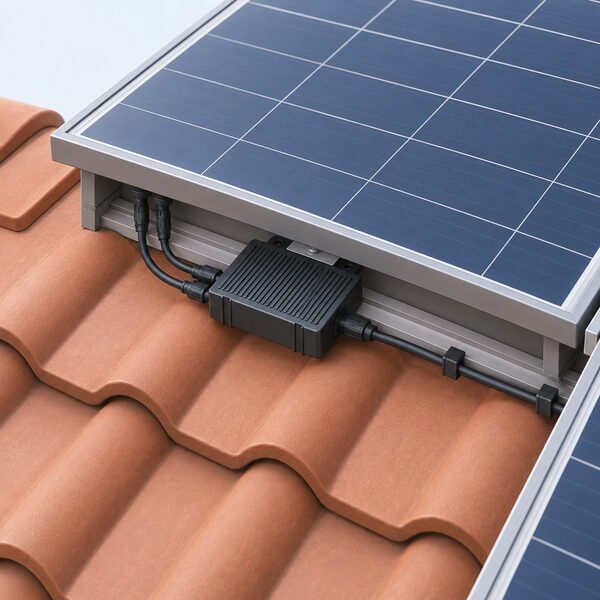
The optimiser is the distinguishing component. SolarEdge states that its power optimisers ensure each solar panel operates at its peak efficiency and mitigate mismatch-related power losses, delivering more energy, enhanced safety and real-time visibility1. The maker's claim is that the Home inverters and power optimisers together deliver more solar energy and more savings15.
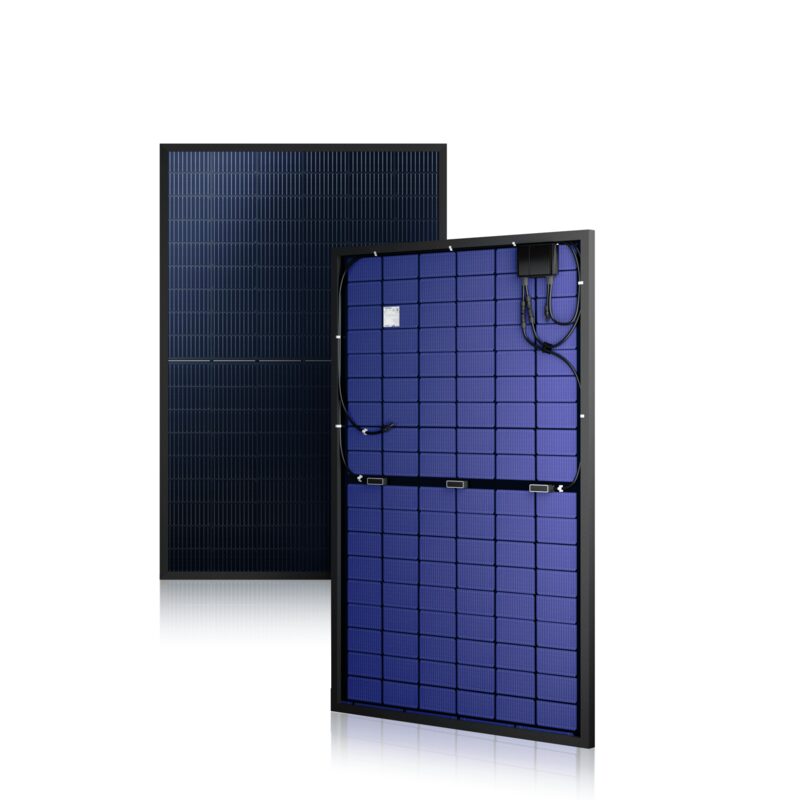
Distribution in the UK runs through installers rather than retail. Good Energy states that it installs SolarEdge inverters and optimisers across all its systems as standard6, and a UK distributor lists optimised inverters and optimisers as a product category16. SolarEdge also sells smart modules with integrated power optimisers and half-cut cell technology, which move the optimiser into the panel itself17.
For a household, the significance is that the inverter and the optimisers are a matched pair. The optimiser is not an optional accessory that can be swapped for another brand's, and the inverter cannot be replaced with a plain string unit without redesigning the array. That is the first layer of manufacturer dependence in the system. The wider market is covered in solar inverter and microinverter manufacturers in the UK.
How the SolarEdge system works: a central inverter with an optimiser under each panel
The architecture is fixed voltage. SolarEdge describes its three phase inverter as a fixed voltage inverter for superior efficiency and longer strings4. Instead of the array voltage rising and falling with conditions, each optimiser adjusts its own output so the string voltage stays constant, and the inverter converts that steady DC input to mains AC. The maker's short string inverter is described as a DC-optimised inverter enabled with power optimisers that individually manage each solar panel19.
The claimed effect is that panels no longer have to match. In a conventional string, the weakest panel sets the current for the whole string, so shading on one module, or a mix of orientations, drags down the rest. With an optimiser per panel, each module runs at its own maximum power point and the mismatch losses the maker describes are mitigated1. SolarEdge states that this allows two different parts of a roof facing in different directions to be used to expand sun exposure20.
The system is also modular. SolarEdge describes its home solution as modular and scalable, starting with a basic solar system and later adding batteries, EV charging or smart energy devices11. The Home Wave inverter manages PV production, on-grid battery storage, EV charging and smart energy devices5, and the Home Hub inverter is described as the backbone of SolarEdge Home, installed with power optimisers, batteries, backup applications and smart energy devices2.
The inverter range: single phase, three phase and Home Wave models
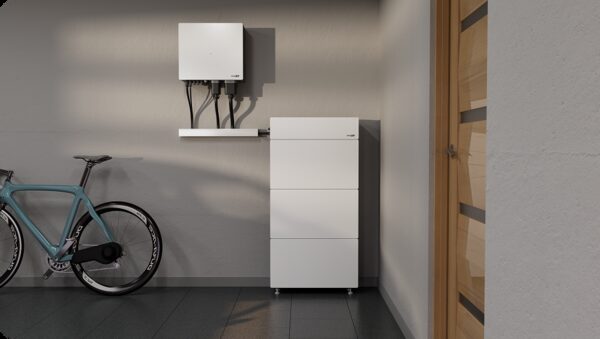
SolarEdge sells three main residential inverter families in the UK, plus a short string model for low power three phase systems. The Home Hub inverter is available in three phase and single phase, and the single phase version uses a MultiRange concept with one part number covering all power classes2. The Home Wave inverter is also available in single phase and three phase5. The Home Short String inverter is a three phase PV inverter for low power residential systems, providing greater design flexibility by enabling significantly shorter strings19.
| Family | Phases | Key published figures |
|---|---|---|
| Home Hub Inverter | Single and three phase2 | Up to 200% DC oversizing2; MultiRange single part number on single phase21 |
| Home Wave Inverter | Single and three phase5 | Up to 99% weighted efficiency5; single phase up to 200% DC oversizing5 |
| Home Short String Inverter | Three phase19 | Designed for low power residential systems and shorter strings19 |
| Three phase SE25K / SE30K / SE33.3K | Three phase4 | Maximum inverter efficiency 98.3% (SE25K), 98% (SE30K and SE33.3K)4 |
| Single phase HD-Wave | Single phase3 | Maximum inverter efficiency 99.2%3 |
| Single phase SE2200 to SE6000 | Single phase22 | Maximum efficiency 97.6%22; 12 to 25 year warranty22 |
The three phase commercial units are also sold for use with optimisers and are described as ideal for commercial systems16. Physical size varies with class: the single phase SE2200 to SE6000 units measure 540 x 315 x 172 or 540 x 315 x 191 mm22, while the larger three phase units with a safety unit measure 775 x 315 x 260 mm on the SE25K and SE27.6K4. Installation is flexible: the Home Hub and Home Wave inverters are listed for indoor or outdoor mounting5.
Efficiency and output: fixed-voltage design and 98.3% peak
SolarEdge's three phase inverters are built around a fixed voltage design, which the maker describes as giving "superior efficiency (98.3%) and longer strings"4. The published model figures sit close to that headline: maximum inverter efficiency is 98.3% for the SE25K and 98% for the SE30K and SE33.3K, with European weighted efficiency of 98.3% for the SE25K and 98% for the SE30K and SE33.3K4. The SE12.5K to SE27.6K three phase range is listed at 98%5. Single phase models differ: the HD-Wave inverter is listed at a maximum inverter efficiency of 99.2%3, the SE2200 to SE6000 range at 97.6%22, and the Home Wave inverter at up to 99% weighted efficiency5. A separate hybrid model, the SG125CX-P2, is quoted at 98.5%23. The spread reflects different product families and test bases rather than a single system figure, and the model-level numbers are the ones tied to specific appliances.
The efficiency figures published by SolarEdge vary by model and by test basis, and the differences are worth reading carefully. The single phase HD-Wave inverter is listed at a maximum inverter efficiency of 99.2%3. The three phase SE25K is listed at 98.3% maximum and 98.3% European weighted efficiency, while the SE30K and SE33.3K are listed at 98% on both measures4. The three phase SE12.5K to SE27.6K range is described as having superior efficiency of 98%4. The older single phase SE2200 to SE6000 range is listed at 97.6% maximum22, and the Home Wave inverter at up to 99% weighted efficiency5.
The spread reflects different generations and different measurement conventions rather than a dispute. Maximum efficiency is a single best point; European weighted efficiency averages across a load profile closer to real operation, which is why it usually reads lower. The fixed voltage design is the maker's explanation for the numbers: SolarEdge states that a fixed voltage inverter gives superior efficiency and longer strings4.
What the optimisers add is not conversion efficiency but harvest. The maker's claim is that panel-level management mitigates mismatch losses and delivers more energy1, and that the architecture allows two roof areas facing different directions to be used together20. No verified percentage for the energy gain is published, so no figure can be quoted for it. The practical point is that the gain depends on the roof: a single unshaded plane facing one way has little mismatch to recover, while a roof with a chimney shadow, a dormer or two orientations has more.
Where SolarEdge fits best: complex roofs, mixed orientations and partial shade
The system's advantage is concentrated in awkward roofs. SolarEdge is described as often favoured for complex roofs with mixed orientation or partial shade2, and the Home Short String inverter is optimised for installations with complex roofs, including multi-facets and different orientations19. The maker's retrofit guidance states that two different parts of a roof facing in different directions can be used seamlessly to expand sun exposure20.
The reason is the per-panel optimiser. In a plain string, modules are wired in series and the current is limited by the weakest link, so a shaded panel or a differently angled plane pulls the whole string down. With an optimiser under each panel, each module runs independently and the string voltage is held steady by the electronics1. That makes it possible to combine a south-facing main roof with a smaller east or west plane, or to keep a chimney-affected module in the array rather than leaving the space empty.
The trade-off is component count. Every panel gains a device on the roof, and every one of those devices is a potential point of failure that requires roof access to replace. A simple, unshaded, single-orientation roof gains least from the architecture and carries the same number of extra components. The maker's own retrofit guidance notes that swapping out an inverter is a relatively simple process, and suggests considering one with oversizing to get more power from the roof20, which points to the inverter as the more accessible part of the system.
For a household, this is a design question rather than a brand question. The optimiser architecture buys flexibility on a difficult roof and adds hardware on an easy one. Households weighing the alternative approach can read SolarEdge vs Enphase: string inverters vs microinverters, and the general comparison is set out in comparing manufacturers: reading specifications like for like.
Monitoring, SafeDC safety and data storage
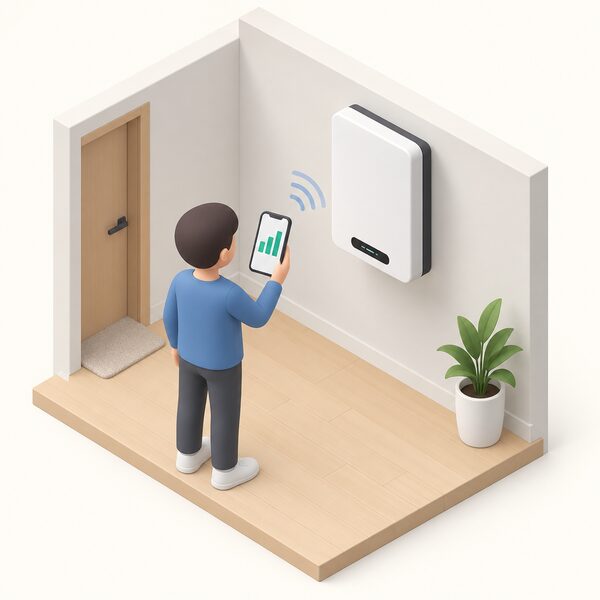
Monitoring is module-level. The Home Hub inverter provides module-level monitoring with pinpointed fault detection2, and the Home Wave inverter offers the same5. The maker's short string inverter supports the mySolarEdge app for real-time production and consumption19. An independent installer's assessment describes SolarEdge as offering among the best monitoring solutions, at a higher cost than average inverters24.
Safety is built around SafeDC. The Home Hub inverter's SafeDC feature automatically reduces DC voltage to a touch safe level2, and the Home Wave inverter reduces the system's DC voltage to a safe-touch level whenever the system shuts down5. SolarEdge smart modules carry built-in SafeDC enabling module-level voltage shutdown, described as protection to people and property17. The Home Hub range also lists Sense Connect, an arc fault circuit interrupter and ground fault detection and isolation test21. The three phase SE25K, SE30K and SE33.3K units carry integrated type 2 DC surge protection, field replaceable, with AC surge protection optional4.
On data, SolarEdge states that its security features include encrypted communications, secure data hosting and multi-factor authentication, and that its inverters were the first to be certified under the EU RED Article 3.3 and the UK PSTI Act11. Monitoring is a cloud service: the Cellular Plug-in enables wireless communication between the inverter and the SolarEdge Monitoring Platform, with the SIM card installed within the inverter enclosure25. The Home Network Plug-in connects the inverter wirelessly to system devices, avoiding wired network infrastructure26.
Warranty, registration and the SolarEdge Home ecosystem
The standard inverter warranty is 12 years, extendable to 25 years6. SolarEdge states that the inverter warranty is extendable to 20 or 25 years depending on the inverter model, that the extension is available with a one-time payment fee, and that it must be purchased within 24 months of the inverter shipping from SolarEdge8. The single phase SE2200 to SE6000 datasheet lists a 12 to 25 year warranty22.
Registration became a condition. SolarEdge states that, as of 1 April 2025, customers extending an inverter warranty must register to its online services and receive a customer number8. The extension form accepts a full or partial serial number, or a CSV import with columns for the serial number parts and the requested number of years27. The full serial number format splits into the first 6 characters, the following 9 characters and the last 2 characters, with the requested warranty years in a fourth column; the partial format uses 9 characters and the requested years8.
The ecosystem around the inverter is where the brand's integration shows. The Home Hub inverter handles PV production, battery storage, backup applications and smart energy devices2, and the Home Wave inverter manages PV production, on-grid battery storage, EV charging and smart energy devices5. The Home Battery 400V is designed to work with the Home Hub and Wave inverters on single phase and the Short String inverter on three phase28. Backup power for full or partial home loads requires the battery and the Home Backup Interface, and is subject to local regulations2. SolarEdge ONE analyses consumption and solar production patterns and optimises battery usage based on the chosen mode29.
Two limits are worth noting. Storage support for the Short String inverter is currently only available in Poland and the Netherlands28, so that combination is not a UK option. And the Home Load Controller page directs buyers to find a distributor in their area rather than offering a direct purchase route30. Warranty terms across the sector are explained in manufacturer warranties on home energy equipment and registering a warranty and keeping it valid.
Cost, UK availability and what owners report
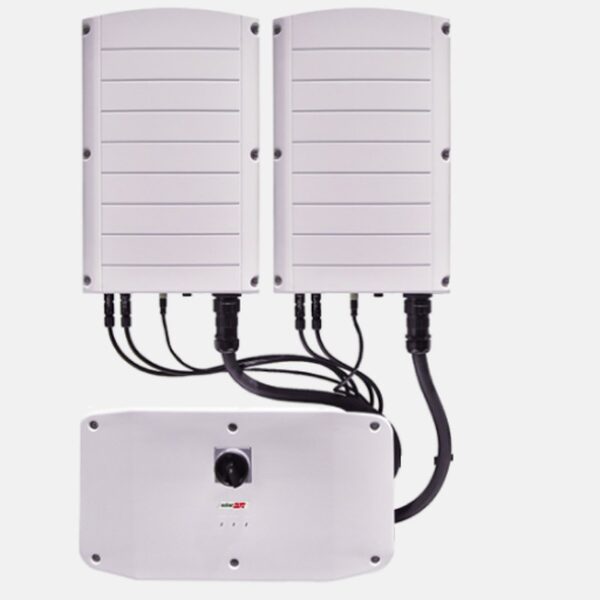
There is no manufacturer list price for a supplied and fitted SolarEdge system. The published figures are component prices from a UK distributor: £405.00 for a single phase inverter with compact technology, £1,019.52 for a three phase Home Wave inverter, and from £1,080.00 for a three phase Synergy inverter16. These are hardware prices, not installed prices, and the VAT position is not stated in the figures, so they should be read as quoted rather than as confirmed VAT-inclusive. Installed cost is installer-quoted and depends on the array, the number of optimisers and the roof.
Availability is through the installer channel. Good Energy installs SolarEdge inverters and optimisers across all its systems as standard6, and a UK distributor carries the optimised inverter and optimiser range16. Some products are not UK-available: the Home Hub Hybrid inverter and the three phase Home Battery are supported in Australia23, and the SolarEdge ONE EV Charger is available in select EMEA markets31. Firmware is region-specific, with the Home Wave single phase inverter carrying a UK-only bundle at version 4.20.3423.
On reliability, the published evidence is limited and mostly from the maker. SolarEdge states that its inverters are the first to be certified under the EU RED Article 3.3 and the UK PSTI Act11, which speaks to cyber security rather than to hardware failure rates. The independent installer assessment rates the monitoring highly while noting the higher cost24. No independent failure-rate data for SolarEdge inverters is published, so no reliability claim can be made beyond what the maker states.
For a household, the independence picture is mixed. A SolarEdge system generates without the grid, and the optimiser architecture means a shaded or mixed roof can still produce well. What remains is dependence on a manufacturer's cloud platform for monitoring and fault detection, on an installer for diagnosis and repair, on a matched set of optimisers and inverter that cannot be mixed with other brands, and on a warranty whose longest terms require online registration and a payment within 24 months of shipment. The UK support entity behind that relationship was dissolved in March 20267. Households weighing the wider question can read manufacturers and household energy independence, and the full brand landscape is at home energy equipment manufacturers.
Sources31 cited
- SolarEdge power optimizers, SolarEdge, 2026
- SolarEdge Home Hub inverters, SolarEdge, 2026
- SolarEdge single phase HD-Wave inverter datasheet, SolarEdge, 2026
- SolarEdge three phase inverter extended power datasheet, SolarEdge, 2026
- SolarEdge Home Wave inverters, SolarEdge, 2026
- Best solar panels and batteries for your home, Good Energy, 2026
- Companies House search: SolarEdge, Companies House, 2026
- SolarEdge warranty, SolarEdge, 2025
- SolarEdge announces departure of CFO, SolarEdge, 2026
- mySolarEdge app does not display production data, SolarEdge, 2026
- SolarEdge Home, SolarEdge, 2026
- SolarEdge extends collaboration with Infineon on solid-state technology, SolarEdge, 2026
- SolarEdge residential products, SolarEdge, 2026
- SolarEdge solar panels review, Which?, 2026
- SolarEdge Home, SolarEdge, 2026
- SolarEdge collection, Wind and Sun, 2026
- SolarEdge smart solar modules, SolarEdge, 2026
- SolarEdge smart solar modules, SolarEdge, 2026
- SolarEdge Home Short String inverters, SolarEdge, 2026
- SolarEdge retrofit guidance, SolarEdge, 2023
- SolarEdge Home Hub inverters, SolarEdge, 2026
- SolarEdge single phase inverter datasheet, SolarEdge, 2026
- SolarEdge residential inverter firmware, SolarEdge, 2026
- Solar PV monitoring solutions, Spirit Energy, 2021
- SolarEdge Cellular Plug-in with data plan, SolarEdge, 2026
- SolarEdge Home Network Plug-in, SolarEdge, 2026
- SolarEdge warranty, SolarEdge, 2026
- SolarEdge Home Battery 400V, SolarEdge, 2026
- mySolarEdge battery management, SolarEdge, 2026
- SolarEdge Home Load Controller, SolarEdge, 2026
- SolarEdge home EV charger installation, SolarEdge, 2025
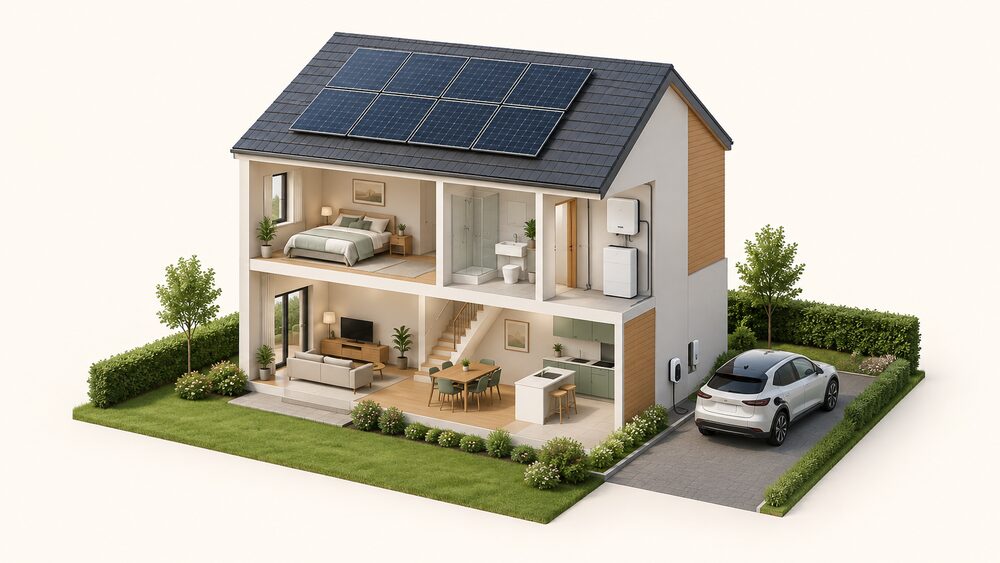 SolarEdge home EV chargersDoes a SolarEdge EV charger work better with your existing SolarEdge solar panels than other brands?
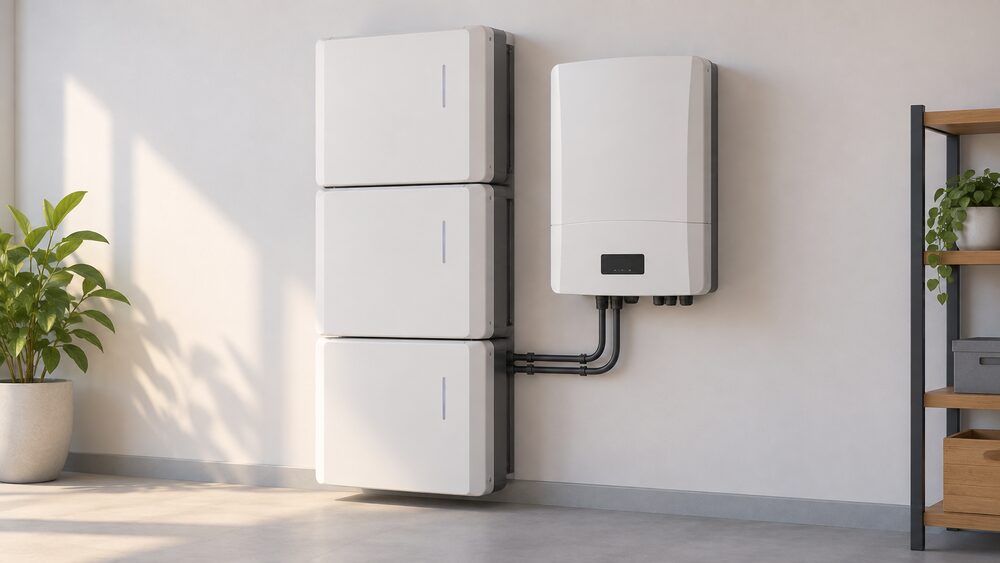 SolarEdge Home Batteries and Home Hub StorageCan you add a SolarEdge battery to panels you already have, and how many modules will fit your inverter?
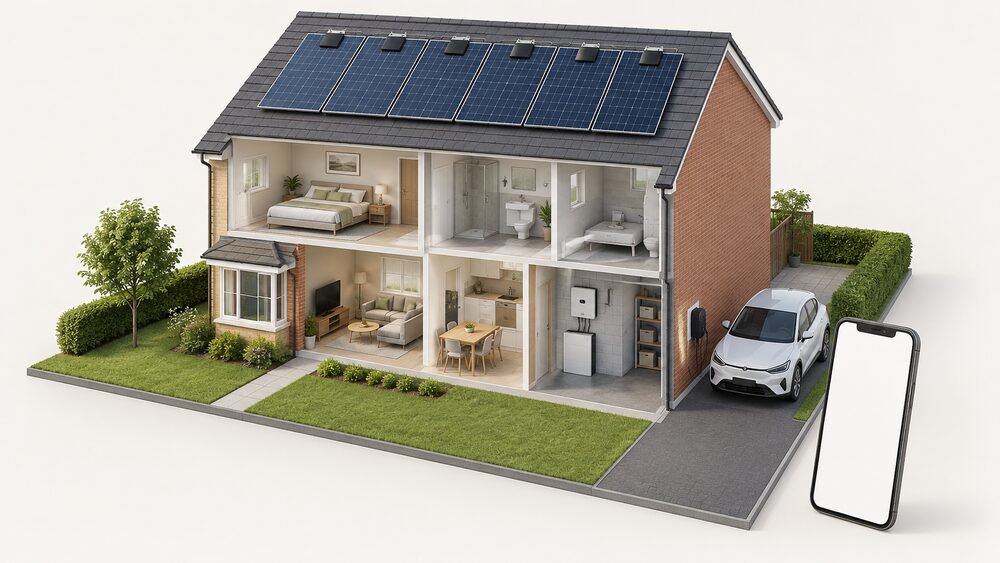 SolarEdgeIf one panel stops working, can you tell which one?
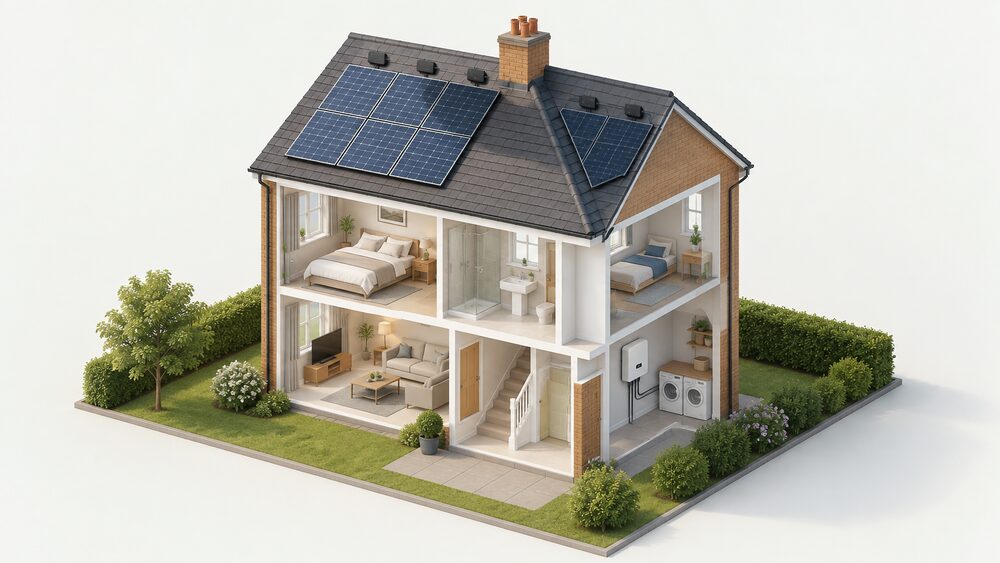 SolarEdgeIf you have been quoted a SolarEdge system, or your roof is shaded or faces two ways, you probably want to know what the black boxes on each panel actually do and what happens if the company behind them wobbles.