
In this guide
A Powervault home battery is a lithium-ion storage unit sold into the UK market in two named capacities: the Powervault 3 is listed at 4kWh and 8kWh, with a 10 year warranty1. Independent guidance puts the 4kWh unit at £3,229 and the 8kWh unit at £4,999, both excluding VAT and installation1. Earlier Powervault units were described as 4kWh lithium-ion, with brand new or second life units available2.
The company behind the product is the central fact for any household considering one. Companies House recorded the appointment of an administrator for POWERVAULT LTD on 27 November 2025, and a separate company, POWERVAULT PLUS LTD, was incorporated on 17 November 2025. A warranty is only as durable as the business that issues it, so the 10 year term should be read as a claim against a company in administration rather than a promise from a trading manufacturer.
This page sets out what the Powervault range offers, the specifications and prices that are published, what the warranty states, and what a battery of this kind does and does not do for a household's energy independence.
What Powervault offers in the UK
Powervault sits in the small-capacity end of the UK home battery market. The published range is the Powervault 3, offered in 4kWh and 8kWh versions1. That places it well below the large DC-coupled units now common in UK installations, and it reflects the product's origins: the company's early units were 4kWh lithium-ion packs, and a 2014 report described both brand new and second life 4kWh units being available2. Second life packs, built from cells that have already served in another application, were an early part of the Powervault proposition.
The UK market it competes in is broad. Independent guidance lists Tesla Powerwall as available direct from Tesla and the Enphase AC Battery through UK installers1. Plug-in solar batteries, which pair with balcony-scale solar rather than a roof array, are already being developed for the UK market5. Several energy suppliers offer smart storage battery tariffs, including British Gas, E.ON Next and EDF Energy, which is what makes a battery financially useful rather than merely a store of self-generated power6.
For a household, the practical question is what the battery is paired with. A Powervault unit on its own shifts consumption from one time of day to another. Paired with solar, it stores generation that would otherwise be exported. Paired with a heat pump, it can store cheap or renewable electricity to run the heating, which is the combination the Energy Saving Trust describes as making a household less reliant on grid electricity7. The wider market of home batteries is covered in our guide to home battery storage manufacturers.
Specifications: 4kWh and 8kWh, with a 10 year term
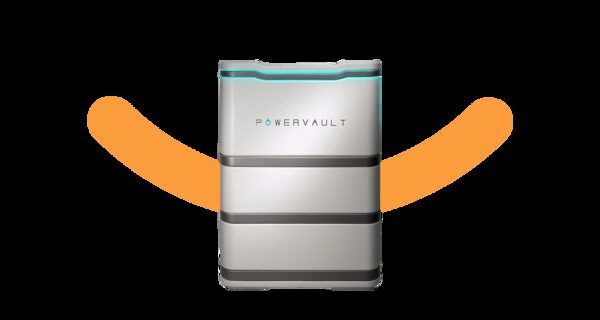
The published specification for the Powervault 3 is short. Capacity is 4kWh or 8kWh, and the warranty is 10 years1. Earlier units were 4kWh lithium-ion2. No round-trip efficiency, power rating, chemistry detail, dimensions or IP rating is published in the material available for this page, so those figures cannot be stated here.
That matters more than it might appear. Capacity alone does not tell a household how much of its consumption a battery can shift. The usable capacity is normally lower than the nominal figure, the power rating sets how fast the battery can charge and discharge, and the round-trip efficiency sets how much is lost in the process. None of those three is available for the Powervault 3.
| Attribute | Powervault 3 |
|---|---|
| Capacity | 4kWh and 8kWh1 |
| Warranty | 10 years1 |
| Price, 4kWh | £3,229 excluding VAT and installation1 |
| Price, 8kWh | £4,999 excluding VAT and installation1 |
| Earlier units | 4kWh lithium-ion, new or second life2 |
| Efficiency, power rating, dimensions | Not published in the available material |
For comparison, a large DC-coupled unit such as the BatteryBox Premium HVL is listed by its maker at 12kWh, 16kWh, 20kWh, 24kWh, 28kWh and 32kWh of usable energy, with dimensions rising from 48.3x23.0x11.7 inch at 16kWh to 85.0x23.0x11.7 inch at 32kWh8. That is a different class of product, and it shows how far the small end of the market sits from the large end. Reading specifications like for like is covered in our guide to comparing manufacturer specifications.
Warranty: 10 years, against a company in administration
Independent guidance lists the Powervault 3 with a 10 year warranty1. On paper that is a strong term, longer than many home batteries carry, and it suggests the maker expected the unit to hold a useful capacity for a decade.
The difficulty is who stands behind it. Companies House recorded the appointment of an administrator for POWERVAULT LTD on 27 November 2025. An administrator is appointed to handle a company's affairs for the benefit of its creditors, and the practical effect for a warranty holder is that claims are made against an insolvent estate rather than against a trading business with an ongoing service operation. A separate entity, POWERVAULT PLUS LTD, was incorporated on 17 November 2025, ten days before the administrator appointment. Whether that entity carries any warranty obligation is not stated in the material available here.
The general position for owners of equipment whose maker has failed is set out in our guide to manufacturer failures and orphaned products, and the mechanics of keeping a term valid are covered under warranty registration.
What a Powervault battery costs
The published prices for the Powervault 3 are £3,229 for the 4kWh unit and £4,999 for the 8kWh unit, both excluding VAT and installation1. Those are the only Powervault-specific prices in the material available, and they date from independent guidance published in May 2026.
For context, home battery storage generally ranges from £1,500 to £10,000, with a 5kWh battery system around £4,6003. That places the 4kWh Powervault below the mid-point of the market and the 8kWh unit above it, on a per-unit basis before installation. A 13.5kWh battery storage system was costed at around £5,600 excluding VAT in Scottish Government guidance published in 20189, which gives a sense of how the price of capacity has moved over time, though that figure is eight years old and not directly comparable.
Three things move the installed cost of any home battery: the capacity, whether the installation is a retrofit to an existing solar system or part of a new one, and the electrical work needed to connect it. None of those is captured in the ex-VAT unit prices above. VAT treatment is not stated in the figures, so they should be read as quoted rather than as confirmed VAT-inclusive prices. Where a manufacturer publishes no installed price, quotes come from local installers after a survey.
The company's status
The company position is the fact that should shape any decision about a Powervault battery. Companies House recorded the appointment of an administrator for POWERVAULT LTD on 27 November 2025. POWERVAULT PLUS LTD was incorporated on 17 November 2025.
For comparison, the Energy Ombudsman maintains dispute pages for a long list of named energy companies, each recorded as Active as of 19 September 2026: Flexivolt, Powerpath Partners Ltd, Power Savings Network Limited, Powercuts UK Limited, Smart Energy & Powwer Limited, Orbit Energy Limited, Your Energy Matters, Vectis Community Energy, Energy Swap, The Energy Titans Limited, Abel Utilities Ltd, Hypertech Partnership Ltd, Utility Outlet Ltd and A2B Power Solutions Ltd10. Powervault is not among them. That list is a route to dispute resolution for customers of those named suppliers, not a register of manufacturer health, but it illustrates the kind of formal status a trading company normally holds.
The practical consequence for a household is that support, spares and any warranty claim should be confirmed in writing before money changes hands. A battery is a ten to fifteen year asset in most installations, and the entity that will service it in year eight matters as much as the capacity in year one. The wider question of which brands carry the balance sheet to stand behind a long term is covered in our guide to tier 1 and bankability ratings.
What a battery does for energy independence
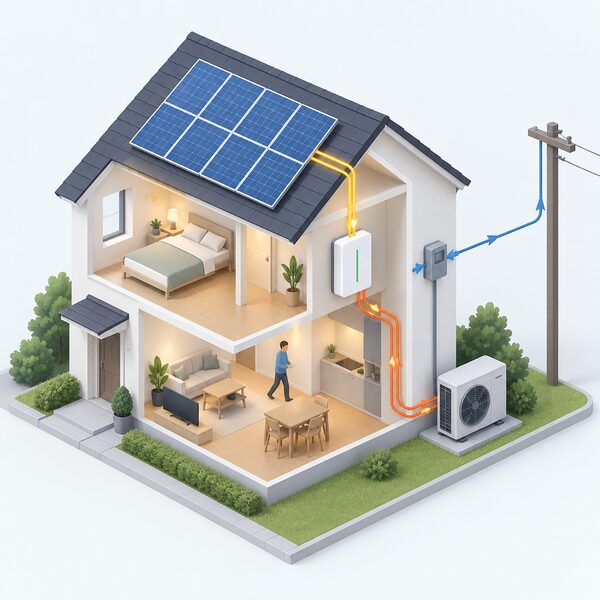
A home battery's contribution to independence is measurable. Self-sufficiency is defined as the percentage of electricity consumed in a property over a year that is met by either behind the meter solar or electrical energy storage4. That is the figure a battery raises: it takes generation that would have been exported at the moment it was produced and makes it available when the household actually needs it.
The Energy Saving Trust describes the combination directly: storing free, renewable electricity to power a heat pump makes a household less reliant on grid electricity7. The same logic applies to any load. A battery paired with a time of use tariff charges when electricity is cheap and discharges when it is expensive, and several providers offer smart storage battery tariffs, including British Gas, E.ON Next and EDF Energy6. In Scotland, the case for homegrown energy is framed in terms of greater energy independence10.
What remains is the dependence. A battery does not disconnect a household from the grid. It reduces the volume of electricity drawn at expensive times, but the connection, the standing charge and the supplier relationship all continue. The battery itself is a manufactured product with a service life, and its warranty depends on a company. Where that company is in administration, the independence the battery provides is real but the support behind it is not. Households weighing storage against other measures should read our guide to manufacturers and energy independence.
Safety and installation
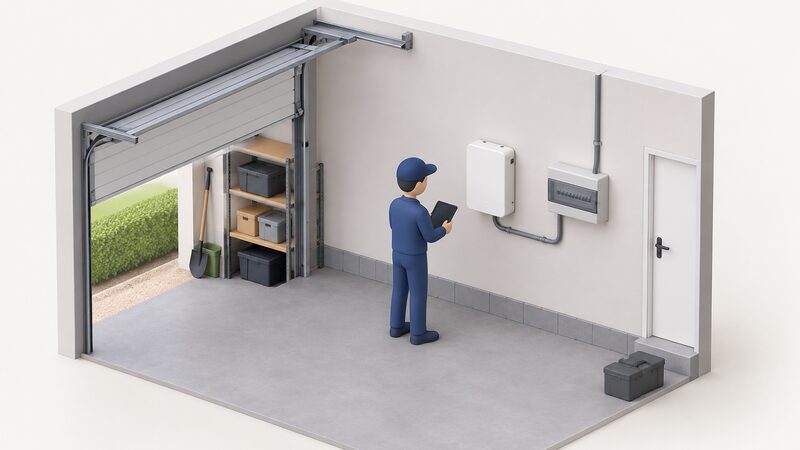
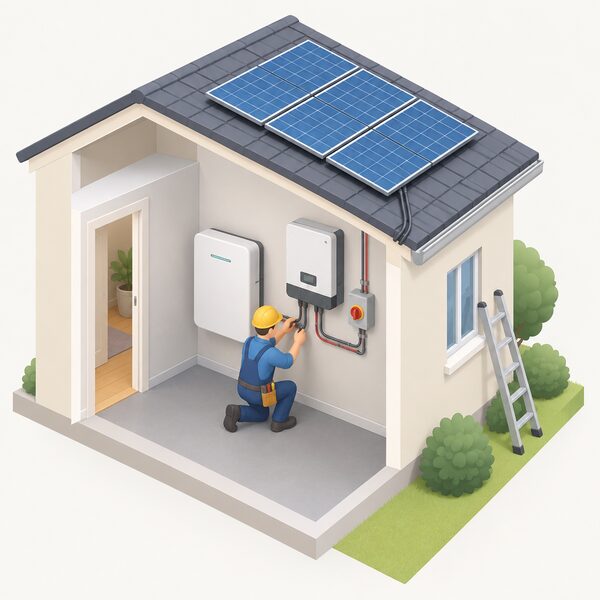
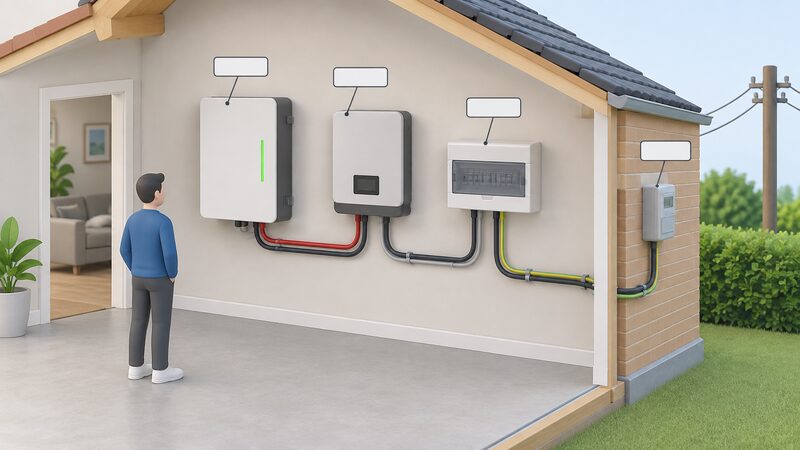
A home battery is a lithium-ion installation, and the fire service guidance for households is explicit that lithium-ion batteries are present in many rechargeable items, including laptops, mobile phones, e-scooters, e-cigarettes and mobility vehicles11. A wall-mounted home battery is a larger version of the same chemistry, and it should be installed and commissioned by a competent installer working to the relevant standards.
The material available for this page does not include a Powervault installation manual, a safety datasheet or a certification listing, so no installation requirement, clearance distance or IP rating can be stated here. Households should ask the installer for the manufacturer's installation instructions and the certification evidence for the specific model before work begins. Certification and listing are covered in our guide to manufacturer certification and approvals, and the standards behind a datasheet are explained in how energy products are tested.
Sources11 cited
- Solar panel battery storage, Which?, 14 May 2026
- RECC Newsletter April 2018, RECC, April 2018
- Battery storage, Energy Saving Trust, 19 August 2026
- MCS 032, MCS, 2025
- Plug-in solar explained, Low Carbon Hub, 9 July 2026
- Time of use tariffs explained, Which?, 23 April 2026
- How to ensure a heat pump runs efficiently, Energy Saving Trust, 19 May 2026
- BatteryBox Premium HVL datasheet, BYD BatteryBox, 17 September 2026
- Energy Efficient Scotland route map, Scottish Government, 2 May 2018
- Raise a dispute, Energy Ombudsman, 19 September 2026
- Lithium-ion batteries, North Wales Fire and Rescue Service, 2026
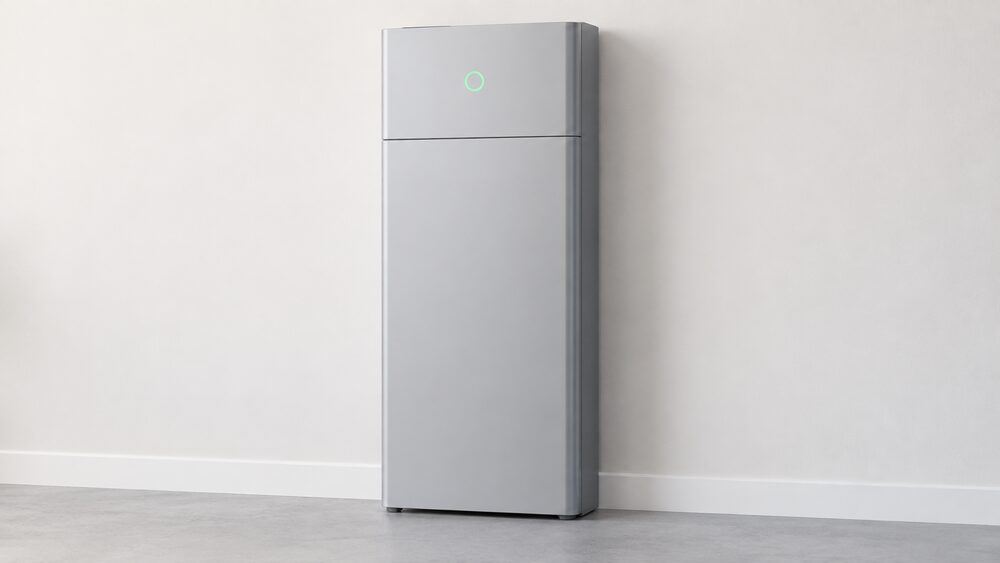 Powervault P5The Powervault P5 is a UK-assembled lithium-ion home battery sold in 5, 10, 15 and 20kWh units, with a 10-year warranty and a company now in administration.