
In this guide
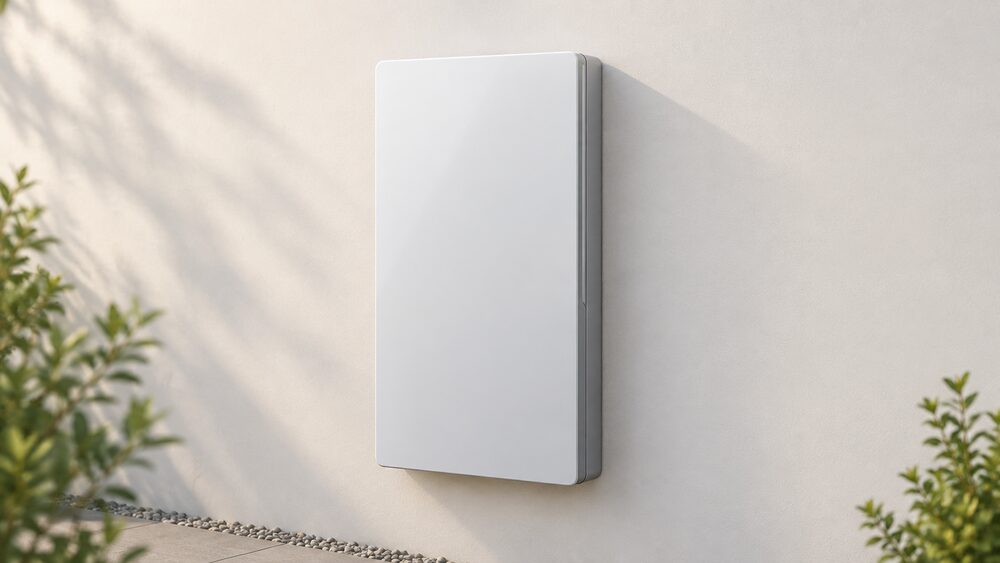
The Tesla Powerwall 3 is a 13.5kWh home battery with a built-in solar inverter, a peak output of up to 11.04kW and a 10-year warranty. It stores energy from solar panels or the grid, switches to backup automatically in a power cut, and can be expanded to 54kWh with three additional packs on a single unit1.
For a UK household, the installed price is quoted at £7,495 including the unit and basic installation, with a 0% VAT rate applied to Powerwall installations3. A separate UK guide puts the unit at around £6,700 to £7,600 per battery depending on installation requirements4. Prices are installer-quoted, and the figure moves with what the house already has: installed alongside solar PV, the price can come down by up to £1,500 through labour and inverter savings, because the Powerwall 3 replaces the separate solar inverter5.
What the Powerwall 3 does for independence is real but bounded. It shifts when a household buys electricity, and it keeps selected circuits live when the grid fails. It does not take the house off the grid: the system cannot operate entirely off-grid with no network connection6. It also adds a new dependence, on a reliable internet connection, because the full 10-year warranty is conditional on it7.
Powerwall 3 at a glance: 13.5kWh, 11.04kW and a built-in solar inverter
The headline change from Powerwall 2 is that the inverter moved inside the battery. Powerwall 3 has more power output, a built-in solar inverter and better backup performance than its predecessor1. The integrated hybrid solar inverter means a separate solar inverter is no longer needed, which is where the installation saving comes from5.
Capacity is 13.5kWh per unit, described by Tesla as a usable figure against a nominal capacity closer to 15kWh6. Guidance from an installer puts the nominal figure nearer 15kWh6. Both figures are given here because the disagreement is unresolved.
Power output is up to 11.04kW peak, and 11.04kW of continuous output in a documented installation4. The inverter rating is fully software-configurable between 3.68 and 11.04 kW, with no hardware changes required, which matters for grid connection: a household can start at a lower export-limited rating and raise it later without new hardware6.
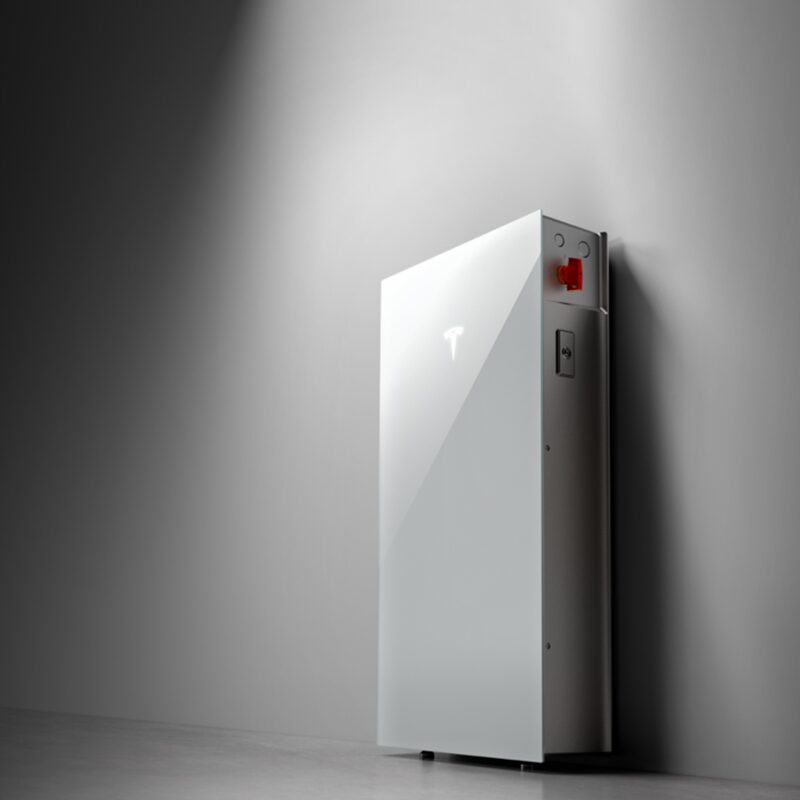
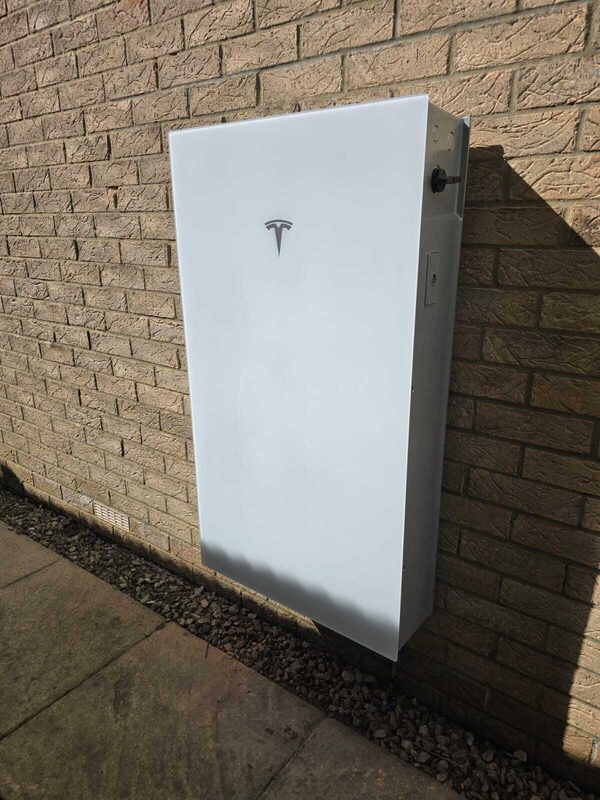
The unit measures 609mm wide, 1099mm high and 193mm deep, and weighs 132kg10. It can be mounted internally or externally, on a wall or on the floor12.
Specifications: capacity, power, efficiency and chemistry
The chemistry is lithium iron phosphate, listed as LFP13. That chemistry is associated with a cycle life of roughly 6,000 to 10,000 cycles, and the system manages temperature actively12. Depth of discharge is up to 100%, which is why the 13.5kWh figure is quoted as usable rather than nominal4.
| Specification | Figure | Source |
|---|---|---|
| Usable capacity | 13.5kWh per unit | 2 |
| Peak power | Up to 11.04kW | 4 |
| Continuous output | 11.04kW | 9 |
| Inverter rating range | 3.68 to 11.04kW, software-configurable | 6 |
| Integrated inverter efficiency | 97.5% | 4 |
| Round-trip efficiency | 89% | 10 |
| Chemistry | LFP | 13 |
| Cycle life | ~6,000 to 10,000 | 12 |
| Dimensions | W 609mm x H 1099mm x D 193mm | 10 |
| Weight | 132kg | 11 |
| MPPTs | 3 | 2 |
| Grid type | Single phase | 2 |
The gap between the 97.5% inverter efficiency and the 89% round-trip efficiency is the difference between converting power once and storing it and taking it back out again. Round-trip efficiency is the figure that governs how much of each cheap off-peak kilowatt-hour actually reaches the house. More detail on how that is measured is in round-trip efficiency and battery capacity and usable capacity.
What it costs in the UK, installed
There is no single published list price, and the figures that exist come from different routes to market. One UK installer quotes £7,495 with 0% VAT, including the unit and basic installation, with possible additional costs based on the home setup or electrical upgrades3. A UK battery guide puts the unit at around £6,700 to £7,600 per battery depending on installation requirements4. An independent consumer comparison lists the Tesla Powerwall at £6,200 excluding installation15.
The expansion pack is quoted at £5,500, described as lower cost and quicker to install than a second full unit16. Where solar is bought at the same time, one package price is 10 panels plus a Tesla Powerwall 3 for £13,90017.
A rebate of £375 per Powerwall 3 or expansion unit applies, claimable for up to two units per installation address18. On payback, one installer reports fitting the Powerwall 3 for around £7,750 with around 6 to 10 years payback19. That is a modelled figure from an installer, not a guarantee, and it depends on tariff, usage and solar. The wider cost picture is set out in home battery cost and battery payback and savings.
Backup during a power cut: what it keeps running and what it can't do

During an outage the system automatically switches to stored energy, keeping essential appliances such as a refrigerator, heating system or lights running20. It stores energy from solar panels or the grid and activates instantly when a power cut happens21. Switching times are fast enough that most household loads are unaffected8.
The scope is configurable: whole house or emergency loads only, with self-consumption, timed grid charge and discharge, and a reserve percentage specified for backup modes12. Generation can continue during a power cut as long as there is battery capacity and a suitable load22. During a power cut, the solar input is limited to 13.25kWp with 20% clipping12.
The limits are worth stating plainly. The Powerwall 3 cannot operate entirely off-grid with no network connection6. It does not accept a generator connection12, and Powerwall 2 is not compatible with generators either23. A household that wants backup beyond the battery's stored energy has no generator route through this product. Backup sizing, changeover and what circuits can be carried are covered in battery backup power and EPS and battery storage during a power cut.
Tariff stacking: charging cheap, discharging dear
The commercial case for the Powerwall 3 rests on price spread rather than generation. It stores energy when rates are lower and uses it when electricity prices rise during peak hours20. It can automatically charge when electricity prices drop to low or negative rates overnight on smart tariffs21, and then use or sell stored energy back when prices surge1. Tesla claims this cuts bills by up to 50%1.
Time-Based Control is built around off-peak, mid-peak and peak periods24. Rate Plan Charging can reduce home vehicle charging costs when a Powerwall and a compatible Wall Connector are installed24. A documented UK installation describes the strategy as charging on a cheaper rate overnight and using the power during peak times throughout the day25.
Two caveats. The Powerwall 3 does not currently have a UK virtual power plant option, so the grid-services revenue stream available to some other batteries is not open to it here6. And on cost per usable kilowatt-hour, the installed price gap between the Powerwall 3, the Sigenergy SigenStor and the Fox Evo is under 4%, with the Powerwall 3 sitting around 3% higher6. The tariff mechanics are set out in batteries and smart tariffs and batteries and grid services.
Solar pairing and grid-only operation: which homes it suits

The Powerwall 3 works with or without solar panels21. It can store grid electricity, making it suitable even for a household with no solar yet, and solar can be added later1. It works with an existing solar setup3, and stores excess solar energy from home panels for later use, including charging a Tesla vehicle after sunset7.
The solar capacity is substantial: up to 20kWp of connected solar on a single unit, across six MPPT inputs, with three solar MPPTs capable of handling over 18.5kW of DC input22. Modern integrated systems such as the Powerwall 3 manage the PV to battery charge ratio automatically across multiple MPPT inputs22.
Suitability is described as homes with or planning solar panels, those seeking lower bills, backup power during outages, control over energy use, or sustainability20. The honest limit is self-sufficiency. In a one-year case study, a Powerwall 3 system covered only 56% of the home's electricity needs14. That is the realistic shape of the benefit: a majority of consumption shifted, not independence from the grid. Grid-only operation and the alternatives are covered in battery without solar panels and solar battery self-sufficiency.
Scaling up: expansion packs and stacked units
A single Powerwall 3 takes up to three additional packs, for a total of 54kWh1. Each expansion pack adds 13.5kWh16. The expansion pack connects to the primary unit without duplicating inverter capacity, which is why it costs less and installs faster than a second full unit6.
| Configuration | Total capacity | Notes |
|---|---|---|
| One Powerwall 3 | 13.5kWh | Single phase2 |
| One unit plus 3 expansion packs | 54kWh | Up to 3 packs per unit1 |
| Stacked units and packs | Up to 216kWh | Packs mount to the front of a Powerwall 312 |
| Maximum units | Up to 4 units | Scalable up to 4 units11 |
Stacking capability is up to three expansion units behind a Powerwall 3, floor mount only, and energy scalability runs to a maximum total of 7 units2. Mounting can be internal or external, wall or floor12.
One documented installation has three expansion packs fitted so far, with another nine on the way once Tesla rolls out a software update allowing multiple expansion packs across the same supply26. That is a maker case study, and it describes a capability not yet generally released. Expansion planning is covered in modular and stackable battery systems and add more batteries later.
Warranty, app control and the conditions that come with it
The warranty is 10 years2. The condition attached to it is the part that catches households out. To secure the full 10-year warranty, the unit must be reliably connected to the internet to allow remote firmware upgrades from Tesla7. If the connection is not established or is interrupted for an extended period and Tesla is unable to contact the householder, the warranty may be limited to 4 years7. Tesla states it will always honour the warranty for at least four years following first installation26.
"it must be reliably connected to the Internet to allow remote firmware upgrades from Tesla"
Remedies are set by Tesla: it will repair the Powerwall using new or refurbished parts, replace it with an equivalent product new or refurbished, or refund the market price of an equivalent product at the time of the claim26.
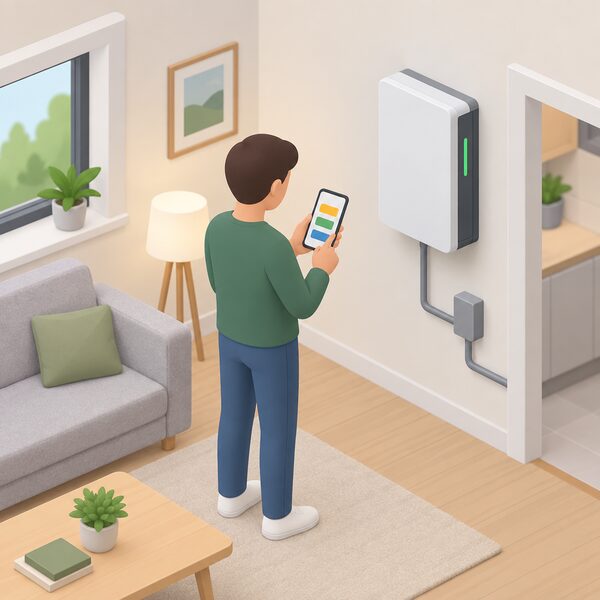
Control runs through the Tesla app, which provides real-time tracking of energy generated, stored and used, with insights and adjustable settings, and lets the household manage the system from anywhere20. The app carries a 4.4 star Apple App Store rating4. Software features include API integration, Net Zero tracking, Storm Watch and the Virtual Power Plant6.
That is the dependence the product creates: scheduling, monitoring and remote diagnostics all run through a home broadband connection, Tesla's servers and a manufacturer's app. The warranty terms are compared across brands in home battery warranties, and app and local access in battery monitoring and apps.
Sources26 cited
- Powerwall 3 product page, Tesla Powerwall UK, 2026
- Powerwall 3 datasheet, Tesla, 2026
- How much does it cost to install a Tesla Powerwall, Tesla Powerwall UK, 2026
- The best solar batteries explained, Good Energy, 2026
- Tesla Powerwall 2 vs 3, Spirit Energy, 2024
- Tesla Powerwall 3 technical breakdown, Spirit Energy, 2025
- Charge your Tesla with solar energy using Tesla Powerwall 3, Tesla Powerwall UK, 2026
- Solar panel backup, Spirit Energy, 2026
- Hampshire Tesla Powerwall 3, Spirit Energy, 2026
- Solar battery, SO Energy, 2026
- Powerwall, Tesla, 2026
- Residential solar energy storage overview, Spirit Energy, 2026
- Best solar batteries, SolaX Power, 2026
- All-in-one vs Tesla Powerwall 3, Spirit Energy, 2026
- Solar panel battery storage, Which?, 2026
- Tesla Powerwall 3, Good Energy, 2025
- Green solar, Good Energy, 2026
- How to claim the Tesla Powerwall rebate, Good Energy, 2026
- Why home battery storage will be key in the UK in 2026, Spirit Energy, 2025
- All-in-one vs Powerwall 2, Spirit Energy, 2026
- Home battery brands for off-peak EV charging, SolaX Power, 2026
- What's the best battery in 2026, Spirit Energy, 2026
- Solar panel myths busted, Good Energy, 2026
- Powerwall 3 owner manual, Tesla, 2026
- Energy savings from solar panels in Kent, Good Energy, 2025
- Tesla Powerwall 3 warranty, Infinity Energy, 2025
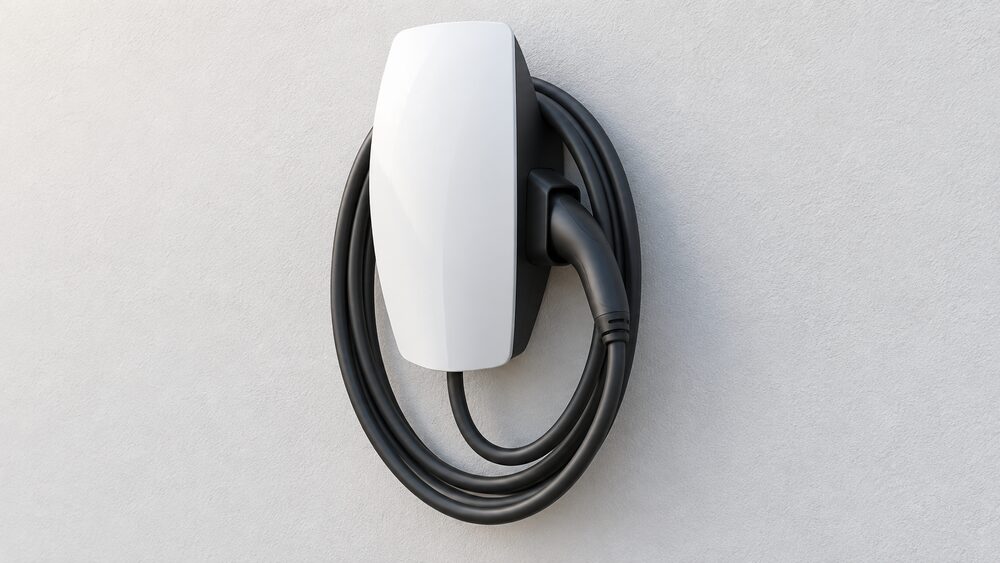 Tesla Gen 3 Wall ConnectorHow fast will a Tesla Gen 3 Wall Connector charge your car at home, and will it work with a non-Tesla electric car?
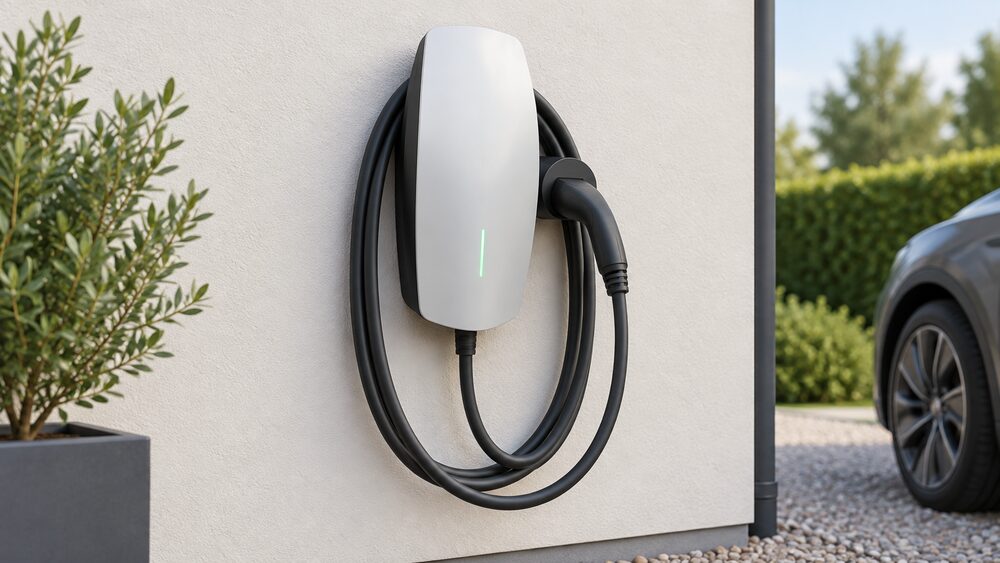 Tesla Wall Connector for home chargingCan you use a Tesla Wall Connector if your car is not a Tesla?
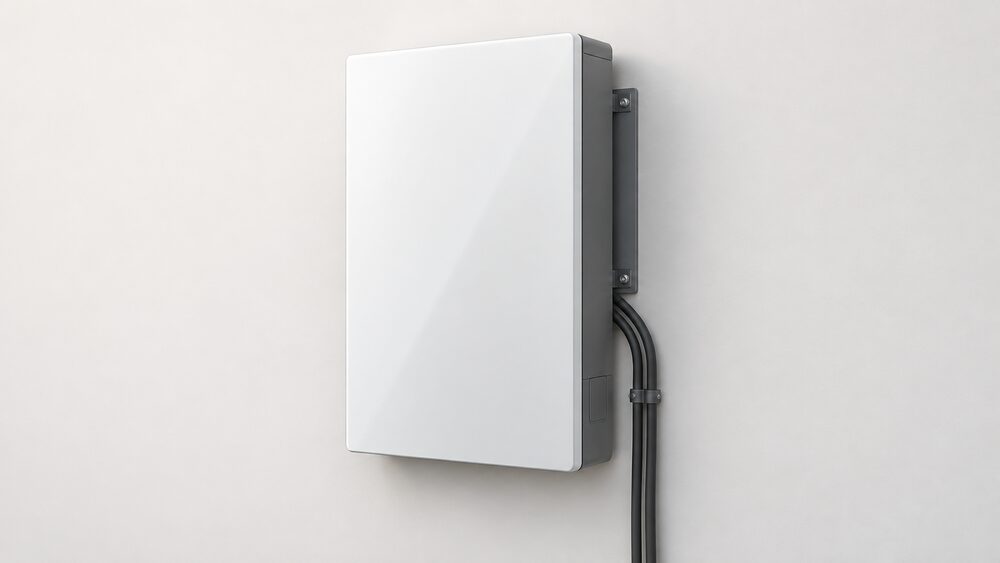 Tesla Home BatteriesHow much does a Tesla Powerwall cost to buy and install in the UK, and what does the warranty actually cover?
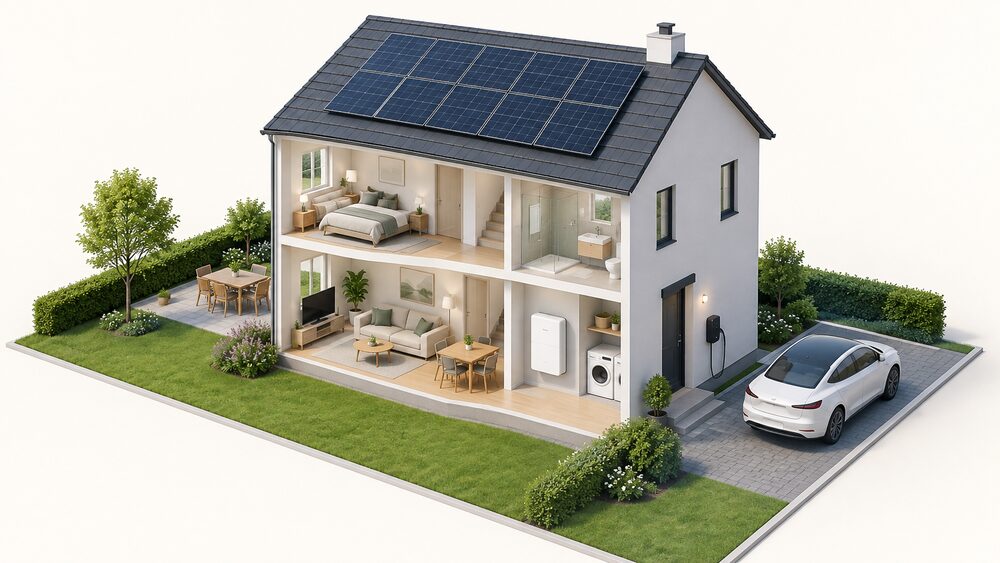 Tesla home energy productsA Tesla Powerwall stores cheap or solar electricity for use when you need it, and the Wall Connector charges your car at home.
 The Tesla Energy PlanCan you still get the Tesla Energy Plan with a Powerwall, and what does it pay for power you send back?