
In this guide
The Wallbox Quasar 2 is a DC bidirectional charger that supports CCS2 with vehicle-to-home and vehicle-to-grid modes, solar charging integration and home energy management1. It is the product at the centre of the vehicle-to-home conversation in the UK, and it is also the most expensive domestic charging product on the market: the maker gives a figure of approximately £6,100 before installation, which it describes as more than five times the price of a standard home charger2.
Two things temper that headline. The first is availability. Wallbox describes the Quasar 2 as the most powerful DC bidirectional charger available in the UK2, while its own home energy management page lists the product as coming soon3. The second is compatibility. Vehicle-to-home in Europe is generally implemented through DC bidirectional charging using a compatible bidirectional charger rather than as a universal feature, and existing bidirectional DC solutions are limited to isolated, proprietary implementations, with no standardised bidirectional DC wallbox currently available on the European market4.
For a household, the Quasar 2 is therefore a specific piece of equipment for a specific combination of car and charger, not a general upgrade. It changes what a home can do with the energy already sitting in the car, and it leaves the household dependent on the grid, a supplier, a compatible vehicle and a manufacturer's app.
What the Quasar 2 is: a DC bidirectional charger
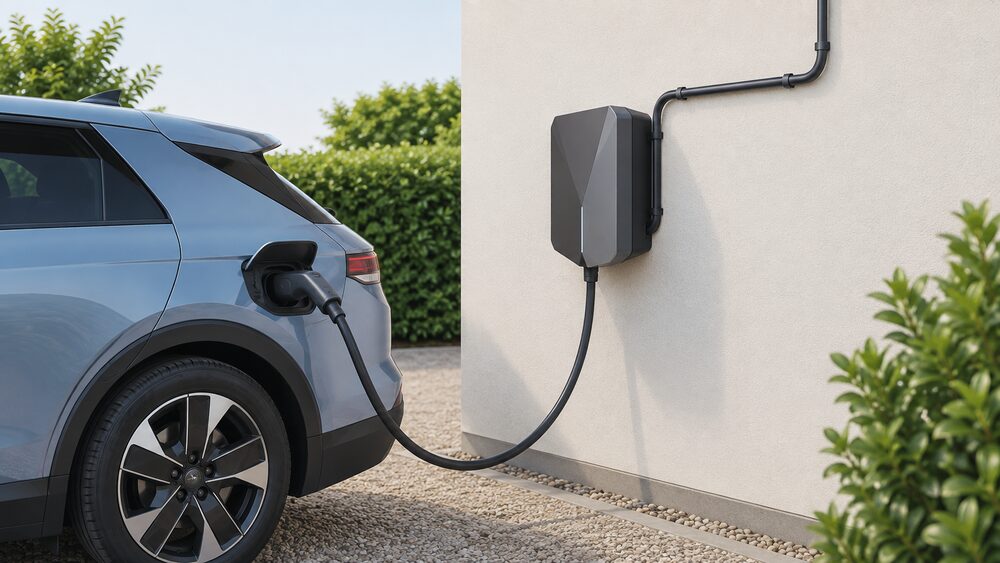
The Quasar 2 is a bidirectional charger that can charge and pull energy from an electric vehicle1. That single sentence is the whole proposition. A conventional home charger is a one-way device: it takes alternating current from the house, and the car's onboard charger converts it to direct current for the battery. The Quasar 2 works on the direct current side, which is why it needs a CCS2 connection rather than the Type 2 connector used by home and slower chargers6.
The distinction matters because it explains both the price and the compatibility limits. DC bidirectional charging requires the charger to manage the battery directly, which means the charger and the vehicle have to be designed to work together. Wallbox lists the Quasar 2 among DC V2H products that support vehicle-to-home charging with compatible vehicles and systems, and notes that compatibility is restricted to specific combinations, with some products having limited commercial availability4.
The earlier Quasar 1 is described in independent guidance as a smart V2G charger that enables bidirectional energy flow, allowing the vehicle to both charge and discharge to the grid7. Most V2G systems use CHAdeMO connectors, with some models able to use CCS7. The Quasar 2 sits in the CCS camp, which is the connector used on most current European EVs: the Kia EV6, for example, uses the CCS charging standard, consisting of a combined AC and DC inlet port8.
Specifications and capability: CCS2, solar charging and home energy management
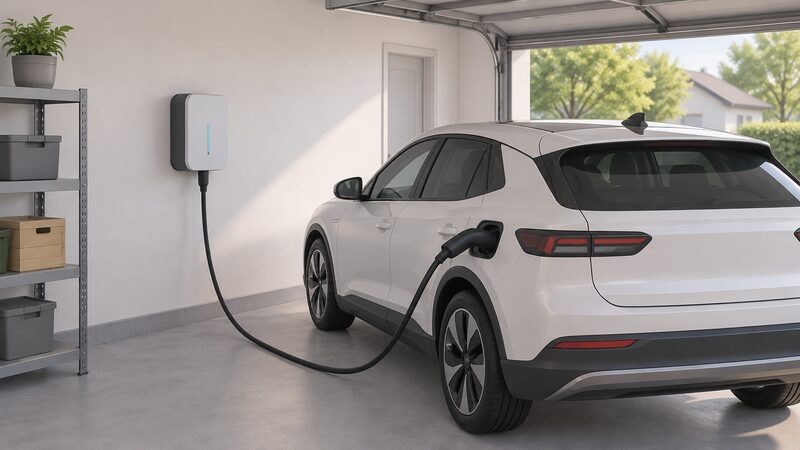
The Quasar 2 is described as supporting CCS2 with V2H and V2G modes, solar charging integration and home energy management2. Its listed features are Vehicle-to-Home, Vehicle-to-Grid and Peak Support3.
Solar charging is not a property of the charger alone. Wallbox energy management offers two modes, Full-Green Mode and Eco Mode, switchable at any time3. The equipment that enables solar EV charging is the Wallbox power meter9. Wallbox states that all that is needed is a power meter, the Wallbox app and a Wallbox charger11. The power meter also supports charging multiple vehicles in a home without compromise9.
| Feature | Detail |
|---|---|
| Coupling | DC bidirectional2 |
| Connector | CCS22 |
| Modes | V2H, V2G, Peak Support3 |
| Solar modes | Full-Green Mode and Eco Mode, switchable at any time3 |
| Solar enabling equipment | Wallbox power meter9 |
| Energy management chain | Power meter, Wallbox app, Wallbox charger11 |
| Backup claim | Power for up to three days5 |
The wider Wallbox range shows where the Quasar 2 sits. Wallbox chargers can deliver between 40km and 120km of range in one hour5. A wallbox charger is typically 7.4kW, or 22kW if the property has a three-phase supply12. Smart features across the range include app control, scheduled charging for off-peak rates and solar panel compatibility on some charger models12.
Price: around £6,100 before installation
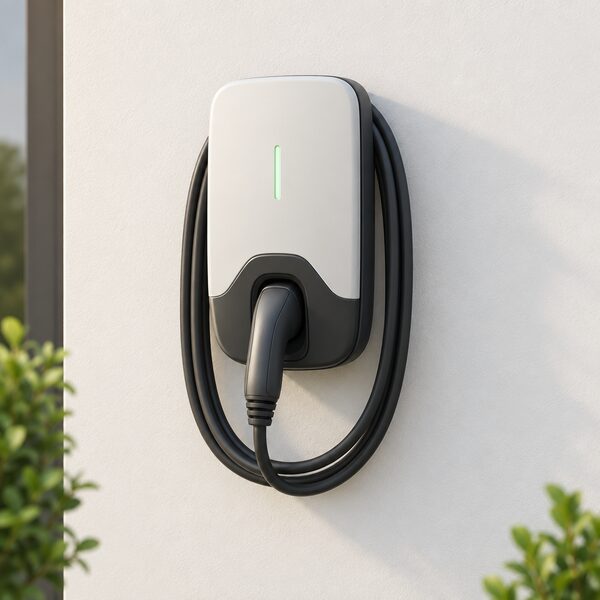
The maker's figure is approximately £6,100 before installation, described as more than five times the price of a standard home charger2. That is a unit price. No fitted price is published, and installation is quoted separately.
The comparison figures put that in context. Most EV owners opt for a dedicated wallbox, costing around £800 to install, with potential grants available6. A home wallbox usually charges at around 7kW13. One distributor lists a Wallbox Pulsar Max at £636 plus installation13, and a Black Wallbox Pulsar Max at £1,020 as an offer price with standard installation included14. Installation typically adds up to £500 to £1,000 per charger15.
For households weighing the Quasar 2 against home battery storage, the Energy Saving Trust gives battery costs of £1,500 to £10,000, with a 5kWh battery system around £4,60016. That is a different product doing a different job, but it is the nearest domestic comparison for storing and shifting energy.
What Vehicle-to-Home means for household energy independence
Vehicle-to-home uses the energy stored in the car to supply the house. Wallbox states that the Quasar 2 can power a home with the energy stored in the vehicle, and claims power for up to three days5. The same three-day figure appears on the maker's home charging page5.
The mechanism is defined more broadly by others. Vehicle-to-grid technology allows an EV charger to not only charge a vehicle but also take energy from the vehicle17. The Climate Change Committee describes V2X as allowing electric vehicles to operate bidirectionally, charging from the electricity grid but also discharging to the grid, building or home as needed18.
What this does for independence is real but bounded. A household with a Quasar 2 and a compatible car can draw on a large battery that is already parked outside, which reduces the amount of grid electricity bought at peak times and provides some resilience during an outage. What it does not do is remove dependence. The car still charges from the grid or from solar, the household still has a supplier, and the discharge capability depends on the charger, the car and the maker's software all continuing to work together. The three-day figure is a maker's claim about duration, not a guarantee of supply, and it will vary with household consumption and battery state.
"V2X allows for electric vehicles to operate bidirectionally, charging from the electricity grid but also discharging to the grid, building or home as needed"
Installation requirements: professional fitting and placement
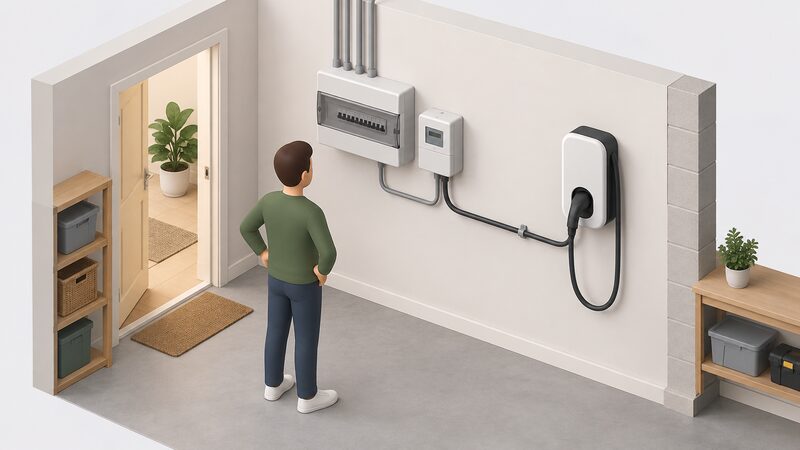
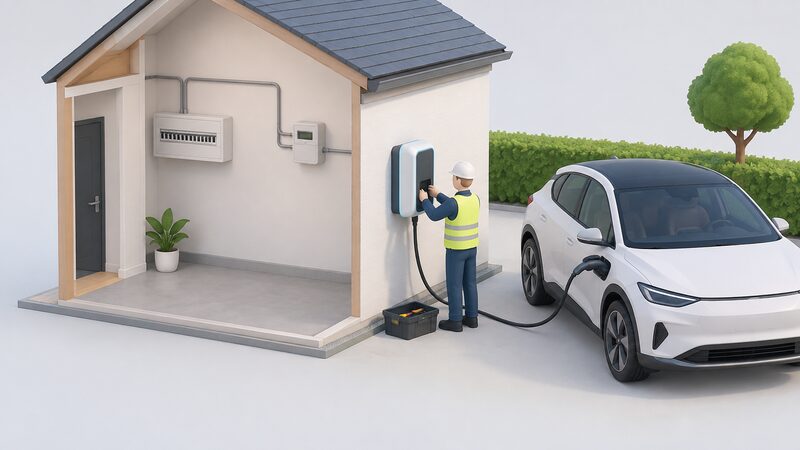
Wallbox states that smart chargers require professional installation and that its installer partners are ready to help19. A wall-mounted charger is installed by a professional and connected to the home's electricity supply12. This is not a plug-in appliance.
The installation itself involves the electrical supply, the cable route and the position of the unit relative to where the car parks. Network operators ask for installation details as part of the connection notification process20. Placement is a matter for the installer's assessment rather than a fixed rule, and the practical constraints are the distance to the consumer unit, the route for the cable and whether the car can reach the connector.
UK availability and how to buy

Wallbox sells chargers and installation in the UK through contact and installer partners19. The Quasar 2 holds a Good Design Award 202419, and its energy management system won a 2025 Green GOOD DESIGN Award3.
The availability picture is not clean. The maker describes the Quasar 2 as the most powerful DC bidirectional charger available in the UK2, while its home energy management page lists the product as coming soon3. Those two positions disagree, and the documents do not resolve it. A household would need to confirm current availability directly rather than rely on either statement.
For context on the wider Wallbox range in the UK, the Pulsar Plus is listed among the top smart chargers in the UK in independent guidance15. Scottish Power has run a £50 discount on a Wallbox EV charger, available until 11.59pm on 3rd December21.
The company behind it: Wallbox's scale and track record
Wallbox reports more than 1.5 million chargers sold and 2.6 million tons of CO2 avoided19. It was named in Fast Company's Most Innovative Companies 202319. Its product range covers chargers, energy management, the Wallbox app, services and accessories11.
The company's published figures are its own, and they describe scale rather than the reliability of any individual product. The relevant point for a Quasar 2 buyer is that the product depends on the manufacturer's software, app and power meter continuing to be supported. A bidirectional charger is not a passive device: its value comes from firmware and energy management that the maker controls.
Wallbox also makes accessories for its range, including RFID cards compatible with the Pulsar Pro, Commander 2, Copper SB, Quasar 2 and eM410, and charging cables described as compatible with all EVs14. These are supporting products rather than indicators of the Quasar 2's own performance.
How the Quasar 2 compares with standard AC home chargers
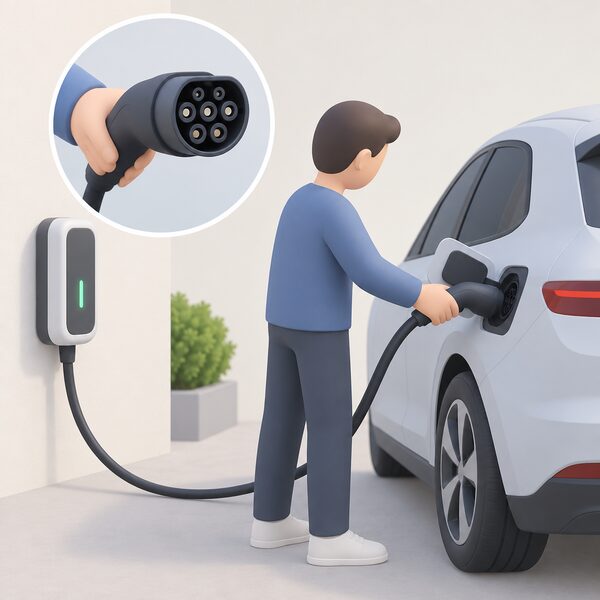
The comparison is not close on any axis except the connector's physical shape. A standard home wallbox usually charges at around 7kW13, and home and slower chargers use Type 2 connectors, while rapid chargers almost always use CCS plugs6. A wallbox charger is typically 7.4kW, or 22kW if the property has a three-phase supply12. Chargers delivering up to 22kW at home require a three-phase electricity supply6.
The Quasar 2 is a DC unit supporting CCS22. It costs approximately £6,100 before installation against around £800 to install for a typical wallbox2. It adds discharge capability that a standard charger does not have, and it carries compatibility restrictions that a standard charger does not have.
| Standard AC wallbox | Wallbox Quasar 2 | |
|---|---|---|
| Current | AC6 | DC2 |
| Connector | Type 26 | CCS22 |
| Typical power | around 7kW, up to 22kW with three-phase6 | Not stated |
| Direction | One way | Bidirectional, V2H and V2G2 |
| Price | around £800 to install6 | approximately £6,100 before installation2 |
| Compatibility | Broad | Restricted to specific combinations4 |
The wider picture is that no standardised bidirectional DC wallbox is currently available on the European market, and existing solutions are isolated, proprietary implementations4. AC V2H products are described as V2H-ready, usable only when local regulatory frameworks are complete and cars supporting bidirectional AC charging exist4. The Quasar 2 is therefore an early product in a category that has not yet settled.
Sources21 cited
- EV charging explained, Wallbox, 2026
- Bidirectional charging guide, Electroverse, 2023
- Home energy management, Wallbox, 2026
- Vehicle-to-home, go-e, 2026
- Home EV charging, Wallbox, 2026
- Electric car charging guide, Carwow, 2025
- Vehicle-to-grid charging, Uswitch, 2025
- Kia EV6 charging, Zapmap, 2026
- Vehicle accessories, Wallbox, 2026
- Vehicle accessories, Wallbox, 2026
- Home energy management, Wallbox, 2026
- How do you charge an electric car, So Energy, 2025
- Home electric vehicle chargers, Carwow, 2026
- Vehicle accessories, Wallbox, 2026
- Best EV tariffs for multi-car families, Uswitch, 2025
- Battery storage, Energy Saving Trust, 2026
- Vehicle-to-grid best practice guide, Energy Saving Trust, 2026
- Well-adapted energy system, Climate Change Committee, 2026
- Wallbox UK, Wallbox, 2026
- Connect Direct, Energy Networks Association, 2026
- EV bundle, ScottishPower, 2026
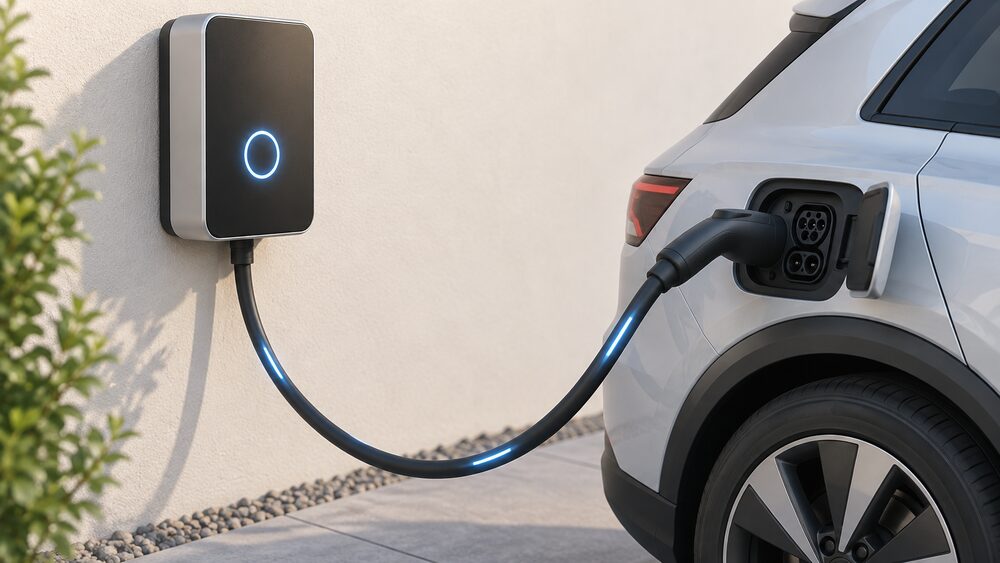 Wallbox Quasar Bidirectional ChargerThe Wallbox Quasar is the best-known domestic bidirectional charger by name, but UK availability is limited and the technology is still being trialled.
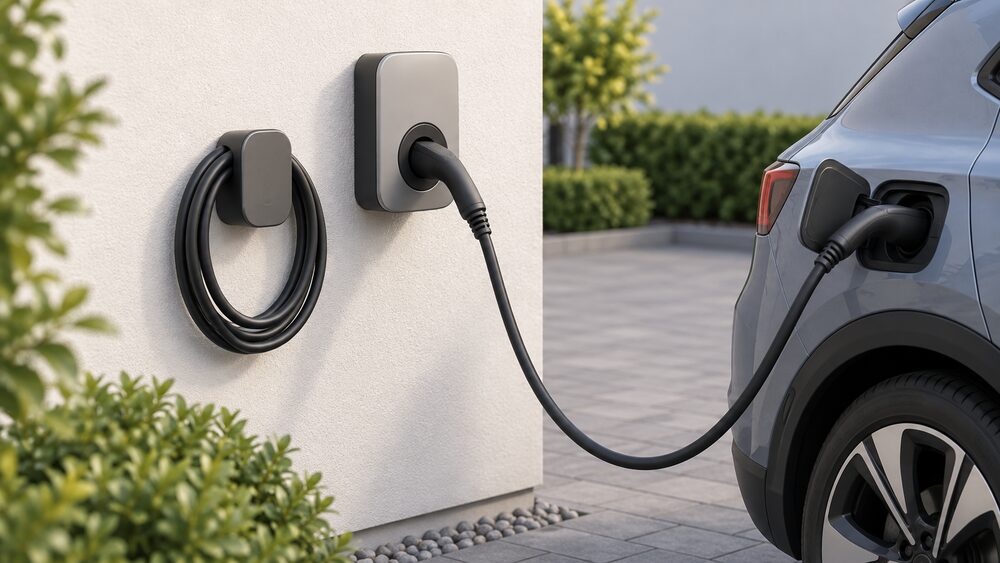 Wallbox home EV chargersWhich Wallbox charger suits your car and your home supply?