

In this guide
A rented home in England must have a smoke alarm on every storey and a carbon monoxide alarm in any room used as living accommodation that contains a fixed combustion appliance, gas cookers excepted1. Scotland goes further: since 1 February 2022 the fire, smoke and carbon monoxide alarm standards that once applied only to private rented housing apply to every tenure, owner-occupied as well as rented3. Wales requires a smoke alarm in working order on every storey and a carbon monoxide alarm in any room with a gas, oil or solid fuel burning appliance4. Northern Ireland's private tenancy rules require a carbon monoxide alarm in any room or circulation space containing a fixed combustion appliance or a flue, and place a duty on the landlord to repair5.
The alarm itself is cheap. Official guidance puts carbon monoxide alarms from £15 in most hardware shops2, and Northern Ireland guidance quotes from as little as £206. What matters more than price is compliance: an alarm should meet British Standard EN 50291 and carry a British or European approval mark such as a Kitemark7. Local authorities in England can fine a landlord up to £5,000 for non-compliance with the 2022 regulations8.
For a household thinking about energy independence, alarms are the point where self-sufficiency and safety pull against each other. Every fuel-burning appliance a home keeps in order to be less dependent on the electricity grid, a gas boiler, an oil boiler, a wood stove, a solid fuel range, brings a combustion risk with it, and the more a home burns on site the more detection it needs. Detection is also one of the few safety duties in rented housing that a tenant can verify in a few minutes without any specialist knowledge.
What the law requires of landlords in England
From 1 October 2022 the law in England changed so that all relevant landlords must provide a carbon monoxide alarm in any room used as living accommodation which contains a fixed combustion appliance, excluding gas cookers2. The instrument behind this is the Smoke and Carbon Monoxide Alarm (Amendment) Regulations 2022, which extended the carbon monoxide requirement to all rented accommodation and new build properties with a fixed combustion appliance10. The same regulations require an alarm when a fixed combustion appliance, gas cookers again excepted, is first installed in any home, which brings owner-occupiers into scope at the point of installation10.
Two features of the English regime matter in practice. The first is the repair duty: both private and social sector landlords have a duty to repair or replace alarms once informed that they are faulty10. The trigger is being told, so a tenant who finds a dead alarm and says nothing leaves the landlord's duty dormant. The second is enforcement, which sits with local authorities and can reach a fine of up to £5,000 per landlord8.
The gas cooker exclusion is the most misunderstood part. Alarms are compulsory in all rented property with appliances powered by carbon based fuels except gas cookers11. A gas hob or a gas oven, on its own, does not trigger the requirement in England, even though incomplete combustion from an oven or grill has been raised as a risk11. A gas boiler, a gas fire, an oil boiler or a wood burner in a living room does trigger it.
England is not settled. A consultation on domestic smoke and carbon monoxide alarms proposes extending the 2015 regulations and the Approved Document J provisions, including making carbon monoxide alarms mandatory in rental properties with heating of any fuel type, and extending the regulations to require smoke and carbon monoxide alarms in social housing12. Heating of any fuel type would remove the fuel-based distinction that currently leaves some electrically heated rentals outside the CO requirement.
More on the wider duties sits in landlord duties on energy, heating and home safety and in renting and home energy.
Smoke alarms: one on every storey
The smoke alarm rule is the simplest in the whole field and the one most often met by a single alarm too few. Welsh regulations require a smoke alarm, in proper working order, to be present on every storey of a dwelling4. English guidance for landlords and letting agents says to fit smoke alarms on every floor1. Independent guidance on landlords' duties states the same: a smoke alarm on every storey13. Electrical safety guidance puts the domestic baseline as at least one smoke or heat alarm per floor14.
Storey, not room, is the unit. A three-storey terrace needs three, a bungalow one, and a loft conversion that creates a habitable storey creates a new obligation with it. A heat alarm is the usual substitute in a kitchen, where cooking would set off a smoke alarm too readily, and the per-floor count treats it as equivalent14.
Northern Ireland's private tenancy legislation frames the duty in terms of condition rather than count: each smoke, heat or carbon monoxide alarm must be in proper working order at the beginning of every new tenancy5. That is a useful test to apply anywhere. An alarm present but silent when tested satisfies nobody's rules, and in England the repair duty only bites once the landlord has been told10.

Scotland: every home, not just rented ones
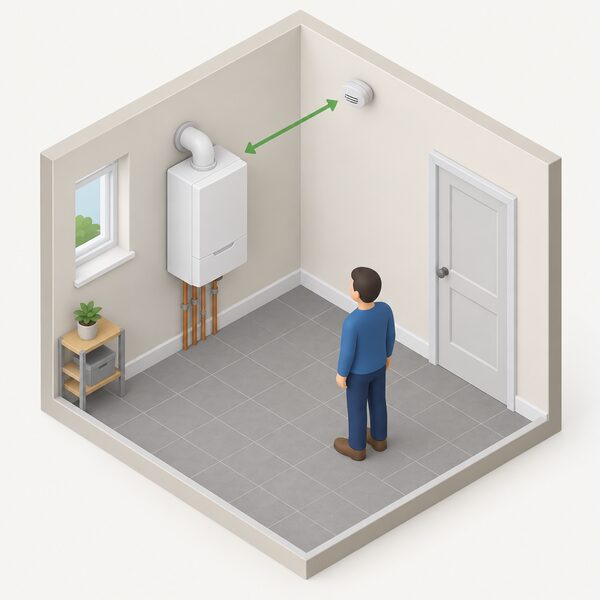
Scotland removed the tenure distinction. The standards for provision of fire and smoke alarms, and for carbon monoxide alarms, in private rented housing were extended to all tenures15. From 1 February 2022 this element of what had been the repairing standard was incorporated into the tolerable standard and applies to all houses in Scotland regardless of tenure3. A house meets the tolerable standard only if it complies with the relevant requirements for satisfactory carbon monoxide alarms16.
The legal chain runs through the Housing (Scotland) Act 1987 (Tolerable Standard) (Extension of Criteria) Order 2019, which introduced new requirements for fire and carbon monoxide detection and warning equipment17. The statutory wording requires that a house "has satisfactory equipment installed for detecting, and for giving warning of, carbon monoxide present in a concentration that is hazardous to health"18.
Before that, Scottish private landlords had to ensure a detection system was installed in all dwellings they rent where there is a fixed combustion appliance, excluding an appliance used solely for cooking, or a fixed combustion appliance in an inter-connected space such as an integral garage3. The integral garage point is distinctive and worth noting: a boiler or heater in a garage that connects to the house pulls the house into scope. The standalone private rented guidance, which took effect on 1 December 2015 under sections 13(1)(g) and 13(6) of the Housing (Scotland) Act 2006, ceased to have effect on 1 February 2022, with landlords directed instead to the tolerable standard guidance on satisfactory carbon monoxide detection3.
Scottish alarms must meet the relevant British Standards, EN 50291-110. The requirement in Scotland covers all rooms with a fixed combustion appliance, excluding an appliance used solely for cooking, or a flue10. Flue coverage is broader than England's room-by-room approach: a flue passing through a bedroom brings that bedroom into scope.
Detection also sits inside Scotland's own rules rather than only in guidance. All homes in Scotland are legally required to have a carbon monoxide alarm if they have fuel-burning boilers, heaters or stoves, from February 2021, and the alarm should be in the same room as the appliance, kept at least one metre away from it19. That makes a detector essential for anyone with a fuel-burning fire, stove or boiler, whether the home is owned or rented. The Scottish position is set out further in the Repairing Standard for rented homes in Scotland and Warmer Homes Scotland.
Wales and Northern Ireland: the same idea, different wording
In Wales, the Fitness for Human Habitation Regulations under the Renting Homes (Wales) Act 2016 require a landlord to ensure a carbon monoxide alarm is present in any room which has a gas, oil or solid fuel burning appliance installed, and a smoke alarm in proper working order on every storey4. The Welsh formulation names the fuels rather than excluding cookers, so a room with a gas appliance is covered on its face. Welsh Government guidance is explicit that this requirement does not replace duties under existing legislation, including the Management of Houses in Multiple Occupation (Wales) Regulations 2006 and the Gas Safety (Installation and Use) Regulations 19984. Alarms sit alongside, not instead of, the annual gas safety check.
In Northern Ireland, the Private Tenancies Act requires carbon monoxide alarms to be installed in privately rented homes and places a duty on landlords to repair them10. The 2024 regulations specify a carbon monoxide alarm in any room or circulation space of the dwelling-house which contains a fixed combustion appliance or a flue, and require that alarms are installed and maintained in accordance with British Standard BS EN 502925. Circulation space, meaning hallways and landings, is named directly, which England's wording does not do.
Northern Ireland also has a separate building regulations route. Since 31 October 2012 it has been a requirement of the building regulations that where a combustion appliance is installed in a dwelling, reasonable provision is made to detect and give warning of carbon monoxide at levels harmful to people20. Fitting such a device in a dwelling does not itself require a building notice or deposit of plans.
| Nation | Smoke alarms | CO alarms in rented homes |
|---|---|---|
| England | Every floor1 | Any room used as living accommodation with a fixed combustion appliance, excluding gas cookers, from 1 October 20222 |
| Scotland | Standards extended to all tenures from 1 February 202215 | All rooms with a fixed combustion appliance (excluding cooking-only) or a flue, all tenures10 |
| Wales | Working order, every storey4 | Any room with a gas, oil or solid fuel burning appliance4 |
| Northern Ireland | In proper working order at the start of every new tenancy5 | Any room or circulation space with a fixed combustion appliance or flue5 |
What counts as a compliant alarm: EN 50291 and the Kitemark
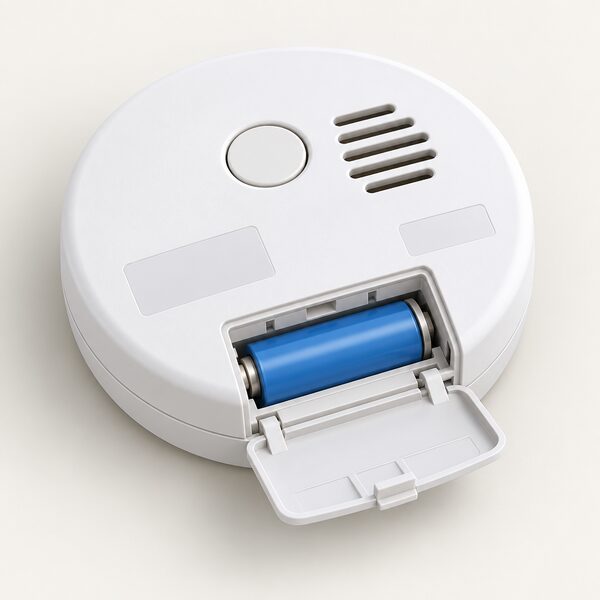
Before buying a CO alarm, official guidance is to "always ensure it complies with British Standard EN 50291 and carries a British or European approval mark, such as a Kitemark"7. HSE's printed guidance puts it the same way, telling households to ensure the alarm meets current safety standards (BS EN 50291) and carries the Kitemark22. Network and industry guidance repeats the two-part test: marked EN50291, and displaying the British Standards' Kitemark23.
The standard has been revised, and guidance across the UK cites different editions. Welsh building regulations guidance from 2010 cites BS EN 50291:200124, the archived Welsh Part J guidance cites BS EN 50291:200125, and the current Welsh Approved Document J cites BS EN 50291-1:201824. Scottish guidance refers to EN 50291-110. The editions are successive versions of the same standard, and an alarm sold as compliant will state its edition on the casing. Independent guidance notes that approval may also be shown by a CE mark plus a Kitemark or Loss Prevention Certification Board logo [17name].
Alarms should include an integral sounder, be powered by a battery designed to operate for the working life of the alarm, and incorporate a warning device to alert users when that working life is due to pass24. Northern Ireland's Technical Booklet L sets the same battery expectation21. Mains-powered BS EN 50291 Type A alarms with fixed wiring, not plug-in types, may be used where they are fitted with a sensor failure warning device24.
"Before purchasing a CO alarm, always ensure it complies with British Standard EN 50291 and carries a British or European approval mark, such as a Kitemark."
Combined units exist: three fully compliant combined smoke and CO alarms have been identified on the market, Kitemarked by BSI to both EN 50291 and EN 1460426. For a solid fuel appliance specifically, any new or replacement solid-fuel appliance requires a BS EN 50291 Kitemarked carbon monoxide alarm under Document J in England and Wales23.
Where to fit the alarm and how high
Siting is where building regulations guidance is most precise and where most household installations go wrong. Welsh Approved Document J places the alarm in every space, including connected spaces such as attached garages and loft spaces, containing a fixed combustion appliance, including a fixed flued combustion appliance used for cooking, and in high-risk accommodation, meaning a bedroom or principal habitable room, where a flue serving a combustion appliance passes through24.
Within the room, the 2010 Welsh guidance gives the geometry24:
- On the ceiling, at least 300mm from any wall; or
- If on a wall, as high up as possible, above any doors and windows, but not within 150mm of the ceiling; and
- Between 1m and 3m horizontally from the appliance.
Where the appliance sits in a room or space not normally used, such as a boiler room or cupboard, Northern Ireland's Technical Booklet L directs that the detector be located just outside that room or space21, which is the sensible answer for a cupboard nobody would hear an alarm from.
Independent guidance differs on height and should be read against the regulations. One energy industry body says that if fixing to a wall the alarm should be at head height, at breathing level, and that it should not be placed on a ceiling, and that it should sit at least 1 metre from fires, boilers, cookers or heaters18. Consumer guidance similarly suggests a central location such as a hallway, at head height, at least a metre from appliances27. Welsh Government guidance notes only that as a general guide carbon monoxide alarms are usually installed lower than smoke alarms4. The alarm manufacturer's own instructions are the deciding document, and the rules do vary across England, Scotland and Wales under building regulations28.
For appliances, the Met Office states a CO alarm should be fitted in any room containing a gas fuel burning appliance such as a boiler or gas fire, and any solid fuel burning appliance29. Where a new or replacement fixed solid fuel appliance is installed in a dwelling, an alarm should be provided in the room where the appliance is located25. All log burner and multifuel stove installations must have a working CO alarm appropriately placed in the room28, and consumer guidance states it is a legal requirement to have a carbon monoxide alarm in any room with a wood-burning stove30.
Testing, batteries and replacement
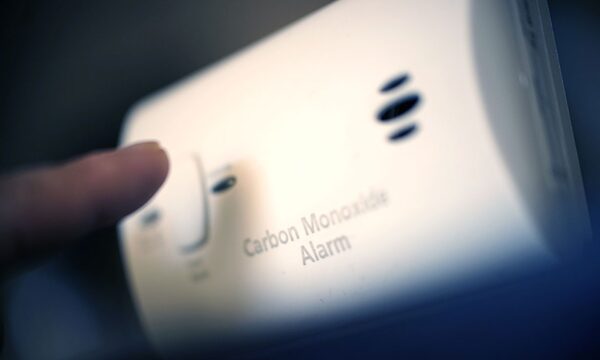
Government guidance to tenants is direct: "Test your smoke alarms and carbon monoxide detectors regularly, at least once a month"1. Independent guidance suggests testing at least once a month on a day likely to be remembered31. Industry guidance says to test alarms regularly as per the instructions32, and consumer guidance sets the rule as testing regularly and replacing batteries at least once a year, or when the low battery alarm sounds27.
Sealed alarms work differently. Building regulations guidance expects an alarm powered by a battery designed to operate for the working life of the alarm24, so there is no annual battery to change; instead the whole unit is replaced at end of life. That is why the end-of-life warning device matters24.
Replacement intervals are shorter than for smoke alarms. Welsh Government guidance states that carbon monoxide sensors are usually more fragile than those in smoke alarms and usually need replacing more regularly, and that the guidance accompanying the alarms should always be followed carefully, including noting the expiry date4. Gas network guidance puts the same point as a habit: fit an alarm, test it regularly and check its expiry date [37 slot].
In practice the division of labour in a rented home is: the landlord provides the alarm, ensures it is in working order at the start of the tenancy, and repairs or replaces it once told it is faulty5; the tenant tests it monthly and reports failures1. Neither half works without the other. A tenant who reports nothing leaves a landlord's repair duty untriggered; a landlord who fits an alarm and never returns leaves a unit that will silently expire.
If the alarm sounds
Official guidance is to stop using all appliances and evacuate the property immediately32. Northern Ireland guidance frames the same response as turning appliances off, opening windows and getting out of the house to breathe fresh air6. An audible alarm is the recommended type23, and household advice is that a battery powered alarm can be taken to holiday accommodation, boats and campsites, where no landlord duty applies at all23. Holiday properties with stoves should have smoke and carbon monoxide alarms in place and functioning, with the alarm instructions checked for the testing and maintenance routine28. Symptoms and what they look like are covered in signs of carbon monoxide poisoning in the home.
Cost and who pays
Alarms are among the cheapest safety devices in a home. Official guidance states CO alarms cost from £15 and can be purchased in most hardware shops2. Independent guidance repeats £15 at DIY stores and supermarkets9, and portable carbon monoxide alarms are available from around £15 from DIY shops and supermarkets18. Northern Ireland guidance quotes an audible alarm meeting British or European standards from as little as £206.
Consumer testing gives a wider spread. Carbon monoxide detectors were found to cost from less than £10 to over £25, with safe, reliable versions found for around £2011. Gas safety campaigners put domestic alarms at about £20 from most DIY stores, some supermarkets or professional merchants26. The lower end of the range is where compliance matters most: a unit under £10 that does not carry EN 50291 and an approval mark is not an alarm a landlord's duty can be discharged with.
| Source type | Price quoted | Where sold |
|---|---|---|
| Official (HSE) | From £152 | Most hardware shops |
| Official (NI Direct) | From as little as £206 | Meeting BS Kitemark or EN 50291 |
| Independent (NEA) | Around £159 | DIY stores and supermarkets |
| Independent (Energy UK) | From around £1518 | DIY shops, supermarkets, energy suppliers |
| Consumer testing, 2022 | Under £10 to over £25, reliable around £2011 | Retail |
Alarms may also come free. They are available directly from energy suppliers, and tenants may get alarms from a landlord or local council18. In Scotland they are a mandatory measure under Warmer Homes Scotland19.
What alarms do and do not give a household
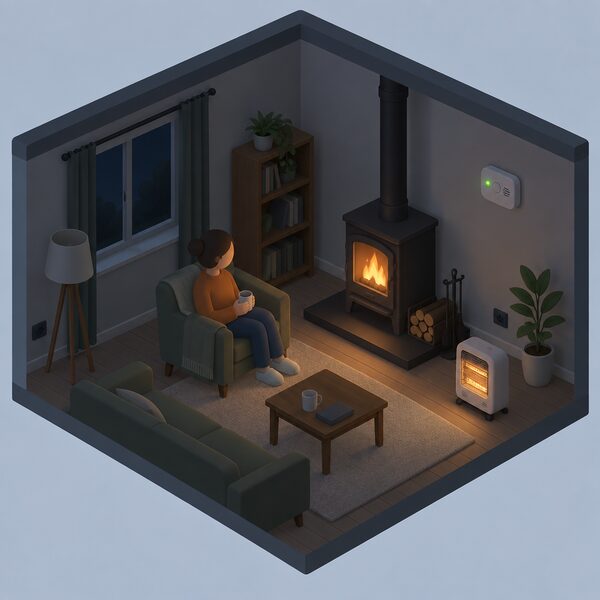
An alarm is detection, not protection. It does not stop carbon monoxide being produced, does not service an appliance, and does not sound at lower exposures32. The dependence a household carries when it burns fuel on site, whether on mains gas, bottled or bulk LPG, heating oil or wood, is not removed by fitting a detector; it is made survivable. The other half of the answer is the annual gas safety check and competent installation, which remain the landlord's duty in rented housing and which alarm regulations explicitly do not displace4.
The alarms themselves impose little dependence of their own. A sealed-battery EN 50291 unit needs no mains supply, no app, no subscription and no manufacturer still trading, which is more than can be said of most equipment in a modern home. That is why alarms remain effective through a power cut, exactly when a household is most likely to be running a stove or a portable heater. Where alarms are interlinked or mains-wired, they depend on the supply and on the backup arrangement in the product; Scotland's tolerable standard requirements for fire detection contemplate interlinked systems, while a CO detector under area-based scheme rules does not need to be linked to the fire alarms.
For tenants, the practical position is narrow but real: the fitting of alarms is one of the very few things in a rented home that a tenant is not permitted to be left waiting for, since the standard must be met at the start of the tenancy in Northern Ireland5 and the repair duty in England begins the moment the landlord is told10. Recording the date an alarm was reported faulty, and keeping the reply, is what turns a duty into enforcement, which local authorities in England can back with a fine of up to £5,0008. Related duties are set out in electrical safety checks in rented homes and, for shared housing, in energy and safety in HMOs and shared houses, with the wider picture at homes and households.
Sources32 cited
- Landlord and tenant rights and responsibilities in the private rented sector, GOV.UK, 2019-04-09
- Gas safety: domestic FAQs, Health and Safety Executive, 2026
- Carbon monoxide alarms in private rented properties: guidance, Scottish Government, 2022-02-01
- Fitness for homes for human habitation: guidance for landlords, Welsh Government, 2022-01-13
- The Private Tenancies (Smoke, Heat and Carbon Monoxide Alarms) Regulations (Northern Ireland) 2024, legislation.gov.uk, 2024-05-30
- Gas safety and carbon monoxide, nidirect, 2025-11-24
- Gas safety FAQs for owner occupiers, Health and Safety Executive, 2026
- Carbon monoxide safety: the silent risk in every home, Institute of Acoustics and Air Quality, 2026-09-20
- Your home energy checklist, National Energy Action, 2026-09-10
- Carbon monoxide alarm regulations: are you ready?, CO-Gas Safety, 2022-07-11
- Which? warns about potential gas oven and grill risks, CO-Gas Safety, 2022-10-01
- Domestic smoke and carbon monoxide alarms consultation, CIBSE, 2026-09-17
- Rented accommodation, CO-Gas Safety, 2015-07-15
- Ratings of electrical appliances, Electrical Safety First, 2026-09-19
- Regulations to modify the Repairing Standard: summary, Scottish Government, 2022-02-01
- Tolerable standard: guidance on satisfactory fire and carbon monoxide detection, Scottish Government, 2023-06-20
- The Housing (Scotland) Act 1987 (Tolerable Standard) (Extension of Criteria) Order 2019, legislation.gov.uk, 2019-01-16
- Energy UK: carbon monoxide, Energy UK, 2024-11-21
- Warmer Homes Scotland annual review 2017-2018, Scottish Government, 2017
- The Building Regulations (Northern Ireland) 2012, Building Control NI, 2012-05-15
- Technical Booklet L: 2012, Building Control NI, 2012
- Gas appliances: get them checked, keep them safe (INDG238), Health and Safety Executive, 2011-09
- Gas safety advice, Wales and West Utilities, 2026-09-20
- Approved Document J: combustion appliances and fuel storage systems, 2010 edition, Welsh Government, 2010
- Building regulations guidance Part J: heat producing appliances, Welsh Government, 2026-09-17
- CO alarms, CO-Gas Safety, 2018-09-08
- Carbon monoxide safety, Uswitch, 2022-09-25
- 6 log burner rules, HETAS, 2026
- Keeping your home warm in winter, Met Office, 2026-09-20
- Wood burning stoves: fines and regulations, Which?, 2026-04-14
- Consumer FAQs, HETAS, 2026-04-01
- Gas Safety Week 2025 day 2: carbon monoxide alarms, UK Health Security Agency, 2022-05-24
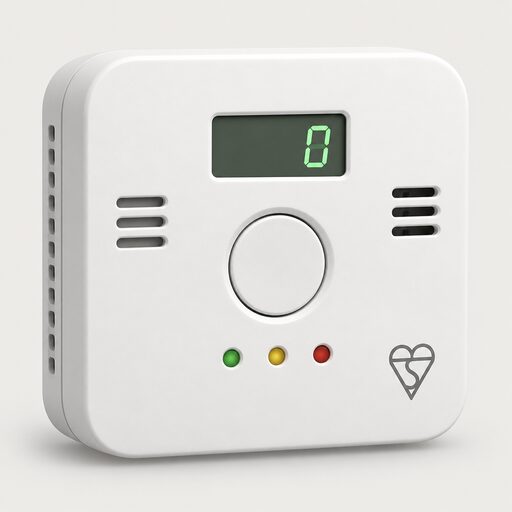 Test Smoke and Heat AlarmsHow often alarms should be tested, what the different beeps mean and when a unit has reached the end of its life.
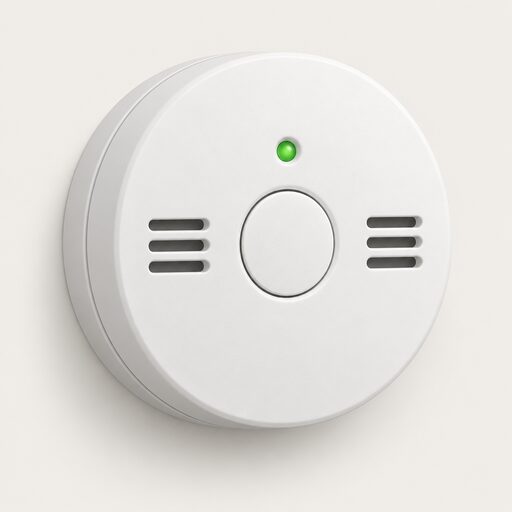 Carbon Monoxide SafetyHow carbon monoxide arises from gas, oil, LPG and solid fuel appliances, where alarms must be sited and what the requirements are in each UK nation.
 Landlord Electrical ChecksWho is responsible for checking the electrics are safe in your rented home, and how often should it happen?
 Social and Rented Home StandardsWhat condition is your landlord legally required to keep your home in?
 Heating Controls Building RulesWhat heating controls must you fit by law when you replace a boiler?
 Landlord Energy and SafetyWhat a landlord must provide and maintain across the four nations: working heating and hot water, an EPC before letting, alarms, gas and electrical safety, and fitness for habitation, with the points where Scottish, Welsh and Northern Irish duties differ from England.