
In this guide
A domestic battery is a managed fire risk, not a negligible one. The government's own review of domestic battery energy storage systems, published in October 2020, found that "there have been few recorded fires involving domestic lithium-ion battery storage systems", and in the same document stated that "the use of large batteries in the domestic environment represents a safety hazard"1. Both statements are true at once, and the fire-safety framework for home storage is built on the second.
That framework now has a dedicated standard. PAS 63100:2024, published by BSI on 20 March 2024, provides the specification for protecting electrical battery energy storage systems against fire when installed in dwellings, and covers battery and fault management, installation locations and physical requirements for battery units2. It is written for suitably competent designers and installers, not for householders, and it excludes systems whose nominal voltages exceed low voltage as defined in BS 76713.
The practical position for a household is that a home battery is a large lithium-ion device sitting inside or against a dwelling, and the fire service treats lithium-ion batteries as capable of causing a serious fire in the home4. What follows sets out the figures, what drives the risk, how the nations differ, what the rules require, and what all of this means for a household's energy independence.
What the figures show
The headline figure is the one the government review gives: few recorded fires involving domestic lithium-ion battery storage systems, as of October 20201. That is a statement about recorded incidents, not about absence of hazard, and the same review describes large domestic batteries as a safety hazard1. Which? summarised the same review in the same terms, noting that a government review of the safety of home energy storage systems in 2020 said that "there have been few recorded fires involving domestic lithium-ion battery storage systems"9.
The wider electrical fire picture is the context in which any domestic battery sits. Electrical Safety First states that every year, half of accidental domestic fires in the UK are caused by electricity, and that this figure is not changing8. In England, 53 per cent of accidental domestic fires are caused by electricity10. In 2019-20, six times more fires in England's homes were caused by electricity than by gas11. Over five fires a day in England are caused by white goods such as tumble dryers, washing machines and dishwashers8.
For scale of deployment, MCS certified domestic battery installation statistics are published as an MS Excel spreadsheet of 44 KB and an ODS file of 27.9 KB12. In the 2025-26 data, the 6 to 10.99 kWh capacity band records 14,457 installations and 141,650 kWh of total capacity13. The capacity bands in that dataset are chosen to cover distinct groupings: batteries approximately smaller than 6 kWh, approximately larger than 11 kWh, and a grouping in between, with costs and capacities rounded to the nearest 1013.
What drives the risk
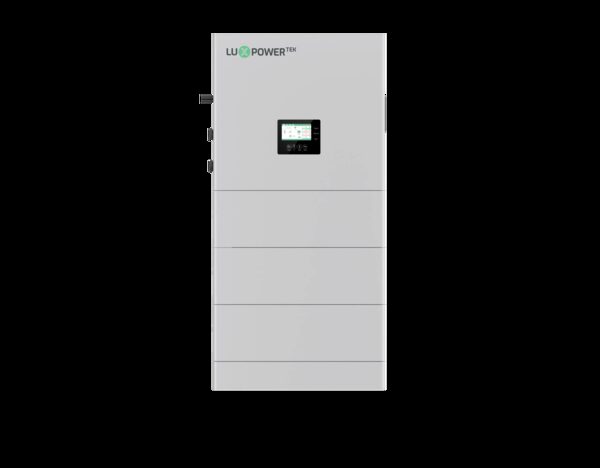
The mechanism is thermal runaway. Electrical Safety First's Battery Breakdown report identifies it as the primary risk in lithium-ion battery fires, and the report examines the cause of those fires and recommends how safety can be improved5. The UK's new product safety framework consultation, published in March 2026, states that non-compliant or incompatible battery components and the use of batteries outside of their safe design parameters can lead to thermal runaway, causing fires15.
The charging behaviours that trigger it are consistent across the guidance. Overcharging, over-discharging, or charging the battery too quickly are some of the main causes of fires from lithium-ion batteries in e-scooters16 and in e-bikes7. E-bike battery fires can also occur from poor design, incorrect charging, or from damage to the battery7. Fire service guidance is blunt about scale: each of these items has the potential to cause a serious fire in your home, and the larger the battery, the larger the danger4.
That last point matters most for domestic storage, because a home battery is among the largest lithium-ion batteries a household will ever own. The same guidance notes that some of the largest lithium batteries can be found in mobility vehicles4, and a domestic storage unit is larger still.
The human cost is documented. A fatal e-bike fire in which the battery of a self-converted e-bike caught fire whilst on charge overnight is recorded by Electrical Safety First17. The charity has called for the introduction of independent third-party certification for e-bikes, e-scooters and their batteries18, and wants online marketplaces to be made legally responsible for the safety of goods sold through their sites17. Its investigations have previously found unsafe e-bike chargers and batteries for sale via online marketplaces, exposing shoppers to serious risk of fire and shock17.
"Non-compliant or incompatible battery components and the use of batteries outside of their safe design parameters can lead to thermal runaway, causing fires"
How the nations differ
Fire safety is devolved, and the differences that matter to a household are in detection duties and in the data.
In England, 53 per cent of accidental domestic fires are caused by electricity10. English fire and rescue services are capturing more information on e-bike and e-scooter battery fire risks, giving a clearer picture of the scale of the risk14. Building regulations consultation material on electrical safety applies to England19. Electrical Safety First has pressed for mandatory five-yearly electrical checks in rented homes, noting that fires are caused by misuse of appliances, poor regulation of electrical safety checks, particularly in the private rented sector, and faulty appliances8. Its consultation work found that local authorities and housing associations already undertake regular electrical checks but consider a defined, legal requirement would provide clarity11.
In Scotland, the Scottish House Condition Survey 2024 key findings record that 76 per cent of below tolerable standard dwellings, around 532,000 dwellings, did not have satisfactory equipment for detecting and warning in the event of fire20. Electrical Safety First publishes a manifesto for safety in Scotland's homes21. Scottish Government consultation material from June 2019 states that planning permission is not required for domestic battery storage within a residential building22.
In Wales, Electrical Safety First is recognised by the Welsh Government and industry as the leading campaigning charity and technical authority on electrical safety in the home10.
In Northern Ireland, the legislation is explicit. The relevant regulations require smoke and heat alarms to be interlinked, and require them to be installed and maintained in accordance with British Standard BS 5839-623.
What the rules require
The core document is PAS 63100:2024. BSI describes it as providing the specification for protecting electrical battery energy storage systems against fire when installed in dwellings, and states that PAS 63100 helps ensure the fire safety of domestic battery energy storage systems2. It covers requirements such as battery and fault management, installation locations and more, and its use helps to increase the fire-safety of BESS installations2.
The standard's own record gives the detail. It was published on 20 March 2024 as a fast-track standard, is current, and carries ISBN 978 0 539 28917 6 under committee ZZ/3, published by BSI3. Its scope covers physical requirements for battery units and installation location in respect of safety and external influences that affect fire safety3. Its intended users are suitably competent designers and installers of BESS that form part of electrical installations, for dwellings and similar simple electrical installations3. It excludes battery systems with nominal voltages on the AC or DC side exceeding low voltage as defined in BS 76713. Its ICS code is given as 13.220.01, protection against fire in general3.
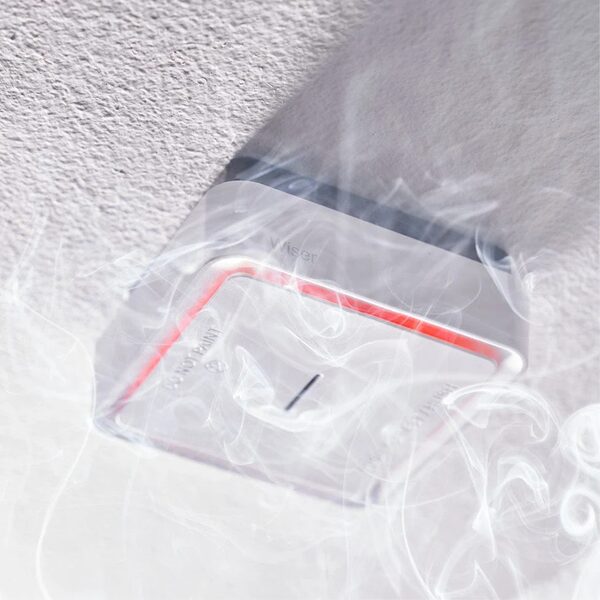
Detection in the room concerned follows general domestic fire safety practice rather than a battery-specific rule. Electrical Safety First advises at least one smoke or heat alarm per floor in the property, testing alarms at least once a month, and replacing them every ten years or when the replace-by date is reached6. In Northern Ireland those alarms must be interlinked and maintained to BS 5839-623.
For lithium batteries generally, fire service guidance sets out the charging conditions: charge the device in a room that has a working smoke alarm, which does not compromise an escape route, keeping the door closed whilst it is charging and away from any heat source4. In the event of a fire, do not try and tackle it yourself, leave and call 9994.
Product regulation is tightening. The UK's new product safety framework consultation addresses battery components and safe design parameters15. The Lithium-ion Battery Safety Bill [HL] sets out a first purpose of better protecting householders and communities from the dangers of lithium-ion batteries24, and requires disposal regulations to make sellers display a prominent warning about the dangers of improper disposal and attach information on cell chemistry and safe disposal as part of the sale24. The National Fire Chiefs Council and Electrical Safety First state that regulations are also needed to address the incorrect disposal of these batteries, which can then go on to cause serious fires for the waste industry14. Electrical Safety First's Battery Safety Campaign asks for standards for conversion kits and charging systems and for consideration of a temporary ban on the sale of universal chargers25.
Siting, separation and escape routes
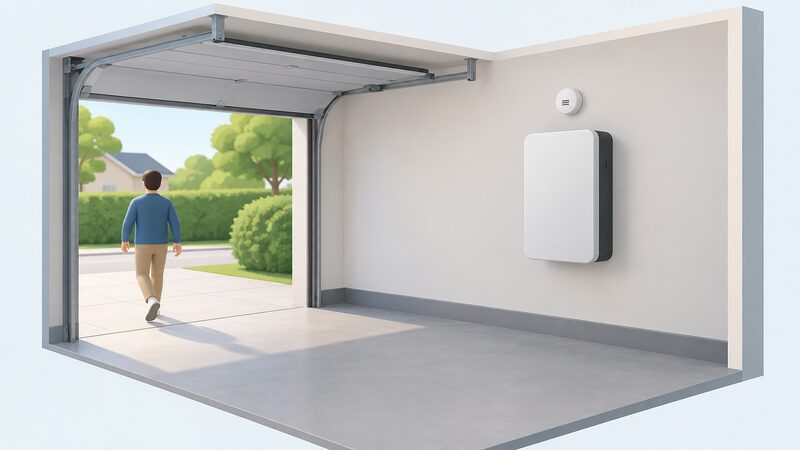
Siting is where the fire-safety framework meets the household's own layout. PAS 63100:2024 covers installation location in respect of safety and external influences that affect fire safety3, and installation locations are among the requirements it addresses2. The detail is written for competent designers and installers rather than for householders, which is why the location decision belongs in the design rather than in a post-installation adjustment.
The principles that fire services apply to lithium batteries in the home are the useful guide to what separation is for. Charging should happen in a room that has a working smoke alarm, one that does not compromise an escape route, with the door closed whilst charging and away from any heat source4. Applied to a fixed battery, that logic points to a location where detection covers the unit, where a fire would not immediately block the route out, and where the unit is not sitting against a heat source.
Detection in that location is the second half of the provision. At least one smoke or heat alarm per floor, tested monthly and replaced every ten years or when the replace-by date is reached, is the baseline Electrical Safety First sets6. In Northern Ireland, interlinking and BS 5839-6 compliance are legal requirements23.
The general electrical fire guidance is relevant because a battery is not the only load in the room. Electrical Safety First advises against powering high-draw appliances from extension leads, which can easily be overloaded and cause fires27, and against leaving appliances on overnight or unplugged when going out28. Heaters should sit on a level surface well away from anything or anyone that could knock them over, well away from combustible materials such as paper, furniture or curtains, and never be used to dry clothes27. None of this is battery-specific, but a plant room or garage that houses a battery often houses other equipment too.
What it means for energy independence
A home battery does real work for a household's independence, and it does not remove dependence. MCS defines grid electricity independence as the percentage of electricity consumed in the property over a year which is met by either behind-the-meter solar or electrical energy storage, and separately as the fraction of electricity consumed in the property which is met by self-consumed electricity29. Both definitions are fractions of consumption, not disconnection from the network.
What a battery changes is when grid electricity is drawn. Energy Saving Trust's case study of a household with solar and an 8.2 kW home battery describes daytime use of power from the home battery, topped up by the solar panels, and night-time charging of the battery and an electric vehicle on a cheaper off-peak electricity tariff30. That is load shifting and self-consumption, and it is the mechanism by which the independence percentage rises.
What remains is the grid connection, the supplier, and whatever the battery cannot cover. Which? notes that not all systems are suitable for power cuts, and advises asking the installer whether a battery will work in a power outage, and for how long9. A household that has not established that will find its independence ends at the moment the network does.
There is also a dependence on the manufacturer and the installer. The fire-safety framework assumes a competent designer and installer working to PAS 63100:20243, and the standard's intended users are exactly that group3. A household's protection therefore rests on the quality of the design, the detection in the room, and the maintenance of that detection over the life of the system.
Sources30 cited
- Domestic battery energy storage systems, GOV.UK, 2020-10-02
- PAS 63100: protection against fire of battery energy storage systems, BSI, 2026-09-17
- Electrical installations: protection against fire of battery energy storage systems for use in dwellings, BSI, 2024-03-20
- Lithium-ion batteries, North Wales Fire and Rescue Service, 2026
- Battery Breakdown, Electrical Safety First, 2026-09-17
- Energy and rating labels, Electrical Safety First, 2026-09-19
- E-bikes, Electrical Safety First, 2026-09-17
- 10 ways to avoid electrical fires in your home, Electrical Safety First, 2026-09-19
- Solar panel battery storage, Which?, 2026-05-14
- Wales, Electrical Safety First, 2026-09-17
- Improving safety for social renters, Electrical Safety First, 2019-20
- MCS certified domestic battery installation statistics, GOV.UK, 2025-05-29
- MCS domestic retrofit battery installations 2025 to 2026, GOV.UK, 2026-05-28
- Joint statement with National Fire Chiefs Council on Home Office fire figures, Electrical Safety First, 2026-09-19
- The UK's new product safety framework, GOV.UK, 2026-03-31
- E-scooters, Electrical Safety First, 2026-09-17
- South Derbyshire sisters' heartbreak after losing loved ones in modified e-bike fire, Electrical Safety First, 2026-09-20
- Grieving father echoes charity plea one year after fatal e-bike fire, Electrical Safety First, 2026-09-20
- Building regulations: electrical safety, GOV.UK, 2012-01-31
- Scottish House Condition Survey 2024: key findings, Scottish Government, 2024
- A manifesto for safety in Scotland's homes, Electrical Safety First, 2026-09-20
- Extending permitted development rights in Scotland: sustainability appraisal, Scottish Government, 2019-06
- The Smoke and Heat Alarms Regulations (Northern Ireland) 2024, legislation.gov.uk, 2024-05-30
- [Lithium-ion Battery Safety Bill [HL]](https://bills-api.parliament.uk/api/v1/Publications/56005/Documents/4984/Download), UK Parliament, 2024-07-29
- Battery Safety Campaign, Electrical Safety First, 2026-09-17
- Lithium battery charger szYB-60W-29.4V2A, Electrical Safety First, 2026-09-17
- Potential risk to households this winter as millions worried about energy bills will use electrical heaters, Electrical Safety First, 2026-09-19
- Dire dryers: easy cleaning hack that could avoid a deadly fire, Electrical Safety First, 2026-09-19
- MCS 032 2025, MCS, 2025-01-01
- Beth Martin story: solar panels and electric vehicle, Energy Saving Trust, 2025-03-03
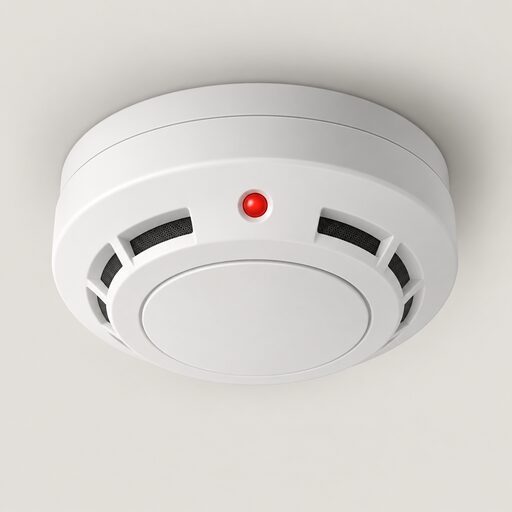 Siting and LocationWhere can a home battery actually go?
 Installation StandardsWhich rules must an installer follow when fitting a home battery?
 Maintenance and FaultsWhat does it mean when your home battery starts beeping or showing a warning, and can you fix it yourself?
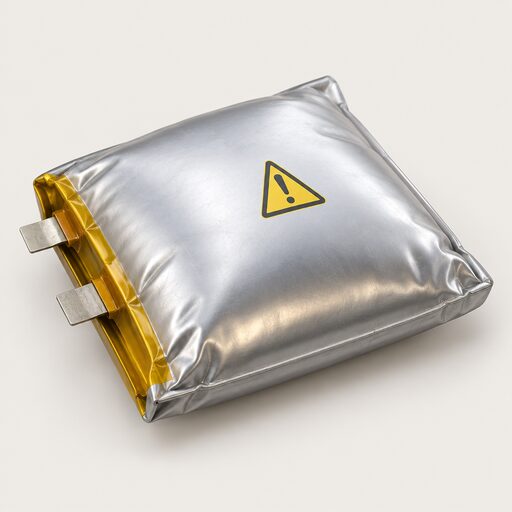 Lithium Battery SafetyLithium batteries power phones, e-bikes, scooters and home storage, and any of them can catch fire.
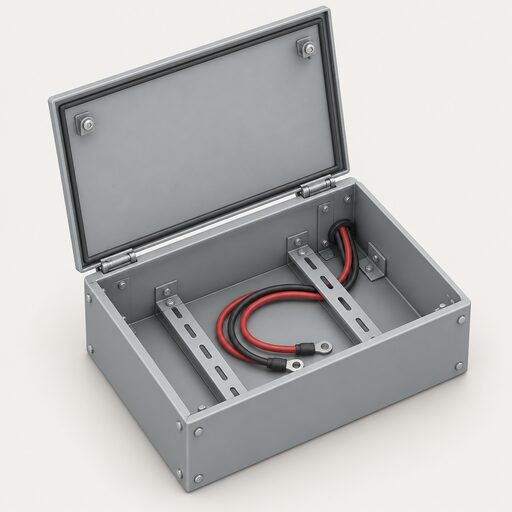 DIY Home Battery BuildsBuilding your own home battery?
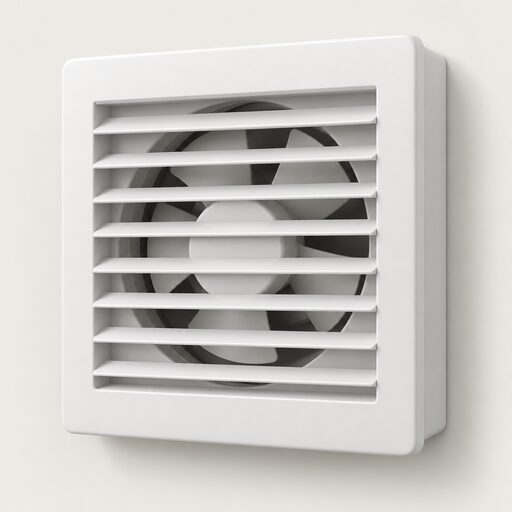 Ventilation and TemperatureWhere can you put a home battery so it stays warm enough in winter and cool enough in summer?