
In this answer
Short answer
Yes, high temperatures raise the fire risk from lithium-ion batteries. Northern Powergrid's summer guidance states plainly that high temperatures can cause batteries, especially lithium-ion, to overheat and potentially catch fire1. That applies to the cells in a home storage battery, a portable power station, a power bank, an e-bike and a mobility scooter alike.
The mechanism is thermal runaway. Electrical Safety First describes it as starting when a cell overheats, perhaps through an internal fault, physical or electrical abuse, or extreme temperatures, after which the heat spreads to nearby cells and they enter an uncontrollable and irreversible state2. Once a lithium-ion fire is out, it can start again: the same body notes that reignition is common3.
For a household, the practical points are about placement and charging rather than a single danger temperature. North Wales Fire and Rescue Service advises that lithium-ion batteries in the home have the potential to cause a serious fire, and that the larger the battery, the larger the danger4. Charging belongs in a room with a working smoke alarm, away from heat sources, and not overnight while anyone is asleep4.
What the guidance says about heat and lithium-ion fire risk
The clearest statement comes from a network operator's summer readiness advice: high temperatures can cause batteries, especially lithium-ion, to overheat and potentially catch fire1. That is a distribution network operator speaking to households about summer conditions, not a manufacturer talking about its own product, which gives it weight as a general safety position.
The official product safety framework adds the conditions under which cells become dangerous. Non-compliant or incompatible battery components, and the use of batteries outside their safe design parameters, can lead to thermal runaway and cause fires7. Heat is one way a battery is pushed outside those parameters; a wrong charger, a damaged cell or a botched conversion kit is another.
The legislative background is moving in the same direction. The Lithium-ion Battery Safety Bill, introduced in the House of Lords, would require sellers of such batteries to display a prominent warning about the dangers of improper disposal and to attach information on cell chemistry and safe disposal as part of the sale8. That is a proposed duty on sellers, not a rule in force, and it speaks to disposal rather than heat, but it shows the direction of travel on consumer information.
Chemistry matters to how a cell behaves under heat. One maker describes lithium iron phosphate, the chemistry used in many modern home batteries and portable power stations, as having extremely high temperature resistance and being less prone to thermal runaway than other lithium-ion chemistries9. That is a maker's characterisation of its own chemistry family and should be read as such. The same maker states that LiFePO4 cells generate less heat during charging and discharging, reducing the risk of thermal runaway10.
"High temperatures can cause batteries (especially lithium-ion) to overheat and potentially catch fire."
Why heat pushes lithium-ion cells towards thermal runaway
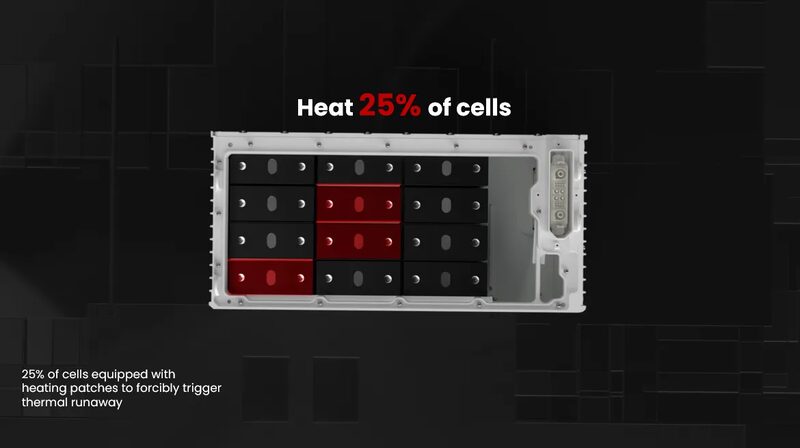
Thermal runaway is the primary fire risk with lithium-ion batteries3. Understanding the sequence explains why heat is treated so seriously in the guidance, and why a hot battery is not simply an inconvenience.
Electrical Safety First sets out the mechanism in detail. The process starts when a battery cell overheats, perhaps due to an internal fault, physical or electrical abuse, or extreme temperatures2. The elevated cell temperature then results in exothermic reactions, which produce more heat than can be dissipated to the surroundings. Eventually the internal structure of the cell becomes unstable and collapses, venting flammable and toxic gases, fire and explosion11.
The critical feature is that the reaction feeds itself. Because the cell is generating more heat than it can shed, the temperature keeps climbing without any further external input. The heat then spreads to nearby cells, causing them also to enter an uncontrollable and irreversible state of thermal runaway2. In a battery pack, that is how a single failing cell becomes a pack fire.
The consequences are severe. Affected batteries risk entering thermal runaway, described as a rapid and extreme chemical reaction that can cause ferocious fires almost impossible to extinguish12. That description comes from a product recall notice, where the affected item was an e-bike battery, but the chemistry is the same family as any lithium-ion pack.
Two further points follow from the mechanism. First, a battery does not have to be in use to be at risk: a stored cell with an internal fault can still overheat. Second, because the reaction is self-sustaining once started, removing the external heat source does not stop it. That is why the guidance concentrates on preventing the conditions that start it, rather than on what to do once it has begun.
How hot weather affects home storage and portable power stations

The general safety position is that lithium-ion batteries in household devices have the potential to cause a serious fire in the home, and that the larger the battery, the larger the danger4. A home storage battery or a large portable power station sits at the top of that scale. The same guidance notes that some of the largest lithium batteries in the home are found in mobility vehicles, which gives a sense of the size range involved4.
Heat interacts with these larger packs in two ways. It adds an external heat load on top of whatever the cells generate internally, and it reduces the margin before a cell reaches the temperature at which exothermic reactions begin2. A pack that is already warm from discharging, sitting in a sunlit conservatory or a hot garage, has less headroom than the same pack in a cool utility room.
The maker guidance on operating limits is narrower than the general safety advice. One inverter maker states that lithium-ion batteries should be maintained within recommended temperature ranges to extend their lifespan13. That is an operating limit for performance and life, not a fire threshold, and it should not be read as the point at which a battery becomes dangerous.
There is a separate summer risk that is easy to overlook. The Office for Product Safety and Standards has alerted consumers to the risk of fire in certain heat pump tumble dryer models14. That is not a battery, but it illustrates that hot-weather fire risk in the home is not confined to lithium cells, and that product recalls are the mechanism by which specific models are identified.
For a household, the independence question is straightforward. A home battery or portable power station reduces dependence on the grid and on a supplier during a cut, but it introduces a stored-energy hazard that has to be managed. The guidance does not suggest removing the battery; it suggests controlling where it sits and how it is charged.
Storing and charging batteries safely in summer
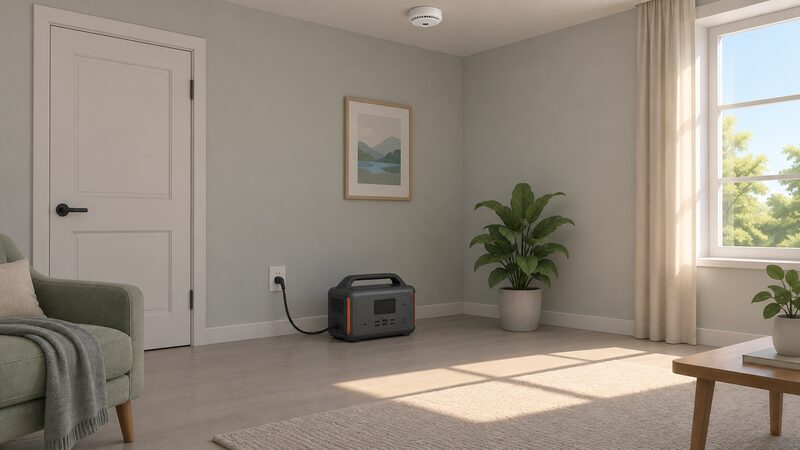
The official guidance for charging is specific and worth following closely. Charge the device in a room that has a working smoke alarm, which does not compromise an escape route, keeping the door closed while it is charging and away from any heat source4. Do not charge devices overnight when anyone is asleep, or leave them on charge when the home is empty4.
For e-bike and e-scooter batteries, Electrical Safety First states that it is dangerous to charge a battery close to combustible materials or hazardous substances, or where high temperatures or sunlight are likely15. The same body notes that e-bike batteries can be a severe fire risk if used, charged or sourced incorrectly15. The wording is aimed at e-bikes and e-scooters, but the principle of keeping charging away from heat and direct sun applies to lithium-ion cells generally.
Storage conditions matter as much as charging conditions. One maker advises storing batteries in cool, dry places and charging them regularly, which it says helps preserve state of charge and extend battery life5. North Wales Fire and Rescue Service goes further for devices that are not in use: if a device or equipment is stored without being used for any length of time, the battery should be removed4.
A short checklist for summer conditions:
- Keep the battery out of direct sunlight and away from radiators, ovens and other heat sources15
- Charge in a cool, well-ventilated room with a working smoke alarm, door closed4
- Do not charge overnight or while the home is empty4
- Remove the battery from a device that will be stored unused for a long period4
- Store in a cool, dry place and charge regularly to preserve state of charge5
- Buy devices and replacement batteries from a reputable seller4
Signs a battery is overheating, and what to do
The warning signs fall into two groups: signs on the battery itself, and signs in the electrical circuit feeding it. For the battery, Electrical Safety First advises regularly checking the condition of the battery for dents, deformities and signs of overheating15. Any of those three is a reason to stop using the item.
For the circuit, the signs of overloaded circuits and electrical faults include the smell of burning, buzzing sounds, flickering lights and plugs that become very hot to the touch when plugged into a socket outlet17. Those signs point to the supply rather than the battery, but a hot plug or a burning smell at the socket is a fire risk in its own right and should be treated as urgent.
The causes of lithium-ion fires are well documented. Overcharging, over-discharging, or charging the battery too quickly are some of the main causes of fires from lithium-ion batteries15. The Battery Breakdown report adds poor quality and substandard components, flawed design, physical abuse and improper charging or discharging to the list of causes of thermal instability18. For e-bike batteries specifically, fires can occur from poor design, incorrect charging, or from damage to the battery15.
If a battery is suspected of being faulty, the action is immediate. Electrical Safety First advises stopping use immediately and reporting the fault to the manufacturer or retailer, or calling the Citizens Advice helpline on 03454 04 05 0615. For a recalled product, the guidance is to contact the seller for redress12.
Choosing a battery maker: warranty, support and track record
The buying advice from the fire service is short: always buy devices and replacement batteries from a reputable seller4. That single line covers a great deal of the risk, because the documented fire causes include poor quality and substandard components, flawed design and improper charging18, and the marketplaces where substandard batteries and chargers are often sold are specifically identified as a driver of rising e-bike and e-scooter fires21.
Lifespan is a specification to check rather than assume. MCS Certified states that the lifespan of a battery depends on the model, so the figure should be looked for before a decision is made22. One maker states that modern home batteries use lithium iron phosphate chemistry, which it describes as lasting longer and being safer for indoor use than other chemistries, and that they are rated for 6,000 or more full charge cycles, which it puts at roughly 15 to 20 years of daily use6. That is a maker's claim about its own product category, not an independent test result, and it should be weighed as such.
Warranty terms are where the maker's own documents matter most. BLUETTI publishes a warranty policy listing exclusions rather than a single headline term in the material available here. The excluded items include misuse, abuse, accidental damage or force majeure such as lightning strikes, tornadoes and hurricanes; unauthorised modification, repair, disassembly or operation not in accordance with official instructions; purchase from unauthorised resellers; use for a special application other than normal consumer use; lost, stolen or fully refunded products; damage from excessive heat, cold, liquids or other external causes; invalid proof of purchase; an expired warranty period; a battery model on the warranty certificate not matching the actual item; unauthorised alteration of the warranty certificate; and product wear and tear through usage over time23.
"Always buy devices and replacement batteries from a reputable seller."
That exclusion is the one to read carefully in the context of this page. A battery damaged by excessive heat is excluded from the maker's warranty, which means the summer placement and charging decisions described above have a financial consequence as well as a safety one. The full terms are set out in the maker's own policy, and the warranty is only as reliable as the company standing behind it.
For a household weighing independence against risk, the balance is this: a battery reduces reliance on the grid and on a supplier, but it adds a stored-energy hazard that the guidance manages through placement, charging discipline and product choice. The safety record of the category depends heavily on the quality of the specific product and the way it is used.
Sources23 cited
- Be summer ready, Electricity North West, 2026-09-19
- Thermal runaway, Electrical Safety First, 2026-09-17
- Battery Breakdown report, Electrical Safety First, 2026-09-17
- Lithium-ion batteries, North Wales Fire and Rescue Service, 2026
- Understanding the battery reserve function, Solis Inverters, 2021-01-13
- Solar battery cost, BLUETTI UK, 2026-08-03
- The UK's new product safety framework, GOV.UK, 2026-03-31
- Lithium-ion Battery Safety Bill, UK Parliament, 2024-07-29
- Are solar batteries worth it, Jackery UK, 2026-06-04
- Cell introduction, BLUETTI UK, 2026-09-19
- Thermal runaway, Electrical Safety First, 2026-09-17
- Is your e-bike battery safe, Electrical Safety First, 2026-09-17
- Maximizing the efficiency of your battery storage system, Solax Power, 2024-11-01
- OPSS issues stop warning for 17,000 heat pump tumble dryer owners, GOV.UK, 2025-08-01
- E-bikes, Electrical Safety First, 2026-09-17
- E-scooters, Electrical Safety First, 2026-09-17
- Standby power: the hidden costs of vampire devices, NICEIC, 2026-01-28
- Battery safety campaign, Electrical Safety First, 2026-09-17
- BOOW LiFePO4 leisure battery recall, Electrical Safety First, 2026-09-17
- HL R-Team e-bike batteries and chargers recall, Electrical Safety First, 2026-09-17
- Battery Breakdown documentary, Electrical Safety First, 2026-09-19
- Battery storage, MCS Certified, 2026-09-17
- Warranty policy, BLUETTI UK, 2026-09-19
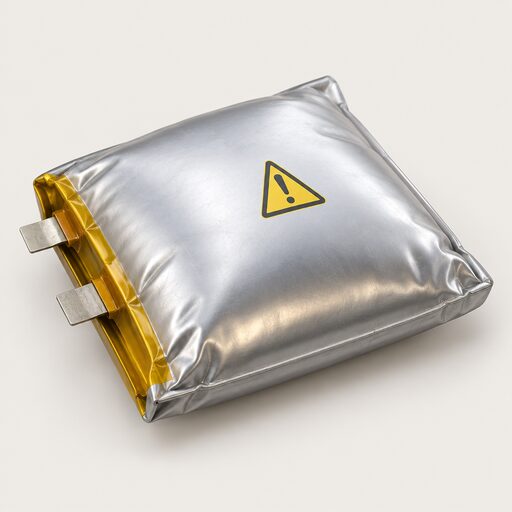 Lithium Battery SafetyLithium batteries power phones, e-bikes, scooters and home storage, and any of them can catch fire.
 Home Battery Fire SafetyHow likely is a home battery to catch fire, and what keeps it safe if it does?
 Ventilation and TemperatureWhere can you put a home battery so it stays warm enough in winter and cool enough in summer?
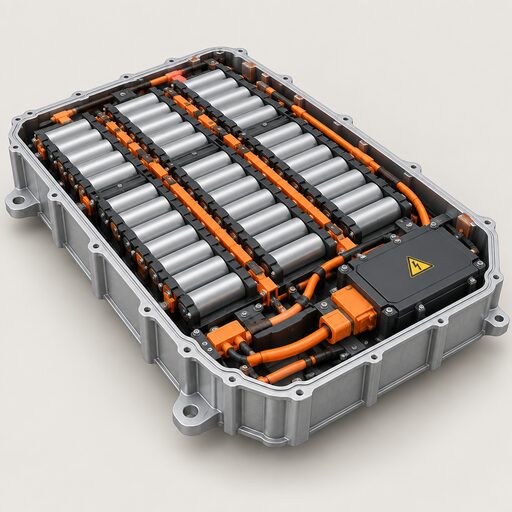 Second-Life EV BatteriesUsed electric car batteries can store solar power at home, but can you actually buy one in the UK?
 Heatwaves and HealthWhich homes get dangerously hot in a heatwave, and which rooms?
 Recycling Old ElectricalsOld batteries and broken electricals can cause fires in bin lorries and at recycling plants, so where should they actually go?