
In this guide
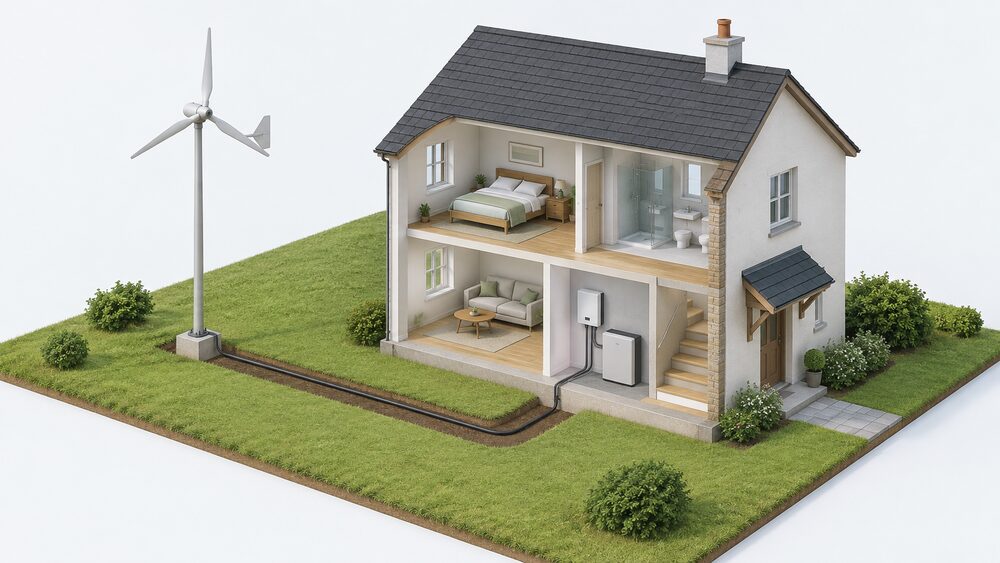
A domestic wind turbine converts wind into electricity for the home it serves. Installation is not a single job but a sequence: siting and wind assessment, a mast or building fixing, foundations or structural reinforcement, cabling and isolation, commissioning, and then a servicing regime that keeps the machine productive for two decades or more. Independent guidance states that with regular upkeep a small wind turbine can last over 20 years, and official guidance puts the figure at up to 22.5 years with service checks every few years1.
The practical shape of a project depends on which of two families the machine belongs to. Pole-mounted turbines stand on their own mast in a clear, open area where there is plenty of wind, and typically produce 3 to 15 kWh of electricity. Building-mounted turbines are fixed to rooftops or building sides and generate around 1 to 2 kWh1. A typical domestic system for a home is 2.5 to six kilowatts, depending on the location and size of the house2.
What a turbine does for a household's energy independence is real but partial. It generates on site from a resource nobody bills for, and small wind is especially practical for remote areas where connecting to the grid may be costly or challenging1. What remains is dependence on wind speed, on a site free of turbulence, on an inverter and battery that wear out, and, for most homes, on the grid for the hours when the wind does not blow.
What a domestic wind turbine does and where it fits
Small-scale turbines generate electricity from wind, and what they produce depends on wind speed and location3. That single sentence carries most of the engineering reality: a turbine is a machine for harvesting a variable local resource, not a generator with a predictable output like a boiler.
Individual wind turbines vary in size and power output from a few hundred watts to two or three megawatts, where one megawatt equals 1,000 kilowatts2. The domestic end of that range is what matters here. Building integrated turbines can be mounted on gable walls, roof-tops or poles and are rated at 1 kW to 6 kW depending on the model2. Pole-mounted machines stand on their own pole, usually placed in a clear, open area where there is plenty of wind, while smaller building-mounted turbines can be installed on rooftops or building sides1.
The fit for a household is best understood as a question of site rather than of product. Small wind is especially practical for remote areas where connecting to the grid may be costly or challenging, and wind energy can be used as a clean, renewable power source for the home1. For a house already on a mains supply, a turbine is a generating asset that reduces imported units; for an off-grid property it can be the difference between a connection and none. The microgeneration pillar sets wind alongside hydro, micro-CHP and fuel cells, and the types and sizes page covers the machine families in more detail.
What the household remains dependent on is worth stating plainly. Wind is intermittent, so a turbine without storage exports when it generates and imports when it does not. The inverter is a wearing part. And the machine itself depends on a manufacturer that continues to exist, which is not guaranteed in this sector.
Is your site suitable? Wind speed, siting and height

Official guidance sets two conditions for considering a small-scale wind turbine. The first is that the local annual average wind speed is five metres per second or more. The second is that there are no major obstacles nearby such as buildings, trees or hills that are likely to reduce the wind speed or increase turbulence2.
Those two conditions explain why siting dominates everything else. Independent guidance states that turbines should ideally be located on a hilltop or raised structure, away from obstructions like trees or other buildings, and that higher placements catch stronger, steadier winds1. A mast that clears the turbulence zone of a tree line will outperform a taller machine buried in it.
The height question is bound up with planning as well as physics. In Scotland, the installation of a free-standing wind turbine must be not less than 110 per cent of the blade tip height from the curtilage of another dwelling, and the blade tip height must not exceed 15 metres with the lowest part of the turbine blade at least 5 metres from ground level4. A Scottish consultation recorded that most respondents who commented specifically on turbine height supported the proposed 15 metre height limit5. Domestic micro-scale wind turbines have been discussed in Scottish policy at under 50 kW capacity and over 100 metres from the nearest property boundary6.
For a household, the sequence is: establish the wind resource, establish the separation distances, then establish the height that satisfies both. The siting and wind speed page develops the measurement side, and the boundary distance page covers the separation rules.
Roof-mounted or pole-mounted: which system suits which home
The two mounting families are not interchangeable, and the choice is usually made by the site rather than by preference.
Pole-mounted turbines stand on their own pole, usually placed in a clear, open area where there is plenty of wind, and typically produce 3 to 15 kWh of electricity1. They need land, a foundation and a clear fetch of wind, which is why they suit rural and off-grid properties. Building-mounted turbines are smaller, can be installed on rooftops or building sides, and generate around 1 to 2 kWh1. They suit homes where there is no ground available and where the roof edge or gable offers an exposed position.
The structural question is the one that decides many building-mounted projects. Official guidance notes that for turbines attached to the house, the size, weight and force exerted on fixed points would be considerable7. A roof designed to carry tiles and snow is not automatically designed to carry a vibrating machine with a lever arm above it.
| Mounting | Typical output | Where it suits | Key constraint |
|---|---|---|---|
| Pole-mounted | 3 to 15 kWh1 | Clear, open ground; rural and off-grid sites1 | Land, foundation and separation distances4 |
| Building-mounted | 1 to 2 kWh1 | Rooftops and building sides where no ground is available1 | Structural loads on fixing points are considerable7 |
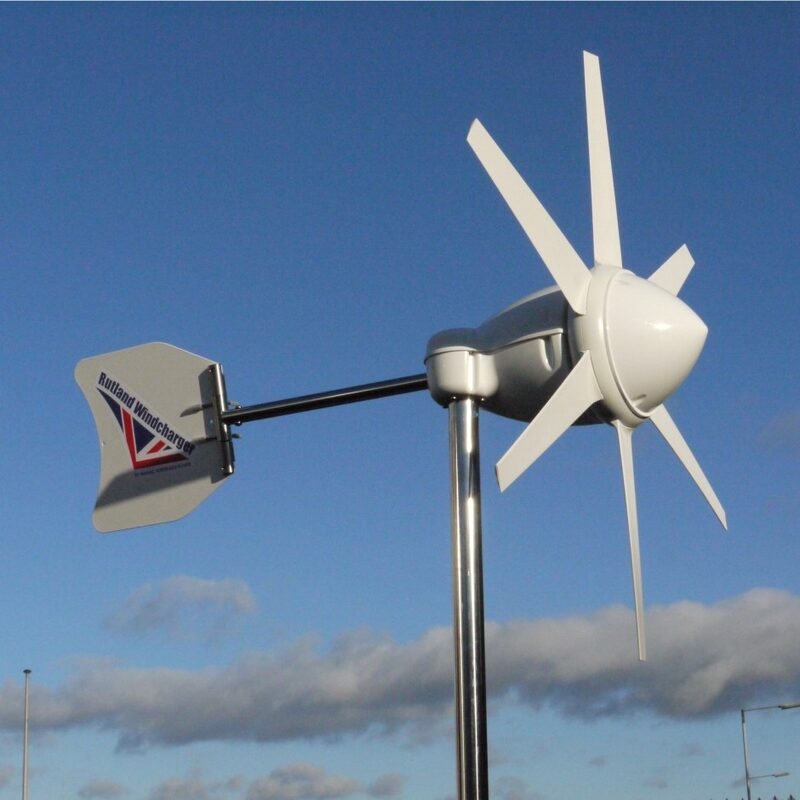
The pole versus roof comparison and the building-mounted page take this further. For energy independence, a pole-mounted machine on a good site is the version that can carry a meaningful share of a household's load; a building-mounted machine is more often a supplementary generator.
How much power a small turbine actually generates
Output figures for small wind are quoted in two different ways, and confusing them is the commonest error. A rated capacity is what the machine can produce at its design wind speed. A generation figure is what it produces over time on a real site.
Independent guidance gives the practical figures. Pole-mounted turbines typically produce 3 to 15 kWh of electricity, while building-mounted turbines generate around 1 to 2 kWh1. Building integrated models are rated at 1 kW to 6 kW depending on the model2. For scale, domestic rooftop solar systems typically produce around 3.5 kilowatts at their peak8.
The gap between the two mounting types is the gap between a machine in clean air and a machine in disturbed air. A roof-mounted turbine sits in the turbulence created by the building it is fixed to, which is why its generation figure is a fraction of a pole-mounted machine's. Independent guidance predicts that wind turbines could save around £700 a year on electricity, a figure attributed to the Eco Experts and Energy Saving Trust1. That is a modelled saving, not a guarantee, and it depends on the site.
The output and sizing page works through the arithmetic of matching a machine to a household's consumption. For independence, the honest position is that a small turbine on a good site can cover a substantial share of annual demand, and on a poor site it will not.
Cost: what you can expect to pay per kW and per system
Domestic wind costs are installer-quoted, and the figures that exist in published guidance are for the components and running costs rather than for a complete installed system.
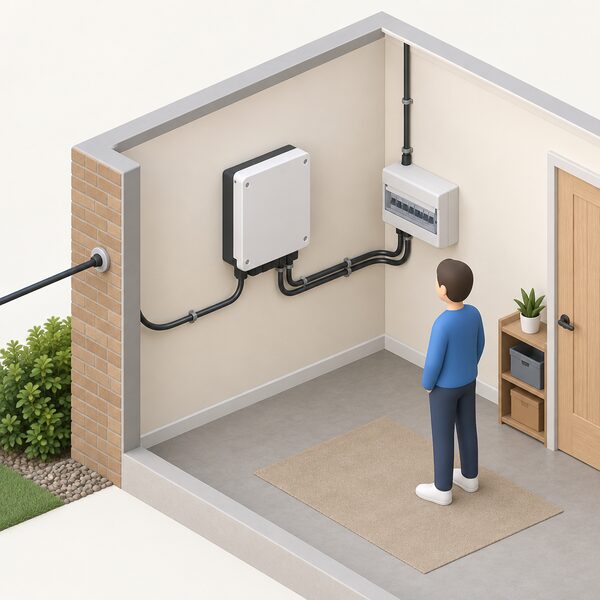
The published running costs are the clearest. Maintenance checks for small wind turbines are generally needed every few years, typically costing between £100 and £200 depending on the size of the system1. The inverter, which helps convert the turbine's energy into usable electricity, may need to be replaced once during its lifetime, and for a larger system this replacement usually costs between £1,000 and £2,0001. Those two figures together describe the ownership cost after installation.
For comparison with a neighbouring technology, the total cost of installing domestic solar below 4 kW was £2,170 per kW in 2024/20258. That is a solar figure, not a wind figure, and it is given here only because published wind installation costs are not available in the same form. Where no published price exists, wind installation is installer-quoted.
| Item | Figure | Basis |
|---|---|---|
| Servicing | £100 to £200 | Depending on system size1 |
| Inverter replacement | £1,000 to £2,000 | Larger system, once in a lifetime1 |
| Modelled bill saving | around £700 a year | Predicted by Eco Experts and Energy Saving Trust1 |
| Domestic solar, for comparison | £2,170 per kW below 4 kW | Installed cost, 2024/20258 |
The cost page covers the capital side in more detail, and the maintenance cost page deals with the running figures. For a household weighing independence, the running costs matter because they are the price of keeping the generating asset alive: a turbine that is not serviced stops earning its keep.
Planning permission and permitted development rules in the UK
Under permitted development rights in some cases it is possible to install domestic wind turbines without the need for a planning application, so long as specified limits and conditions are met. In other cases an application to the Local Authority is needed to add a domestic wind turbine to the house or the grounds surrounding it3.
The permitted development route for a stand alone turbine within the boundaries of a dwellinghouse carries a specific set of limits. The highest part of the stand alone wind turbine must not exceed 11.1 metres. An installation is not permitted if any part of the turbine, including blades, would be within a distance equivalent to the overall height of the turbine plus 10 per cent of its height, measured from any point along the property boundary10. Development is permitted only if the installation complies with the Microgeneration Certification Scheme Planning Standard, MCS 020, or equivalent standards10. MCS 020 covers permitted development installations of wind turbines and air source heat pumps on domestic premises11.
For building-mounted turbines, permitted development rights apply only to installations on detached houses, not blocks of flats, and other detached buildings within the boundaries of a house or block of flats. No part, including blades, should protrude more than three metres above the highest part of the roof excluding the chimney5. Class H of the England-wide permitted development order sets the same three metre protrusion limit and a 15 metre overall height limit, whichever is the lesser, requires blades to be made of non-reflective materials, requires a clearance of at least 5 metres between ground level and the lowest part of any blade, and caps the swept area of any blade at 3.8 square metres12.
The four nations differ. In Wales, Class H permits the installation, alteration or replacement of a stand alone wind turbine within the curtilage of a dwellinghouse13, and building-mounted installations require a planning application to the local planning authority14. In Scotland, Class 6G permits the installation, alteration or replacement of a free-standing wind turbine within the curtilage of a dwelling, subject to the 110 per cent separation and 5 metre blade clearance rules4, and Class 6HC allows the installation, alteration or replacement of a wind turbine on a detached dwellinghouse15. Scottish consultation material records that at present there are no permitted development rights for the installation of a wind turbine mounted on a domestic property16. In Northern Ireland, planning approval is needed2.
There are further restrictions that catch specific sites. A stand-alone wind turbine is not permitted within the curtilage of the dwellinghouse or block of flats under Class H12. On land within a conservation area, a wind turbine would not be permitted if installed on a wall or roof slope of the detached dwellinghouse or a building within the curtilage which fronts a highway12, and a stand alone turbine is not permitted where it would be installed so that it is visible from a highway which bounds the curtilage of the dwellinghouse10. Class G of the heat pump permitted development order provides that development is not permitted if a wind turbine is installed on the same building or within the curtilage of the dwellinghouse or block of flats17, and official guidance repeats that a wind turbine on the same building or within the curtilage triggers the need for planning permission for a heat pump18.
The practical advice is consistent. Always check with the Local Planning Authority about planning issues before a system is installed3, and check with the local council on the necessary planning permissions before installing1. The nation-by-nation pages cover the detail: England, Scotland, Wales and Northern Ireland.
Pairing a turbine with battery storage or solar
A wind turbine on its own produces when the wind blows, which is rarely when the household wants the power. Storage and a second generating source are the two ways of closing that gap.
Small wind turbines can be paired with a battery storage system to store excess electricity that the turbines generate for when it is most needed1. Battery life is a wearing part in its own right: for battery storage systems, typical battery life is around six to ten years depending on the type, so batteries may have to be replaced during the life of the generating equipment2. That replacement cycle sits alongside the inverter replacement and the servicing cost as part of the true running cost of an independent system.
Solar and wind complement each other because they peak at different times. A wind solar hybrid system means that the household is covered in low light and wind conditions1. For a property that already has solar, battery storage can be added to existing panels to maximise the benefits of the system, as one official scheme describes19. Solar panels can be installed on both pitched and flat roofs, with flat roof panels tilted and spaced to avoid shading20.
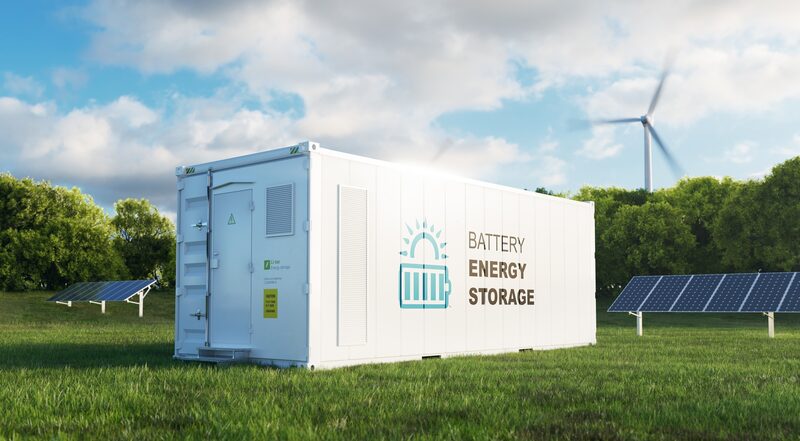
The off-grid wind power page covers controllers, dump loads and battery banks, and the micro wind versus solar off-grid comparison weighs the two sources for a property with no connection. For independence, storage is what converts an intermittent generator into a usable supply, and it is also what introduces the next replacement cost.
Installation standards and choosing a certified installer
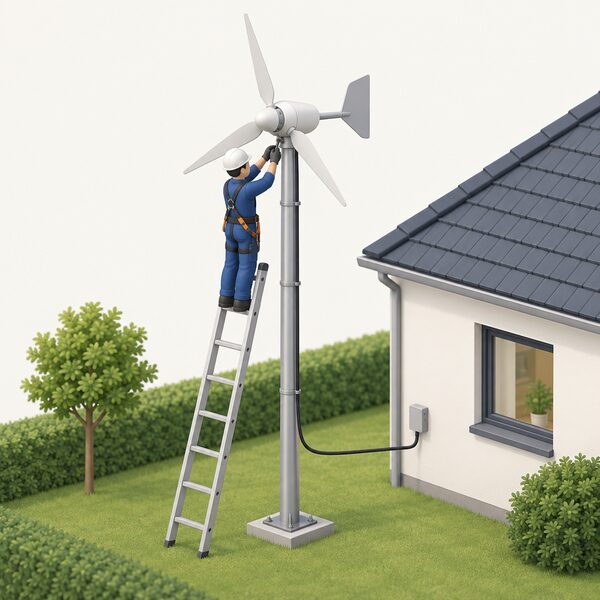
The standards route for a domestic wind turbine is well defined, and it is tied to the planning route as well as to safety.
A new system will be designed and installed in accordance with MCS Standards, and certified installers use MCS certified small wind turbines, meaning the product has been tested for quality, reliability and performance1. The Microgeneration Certification Scheme includes clear standards to support the installation of wind turbines and air source heat pumps21. Under permitted development, equipment must be installed by an installer who has been certificated through the scheme using a certificated product22, and permitted development rights for wind turbines and air source heat pumps will only be accorded for equipment installed by an installer certificated through the scheme using a certificated product14. Class H of the England-wide order requires that the wind turbine complies with the MCS Planning Standards or equivalent standards12, and Class 6G in Scotland requires installation in accordance with MCS planning standards applicable to domestic wind turbines or an equivalent standard15.
For the electrical work, it is recommended to hire an installer who is registered with a competent person scheme, a registered competent person, who can self-certify that the work meets the required standards23. For turbines attached to the house, an installer registered with the relevant competent person scheme, as listed in Row 17 of Schedule 3 of the Building Regulations, may be authorised to self-certify the work without involving local authority building control7. The standards and certification page and the MCS certification page cover the scheme in full, and the building regulations page deals with approval.
For a household, the certification chain is the main protection available. It is also a limit on independence: the equipment and the installer are both tied to a scheme, and the household cannot substitute its own judgement for the certified route without losing the planning position.
Maintenance, servicing and expected lifespan
A small wind turbine is a machine with moving parts in an exposed position, and its life is set by how it is maintained.
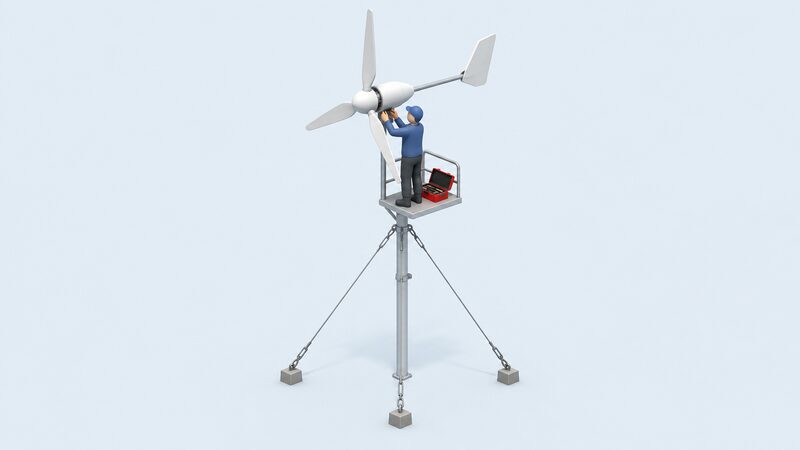
Maintenance checks for small wind turbines are generally needed every few years, typically costing between £100 and £200 depending on the size of the system1. Official guidance states that wind turbines can have a life of up to 22.5 years but need service checks every few years to make sure they work efficiently2. Independent guidance puts the figure at over 20 years with regular upkeep1. The two are consistent: a turbine that is serviced reaches two decades, and one that is not may not.
The components that wear are the ones the sources name. The inverter, which helps convert the turbine's energy into usable electricity, may need to be replaced once during its lifetime, at between £1,000 and £2,000 for a larger system1. Battery storage, where fitted, has a typical life of around six to ten years depending on the type2. The turbine itself has a removal obligation under permitted development: the wind turbine must be removed as soon as reasonably practicable when no longer needed12.
| Component | Expected life or interval | Cost where given |
|---|---|---|
| Turbine | Over 20 years with regular upkeep1; up to 22.5 years with service checks2 | Not stated |
| Servicing | Every few years1 | £100 to £200 depending on system size1 |
| Inverter | Replaced once in a lifetime1 | £1,000 to £2,000 for a larger system1 |
| Battery storage | Around six to ten years depending on type2 | Not stated |
For comparison, mechanical and electrical plant in small-scale hydro can last between 15 and 50 years24, and Feed-in Tariff generators receive support for between 10 and 25 years25. Those figures describe other technologies and other support arrangements, but they set the expectation for how long small renewable plant is assumed to operate.
The independence question at the end of a turbine's life is the sharpest one. A household that has invested in a mast, a foundation and a grid connection for the machine depends on a servicing chain and a supply of spare parts for as long as it wants the generation. Where the manufacturer no longer exists, that chain is the household's problem, not the maker's. The maintenance cost page and the microgeneration and energy independence page take these questions further.
Sources25 cited
- Small wind turbines, MCS Certified, 2026-08-18
- Wind, nidirect, 2026-05-18
- Planning permission: introduction, Planning Portal, 2026
- Circular 1/2024: householder permitted development rights, Scottish Government, 2024-05-28
- Planning permission: building-mounted wind turbines, Planning Portal, 2026-09-17
- Review of permitted development rights: phase 3 consultation analysis, Scottish Government, 2024-03-28
- Building regulations, Planning Portal, 2026
- Postnote 771: domestic solar, Parliamentary Office of Science and Technology, 2024
- Planning permission: introduction, Planning Portal, 2026-09-17
- Planning permission: stand alone wind turbines, Planning Portal, 2026-09-17
- MCS 020 planning standards, Mid Sussex District Council, 2019-06-19
- Class H: installation of wind turbine on domestic premises, legislation.gov.uk, 2026-09-17
- Town and Country Planning (General Permitted Development) (Wales) Order 2012, legislation.gov.uk, 2012-05-19
- Planning permission for wind turbines, Welsh Government, 2026-09-17
- The Town and Country Planning (Permitted Development and Miscellaneous Amendments) (Scotland) Regulations 2024, legislation.gov.uk, 2024-03
- Review of permitted development rights: phase 3 consultation analysis, Scottish Government, 2024-03-28
- Class G: installation of air source heat pumps on domestic premises, legislation.gov.uk, 2026-09-17
- Heat pumps, New Forest District Council, 2026-09-17
- Solar Together Norfolk, South Norfolk and Broadland Council, 2026-09-17
- Solar panels, London Borough of Hammersmith and Fulham, 2026-09-17
- The Microgeneration Certification Scheme, Planning Portal, 2026
- The Microgeneration Certification Scheme, Planning Portal, 2026-09-17
- Do I need building regulations approval for electrical installation?, Planning Portal, 2026
- Energy conservation, Building Control Northern Ireland, 2010-08
- Feed-in Tariffs quarterly report, issue 60, Ofgem, 2025-06-27
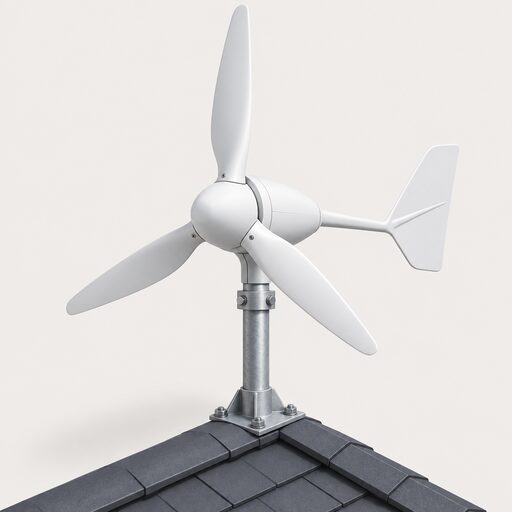 Domestic Wind Turbine CostA home wind turbine usually costs between nine thousand and nineteen thousand pounds, but the real price depends on its size and how it is mounted.
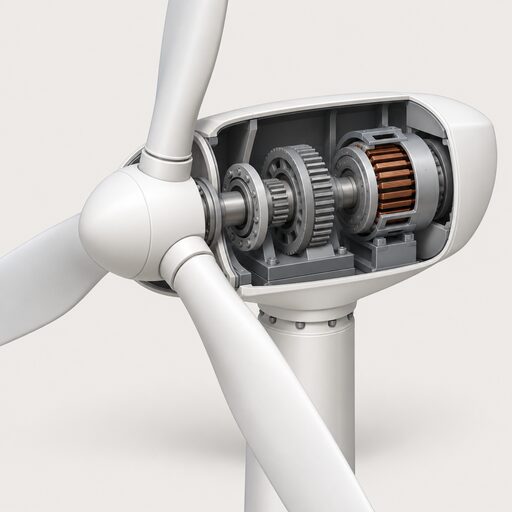 Domestic Wind TurbinesCan a wind turbine really power a home, and is your site windy enough?
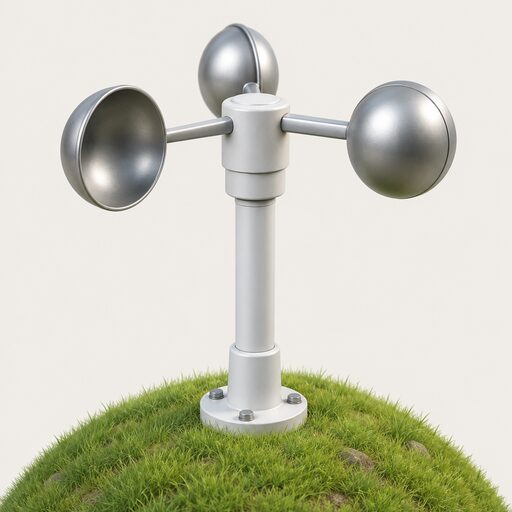 Wind Turbine Output and SizingHow much electricity a home wind turbine makes depends far more on your wind than on its size.
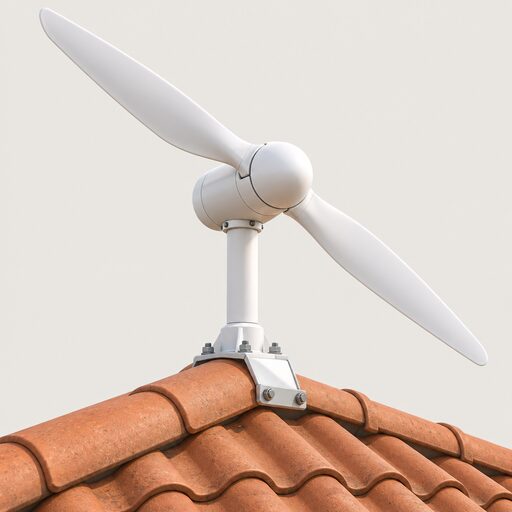 Building-Mounted Wind TurbinesWill a wind turbine on your roof actually make enough electricity to be worth it?
 Wind Turbine Planning in EnglandCan you put up a small wind turbine at home without asking the council first?
 Wind Turbine Planning in WalesDo you need planning permission for a wind turbine at home in Wales?