
In this guide
A portable generator for home backup in the UK falls into two broad families: battery-based power stations, which store energy in a lithium-ion pack and release it through an inverter, and fuel-burning sets, which run on petrol or diesel and produce electricity from an engine. The two are sold side by side, often under the same "generator" label, but they behave very differently in a power cut.
The price gap is wide. Portable generators start at around £160 but can go up to £2,000 or more, and a petrol generator alone should be expected to cost at least £2001. Battery power stations sit in a similar band, with the largest home backup systems running into several thousand pounds once installation is counted.
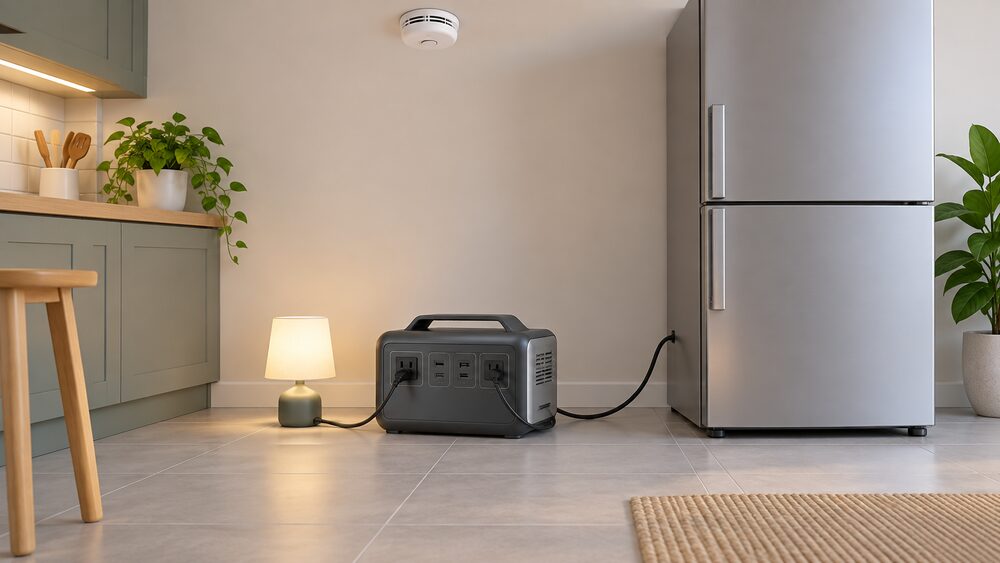
The choice matters most for what happens indoors. A battery power station produces no exhaust, so it can run inside a flat or a bedroom during an outage. A petrol set cannot: it must be sited outside, away from windows and vents, because of carbon monoxide risk. That single difference shapes which homes each technology suits.
What a portable power station is: a battery, inverter and charge controller
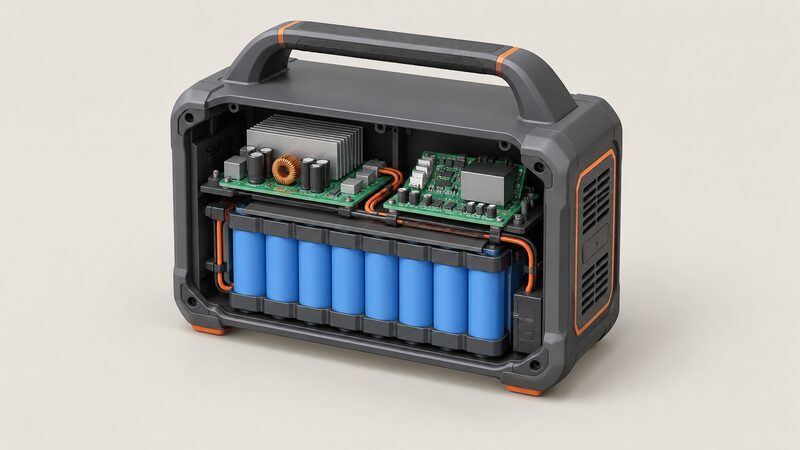
A portable power station is a self-contained box holding three things: a battery, an inverter that turns the battery's direct current into mains-style alternating current, and a charge controller that manages how the battery is refilled. The inverter is the same class of device that connects solar panels or wind turbines to a home's wiring, converting the direct current they produce into usable alternating current4.
That definition matters because it explains what the unit can and cannot do. It is not a generator in the fuel sense: nothing is burned, so there is no exhaust and no fuel to store. It is closer to a large uninterruptible power supply with a battery sized for hours rather than minutes.
The consumer code for renewable installations treats battery storage units, inverters and remote monitoring devices as "related products" that connect to an energy generator, which places power stations in the same regulatory family as home batteries and solar inverters5. A portable unit is simply a smaller, movable version of the same architecture.
What this means for independence is straightforward. A power station gives a household a stored reserve that does not depend on the grid, a supplier or a fuel delivery. What it does not give is indefinite runtime: once the battery is flat, it must be recharged from the mains, a car or a solar panel, and each of those routes has its own dependency.
Power station or fuel generator: which suits a home backup
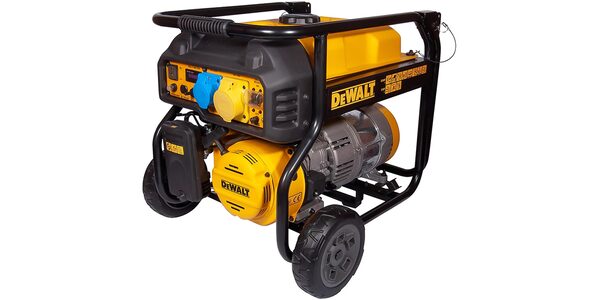
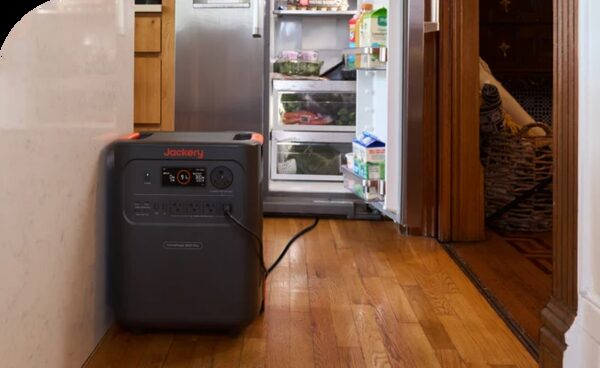
The dividing line is exhaust. A fuel generator burns petrol or diesel and must run outdoors, with the exhaust kept away from doors, windows and air bricks. A battery power station has no combustion at all, so it can sit on a kitchen floor or a hall table while the family waits for the network to restore supply.
Fuel sets have one clear advantage: they can run for as long as fuel lasts, and refuelling takes minutes. A power station's runtime is fixed by its battery capacity, and recharging a large pack from the mains takes hours. For a short outage, the battery wins on convenience and safety. For a multi-day outage, a fuel set wins on endurance, provided fuel can be stored and rotated safely.
There is also a scale question. Home standby generators, the permanently installed kind that start automatically, are typically powered by natural gas, diesel fuel or liquid propane, and they sit outside the portable category entirely2. A portable fuel set is a different product: it is wheeled or carried into position, started by hand, and connected by cable rather than wired into the consumer unit.
The independence each option offers differs in kind. A fuel generator depends on a supply chain for petrol or diesel, and on safe storage of that fuel at home. A battery power station depends on the mains, a vehicle or the sun to recharge. Neither removes dependence; they move it.
What a power station can run during a blackout
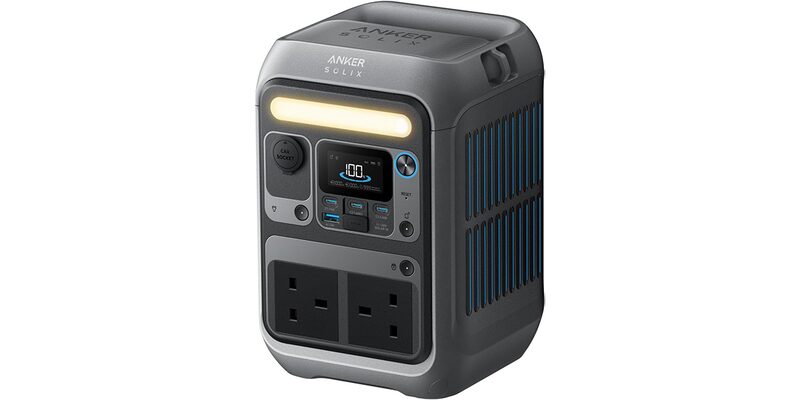
A power station's usefulness in a blackout comes down to two numbers: continuous output in watts, and capacity in watt hours. The first decides what can be switched on at once; the second decides for how long.
For basic needs, lighting, a fridge and communications equipment, a 5 kW to 6 kW generator is described as sufficient, and where a household wants to power everything including electric heating or air conditioning, a generator rated between 10 kW and 15 kW is more appropriate2. Those figures come from a maker's sizing guidance and describe generator ratings generally, not one specific model.
In practice, most households run a much smaller load during a cut: a fridge, a router, a phone charger, a lamp and perhaps a television. That is well within the reach of a mid-sized power station. The heavy loads are the ones to watch. A kettle, an electric shower or an immersion heater will flatten a modest battery quickly, and a microwave draws a high load for a short burst.
Some power stations support pass-through charging, meaning appliances can be powered while the unit itself is being recharged6. That is useful during a long outage if a small petrol set or a vehicle can top the station up while it continues to supply the fridge.
Safe indoors: no fumes, no carbon monoxide, very quiet noise
The indoor case for a battery power station rests on what it does not produce: exhaust, carbon monoxide and engine noise. A petrol set produces all three, which is why it belongs outside regardless of the weather.
Battery safety is a different matter, and official fire service guidance is specific. The larger the battery, the larger the danger, and some of the largest lithium batteries are found in mobility vehicles8. A portable power station sits below that scale, but the same principles apply.
The guidance advises charging a device in a room that has a working smoke alarm, which does not compromise an escape route, keeping the door closed while it is charging and away from any heat source8. It also advises always buying devices and replacement batteries from a reputable seller8. Those three points cover most of the practical risk: location, detection and provenance.
"Ensure that you charge your device in a room that has a working smoke alarm, which doesn't compromise your escape route, keeping the door closed whilst it's charging and away from any heat source."
Noise is the other indoor factor. A battery station with no cooling fan running is effectively silent, which matters in a flat or a bedroom. A small inverter generator is quieter than an open-frame set but still produces engine noise and exhaust, so it remains an outdoor appliance.
Capacity: matching the battery size to the devices you want to power
Sizing starts with a list. Add up the running watts of everything intended to be powered at once, then add headroom. The guidance is to choose a generator with 15 to 20% more capacity than the calculated total to avoid overloading2.
That headroom covers two things: appliances that draw more at start-up than when running, and the temptation to plug in one more item than planned. Motors in fridges and freezers are the classic example, since the compressor draws a surge each time it starts.
Capacity in watt hours then sets runtime. A 1 kWh station running a 100 W load lasts roughly ten hours in theory, less in practice once inverter losses are counted. The honest answer for any specific appliance is the maker's own runtime estimate, because duty cycles vary so much between models.
For comparison, domestic battery storage installed in a home has a lifetime of around 10 to 15 years, shorter than solar panels3. Grid-scale and domestic batteries are described in official statistics as storing electricity for up to eight hours9. A portable station is a smaller version of the same idea, with a shorter runtime and no fixed installation.
| Load | Typical draw | What it means for a mid-sized station |
|---|---|---|
| Phone and laptop charging | Low | Hours of runtime, several devices at once |
| LED lighting | Low | Many hours across several lamps |
| Wi-Fi router | Low | Runs for the duration of most outages |
| Fridge or freezer | Moderate, with start-up surge | Runtime set by duty cycle, not continuous draw |
| Kettle or microwave | High, short burst | Heavy drain, best used sparingly |
Output ports and inverter quality: checking a unit can run your appliances
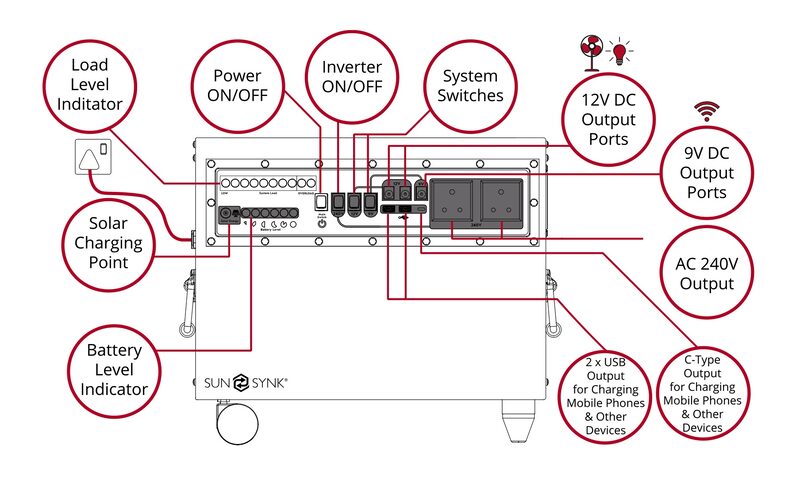
The sockets on a unit tell you what it can accept. A petrol-powered inverter generator, for example, features multiple outlets: two 230V 13A sockets, a 12V DC outlet and two USB ports1. That mix covers standard UK plugs, low-voltage accessories and small electronics without adapters.
Inverter quality matters more than socket count. A pure sine wave output runs sensitive electronics, motors and chargers the way mains power does. A modified sine wave output can cause buzzing in audio equipment, inefficient charging and, in some cases, refusal to start. For a home backup unit intended to run a router, a laptop or a modern boiler, the inverter type is a specification worth checking before purchase.
For households wanting to measure what an appliance actually draws, a plug-in energy monitor works with almost anything that uses electricity, as long as it has a three-pronged UK plug, and can measure multiple devices on one extension lead10. That is a practical way to build a real load list rather than guessing from labels.
Where a generator is connected to a home's fixed wiring rather than run from extension leads, the network operator's requirements come into play. For micro-generation connections of 50 kW or less, the schematic drawing must show the generator itself, the name and power rating in kW of the inverter being used, the live phases, neutral and earth, lockable isolators, and clear demarcation between the operator's and the customer's equipment11. Those requirements apply to permanent connections, not to a power station running a lamp from its own socket.
Recharging: wall outlet, car adaptor or solar panels
Every power station needs a refill route, and the options are the mains, a vehicle or solar panels. Each carries a different dependency.
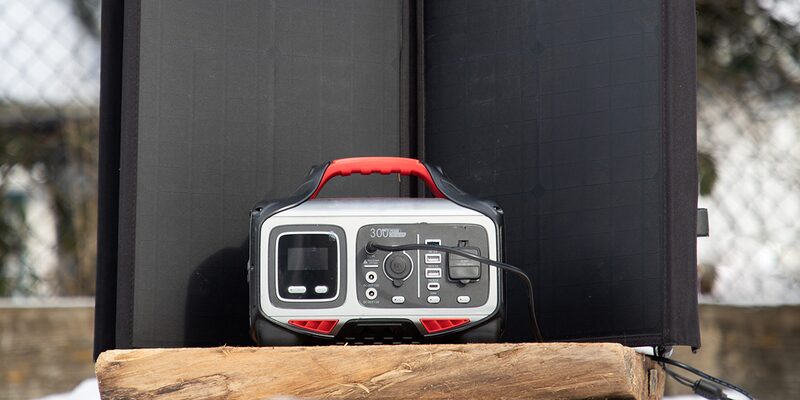
Mains recharging is fastest but useless in a power cut unless the supply has been restored. Car charging works from a 12V socket but is slow, and it draws on the vehicle's battery. Solar charging is the only route that works independently of the grid, provided there is daylight and a panel to match the unit's input.
Solar is well established in the UK. Solar panels are the most common domestic renewable energy source in the UK12. Plug-in solar panels were not legal to install in a UK home before 27 August 2026, when standards that only permitted permanently connected solar generation were revised to allow their use13. The government has said such panels are to be available in shops within months and save people money on their bills14.
There is a condition attached to combining the two. Battery storage can be added alongside plug-in solar panels, but it must be permanently wired and installed by a qualified electrician13. A portable power station charged from a folding panel is not a fixed installation, but any permanently wired battery alongside plug-in solar is a different proposition and falls under electrician-installed rules.
Representative plug-in PV devices have been tested to evaluate their safe operation within UK domestic electrical installations, which is the evidence base behind the revised standards15. For a household weighing a power station with a solar input, the practical point is that the panel and the unit must be matched on voltage and current, and that a portable panel can be packed away when not needed.
Cost: £400 to £3,000+ typical in the UK
Portable generator pricing in the UK spans a wide band. Prices for portable generators start at around £160 but can go up to £2,000 or more, and a petrol generator alone should be expected to cost at least £2001. Hiring is an alternative for a one-off need: a 1.6kVA portable generator would cost around £76 for a day, or £110 for a week1.
Battery power stations occupy a similar range, with capacity and inverter rating driving the price. The larger the stored energy and the higher the continuous output, the more the unit costs. Prices are set by retailers and vary with promotions, so any figure is a snapshot rather than a fixed market rate.
Where a household moves beyond portable kit to a permanently installed home generator, the numbers change sharply. Installation is quoted at £3,000 to £12,000+ for standard distances, and the total cost installed is given as £6,000 to £11,000 on average for standard distances6. A large home generator is priced at around £3,000 to £10,000, with an installation fee of £500 to £1,500 or more6. These are figures for installed systems, not portable units.
| Item | Figure | Source type |
|---|---|---|
| Portable generator, entry | from around £160 | Independent1 |
| Petrol generator, minimum | at least £200 | Independent1 |
| Portable generator, top | up to £2,000 or more | Independent1 |
| 1.6kVA hire, one day | around £76 | Independent1 |
| 1.6kVA hire, one week | around £110 | Independent1 |
| Installed home generator, total | £6,000 to £11,000 average | Maker6 |
Size, weight and extra features: displays, surge protection and flashlights
Portability is a specification in its own right. A unit that can be carried up a flight of stairs by one person is a different product from one that needs two people and a trolley. Weight rises with battery capacity, so the largest stations are effectively semi-portable: they have wheels and handles, but they are not carried far.
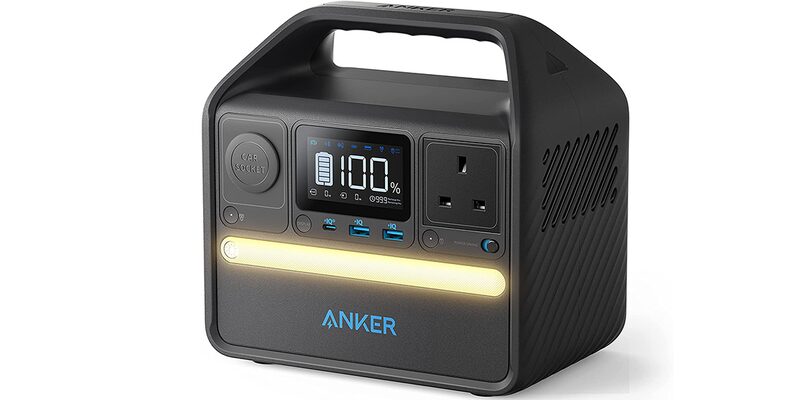
Displays are the feature most households use daily. A power station's screen typically shows input and output wattage, remaining charge and estimated runtime. This is a different device from a smart meter's in-home display, which is a small portable device offered with the smart meter that tells you in pounds and pence how much energy you are using16. The in-home display shows how much gas and electricity is being used in kilowatt hours and its cost in as near to real-time as possible17. A power station's screen shows what that one unit is doing, not what the house is doing.
Surge protection and flashlight functions are common additions. Surge capacity matters for motor-driven appliances, since a fridge or freezer compressor draws a brief spike on start-up. A built-in light is useful during an outage when the main lighting circuit is down.
For households thinking about the wider picture, the same principles that govern home battery storage apply to a portable unit: capacity, output and cycle life determine what it can do, and the unit's lifetime is finite. Domestic battery storage has a lifetime of around 10 to 15 years3, and a portable station used regularly will reach the end of its useful life sooner than one kept for emergencies.
Where a portable set falls short
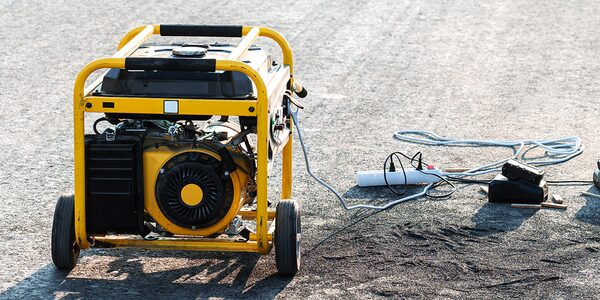
The limits are consistent and worth stating plainly, because they are not solved by buying a bigger unit.
- Runtime is finite. A battery station runs until its stored charge is flat, and recharging from the mains is impossible during an outage.
- Fuel sets cannot go indoors. Carbon monoxide risk rules out garages, conservatories and any space connected to living areas.
- Heavy loads drain fast. Kettles, showers and heaters draw far more than lighting and electronics.
- Extension leads have limits. Running a whole home from a portable set through leads is not the same as a wired connection, and fixed wiring requires the network operator's requirements to be met11.
- Recharge routes carry their own dependency. Mains, vehicle and solar each depend on something outside the household's control at some point.
What portable backup does for energy independence
A portable generator or power station gives a household a reserve that does not depend on the grid at the moment of use. That is real: a fridge stays cold, a router stays up, a phone stays charged, and the household is not entirely at the mercy of the network's restoration time.
The dependence that remains is worth naming. A battery station depends on a recharge route, and in a long outage that means a vehicle, a solar panel or a restored supply. A fuel set depends on stored petrol or diesel, which must be bought, rotated and stored safely. Both depend on a manufacturer for spares, warranty support and, in time, a replacement battery.
There is also a scale limit. Network operators note that there will not be enough generators to keep everyone powered when more than one million homes, at least 5% of households in Great Britain, are without power at once7. A portable set is a personal reserve, not a substitute for the network.
For households with specific needs, support exists outside the equipment itself. Gas network operator SGN provides portable electric appliances for cooking and heating to Priority Services Register customers who are elderly, disabled, chronically sick or have young children or other special needs18. That sits alongside the network's own restoration work, and it is worth knowing about before an outage rather than during one.
The honest summary is that a portable generator buys time and comfort, not independence. It moves a household's dependence from the grid to a battery, a fuel can or a solar panel, and each of those has its own limits. For a short, local outage, that is often enough. For a prolonged, widespread one, it is a buffer rather than a solution.
Sources18 cited
- How to buy the best generator, Which?, 2026
- Best home emergency generator, EcoFlow, 2025
- POST note: domestic battery storage, Parliamentary Office of Science and Technology, 2026
- What is domestic distributed generation?, UK Power Networks, 2026
- Renewable Energy Consumer Code, RECC, 2026
- Home generator cost, Jackery UK, 2026
- Emergency power cuts, Electricity North West, 2026
- Lithium-ion batteries, North Wales Fire and Rescue Service, 2026
- Statutory security of supply report 2025, GOV.UK, 2025
- Are energy monitors the best way to measure your power usage?, Which?, 2026
- Micro-generation connections, SSEN, 2026
- Top energy saving ideas for your home improvement project, Energy Saving Trust, 2026
- Plug-in solar panels, Which?, 2026
- Britain continues to break clean power records, GOV.UK, 2026
- Plug-in solar electrical safety study, GOV.UK, 2026
- Understanding smart meters, National Energy Action, 2026
- Does a smart meter need Wi-Fi?, Smart DCC, 2026
- Incident hub, SGN, 2026
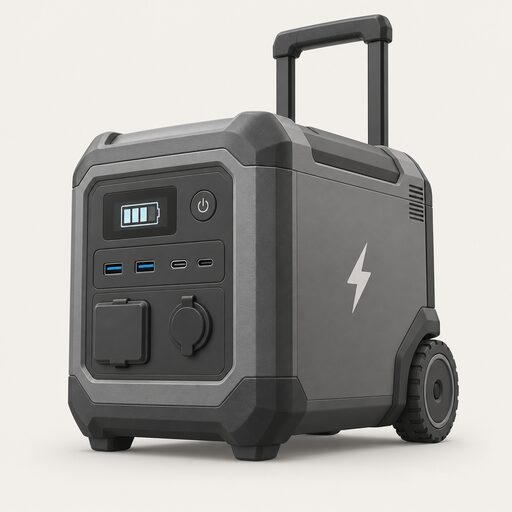 Portable Power StationsWhat can a portable power station actually keep going in a power cut, and for how long?
 Generator Fuel and Running CostsPetrol, diesel, LPG or HVO: which is cheapest to run a whole-house generator, and how much does it really cost each day?
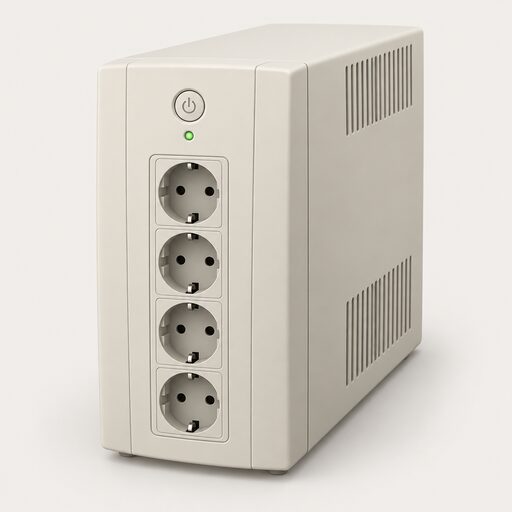 Maintaining Backup PowerWill your generator actually start when the power goes off?
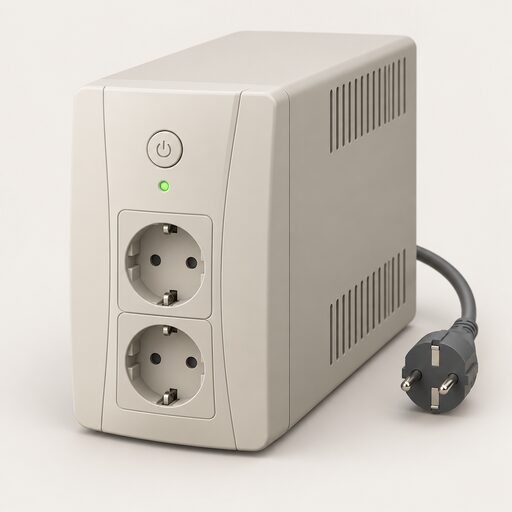 Backup Power Costs ComparedCompares purchase, installation and running costs across the main backup options, and what each delivers in runtime and coverage.
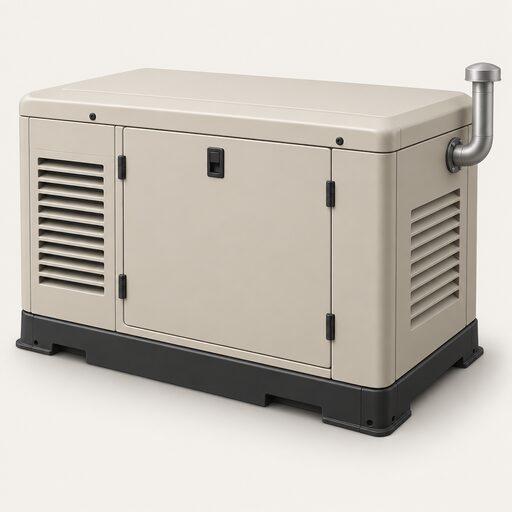 Standby Generators for HomesA standby generator starts itself when the power cuts out, so your home keeps running even when you are out.
 Portable Power Station CostHow much does a portable power station cost in the UK, and what does the money actually buy?