
In this guide
The UK stopped generating electricity from coal in September 2024, when Ratcliffe-on-Soar, the country's last remaining coal-fired power station, closed. Emissions from coal generation fell to zero with that closure, and the UK became the first major economy to phase coal out of its electricity system1.
The exit was the end of a long decline rather than a single event. Coal still supplied 5.9% of the electricity added to the National Grid in the year from April 2024 to March 2025, a share that has now gone entirely3. What replaced it is a mix: in the same period, roughly 42.1% of electricity came from renewables, 33.3% from natural gas, 16.2% from nuclear and 2.5% from other sources3. In 2024 alone, 51% of generation was from renewable sources and 30% from gas4.
For a household, the coal exit matters less as a line on a bill than as a change in what the grid depends on. Coal was a stored, burnable fuel that could be stockpiled on site; the replacement mix leans on gas, much of it imported, and on weather-dependent wind and solar. UK fossil fuel dependency stood at 75.2% of energy consumption in 2024, down from 76.6% in 20235. Ending coal removed one fuel from the stack. It did not remove the household's reliance on the grid.
When Britain's last coal power station closed
Ratcliffe-on-Soar closed in September 2024. It was the UK's last coal-fired power station, and its closure made the UK the first major economy to phase out coal1. The Climate Change Committee records the same event from the emissions side: emissions from coal fell to zero due to the closure of Ratcliffe-on-Soar, which was the UK's last remaining coal-fired power station2.
The closure was the final step in a retreat that had been visible in the statistics for years. Coal generation had already collapsed from its earlier position. In 2012, provisional figures suggested coal generation was more than double that of gas, with coal use up over 30% and gas down a similar amount, as coal captured the economics of that year7. By the year from April 2024 to March 2025, coal was down to 5.9% of electricity added to the National Grid3.
The pattern was not uniform across the UK. Wales lost its last coal-fired power station earlier, and the effect showed in the national figures: emissions fell by 20% in just two years from 2016 to 2018, with the closure of Wales' last coal-fired power station8. That is a reminder that the coal exit was a sequence of local closures, not one date.
Why coal was phased out of the electricity mix
Coal was the most carbon-intensive fuel in the electricity stack, and the electricity supply sector's emissions have fallen by 81% since 1990, with most of that reduction coming since 20081. That single figure explains the direction of policy: the sector that burned coal was also the sector that could cut fastest, because alternatives to coal already existed at scale.
The policy commitment that drove the exit is explicit. The UK Government has committed to fully decarbonising the UK's electricity grid by 20356. The Net Zero Strategy set out an ambition for a fully decarbonised power sector by 2035, and described decarbonising the UK's electricity system fifteen years earlier than the previous 2050 date10. Coal had no place in a system with that deadline.
The economics reinforced the policy. Since 2008, gas has been the dominant fuel used for electricity generation12. Once gas became the marginal fuel, coal plants ran less often, and the older ones became uneconomic to keep open. The price of coal for generation fell by 4.6% in cash terms between the third quarter of 2013 and the third quarter of 2014, but that did not restore coal's position against gas13.
Emissions from electricity generation have fallen 69% since 2010, a reduction that reflects both the coal exit and the growth of renewables14. The Climate Change Committee has been blunt that the pace of delivery, not the direction, is the constraint: a reliable, secure and decarbonised power system by 2035 is possible, but not at the pace of delivery then in evidence14.
What replaced coal: gas, renewables and interconnectors
The replacement is a mix rather than a single fuel. In the year from April 2024 to March 2025, electricity in the UK came from roughly 42.1% renewables, 33.3% natural gas, 16.2% nuclear, 5.9% coal and 2.5% other sources3. Coal's 5.9% has since gone to zero, and the gap has been absorbed by the other categories and by imports.
| Source | Share of electricity added to the National Grid, April 2024 to March 2025 |
|---|---|
| Renewables | 42.1%3 |
| Natural gas | 33.3%3 |
| Nuclear | 16.2%3 |
| Coal | 5.9%3 |
| Other sources | 2.5%3 |
In 2024, 51% of electricity generation was from renewable sources such as solar and wind, and 30% was generated from gas4. The two figures sit alongside each other because they describe different things: renewables now supply the largest single block of generation, while gas supplies the largest single block of firm, dispatchable capacity.
Interconnectors carry the remainder of the balance. Britain trades power with its neighbours through subsea links, importing when it is cheaper or when domestic generation is short, and exporting when there is surplus. That trade is covered in more detail on electricity interconnectors and in the wider picture of the UK electricity generation mix.
The share figures also move month to month. In the three months from September to November 2025, primary energy consumption on a fuel input basis fell by 3.5% compared with the same period a year earlier, the fossil fuel share of Major Power Producers' generation was down 5.5 percentage points, gas was down 11% and renewables were up 25%15. Those are short-period movements, but they show how quickly the mix now shifts.
The role of gas as a bridge fuel
Gas is the fuel that took coal's place as the backbone of dispatchable generation. In 2024, 30% of electricity was generated from gas, and 26% of UK gas demand went to electricity generation4. Since 2008, gas has been the dominant fuel used for electricity generation12.
The bridge has two sides. On the one hand, gas plants can be built faster and run more flexibly than coal, and they emit less carbon dioxide per unit of electricity. On the other, gas is a fossil fuel, and much of the UK's supply is imported. UK fossil fuel dependency was 75.2% of energy consumption in 2024, having been 76.6% in 2023 and 78.2% in 20225. The direction is downward, but the level remains high.
Gas also sets the price of electricity more often than any other fuel, because it is usually the marginal generator. That is why the coal exit has not insulated households from fuel price movements: the exposure simply moved from coal to gas. The mechanics of that are set out on wholesale energy markets and in where Britain's gas comes from.
Government policy treats gas as a fuel to be phased out of heating rather than electricity first. A consultation set out proposals to exempt certain households from the phase out of fossil fuel boilers, including gas, in 20356. That exemption applies in England, and it signals that the gas bridge is expected to run for at least another decade.
Wind and solar: the growth of renewable generation
Renewables are the largest single block of the replacement mix. In 2024, 51% of electricity generation was from renewable sources such as solar power and wind power4. The growth has been steady rather than sudden: a third of the UK's electricity came from renewables in 2018, as overall power generation fell to its lowest levels since 199416.
Offshore wind is the centrepiece. The Climate Change Committee describes the phase out of coal from UK electricity generation alongside the ongoing expansion of the second largest national offshore wind capacity17. That pairing is the substance of the transition: coal out, offshore wind in, with gas filling the gaps that wind cannot cover.
The short-period figures show how much the renewable share can move. In the three months from September to November 2025, renewables generation by Major Power Producers was up 25% compared with the same period a year earlier15. That variability is the point: wind output depends on weather, so the system needs other sources, storage or imports when it is low.
Planning policy has been adjusted to speed up deployment. New planning rules were announced to boost solar rollout and cut energy bills, alongside the commitment to bring greenhouse gas emissions to net zero by 205018. Solar and wind are covered in more depth on wind power on the UK grid.
For a household, the significance is that a rising share of electricity is generated from sources that do not need a fuel delivered to a site. That reduces exposure to imported fuel prices for the portion of demand they cover, but it does not make the supply independent of weather, of the network, or of the balancing decisions made by the system operator.
Biomass and other low-carbon substitutes
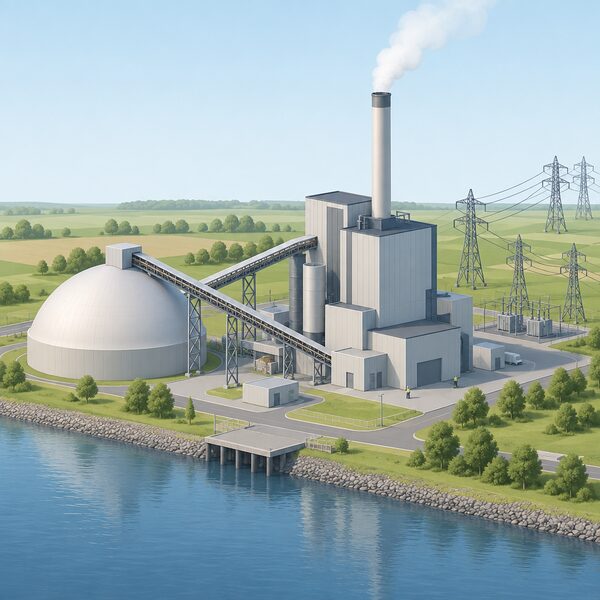
Biomass is the low-carbon substitute that is easiest to overlook, because it is burned like a fossil fuel but counted as renewable. Biomass energy supplied 5% of UK electricity in 202319. In the same year, 55.3% of the UK's electricity came from low carbon technologies, a category that includes renewables and nuclear19.
The wider emissions picture gives the context for these substitutes. UK greenhouse gas emissions have fallen 46% from 1990 levels, and in the period covered by a later assessment the UK had reduced greenhouse gas emissions by 42%20. The electricity sector has done more than its share of that: emissions from the sector have fallen by 81% since 1990, most of the reduction coming since 20081.
Nuclear is the other long-standing low-carbon source, at 16.2% of electricity added to the National Grid in the year from April 2024 to March 20253. It provides firm, low-carbon output that does not depend on weather, which is why it sits alongside renewables in the low-carbon total rather than competing with them.
Biomass and nuclear both illustrate a limit of the coal exit. Replacing a fuel is not the same as replacing a service. Coal provided firm capacity that could be called on at any hour; biomass plants can do something similar but depend on a fuel supply chain, and nuclear provides firm output but at a scale and cost that takes years to build. The substitutes are not interchangeable, and the system needs a combination.
Flexibility: batteries, storage and demand response
Coal's quieter function was flexibility. A coal plant could be run up when demand rose and backed off when it fell. With coal gone, that job is done by gas plants, batteries, interconnectors and by shifting demand itself.
The scale of the flexibility requirement is significant. Flexibility solutions reduce peak electricity demand from electric residential heating by 38% in a low-warming scenario in 205022. That is a modelled figure, and it describes what demand-side flexibility could do rather than what it currently does, but it shows why storage and demand response are treated as part of the supply story rather than an add-on.
Batteries are being deployed at grid scale, and the tax treatment of household storage has been adjusted to encourage it. Electrical storage batteries are zero rated for VAT UK wide from 1 February 2024 to 31 March 202723. The temporary zero rate for the installation of energy-saving materials in residential accommodation in Great Britain runs for the period of 1 April 2022 to 31 March 202724.
Demand response works on the same principle from the household side: shifting when electricity is used rather than storing it. The system operator has been developing proposals to protect consumers while guaranteeing payments for households with solar, by unlocking a smarter energy system25. Grid-scale batteries and household flexibility are covered on grid-scale battery storage and household demand flexibility.
What the coal exit means for household energy independence

The coal exit changed what the grid runs on. It did not change what a household depends on. UK fossil fuel dependency was 75.2% of energy consumption in 2024, down from 76.6% in 2023 and 78.2% in 20225. Three quarters of the energy the country consumes still comes from fossil fuels, most of it imported.
The household share of the problem is heat, not electricity. Home energy consumption accounts for 22% of the UK's carbon emissions25. Energy use in homes accounts for 14% of total UK emissions, and it increased between 2016 and 201726. Heating and hot water for buildings account for 20% of UK greenhouse gas emissions27. Those figures point at gas boilers and building fabric rather than at the electricity mix.
There has been real progress on demand. Domestic energy demand has fallen by 19% since 2000, despite a 12% increase in the number of households and a 10% increase in population22. More recently, domestic energy consumption showed no change for electricity between 2022 and 2024 in England and Wales, and was down 2% for Scotland28.
What a household controls is its own demand, its own generation if it has any, and its own storage. What it does not control is the fuel mix behind the socket, the wholesale price that sets the tariff, or the network that delivers the power. The coal exit removed one imported fuel from that chain. The remaining dependence is on gas, on imports and on the grid, and it is set out more fully on energy security and household independence.
The road to net zero and future targets
The coal exit was a milestone on a longer path. The Net Zero Strategy sets out how the UK will deliver on its commitment to reach net zero emissions by 205011. The interim target is a 78% reduction from 1990 to 2035, which is 63% relative to 201910.
The power sector has the earliest deadline. The strategy set an ambition for a fully decarbonised power sector by 2035, and described decarbonising the UK's electricity system fifteen years earlier than the previous 2050 date10. The UK Government has committed to fully decarbonising the UK's electricity grid by 20356. A separate commitment states that by 2035, all UK electricity production will be zero carbon29.
The targets differ across the UK. Scotland has a legally committed net zero greenhouse gas emissions target of 2045, earlier than the UK-wide 2050 date30. Wales has its own path, with the Climate Change Committee assessing progress towards net zero in Wales separately8. The Welsh figures show how much a single closure can move a national total: emissions fell by 20% in just two years from 2016 to 2018, with the closure of Wales' last coal-fired power station8.
The Climate Change Committee has warned that transparency is not the same as delivery, noting that UK greenhouse gas emissions have so far fallen 46% from 1990 levels20. The coal exit is complete. The 2035 power target is not, and the pace of build for wind, solar, storage and network capacity is what will determine whether it is met.
Sources30 cited
- The Seventh Carbon Budget, Climate Change Committee
- Progress in Reducing Emissions: 2026 Report to Parliament, Climate Change Committee
- Are electric heaters eco friendly?, Which?
- The UK electricity generation mix, House of Commons Library
- DESNZ Annual Report and Accounts 2025 to 2026, Department for Energy Security and Net Zero
- Delivering net zero for Scotland's buildings, Scottish Government
- Quarterly Energy Prices, March 2013, Department of Energy and Climate Change
- The path to net zero and progress reducing emissions in Wales, Climate Change Committee
- Net Zero Wales by 2050, Climate Change Committee
- Government's Net Zero Strategy is a major step forward, Climate Change Committee
- UK's path to net zero set out in landmark strategy, UK Government
- Quarterly Energy Prices, March 2012, Department of Energy and Climate Change
- Quarterly Energy Prices, December 2014, Department of Energy and Climate Change
- A reliable, secure and decarbonised power system by 2035 is possible, Climate Change Committee
- Energy Trends and Prices, 29 January 2026, Department for Energy Security and Net Zero
- Proposals to protect consumers and guarantee payments for households with solar, UK Government
- Progress in Reducing Emissions: 2025 Report to Parliament, Climate Change Committee
- New planning rules to boost solar rollout and slash energy bills, UK Government
- Postnote: Low carbon technologies, Parliamentary Office of Science and Technology
- Better transparency is no substitute for real delivery, Climate Change Committee
- A well adapted UK, Climate Change Committee
- Future Insights Series: Flexibility, Ofgem
- VAT on energy saving materials: batteries, HM Revenue and Customs
- VAT on energy saving materials: temporary zero rate, HM Revenue and Customs
- Home and business grants, schemes and advice, East Hertfordshire District Council
- UK homes unfit for the challenges of climate change, Climate Change Committee
- Lord Deben welcomes the government's commitment to improving the energy efficiency of new UK buildings, Climate Change Committee
- National Energy Efficiency Data Framework: NEED report 2026, Department for Energy Security and Net Zero
- Building back better: raising the UK's climate ambitions for 2035, Climate Change Committee
- Edinburgh Local Heat and Energy Efficiency Strategy, City of Edinburgh Council
 Data and Energy IndependenceHow many UK homes actually make their own power, and is that number really growing?
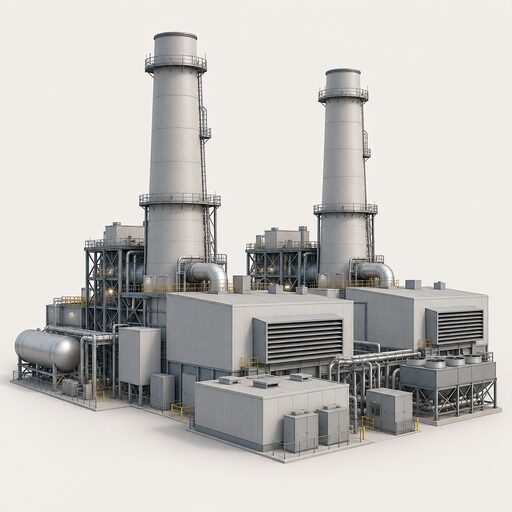 UK Electricity Generation MixBreaks down the shares of gas, wind, nuclear, solar, biomass, hydro and imports in UK electricity generation, how those shares move by hour and season, where the published figures come from, and what the mix means for a household's energy independence.
 Off-Grid in a UK WinterHow does a home with no mains connection keep the lights on through the darkest, stillest weeks of a UK winter?
 Household Resilience and RiskWhat happens to your heating and lights if the power goes off for days?
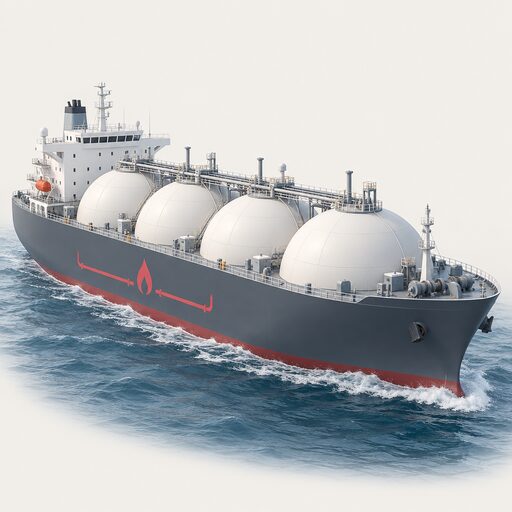 The Full Where Our Energy Comes From GuideWhere does the gas in your boiler and the electricity in your sockets actually come from?
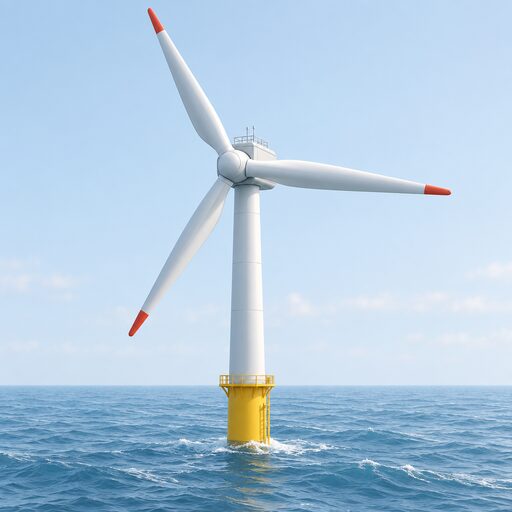 Wind Power on the UK GridOffshore wind now supplies a big share of Britain's electricity, and it keeps growing.