
In this answer
Short answer
A heat pump and an electric vehicle together move a household off direct oil and gas imports and onto British electricity. Analysis published by the Energy and Climate Intelligence Unit in April 2024 found that households with a heat pump and electric vehicle are far less dependent on foreign oil and gas imports and make more use of British electricity1. The same body identifies energy efficiency, electric heat pumps and electric vehicles as the primary household route to lower import reliance2.
The mechanism is efficiency. Electric heat pumps use about 3 to 4 times less energy than gas boilers to produce the same heat3, and independent guidance gives the same 3 to 4 times figure for providing the same heat as a boiler4. A heat pump takes heat from the air or ground and uses it for heating and hot water5, running on electricity rather than a fuel delivered by tanker or pipeline6.
What this does not do is take the household off the grid. The heat pump still draws from the network, and the electricity it uses carries whatever generation mix and import position the system holds at that moment. Independence here is partial and measurable: it reduces direct fossil fuel imports, not network dependence.
The quantified answer: efficiency, not generation
The quantified answer runs through efficiency, not through generation. A heat pump delivers more heat energy than the electrical energy it consumes11, and the Energy Saving Trust describes heat pumps as a low carbon way to heat a home by taking heat from the air or ground5. NICEIC describes them as electricity powered heating systems6. Because the input is electricity rather than gas or oil, the household's direct exposure to imported fuel falls.
The scale of that fall is set by how much less energy the system needs. Nesta puts electric heat pumps at about 3 to 4 times less energy than gas boilers for the same heat output3, and the Association for Environment Conscious Building gives the same 3 to 4 times range4. Expressed the other way round, that is a unit of electricity drawn from the grid doing the work of three or four units of gas burnt in a boiler, which is why the efficiency gain, not on-site generation, carries most of the reduction.
The emissions and import consequences follow. The Building Engineering Services Association states that a well designed and installed heat pump system can reduce carbon emissions by 70%, rising closer to 100% as the UK decarbonises electricity generation and supply7. The European Heat Pump Association states heat pumps save energy, cut emissions and can reduce household heating bills by up to 60%8.
For the household, the practical meaning is that the energy it buys is increasingly generated domestically, and the fuel it no longer buys is the fuel that arrives by ship. That is the sovereignty gain. It is real but bounded, and the sections below set out where the boundary sits.

Which households this applies to
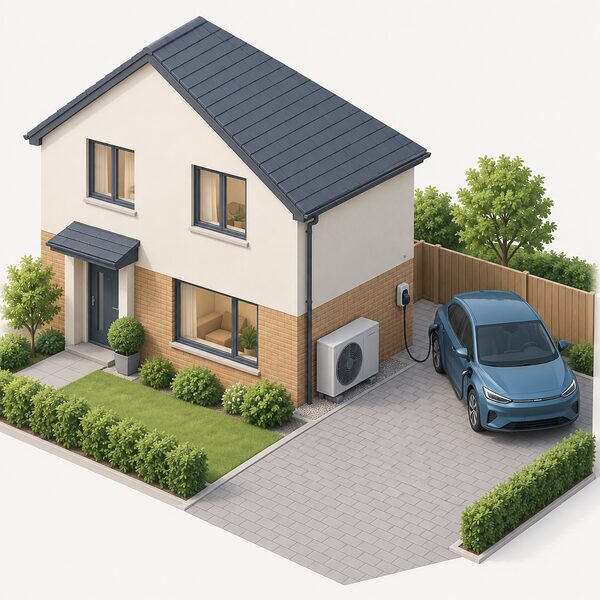
The household that benefits most is one with a gas or oil heating system, off-street parking for charging, and a property that can take the flow temperatures a heat pump works best at. The Energy Saving Trust notes that the lower the flow temperature, the better the efficiency of the heat pump and the lower a household's electricity use12, so fabric and emitter sizing matter as much as the unit itself.
Eligibility rules vary by nation and by scheme. In the Domestic Renewable Heat Incentive, heat pumps had to provide space heating or a combination of space heating and domestic hot water, could not exclusively provide domestic hot water, had to use an electricity driven compressor, and could not use heat expelled from a building or appliance13. Air source heat pumps do not have to provide domestic water heating to be eligible under that scheme, but may do so, and may also provide water cooling14.
In Scotland, the Home Energy Efficiency Equity Loan pilot listed heat pumps (air source, ground source and water source) among eligible measures15. Scottish building standards set eligibility criteria for heat pumps by reference to the minimum requirements of eco-labelling established in Commission Decision 2007/742/EC, as amended in 2011 and 2013, for electrically driven, gas driven or gas absorption heat pumps16.
In Northern Ireland, homeowners or property owners must choose the equipment and nominate an EV charge point or heat pump installer, who carries out checks and submits the application on their behalf17. That is a different route from Great Britain, where the connection process runs through the distribution network operator.
| Nation | Route for a heat pump or EV connection | Source |
|---|---|---|
| Great Britain | Connect and Notify where existing maximum demand is above 60A and a curtailment scheme limits the property to 60A or less | 10 |
| Northern Ireland | Homeowner nominates an installer, who carries out checks and submits the application | 17 |
| Scotland | Building standards eligibility by eco-labelling criteria; loan pilot covered air, ground and water source | 16 |
Conditions, exceptions and connection rules
The connection rules are the first condition. Network guidance states that for premises with an existing maximum demand above 60A, a Connect and Notify installation is permitted for a new EV chargepoint or heat pump if there are no issues with the existing connection and the new device has an EV or heat pump curtailment scheme that limits overall property maximum demand to 60A or less whenever the device is activated10. That clarification applies to import, where the EV or heat pump acts as demand only, and is not applicable to vehicle to grid or grid export limitation, which is covered by ENA Engineering Recommendation G10018.
Planning is a second condition. Air source heat pumps are subject to a number of limits and conditions under permitted development20, so a household should check the position for its own property before assuming no application is needed.
VAT treatment is a third. Air source heat pumps and ground source heat pumps qualify for a lower rate of VAT21. Water source heat pumps were added to the list of energy-saving materials qualifying for the temporary zero rate, reverting to the reduced rate thereafter22, and the relief applies where the heat pump is installed in, or the curtilage of, residential accommodation or buildings intended for use solely for a relevant charitable purpose23. Electrical batteries, water source heat pumps and diverters, and certain preparatory groundworks for ground and water source heat pumps were added to the eligible materials24.
Tariff design is a fourth. The Heat Pump Association modelled an interim heat pump tariff discount that would decrease the cost of electricity faced by heat pump consumers by 12% in 2024 and by 24% in 2026 under central price forecast assumptions9. Air to air heat pumps and domestic hot water heat pumps are not included in that discount9. The European Heat Pump Association urges Member States to lower the electricity to gas price ratio, and recommends reducing VAT on all types of heat pump to 5%, the minimum currently allowed under EU law25.
How the installation and tariff sequence works
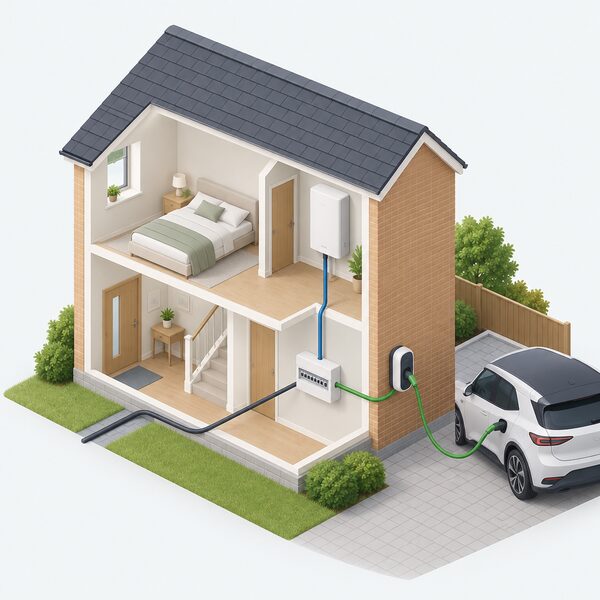
The sequence starts with the heat demand, not the equipment. A well designed and installed system is what delivers the 70% carbon reduction figure, rising closer to 100% as the grid decarbonises7. The Energy Saving Trust states plainly that heat pumps provide a home with energy efficient, low carbon heating26, and that the lower the flow temperature, the better the efficiency12.
The tariff side is where the import question is settled. Ovo offers heat pump installation plus a Heat Pump Plus add-on giving cheaper electricity rates for the energy the heat pump uses27. ivie offered compatible households with heat pumps and EVs a set-priced energy tariff28. The Energy Saving Trust notes that a key recommendation for progress on electrification is to remove policy costs from electricity bills to lower heat pump running costs29.
Solar assisted heat pumps transfer energy from outside to heat water, using electricity but delivering more heat energy than the electrical energy used30. That is the same principle as the standard unit, applied to a different source.
For a household planning the whole system, the heat pump and the EV are two loads on one supply, and the connection rules treat them together. The wider design questions, including how generation and storage are sized around those loads, are set out in designing a whole-home energy system and in the household energy independence guide. The measurement side, including how much imported energy a household actually uses, is covered in how much imported energy a UK household uses.
Sources30 cited
- Household energy buying British, Energy and Climate Intelligence Unit, 2024-04-15
- Household energy security in 2030, Energy and Climate Intelligence Unit, 2024
- What is the electricity to gas price ratio and why is it important?, Nesta, 2026-04-01
- Domestic heating technology options, Nesta, 2025-02-03
- Heat pumps, Energy Saving Trust, 2026-06-11
- How heat pumps work: a guide for homeowners, NICEIC, 2025-09-17
- Controls Guide for Air Water Heat Pump Systems, BEAMA, 2024-10
- Tackling upfront costs: how the Electrification Action Plan can make heat pumps more affordable, European Heat Pump Association, 2026-07-27
- Accelerating heat pump deployment: domestic interim heat pump tariff, Heat Pump Association, 2024-01
- Frequently asked questions about connecting to the networks, Energy Networks Association, 2026-09-17
- Renewable heating: what are the options for your home, Energy Saving Trust, 2024-03-01
- Insulation and heat pumps: the perfect pairing, MIMA, 2026-09-20
- Domestic RHI essential guide, Ofgem, 2022-03
- Domestic Renewable Heat Incentive: eligible heating systems, Ofgem, 2026-09-17
- Home Energy Efficiency Equity Loan pilot: homeowner feedback survey, Scottish Government, 2022-03-14
- Building standards technical handbook 2020: domestic, 3.13 heating, Scottish Government, 2020-12-02
- EVs and heat pumps, NIE Networks, 2026-09-19
- Connecting to the networks: duplicate FAQ, Energy Networks Association, 2026-09-17
- What is an import or load limiting device, NIE Networks, 2026-09-19
- Do I need planning permission, Cornwall Council, 2026-09-09
- Tax on shopping: energy saving products, GOV.UK, 2026-09-17
- VAT energy saving materials and grant funded heating supplies: VENSAV3081, HM Revenue and Customs, 2026-09-17
- VAT energy saving materials and grant funded heating supplies: VENSAV2082, HM Revenue and Customs, 2026-09-17
- Explanatory memorandum to the VAT (Energy Saving Materials) (Amendment) Regulations 2024, legislation.gov.uk, 2024-01-10
- Heat pumps versus boilers: taxes and running costs, European Heat Pump Association, 2024-12
- How to ensure a heat pump runs efficiently, Energy Saving Trust, 2026-05-19
- Air source heat pump costs and savings, Which?, 2026-04-14
- ivie Energy Sure: how we helped with home heating over winter, ivie, 2026-09-20
- Climate Change Committee report response, Energy Saving Trust, 2026-06-24
- Solar assisted heat pumps, Energy Saving Trust, 2025-06-13
 Household Import DependenceGas and oil make up most of what a typical UK home spends on energy, and roughly half of that gas comes from abroad.
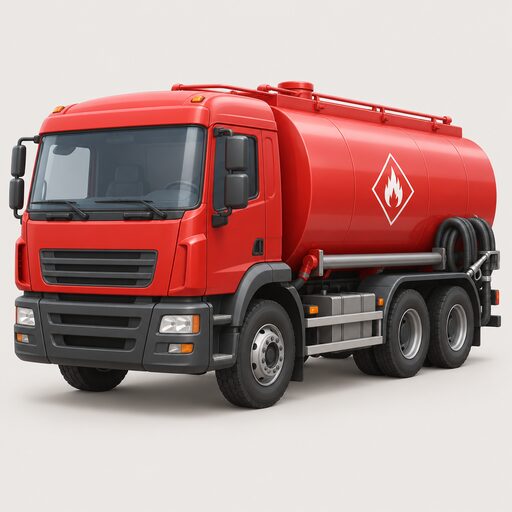 Energy IndependenceA heat pump runs your heating on electricity instead of gas or oil, so how much does that really cut what you pay and how exposed you are when fuel prices jump?
 Cost of Energy IndependenceA heat pump and better insulation are the usual starting point, but what does the whole job really cost, and what help is there with the bill?
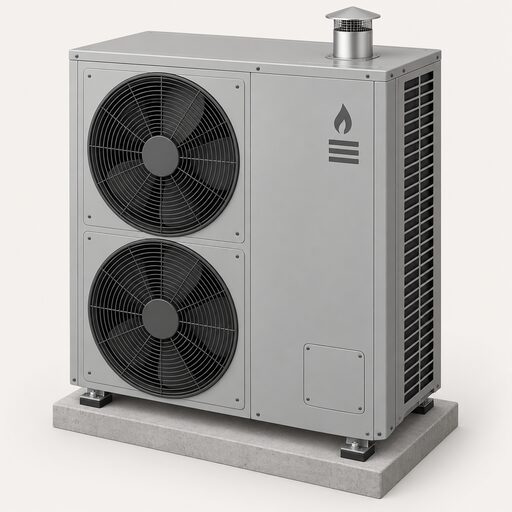 Gas Absorption Heat PumpsGas absorption heat pumps run on gas rather than electricity, so do they cut your bills and can they work in a normal UK home?
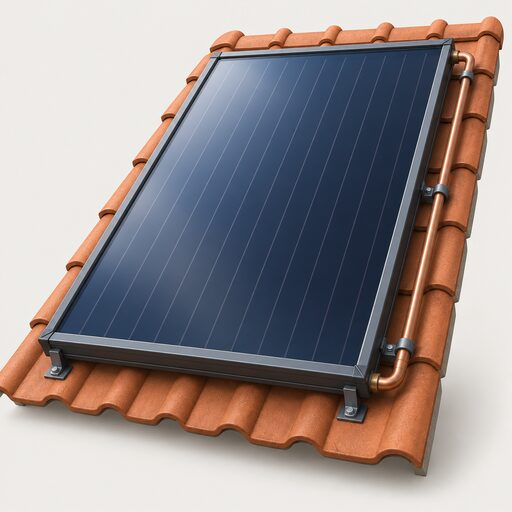 Heating and Energy IndependenceCan you heat your home without relying on gas or oil, and what would that take?
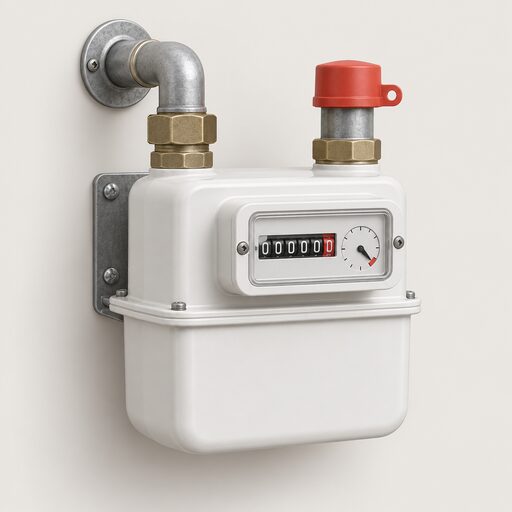 Replacing a Gas or Oil BoilerSwapping a gas, oil or LPG boiler for a heat pump changes how your home is heated and how much it costs.