


In this guide
The Pod Point Solo 3 is a home wallbox sold in two forms: a tethered version with the cable fixed to the unit, and an untethered version with a universal socket that takes your own Type 1 or Type 2 cable1. It is Wi-Fi enabled, works with all plug-in electric vehicles, and Pod Point states it is OZEV approved and fully compliant with the government's latest smart charging regulations2.
On price, Pod Point's own product page gives a figure of £999 to install, and notes that this may differ because of subsidised pricing agreed with vehicle manufacturers3. That is the maker's published figure rather than a quote for a particular house. A standard installation can be completed in as little as two hours3.
The company behind it is Pod Point Limited, registered in England under company number 06851754, with 17 years of experience and more than 300,000 customers4. It has been accredited as a Which? Trusted Trader for its end-to-end solution and customer-focused service2. The company states that it has been charging the UK since 2009 and has powered more than 6 billion miles4.
What the Solo 3 is, and who makes it
Pod Point Limited describes itself as having 17 years of experience, with 300,000 or more customers and 6 billion or more miles powered4. The company has been charging the UK since 2009, holds 21,000 or more five-star reviews, and is rated "Excellent" on Trustpilot7. Those are the maker's own figures and should be read as such, but they establish the scale of the operation behind the product.
The Solo 3S is the model most often discussed under the Solo 3 name. Pod Point states that it is compatible with all plug-in electric vehicles, is OZEV approved, and is fully compliant with the government's latest smart charging regulations2. The Solo 3 Home datasheet lists the electrical standards the unit is built to: LVD 2014/35/EU, EMCD 2014/30/EU, BS EN 61851-1:2019, EN61000-3 and -2, and BS7671:20185.
The company's regulatory position is worth knowing. Pod Point Limited is an appointed representative of Product Partnerships Limited, which is authorised and regulated by the Financial Conduct Authority (FRN 626349), and it acts as a credit broker rather than a lender, introducing customers to Klarna Bank (publ)4. That matters if a purchase is financed rather than paid for outright.
Pod Point is also one of Mercedes's preferred home charge suppliers for its portfolio of electrified vehicles, including all-electric and plug-in hybrid models8. The warranty document states that it is governed by and construed in accordance with the relevant sale or hire terms and the laws of England6.

Tethered or universal socket: which Solo 3 suits your driveway

The choice between the two versions comes down to what you want to keep in the car. The untethered version works with Type 1 and Type 2 connectors, so the cable lives with the vehicle and can be taken with you1. The tethered version has the cable permanently attached to the wallbox, which is the arrangement most other home chargers use: the Hypervolt Home 3 Pro, for example, is listed as tethered only1.
The Solo 3 Home datasheet gives the socket specification for the untethered form: a Mennekes Type 2 socket (IEC 62196-2) with a statutory locking mechanism5. The same document lists the charging connectors as Type 1 (SAE J1772) and Type 2 (IEC 62196-2)5. The locking mechanism is the part that stops the plug being removed while the vehicle is drawing power, which is a safety requirement rather than a convenience feature.
The trade-off is straightforward. A tethered unit means no cable to fetch from the boot and no cable to lose, but the cable is fixed at whatever length was supplied and cannot be swapped if you change cars. An untethered unit means one cable serves both the home charger and any public untethered point, and the socket can accept either connector type, but it means handling a cable in the rain and storing it somewhere.
For a household with two electric cars using different connector types, the universal socket is the version that covers both without adapters. For a household with one car and a short driveway, the tethered version removes a daily task. There is more on the general trade-off in tethered vs untethered EV charger, and the wider range of body styles and connector arrangements is covered in types of home EV charger.
Power ratings and specifications
The Solo 3 Home datasheet gives the standby consumption as under 2.5W with Wi-Fi active5. That is the figure for the unit sitting idle and connected, and it is small enough that it does not materially change a household's standing load.
The datasheet also sets out the electrical protections built into the unit: 6mA DC leakage protection, over current protection, PME protection and failed earth protection5. Pod Point states that the on-board 6mA DC leakage protection is fully compliant with BS 7671:2018, regulation 722.531.2.1015. That regulation is the one that governs how a charge point handles DC fault current, and it is the reason a home charger needs protection that a standard domestic circuit does not.
| Specification | Solo 3 Home |
|---|---|
| Socket type | Mennekes Type 2 socket (IEC 62196-2) with statutory locking mechanism5 |
| Connectors supported | Type 1 (SAE J1772), Type 2 (IEC 62196-2)5 |
| Connectivity | IEEE 802.11bgn Wi-Fi5 |
| Standby consumption | under 2.5W with Wi-Fi5 |
| Data security | Secure HTTPS data encryption5 |
| Electrical protections | 6mA DC leakage, over current, PME and failed earth5 |
| Standards | LVD 2014/35/EU, EMCD 2014/30/EU, BS EN 61851-1:2019, EN61000-3 and -2, BS7671:20185 |
The charging speed itself is not stated in the datasheet figures above. Pod Point's general guidance is that a vehicle charges three times faster on a home EV charger than on a three-pin plug2. The rate a particular car actually draws depends on the vehicle's on-board charger and the supply to the property, which is covered in EV charging speeds and times and in electrical requirements for a home EV charge point.
Price: from £999 to install, and why quotes differ

Pod Point's published figure for the Solo 3S is from £999 to install, and the same page notes that the price may be different because of subsidised pricing agreed with vehicle manufacturers3. That second clause is the important one: the figure a household actually pays can be lower where a car maker has an arrangement in place, and the maker's page does not set out which manufacturers or by how much.
For context on where that sits, an independent product page lists the Hypervolt Home 3 Pro at £690 plus installation1. That is a different product with a different specification, and it is given here only to show that the £999 figure includes installation rather than being a hardware price alone.
There is also a subscription route. Pod Drive includes an award-winning Pod Point charger, installation handled by Pod Point, Pod Rewards, and exclusive access to the Pod Power by EDF tariff7. The offer of nothing to pay at checkout on a Pod Drive subscription ends on 1 November 2026, subject to status and eligibility4. An independent guide records that installing a Pod Solo 3S home charger through Pod Drive costs £99, or £49 through a special deal for Nissan EV buyers9.
Pod Point also runs discounts for particular groups. Students studying full-time can get an exclusive discount on a Pod Point Solo 3S3. Wider cost context, including what other hardware and installation arrangements come to, is in how much does a home EV charge point cost, fitted.
Buying through EDF: tethered or universal socket options
Pod Point sits inside EDF, and the commercial arrangements reflect that. Pod Drive bundles the charger with Pod Rewards and exclusive access to the Pod Power by EDF tariff8. EDF Energy is a French-owned supplier that started operating in the UK in 2002 and is the UK's fifth-largest energy supplier10. It offers 24/7 support to its customers10.
The tariff side is where the ownership shows up most clearly for a household. EDF extended the off-peak window on all its EV tariffs to 11pm to 6am from 1 April 2026, giving new and existing customers on GoElectric, Pod Point Plug & Power and Pod Point EV Exclusive two extra off-peak hours every night. In April 2026 EDF also ran a £50 account credit offer for residential customers signing up to GoElectric, Pod Point Plug & Power or Pod Power between 20 April and 24 May 2026.
Both versions of the Solo 3 are available through this route, so the tethered or universal socket decision is made the same way whichever supplier the installation is bought through. Pod Point states that its chargers are compatible with all energy suppliers4, so buying through EDF is a commercial arrangement rather than a technical requirement. The wider picture of how tariffs change home charging is in EV energy tariffs and how they change home charging.
EDF's own installation business covers other technologies too: it installs Ideal, Daikin and Trianco heat pumps through its subsidiary EDF Heat Pumps, which is a Which? Trusted Trader12. That is a separate operation from the charging side, but it indicates the scale of the group a Pod Point customer is dealing with.
Solar integration and smart charging

The Solo 3S includes solar integration, allowing users to charge their electric cars exclusively with excess solar power or with a mixture of solar and grid energy through solar charging modes13. Pod Point describes the solar compatible charger as working automatically with solar panels whether they are installed now or added in the future3. The Solo 3S was designed to work with solar panels automatically once they are installed, so the household does not have to replace the charger when panels go on the roof13.
The smart charging features include Charge Scheduling13. Charge Scheduling and Solar and Grid modes are available through the Pod Point App, and the charger works without the app, charging whenever a vehicle is plugged in3. That distinction matters: the app is the route to the scheduling and solar modes, not a condition of the charger working at all.
One independent product page lists the Pod Solo 3S as not smart tariff compatible1. That is a separate question from solar compatibility, and the two should not be conflated: a charger can work with rooftop solar without being on a supplier's list of chargers that respond to a dynamic tariff. Households weighing both should check the position for the specific tariff before committing.
The dependence this creates is worth stating plainly. Solar charging modes depend on the charger, the app and the household's own panels, and the scheduling depends on a broadband connection and Pod Point's servers. Local charging continues without any of that. More on the solar side is in charging an EV from solar panels, and the connectivity question is covered in EV charger apps, Wi-Fi, 4G and firmware.
Pod Point the company: EDF-owned, Which? Trusted Trader and 17 years in the field
Pod Point Limited is registered in England under company number 068517544. It has been accredited as a Which? Trusted Trader for its end-to-end solution and customer-focused service2. Which? publishes guidance for households looking to install a home charger and find a trader they can trust, which is the context in which that accreditation sits12.
The company's history is longer than the Solo 3. Pod Point has been charging the UK since 2009 and describes itself as having 17 years of experience7. It reports 300,000 or more customers and 6 billion or more miles powered4. It is rated "Excellent" on Trustpilot and reports 21,000 or more five-star reviews7.
On the stock market question, Pod Point was listed on the London Stock Exchange under the ticker symbol PODP, as recorded in a 2023 press release12. The company is now described in its own material as part of EDF, with chargers sold alongside the Pod Power by EDF tariff8. Anyone treating the share listing as a current description of the company's structure should check the position as it stands rather than relying on the 2023 record.
The public network side is separate from the home charger. Pod Point locations include Tesco and Lidl stores, as well as Center Parcs and National Park locations, for example in the Peak District14. Whether charging at any particular one of those is free is a question for the site rather than for the network as a whole. Public charging generally is covered in public EV charging: networks, payment and the rules.
Security review: the 6point6 vulnerability findings and what was resolved

The Solo 3 Home datasheet states that the unit uses secure HTTPS data encryption5. It also lists the electrical protections built in: 6mA DC leakage, over current, PME and failed earth protection5. Those are the protections against electrical fault rather than against remote intrusion, and the two categories should not be confused.
The datasheet sets out the standards the unit is built to: LVD 2014/35/EU, EMCD 2014/30/EU, BS EN 61851-1:2019, EN61000-3 and -2, and BS7671:20185. These cover electrical safety, electromagnetic compatibility and the general requirements for electric vehicle supply equipment. They are the compliance baseline rather than a security audit.
The charger is Wi-Fi enabled, and Pod Point states that the Solo 3S is Wi-Fi enabled to ensure the charger is always up to date with the latest smart features2. The Solo chargers are described as Wi-Fi enabled and coming with a host of smart features7. The Solo 3 Home datasheet gives the connectivity as IEEE 802.11bgn Wi-Fi5.
That connectivity is the point of exposure. A charger on a home network is a device on that network, and its firmware updates arrive over the internet connection. The general position on charger security, data and remote control is set out in EV charger cybersecurity, data and remote control, and the safety and certification framework is in EV charge point safety, standards and certification.
Warranty, support and what to do when something goes wrong
Pod Point sets out the claim route in its warranty document: a fault must be reported to the Pod support team, either by completing the contact support form at help.pod-point.com or by calling +44 (0)20 7247 41446. Reporting it is the step that starts the process.
The warranty is governed by and construed in accordance with the relevant sale or hire terms and the laws of England6. That means the terms of the particular sale, rather than a single document, set out what is covered, which is worth reading before purchase rather than after a fault.
"you must report this to the Pod support team either by calling completing the contact support team form at https://help.pod-point.com/s/contactsupport or by calling us on +44 (0)20 7247 4144"
The general framework for charger warranties and aftercare, including what typically sits inside and outside a term, is in EV charge point warranties and aftercare. If a unit has stopped working, the diagnostic steps are in EV charge point faults and troubleshooting.
Grants and the cost of installation

There is an electric vehicle chargepoint grant that can help towards the cost of installing a chargepoint socket at a property, aimed at renters and flat owners15. The government's installer page states that a grant is available to help with installation costs where the page's criteria are met16. In Scotland, Home Energy Scotland offers a grant towards the cost of purchasing and installing a home charge point17.
The criteria matter more than the headline. The grant is not open to every householder in every nation, and the eligibility conditions are set out in the scheme rules rather than in the product material. The full position for renters and flat owners is in the Electric Vehicle Chargepoint Grant for renters and flat owners, and the Scottish scheme is covered in the cross-pavement charging and pavement channels grant.
For a household with a driveway and its own property, the grant route is generally not the one that applies, and the cost falls on the buyer. That is where the £999 figure and any manufacturer subsidy become the numbers that matter3.
Where the Solo 3 sits for a household's energy independence
A home charger of any make moves a household's transport fuel from petrol or diesel to electricity, and that is the main independence gain. It also creates a new dependence: the car now runs on the grid, through a supplier, and the charger itself depends on a broadband connection for its scheduling and solar modes.
The Solo 3's specific position is that the charger works without the app and charges whenever a vehicle is plugged in3. Local charging therefore continues if the internet goes down. What stops is Charge Scheduling, the Solar and Grid modes, and any remote visibility3. The solar integration is a genuine reduction in grid dependence for the miles it covers, but only for households with panels and only for the hours when they are generating13.
The remaining dependencies are the ones common to the category: a supplier for the electricity, a broadband connection for the smart features, and Pod Point's own servers and app for remote control. The company's ownership by EDF ties the product to a particular supplier's tariff structure, though Pod Point states the chargers are compatible with all energy suppliers4. The wider picture is in EV charging and household energy independence.
Sources17 cited
- Home Electric Vehicle Chargers, Carwow, 2026
- EV Charger Home Installation Process, Pod Point, 2025
- Discounts, Pod Point, 2026
- Pod Point, Pod Point, 2026
- Solo 3 Home Datasheet, Pod Point, 2026
- Pod Product Warranty Statement Domestic, Pod Point, 2025
- Smart Homecharger, Pod Point, 2026
- Mercedes Homecharger, Pod Point, 2026
- Best Electric Car Charging Subscriptions, Carwow, 2025
- EDF Energy, Energy Helpline, 2026
- Big Six Energy Suppliers Guide, Uswitch, 2026
- Looking to Install a Home Charger for Your Electric Car, Which?, 2023
- Introducing Solo 3S, Pod Point, 2024
- Destination Charging, Zapmap, 2026
- Electric Vehicle Chargepoint Grant, GOV.UK, 2026
- Electric Vehicle Chargepoint Installers, GOV.UK, 2026
- Charging Home Grant, Home Energy Scotland, 2026
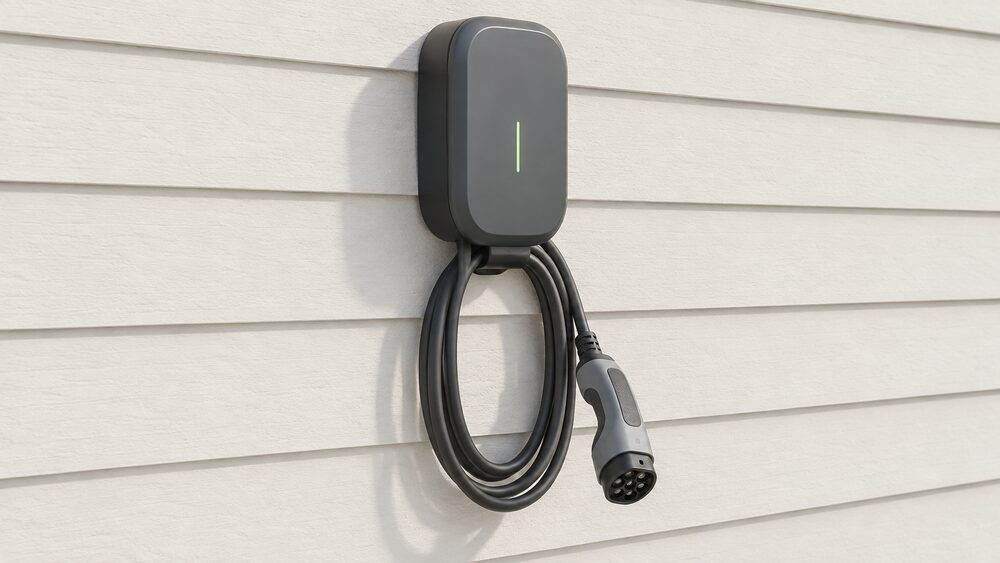 Pod Point home chargersPod Point is one of the best-known names in UK home charging, and it is now owned by EDF.
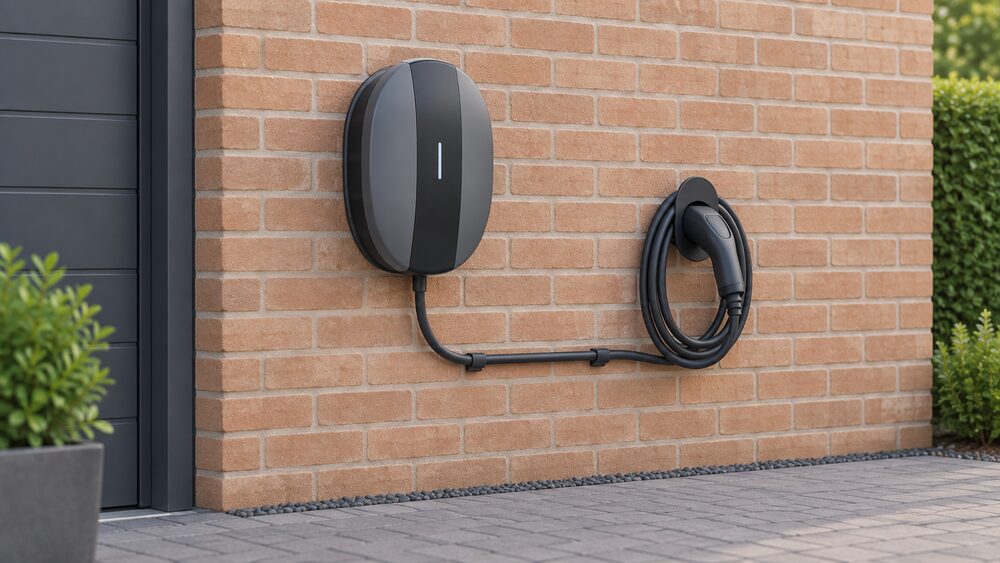 Pod Point home EV chargersWondering what a Pod Point home charger costs, whether it fits your car and who owns the company now?
 Pod Point Plug & PowerPod Point Plug & Power bundles a Solo 3S home charger at £499 with a two-year tariff at 6.49p per kWh off-peak, and requires a fully connected smart meter.