
In this comparison
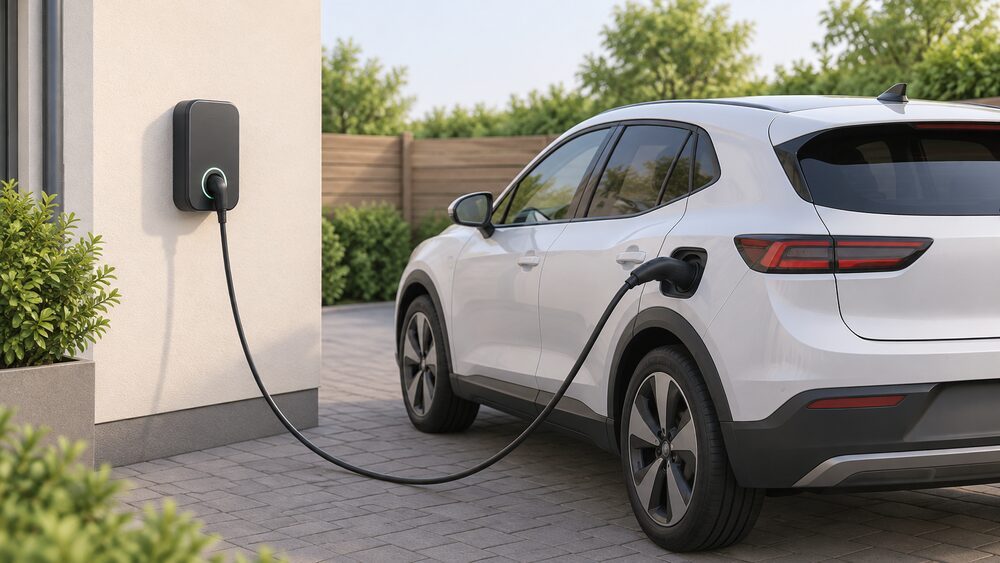
Ohme and Pod Point are the two names most UK drivers meet when they start looking at a home charge point. Ohme describes itself as the UK and Ireland's largest home EV charging company, based in Cork1. Pod Point has been charging UK cars since 2009, says it has fitted over 300,000 chargers on UK homes, and has been owned by EDF since August 20252.
The practical difference is not the plug. Both work with any energy supplier and any plug-in vehicle4. The difference is what the charger is for. Ohme's pitch is smart scheduling: it reads your tariff and moves charging into the cheap hours, which the company says can cut charging costs by up to 70% and save most drivers £500 or more a year6. Pod Point's pitch is a straightforward charger, bought outright or subscribed to, with Which? endorsed installation and 24/7 support2.
Company background and ownership
Ohme is based in Cork and describes itself as the UK and Ireland's largest home EV charging company and the fastest growing EV charging company in Europe1. It sells through installers and partners rather than running its own national fitting force, offering supply only, supply and install, and free EV charging training to its partner network9.
Pod Point is a longer established business. It states it has been charging the UK since 2009, has 17 years of experience, and has powered 6 billion or more miles10. Pod Point Limited is registered in England, company number 06851754, and acts as a credit broker rather than a lender, introducing customers to Klarna Bank for finance2.
The ownership question is the one that matters most for a buyer. EDF, through EDF Energy Customers Ltd, completed the acquisition of all outstanding shares of Pod Point Group Holdings PLC, and Pod Point was delisted from the London Stock Exchange on 4 August 202511. The Pod Board had recommended the offer in June 2025, when EDF already held a 53% stake11. For a household, that means Pod Point is now backed by a large energy supplier rather than by public shareholders, which is a different kind of security from a standalone charger brand. It also means the company sits inside a group that sells electricity, so the charger and the tariff can come from the same place.
Ohme's independence runs the other way. It is a charging company, not an energy supplier, and its business depends on working with whatever tariff the driver already has. That shapes both its strengths and its limits.

Smart tariff scheduling: Ohme's core strength
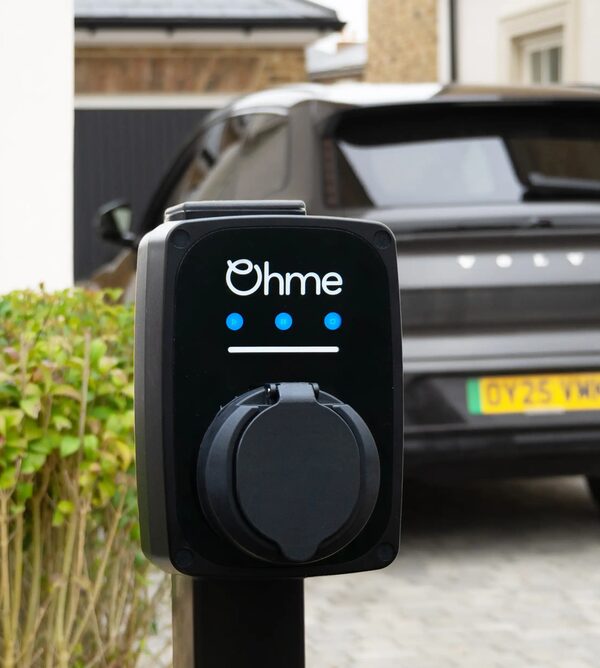
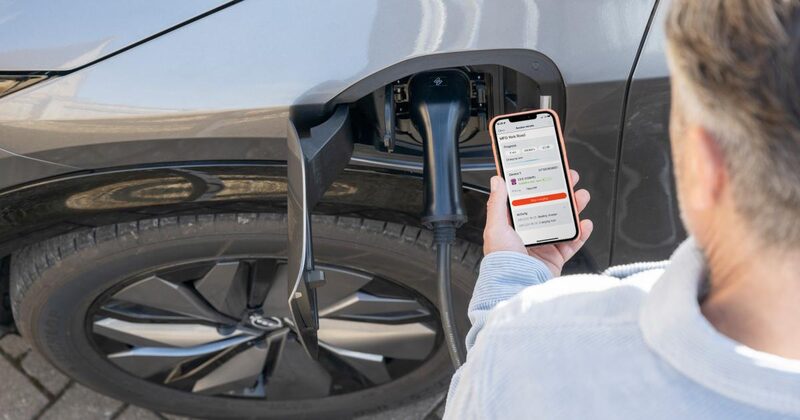
Ohme's central claim is that the charger, not the driver, decides when the car charges. The Ohme app lets a driver set up routines, schedule one-off charging sessions, apply a price cap in pence per kWh, and track energy costs and consumption12. The charger integrates with energy tariffs, including time of use off-peak tariffs, and Ohme states it is compatible with all energy suppliers9. Where a tariff is not on the list, a custom tariff can be entered by typing in the tariff times and prices6.
The scheduling logic is specific. Ohme prioritises charging during the cheaper hours and only spills over into peak times if it has to, in order to meet the ready by time. With the price cap enabled, it schedules charging exclusively during off-peak hours, even if that means the target charge may not be reached13. On an example dual rate custom tariff, the off-peak window given is 12am to 5am13.
That matters because time of use tariffs charge a lower price during lower demand, off-peak periods14. The Energy Saving Trust notes that solar-specific tariffs usually combine an export tariff with a smart time of use tariff15. Ohme states its chargers help shift EV charging away from the 5pm to 8pm demand peak9.
The company's own figures are striking: less than £5 per charge on a smart tariff, against around £15 to £20 on a typical tariff for a 60 kWh battery, with savings of £500 or more a year for most drivers and a reduction of up to 70% in charging costs6. Those are maker figures and should be read as such, but the mechanism behind them is real: the same kWh costs less at 2am than at 6pm.
Pod Point takes a different route. Its Plug & Power bundle pairs the Solo 3S charger with a two-year fixed tariff, with the charger from £499 upfront and the rest of the cost spread across the tariff16. That is a bundled product rather than a scheduling engine, and it ties the hardware to an energy contract for two years.
"Ohme will prioritise scheduling charge during the cheaper hours, only spilling over into the peak times if required to meet your ready by time target."
Ohme or Pod Point: which suits which driver
The choice turns on three things: how much you want the charger to think for you, how you want to pay, and what your parking and supply look like.
Ohme suits a driver on, or willing to move to, a time of use tariff who wants the charging decision taken out of their hands. The ePod is the untethered model, with no cable attached, working with Type 1 or Type 2 connectors, and Ohme describes it as the smaller, more compact model6. The Home Pro is the larger of the two and carries dynamic smart charging, energy tariff integration, home power balancing and over-the-air updates4.
Pod Point suits a driver who wants a known product at a known price, with the option to subscribe rather than buy. The Solo 3S is compatible with all plug-in electric vehicles, and Pod Point states that every Pod Point charger is compatible with all plug-in vehicle brands5. Pod Drive gives the option to buy upfront or subscribe18.
| Ohme | Pod Point | |
|---|---|---|
| Main models | ePod (untethered), Home Pro (larger)6 | Solo 3S, Pod Drive18 |
| Cable | ePod has no cable attached; Type 1 or Type 212 | Tethered and untethered options across the range18 |
| Tariff integration | Integrates with time of use and off-peak tariffs; custom tariffs can be entered9 | Compatible with all energy suppliers; Plug & Power bundles a two-year fixed tariff2 |
| Payment | Through the installer or partner9 | £999 upfront or £34 a month; Plug & Power from £499 upfront7 |
| Warranty | Not stated in the material reviewed | Up to 5 years on charger and installation2 |
| Support | Through the app and installer network | 24/7 support2 |
Both need the same physical starting point. Pod Point notes that many EV charging providers require dedicated off-street parking so the charger can be installed5. Neither brand removes the need for a supply cable run from the distribution board, and neither works without a home electricity supply.
Charging costs: under £5 to around £20 per charge
The cost of a charge depends far more on when the electricity is bought than on which box is on the wall. Ohme's own comparison puts a 60 kWh battery at around £15 to £20 on a typical tariff and less than £5 per charge with smart tariff integration6.
Independent figures from the Energy Saving Trust put the same journey in context: home charging for a full 220 miles of range costs about £17, public fast charging about £37, public rapid charging about £53, against an average of £45 for a full tank of petrol15. Home charging is the cheapest option in that comparison, and the gap between home and public rapid charging is roughly the cost of the charger itself over a year of driving.
The Energy Saving Trust also gives the typical cost of installing a home charge point as around £800 to £1,2008. Pod Point quotes a starting figure of around £849 for a home charge point installation, and states that a 20-mile commute can cost as little as 37p on its Solo 3S16. Pod Point's headline pricing is £999 upfront or £34 a month by subscription, with the Plug & Power bundle starting at £499 upfront and the balance spread over a two-year fixed tariff7.
For a household, the arithmetic that matters is the difference between peak and off-peak. A charger that reliably moves the bulk of charging into a cheap window changes the annual cost of running a car more than the purchase price of the charger does. That is the case Ohme makes, and it is the reason the scheduling feature carries so much weight in this comparison.
Installation and what happens on the day
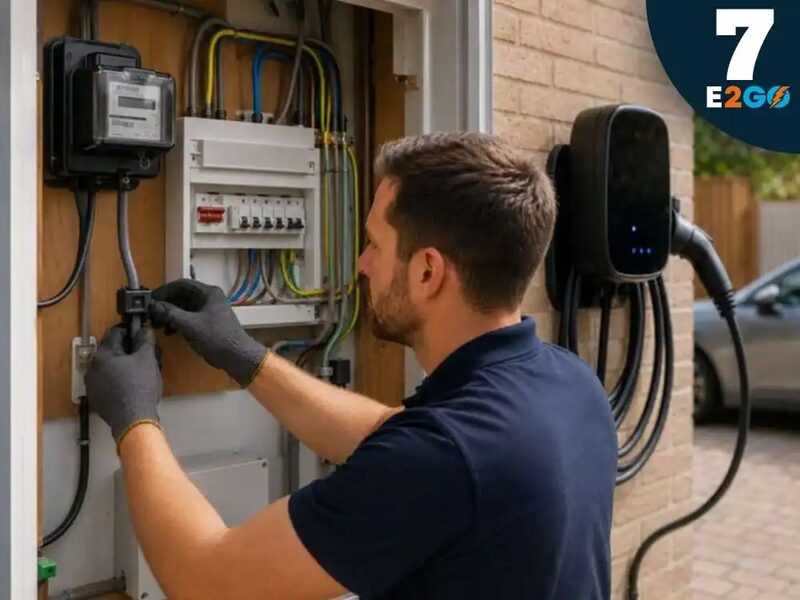
Both brands describe a similar visit, with different timings. Ohme says most installations take 2 to 4 hours, that a standard fit takes up to 3 hours, and that engineers work within a standard 4-hour allowance to ensure there is adequate time for installation and testing4. Pod Point says a standard installation can be completed in as little as 2 hours, and that installation on the day takes around 2 to 3 hours3.
Ohme's standard installation includes up to 15 metres of cable to connect the charger to the distribution board or electric meter6. Where more work is needed, Ohme states that one of its experts will make contact to understand the requirements and quote for the additional works4. Pod Point states that its Which? endorsed standard installation is included with the cost of every charger, that around 90% of customers qualify for standard installation at no extra cost, and that Which?-accredited engineers carry out the work2.
Preparation is the householder's part. Ohme asks that the area around the distribution board and electricity supply meter be cleared, since that is where the cable run begins, and that someone be at home21. After installation, the engineer connects the charger, pairs it with the app, and walks the customer through scheduling charging4.
Two technical points apply to any home charger. Each charging point needs a separate MCB or RCBO at the distribution board, with no other loads sharing it22. Ohme chargers will temporarily pause charging if the voltage is higher than 253V or lower than 207V, resuming when it returns to range; a reading below 207V indicates an undervoltage error23. Neither is a reason to choose one brand over the other, but both explain why the state of the house supply matters as much as the charger.
Where each charger falls short

Ohme's weakness is dependence. The scheduling that makes it valuable depends on the app, on the tariff data being right, and on the charger being able to reach Ohme's systems. A driver who does not want to hand charging decisions to software, or who is on a single rate tariff with no cheap window, gets much less from the product. The Home Pro is also the larger of the two Ohme units, which matters in a tight garage or a narrow driveway6.
Pod Point's weakness is the opposite. The charger works without the app and charges whenever it is plugged in, which is convenient but leaves the timing decision with the driver17. Pod Point states that its chargers are 3 times faster than a 3-pin plug, which is true of any home charger and says nothing about how it compares with Ohme5. On public charging, Pod Point notes that some chargepoints are free but most require app activation, and there is no RFID support24.
Both brands share the same hard limit: neither is a source of electricity. A home charger draws from the grid through the household supply, so the carbon intensity and the price of a charge are set by the supplier and the time of day, not by the box. Neither brand offers any independence from the grid, and neither stores energy. What Ohme offers is a way to use the grid more cheaply; what Pod Point offers is a reliable way to use it at all.
Warranty, support and reviews
Pod Point's warranty position is clear and stated in several places: up to 5 years on the charger and installation, with the Solo 3S carrying a 5-year warranty as standard, covering both the product and the installation2. Pod Point also states that customer support is available 24/72. Pod Drive includes a 48-hour repair or replace service alongside 24/7 support26.
Ohme's warranty terms are not set out in the material reviewed here, so no comparison can be made on that point. What Ohme does publish is a support structure: troubleshooting articles for faults such as voltage errors, an app that tracks consumption and cost, and an installer network that handles the physical work23.
On reputation, both brands publish their own figures. Pod Point states it is rated "Excellent" on Trustpilot and cites 21,000 or more 5-star reviews, and says it has been trusted by customers for over 15 years18. Ohme states that 84% of customers rate it 5 stars on Trustpilot9. These are self-reported and should be read alongside the independent picture rather than instead of it.
The ownership change is the fact that most affects what a warranty is worth. Pod Point is now part of EDF, having been delisted in August 202511. That is a stronger position for a warranty holder than a standalone company, because the parent is a large energy supplier with an ongoing UK presence. Ohme remains an independent charging business, which is neither a strength nor a weakness in itself, but it does mean the company's future rests on the charging market alone.
For households weighing up how warranty terms work in practice, the site's guides to manufacturer warranties and registering a warranty set out what usually needs to be done to keep cover valid.
Partnerships and public charging networks
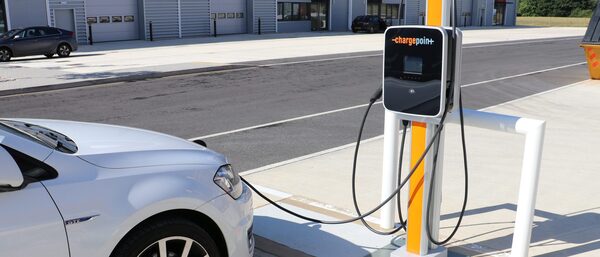
Pod Point's partnerships are the more visible of the two. It is the preferred charging partner for Volkswagen in the UK27, and Tesco has partnered with Pod Point for its EV charging stations28. Pod Point states it has over 9,200 public charging bays, many of them free27. Independent statistics place Pod in third place among UK charging networks by number of chargers25.
That public network matters for a household in a specific way: a driver who charges mostly at home but occasionally needs a top-up on a journey benefits from a brand whose public points are common and, in some cases, free. Pod Point also states that its chargers are compatible with all energy suppliers, and that every Pod Point charger is fully compatible with Smart's electric and plug-in hybrid range2.
Ohme's partnerships run through vehicle makers and installers rather than public charging. It announced a partnership with Ford in Northern Ireland, and its partner programme offers supply only, supply and install, and free EV charging training1. Ohme does not present itself as a public charging network operator, so a driver choosing Ohme is choosing a home charging specialist and relying on other networks for journeys.
Neither brand offers a route to energy independence in the sense of generating or storing your own power. Both are grid-dependent devices that make the grid cheaper or more convenient to use. For households thinking about that wider picture, the site's guide to home EV charger manufacturers covers where these brands sit among the wider field, and manufacturers and energy independence explains what a charger can and cannot do for a home's self-sufficiency.
Sources28 cited
- Ford and Ohme partnership in Northern Ireland, Ohme, 2026
- Pod Point home page, Pod Point, 2026
- Pod Point installation, Pod Point, 2026
- How Ohme installation works, Ohme, 2026
- EV charger home installation process, Pod Point, 2025
- Ohme smart charging FAQs, Ohme, 2025
- Home charger, EDF Energy, 2026
- Electric vehicles: debunking myths, Energy Saving Trust, 2025
- Ohme energy, Ohme, 2026
- The Electric Car Grant: a complete guide, Pod Point, 2026
- EDF completes acquisition of Pod Point, EDF Energy, 2025
- New to EVs, Ohme, 2026
- How do I set my tariff in the Ohme app, Ohme, 2025
- Time of use tariffs: all you need to know, Energy Saving Trust, 2026
- Charging electric vehicles, Energy Saving Trust, 2026
- Electric car costs, EDF Energy, 2026
- Pod Point offers and discounts, Pod Point, 2026
- Pod Point smart homecharger, Pod Point, 2026
- Pod Point Solo home EV charger, Pod Point, 2026
- Home and business grants, schemes and advice, East Herts Council, 2026
- How fast can an EV charger be installed, Ohme, 2026
- Section 722 EV charging complete guide, Elec-Mate, 2026
- Troubleshooting voltage errors, Ohme, 2025
- Home electric vehicle chargers, Carwow, 2026
- EV charging statistics, Zapmap, 2026
- EV charging at supermarkets, Uswitch, 2025
- Best apps for charging, Volkswagen UK, 2026
- MPAN only, UK Power Networks, 2026
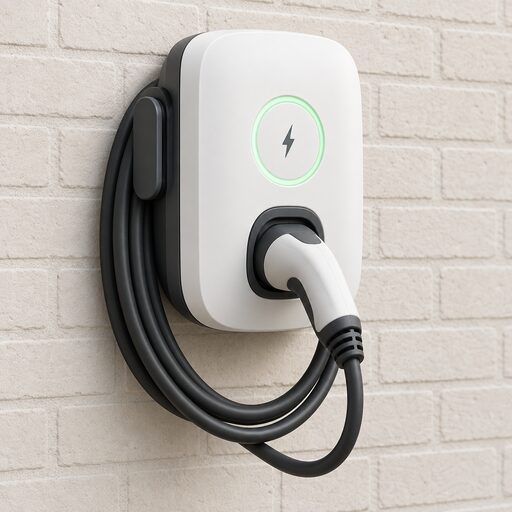 Home EV Charger ManufacturersWhich home EV charger brands are worth considering, and how do you choose between them?
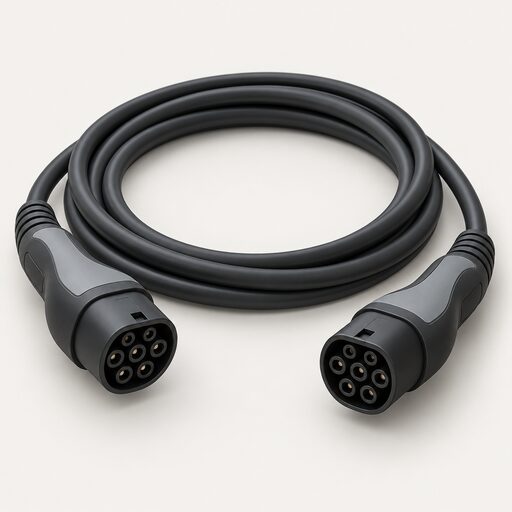 Types of Home EV ChargerWhich home charger suits your car and your driveway?
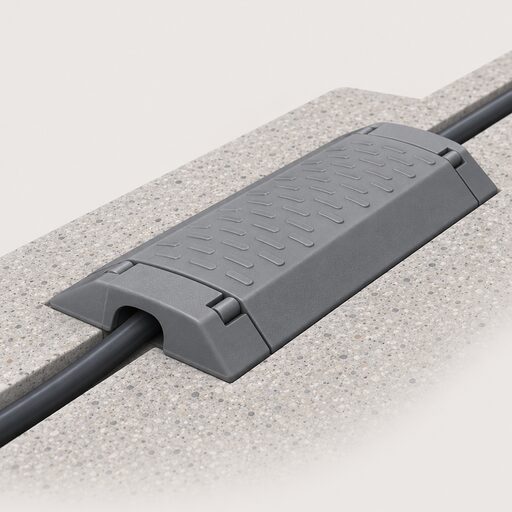 Charging Without a DrivewayParking on the street makes charging an electric car at home tricky.
 EV Charging Speeds and TimesHow long an electric car takes to charge depends on the charger and the car together, so a faster charge point will not always speed things up.
 EV Tariffs and Home ChargingHow EV-specific import tariffs and charging bolt-ons work, including supplier-controlled charging where the energy company decides when the car draws power, which charge points each scheme supports, and what a household needs in place.
 Charging by Home TypeHow the practical and legal position for home EV charging changes by property type: flats and leasehold consent, terraced homes without frontage, shared car parks and metering, rural properties with long cable runs, and listed or conservation area homes.