
In this comparison
Ohme and myenergi sit at the two ends of the smart charging market, and the choice between them is really a choice about where the electricity comes from. Ohme builds its case on tariff timing: the maker states that charging costs can be reduced by up to 70% with Ohme, that a charge can cost less than £5 with smart tariff integration, and that on a typical tariff charging a 60kWh battery costs around £15 to £201. myenergi builds its case on self-generated energy: zappi takes power from the grid, solar or wind, and the maker describes it as the only charger that integrates with solar panels, a home battery, a heat pump and an energy tariff2.
Both are smart chargers in the regulatory sense, both are sold into the same UK market, and both are offered by large installation firms. The practical differences are in what each does with a kilowatt hour, how long installation takes, what the warranty covers and how each behaves when the grid is under strain.
Two ways to charge smart: tariff-led or solar-diverting
The two chargers answer different questions. Ohme's question is when to charge; zappi's is what to charge from.
Ohme's system is built around tariff data. The maker states that its technology integrates with energy tariffs, including time of use off-peak and type of use tariffs, and that its chargers help shift EV charging away from the 5pm to 8pm demand peak10. The app uses tariff information to estimate the cost of charging sessions and to enable features such as the price cap, which schedules charging only during a tariff's off-peak times to keep charging as cheap as possible1. Where a supplier or tariff is not listed, a custom tariff can be created manually by entering tariff times and prices9.
zappi's system is built around generation. The maker states that zappi offers the option to charge using energy from solar PV or wind generation, and that it is compatible with all domestic microgeneration technologies, including solar and wind2. It carries three charging modes, ECO, ECO+, and FAST, so the household can choose between grid power and self-generated power11. It also integrates with low-cost energy tariffs, with automations that ensure the vehicle charges solely during periods when energy prices are at their lowest12. The zappi GLO adds smart charging that uses solar surplus, follows a schedule and responds to dynamic tariffs and demand side response events13.
For a household's energy independence, the distinction matters. A tariff-led charger reduces cost but leaves the household dependent on a supplier, a tariff structure and the grid. A solar-diverting charger reduces the volume of imported energy, which is a different kind of independence, though it still depends on the grid for everything the roof cannot supply.

Ohme: dynamic charging that follows your tariff
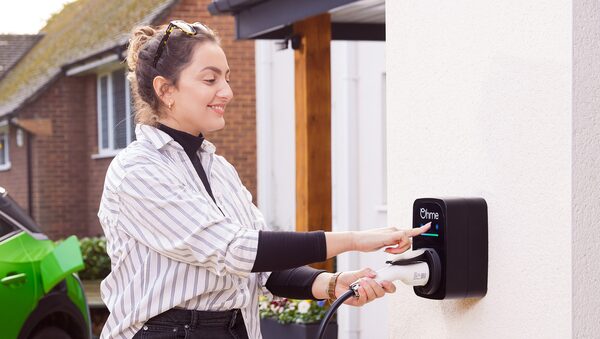
Ohme's proposition is cost per charge, and the maker's figures are specific. Charging costs can be reduced by up to 70% with Ohme, a charge can cost less than £5 with smart tariff integration, and on a typical tariff charging a 60kWh battery costs around £15 to £201. For most EV drivers, the maker states this adds up to £500 or more in savings each year in the long term1.
Those figures depend on the tariff the household is on and the times the car is plugged in. Ohme states it is compatible with all electricity suppliers, and that its chargers integrate with time of use off-peak and type of use tariffs1. Where a deal is unusual, the app allows a custom tariff to be set up by entering tariff times and prices, and the price cap feature restricts scheduling to the off-peak window1.
The billing position is worth stating plainly, because it is a common misunderstanding. Ohme states it will never bill users directly for the energy used to charge the car; tariff information is used only to work out when charging is cheaper and to estimate charge costs9. The household's electricity supplier bills for the energy as normal. That means the charger's savings depend on the supplier's tariff remaining available and on the household staying on it.
Ohme's independence story is therefore a supplier story. The charger is a scheduling device: it moves consumption to cheaper hours, which reduces cost and shifts load away from the evening peak, but it does not reduce the amount of energy drawn from the grid. The maker states that its chargers help shift EV charging away from the 5pm to 8pm energy demand peak, which is a system benefit as well as a household one10.
zappi and myenergi: a British-made ecosystem built around self-generated energy
myenergi describes itself as a leading manufacturer of renewable energy solutions for homes and businesses, and zappi is the centre of a wider product family14. The maker states that zappi, harvi and eddi are all engineered to work in harmony together, and that zappi forms part of the myenergi Home Energy Management System15.
Manufacturing is a stated part of the pitch. The maker states that zappi was conceived, evolved and manufactured in-house in the UK, that it is made in the UK, and that zappi GLO is designed and manufactured in Britain2. myenergi states it designs and manufactures at a UK based manufacturing facility in Lincolnshire, and that it has shipped over half a million units worldwide17. The company also runs a national Product Champion installer programme and states that it was the first manufacturer to introduce PEN fault testing ahead of every other manufacturer13.
On the energy side, zappi is designed to use self-generated energy from solar or wind sources to charge the vehicle, and the maker states it allows charging with 100% green energy19. It works alongside battery storage systems and is compatible with all domestic microgeneration technologies20. The maker also states that zappi integrates with leading smart tariffs, reducing charging costs, and that it is fully compatible with the Intelligent Octopus Go tariff15.
The dependence that remains is the same as for any home charger: the grid, a supplier and the manufacturer's own company and app. A solar-diverting charger reduces imported energy but does not remove the connection, and the household still relies on myenergi for firmware, support and warranty service.
Cost, installation and lead times compared
Installation cost and lead time are where the two makers publish the most concrete figures, and they are not directly comparable because they are stated differently.
myenergi states that installation costs for zappi typically start at £1,099, including the price of the charger6. The charger itself is available with a power output of 7kW or 22kW, and in tethered or un-tethered options6. The zappi GLO is described as offering rapid installation, with the maker's phrase "install in GLO time"13.
Ohme publishes process figures rather than a headline price. A standard installation takes up to 3 hours, and engineers work within a standard 4-hour allowance to ensure there is adequate time for installation and testing4. A standard installation includes up to 15 metres of cable to connect the charger to the distribution board or electric meter1. Most installations are completed in 1 to 2 weeks, and the installation certificate is ready around 3 to 5 working days afterwards5.
| Ohme | myenergi zappi | |
|---|---|---|
| Stated installation cost | Not published as a headline figure; installer-quoted | Typically starts at £1,099 including the charger6 |
| Installation time | Standard fit up to 3 hours; 4-hour engineer allowance4 | Not stated in the same terms |
| Lead time | Most installations completed in 1 to 2 weeks5 | Not stated in the same terms |
| Cable included | Up to 15 metres to the distribution board or meter1 | Not stated in the same terms |
| Power output | Not stated in the same terms | 7kW or 22kW6 |
| Tethering | Not stated in the same terms | Tethered or un-tethered2 |
No published price exists for Ohme chargers, so prices are installer-quoted. The two makers also differ in how they sell: myenergi states it has handpicked approved and trained installers in its network and offers a fully installed quote, while Ohme offers supply only, supply and install, and free EV charging training through its partner programme22.

Warranty, returns and support: what each maker offers
Warranty terms are the clearest published difference between the two products, and they are stated in months rather than years by myenergi.
myenergi's product warranty covers zappi, zappi Pedestal, eddi, harvi, hub and libbi purchased on or after 24 November 20237. For zappi, the warranty period is 36 months, or 60 months if the extended warranty is purchased, and an extended warranty is available, extending the warranty by a further 24 months7. The zappi Pedestal carries 12 months7. myenergi states that products must be registered after installation to take full advantage of the 3 year warranty support23. The maker also states that zappi comes with a 3 year warranty plus a further 2 years extended warranty for qualifying installs17.
"zappi | 36 months(or 60 months if extended warranty is purchased) | Yes"
On returns, myenergi's web customer returns policy states that if you cancel, you will receive a full refund of the price paid for the product in accordance with its refunds policy, but that the cost of returning the product is not refunded24. Refunds are made using the same method originally used to pay, unless agreed otherwise24.
Support is UK-based for the domestic market. myenergi states that zappi comes with friendly and knowledgeable UK based tech support, and lists UK technical and customer support alongside its Lincolnshire manufacturing site3. For Ireland, myenergi states that its dedicated team of designers, engineers, sales and support specialists are based in Ireland, and that myenergi Ireland is SEAI registered, meaning zappi chargers purchased from myenergi Ireland can be claimed under the SEAI grant scheme13. For Australia, the APAC contact number is 1300 743 443, and sales enquiries go to sales@myenergi.com11. Direct purchase of zappi and other myenergi products is now available in Northern Ireland18.
Ohme's warranty terms are not stated in the same published form in the material available here, so a buyer comparing the two should ask each maker for the current warranty document before ordering. That is a gap in the comparison, not a finding about either product.
Grid flexibility: CrowdFlex trials and demand side response
Both chargers are positioned as grid assets as well as household equipment, and the evidence for that is strongest on the Ohme side.
The CrowdFlex trial is an Ofgem project involving Ohme, led by the Electricity System Operator for Great Britain, ESO26. It is delivered by a consortium of partners: OVO, Ohme, Centre for Net Zero, ERM, AWS, National Grid Electricity Distribution and Scottish and Southern Electricity Networks26. Two types of domestic electricity flexibility service were trialled, an availability service and a utilisation service28.
The reported result from the summer trial was 80% more customers plugging in their EVs during the day and 50% more overnight, across May to July26. A separate winter CrowdFlex trial was led by NESO, the National Electricity System Operator for Great Britain27. Ohme also states that its chargers help shift EV charging away from the 5pm to 8pm energy demand peak10.
On the myenergi side, zappi GLO's smart charging automates energy efficiency with solar integration and features such as Gridpay, rewarding customers for pausing during grid strain13. When smart charging is switched on, the charger will use solar surplus, follow the schedule and respond to dynamic tariffs and DSR events13.
For a household, flexibility participation is a modest but real form of independence: it turns a parked car into something the system will pay for, and it reduces exposure to peak prices. It does not remove the grid connection, and it depends on the household remaining on a compatible tariff and keeping the charger online.
Tariff-led or solar-diverting: which charger fits which home
The fit depends on what the household already has and what it wants to reduce.
A household with no solar and a standard or time of use tariff is choosing between cost timing and nothing else. Ohme's published figures are aimed at that household: up to 70% reduction in charging costs, less than £5 per charge with smart tariff integration, and £500 or more in annual savings for most EV drivers in the long term1. The custom tariff option means an unusual deal can still be entered manually9.
A household with solar panels, or solar and a battery, is choosing between importing less and importing at a better time. zappi is designed for that case: it charges from solar or wind, works with solar panels, a home battery, a heat pump and an energy tariff, and works alongside battery storage systems12. Its ECO and ECO+ modes exist precisely to prioritise self-generated energy over grid import11.
A household with both solar and a time of use tariff can use either approach, and the two are not mutually exclusive in principle: zappi also integrates with low-cost tariffs and automations so the vehicle charges during the cheapest periods12. The independent picture is less tidy than the maker pages suggest. One independent product listing records zappi as smart tariff compatible with Octopus only, which is narrower than the maker's own claim of integration with leading smart tariffs30.
Sources30 cited
- Ohme smart charging FAQs, Ohme, 2025-12-11
- zappi product page, myenergi, 2026-09-17
- Electric car charger home installation UK, myenergi, 2026-09-17
- How fast can an EV charger be installed, Ohme, 2026-07-02
- What to look for when buying a home EV charger, Ohme, 2026-08-18
- Electric car charging at home, myenergi, 2026-09-17
- myenergi product warranty v2.0, myenergi, 2026-09-17
- myenergi product warranty v4.1, myenergi, 2026-05
- How do I set my tariff in the Ohme app, Ohme, 2026-09-17
- Ohme energy, Ohme, 2026-03-16
- zappi product page, Australia, myenergi, 2026-09-17
- zappi home EV charger guide, myenergi, 2026-09-17
- zappi GLO, myenergi, 2026-09-17
- Renewable energy solutions: EV charging, myenergi, 2026-09-17
- BT Openreach partnership, myenergi, 2026-09-17
- EV compatibility with myenergi products, myenergi, 2025-06-12
- Home builders, myenergi, 2026-09-17
- Car charger Northern Ireland, myenergi, 2026-08-26
- A guide to zappi, Ireland, myenergi, 2026-06-02
- zappi Multiphase Datasheet, myenergi, 2024-10
- Octopus partnership, myenergi, 2026-09-17
- zappi EV charger, New Zealand, myenergi, 2026-09-17
- What is a smart EV charger, myenergi, 2026-09-17
- Returns policy, myenergi, 2026-09-17
- zappi car charger, Ireland, myenergi, 2026-09-17
- EV drivers can plug in for profit with Ohme, Ohme, 2026-09-17
- Ohme winter CrowdFlex, Ohme, 2025-08-04
- CrowdFlex customer feedback research reports, Centre for Sustainable Energy, 2026-04-27
- CrowdFlex research into consumer experiences of flexibility, Centre for Sustainable Energy, 2026-04-29
- Home electric vehicle chargers, Carwow, 2026-01-09
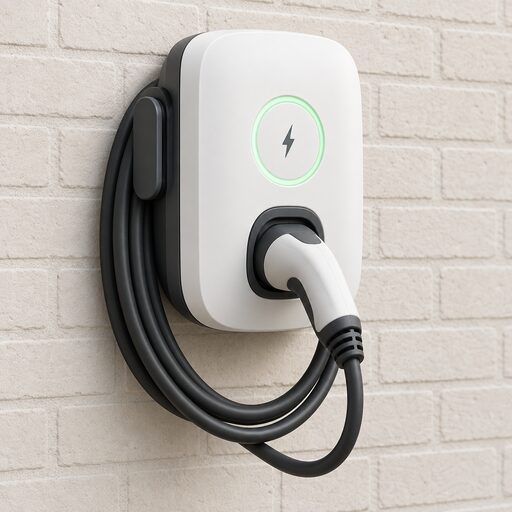 Home EV Charger ManufacturersWhich home EV charger brands are worth considering, and how do you choose between them?
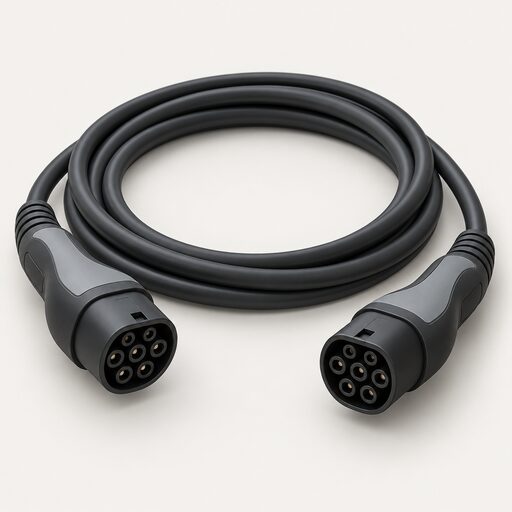 Types of Home EV ChargerWhich home charger suits your car and your driveway?
 What Size Battery?How much electricity does your home use in a day, and how much of that falls in the hours when power is cheap or your solar panels are generating?
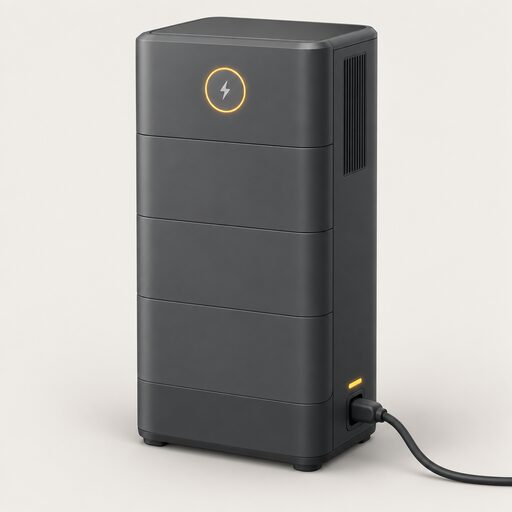 Solar and Battery Import TariffsWhat does a special import tariff actually get you when you have solar panels or a home battery?
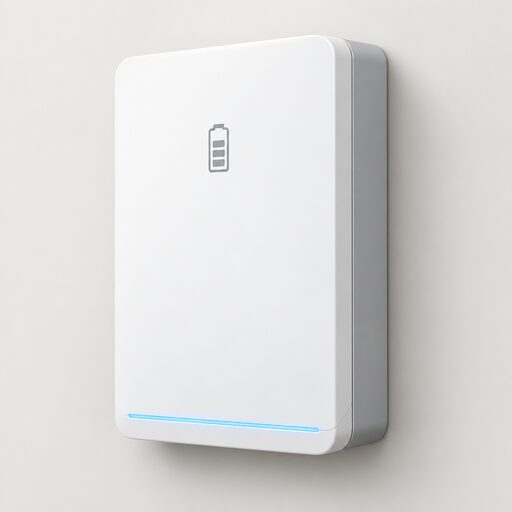 Charging With a Home BatteryHow a home battery and an EV charger share one supply, whether a battery can usefully charge a car, and how combined systems are controlled so the battery is not discharged into the vehicle at a loss.
 Electric Vehicle TariffsCharging an electric car at home can cost far less overnight, but only on special electricity plans.