In this guide
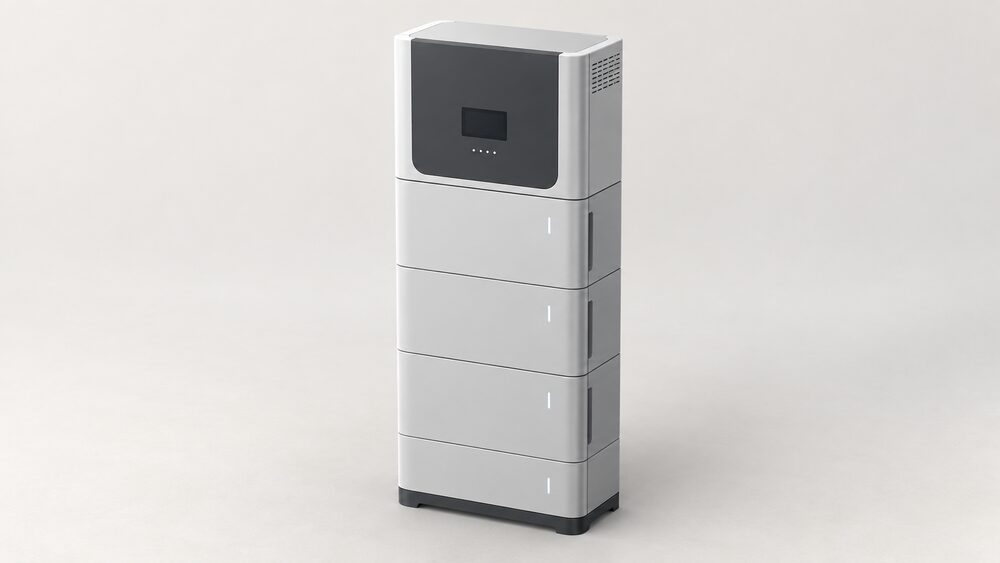
The myenergi libbi is a modular home battery built around 5kWh lithium iron phosphate modules, sold in 5kWh, 10kWh, 15kWh and 20kWh configurations and expandable after installation1. It is a fully integrated battery and inverter system, designed so that cables stay hidden and installations look clean, and it is made by a British company that designs and manufactures at a facility in Lincolnshire2.
For a household, the appeal is the pairing. The libbi integrates with the zappi EV charger and the eddi solar diverter, and the battery, solar, EV charger and hot water are controlled through a single myenergi app1. The warranty is 10 years on the battery pack with unlimited cycles, provided the myenergi controller manages the whole system, and 5 years on the hybrid inverter and controller5.
The dependence is worth stating as clearly as the benefit. The libbi keeps a home on the grid, on a supplier and on a manufacturer's app for remote features, and the longest warranty term is conditional on the controller being used and on approved installers doing the work. Blackout backup is an option, not a standard feature, and it powers a dedicated circuit rather than the whole house6.
What the libbi is: a modular battery for solar self-consumption
The libbi is described by myenergi as modular battery storage that adapts to your needs, and as a scalable battery system1. The design is modular by intent: a household can start with 5kWh of storage and expand up to 20kWh whenever needs grow, which means the initial purchase does not have to be sized for a future electric car or heat pump2.
It is a fully integrated battery and inverter system rather than a battery alone, which matters for how it is installed and how it is expanded2. Charging can come from self-generated renewable energy, from grid energy, or from a mixture of both, so the unit works for a home with solar and for one without10. myenergi's own guidance describes the libbi as a lithium-ion battery system that stores energy from renewable sources such as wind or solar, or from the grid11.
The chemistry is lithium iron phosphate, which myenergi describes as a stable and safe battery chemistry, making it ideal for domestic applications6. That is a maker's characterisation of its own product, and the wider case for LFP rests on thermal stability and cycle life rather than on any single claim; the chemistry comparison is set out in home battery chemistries.
For energy independence, the libbi shifts the timing of grid draw rather than removing the grid. A household with solar and a libbi consumes more of its own generation and imports less at peak, and can charge during cheaper off-peak hours and use that stored energy during expensive peak periods1. What it does not do is disconnect the home from the network, and the sections below set out where the remaining ties sit.
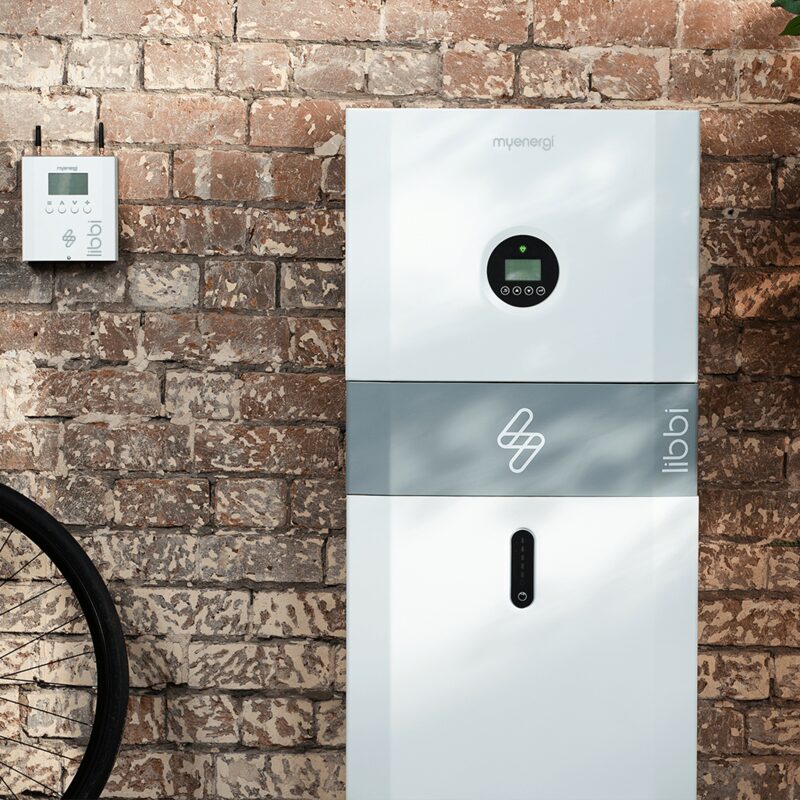
Capacity and chemistry: 5kWh modules in lithium iron phosphate
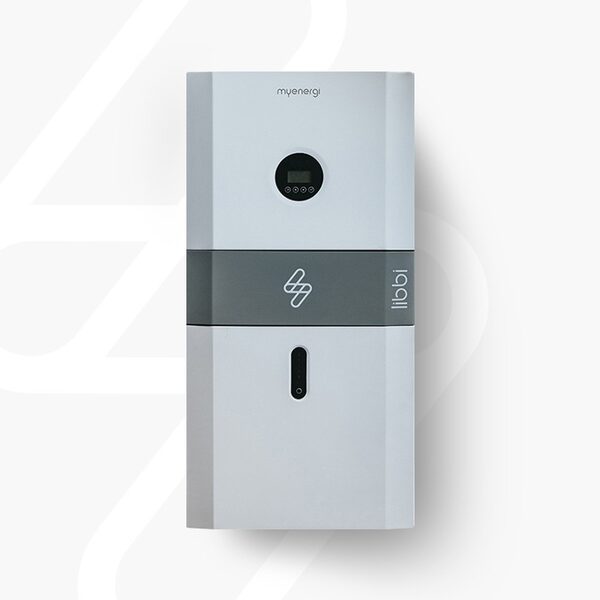
Each libbi battery module stores 5kWh of electricity, and the datasheet gives the energy capacity as 5.12kWh per module7. The systems are sold in four nominal sizes, and the module count behind each one is published:
| System | Modules | Nominal capacity |
|---|---|---|
| libbi 5kWh | 1 x 5kWh battery module | 5kWh2 |
| libbi 10kWh | 2 x 5kWh battery modules | 10kWh2 |
| libbi 15kWh | 3 x 5kWh battery modules | 15kWh4 |
| libbi 20kWh | 4 x 5kWh battery modules | 20kWh2 |
The distinction between the 5kWh nominal figure and the 5.12kWh datasheet figure is a reminder that nominal capacity and usable capacity are not the same thing, and the difference between them is explained in battery capacity and usable capacity.
Power output scales with the number of modules. The 5kW hybrid inverter is rated at 4600/5000W maximum charge and discharge power on 2 to 4 battery modules7. That ceiling is what determines how fast the battery can absorb a solar surplus or supply a load, and it is the figure to compare against a home's peak demand rather than the kWh total; the relationship is covered in battery power ratings and C-rate.
Expansion is the practical advantage of the modular design. Adding capacity later is a question of adding modules rather than replacing the unit, though the work still falls to an approved installer, and the general position on adding capacity is set out in modular and stackable battery systems.
Warranty: 10 years for the battery, 5 for the inverter and controller
The libbi system warranty covers the battery pack, hybrid inverter and controller purchased for non-commercial, domestic use only5. The terms are a ladder rather than a single number, and the top rung is conditional.
Ten years applies to the battery pack with unlimited cycles, as long as the myenergi controller is used to manage the entire system5. The same document gives five years for the hybrid inverter and controller5. A later warranty document states that, provided the components are connected and operated as a system, the term is 10 years for the battery pack, the hybrid inverter and controller12. The documents differ on the inverter and controller term, and the earlier system warranty gives 5 years where the later product warranty gives 10.
Where the controller condition is not met, the position changes sharply. If the libbi is connected to a third-party system or manually operated outside the myenergi controller, the warranty period expires when a maximum of 3MWh per kWh usable capacity has been reached, and the hybrid inverter and controller carry 5 years13. That throughput limit is the mechanism that ends cover early in a heavily cycled system.
"Provided the above condition is met,10 years for the battery pack,the hybrid inverter and/or controller."
The warranty period runs from the date of purchase, and proof of purchase is required5. It is transferable to a new owner of the property if the product is left behind, arranged by contacting customer service, and relocation of the products after first installation is otherwise excluded5. The wider question of what these terms mean against other makers is covered in home battery warranties.
Working with zappi, eddi and the wider myenergi ecosystem
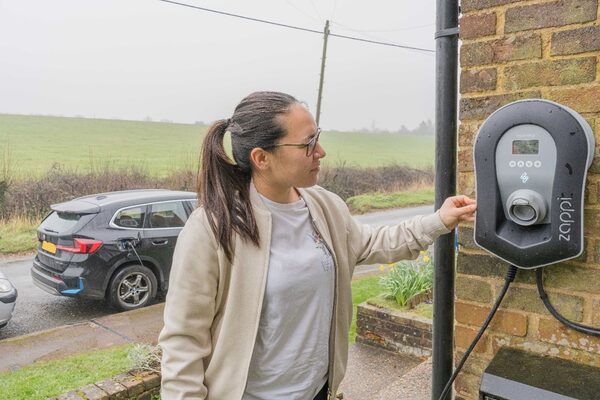
The libbi integrates with the zappi EV charger and the eddi solar power diverter, and myenergi sells the three as a single ecosystem controlled through one app4. The harvi energy harvesting sensor is designed for the same family, working with myenergi products such as zappi and eddi, and myenergi notes it is not universally compatible with all energy monitors15.
The integration is not cosmetic. myenergi's guidance states that a battery needs to be able to talk to other devices in the home to know the best time to charge or discharge, and that priority can be set so the battery does not automatically discharge when an electric car is plugged in, or set to deplete in order to charge the electric car from the home battery and any excess solar without using grid energy6. The libbi product page puts the same point more simply: it stops stored energy from being accidentally drained into the EV, keeping everyday appliances supplied2.
The zappi itself is a 3-year warranty product with a choice of power output, connection type and colour, and myenergi states it has the ability to charge with 100% green energy16. The eddi diverts surplus solar to hot water, and myenergi states it is in scope for VAT relief when fitted to an energy storage material17.
This is where the ecosystem argument for independence is strongest and where the dependence is clearest. A household that buys into the whole set gets one app and one set of priorities across battery, car and hot water. It also commits to one manufacturer's controllers, one app and one support route, and the warranty terms above show that stepping outside the controller changes the cover. The wider picture on running a battery alongside an EV and a heat pump is in battery, heat pump and EV charging.
Backup power and EV charging from the battery
Blackout backup on the libbi is optional. The datasheet lists optional blackout back up, and myenergi's guidance describes blackout power capability as provided as an option with a dedicated circuit offering power in the event of a power cut to the home7. It is not a whole-house supply.
What the battery does during an outage is prioritise. Rather than trying to power the entire house, libbi allows essentials to be prioritised, so the circuits that remain live are a design decision made at installation4. The practical consequences of that arrangement, including changeover and what typically stays running, are set out in battery backup in a power cut.
On the EV side, the libbi can be set to deplete in order to charge the electric car from the home battery and any excess solar, for example using a zappi charger, without using grid energy6. The default protection runs the other way: the system stops stored energy from being accidentally drained into the EV, making sure lights, fridge and everyday appliances keep running2. Which behaviour applies is a setting, not a fixed property.
Charging modes cover both solar charging and grid charging4. Grid charging is what makes off-peak arbitrage possible: libbi can automatically charge during cheaper off-peak hours and use that stored energy during expensive peak periods4. That is a supplier-dependent saving, since it relies on a time-of-use tariff, and the mechanics are covered in batteries and smart tariffs.
The app connects the devices and gives real-time insight into battery level, solar generation and energy usage2. Remote visibility and control depend on that app and on a home internet connection, which is a dependence a household should weigh against the convenience.
VAT position and what installation involves
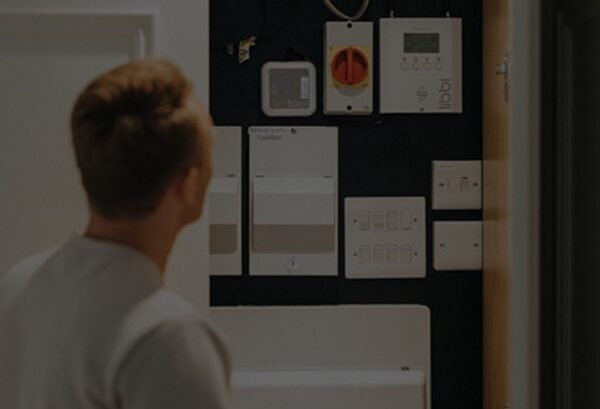
The VAT treatment of a libbi depends on what it is installed alongside. myenergi states that the zappi can be zero-rated for VAT when installed with libbi home battery storage, from 1 February 202416. The same announcement states that eco-smart EV charge points would continue to remain outside the scope of that relief from February 2024, so the zero rating attaches to the battery installation rather than to the charger on its own17.
For the battery itself, Solar Energy UK records that domestic battery energy storage systems are exempt from VAT when installed at the same time as a solar energy system, a position dating from the 2022 Spring Statement18. That is the independent statement of the rule, and it makes the timing of a solar and battery installation a VAT question as well as a technical one. The full position is set out in the VAT rate on home battery storage.
Installation is not a householder task. The libbi system warranty is only valid if the products have been installed and commissioned by a trained and certified myenergi libbi installer and as per the myenergi libbi installation manual5. The general product warranty requires correct installation and commissioning by a competent person in accordance with the installation manual, local codes, relevant regulations, applicable regional legal requirements and industry standards13.
The sequence a household should expect, from survey through to handover and the paperwork that follows, is described in home battery installation, and the standards that govern the work are in battery installation standards. Notification to the network operator is a separate step, covered in G98 and G99.
The company behind it: Grimsby manufacturing and UK support
myenergi designs and manufactures at what it describes as a UK based state of the art manufacturing facility in Lincolnshire, and describes its EV chargers as designed and manufactured right here in Britain3. It states that over 500,000 products have been shipped worldwide19. Technical and customer support is described as UK based3.
That UK manufacturing and support position is the company's own account of itself, and it is the kind of claim a household can weigh against the practical evidence of how support performs. The support figures published by myenergi are mixed: phone wait times currently range from 5 to 50 minutes and can be longer during peak periods, replacement units are processed and dispatched within approximately 48 hours of being reported, though not guaranteed, and an email with return instructions follows within 24 hours of dispatch20. The technical support form commits only to responding as quickly as possible21.
The company also sells into the developer and new-build market, offering a bespoke call off plan to meet timescales and an end to end supply and install service for smaller or larger developers3. That channel matters for households buying a new home with a libbi already fitted, since the installer relationship and the registration paperwork may sit with the developer rather than the first occupant.
For a household, the relevant independence question is what happens if the maker's support is slow or the company's circumstances change. The warranty is a promise from the manufacturer, and its value depends on that manufacturer continuing to honour it. The position of a maker that has failed is illustrated by the GivEnergy administration in April 2026, where a UK battery supplier with tens of thousands of assets deployed entered administration22. That is a different company, and it is included here only because it shows what a manufacturer-backed warranty is worth when the manufacturer stops trading.
Registering the installation and making a warranty claim
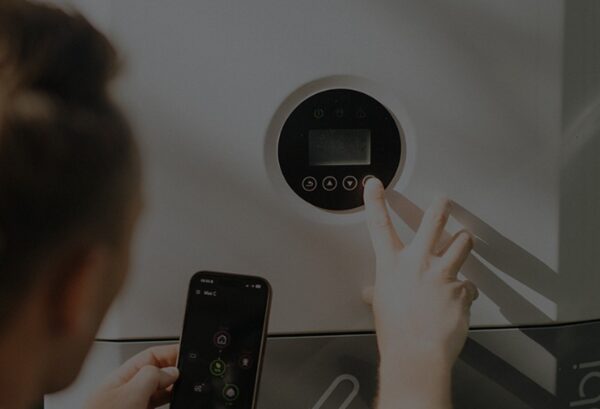
Registration is a condition, not a formality. myenergi states that registration must be completed to validate the warranty and enable support services, and that the installer completes the libbi registration form at the time of installation24. Separately, the householder must set up an account and register the product in My Account through the myenergi app or on the myenergi site12.
Extended warranty options appear once a product is registered: customers should have their products registered in myenergi My Account, where an option to purchase is displayed on the dashboard24. The extended warranty offer described on that page extends a standard 3-year warranty period to 5 years and can be purchased for zappi and eddi products24.
The claim route runs through myenergi. Faults are reported to the support team first, by calling +44 (0)333 300 1303 or emailing support@myenergi.com, providing proof of purchase13. The libbi system warranty gives the contact details as +44 (0)333 300 103 or support@myenergi.com, and requires proof of purchase and serial numbers5. The two documents give different phone numbers, and it is not resolved which applies.
Once notified, myenergi has sole responsibility for handling the claim, and will at its discretion repair or replace the defective product or any part of it5. If the fault cannot be remedied over the phone, myenergi appoints a myenergi approved warranty installer to repair or replace with the same or functionally equivalent product5. Only myenergi libbi approved and trained installers may carry out repairs or alterations, and a household cannot appoint its own installer5. Arranging your own installer to conduct any repair voids the warranty12.
Exclusions are worth reading before purchase. Faults caused by incorrect installation by the installer, or work not done to the myenergi installation manual, are excluded and the installer must be contacted instead5. Negligent or inappropriate use, misuse, neglect, operation or maintenance not conforming to the manual, modification in any way, and removal or defacement of serial numbers or identification markings are all excluded5. Only myenergi genuine approved parts and accessories may be used5.
Returns follow a separate policy. A return is requested by emailing customersupport@myenergi.com or using the form, stating the details for the return, your name, receipt number and address25. Refunds are processed within 14 days after the day the product is received back, or the day evidence of return is received if earlier25. myenergi does not refund the cost of returning the product and accepts no liability for loss or damage occurring in transit to it25.
Software support has its own clock. myenergi aims to provide major software updates for at least the period of the warranty, except where a device is not capable of receiving them, and aims to provide security updates for 5 years from the date of manufacture26. That is a commitment to a period, not a guarantee of any particular feature, and it is the point at which a cloud-connected battery's useful life is set by the maker rather than by the hardware.
Sources26 cited
- libbi battery storage, myenergi, 2026
- libbi, myenergi, 2026
- myenergi for home builders, myenergi, 2026
- libbi installation product page, myenergi, 2026
- myenergi libbi system warranty, myenergi, 2026
- How does battery storage work, myenergi, 2024
- libbi datasheet, myenergi, 2023
- libbi battery storage, myenergi, 2026
- Flex trial opt out, myenergi, 2026
- myenergi shop, myenergi, 2026
- How does battery storage work, myenergi, 2024
- myenergi product warranty v4.1, myenergi, 2026
- myenergi product warranty v2.0, myenergi, 2023
- eddi installation product page, myenergi, 2026
- harvi, myenergi, 2026
- zappi home EV charger, myenergi, 2026
- New tax rule could save consumers thousands on home energy tech, myenergi, 2024
- Victory for campaign against VAT on home energy storage, Solar Energy UK, 2023
- myenergi for business, myenergi, 2026
- Customer support, myenergi, 2026
- libbi technical questions, myenergi, 2026
- GivEnergy updates, Electricity Storage Association UK, 2026
- GivEnergy file administration, Electricity Storage Association UK, 2026
- Extended warranty, myenergi, 2026
- Returns policy, myenergi, 2026
- Product support policy, myenergi, 2026
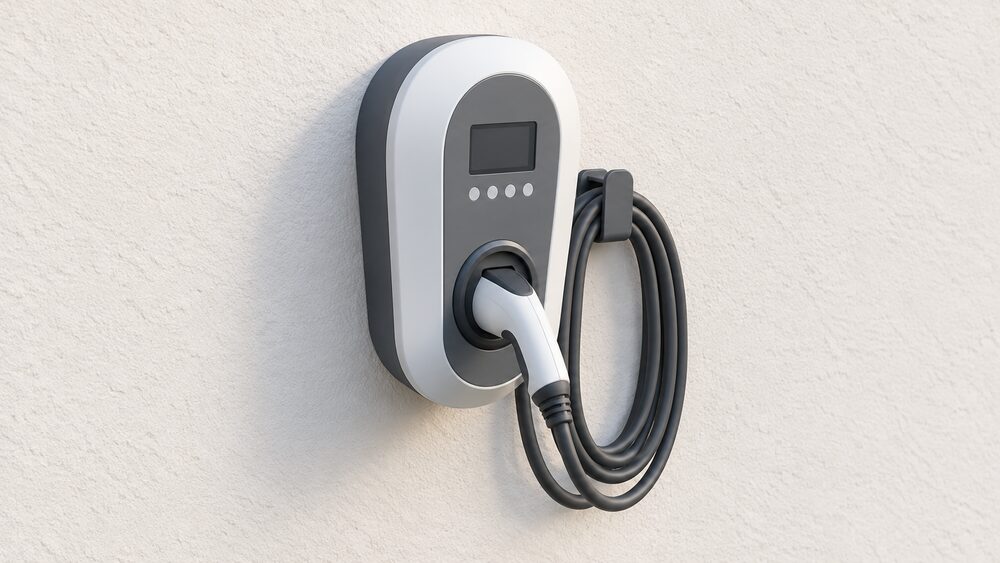 myenergi home EV chargersMaker of zappi, the UK's best-known solar-aware home charger; covers the full range, warranty and company status.
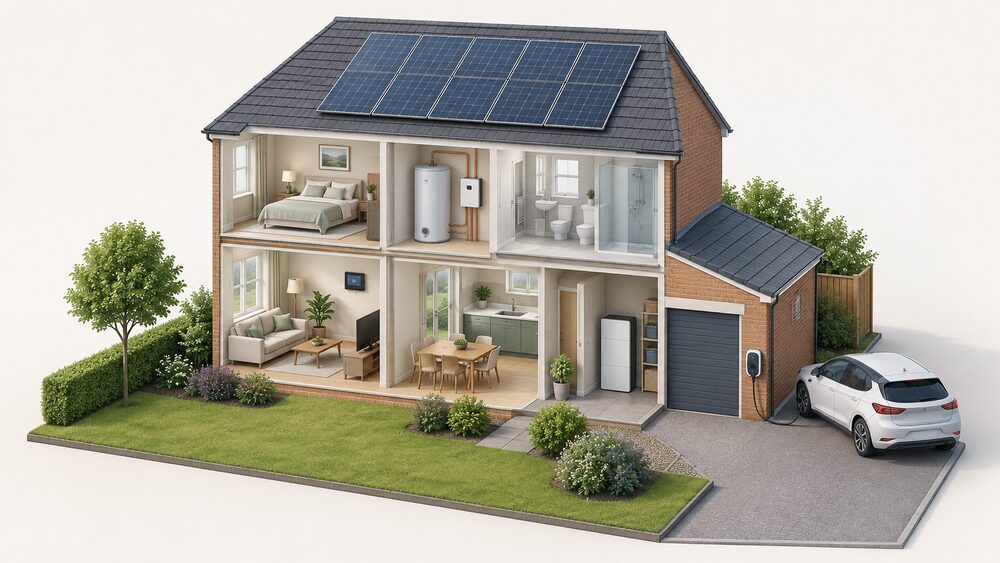 MyenergiMyenergi is a British company making home energy kit in Lincolnshire, best known for the zappi car charger.
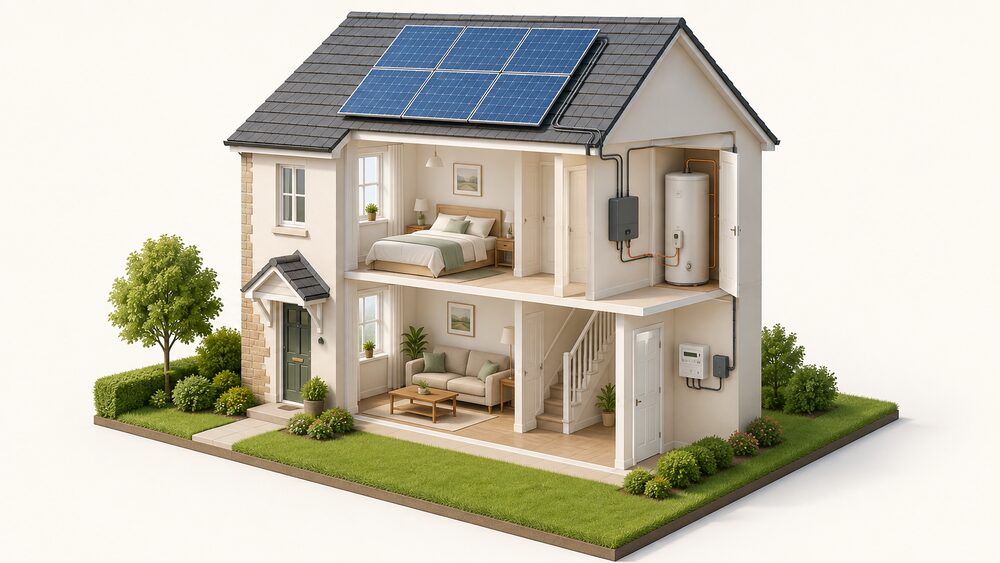 myenergi eddiThe myenergi eddi diverts surplus solar into an immersion heater instead of the grid, with up to 95% self-consumption claimed, a three-year warranty and UK manufacture in Lincolnshire.
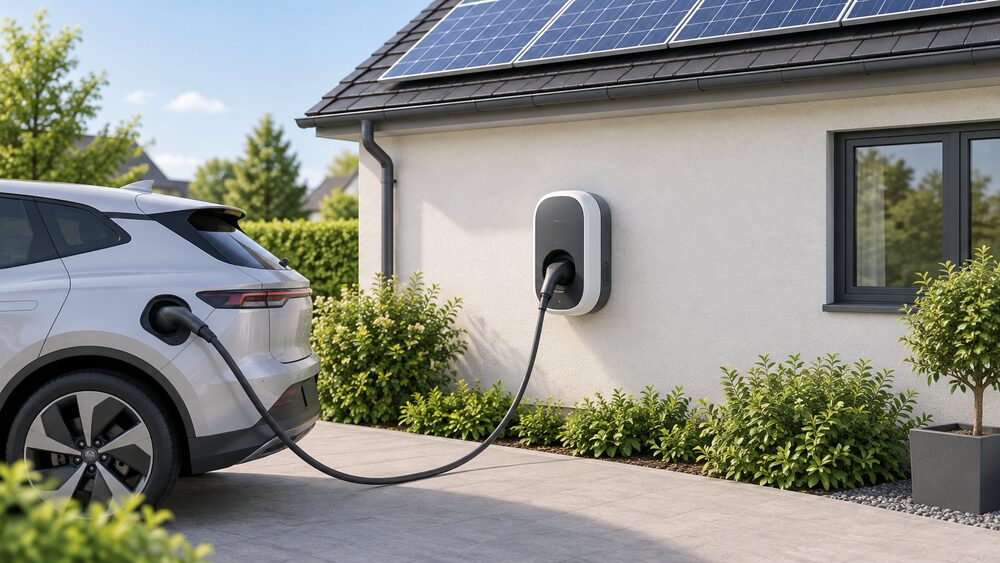 Zappi solar-aware EV chargerThe myenergi zappi is a UK-made solar-aware home EV charger sold in 7kW single-phase and 22kW three-phase forms, with ECO and ECO+ modes that divert surplus solar or wind generation into the car.