
In this guide
The Ohme Home Pro is a tethered smart EV charger rated at 7.4kW and 32A on a single-phase 230V supply, sold in the UK from £999 with standard installation and VAT included1. It carries a 5m Type 2 cable as standard, with an 8m cable available as an optional upgrade, and it is controlled through a colour touch screen on the unit, the Ohme app, or the buttons on the charger itself2.
For a household, the significance is not the hardware so much as what the hardware is designed to do: shift charging into cheap windows on a time-of-use tariff, and take surplus solar from a roof array when it is available. Ohme states that its chargers are compatible with all energy suppliers and integrate with most smart tariffs, including Intelligent Octopus Go4. The Home Pro is the larger of Ohme's two UK chargers, and the one with the screen3.
What follows sets out the specification, the cable options, the price and installation terms, the smart charging and Solar Boost features, the running cost evidence, and the warranty and certification position. The dependence that remains is worth stating at the outset: the smart features run through a 3G or 4G multi-network SIM that Ohme pays for in the first three years, and through the manufacturer's app and servers2.
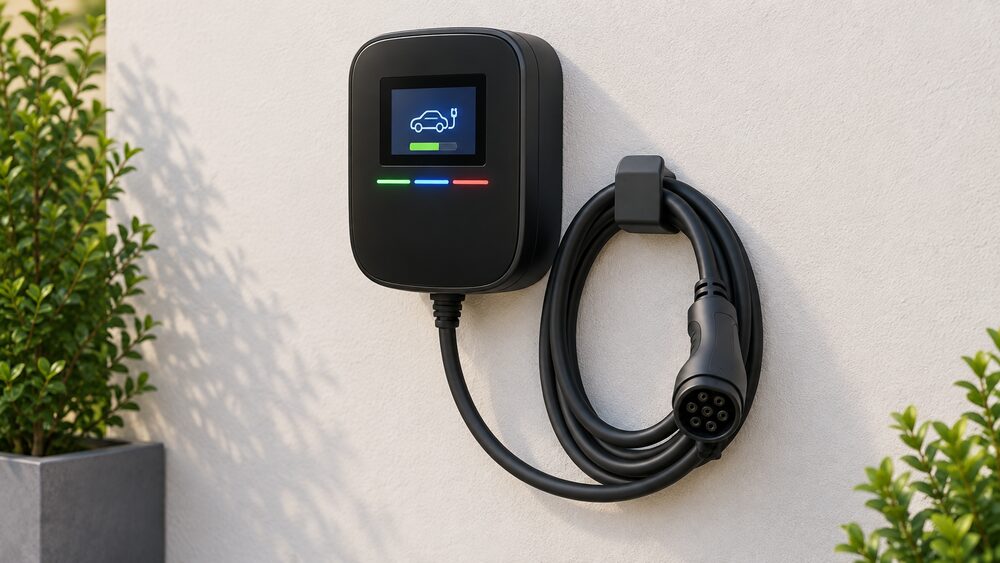
A tethered smart charger with a colour touch screen
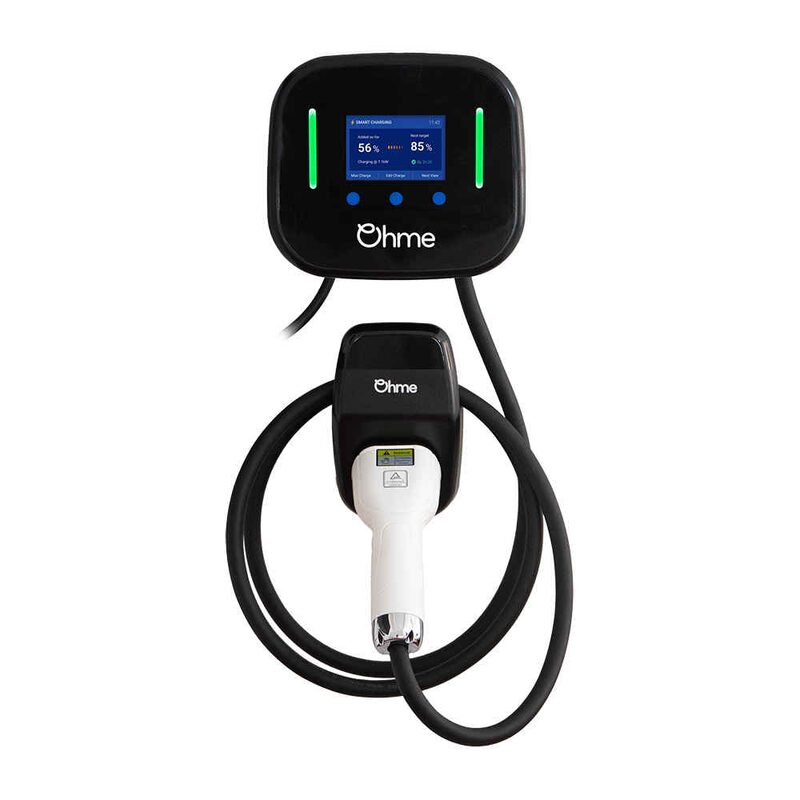
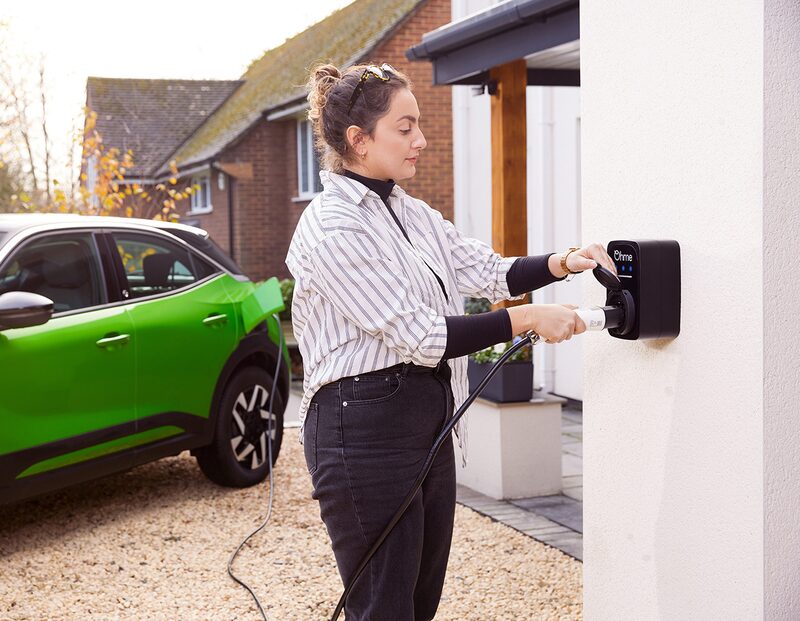
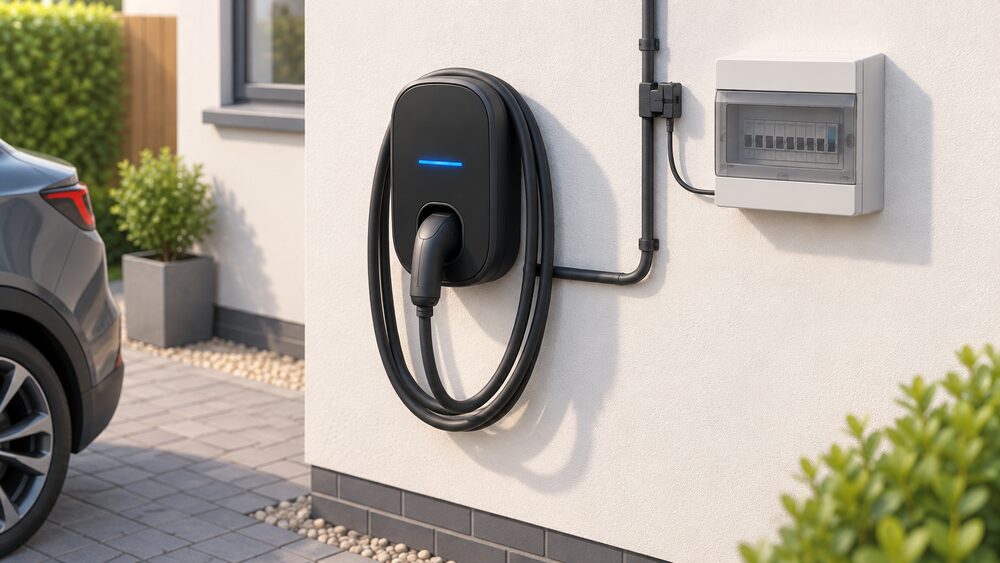
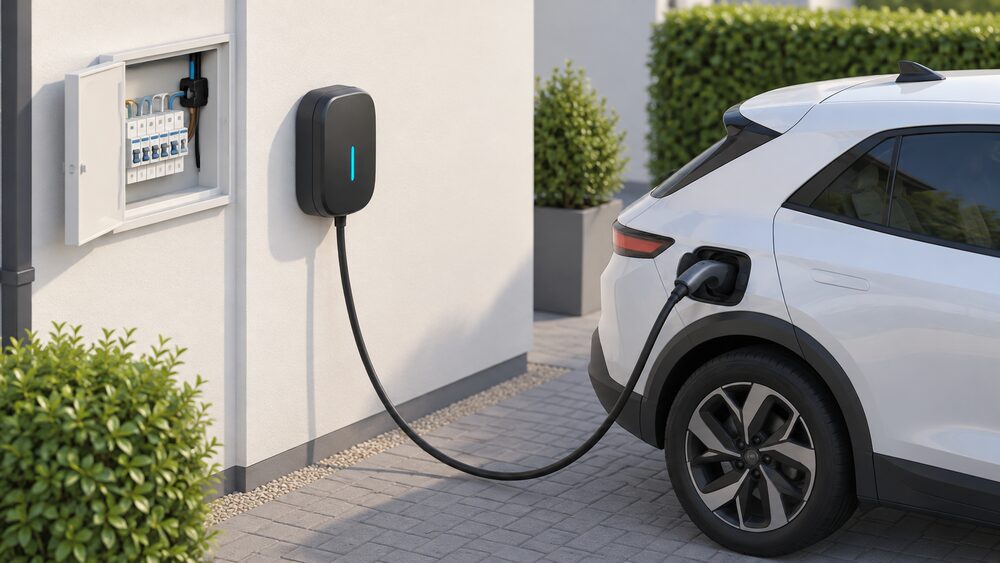
The Home Pro is a tethered unit, meaning the cable is permanently attached to the charger rather than being a separate lead kept in the boot6. Ohme describes it as featuring a colour screen and tethered cable, and elsewhere as a touch screen with a tethered cable7. The practical consequence is that the cable is always on hand at the wall, which suits a driveway where the car parks in the same place each night, and is less suited to a shared or unpredictable parking arrangement.
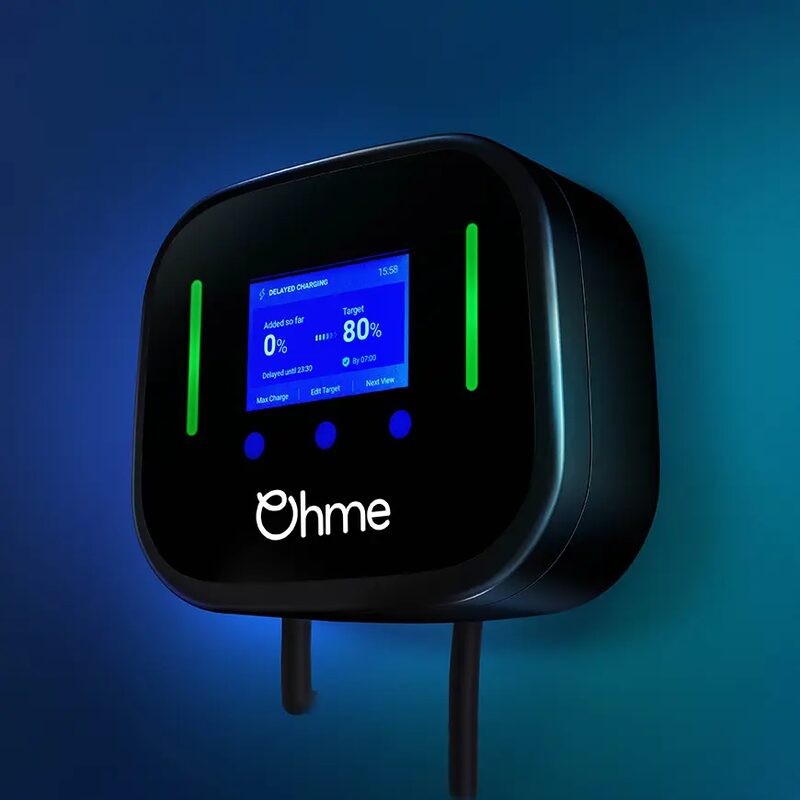
Control is deliberately redundant. The charger can be operated through the built-in LCD screen, through the Ohme smartphone app, or through buttons on the charger itself9. That matters for energy independence in a small but real way: scheduling and monitoring can be done from the unit without a phone, so a household is not locked out of basic operation by an app update or a lost handset. Ohme states plainly that both its chargers can be controlled either via the app or using the buttons on the device itself3.
The screen is also the status display. The Home Pro carries a three colour LED indication strip in green, blue and red, plus an LCD screen showing blue and red2. A solid green light means the car is plugged in but not drawing power, and no light at all means charging has finished or the cable is unplugged11. When Max Charge is applied, the display turns from blue to red11. Once plugged in, the screen shows Smart Charging in the top left corner, with the charge added so far, the charge target and the end time11.
Specifications: 7.4kW, 32A, 230V and dimensions
The headline figures are consistent across Ohme's own documentation. Power output and maximum current are given as 7.4kW and 32A5, and the datasheet lists a power rating of 7.4kW with a nominal supply of 230V AC, 50/60 Hz, single-phase2. The product page states a nominal supply of 230V AC, 50 Hz1, and a separate Ohme page describes up to 7.4kW home charging on a single-phase 230V supply at up to 32A12. The 50 Hz and 50/60 Hz difference between pages reflects the same appliance described for different markets rather than a different product.
| Specification | Ohme Home Pro |
|---|---|
| Power rating | 7.4kW2 |
| Maximum current | 32A5 |
| Nominal supply | 230V AC, 50/60 Hz, single-phase2 |
| Charging mode | Mode 32 |
| Supply connections | L+N+E 6mm22 |
| Dimensions | 170mm (H) x 200mm (W) x 100mm (D)5 |
| Impact rating | IK082 |
| Status indication | 3 colour LED strip (green, blue, red), LCD screen (blue, red)2 |
| Connectivity | 3G/4G multi-network SIM5 |
The 7.4kW figure is the standard domestic single-phase rating, and independent guidance describes a single-phase 7.4kW charger as the standard domestic unit on a 32A dedicated circuit13. That circuit requirement is the part of the specification with the most bearing on installation cost and feasibility, because it determines what the consumer unit and supply cable must support. The electrical requirements for a home EV charge point are set out separately, and the load management position matters where the house has a constrained supply.
Tethered cable: 5m as standard, 8m as an upgrade
The Home Pro comes with a tethered 5m Type 2 cable as standard, and an 8m cable is available as an optional extra5. Ohme's smart charging FAQ repeats the point: an 8 metre cable is available as an optional upgrade3. Independent coverage of the range describes the same arrangement, a 5m Type 2 tethered charging cable as standard with 8m optional4.
Cable length is not a trivial detail. It determines whether the charger can be sited on the most convenient wall, or whether the car has to be reversed into a particular spot to reach. Where the parking position is fixed and close to the wall, 5m is usually sufficient; where the driveway is longer, or the charger has to sit around a corner from the parking bay, the 8m option avoids an awkward parking routine every night. Ohme also lists a portable cable in 5m or 8m depending on model, surge protection as a recommended extra, and an expert home survey as optional extras14.
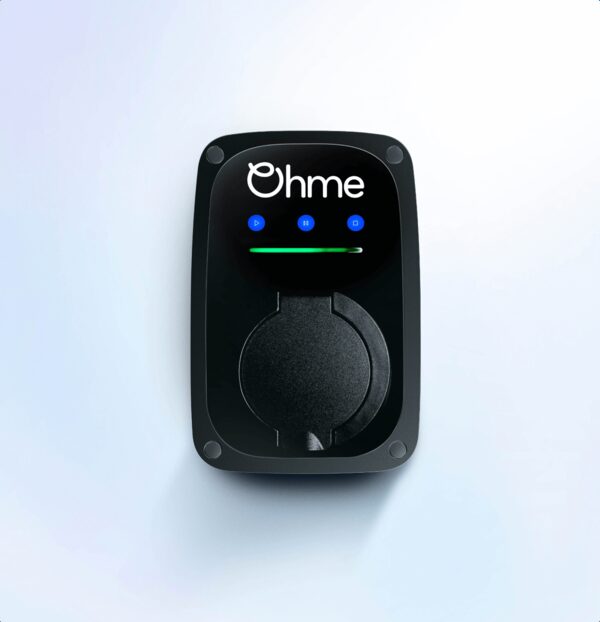
The alternative to a tethered unit is an untethered one, where the cable is supplied separately and kept in the car. Ohme's other UK charger, the ePod, is the untethered model, with 5m and 8m cables available as an optional extra1. The trade-off between the two approaches is covered in tethered vs untethered EV charger, and the connector itself in EV connectors and cables.
Price and installation: from £999 with standard installation included
Ohme lists the Home Pro from £999 with standard installation and VAT included1. The ePod, the untethered alternative, is listed from £949 including standard installation1. Independent coverage published in January 2026 noted that the Home Pro cost only £50 more than the ePod, which is consistent with those two figures4.
Standard installation includes mounting the charger on an exterior wall, up to 10m of cabling, connection to the fuse board, and setup of the Ohme app8. Ohme states that each installation is unique but that on average it should take around four hours8. Work beyond the standard scope, such as a longer cable run, a different mounting arrangement, or remedial work on the existing installation, is quoted separately.
For context on the wider market, independent guidance puts the typical cost of installing a home charge point at around £800 to £1,20015. That is a general figure across chargers rather than a price for this model, and it sits below the Home Pro's inclusive price because it excludes the hardware in some cases. Prices for other named units in the same independent comparison include £690 plus installation, £899 plus installation and £1,250 with installation4. The full cost picture, including grant eligibility and what drives a quote, is at home EV charger cost.
Smart features: dynamic charging, tariff integration and balancing
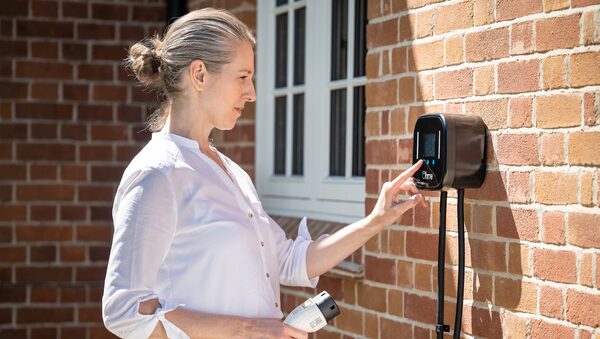
The Home Pro's feature set is listed as dynamic smart charging, energy tariff integration, home power balancing and over-the-air updates5. Tariff compatibility is stated as all energy tariffs1, and Ohme describes its chargers as compatible with all energy suppliers and integrating with most smart tariffs, including Intelligent Octopus Go4. A separate Ohme page describes the tech as integrating with energy tariffs including time-of-use off-peak and type-of-use tariffs13.
Independent coverage notes that the Home Pro is one of the only chargers that can integrate with both Octopus and OVO's smart tariffs4. Ohme also allows a custom tariff to be set up manually, where the household enters its own tariff times and prices3. That last option matters for households on a tariff the charger does not recognise automatically, because it keeps the smart scheduling function available rather than leaving the unit as a dumb 7.4kW socket.
Home power balancing is the feature that protects the rest of the installation. It manages the current drawn by the charger against the capacity available at the property, which is the mechanism that allows a 32A charger to be fitted where the supply could not otherwise carry it alongside an electric shower, an oven and a heat pump. The wider subject is covered at load management and load balancing, and the regulatory background at the Smart Charge Points Regulations.
Over-the-air updates keep the software and security features current without a visit12. That is a benefit and a dependence at once: the charger improves without intervention, but it also means the unit's behaviour is set by the manufacturer's software rather than by the household. The apps and connectivity page covers what that means in practice.
Solar Boost: charging from your own excess solar
The Home Pro is solar charging compatible, with a Solar Boost feature in the app that uses excess solar energy to charge the car1. Ohme's smart charging FAQ lists compatibility with solar energy setups as a feature of both the Home Pro and the ePod3, and independent coverage notes that the latest Ohme points are now solar compatible4.
The mechanism is straightforward in principle. Where a roof array is generating more than the house is using, the surplus would otherwise be exported, often at a low rate. Solar Boost diverts that surplus into the car instead, so the energy is stored in the vehicle battery rather than sold. Ohme states that a further Solar Boost setting, to charge only when there is enough excess, was launching in Summer 202617.
Two limits are worth stating. First, solar charging is intermittent by nature: output depends on weather, season and time of day, so a household relying on it should expect variable charge rates rather than a guaranteed overnight fill. Second, the feature works through the app and the charger's connectivity, so it depends on the same SIM and server chain as the rest of the smart functions. The wider subject, including whether a dedicated solar charger is needed, is at charging an EV from solar panels and solar charging vs grid charging.
What it costs to run: smart tariff savings of up to 70%
The running cost case rests on shifting charging into off-peak windows. Ohme states that using the charger with a smart tariff such as Intelligent Octopus Go, which offers off-peak rates of around 7 to 9p per kWh, could reduce charging costs by up to 70% overall6. The same page gives a worked example: charging a 60kWh battery can be cut to as little as £5 to £8 per charge with smart tariff integration6. Ohme's own product page states that with smart tariff integration it can cost less than £5 per charge3.
Independent and official figures support the direction of travel without matching the headline. Government analysis found that a household with an EV and a time-of-use tariff could already save around £330 annually by smart-charging when compared to a static tariff18. The Energy Saving Trust, writing about combined clean technology, reports that some households could reduce annual energy bills by around £800 by combining heat pumps, solar panels and battery storage with the right smart tariff11. Those are modelled figures for particular household profiles, not guarantees.
The 70% figure is a maker's claim and should be read as such: it depends on the tariff, the off-peak window and how much of the household's charging can be moved into it. The £330 annual saving is the official figure and is the more conservative anchor. The full running cost picture, including how home charging compares with public charging, is at EV charging running costs and home vs public charging cost.
Warranty, certifications and the company behind it
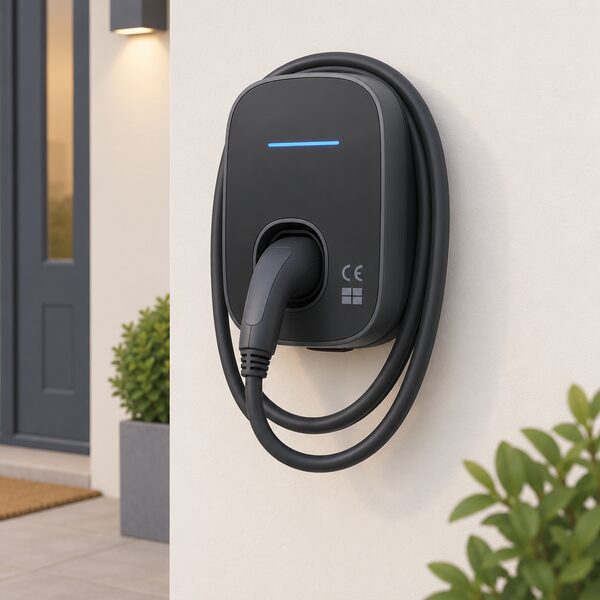
The Home Pro carries a 3-year warranty as standard3. E.ON Next, which sells the unit, describes the terms as a 3-year product and 1-year workmanship warranty across the Ohme ePod, Ohme Home Pro and zappi GLO19. The distinction matters: the product warranty covers the hardware, while the workmanship warranty covers the installation itself and runs for a shorter period.
On certification, the Home Pro is CE marked and compliant with LVD, EMC, RED, RoHS and WEEE, and is SEAI registered5. The datasheet lists it as UKCA marked2. Ohme states that its chargers meet UK Smart Charge Point Regulations and are in full compliance with UK Smart Charging regulations3. That compliance is what makes the unit eligible for the smart charging regime that applies to domestic charge points sold in the UK.
Connectivity is provided by a 3G/4G multi-network SIM card, with the cost covered by Ohme for the first three years2. After that period the data arrangement is a matter for the manufacturer, and it is the clearest ongoing dependence the product creates: the smart features, remote scheduling and over-the-air updates all run through that connection and through Ohme's servers. Local control at the unit continues without it.
Installation, the survey and the MPAN
Ohme's installer route begins with a survey. The MPAN, or Meter Point Administration Number, is a unique identifier for the electricity supply at the property, and it can be found on a copy of the electricity bill for that supply20. It is usually 13 digits long and appears in a grid of numbers alongside a large letter S, made up of the bottom row of numbers20. Some network operators offer a lookup tool that emails the supplier name and MPAN from a few details21.
The MPAN is what allows the installer and the network operator to identify the supply being connected to, which is part of the notification process for a new charge point. The process itself, including who may carry out the work and what notification is required, is set out at home EV charge point installation and telling the network operator.
On payment, Ohme announced in May 2026 that customers can pay for an EV charger in instalments through PayPal4. That covers the charger purchase; the electrical work is a separate contract with the installer. A household considering instalments should read the credit terms attached to the PayPal product, since those sit with the lender rather than with Ohme.
Where the Home Pro sits in the range
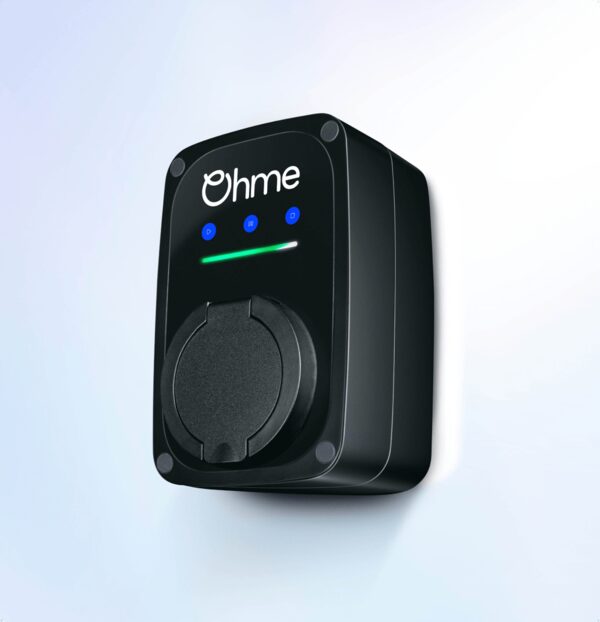
Ohme sells two home chargers in the UK. The Home Pro is the larger of the two, tethered, with the colour touch screen and the 5m cable as standard3. The ePod is the untethered model, with 5m and 8m cables available as an optional extra, and it also carries standard installation and a 3-year warranty1. Both are solar charging compatible and both are compatible with all energy suppliers4.
The direct comparison between the two is at Ohme ePod vs Ohme Home Pro, and the wider Ohme range at Ohme smart EV chargers. Against other makes, the Ohme Home Pro vs zappi comparison sets out the differences in approach to solar and tariff integration.
For a household weighing energy independence, the position is this. The Home Pro reduces dependence on peak-rate grid electricity by shifting charging into cheap windows and by absorbing surplus solar, and it reduces dependence on a single supplier by working with all of them and with a manually entered custom tariff3. What remains is a dependence on the grid for the energy itself, on a broadband or mobile signal for the smart functions, on Ohme's servers and app for remote control and updates, and on the manufacturer for the data connection after the first three years2. Local control at the unit continues regardless, which is the part that keeps the charger usable if any of those links fail.
Sources21 cited
- Ohme Home Pro product page, Ohme, 2026-05-21
- Home Pro data sheet, Ohme, 2026-09-17
- Smart charging FAQs, Ohme, 2025-12-11
- Disconnecting Ohme from Next Drive Smart, Ohme, 2026-08-05
- Ohme ePod product page, Ohme, 2026-08-20
- New to EVs, Ohme, 2026-07-09
- Ohme product range, Ohme, 2026-09-17
- How installation works, Ohme, 2026-01-07
- Section 722 EV charging complete guide, Elec-Mate, 2026-07-02
- Home electric vehicle chargers, Carwow, 2026-01-09
- Ohme Home Pro: how do I know what my charger is doing, Ohme, 2026-09-17
- Ohme Home Pro EV charger, E.ON Next, 2026-09-17
- Ohme energy, Ohme, 2026-03-16
- Ohme shop, Ohme, 2026-02-20
- Smart charging electric vehicles, Energy Saving Trust, 2025-03-25
- Electricity distribution networks study: government response, GOV.UK, 2025-07-07
- How installation works (Ireland), Ohme, 2026-08-13
- Clean tech combo could help households beat rising energy bills, Energy Saving Trust, 2026-07-15
- Cost to charge, E.ON Next, 2026-09-17
- Close down or remove an MPAN, UK Power Networks, 2026-09-17
- Find my network operator, Energy Networks Association, 2026-09-17
 Ohme smart EV chargersLeading UK smart-charging brand householders buy direct or via energy tariffs.
 Ohme home EV chargersOhme is a smart home EV charger brand, based in Cork and claiming to be the UK and Ireland's largest home EV charging company.