
In this answer
Short answer
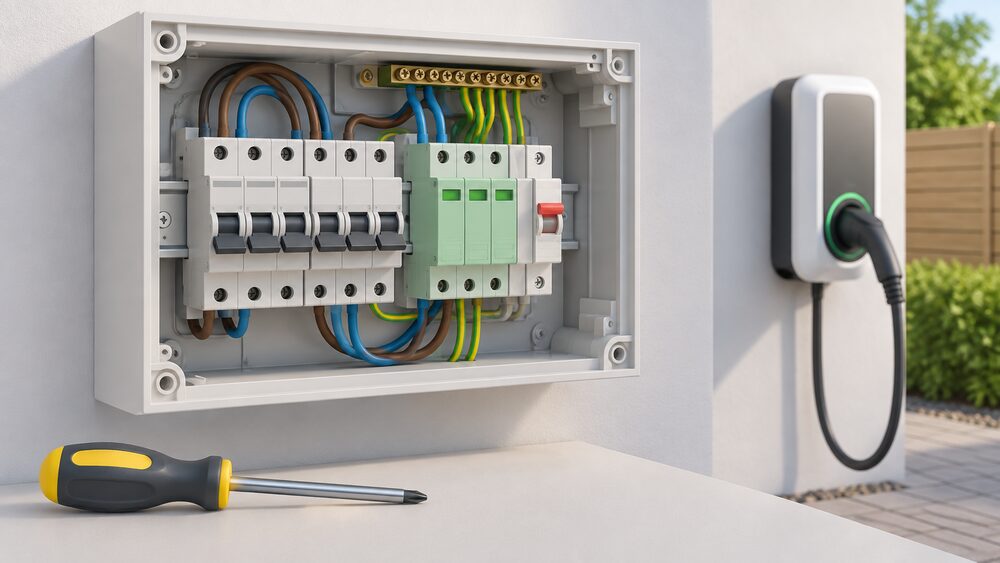
A surge protection device (SPD) is not a single legal requirement for every home EV charger in the UK. What applies depends on how electricity reaches the property. All EV charging installations must continue to comply with the requirements of BS 7671, the Wiring Regulations, and within that framework the supply type decides whether an SPD is obligatory or strongly recommended1.
Where a home is supplied by overhead cables and telegraph poles, the position is firm: Type 1 and Type 2 surge protection devices must be fitted, and the installer is obliged to fit them when installing the charger2. On a typical underground supply there is no equivalent obligation, but a Type 2 device is strongly recommended because surges can damage the charger or other equipment3.
The practical effect is that most households will be offered an SPD, and several installers now include one at no extra charge. E.ON Next includes a standard Type 2 device for homes powered by underground electricity cables2, and Indra states that its charger installation includes surge protection3. Where no price is published, SPD costs are installer-quoted.
What a surge protector does for the charger and the car
A surge protector is designed to detect and protect EV home chargers from potentially damaging electrical surges, by feeding the excess voltage safely to earth8. The mechanism matters: a surge is a sudden increase in voltage, and the device gives that excess energy a controlled path away from the electronics rather than through them. Investing in one protects the charging equipment and the electric vehicle from power surges, which are sudden increases in voltage that can damage electrical devices9.
The device is not the only protection in the system, and it is worth separating the layers. A charger installation requires a separate MCB or RCBO at the distribution board for each charger, with no other loads sharing it10. Chargers themselves carry safety features that can include DC leakage protection to protect the car's battery, temperature monitoring to prevent overheating, and PEN protection2. Some models add over and under voltage protection for the charger and the connected electric vehicle11.
An SPD sits upstream of all of that. Surge Protective Devices are used to protect the electrical installation, which consists of the consumer unit, wiring and accessories, from transient overvoltages5. That distinction is the one households most often miss: a device in the consumer unit protects the fixed wiring and everything connected to it, while protection built into a charger protects that unit. The two are complementary rather than alternatives.
For energy independence the picture is modest but real. An SPD does not reduce reliance on the grid or on a supplier, and it does not generate anything. What it does is protect the equipment a household has already paid for, which matters more as a home accumulates a charger, a battery and solar inverter electronics. The dependence that remains is on the installer to specify the right type and on the manufacturer for the device itself.
When surge protection is required: homes on overhead cables
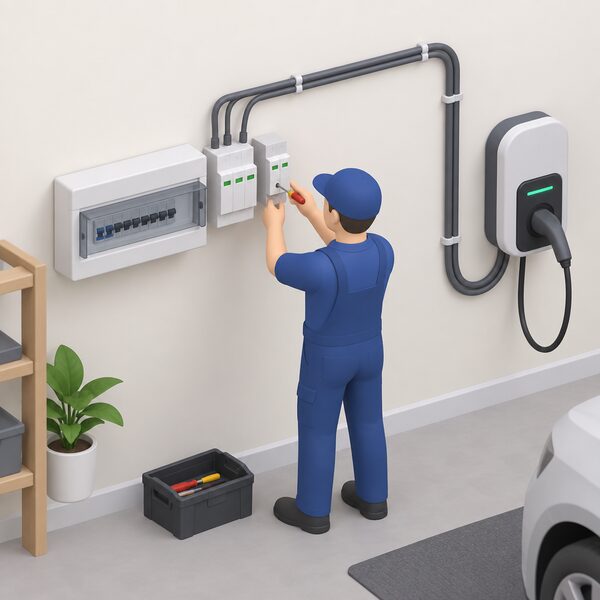
The dividing line in UK practice is the service cable. If a home is supplied by overhead cables and telegraph poles, Type 1 and Type 2 surge protection devices must be fitted, and the installer is obliged to fit these when installing the charger to ensure adequate protection2. This is the one scenario in the domestic market where the answer to "do I need it" is a clear yes rather than a recommendation.
The reason is exposure. An overhead service is a longer, more exposed conductor than a buried one, so a transient from a nearby strike or a switching event on the network has a more direct route into the installation. Type 1 devices are specified for that position. The IET's consumer guidance frames the purpose in general terms: Surge Protective Devices are used to protect the electrical installation, which consists of the consumer unit, wiring and accessories, from transient overvoltages5.
For homes on underground cables the obligation falls away, but the recommendation does not. Indra describes SPDs as strongly recommended for EV chargers because surges can damage the charger or other equipment3. E.ON Next goes further and includes a standard Type 2 device at no extra charge for homes powered by underground electricity cables2, and its published installation package lists a consumer unit including surge protection among the items covered4.
There is a second, separate constraint that often surfaces at the same visit. Some homes share one electricity cable with a neighbour, which means the supply is not strong enough for an EV charger12. Installing a home EV charger typically requires a fuse upgrade to 80 to 100 amps, which often cannot be done on a looped supply without overloading the shared cable13. In that case the household needs its own dedicated cable installed before the charger can go ahead14. Surge protection is a small part of a job that may first require a supply change.
Type 1 or Type 2 SPD: which applies to your supply
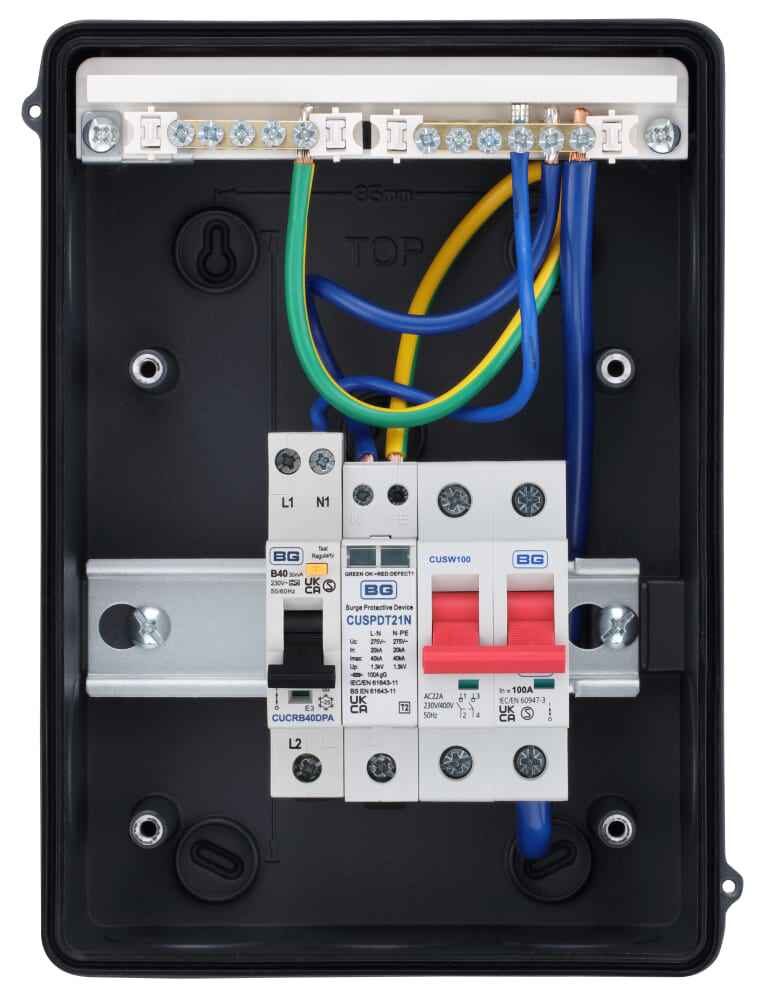
The type number describes what the device is built to handle and where it belongs in the installation. Type 1 devices are the ones specified for overhead supplies, where a direct or nearby lightning transient can reach the property. Type 2 devices are the standard choice at the consumer unit on an underground supply, and they are what most domestic EV charger packages include.
The UK product market reflects that split. Sync Energy lists a Type 2 SPD in its charger specification15, and a second unit in the same range also carries a Type 2 SPD16. The pattern is consistent across domestic charging hardware: Type 2 is the default for the alternating current side of a home installation.
Where solar and battery equipment is involved, the specification often goes further because there are two circuits to protect. Sungrow's SG25-50CX-P2 inverter carries a DC Type I+II SPD14, and its SG40CX-P2-V21 carries a DC Type I+II SPD and an AC Type II SPD16. SolaX specifies a Type II SPD on the AC and DC side of its X1-Hybrid LV series11, and the Sunsynk Elite lists a Type II SPD across AC and DC15. The distinction between AC and DC protection matters because a solar array brings a direct current circuit into the same building as the charger.
For a household, the practical question is which device the installer proposes and why. A Type 2 device in the consumer unit is the norm for an underground supply. A Type 1 device, or a combined Type 1 and Type 2 arrangement, is what an overhead supply calls for. The two are not interchangeable, and the choice follows from the service arrangement rather than from the charger brand.
| Supply arrangement | Device specified | Status |
|---|---|---|
| Overhead cables and telegraph poles | Type 1 and Type 2 SPDs | Must be fitted when the charger is installed2 |
| Underground cables | Type 2 SPD | Strongly recommended; included at no extra charge by E.ON Next2 |
| Solar or battery inverter circuits | Type II on AC and DC side | Built into specified models11 |
Installers that include an SPD at no extra charge
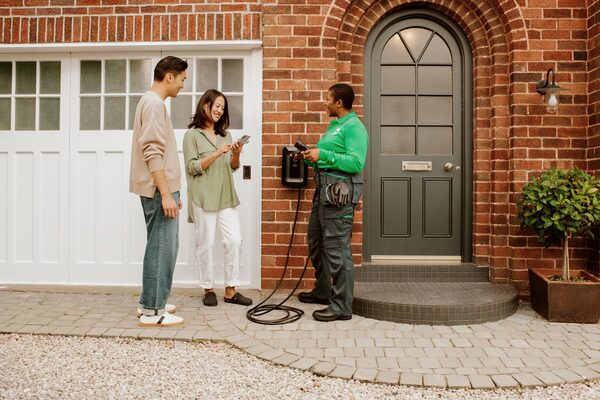
Several installers treat the device as part of the standard job rather than an upsell, which changes the cost question for a household comparing quotes. E.ON Next includes surge protection with EV charger installations for no extra charge if the home is powered by underground electricity cables2. Its published installation package lists a 0 to 5 metre cable installation pack, a consumer unit including surge protection, an Ohme CT clamp single phase rated at 100A, warranty registration and a Building Control Certificate, cabling and consumables, and delivery, all included in the price4.
Indra takes a similar line, stating that the charger installation includes surge protection3. OVO lists a Surge Protection Device to protect the EV charger in case of any electrical power surge among its installation inclusions, without limiting it to a supply type17. That description dates from March 2024, so the current package is worth confirming at the point of order.
The wider installation context is worth setting beside these inclusions. If installers are able to complete their work without needing to upgrade the electricity supply, there will be no costs to pay to UK Power Networks14. Where a supply upgrade is needed, that is a separate matter from the SPD and can dominate the budget. For the charger itself, official guidance puts an EV charger at up to £1,0006.
A household comparing quotes is therefore looking at two different things: whether the SPD is bundled, and whether the supply can take the charger at all. The first is a line item that several installers absorb. The second can require a new cable before any of it proceeds.
Chargers with built-in surge protection: EVT and SALUS
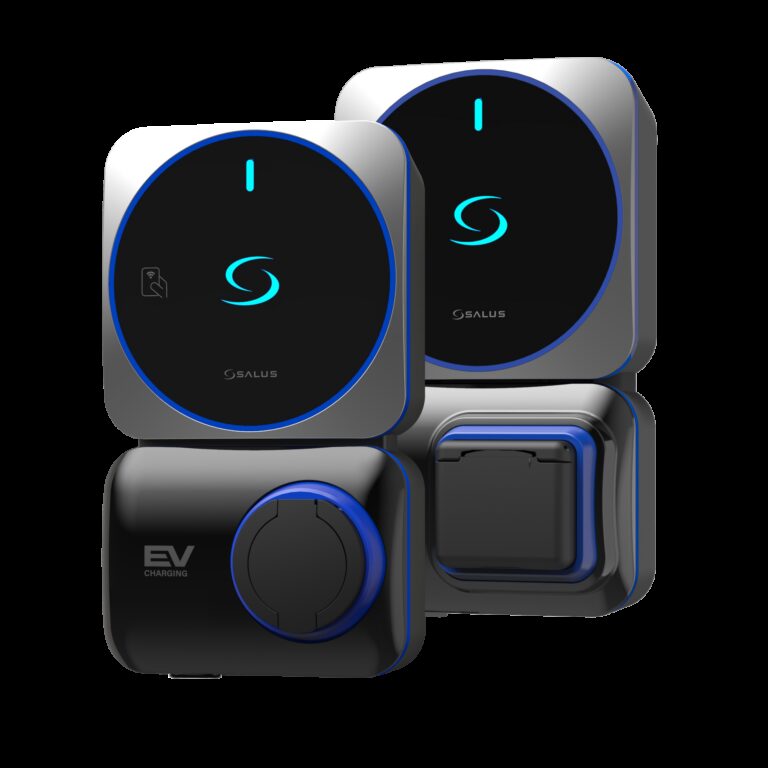
Some chargers carry protection inside the unit, which is a different proposition from a device in the consumer unit. The SALUS EV Charger Series lists surge protection as a built-in feature, alongside over and under voltage protection, over current protection and anti-welding protection7. It is an untethered unit with a Type 2 socket7.
Built-in protection of this kind guards the charger and, through it, the vehicle. It does not replace a consumer unit device, because it sits at the end of the circuit rather than at the origin of the installation. A household weighing the two should read them as layers: the SPD at the consumer unit protects the fixed wiring and everything connected to it, while the charger's own protection acts on the unit itself.
The same layering appears in solar and battery hardware, where manufacturers build protection in as standard. Sync Energy's Flow Hybrid Inverters carry integrated AC and DC surge protection, PV isolation and MCBs, described as ensuring safety and compliance without requiring additional components12. For a home running a charger alongside solar and storage, that integration reduces the number of separate devices on the wall.
The limit is that built-in protection is tied to the manufacturer. If the company fails or the product is withdrawn, the protection goes with it, and the household is back to whatever the consumer unit provides. That is the dependence that remains even with a well-specified charger.
Cost and what happens if you skip it
Published prices for an SPD as a standalone item are scarce, because it is normally absorbed into a quoted installation. Where an installer bundles it, the marginal cost to the household is nothing: E.ON Next includes it at no extra charge for underground supplies2, and Indra states that its installation includes surge protection3. Where it is not bundled, the cost is installer-quoted, and no published range exists to quote.
The consequence of going without is not a failed inspection in most cases, because the obligation attaches to overhead supplies rather than to every installation. It is exposure. SPDs are strongly recommended for EV chargers because surges can damage the charger or other equipment3. A damaged charger is a repair job rather than a DIY one: if an electric car charger is broken, it should not be repaired by the householder, because this is a job for a professional electrician with the qualifications and certifications18.
The car has its own defences, and they are worth understanding. If the voltage goes outside the operating range, the charger will stop working and show an error, a safety feature that protects the charger and the vehicle19. Network over voltage can cause household and commercial equipment, including EV chargers, to shut down when protective limits are reached20. That is a shutdown rather than a failure, and it is the system working as designed.
Safety failures in this market are not hypothetical. A government product safety report on a ROMADA New Energy EV charger and cable found the product presents a serious risk of electric shock because it has poor quality internal connections21. That is a reminder that the quality of what is installed matters more than the presence of any single feature.
For energy independence, the honest summary is that an SPD protects assets rather than reducing reliance. It does not cut a household's dependence on the grid, on a supplier or on gas. What it does is reduce the chance that a transient event writes off a charger, an inverter or a battery that the household has paid for, which is the same logic that makes protection worthwhile across the rest of a home energy system.
Sources21 cited
- EV charger regulations in England: what's changed, NICEIC, 2026-08-19
- EV charger safety tips, E.ON Next, 2026-09-17
- Protect your EV charger with a surge protection device, Indra, 2026-09-17
- EV charger installation, E.ON Next, 2026-09-17
- Surge protective devices: consumer guidance, IET, 2026-09-17
- Electric vehicles, nidirect, 2026-09-17
- EV Charger Series, SALUS Controls, 2026-09-20
- The importance of surge protection for EV chargers, Andersen EV, 2023-01-08
- The second hand electric vehicle accessories guide, E.ON Next, 2024-11-13
- Section 722 EV charging complete guide, Elec-Mate, 2026-07-02
- Charging safely with the go-e Charger, go-e, 2024-02-01
- If your electricity supply can't cope with the new equipment, NIE Networks, 2026-09-19
- Looped services, NIE Networks, 2026-09-19
- EV charger and heat pump connections, NIE Networks, 2026-09-19
- CFUEV6-01, Sync Energy, 2026-09-17
- CP5R4PS1G-01, Sync Energy, 2026-09-17
- Getting the right EV charger installation, OVO Energy, 2024-03-25
- Electric vehicle charger installation and maintenance, NICEIC, 2025-08
- Managing voltage changes in your property, Electricity North West, 2026-09-19
- Statutory voltage limits, Energy Networks Association, 2026-09-17
- Product safety report: ROMADA New Energy EV charger and cable, GOV.UK, 2026-09-11
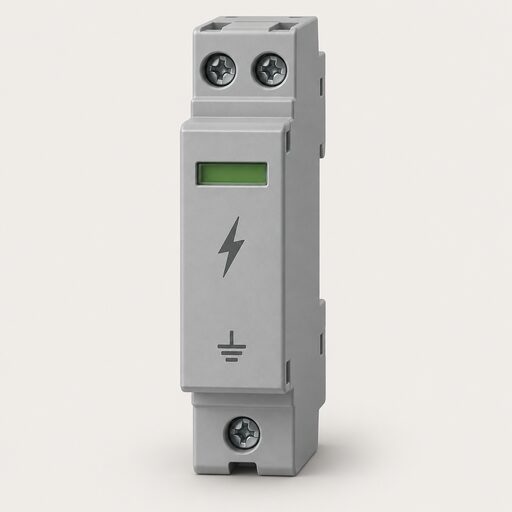 Surge and Lightning ProtectionWill a surge protector stop a lightning strike from wrecking my wiring and appliances?
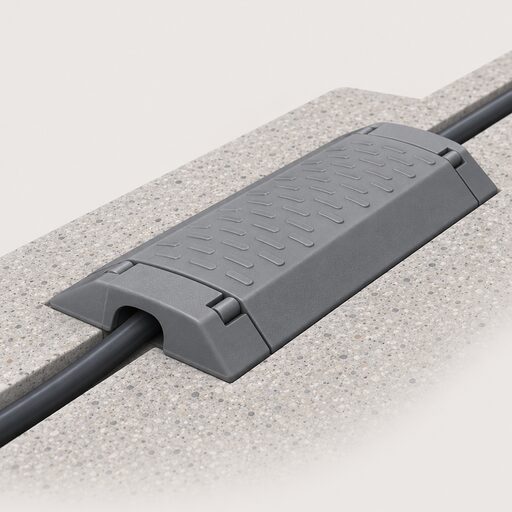 Charging Without a DrivewayParking on the street makes charging an electric car at home tricky.
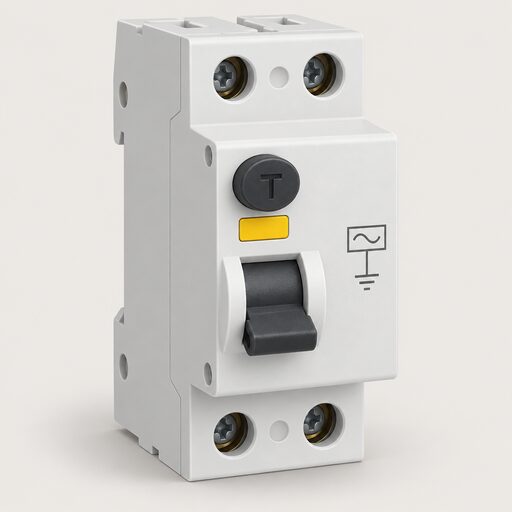 Electrical RequirementsWill your home need a bigger electricity supply before a charge point can go in?
 Charger Cybersecurity and DataWho can control your home charger, and how do you keep it secure?
 Charging an EV from Solar PanelsCharging your car from solar panels means using the power your roof makes instead of sending it to the grid.
 Charging With a Home BatteryHow a home battery and an EV charger share one supply, whether a battery can usefully charge a car, and how combined systems are controlled so the battery is not discharged into the vehicle at a loss.