
In this answer
Short answer
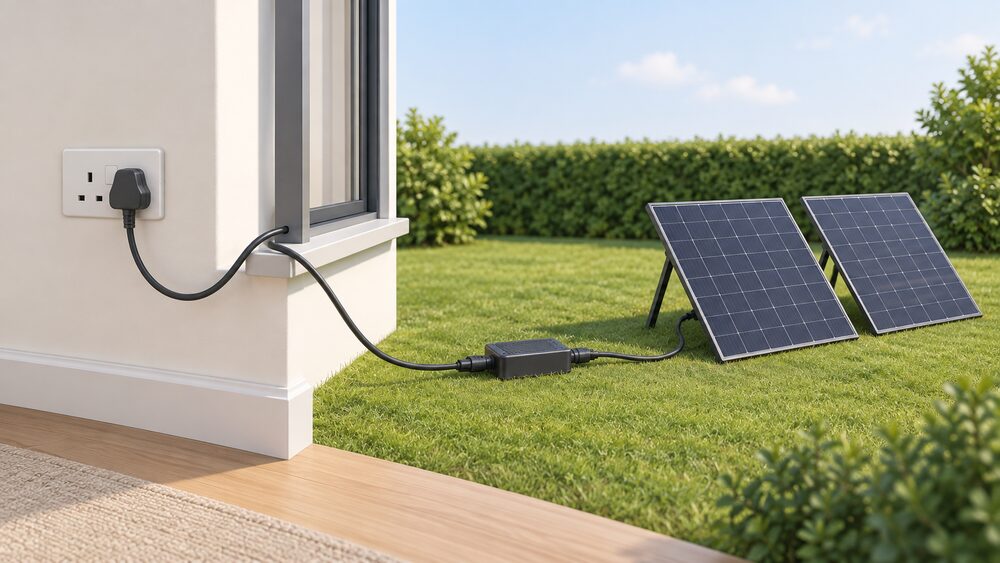
The maximum wattage for a plug-in solar kit in the UK is 800W, and that figure is a cap on the inverter's output rather than on the panels. The interim product specification requires the inverter to have a declared maximum apparent power not exceeding 800 VA, and the current at the point of connection to the fixed electrical installation must not exceed 3.5 A1. Independent guidance describes the same ceiling as the UK regulatory cap, with connection through a standard wall socket2.
The limit is not the same as the panel rating. Up to four PV modules may be connected to the inverter, and the maximum permissible sum of PV module DC power output is 2000 W1. A household can therefore have more panel capacity than the inverter will ever push into the wiring, because the inverter clips the output at the connection point. What matters for compliance is the power and current delivered into the home's fixed installation.
The rules changed on 27 August 2026. Before that date, UK standards only permitted solar power generation that was permanently connected, which meant wiring by a professional3. The revised permitted development position clarifies the potential to install plug-in solar that connects to the dwelling's wiring via a standard plug socket4. One kit per household circuit is the working assumption throughout the specification.
The 800W cap on plug-in solar kits
The 800W figure appears across official, independent and maker material with unusual consistency. The government's press position is that each plug-in solar kit produces up to 800W of power6, and the Energy Saving Trust repeats the same wording7. Home Energy Scotland states that the devices can generate up to 800W of electricity8. Independent guidance from the Centre for Sustainable Energy describes a single 800W plug-in kit per household, for safety reasons9.
The cap is expressed in volt-amperes in the technical documents, which is the unit that matters for the wiring. The specification sets a type test limit of 800 VA maximum apparent power1. Electrical Safety First frames the same rule from the socket's point of view: provided the power emitted through the microinverter, the interface between the solar panels and the plug socket, does not exceed the limit, the kit can be connected10. Which? gives the inverter output cap as a maximum of 800VA3.
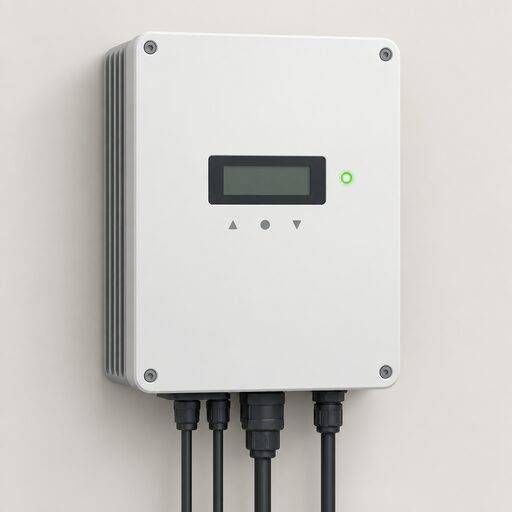
Two separate numbers sit behind the headline. The first is the inverter's declared maximum apparent power, which is the 800 VA figure. The second is the total PV module maximum power, which the specification allows up to 2000 W1. A kit with two 435W bifacial panels, as one product listing describes, has 870W of panel capacity feeding an 800VA microinverter3. The panels can be rated above 800W; the inverter cannot deliver above it.
Why the limit is set at 3.5 amps
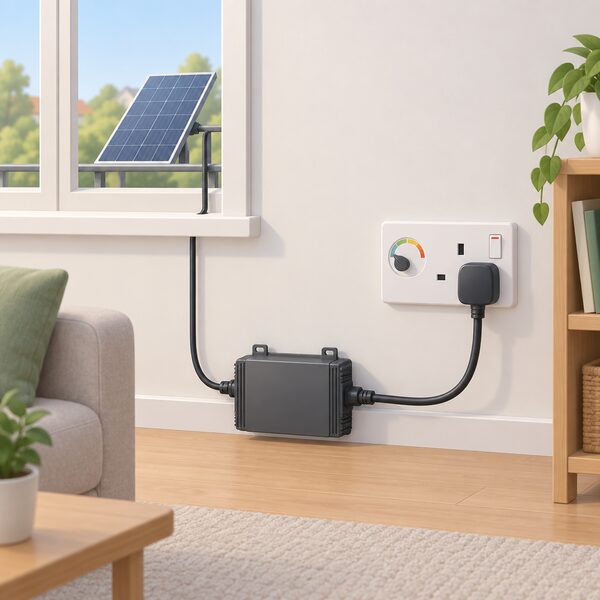
The 800W cap and the 3.5A current limit are two expressions of the same constraint. A plug-in generator feeding power back into a socket circuit has to stay well inside the margin so that the circuit's protective device still operates correctly and the plug, cable and socket are not overloaded. The specification states the current at the point of connection to the fixed electrical installation does not exceed 3.5 A under all specified test conditions1. The two figures travel together because the current limit is set at the point of connection rather than at the appliance.
The specification also restricts where the kit can be plugged in. A plug-in solar device shall only be connected to socket circuits and not to circuits supplying lighting or other fixed equipment11. Only one plug-in solar product shall be used per household final ring circuit1. Components, connections, plugs and socket-outlets intended for outdoor locations must have a degree of ingress protection of at least IP551.
The threshold for professional assessment is set higher than the operating cap. Plug-in solar devices with a total PV module maximum power above 960W should consider professional assessment of the electrical installation11. That is a wiring check, not a permission, and it sits above the 800 VA output limit because it concerns the DC side.
What 800W means in practice for household output
An 800W kit is a daytime load-offset device, not a whole-house supply. The Energy Saving Trust is direct on the question of whether it can power a home: probably not, because UK-compliant devices are limited to a maximum output of around 800W12. An average baseload is around 110W, so an 800W plug-in solar kit can easily supply enough electricity to cover that background draw9. That is the realistic target: the fridge, broadband, standby loads and a working laptop, running on sunshine rather than on imported electricity.
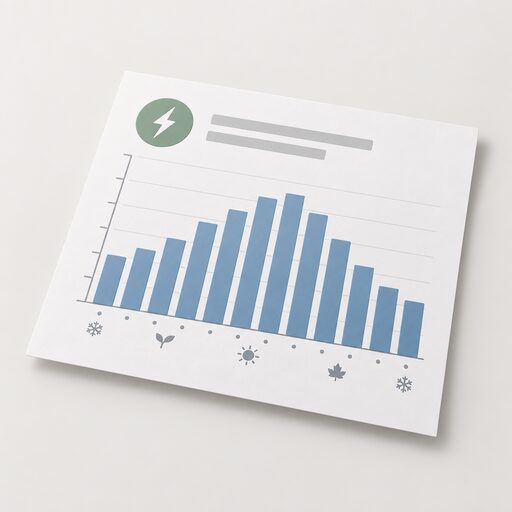
Generation is weather-dependent and varies through the year. One maker estimates 600 to 800 kWh a year for an 800W system in a household with higher daytime use, such as a family home or a garden office13. That is a maker's estimate, not a metered national figure, and it assumes the household is using power while the sun is up. A household that is out all day and returns in the evening will self-consume far less of it without a battery.
"Probably not. UK-compliant plug-in solar devices are limited to a maximum output of around 800W."
The dependence that remains is straightforward. The kit is grid-tied through a socket, so it works only when the grid is present and the circuit is live. It cannot run a home in a power cut, it cannot store anything, and it cannot cover a heat pump, an oven or an EV charger. Higher-use appliances will still need grid electricity12. What it does is reduce the volume of imported units during daylight hours, which is the part of a household's energy independence that a plug can reach.
How plug-in kits differ from a full rooftop installation
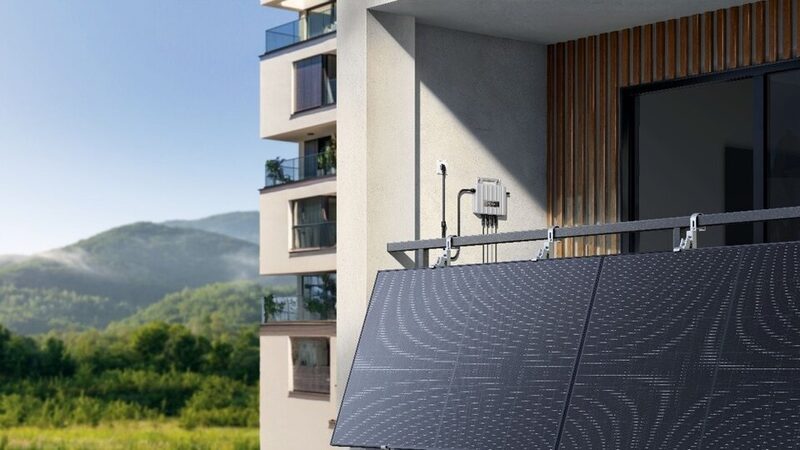
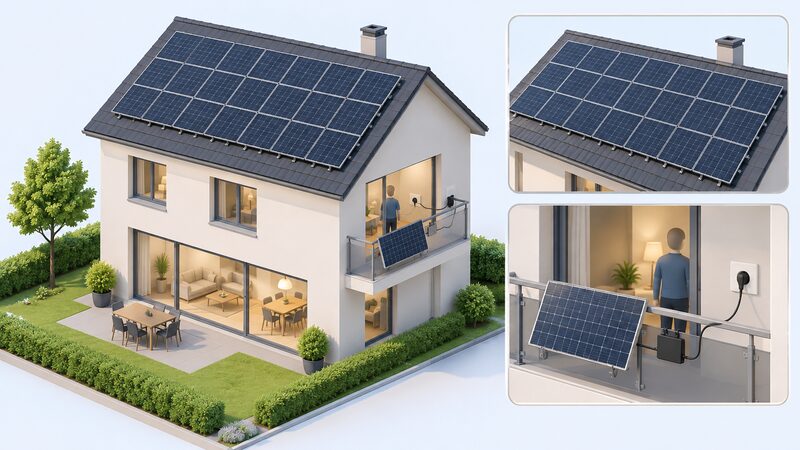
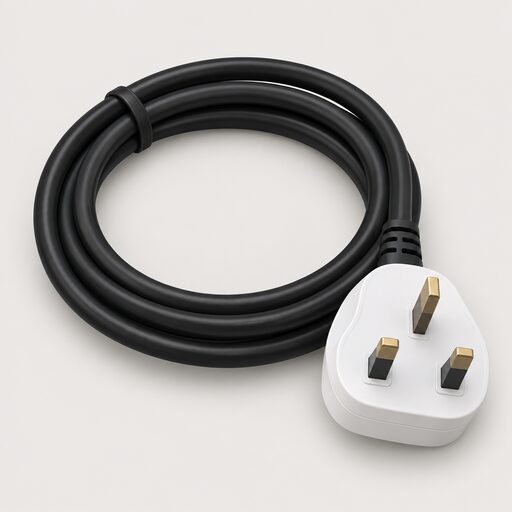
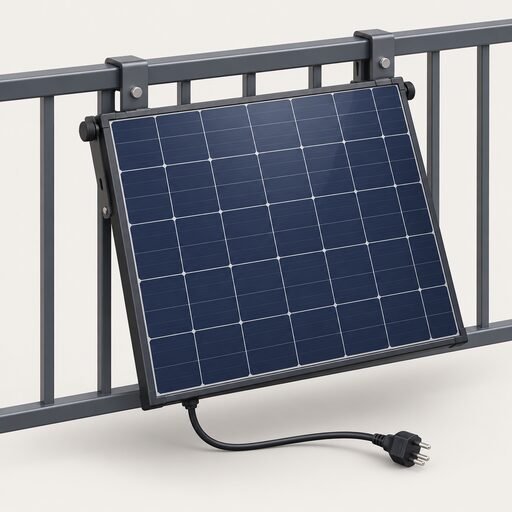
The two products are built to different rules and different scales. A plug-in kit typically includes one or two solar panels, a microinverter that converts direct current to usable alternating current, and a lead fitted with a standard three-pin plug, along with mounting brackets and an app for monitoring3. The Centre for Sustainable Energy describes the same contents: one or two panels, an inverter, mounting equipment, cable and a standard three-pin plug9. A typical rooftop system is around 4.6kW, roughly six times the plug-in cap5.
| Feature | Plug-in kit | Rooftop system |
|---|---|---|
| Typical size | 800W max5 | 4.6kW5 |
| Connection | Standard wall socket2 | Permanently wired by a professional3 |
| Installation | Self-install permitted since 27 August 20263 | Professional installation on the main roof14 |
| Contents | One or two panels, microinverter, mounting, three-pin plug9 | Larger array, permanent wiring |
| Output limit | 800 VA at the inverter1 | Not subject to the plug-in cap |
The practical difference is what each can carry. Plug-in systems are weather-dependent and generate much less electricity than a full rooftop setup, and are unlikely to power major appliances15. A plug-in system is typically smaller, while rooftop solar is usually larger and more permanent14. The plug-in route trades scale for simplicity: no scaffold, no roof work, no electrician for a compliant kit, and no permanent alteration to the property.
Where the rules on plug-in solar are set
The technical rules sit in the government's interim product specification for plug-in solar, which sets the 800 VA apparent power limit, the 3.5 A connection current, the 2000 W DC module allowance, the four-module maximum per inverter, the one-inverter-per-household-circuit rule and the IP55 requirement for outdoor components1. An earlier draft of the same specification, since withdrawn, carried the same core figures11.
The legal permission sits in the permitted development regime. The planning portal's guidance on stand-alone solar equipment states that, in the case of plug-in solar, any part of the solar equipment should not be installed on a wooden fence, gate, wall or other means of enclosure16. The August 2026 update to permitted development rules for domestic solar installations clarifies the potential to install plug-in solar that connects to the dwelling's wiring via a standard plug socket4. Updated regulations allow households to self-install systems up to an 800 W limit per electrical circuit17.
Parliamentary research confirms the direction of travel: the government intends to update regulations to allow plug-in solar of less than 800W to be connected without requiring a professional electrician18. Solar Energy UK's position is that this will allow plug-in systems of up to 800W19. The rules are UK-wide in their technical basis, but planning permission is devolved, so a household in Scotland, Wales or Northern Ireland should check the permitted development rights that apply where they live, and the wider UK home energy regulation and policy framework that governs connection and export.
Export is a separate question from connection. The Smart Export Guarantee requires licensed electricity suppliers to offer export tariffs to qualifying generators20, and the Feed-in Tariff factsheet sets the solar photovoltaic eligibility limit at up to 5MW total installed capacity21. Those schemes are not the plug-in cap; they govern what a household can be paid for what it sends to the grid. A plug-in kit's output is small enough that the connection rules, not the export rules, are the binding constraint.
Sources21 cited
- Plug-in solar final interim product specification, GOV.UK, 2026-07
- Plug-in solar explained, Low Carbon Hub, 2026-07-09
- Plug-in solar panels, Which?, 2026-09-15
- Changes to permitted development rules for domestic solar installations, Planning Portal, 2026-08-28
- Plug-in solar panels vs rooftop systems, Which?, 2026-04-27
- Households can save as plug-in solar panels come to market, GOV.UK, 2026-08-26
- Plug-in solar panels now available, Energy Saving Trust, 2026-08-27
- What to know about plug-in solar panels, Home Energy Scotland, 2026-09
- Plug-in solar advice, Centre for Sustainable Energy, 2026-09
- Plug-in solar consumer guide, Electrical Safety First, 2026-08
- Plug-in solar interim product specification (withdrawn), GOV.UK, 2026-06
- Plug-in solar panels, Energy Saving Trust, 2026-09-17
- What plug-in solar policy means for households, Jackery UK, 2026-06-24
- What is plug-in solar?, Jackery UK, 2026-06-25
- Plug-in solar panels, Hive, 2026-03-30
- Planning permission: stand-alone solar equipment, Planning Portal, 2026-09-17
- UK solar news, pv magazine, 2026-07-31
- Plug-in solar research briefing, UK Parliament, 2026-06-25
- Solar spearheads response to energy crisis, Solar Energy UK, 2026-03-23
- Smart Export Guarantee guidance for generators, Ofgem, 2019-12-12
- Feed-in Tariff factsheet, Ofgem, 2017-04
 Plug-In Solar KitsCan you really plug solar panels into a normal wall socket in the UK, and is it legal now?
 Balcony Solar SystemsCan you really plug solar panels into a normal socket, and what will it save you?
 Solar InvertersWhat does the box on the wall next to your solar panels do, and how long will it last?
 System SizingMost UK homes need a solar system of around four kilowatts, which takes up roughly twenty square metres of roof.
 Panels by Home TypeCan your house have solar panels, and how many will fit?
 Sizing a Self-Sufficient HomeHow many solar panels and how much battery storage does a home need to stop relying on the grid?