
In this guide
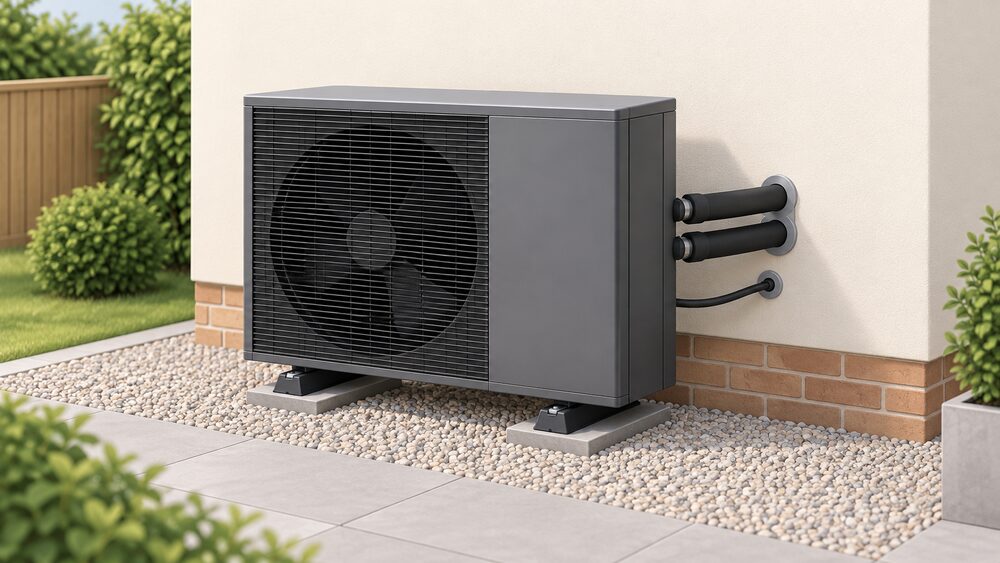
An LG Therma V is an air source heat pump that takes most of the heat it delivers out of the outside air and moves it indoors, with electricity used to run the compressor and pumps rather than to make the heat itself. The current R290 Monobloc range comes in four sizes from 9 to 16 kW, which the maker describes as suited to renovation and large new builds1. The units are listed with an operation range down to -28℃, so they are not limited to mild weather2.
The efficiency story is the reason people search for the name. The R290 Monobloc carries an ErP energy label of A+++ for space heating at both 35°C and 55°C water outlet temperatures on the 12 kW and larger models, with the 9 kW model listed as A+++/A++3. The 9 kW unit is also listed as holding 100% of its heating output in cold outdoor conditions with a 35°C flow temperature5.
What that means for a household is a heating system that runs on electricity rather than gas, so the fuel dependence shifts from a gas supplier to the electricity grid. The dependence that remains is real: the unit needs mains power, a competent installer, and a manufacturer's parts and service network behind it. Standard warranty cover quoted for LG heating products is three years6.
The Therma V range: 9 to 16 kW in monobloc form
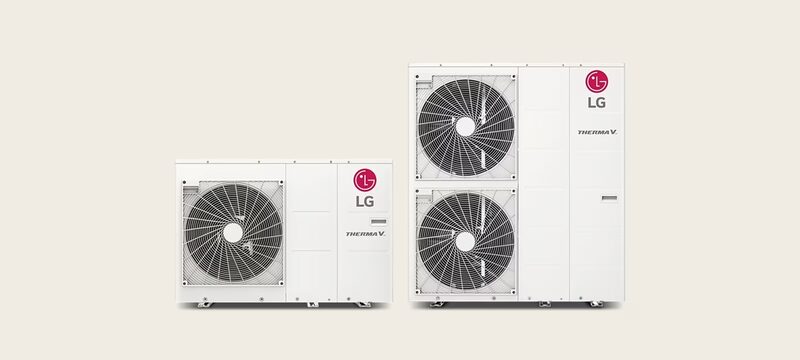
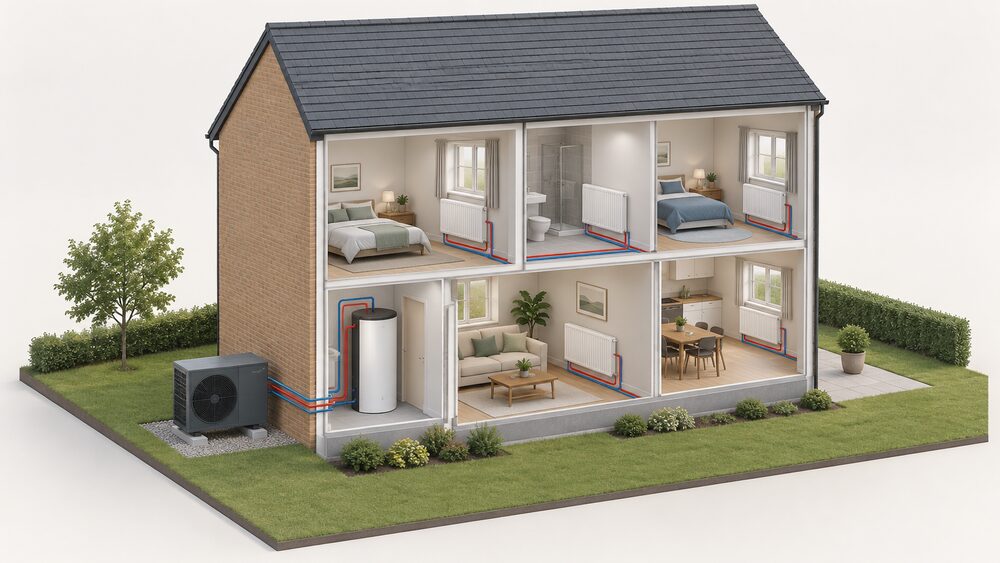
The R290 Monobloc is a single outdoor unit that contains the whole refrigeration circuit, with water carried into the house rather than refrigerant. The range runs to four sizes from 9 to 16 kW, described by the maker as covering renovation work and large new builds1. The named models in the UK listings are the 9 kW, 12 kW, 14 kW and 16 kW units, in both single phase and three phase versions7.
| Model | Output | Phase | ErP space heating label |
|---|---|---|---|
| HM091HF | 9 kW | Single | A+++/A++5 |
| HM121HF | 12 kW | Single | A+++/A+++7 |
| HM123HF | 12 kW | Three | A+++/A+++8 |
| HM141HF | 14 kW | Single | A+++/A+++1 |
| HM143HF | 14 kW | Three | A+++/A+++3 |
| HM161HF | 16 kW | Single | A+++/A+++4 |
| HM163HF | 16 kW | Three | A+++/A+++2 |
Monobloc means the refrigerant stays outside in one sealed factory unit, and only water and electrical connections cross the wall. That is a simpler installation than a split system, where refrigerant pipework has to be run and commissioned inside the property, and it is the reason monobloc units dominate the UK retrofit market. The trade-off is that the outdoor unit is larger and the water pipework needs frost protection.
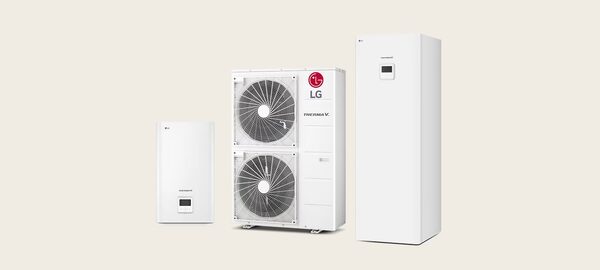
The 12 kW model is listed as connectable with three types of indoor unit, which gives some flexibility over how the system is finished inside the house, whether that is a cylinder and controls package or a different arrangement7. Sound power is quoted at 49 dB(A) for the 12 kW models8.
What a Therma V runs on: air, not fuel
A heat pump does not burn anything. It moves heat from the outside air into the water that circulates through radiators, underfloor loops or a cylinder, and the electricity it uses drives that movement rather than creating the heat. The R290 Monobloc carries an ErP energy label of A+++ for space heating at both 35°C and 55°C water outlet temperatures on the 12 kW and larger models, with the 9 kW model listed as A+++/A++3.
The comparison that matters for a household is with direct electric heating, which turns one unit of electricity into one unit of heat. Storage and direct acting electric systems are typically designed so that around 90% of heating demand is met using off-peak electricity, with the remainder at peak rates, when correctly sized and properly installed in existing dwellings9. A heat pump does not need that off-peak design to be economical, because it delivers more heat than the electricity it consumes.
Where a heat pump sits alongside an existing system, hybrid arrangements are recognised as a transition measure. Systems running on electric along with natural gas, LPG or oil are described in industry guidance as an effective and immediate interim solution that could be seen as a boiler plus measure, helping to accelerate the transition to low-carbon heating10.
The independence question is straightforward. A Therma V removes the gas connection from the heating side of the house and replaces it with electricity, which can increasingly be generated at home. It does not remove dependence on the grid, on a supplier, or on the manufacturer for parts and controls.
Efficiency: what the A+++ label means in practice
The headline figure is the ErP label, and on the R290 Monobloc it reads A+++ / A+++ for space heating at average climate with 35°C and 55°C water outlet temperatures on the 12 kW and larger models3. The 9 kW model is listed as A+++/A++4. Those two flow temperatures matter because they represent the difference between a system designed for a heat pump and one bolted onto radiators sized for a boiler.
The 9 kW model is listed as delivering 100% of its heating output in cold outdoor conditions with a 35°C flow temperature5. That is a statement about capacity retention in the cold, not about running cost, and the two are often confused. A unit that holds its output at low outdoor temperatures will still use more electricity to do so.
For context on what a coefficient of performance looks like as a number, a cooling system operating at a COP of 3.5 delivers 3.5 kWh of cooling for each kWh of electricity11. Heat pump efficiency is measured on the same principle, and the seasonal figure across a whole year is always lower than the best instantaneous figure.
The practical determinant of efficiency in a fitted system is flow temperature. Independent guidance notes that most heat pumps will heat hot water to 50 to 55°C very efficiently, with a sterilisation cycle raising the temperature periodically11. Space heating at 35°C to 45°C is where the best performance sits, and that is a matter of emitter sizing and control settings rather than the unit itself.
R290 refrigerant and why the lower GWP matters
The R290 Monobloc uses R290, described by the maker as a natural refrigerant with a global warming potential of 32. Global warming potential is a measure of how much a gas warms the atmosphere compared with carbon dioxide over a set period, so a figure of 3 is very low.
That matters because refrigerants leak. They escape during servicing, at end of life, and occasionally through faults, and a high GWP gas lost to the atmosphere works against the carbon case for the heat pump. The industry has been moving towards alternatives with low GWP values, including short-term synthetic refrigerants such as R32 in Europe and R454B in the US12.
R290 is not without its own considerations. It is flammable, which places requirements on how the unit is installed, sited and serviced, and it is a competence matter for the installer rather than something a householder manages. The relevant standards and certification routes are covered in heat pump standards and certification, and the wider picture across makes is in heat pump refrigerants.
For a household, the practical point is that the refrigerant choice is fixed at the point of purchase and cannot be changed later. A unit using a low GWP refrigerant is a better long-term position as F-Gas rules tighten, and it is one of the few specification decisions a buyer can make that has a direct environmental consequence.
Operating range and hot water: down to -28℃ outside
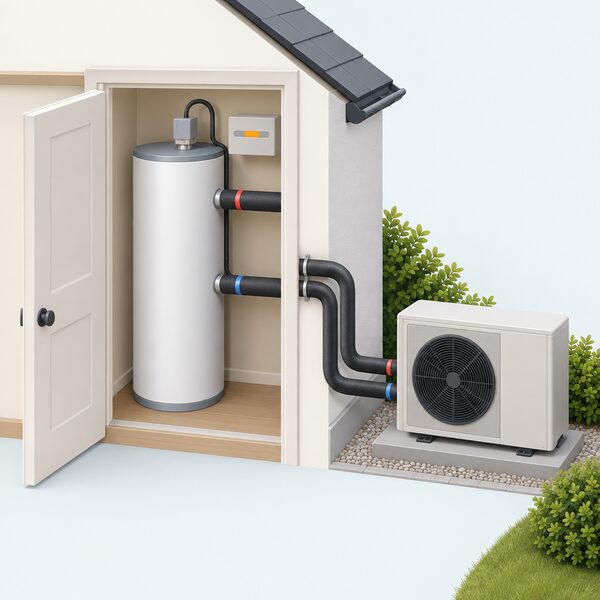
The R290 Monobloc is listed with an operation range down to -28℃2. That figure is wider than the UK climate demands: cold weather sets how hard the unit has to work and how much electricity it draws, but on this listing it does not set a point at which the unit stops heating. What matters more in practice is the flow temperature the radiators or underfloor loops need, because that is what governs efficiency day to day.
Hot water is the harder job for any heat pump, because a cylinder needs to reach a temperature that controls legionella. Independent guidance notes that most heat pumps will heat hot water to 50-55°C very efficiently, with a sterilisation cycle then raising the temperature periodically11. That cycle is where efficiency drops, so how often it runs, and whether an immersion heater does part of the work, affects the electricity a household uses for hot water.
The cylinder itself is a separate decision. Thermal stores vary in size from around 120 to 500 litres or more13, and tend to be between 250 and 500 litres14. Sizing depends on how many people the house serves and how much hot water they use at once, and it is covered in hot water cylinders for heat pumps.
Cold weather performance is covered in more depth in heat pumps in cold weather, and the general question of how low a unit can go is answered in what temperature can an air source heat pump operate down to.
Warranty: three years as standard
The standard warranty quoted for LG heating products is three years6. That is the figure to work from when comparing cover, and it sits below the longer terms some boiler and heat pump makers advertise.
Registration is the step that starts the clock, and the route is the usual one. Warranty registration for heating products can usually be done on the manufacturer's website or by calling them15. The date of registration, not the date of installation, is often what fixes the cover period, so it is worth confirming that it has been done rather than assuming the installer has handled it.
Conditions matter as much as the term. Warranties on heating equipment are commonly invalidated by missed annual servicing, work carried out by someone who is not qualified, or a failure to register within the required window15. The specific conditions attached to a Therma V should be read in full before an order is placed, because they vary between promotions and installer schemes.
Servicing is the practical link between the warranty and the unit's life. The relationship between the two is set out in does servicing a heat pump affect the warranty, and the general maintenance picture is in heat pump servicing and maintenance.
Availability in the UK and which models are listed
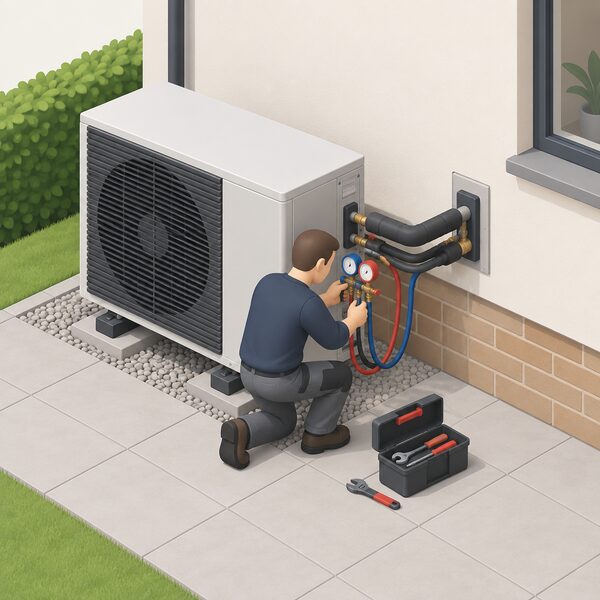
The R290 Monobloc models are listed as available for the UK market, with the caveat that products may only be available in specific regions2. That caveat is worth taking at face value: a model shown on a national listing is not a guarantee that a local supplier or installer stocks it, and regional availability varies.
The named UK listings cover the 9 kW, 12 kW, 14 kW and 16 kW units, in single phase and three phase versions7. Three phase matters for larger properties, because a 14 kW or 16 kW unit on a single phase supply can require an electricity supply upgrade, and that is a cost and a lead time in its own right. The question of who pays for that work is covered in who pays if my electricity supply needs upgrading.
Buying routes are direct. The 12 kW model is listed with a buy-at-LG link to the manufacturer's UK air-to-water heat pump pages7. That does not mean a householder installs it themselves; the unit still needs commissioning by a competent installer for the warranty and for any grant eligibility.
Prices are not published by the manufacturer for a supplied and fitted system, so a Therma V is installer-quoted. The general cost picture, including what drives a quote up or down, is in how much does a heat pump cost in the UK, and grant support is set out in heat pump grants and funding across the UK.
LG's place in the UK heat pump market
LG accounted for approximately 6% of MCS-certified installed heat pumps between January 2010 and September 202113. That is a meaningful presence rather than a dominant one, and it tells a household something useful: the brand has a track record in the UK market, with an installer base and a service network behind it, but it is not the volume leader.
The wider market context is that the UK had a 5.6% share of the European space heating market in 202416. Heat Pump Association members represent around 90% of the volume of heat pumps sold in the UK market, so the trade body's figures cover most of what is installed17.
Policy targets set the direction. The government's aim is up to 1.9 million heat pump installations a year by 203519, with an interim target of 600,000 installations a year by 202819. Those are targets rather than forecasts, and the gap between them and current installation rates is the subject of ongoing industry comment.
For a household, market share is a proxy for how easy it will be to find someone who knows the product, how quickly parts arrive, and how likely the manufacturer is to still be supporting the model in ten years. A brand with roughly 6% of certified installations has enough presence to answer those questions, without being so dominant that a buyer is locked into one supplier's ecosystem.
Where a Therma V fits, and what it does not change
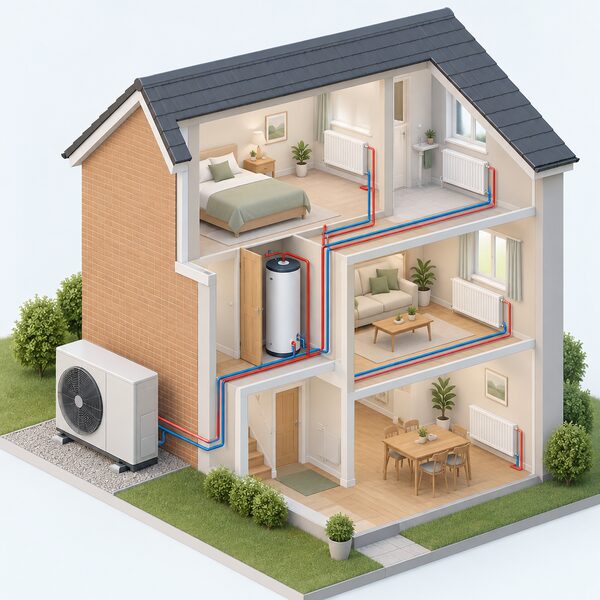
A Therma V suits a house with the space for an outdoor unit, a cylinder position for hot water, and radiators or underfloor loops that can deliver the heat at a sensible flow temperature. The listed operation range down to -28℃ removes cold weather as a practical concern in the UK, leaving the building's heat loss and emitters as the deciding factors2.
What it does not change is the dependence on electricity. A heat pump moves the household off gas for heating, but it does not move it off the grid or off a supplier. Adding solar and battery storage is what reduces that dependence, and the combination is common: in the Energy Systems Catapult Living Lab, the electric vehicle, solar, battery and heat pump combination was the second most common configuration, with 208 homes, or 10% of the homes in the trial20.
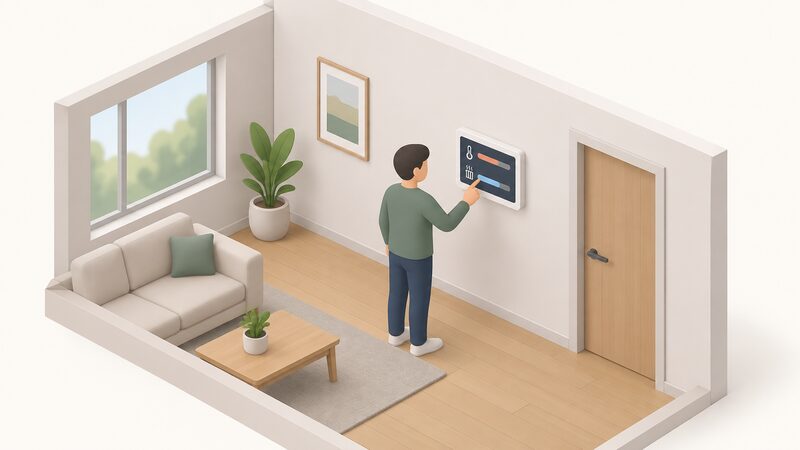
Controls add a further layer. Smart radiator valves mostly will not work with another manufacturer's smart thermostat and connecting device, so the control ecosystem tends to be chosen as a set rather than assembled piece by piece21. Building regulations guidance encourages thermostatic radiator valves on existing radiators as part of a properly controlled system14, and the savings from controls, load compensation and weather compensation are based on tests published by BEAMA23.
The honest summary is that a Therma V is a mainstream air source heat pump with a wide operating range, a low GWP refrigerant and a three year standard warranty. It reduces a household's exposure to gas prices and to a gas supplier, and it leaves the household dependent on electricity, on the grid, and on the manufacturer for parts and support. Whether that trade is worth making depends on the house, the tariff and the installer, and none of those are decided by the badge on the outdoor unit.
Sources23 cited
- LG Therma V R290 Monobloc 14kW 1 phase HM141HF UB60 Heat Pump, Quiet Mark, 2026-09-17
- LG Therma V R290 Monobloc 16kW 3 phase HM163HF UB60 Heat Pump, Quiet Mark, 2026-09-17
- LG Therma V R290 Monobloc 14kW 3 phase HM143HF UB60 Heat Pump, Quiet Mark, 2026-09-17
- LG Therma V R290 Monobloc 16kW 1 phase HM161HF UB60 Heat Pump, Quiet Mark, 2026-09-17
- LG Therma V R290 Monobloc 9kW 1 phase HM091HF UB40 Heat Pump, Quiet Mark, 2026-09-17
- Best Warranties, Warmup, 2026-09-20
- LG Therma V R290 Monobloc 12kW 1 phase HM121HF UB60 Heat Pump, Quiet Mark, 2026-09-17
- LG Therma V R290 Monobloc 12kW 3 phase HM123HF UB60 Heat Pump, Quiet Mark, 2026-09-17
- What is direct electric space heating and where is it best used, BEAMA, 2025-09-01
- IGEM IG/1, HHIC, 2026-09-17
- Heat pump myths, Energy Saving Trust, 2025-09-02
- The future of refrigerants for heat pump applications, Heat Pumping Technologies TCP, 2023-01-26
- Certifying your product, MCS, 2026-05-18
- Building regulations: energy efficiency, Welsh Government, 2026
- Common mistakes that can invalidate your boiler warranty, Which?, 2025-10-22
- EHPA Market Report 2025 executive summary, European Heat Pump Association, 2024
- UK heat pump sales reach record high in 2025, Heat Pump Association, 2026-03-26
- HPA UK responds to DESNZ heat pump deployment statistics for Q1 2026, Heat Pump Association, 2026-06-11
- Heat pumps investment roadmap, Department for Energy Security and Net Zero, 2035
- What can the Living Lab tell us about home energy technology adoption, Energy Systems Catapult, 2025-11
- Best smart radiator valves, Which?, 2026-09-17
- Building regulations: energy efficiency, Planning Portal, 2026
- Estimated fuel bill savings from heating control upgrades, BEAMA, 2026
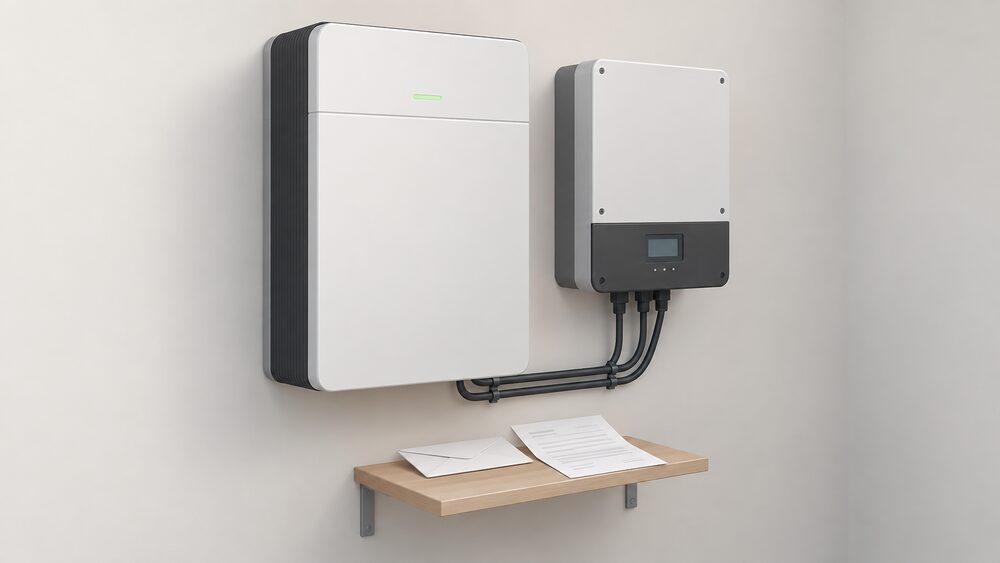 LG Home BatteriesLG Chem and LG Energy Solution are one maker; RESU batteries remain in UK homes, but a live recall covers many models.
 LG home energy productsThinking about an LG heat pump or solar panels for your home?
 LG air conditioning and Artcool systemsThinking about LG air conditioning for your home?