
In this guide
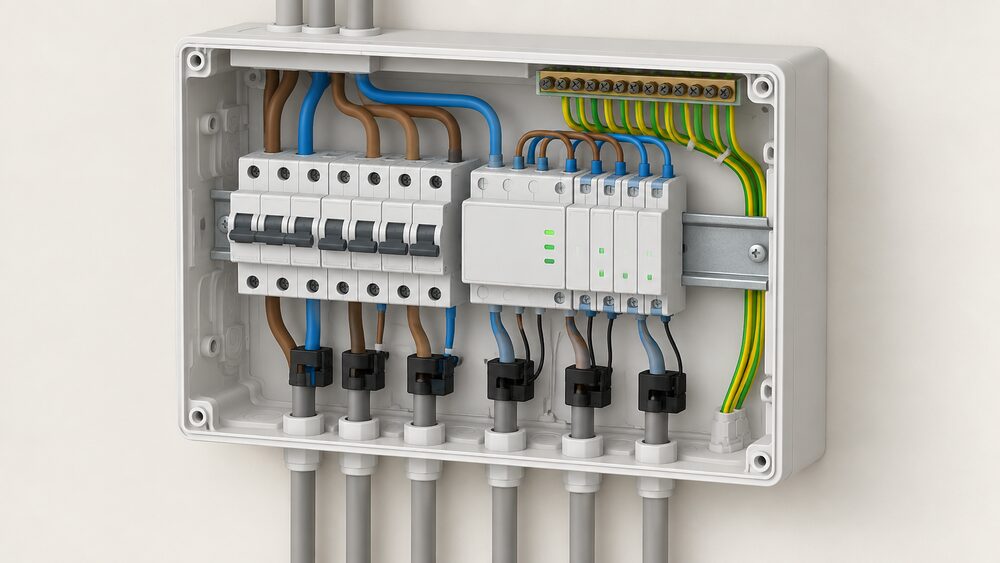
The Smappee Infinity is a modular energy management system made by Smappee, a Belgian company led by chief executive Stefan Grosjean that has been selling energy management products for over a decade1. It is built from separate metering, control and communications modules that clip into a distribution panel, and Smappee describes it as measuring every energy flow in real time, from the main grid connection down to individual circuits and loads2.
That scope is the point of the product. A standard in-home display shows whole-house electricity and, where a smart meter is present, gas, but it will not show how much power solar panels are generating3. The Infinity is aimed at households and businesses that want circuit-level and appliance-level detail, solar self-consumption against export, and the option to add gas and water monitoring in the same system4.
It is not a smart meter and does not replace one. It is a separate monitoring and control layer, installed by an electrician in the consumer unit, with data read through the Smappee App and Dashboard5. This page sets out what it measures, how it learns a home, what it does with solar and EV charging, and where the dependence on the maker's cloud and app remains.
What the Smappee Infinity is: a modular energy monitoring system
Smappee describes Infinity as a modular, future-ready energy management system that helps optimise costs, track all energy flows and unlock smarter, more efficient buildings and homes1. The company's own framing is that the system is modular by design, built to scale from simple monitoring to full energy orchestration8. In practice that means a base unit plus a choice of modules, rather than a single sealed box.
The modules are the substance of the product, and each has its own specification:
| Module | What it does | Key specification |
|---|---|---|
| Power Box | Base unit, DIN-rail mountable | Compatible with almost any electricity network worldwide9 |
| MID meter | Bi-directional import and export metering | Three-phase 100 A direct fed, M1 and E2 environments10 |
| Output module | Switching and control | Two relay outputs, NO/NC/common, max 5 A direct, up to 10 per setup6 |
| P1 module | Grid monitoring via the smart meter port | Plug-and-play installation11 |
Smappee positions the whole platform as bringing together energy monitoring and metering, energy management and optimisation, and EV charging and charging services in one consistent platform5. The company's marketing describes Infinity as "the most comprehensive, future-proof, smart energy management system on the market", a claim that is the maker's own and not independently tested12.
For a household, the significance is that the system is expandable. A home can start with whole-house monitoring and add circuit-level metering, gas and water sensors, or control outputs later, without replacing the base. The trade-off is that the specification depends on which modules are fitted, so two installations described as "Smappee Infinity" can measure quite different things.
What it measures: from the grid connection down to individual appliances
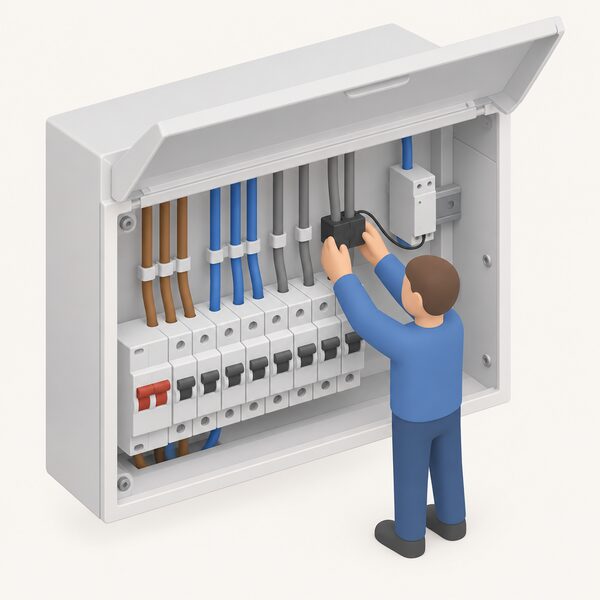
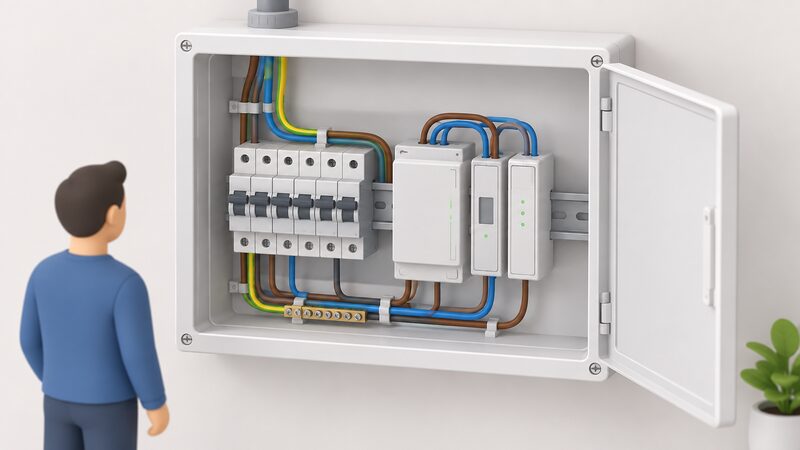
The headline capability is breadth. Smappee states that Infinity measures every energy flow in real time, from the main grid connection down to individual circuits and loads2, and that it collects real-time production and consumption data down to the appliance level12. The Smart Kit measures energy at circuit level, revealing how systems, appliances and loads consume power and where improvement is possible4.
That is a different order of detail from a whole-house monitor. Independent guidance on plug-in monitors notes that they can measure almost anything with a three-pronged UK plug, including kettles, washing machines and electric ovens, and can cover multiple devices on one extension lead13. Circuit-level metering does the same job without a plug, by measuring the cable that feeds a group of sockets or a single appliance circuit.
The comparison with a smart meter is worth stating plainly. A smart meter records whole-house electricity and gas consumption and passes it to the supplier; near real-time data shows how much energy is being used14. It does not break that figure down by circuit. The Infinity does, which is what allows a household to see that a particular circuit, rather than the house as a whole, is driving a bill.
The MID meter's bi-directional measurement matters here too: it records both import and export in kW and kWh, so the same device can account for power drawn from the grid and power sent back10. For a home with solar, that is the measurement that separates self-consumption from export.
Appliance recognition: how the system learns your home
Appliance-level insight is the feature most often promised and least often delivered by cheap monitors. Smappee's approach is to measure at circuit level rather than to guess from a single whole-house signal. The Smart Kit reveals how systems, appliances and loads consume power4, and the system collects data down to the appliance level12.
The wider market shows how varied the methods are. Uswitch's Appliance Tracker takes smart meter data and identifies energy usage in different appliance categories, with the analysis updated weekly15. That is a disaggregation approach: it infers appliances from a single meter feed. Circuit-level metering avoids the inference, because each circuit is measured directly.
Independent work on home energy management has tested how far this can go. The Energy Systems Catapult Living Lab relays controls to EVs, heat pumps and batteries to test optimisation algorithms in real homes16, and its instrumentation includes sensors measuring temperature, humidity and the energy consumption of individual appliances17. Northern Gas Networks' Futures Close homes carry sensors capturing temperature, humidity, gas, water and electricity consumption18. The pattern across these projects is that granular measurement is what makes automated control possible.
For a household, the practical question is what the data is for. Real-time feedback at the minute and penny level is what independent guidance describes as the starting point for changing behaviour19, and the ivie app connects to a home's smart meter to help a household understand how it is using energy20. Circuit-level data goes further by naming the circuit. What it does not do is identify a specific make and model of appliance from its electrical signature; the measurement is at the circuit, and the labelling is the household's own.
Solar monitoring: self-consumption versus export
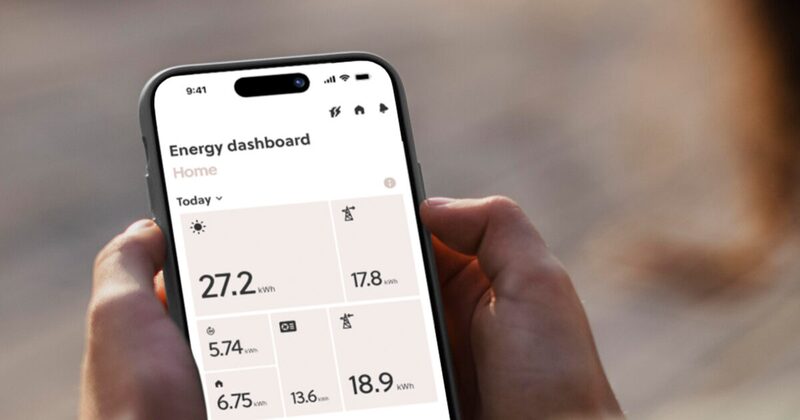
This is where the system earns its place in a solar home. Smappee states that solar generation monitoring shows exactly how much of a solar output is being used on site versus exported4. The app adds built-in solar forecasting to help use solar energy at the right time, and phase-switching lets an EV charger draw maximum solar power7.
The distinction being measured is a defined one. MCS defines self-consumption as the amount of solar electricity generated by a domestic solar PV system which is subsequently consumed within the property and not exported to the distribution network21. Its method estimates average self-consumption for a sample of domestic properties with similar occupancies, electricity consumption and solar PV systems, and MCS states the guidance will be updated as technology advances, including more efficient appliances and better battery round-trip efficiencies21.
Why it matters: a standard in-home display will currently only show the energy being used and will not show how much power solar panels are generating3. A household with solar therefore cannot see its own self-consumption from the supplied display alone. Surplus can be sold back to the grid22, and the export arrangements, including whether a consumer receives an export premium, vary by scheme23. Export metering details sit with the Export MPAN registered for generating equipment24.
Independent guidance on increasing self-consumption covers monitors and solar immersion controllers as the two main routes25. The Infinity sits in the monitoring category, with the addition that it can also act: Smappee states that intelligent load control directs surplus solar to EV chargers or battery storage automatically, maximising self-consumption4.
Gas and water monitoring alongside electricity
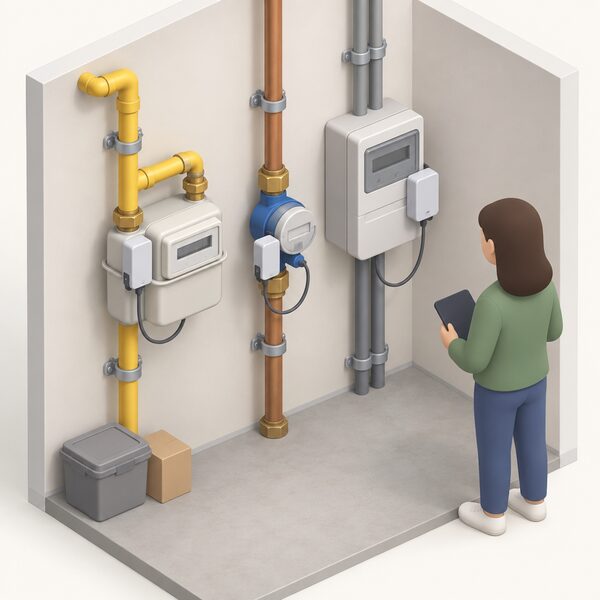
Electricity is the default, but the system is not limited to it. Smappee states that gas and water monitoring can be added alongside electricity for a complete overview of household energy use4, and describes the platform as monitoring electricity, gas and water in one scalable system8.
That combination is unusual in the domestic monitoring market, where most products are electricity-only. The value is that a household can see total energy rather than electrical energy, which matters because gas usually carries the larger share of a UK home's heating demand. The Energy Follow-Up Survey, published in 2014, combined its survey data with information from gas and electricity meter readings26, which is the same principle: gas and electricity together give the fuller picture.
Water monitoring is a smaller benefit in cost terms but useful for spotting leaks and for households on metered supply. Northern Gas Networks' Futures Close instrumentation captures temperature, humidity, gas, water and electricity consumption in each home18, showing the same multi-utility approach in a research setting.
The practical caveat is that each utility needs its own sensor or module, so the scope of a given installation depends on what was specified. A household that wants gas and water alongside electricity should expect that to be part of the quote rather than included by default.
Compatibility: inverters, single and three-phase, and IoT platforms
Smappee states that Infinity is single and three-phase compatible4, and describes it as a global solution compatible with all inverters and almost any electrical installation worldwide12. The Power Box is DIN-rail mountable and Smappee says it is compatible with almost any electricity network worldwide9.
Three-phase support matters in the UK for larger homes, farms and small commercial premises, where a three-phase supply is common. The MID meter is specified as three-phase 100 A direct fed10, so the metering module itself is built for that configuration rather than adapted to it.
On integration, Smappee states that Infinity can easily pair with IoT products and platforms such as Google Assistant, Siri and Home Assistant12, and that it integrates with IoT and open API ecosystems1. The Smappee App is available for both iOS and Android12. For comparison, independent guidance on smart plugs notes voice control through compatible assistants such as Alexa, Google Assistant or Siri depending on the product27, and Hive is described as compatible with Amazon Alexa, Google Assistant and Philips Hue28. Voice control in this market is generally a platform feature rather than a meter feature.
The open API is the more consequential integration for a household that wants to keep its data local or feed it into another system. Smappee states that Infinity integrates with IoT and open API ecosystems1, which is what allows third-party dashboards and automation platforms to read the data. The extent of what any given integration exposes is set by the maker's API, and the app and cloud remain the primary route.
EV charging integration and load control
The Infinity system and Smappee's chargers are designed as one product family. Smappee states that all its chargers connect seamlessly with Infinity29, and that Infinity integrates with the Smappee EV Line of chargers, offering features from dynamic load balancing to solar optimisation12. Integration is through OCPP and API29.
The control features are specific:
- Dynamic load balancing keeps the home and EV charger in sync, which Smappee describes as avoiding tripped circuits while charging continues7.
- Intelligent load control directs surplus solar to EV chargers or battery storage automatically, maximising self-consumption4.
- Phase-switching in the app lets an EV charger draw maximum solar power7.
- Smappee states that its chargers support ISO 15118-2 for advanced vehicle and charger communication, and are engineered for ISO 15118-20 and future two-way charging29.
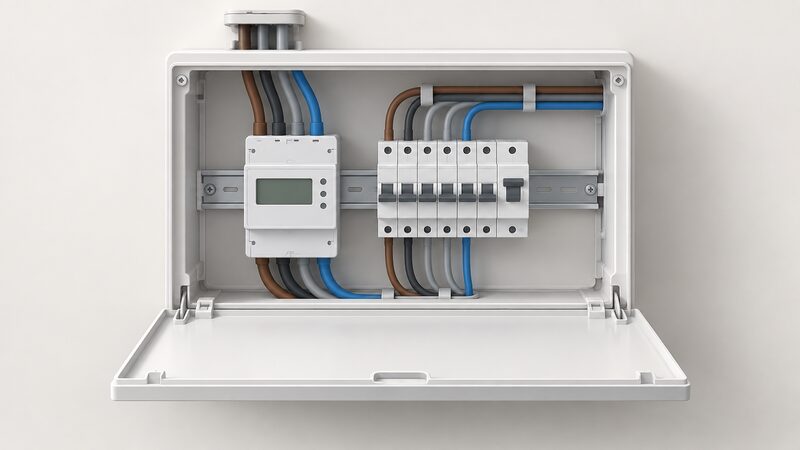
The Output module is the part that does the switching for non-charger loads. It has two separate power relay outputs, each with three contacts (NO, NC and common), and can switch either directly powered devices up to a maximum of 5 A or, via the relay, larger loads6. Up to 10 output modules can be added to one Infinity setup through the RJ10 connection6. Each module ships with a DIN mounting plate and a 150 cm Smappee Bus cable6.
The use cases Smappee lists for the system are identifying inefficiencies, understanding consumption over time, preparing for EV charging, increasing self-consumption and reducing unnecessary peaks4. The last of these is the one that connects to tariffs and network charges, since peaks are what time-of-use pricing and capacity charges are built around.
Installation: two steps, distribution panel then configuration
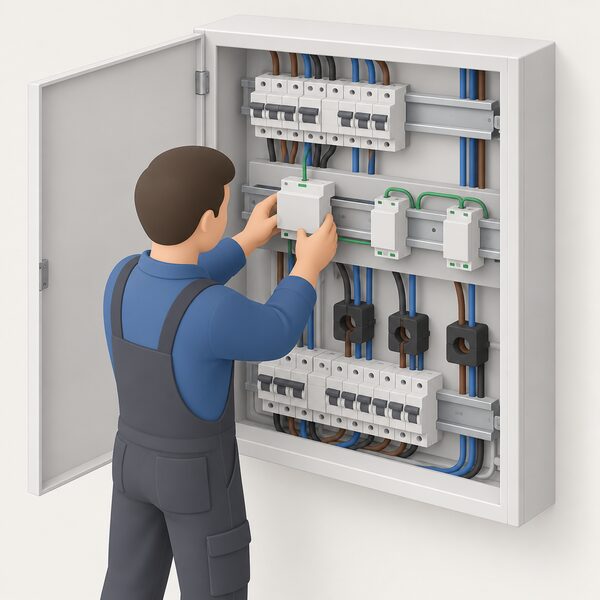
Smappee describes the installation as a two-step process: the physical installation in the distribution panel, followed by configuration via the installation wizard in the Smappee App12. The first step is electrical work inside the consumer unit and is not a DIY task. The second is configuration, which the installer or the household can complete in the app.
The hardware is designed around DIN rail mounting. The Power Box is DIN-rail mountable9, the Output module includes a DIN mounting plate6, and the MID meter is a direct-fed three-phase unit10. The P1 module is the exception: it connects to the smart meter's P1 port and Smappee describes it as easy plug-and-play installation11. That gives two distinct routes into the system, one through current transformers in the distribution panel and one through the smart meter port.
The modular design shapes the installation cost. Each module added means more wiring and more configuration, so a whole-house installation with circuit-level metering and control outputs is a larger job than a single-meter setup. The Output module's included 150 cm Smappee Bus cable and RJ10 connection allow modules to be chained6, which keeps the panel layout manageable as the system grows.
For a household, the practical expectation is that an electrician attends, the modules are fitted and labelled, and the app is configured before the data becomes meaningful. Circuit names and tariff settings are entered during configuration, and the quality of that step determines how useful the data is afterwards.
Who makes it, and who it is for
Smappee is a Belgian energy management company4. The company has been operating for over a decade, and its design work has been recognised with a Red Dot Design award, an iF Product award and two Henry van de Velde design awards1. The chief executive is Stefan Grosjean1.
The system is sold to two audiences. Smappee states that whether you are an end user or a professional, Infinity keeps data accessible and actionable through one connected platform4, and describes the system as scalable and modular, suitable for simple home monitoring up to complex multi-circuit commercial installations4. The Smappee Dashboard is aimed at professionals, operators and partners, with tools to manage sites and users, configure pricing and access, monitor performance across locations and support installations remotely5. Professional users gain tools to monitor, manage and integrate systems across one site or many8.
For a household, the professional tier matters mainly because it explains the product's shape. A system built to manage multiple commercial sites will carry more configuration options than a domestic-only monitor, and the app and dashboard reflect that. The same platform serves both, which is why the Dashboard exists alongside the consumer app.
The dependence to note is the same one that runs through the product: the data lives in Smappee's cloud and is read through Smappee's app and dashboard. Local measurement continues without an internet connection, but remote access, historical data and any integration run through the maker's platform.
Where the Infinity fits against a smart meter and a battery plan
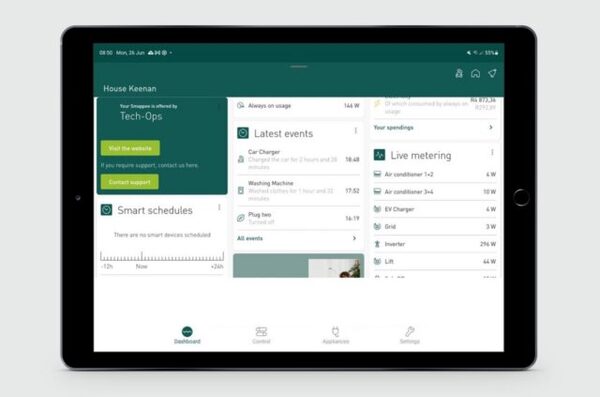
The Infinity is a monitoring and control layer, and its value depends on what a household intends to do with the data. Against a smart meter, it adds circuit-level and appliance-level detail, solar self-consumption against export, and the option of gas and water in the same system4. Against a plug-in monitor, it adds permanence and circuit coverage, at the cost of an electrician's visit.
The clearest documented use is sizing storage. Spirit Energy advises householders considering battery storage to monitor electricity usage for at least three months with a device such as the Smappee, so an installer can determine the load profile and the best-suited storage system30. That advice is about the shape of the load over time, which is exactly what circuit-level monitoring records.
The context for that decision is set out in official guidance: adding a battery to a solar installation increases self-consumption from 30 to 40% to 70 to 80%, and domestic battery storage has a shorter lifetime of around 10 to 15 years compared with solar panels31. Monitoring first is what tells a household whether its own pattern of use sits near the low or the high end of that range.
What the Infinity does not do is change the household's underlying position. It measures and, with the right modules, switches loads. The home remains connected to the grid and to a supplier, gas remains a purchased fuel where it is used, and the data and remote features depend on the maker's cloud and app. For a household weighing independence, the system's contribution is knowledge and load control, not generation or storage. Related reading sits in home energy monitors and using energy data to size a system, with the wider picture in smart meters and home energy management.
Sources31 cited
- Smappee Infinity product page, Smappee, 2026
- Smappee home page, Smappee, 2026
- Smart meter myth busting, Smart Energy GB, 2026
- Smappee energy management, Smappee, 2026
- Smappee platform and software, Smappee, 2026
- Infinity Output module technical specifications, Smappee, 2026-01-13
- Smappee App, Smappee, 2026
- Smappee Infinity brochure, Smappee, 2025-02
- Infinity Power Box technical specifications, Smappee, 2026-01-13
- Infinity MID meter technical specifications, Smappee, 2026-01-13
- P1 module quick install guide, Smappee, 2026
- Smappee metering, Smappee, 2026
- Are energy monitors the best way to measure your power usage, Which?, 2026-03-31
- How do smart meters save energy, Smart DCC, 2026
- Appliance Tracker FAQs, Uswitch, 2026-09-20
- Making home energy management work for consumers, Energy Systems Catapult, 2026-02-12
- Combining smart meter data and qualitative consumer insights, Energy Systems Catapult, 2024-01-10
- Our NERV centre, Northern Gas Networks, 2024-07-11
- See it, save it, sorted, ivie, 2026-01-15
- Something new is coming, ivie, 2026-09-20
- MCS 032 Solar PV self-consumption, MCS Certified, 2025-01-01
- Solar panels, Oxfordshire County Council, 2026-09-17
- Information regarding free solar PV systems, RECC, 2026-09-17
- Export payments, UK Power Networks, 2026-09-17
- Increasing self-consumption of solar PV: monitors and solar immersion controllers, National Energy Action, 2023-06-09
- Energy Follow-Up Survey 2011, GOV.UK, 2014-01-28
- What are smart plugs and do energy saving plugs work, Smart Energy GB, 2026-08-19
- Tado vs Hive: which smart thermostat is best, Energy Helpline, 2026-09-20
- Smappee charging solutions, Smappee, 2026
- Batteries and energy monitors, Spirit Energy, 2017-07-13
- POST note 771: domestic battery storage, UK Parliament, 2026-06-25
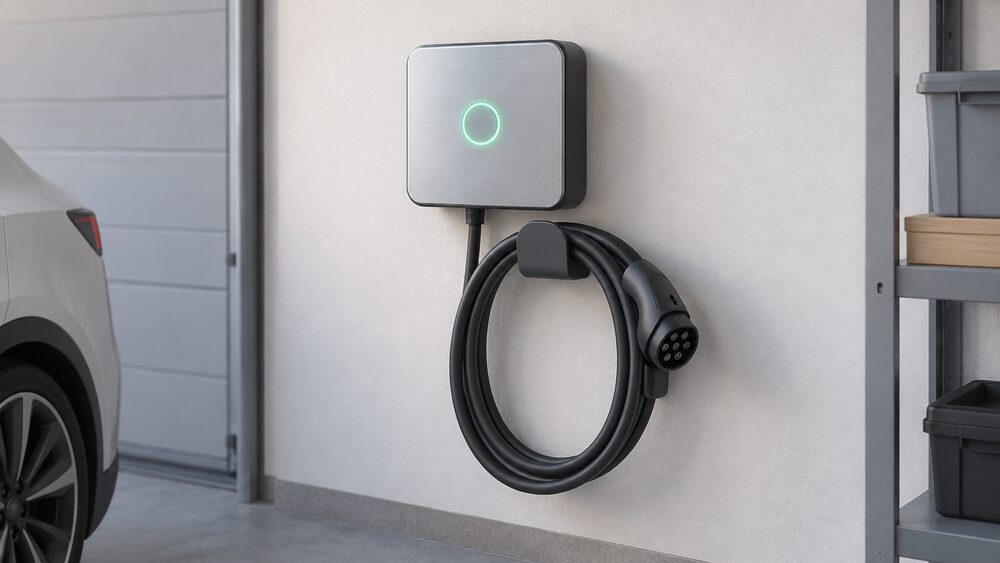 Smappee home EV chargersSmappee's home chargers let you charge your car using spare solar power instead of buying it from the grid.
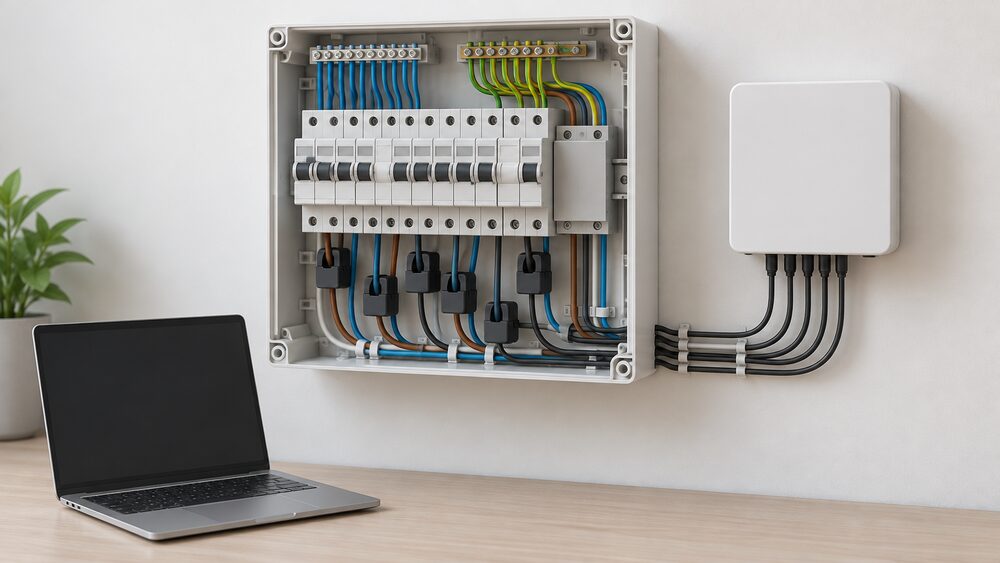 Smappee Energy MonitoringSmappee monitors show exactly where your electricity is going, appliance by appliance, which a smart meter cannot do.