In this guide
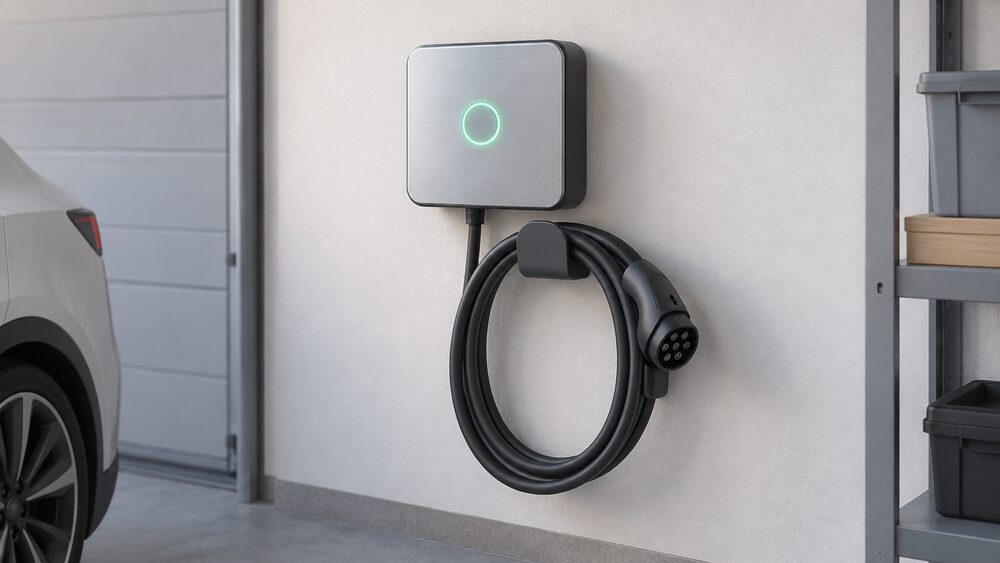
Smappee is a Belgian maker of energy monitoring hardware that has extended into home EV charging, and the EV Wall is its main domestic wallbox. It is a wall-mounted AC charging station with one connector, rated at 7.4 kW on a single-phase connection or 22 kW on a three-phase connection1. The same charger is sold in several forms, and the differences between them matter more than the badge: the EV Wall Home pack adds a five-year subscription to the Smart plan, which brings energy data, solar optimisation and smart charging schedules3.
The feature that separates Smappee from a plain wallbox is the energy management underneath it. The EV Wall carries integrated grid and solar measurements, so it can see what the house is generating and consuming rather than only what the car is drawing4. Solar surplus is prioritised first, which the maker describes as helping reduce reliance on the grid1. Dynamic load balancing adapts to site consumption, and cascade load balancing extends that to more complex installations1.
For a household weighing energy independence, the honest position is mixed. The charger reduces dependence on imported electricity when the sun is out and the car is parked, and it protects the supply from overload. It does not remove the grid connection, the electricity supplier, or the dependence on a manufacturer's app and servers for the features that make it smart. What follows sets out the range, the specifications, the protection arrangements and the limits.
The Smappee range: EV Wall, EV One, EV Base and EV Dual
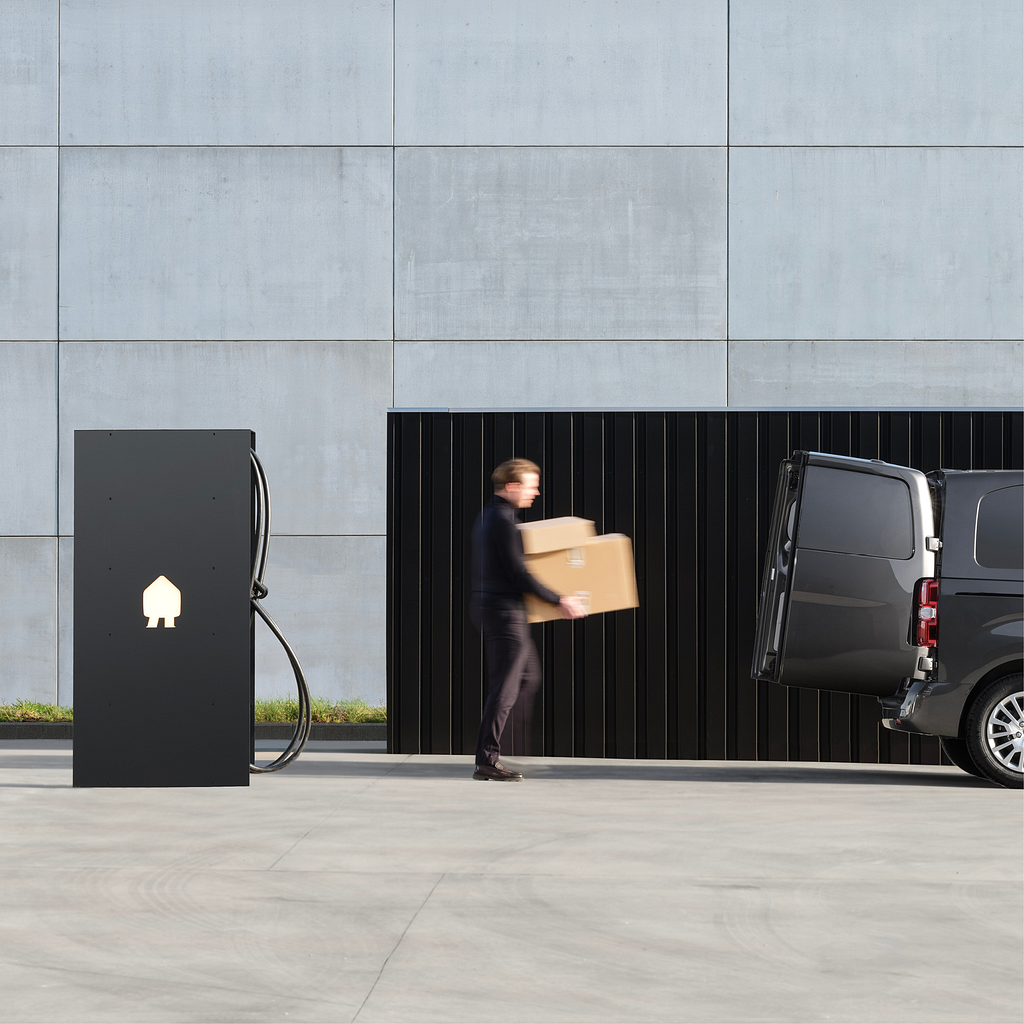
Smappee's current residential line is built around three hardware families: the EV Base, the EV Wall and the EV One5. The EV Wall is the compact wall-mounted unit for a garage or closed carport, while the EV One is described as elegant and wall-mounted freestanding, suited to a driveway or open space6. The EV Base is the business-oriented unit, and the EV Dual is a modular AC charging station built to adapt to installation needs, with a single EV Dual Core available in socket or cable configuration and in wall-mounted or ground-mounted setups7.
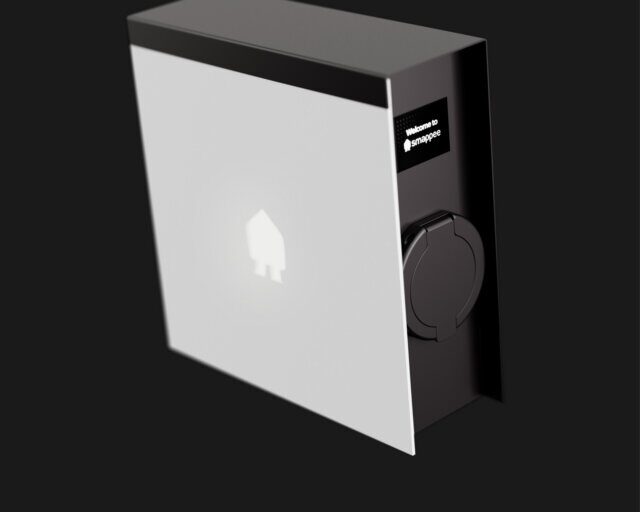
Within the EV Wall family there are further variants. The EV Wall Home is sold as a pack with the Smart subscription included3. The EV Wall Home Black is a socket variant with a Magnelis structure and aluminium front plate, rated IP54 / IK108. The EV Wall Lite is a legacy model with a narrower feature set: it lists plug and charge and swipe RFID activation, static overload protection by manually setting a fixed maximum current, and an integrated 6 mA DC residual current monitor only9.
| Model | Power | Activation | Cable or socket |
|---|---|---|---|
| EV Wall | 7.4 kW single-phase, 22 kW three-phase2 | Unauthenticated, RFID, QR code4 | 8 m Type 2 or socket4 |
| EV Wall Home | 7.4 kW single-phase, 22 kW three-phase3 | Plug and charge, RFID, QR code3 | 8 m3 |
| EV Wall Home Black | 22 kW three-phase8 | Plug and charge, RFID, QR code8 | 8 m8 |
| EV Wall Lite | 7.4 kW single-phase, 22 kW three-phase9 | Plug and charge, RFID9 | Not stated |
| EV Dual Wall | 7.4 kW single-phase10 | Not stated | 2 × 5 m Type 210 |
A Smart Grid Ready module is available across the line. Smappee states it is supported on all EV Line chargers, including the EV Wall, EV One, EV Base and EV Ultra, with one module required per charger11.

EV Wall specifications: 7.4 kW single-phase or 22 kW three-phase
The headline figure is a choice rather than a single rating. On a single-phase connection the EV Wall delivers 7.4 kW; on a three-phase connection it delivers 22 kW2. That is the same pattern across the range, and it reflects the supply at the property rather than a difference in the hardware. Most UK homes have a single-phase supply, so 7.4 kW is the realistic figure for a typical installation, and the three-phase rating applies where the property already has a three-phase connection.
The physical unit is compact. The charging station measures 300 mm × 300 mm × 110 mm, with a weight of 7.3 kg for the socket version and 12.4 kg for the version with cable and cable holder2. The documents give both weights for the same model, and they are not reconciled: the lighter figure is the socket unit, the heavier one includes the cable and holder. The enclosure is Magnelis for the structure with an aluminium front plate, rated IP54 / IK10, and the operating temperature range is -25 °C to 40 °C2.
The connector is IEC 62196-2 Type 2, supplied as an 8 m cable with shutter or as a socket with an integrated shutter4. The 8 m length is longer than many wallboxes offer, which matters where the parking position is not directly beside the mounting point. The EV Dual Wall differs here: it takes two IEC 62196-2 Type 2 cables of 5 m in the standard cable version, and the documents also give 8 m for that model without resolving the difference10.
Charging is Mode 3 under IEC 61851, the standard AC charging mode used by home wallboxes9. An integrated LED indicates charging status and provides visibility in the parking area3.
Solar-aware charging: how the EV Wall prioritises your own generation
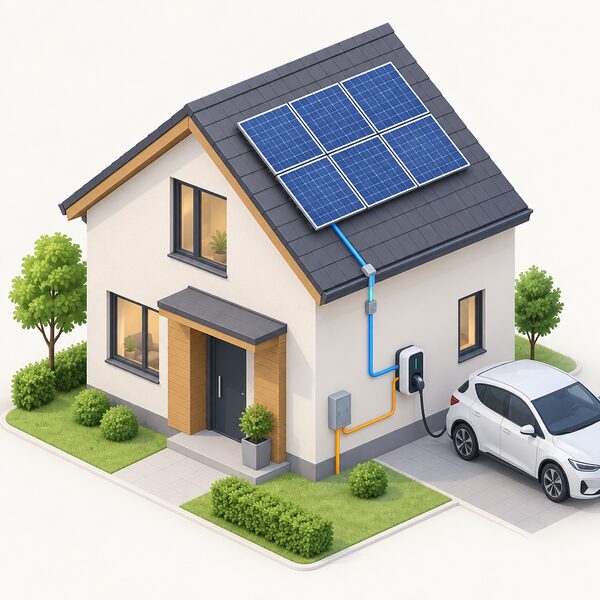
The solar function is the reason many households look at Smappee in the first place. The maker states that solar surplus is prioritised first, helping reduce reliance on the grid1. The EV Wall carries integrated grid and solar measurements, so the charger can compare generation with household consumption and send the remainder to the car4. The EV Wall Home pack adds solar and self-consumption optimisation, real-time and historical energy data on grid, solar and always-on consumption, and smart EV charging schedules to control when and how to charge3.
The app layer adds two further tools. Built-in solar forecasting helps use solar energy at the right time, and phase-switching lets the charger use maximum solar power12. Phase-switching matters on a three-phase supply, where generation may be present on one phase only; without it, charging can be limited to what a single phase can carry. Dynamic load balancing keeps the home and the charger in sync, which the maker describes as avoiding tripped circuits12.
Independent guidance describes the same principle in general terms: smart chargers can monitor real-time solar electricity production and adjust charging speed accordingly by drawing more or less power, switching between solar and grid supply depending on availability13. That is the mechanism Smappee is selling, and it is a genuine reduction in imported electricity when the car is parked during daylight. It is not a reduction in total electricity use: a car charged from solar still draws the same energy, it simply draws less of it from the grid.
The limit is timing. Solar-aware charging only helps when the car is at home while the panels are generating. A household that commutes and returns after dark will see little of this benefit without a home battery, which is a separate purchase. The relationship between solar, storage and self-consumption is set out in Charging an EV from solar panels and EV charging alongside a home battery.
Load balancing and energy management: static, dynamic and cascade
Load balancing is what stops a charger from overloading the supply. Smappee's AC chargers have built-in static load balancing, which the maker says protects the installation and helps prevent overloads and power cuts14. Static balancing works from a fixed maximum current set at installation: the charger will not exceed it, regardless of what the rest of the house is doing.
Dynamic load balancing goes further. The EV Wall product page states that dynamic load balancing automatically adapts to site consumption1. That requires measurement of the whole installation, which is where the Smappee energy management system comes in: it monitors electricity, gas and water in one scalable system and works with EV charging, solar and storage15. The app describes the same function as keeping the home and the EV charger in sync12.
Cascade load balancing is the third tier, for more complex installations where several chargers share a supply1. The energy management system is described as scaling from a single installation to a broader portfolio15. For a single home with one charger, static balancing is the baseline and dynamic balancing is the useful addition; cascade matters where a property has more than one charge point.
The MID meter is a separate product in the same ecosystem, communicating over Modbus RTU (RS-485)16. It is relevant where charging needs to be measured and billed separately, which is more common in workplace and fleet settings than in a home. The EV Wall itself carries MID metering certified class B and a kWh meter compliant with IEC 62053-21 with an accuracy of 1%2. The wider subject of managing a charger against a household supply is covered in Load management and load balancing for home EV chargers.
Build, protection and standards: IP54/IK10, 6 mA DC RCM and 30 mA RCD type A
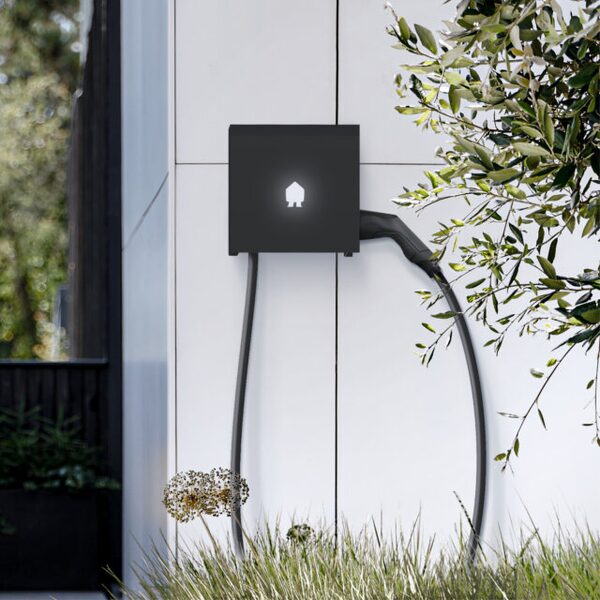
The EV Wall carries integrated residual current protection of 6 mA DC RCM and 30 mA RCD type A4. The 6 mA DC element is the part that matters for an EV charger: a DC fault current can blind a standard AC residual current device, so the charger monitors for it internally. The 30 mA type A element provides the AC shock protection. The EV Wall Home Black lists the same arrangement as 6 mA DC / 30 mA RCD type A8, and the EV Wall Lite lists an integrated 6 mA DC RCM only9.
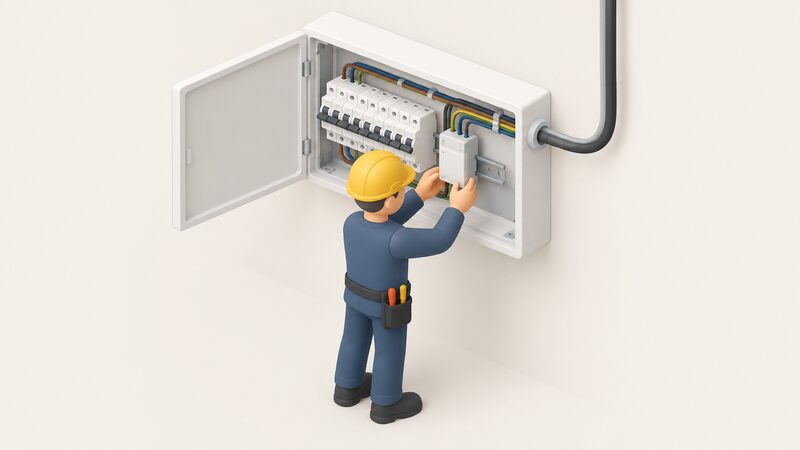
External protection is still required. The EV Wall Lite datasheet specifies a circuit breaker of maximum 40 A, type B or C, together with a 30 mA RCD type A or B, according to local regulations9. The EV Dual Wall goes further again, with a 6 mA DC RCM and a 30 mA C40 AC RCBO Type A 10kA per connector10. The external device and the integrated protection work together; on models whose integrated element is a 6 mA DC monitor alone, the external residual current device carries the AC shock protection, and in every case the integrated element does not remove the need for the circuit breaker.
The enclosure rating is IP54 / IK10 across the range, which covers the EV Wall, the EV Wall Home Black, the EV Wall Lite and the EV Dual Wall2. IP54 means protection against dust ingress and water spray from any direction, and IK10 is the highest impact resistance rating. The EV Wall carries CE and ACMA product certification2, and the EV Wall Home Black and EV Wall Lite list CE certification8. The general standards picture is covered in EV charge point safety, standards and certification and What RCD protection does an EV charge point need?.
Connectivity, metering and access control: OCPP, MID metering and RFID
The EV Wall communicates over Ethernet 100BASE-T and uses OCPP 1.6 J, ready for update to OCPP 2.0.12. OCPP is the open charge point protocol, and its presence means the charger can be managed by a back office other than the maker's own, which matters for anyone who wants to avoid being tied to a single platform. The EV Wall Home lists Wi-Fi 2.4 GHz alongside Ethernet and the same OCPP version3, and the EV Dual Wall lists Ethernet 100BASE-T and 4G LTE-M10.
Connectivity is included for a period rather than indefinitely. The EV Wall includes two years of 4G (LTE) connectivity4. The EV Dual Wall and EV Dual Base each include five years of 4G (LTE) connectivity10. The EV Wall Home pack includes a five-year subscription to the Smart subscription plan3. What happens at the end of those periods is not stated in the documents available, so the renewal terms are not set out here.
Access control runs through several routes. The EV Wall supports unauthenticated charging, swipe RFID, QR code scanning and an optional Pay Station4. The EV Wall Home and the EV Wall Home Black add plug and charge to that list3. The maker describes the function as deciding exactly who can use the charger, with controlled access and user whitelisting1. For a household, unauthenticated charging is the simplest arrangement; RFID and whitelisting matter where a charger is shared or accessible from a public route.
The metering is MID certified class B on the EV Wall and on the EV Dual Wall2. MID certification is what allows a charger's readings to be used for billing rather than only for information. The EV Wall Home Black carries a kWh meter compliant with IEC 62053-21 with an accuracy of 1%8. The app and connectivity picture more broadly is covered in EV charger apps, Wi-Fi, 4G and firmware and EV charger cybersecurity, data and remote control.
Smappee: a Belgian maker with over a decade in energy monitoring
Smappee is a Belgian company, and the EV Wall is described as made in Belgium with inclusive assembly1. That is a shorter supply chain than a charger assembled in Asia, though it does not change the fact that the product depends on a single manufacturer for parts, firmware and support. The company's background is in energy monitoring rather than charging: independent guidance names Smappee among the energy monitors that allow a household to see its electricity use in near real-time18.
That heritage shows in the product line. The energy management system monitors electricity, gas and water in one scalable system15, and the same measurement layer feeds the charger's solar and load balancing functions. The Smart Grid Ready module is supported across the EV Line, including the EV Wall, EV One, EV Base and EV Ultra, with one module required per charger11. The EV Ultra sits above the domestic range and is not a home wallbox.
The company has not failed or entered administration, and no recall or safety ruling affecting the EV Wall appears in the documents available. The range is current, with the New AC Line ordering guide updated in October 20255 and technical datasheets dated 20262. For a household, the relevant question is not the company's history but its continued support: firmware updates, app availability and spare parts all depend on Smappee remaining in business and continuing to support the model.
What owning an EV Wall means for household energy independence
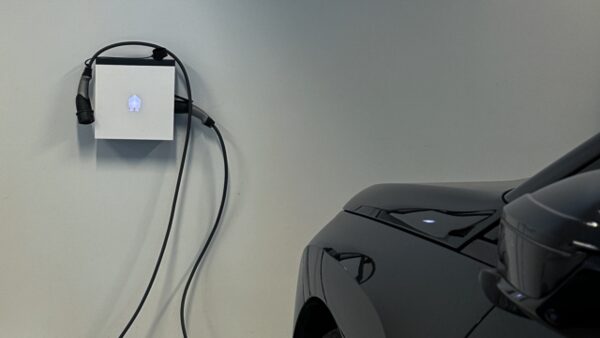
The EV Wall does three things for a household's energy position. It shifts charging towards self-generated electricity when solar surplus is available, which the maker describes as reducing reliance on the grid1. It protects the supply from overload through static and dynamic load balancing1. And it measures what it delivers to MID class B standard, so the energy going into the car is visible rather than estimated2.
What remains is a set of dependencies. The charger needs a grid connection and an electricity supplier; solar-aware charging reduces imported units but does not remove the connection. The smart features depend on the Smappee app and, for remote functions, on connectivity that is included for two years on the EV Wall and five years on the EV Wall Home pack3. The charger also depends on Smappee as a company for firmware, app support and parts. Local charging continues without any of that, but the solar optimisation and scheduling that justify the price premium do not.
There is a further limit worth stating plainly. Solar-aware charging only reduces imported electricity when the car is at home during generation hours. A household that charges overnight will use grid electricity whatever the charger can do, unless a home battery is added. Storage is described independently as a way of increasing self-consumption and reducing reliance on the grid19, and it is a separate purchase from the charger.
The EV Wall is therefore a charger that makes the most of generation a household already has, rather than one that creates independence on its own. Households weighing it against a simpler wallbox should compare what the energy management layer actually delivers in their own pattern of parking and generation. The wider picture is set out in EV charging and household energy independence and EV charging at home in the UK.
Sources19 cited
- Smappee EV Wall product page, Smappee, 2026
- Smappee EV Wall technical specifications, Smappee, 2026
- Smappee EV Wall Home technical specifications, Smappee, 2026
- Smappee EV Wall technical specifications (PDF), Smappee, 2026
- Smappee New AC Line residential ordering guide, Smappee, October 2025
- Smappee New AC Line residential sales guide, Smappee, October 2025
- Smappee EV Dual Base technical specifications, Smappee, 2026
- Smappee EV Wall Home Black technical specifications, Smappee, 2026
- Smappee EV Wall Lite technical specifications, Smappee, 2026
- Smappee EV Dual Wall technical specifications, Smappee, 2026
- Smappee Smart Grid Ready module technical specifications, Smappee, 2026
- Smappee app, Smappee, 2026
- Can solar panels charge electric cars?, The CPA, 2026
- Smappee AC charging solutions, Smappee, 2026
- Smappee energy management, Smappee, 2026
- Smappee MID meter technical specifications, Smappee, 2026
- Smappee EV One Home technical specifications, Smappee, 2026
- Do I already have a smart meter?, Smart Energy GB, 2026
- Electrical energy storage systems, Flexi-Orb, 2025
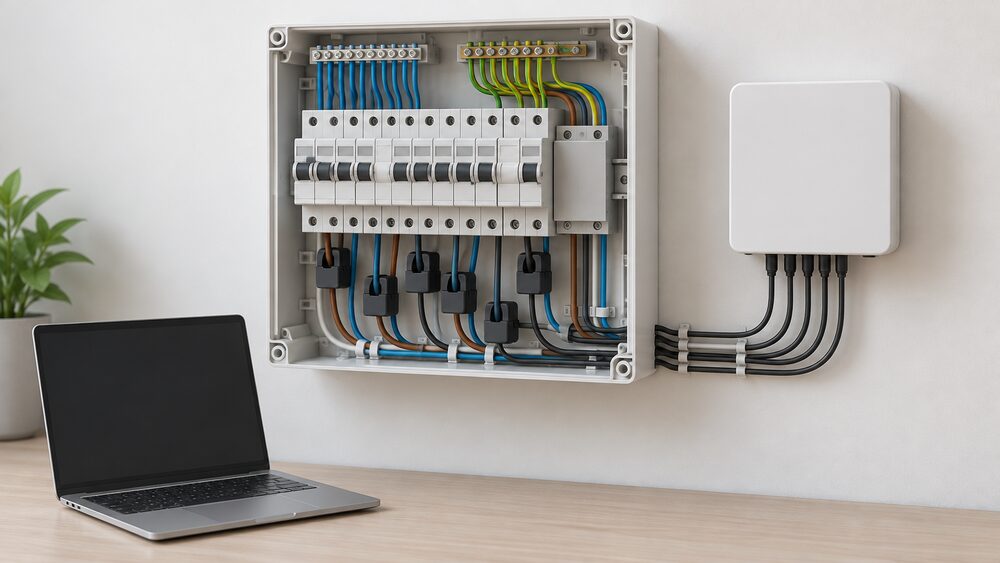 Smappee Energy MonitoringSmappee monitors show exactly where your electricity is going, appliance by appliance, which a smart meter cannot do.
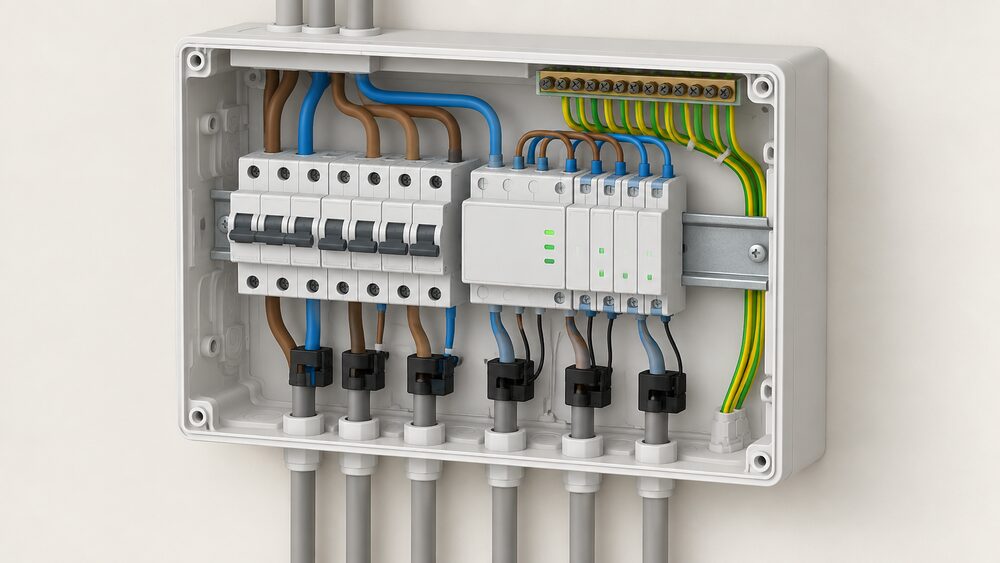 Smappee Infinity Home Energy Monitoring SystemWhere does your electricity actually go?