In this guide
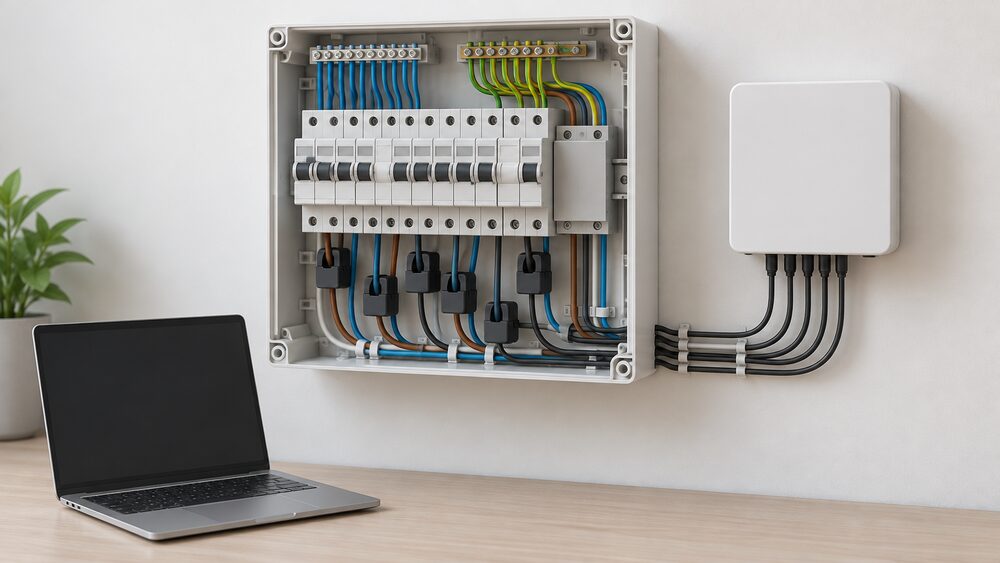
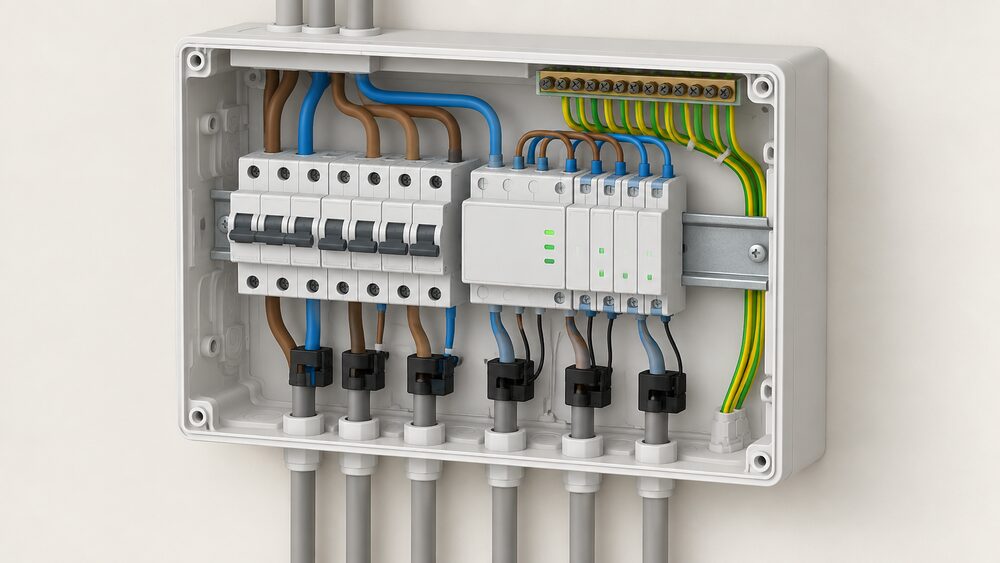
A Smappee energy monitor is a dedicated measuring device rather than a smart meter. It reads electricity use in near real time, and the Infinity range goes further, measuring every energy flow from the main grid connection down to individual circuits and loads1. The company behind it is Belgian, and its own material states that for over a decade its award-winning energy management solutions have helped families and businesses worldwide2.
The practical difference from a smart meter is what the data can be used for. Smart meters cannot tell which specific appliances are being used, though they show total energy use in near real time3. A home energy monitor is usually bought separately and mainly tracks electricity use4. Smappee's own system claims real-time production and consumption data down to the appliance level, and its Smart Kit measures energy at circuit level, revealing how systems, appliances and loads consume power1.
The range is modular by design, built to scale from simple monitoring to full energy orchestration, and it works with EV charging, solar and storage6. That breadth is the appeal and also the source of the dependence: the platform runs through the Smappee Cloud, so remote access, historical data and app features rest on a working internet connection and the manufacturer's servers7.
What a Smappee monitor does: real-time readings, appliance identification and remote control
The core function is measurement. The Smappee App tracks real-time and historical energy use across appliances, solar and EV charging, so a household can understand, compare and act on what it sees6. The Infinity system measures every energy flow in real time, from the main grid connection down to individual circuits and loads1. The P1 module connects directly to a smart meter and gives a clear, real-time view of consumption through the app5.
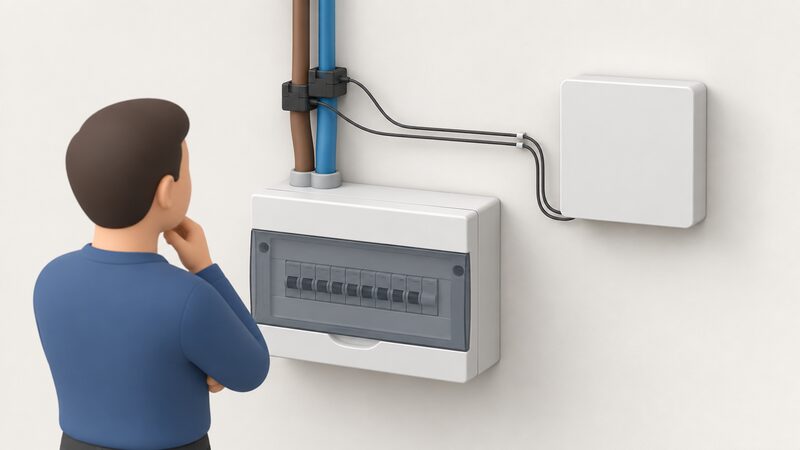
Appliance identification is the feature that separates this class of device from a basic display. The Smart Kit measures energy at circuit level, revealing how systems, appliances and loads consume power and where improvements can be made5. The Infinity system collects real-time production and consumption data down to the appliance level1. For a single appliance, a plug-in monitor works with almost anything that uses electricity, as long as it has a three-pronged UK plug, and can be moved from device to device9.
Remote control runs through the platform. Through the app and dashboard, a household can monitor, manage and optimise the system in real time at home, at work or across multiple sites7. The dashboard adds site and user management, pricing and access configuration, performance monitoring across locations and remote support for installations7. The app also handles charging: starting and managing charging, accessing public charging, monitoring usage in real time and tracking costs and performance7.
What this means for independence is mixed. The monitor gives a household its own detailed picture of consumption, which a supplier's in-home display does not: an in-home display does not automatically break usage down by appliance, though it helps spot changes through the day4. But the Smappee picture lives in the Smappee Cloud, automatically uploaded and accessible via the app or online dashboard7. Local measurement is independent; the record of it is not.
The Smappee range: home monitors, solar monitoring and EV charging in one platform
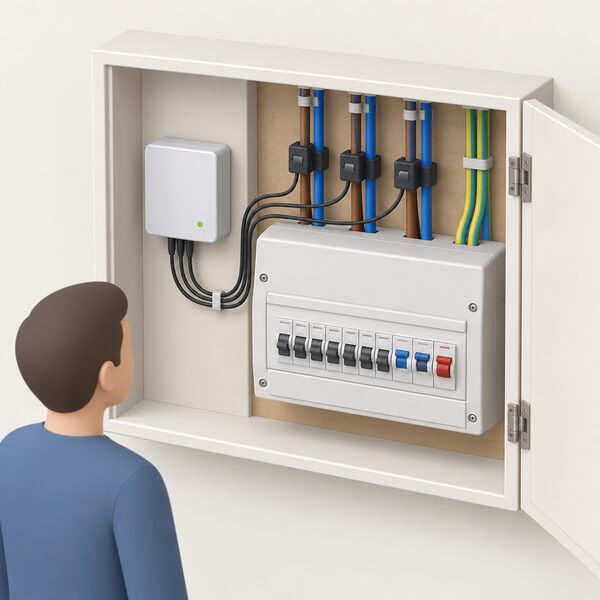
Smappee brings together energy monitoring and metering, energy management and optimisation, and EV charging and charging services within one consistent platform7. The Infinity system is described by the maker as a modular, future-ready energy management system that helps optimise costs, track all energy flows and unlock smarter, more efficient buildings and homes6. It integrates with EV charging, solar generation and battery storage in a single system1.
The EV side is not an afterthought. The Smappee Infinity integrates with the Smappee EV Line of chargers, offering smart features from dynamic load balancing to solar optimisation1. The EV Wall Home Black datasheet lists grid and solar measurements as integrated10. Dynamic load balancing keeps the home and EV charger in sync, which the maker presents as avoiding tripped circuits while charging continues6.
| Element | What it covers | Source |
|---|---|---|
| Infinity | Modular energy management, all energy flows | 6 |
| Smart Kit | Circuit-level measurement | 5 |
| P1 module | Direct connection to a smart meter | 5 |
| EV Wall Home Black | Grid and solar measurements integrated | 10 |
| Platform and dashboard | Sites, users, pricing, remote support | 7 |
The modularity claim is specific: the system is modular by design, built to scale from simple monitoring to full energy orchestration, and can scale from a single installation to a broader portfolio6. It also connects third-party systems and building management systems and external platforms, which matters for anyone who wants the data to feed something other than the maker's own app6.
For a UK household, the honest reading is that the platform is broader than most homes need. A single-phase house wanting to know what its circuits are doing can use the monitoring layer alone. The EV and solar layers only become relevant when those assets exist, and the integration is the reason to choose one platform over three separate apps. The comparison with other makers is set out in Smappee vs Emporia home energy monitoring, and the wider category in Home Energy Monitors: Clamp, Circuit and Whole-House Monitoring.
Monitoring electricity, gas and water in one system
Smappee states that its energy management system can monitor electricity, gas and water in one scalable system6. Gas and water monitoring can be added alongside electricity for a complete overview of household energy use1. That is unusual: standalone plug-in energy monitors are electricity only, and cannot measure gas9.
The distinction matters because most household energy spend is not electricity. A monitor that reads only the electricity meter sees the lighting, appliances and any heat pump, but not the gas boiler that dominates winter bills. Adding gas and water inputs gives a single view of the whole house, which is the point of a system rather than a gadget.
The data architecture behind it is worth understanding. Real-time and historic energy consumption data is automatically uploaded to the Smappee Cloud and accessible via the app or online dashboard7. The dashboard tracks data on a periodic basis, including voltage, currents, harmonics and frequency, at regular intervals of 5-minute, hourly, daily, monthly and yearly8. A Smart subscription plan provides real-time and historical energy data on grid, solar and always-on consumption through the app10.
The independence question here is about where the record sits. A household that wants its consumption history to remain in the home, rather than in a manufacturer's cloud, needs a local data route. The general options are covered in Local Data Access: Modbus, APIs and Keeping Energy Data in the Home, and the subscription dimension in App Subscriptions and Cloud Dependence in Energy Devices.
Appliance recognition: how the system learns what your home is running
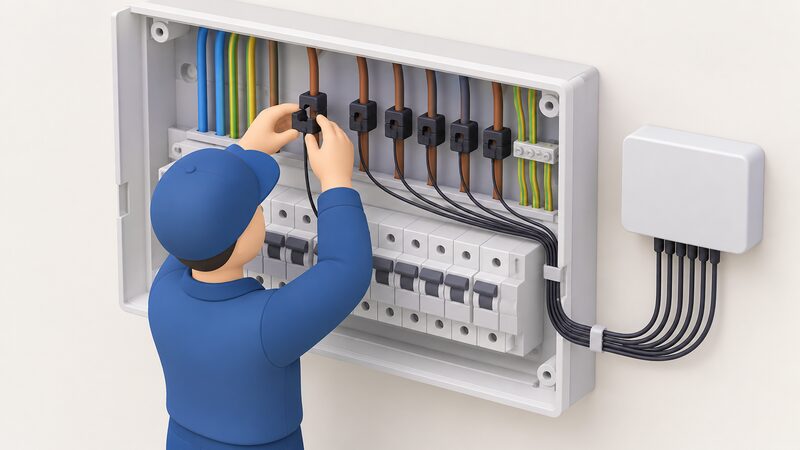
There are two ways to attribute consumption to a device, and Smappee uses the harder one. Circuit-level measurement puts a sensor on each circuit, so the lighting circuit, the kitchen ring and the immersion heater are each measured directly. The Smart Kit does this, revealing how systems, appliances and loads consume power5. The Infinity system goes to the appliance level in its data collection1.
The alternative, used by some other tools, is disaggregation from a single whole-house reading. A smart meter cannot tell which specific appliances are being used, though it shows total energy use in near real time3. An in-home display does not automatically break usage down by appliance4. Some apps attempt it from smart meter data: one independent tool takes smart meter data and identifies energy usage in different appliance categories, updated weekly12.
For a household, the difference is between knowing and inferring. Circuit-level data tells you what a circuit drew. It does not tell you which appliance on that circuit drew it, unless the appliance has its own plug monitor. A plug-in monitor left on a device for a few days gives a reliable picture of that device's typical usage, and can then be moved to another device9. Smart plugs do the same job with added switching: they monitor a device's current, voltage and energy consumption, provide real-time reports through a phone app, and can turn appliances on or off remotely or on a schedule13.
The practical combination is a circuit-level system for the whole house and a plug monitor for the devices that matter most. The category is covered in Smart Plugs and Appliance-Level Energy Monitoring, and the sensor side in Current Transformers and Sensors Used in Home Energy Monitoring.
Why at least three months of monitoring matters before adding battery storage
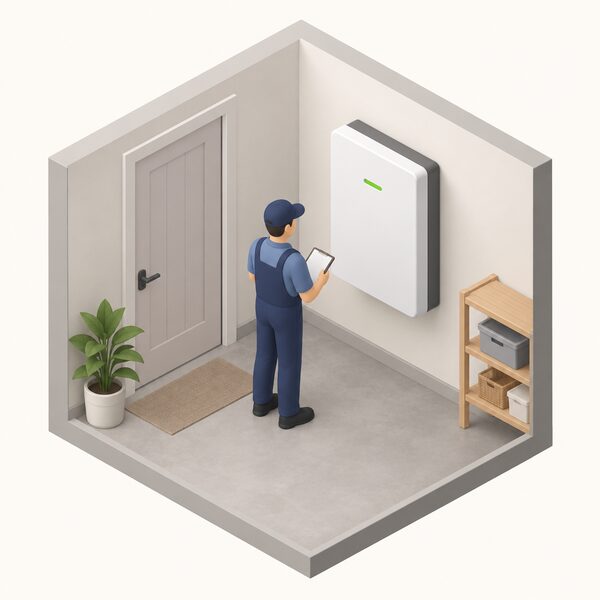
The case for monitoring before buying storage is made by installers, not by monitor makers. Spirit Energy advises householders considering battery storage to monitor electricity usage for at least three months with a device such as the Smappee, so an installer can determine their load profile and best-suited storage system14. The same company describes the Smappee as its preferred tool for detailed consumption analysis ahead of battery system design14.
The reason is that battery sizing depends on the shape of the day, not the annual total. A household that uses most of its electricity in the evening needs a different capacity from one that uses it in the morning, and a system sized on a yearly figure will either run out or sit half empty. Three months captures the seasonal shift from a summer pattern to an autumn one, which a single week cannot.
The regulatory backdrop supports the same discipline. Under the Domestic RHI metering rules, meters must record data at least every two minutes and update data at least once a month, and meter readings must be submitted every three months for the seven years an installation is accredited15. Those are scheme rules rather than a general requirement, but they show the granularity and duration that official guidance treats as adequate for measuring a renewable installation's output.
Battery lifetime is the other reason to size carefully. Domestic battery storage has a shorter lifetime of around 10 to 15 years, when compared to solar panels16. Most battery storage systems monitor battery health and will alert the owner when a replacement is needed17. A system sized on three months of real data is more likely to be used hard enough to justify that replacement cycle. The sizing method is set out in Using Energy Data to Size Solar, Battery or Heat Pump.
Solar monitoring: measuring grid and solar flows
Solar monitoring is where a whole-house monitor earns its place. Smappee states that solar generation monitoring shows exactly how much of a solar output is being used on site versus exported1. The Infinity system integrates with solar generation and battery storage in a single system1, and the EV Wall Home Black datasheet lists grid and solar measurements as integrated10.
The value of that split is that self-consumption and export are different products. Electricity used on site displaces a purchase at the retail rate; electricity exported earns an export payment. The Smart Export Guarantee requires licensed suppliers to offer a payment for exported electricity, and the rates vary by supplier and tariff18. A household that can see the split can judge whether shifting a load, such as running the washing machine at midday, is worth doing.
The safety and maintenance side is separate from monitoring. Solar panels should be inspected and tested at least every five years to ensure the system remains safe and efficient19. Monitoring does not replace that inspection, and a monitor that shows generation falling away is a prompt to book one rather than a diagnosis.
"Solar generation monitoring: see exactly how much of your solar output is being used on site versus exported"
For a household, the independence gain is informational rather than physical. The panels still export to a grid and the household still buys from a supplier at night. What the monitor changes is the ability to see whether the system is doing what it was sold to do. The wider picture is in Monitoring a Solar and Battery System at Home and Export Metering and Export Limitation Devices.
The company: a Belgian maker with over a decade in the field and design awards to its name
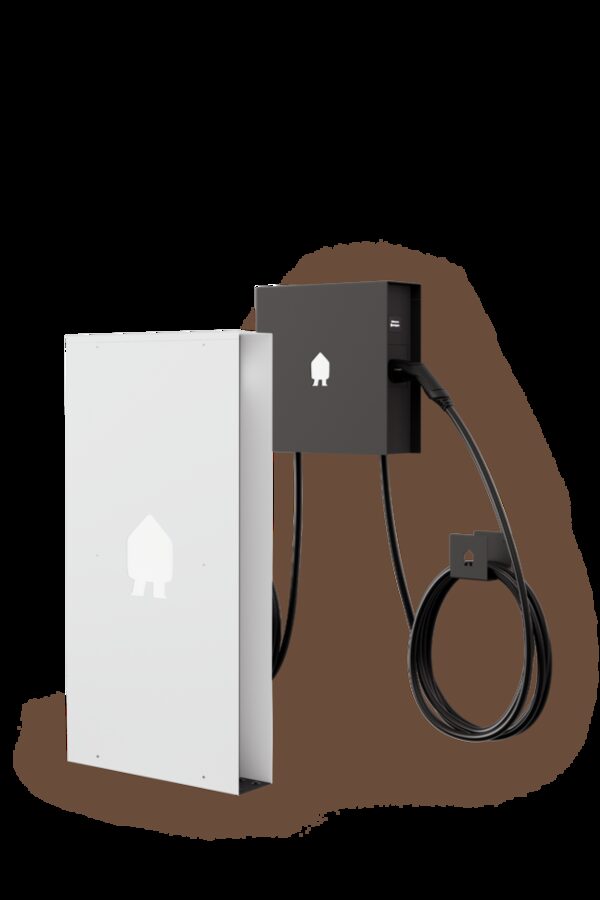
Smappee is a Belgian energy management company1. Its own material states that for over a decade its award-winning energy management solutions have helped families and businesses worldwide2. Stefan Grosjean is named as chief executive2. The company entered the South African market in March 2019, which indicates a business beyond its home region11.
The design record is a stated part of the pitch: Red Dot Design, iF Product and two Henry van de Velde design awards, described by the company as testament to its commitment on that front2. These are the maker's own statements about its products, and they concern industrial design rather than measurement accuracy or energy performance. The Infinity system is described in the maker's own brochure as the most comprehensive, future-proof, smart energy management system on the market, which is a marketing claim rather than a verified ranking11.
The product documentation is dated and traceable. The EV Wall Home installation manual was published in August 2025, and all variants manufactured as of 31 January 2025 have a Type 2 socket with shutter20. The EV Ultra installation manual version 1.10 was published in June 202621. The EV Wall Home Black technical specifications datasheet carries the grid and solar measurement detail10.
For a household weighing independence, the position is this. The monitoring hardware measures the home's own circuits and does not depend on a supplier. The data, the app and the remote features depend on the Smappee Cloud and a broadband connection7. The EV charging integration depends on the maker's charger range. Nothing here takes a home off the grid, and the platform is a layer of visibility over a supply relationship that continues. The company's own framing is that the system helps visualise, predict and manage energy flows, which is a description of control rather than of self-sufficiency2.
Sources21 cited
- Smappee Infinity, Smappee, 2026
- Smappee, Smappee, 2026
- What appliances use more electricity, Smart Energy GB, 2026
- Smart meters vs home energy monitors, Smart Energy GB, 2026
- Metering, Smappee, 2026
- Smappee energy management, Smappee, 2026
- Smappee platform and software, Smappee, 2026
- Smappee App, Smappee, 2026
- Are energy monitors the best way to measure your power usage, Which?, 2026
- EV Wall Home Black technical specifications, Smappee, 2026
- Smappee Infinity brochure, Smappee, 2025
- Appliance Tracker FAQs, Uswitch, 2026
- Smart plugs, Centre for Sustainable Energy, 2025
- Batteries and energy monitors, Spirit Energy, 2026
- Domestic RHI guide to metering, Ofgem, 2026
- POST note on energy storage, UK Parliament, 2026
- Battery storage, MCS Certified, 2026
- Smart Export Guarantee, Solar Energy UK, 2026
- Solar panels safety advice, Electrical Safety First, 2026
- Smappee EV Wall Home installation manual, Smappee, 2025
- Smappee EV Ultra installation manual, Smappee, 2026
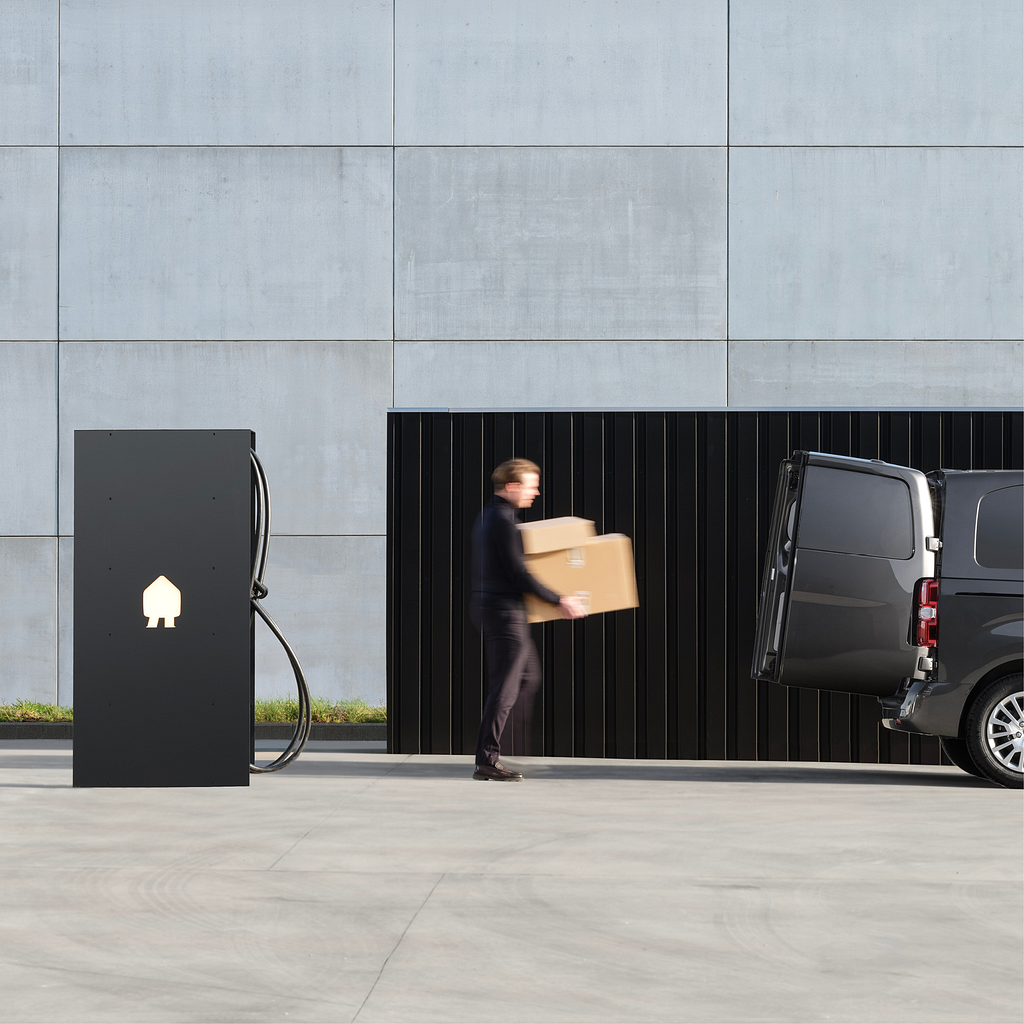
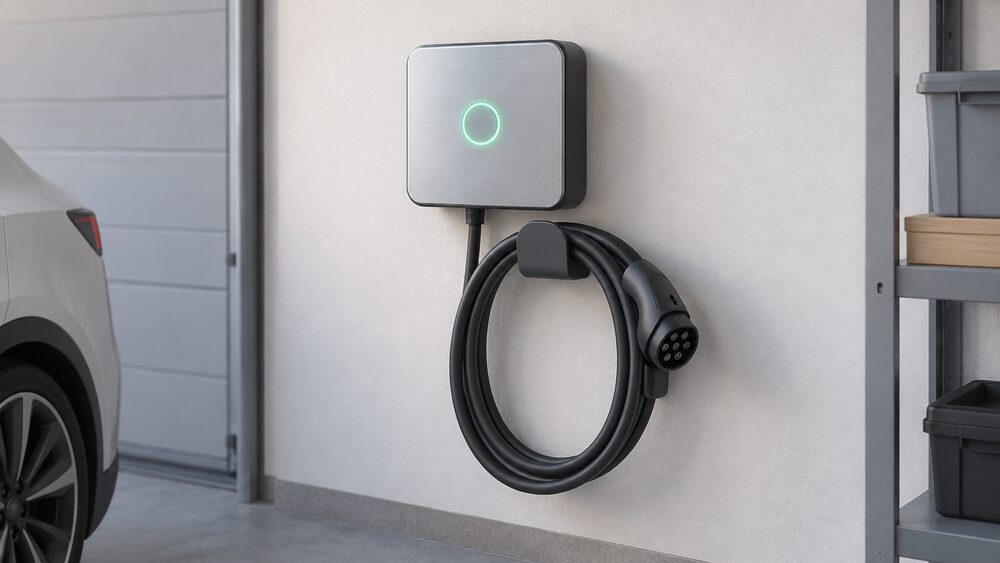 Smappee home EV chargersSmappee's home chargers let you charge your car using spare solar power instead of buying it from the grid.
 Smappee Infinity Home Energy Monitoring SystemWhere does your electricity actually go?