


In this guide
A Fronius Symo is a three-phase, transformerless solar inverter sold in power categories from 3.0 to 8.2 kW, which makes it the size class that suits a typical three or four bedroom house with a decent roof1. It is a string inverter rather than a hybrid: it converts the DC from the panels to mains AC, and it does not have a battery built in. Fronius describes it as "the transformerless Fronius Symo is the three-phase inverter for every system size"3.
Three things decide whether it fits a particular home. The first is the supply: the Symo is three-phase, so it is aimed at properties with a three-phase connection rather than the single-phase supply most UK houses have4. The second is the roof layout, because the Symo carries two MPP trackers and a wide DC input voltage range, which lets panels on two different orientations work on one inverter5. The third is the warranty, which is free to extend but only if the inverter is registered in Fronius Solar.web, and since 1 June 2026 that registration is a condition of the extension for newly commissioned units6.
Prices in the UK are quoted by installers rather than published by Fronius. Where a distributor does list a figure, the Symo family sits in a range that rises with output, and the newer GEN24 and Verto models are listed higher7.
What a Fronius Symo inverter is
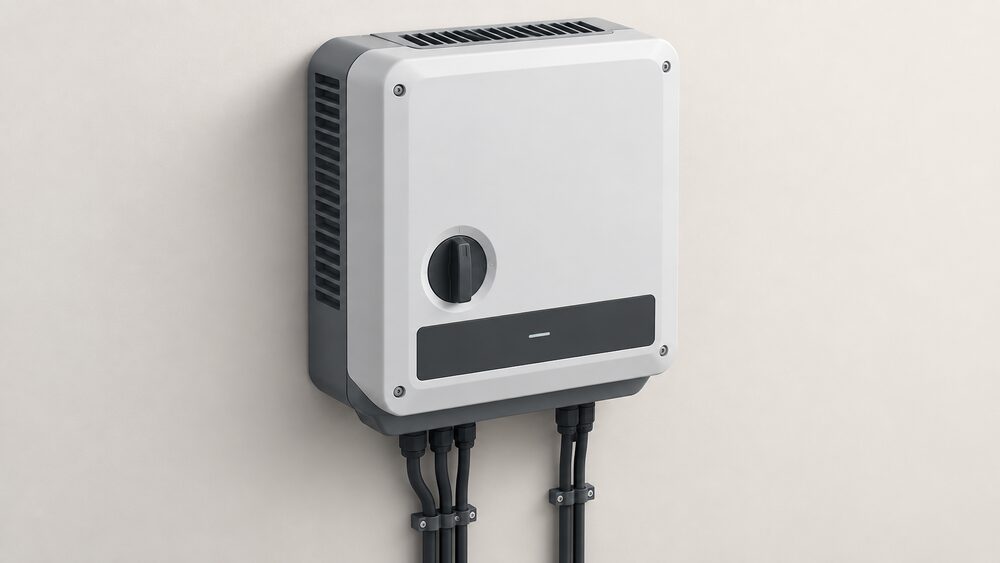
The Symo is Fronius's three-phase string inverter for domestic and small commercial systems. Every model in the line is transformerless, which means there is no heavy iron transformer between the DC input and the AC output, and the range runs from 3.0 kW at the bottom to 8.2 kW at the top2. Fronius uses the same description across the model pages: "the transformerless Fronius Symo is the three-phase inverter for every system size"1.
Transformerless design is not a marketing detail. Removing the transformer raises conversion efficiency and cuts weight, which is why the Symo can be wall mounted by one person3. The trade-off is that the DC side is not isolated from the AC side in the way a transformer-based inverter isolates it, which is why the DC disconnector fitted to the Symo matters: Fronius lists a DC disconnector as standard on the models in the range1.
The Symo is a string inverter, not a hybrid. It has no battery input and no islanding capability of its own, so a household wanting storage needs either a separate battery inverter or a hybrid unit. Fronius's own hybrid line is the Symo GEN24 Plus, which Fronius describes as a three-phase hybrid with power categories between 3 and 10 kW11. For a household, the practical distinction is that a Symo keeps the system simple and grid-tied, and the energy independence it delivers is limited to what the panels generate during daylight, offset against imported units.

The Symo range at a glance

The range is built around a set of output sizes rather than a single product. Fronius lists power categories from 3.0 to 8.2 kW, and the model names carry the output and the phase, with an -S or -M suffix denoting the variant2.
| Model | Output | Protection | MPP trackers | Communications |
|---|---|---|---|---|
| Symo 3.0-3-S | 3.0 kW | IP 654 | 25 | WLAN/Ethernet, Solar.web, Modbus, API4 |
| Symo 3.0-3-M | 3.0 kW | IP 655 | 25 | WLAN/Ethernet, Solar.web, Modbus, API5 |
| Symo 5.0-3-M | 5.0 kW | IP 652 | 22 | WLAN/Ethernet, Solar.web, Modbus, API2 |
| Symo 8.2-3-M | 8.2 kW | IP 651 | 21 | WLAN/Ethernet, Solar.web, Modbus, API1 |
The -S and -M variants sit alongside each other in the same range with the same headline specifications. Both are transformerless three-phase units, both carry IP 65 protection, both have two MPP trackers and both use the same communications set4. The published figures do not show a difference in efficiency or protection between them, so the suffix denotes a variant within the line rather than a different class of product. Which variant suits a given installation is a matter for the installer and the roof layout.
For a household, the sizing question is the usual one: the inverter's output should sit close to the array's expected peak, and the choice between 3.0 kW and 8.2 kW follows the number of panels rather than the other way round. A three-phase supply is the precondition, and where a property has one, the larger models in the range cover a house with a substantial roof.
Two MPP trackers and the Superflex design
Fronius markets the Symo's input arrangement under the name SuperFlex Design, and the company's own description of what that means is specific: "The key performance factors of the SuperFlex Design are two MPP trackers, together with a high system voltage and wide DC input voltage range"7. Every Symo model in the range carries two MPP trackers1.
Two trackers matter because a roof rarely faces one way. A string of panels on a south-facing pitch and a second string on an east or west pitch produce their best output at different times and at different voltages. With a single tracker, the inverter has to find one operating point for both strings, and the weaker string drags the stronger one down. With two trackers, each string is optimised separately, so a split roof loses less than it otherwise would. The same applies where one part of the array is shaded for part of the day.
The wide DC input voltage range is the second half of the design. It gives the installer more freedom in string length, which matters on a roof where the number of panels per face is fixed by the roof rather than chosen. Fronius applies the same SuperFlex description to the single-phase Primo range, so the design language is shared across the two lines13.
"The key performance factors of the SuperFlex Design are two MPP trackers, together with a high system voltage and wide DC input voltage range"
What this does not do is remove the need for a three-phase supply, or add battery capability. It is a flexibility benefit on the DC side, and it is the main technical reason a Symo is specified on a roof with more than one aspect. Where shading is severe or spread across many panels, module-level electronics are the alternative approach, covered in power optimisers and microinverters.
Efficiency: peak and MPP adaptation

The Symo's headline efficiency figure is its peak efficiency, and Fronius lists MPP adaptation efficiency above 99.9% across the range1. The two numbers measure different things. Peak efficiency is the best conversion point the inverter reaches, usually at a particular load. MPP adaptation efficiency is how closely the inverter tracks the maximum power point of the array as conditions change, and a figure above 99.9% means very little is lost in the tracking itself.
The practical consequence is that the inverter is not where the losses are. A well-sited array loses far more to orientation, shading and temperature than it does to conversion. The figure that matters more to a household's bill is self-consumption: whether the units generated are used in the house at the moment they are produced, or exported. The inverter's efficiency sets the ceiling on what is available; the household's timing sets how much of it is used on site.
Standby consumption is the other end of the scale. The Symo's night-time draw is a small but real figure over a year, and it is the kind of detail that separates a modern transformerless inverter from older equipment. For a household, the honest framing is that inverter losses are a minor line in the overall picture, and the bigger variables are array size, orientation and how the household uses power during the day. The wider context on matching an inverter to an array is in solar inverters explained and string inverters.
Specifications: IP ratings, cooling and installation
The Symo is built for wall mounting indoors or outdoors. Fronius lists indoor and outdoor installation across the models, and the degree of protection is IP 652. IP 65 means protection against dust ingress and against water projected from a nozzle, which is what allows an outdoor position. The newer Symo GEN24 models are rated IP66, a step higher9.
Cooling is by regulated air cooling, which Fronius lists on the Symo and on the GEN24 models8. That means a fan rather than a sealed passive heatsink, and it means the unit needs clear air around it. The mounting system is described by Fronius as "a simple, standardised mounting system", which is a bracket arrangement rather than anything bespoke8.
The GEN24 models add an ambient temperature range of -25 to +60 degrees C, and the same indoor and outdoor installation listing16. Protection class 1 is listed for the Symo 3.0-3-M5. Frequency is 50 or 60 Hz, so the unit is not UK-specific in its electrical design2.
For a household, the siting decision usually comes down to where there is a wall with shade and a route back to the consumer unit. A garage or a north-facing external wall is common. The full picture on how an inverter fits into the rest of the installation is in solar panel installation and solar DC cabling and connectors.
Connectivity and monitoring: Solar.web, Modbus and USB

Every Symo model carries WLAN or Ethernet as standard, and Fronius lists the supported protocols as Fronius Solar.web, Modbus TCP SunSpec and the Fronius Solar API in JSON1. There is also a USB type A socket, used for data logging and for inverter updates by flash drive5.
The practical chain is: the inverter connects to the home network over WLAN or a cable, and reports to Fronius Solar.web, which is the manufacturer's monitoring platform. Solar.web has a free account and a paid premium version17. Registration at www.solarweb.com is required to use it18. The GEN24 models carry two Ethernet ports rather than one, which allows the inverter to sit inline on a network cable run14.
This is where the dependence sits. Local generation continues without any of it: the inverter makes power whether or not it is online. What stops without a working internet connection is the remote view, the historical record and the fault reporting that runs through the platform. Modbus TCP SunSpec and the JSON API are the escape route, because they let a third-party system read the inverter directly rather than through Fronius's cloud, but that requires someone to set it up. The general picture on what monitoring is for is in monitoring a solar PV system.
Cost in the UK
Fronius does not publish a UK list price for a supplied and fitted Symo. Prices come from installers after a survey, and the figures that exist are distributor starting prices for the hardware alone. Those listings put the GEN24 hybrid models from £1,893.16 and the Verto from £3,064.477. The Primo, Fronius's single-phase line, is listed from £999.3919.
| Product | Listed from | Source |
|---|---|---|
| Fronius Primo (single-phase) | £999.39 | Distributor listing19 |
| Fronius Symo GEN24 Plus (hybrid) | £1,893.16 | Distributor listing19 |
| Fronius Verto | £3,064.47 | Distributor listing19 |
| Fronius Reserva (battery) | £1,021.88 | Distributor listing19 |
| Fronius Reserva Pro | £1,162.39 | Distributor listing20 |
Three things move the installed price. The first is output: an 8.2 kW unit costs more than a 3.0 kW one. The second is whether the job is a replacement or a new installation, since a new system brings mounting, DC cabling, isolation and a grid connection application with it. The third is the supply: a three-phase connection and any work needed to provide one is a separate matter from the inverter itself.
The VAT position on these figures is not stated in the listings, so they should be read as quoted prices rather than confirmed VAT-inclusive ones. Where a household is comparing quotes, the useful comparison is the whole installed system rather than the inverter alone, and the wider cost picture is in how much do solar panels cost in the UK.
Warranty and registration: the free extension

Fronius offers a free warranty extension, and the mechanism is registration. The company's own instruction is that "All you need to do is register your inverter on Fronius Solar.web"6. The registration itself is free and is done at www.solarweb.com using the inverter's serial number, after which the owner clicks "Choose warranty"17. Fronius states that warranties for its devices can be extended in Solar.web at no cost17.
The condition tightened on 1 June 2026. New Fronius inverters commissioned on or after that date must be registered in Fronius Solar.web to qualify for the free warranty extension6. The same date marks new warranty conditions applying to products purchased on or after 1 June 2026, and Fronius reserves the right to change the conditions for contracts concluded after a change21.
There is a second condition on the paid side. Where an open service request is associated with a serial number, a paid warranty extension can only be purchased once that request has been resolved21. Solar.web itself comes in a free Basic version and a paid premium version, and the warranty options are presented within the platform17.
For a household, the practical point is that the warranty is tied to an account rather than to the hardware alone. That account is with the manufacturer, and keeping it current is what preserves the longer term. The general position on inverter warranties is in solar panel warranties and degradation.
Symo GEN24 and Verto: where the range is heading
Fronius states that the Symo inverters are gradually being replaced, with the Symo GEN24 covering systems up to 10kW and the Verto covering up to 33.3kW7. A second Fronius page adds that the 10.0 to 20.0 models are superseded by the Symo Advanced7. The two statements are not reconciled, so the position on any specific size is worth confirming before ordering.
The GEN24 line is the hybrid successor. Fronius describes the GEN24 Plus as a three-phase hybrid with power categories between 3 and 10 kW, and lists compatible batteries as BYD Battery-Box Premium HVS/HVM and LG FLEX11. The GEN24 SC variant is described as building on the existing features and supporting higher current DC systems7. The GEN24 models carry IP66 protection, indoor and outdoor installation, regulated air cooling and two MPP trackers9.
Firmware for the GEN24 line is updated regularly. Fronius recorded bundles 1.39.5-1, 1.40.8-1, 1.40.9-1, 1.41.10-1 and 1.41.11-1 between November 2025 and August 2026, the last on 10 August 202623. The bundles have addressed battery charging, export limits, Smart Meter IP handling and third-party software library updates.
The direction of travel matters for a household choosing now. A Symo is a grid-tied string inverter with no battery input; the GEN24 is the same maker's hybrid route, and the Verto covers larger systems. Where a battery is planned, the hybrid line is the one that takes it without a second inverter. The comparison with the other main hybrid-and-optimiser route is in Fronius vs SolarEdge, and the wider choice of inverter types is in hybrid inverters and string vs hybrid inverter.
Sources23 cited
- Fronius Symo 8.2-3-M technical data, Fronius, 2026-09-17
- Fronius Symo 5.0-3-M technical data, Fronius, 2026-09-17
- Fronius Symo 4.5-3-M technical data, Fronius, 2026-09-17
- Fronius Symo 3.0-3-S technical data, Fronius, 2026-09-17
- Fronius Symo 3.0-3-M technical data, Fronius, 2026-09-17
- Fronius Symo 3.7-3-S technical data, Fronius, 2026-09-17
- Fronius Symo 4.5-3-S technical data, Fronius, 2026-09-17
- Fronius Symo 6.0-3-M technical data, Fronius, 2026-09-17
- Fronius Symo 7.0-3-M technical data, Fronius, 2026-09-17
- Fronius Symo 3.7-3-M technical data, Fronius, 2026-09-17
- Fronius Symo GEN24 10.0 Plus technical data, Fronius, 2026-09-17
- Fronius Symo GEN24 8.0 technical data, Fronius, 2026-09-17
- Fronius Symo GEN24 6.0 technical data, Fronius, 2026-09-17
- Fronius Symo GEN24 10.0 technical data, Fronius, 2026-09-17
- Fronius Symo GEN24 5.0 technical data, Fronius, 2026-09-17
- Fronius Symo GEN24 4.0 technical data, Fronius, 2026-09-17
- Fronius Solar.web, Fronius, 2026-09-20
- Fronius solar monitoring, Fronius, 2026-09-17
- Fronius string inverters, Wind and Sun, 2026-09-20
- Fronius Reserva Pro, Wind and Sun, 2026-09-20
- Fronius solar inverter warranty, Fronius, 2026-09-17
- Fronius Symo GEN24 4.0 Plus technical data, Fronius, 2026-09-17
- Fronius GEN24, Tauro and Verto firmware changelog, Fronius, 2026-08-10
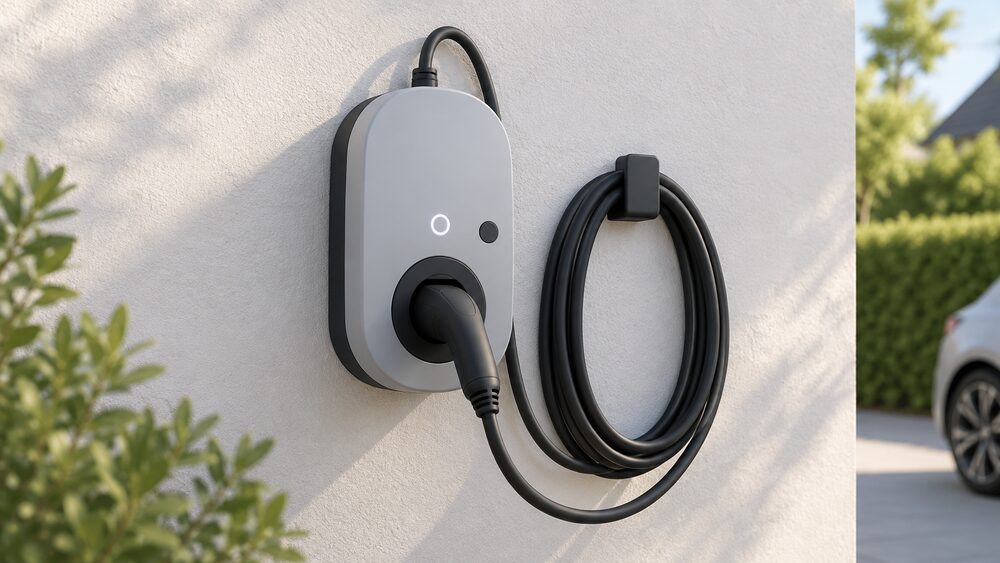 Fronius WattpilotCan the Fronius Wattpilot charge your electric car using only the power your solar panels make?
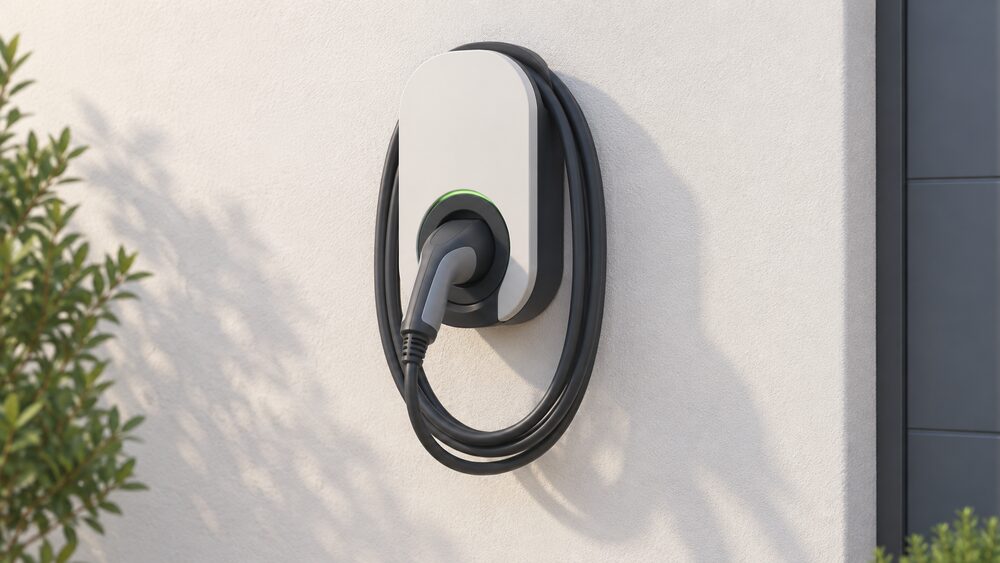 Fronius Wattpilot chargerHow much of your solar power can the Fronius Wattpilot send to your car instead of the grid?
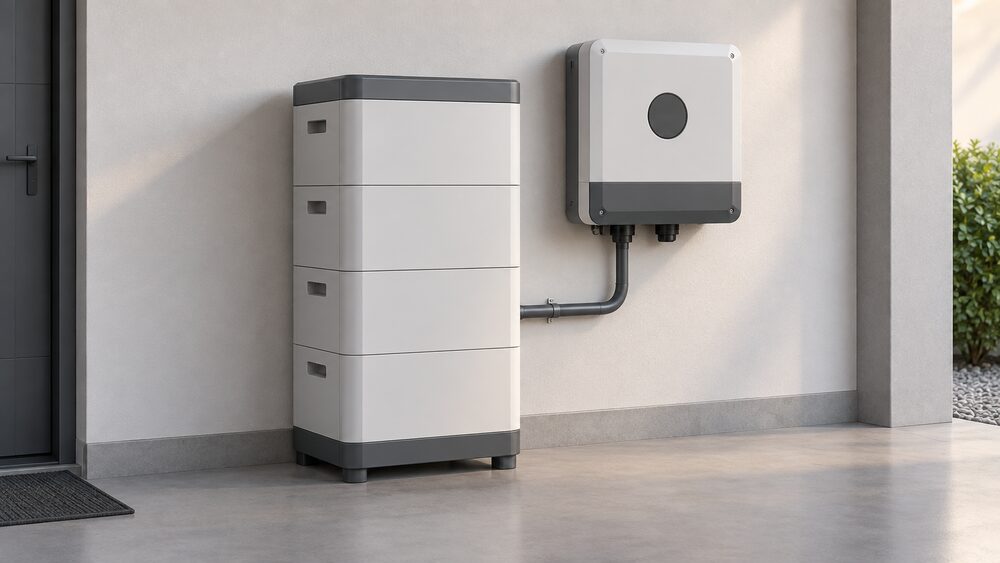 Fronius Reserva Battery and GEN24 InvertersIf you already have a Fronius inverter, or you are weighing up a Fronius system, the Reserva is the battery that goes with it.
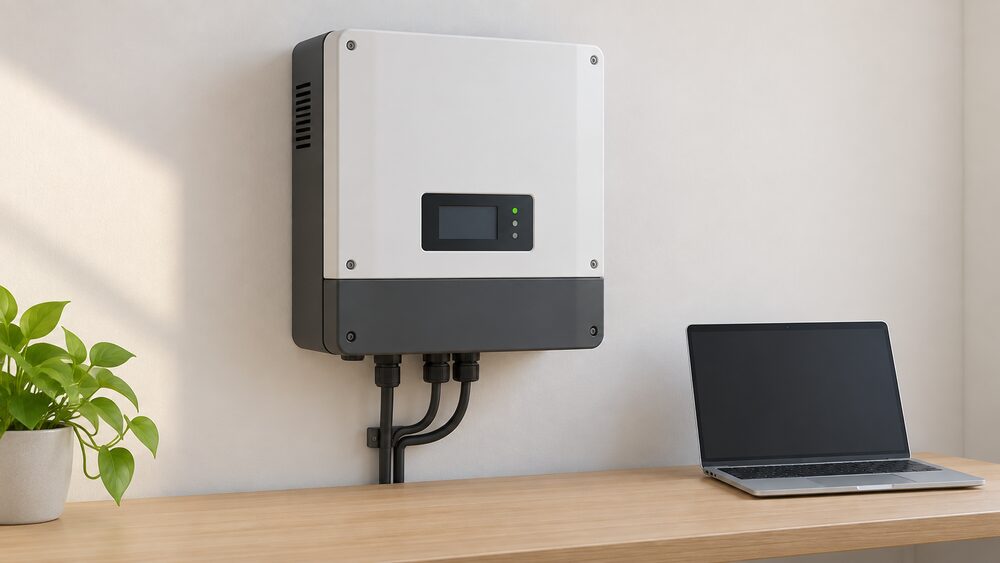 FroniusHow do you actually watch what your Fronius solar panels are making?
 Fronius solar invertersFronius is an Austrian inverter maker whose Primo GEN24 and Symo ranges are widely installed in UK homes, with 10 years of warranty as standard and up to 15 with a paid extension.