
In this comparison
Micro hydro and micro wind are the two generation technologies that a rural property with land can actually consider, and they suit almost opposite sites. Hydro needs a fall of water and a flow; wind needs exposure and height. A micro hydro plant is one that generates less than 100 kilowatts, and useful power may be produced from even a small stream1. Individual wind turbines vary in size and power output from a few hundred watts to two or three megawatts, where one megawatt equals 1,000 kilowatts2.
The output gap is the single most useful comparison. If a water turbine can be run at about 70% capacity then the output per kilowatt will be about seven times that of a PV array3. A 3kW turbine running for 4,400 hours, about half of the year, will produce 13,200 kilowatt-hours3. Wind is far more intermittent: the Energy Saving Trust advises considering a turbine only where the local annual average wind speed is five metres per second or more2.
Costs diverge just as sharply. Micro hydro is quoted at £5,000 to £10,000 per kilowatt if professionally installed3, while total system costs can be high but often less than the cost of a grid connection, with no electricity bills to follow1. Small wind maintenance runs at £100 to £200 depending on the size of the system, and a larger system's inverter replacement usually costs £1,000 to £2,0004.
Micro hydro or micro wind: which suits which site
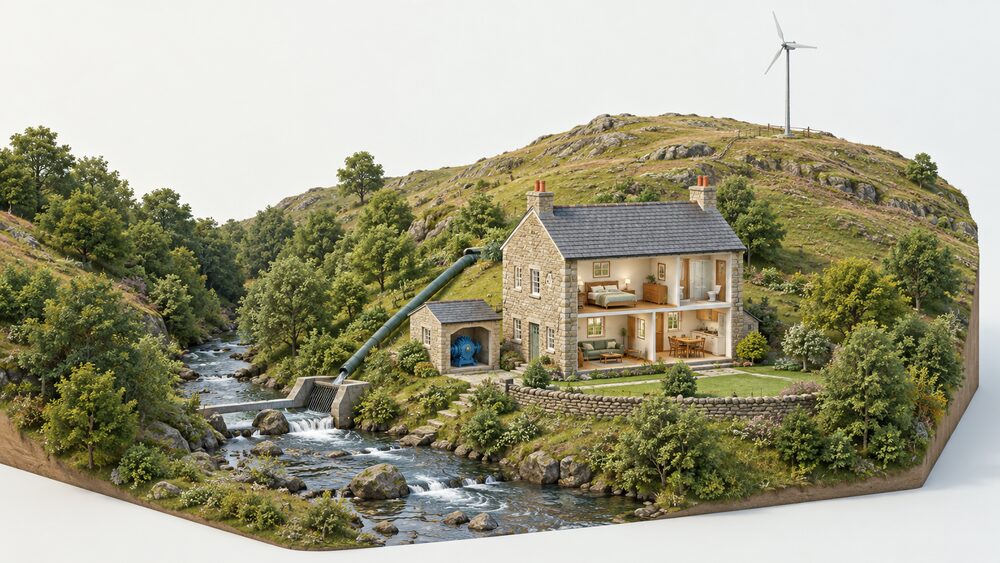
The deciding question is what the land offers. Hydro needs a stream or river flowing through your land, and the viability of the installation will depend on whether there is enough water flowing per second and the height or head that it falls from6. Wind needs the opposite: turbines should ideally be located on a hilltop or raised structure, away from obstructions like trees or other buildings, because higher placements catch stronger, steadier winds4.
The Energy Saving Trust sets out conditions for considering a wind turbine, including that there are no major obstacles nearby such as buildings, trees or hills that are likely to reduce the wind speed or increase turbulence2. That single condition rules out most valley sites, which are exactly the sites where a stream is likely to run. A wooded hollow with a beck at the bottom is a hydro site, not a wind site.
Hydro also has a steadier character. In theory a hydro system can generate 24 hours a day, which could provide all the electricity you need and more, without releasing any harmful CO2 or other pollutants into the atmosphere7. Wind cannot make that claim: small-scale turbines generate electricity from wind, and output depends on wind speed and location8.
For a household's energy independence, the distinction matters. A hydro scheme that runs continuously displaces grid import around the clock, including overnight, when a wind turbine is usually still. A wind turbine tends to generate when the weather is unsettled, which is not necessarily when the house is drawing most. Neither removes dependence on the grid unless the property is off-grid with storage, and both leave the household dependent on a manufacturer for parts and on an installer for servicing.
Water flow and head: what hydro needs to work
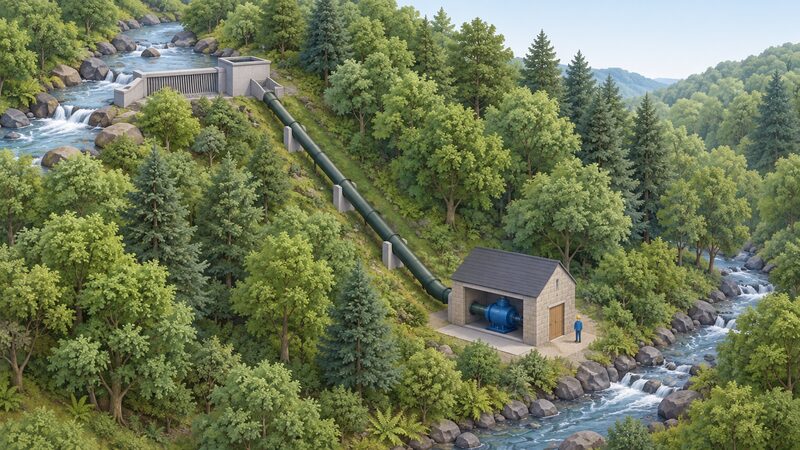
Hydro output is the product of two site measurements, not one. The greater the height and the more water there is flowing through the turbine, the more electricity is generated7. The energy from flowing water is converted into kinetic energy in a turbine, which drives a generator to produce electricity7. A site with a modest flow but a steep drop can outperform a site with a large flow and almost no fall.
Most schemes are run-of-river. This does not mean they are simply placed in a river: it means that water is diverted from a stream into a pipe, called a penstock, or a channel3. That diversion is what makes the scheme buildable without impounding water, and it is also what brings the scheme within abstraction and environmental permitting, which is a separate consent regime from planning.
Turbine choice follows the head. For low head sites, options include Crossflow and Archimedes Screw turbines, which tend to be much bigger for the same power output3. High head sites suit compact machines. Most schemes are run-of-river, diverting water from a stream into a pipe (penstock) or channel rather than sitting in the river itself3.
That arithmetic is the whole of hydro sizing. A householder with a fall of a few metres and a small beck should expect a small machine; a householder with a steep drop and a reliable flow can expect considerably more. The practical constraint is that flow varies through the year, and savings will depend on the number of hours the turbine is able to run in a year, which in turn will depend on how often the water levels are high enough to supply the system7.

Wind speed and exposure: what a turbine needs to work
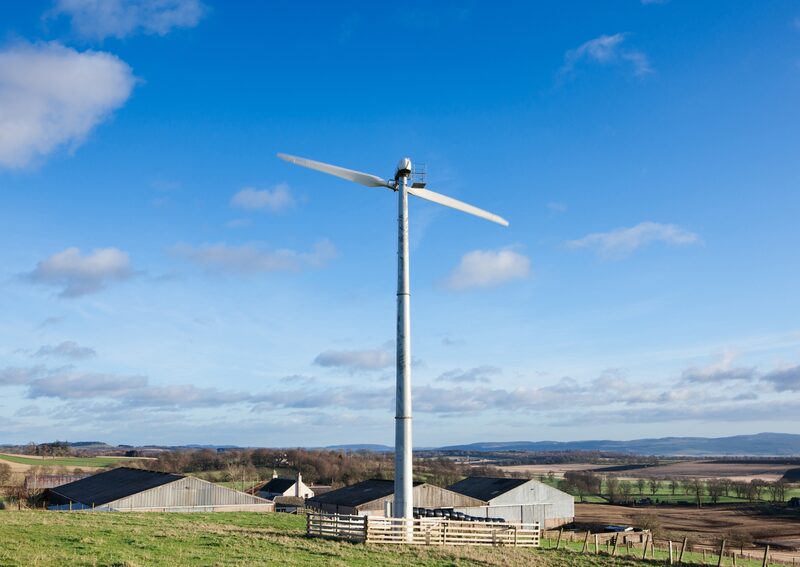
Wind is a resource you cannot improve by building better, only by building higher. The Energy Saving Trust condition is a local annual average wind speed of five metres per second or more2, and the same guidance recommends checking this before proceeding. Independent guidance repeats the threshold: the Energy Saving Trust also recommend you only install in areas with at least 5m/s of wind or more9.
Exposure is as important as average speed. Turbines should ideally be located on a hilltop or raised structure, away from obstructions like trees or other buildings4. Turbulence from an obstacle degrades output and increases wear, which is why building-mounted machines in built-up areas perform poorly: studies show them to be far less effective owing to lower wind speeds9.
Where wind is the only option and the site is genuinely remote, small wind is especially practical for remote areas where connecting to the grid may be costly or challenging4. It is also common to run this system with a diesel generator for use during periods of low wind speeds, in wind-diesel mixed systems2. That hybrid arrangement is the honest picture of off-grid wind: a turbine plus storage plus a backup generator, not a turbine alone.
For a household's independence, wind's dependence is on weather and on a mast. A taller mast reaches steadier air but runs into the permitted development height limits set out below, and beyond those limits the household is in a full planning application. Wind also depends on the grid or a battery to make its output useful at the moment it is generated.
Typical output and capacity factors compared
The clearest published comparison is per kilowatt of installed capacity. If a water turbine can be run at about 70% capacity then the output per kilowatt will be about seven times that of a PV array3. That figure is a capacity factor statement: hydro's advantage is not that its machines are larger but that they run far more of the year.
The worked hydro example makes the same point in absolute terms. A 3 kilowatt turbine running for 4,400 hours, about half of the year, will produce 13,200 kilowatt-hours3. Half the year is a realistic assumption for a run-of-river scheme whose flow drops in summer.
Wind output is described by range rather than by capacity factor in the official guidance. Individual wind turbines vary in size and power output from a few hundred watts to two or three megawatts, where one megawatt equals 1,000 kilowatts2. For domestic-scale machines, bigger units used to power homes and businesses can generate between 0.6 and 50KW9. The Feed-in Tariff key terms define microgeneration, in relation to the generation of electricity, as 50 kilowatts10, which is the boundary that matters for scheme eligibility.
| Micro hydro | Micro wind | |
|---|---|---|
| Output per kW | About seven times a PV array at 70% capacity3 | Depends on wind speed and location8 |
| Worked example | 3kW for 4,400 hours gives 13,200 kWh3 | Domestic units from 0.6 to 50kW9 |
| Typical capacity band | Under 100kW defines a micro hydro plant1 | 50kW is the microgeneration electricity threshold10 |
| Variability | Can generate 24 hours a day in theory7 | Intermittent; diesel backup common off-grid2 |
The practical expectation for a household is that a hydro scheme sized to the site will produce a predictable annual figure, while a wind turbine's annual figure will vary year to year with the weather. Neither figure should be taken from a manufacturer's headline rating alone.
Costs: installation, maintenance and running expenses
Hydro's headline cost is high and front-loaded. The total cost might be between £5,000 and £10,000 per kilowatt if professionally installed3. That figure covers civil works, penstock, turbine, generator and controls, which is why it is expressed per kilowatt rather than per machine. Against it, total system costs can be high but often less than the cost of a grid connection, and with no electricity bills to follow1.
Wind's costs are lower to enter and recurring thereafter. Maintenance checks for small wind turbines are generally needed every few years, typically costing between £100 and £200, depending on the size of your system4. For a larger system, inverter replacement usually costs between £1,000 and £2,0004. Over a machine's life those two items dominate the running cost.
Hydro running costs are described as low. Maintenance costs also vary but are usually low as hydro systems are very reliable7. The offsetting risk is revenue, not maintenance: savings will depend on the number of hours the turbine is able to run in a year, which in turn will depend on how often the water levels are high enough to supply the system7.
On VAT, the reduced rate was withdrawn from the installation of solar panels, wind turbines and water turbines11, so installations are not assumed to attract the reduced rate. Where no published price exists for a specific scheme, prices are installer-quoted, and the per-kilowatt figure above is the only published benchmark available.
Planning permission and permitted development rules
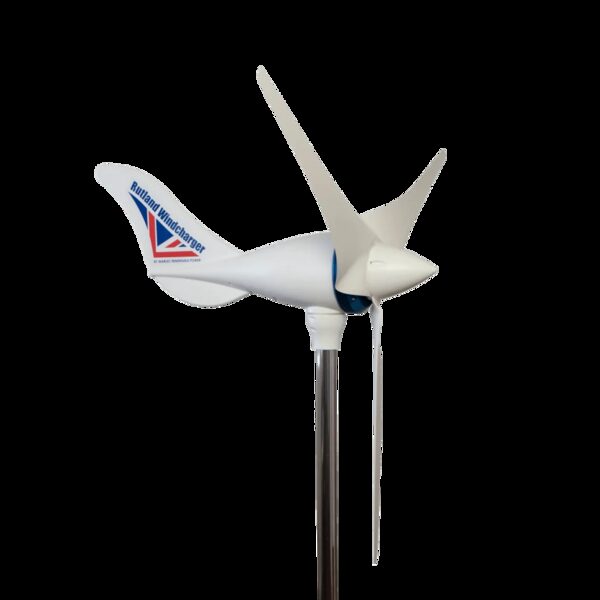
Hydro and wind sit in different planning worlds. For small-scale wind turbines in Northern Ireland, planning approval is needed6. For wind in Great Britain, under permitted development rights in some cases it is possible to install domestic wind turbines without the need for an application for planning permission, so long as specified limits and conditions are met13. In other cases, you will need to apply for planning permission from your Local Authority to add a domestic wind turbine to your house, or grounds surrounding your home14.
The permitted development route carries conditions. Development is permitted only if the stand alone wind turbine installation complies with the Microgeneration Certification Scheme Planning Standards or equivalent standards15. Permitted development rights for wind turbines and air source heat pumps will only be accorded for equipment installed by an installer who has been certificated through the scheme using a certificated product16. Only the first installation of any wind turbine would be permitted development, and only if there is no existing air source heat pump at the property5. Additional wind turbines or air source heat pumps at the same property require an application for planning permission15.
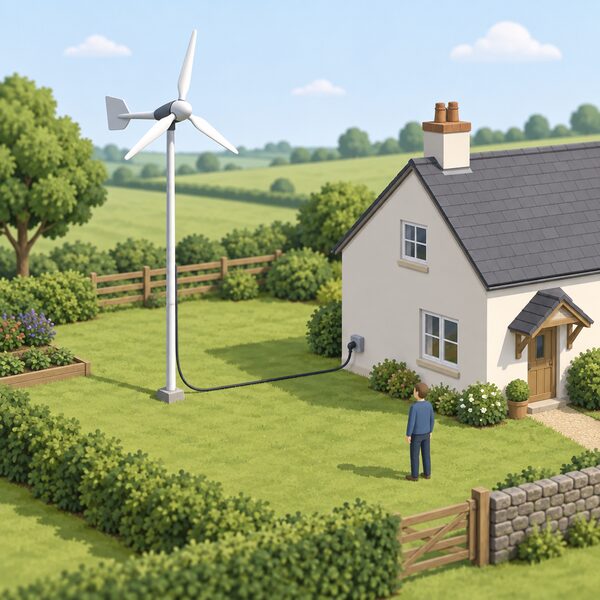
Height and clearance limits are specific. The highest part of the stand alone wind turbine must not exceed 11.1 metres, and the distance between ground level and the lowest part of any wind turbine blade must not be less than five metres5. For building-mounted machines, no part including blades should protrude more than three metres above the highest part of the roof, excluding the chimney, and the overall height limit is 15 metres including building, hub and blade, whichever is the lesser17. The legislation states the same test: the highest part of the wind turbine including blades would either protrude more than 3 metres above the highest part of the roof, excluding the chimney, or exceed more than 15 metres in height, whichever is the lesser18.
Location restrictions are strict. Permitted development rights do not apply to a turbine within the curtilage of a Listed Building or within a site designated as a Scheduled Monument, and on designated land other than Conservation Areas, which includes national parks and the Broads, Areas of Outstanding Natural Beauty and World Heritage Sites17. In Eryri national park, wind turbines are unlikely to be permitted, especially in a conservation area19. In Wales, it will be necessary to make a planning application to your local planning authority if you wish to install a building-mounted turbine15.
Scotland has its own framework. The Scottish Government published updated householder permitted development guidance on 1 April 2021, replacing the 2009 and 2010 domestic microgeneration planning circulars8. Free-standing wind turbines under that framework must have a blade tip height not exceeding 15m, with the lowest part of the turbine blade at least 5m from the ground level20. Class 6G of the general permitted development order applies the same 15 metre blade tip limit21. A 2019 Scottish consultation described domestic micro-scale wind turbines as under 50kW capacity and over 100m from the nearest property boundary22.
Grid connection, export and what it means for energy independence
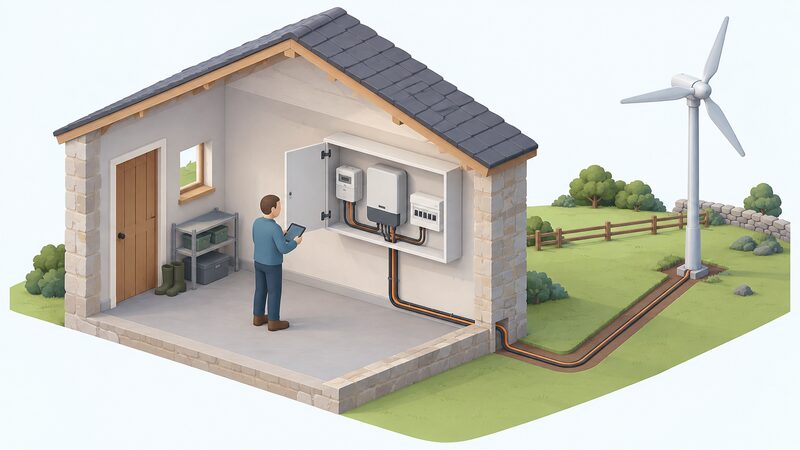
Neither technology requires a grid connection, but both are worth more with one. While not mandatory, a grid connection enhances the value of behind-the-meter systems by enabling the export of surplus electricity23. For wind, any unused or excess electricity can be exported to the grid and sold to the local electricity supply company6.
Export is not unlimited. A Welsh example shows the constraint in practice: a proposed turbine would only be able to export 300 kW of the 900kW it could generate to the Grid24. That gap between generation and export capacity is the network's limit, not the machine's, and it is the reason a scheme's revenue can be far below its output.
The Smart Export Guarantee obliges licensed electricity suppliers to offer export tariffs to anaerobic digestion, hydro, onshore wind and other eligible technologies, and it applies to installations with a total installed capacity of up to 50kW25. Micro-CHP, solar PV and wind at 50kW or below are treated as eligible in the scheme guidance26.
For independence, the honest position is this. Hydro can carry a property further than wind because it runs more of the time: for houses with no mains connection but with access to a micro hydro site, a good hydro system can generate a steady, more reliable electricity supply than other renewable technologies at a lower cost1. In off-grid applications the power is used for lighting and electrical appliances, and space and water heating can be supplied when available power exceeds demand1. Wind off-grid almost always needs storage and a backup generator2. Both remain dependent on a manufacturer for parts, an installer for servicing, and, where connected, a supplier and network for export.
Environmental and practical constraints to weigh up
Hydro's environmental case is strong on emissions and conditional on water. In theory a hydro system can generate 24 hours a day without releasing any harmful CO2 or other pollutants into the atmosphere7. The conditions are abstraction, screening and fish passage, which are separate consents from planning and can determine whether a scheme proceeds at all.
Wind's constraints are about neighbours and landscape. Turbines must use non-reflective materials on blades under permitted development15. Building-mounted machines in built-up areas are far less effective owing to lower wind speeds9. In protected landscapes the position is close to prohibitive: wind turbines are unlikely to be permitted in the national park, especially in a conservation area19.
There is also a wider policy context that bears on how much support a household can expect. The Climate Change Committee has warned that current programmes will not deliver net zero, stating that with a fair wind another quarter share of emissions reductions will be managed, and over a third cannot be relied on to deliver the necessary emissions reductions27. That is a statement about national programmes, not about individual schemes, but it explains why grant and tariff support has been uneven.
Finally, permitted development for wind carries a removal duty: the turbine must be removed as soon as reasonably practicable when no longer needed for microgeneration15. Hydro schemes carry a comparable end-of-life obligation in practice, since a disused penstock and turbine house remain on the land.
"For houses with no mains connection but with access to a micro hydro site, a good hydro system can generate a steady, more reliable electricity supply than other renewable technologies at a lower cost"
Sources27 cited
- Hydro electricity, Planning Portal, 2024-09-02
- Wind, nidirect, 2026-05-18
- Micro hydro, Centre for Alternative Technology, 2025-07-01
- Small wind turbines, MCS Certified, 2026-08-18
- Stand alone wind turbines, Planning Portal, 2026-09-17
- Hydropower, nidirect, 2026
- Hydro, Electricity North West, 2026-09-19
- Householder permitted development rights guidance, Scottish Government, 2021-04-01
- Wind turbines, Uswitch, 2026-01-06
- Householder permitted development rights guidance, page 11, Scottish Government, 2021-04-01
- VAT changes to the reduced rate for energy saving materials, GOV.UK, 2015-12-09
- Northern Ireland Sustainable Energy Programme framework document, Utility Regulator, 2009-09
- Planning permission: wind turbines introduction, Planning Portal, 2026
- Wind turbines, Planning Portal, 2026
- Planning permission: wind turbines, Welsh Government, 2026-09-17
- The Microgeneration Certification Scheme, Planning Portal, 2026
- Building-mounted wind turbines, Planning Portal, 2026-09-17
- Class H: installation of wind turbine on domestic premises, legislation.gov.uk, 2026-09-17
- Advice on improving energy efficiency, Eryri National Park, 2022
- Circular 1/2024: householder permitted development rights, Scottish Government, 2024-05-28
- The Town and Country Planning (General Permitted Development) Order, legislation.gov.uk, 2024-05-28
- Sustainability appraisal: extending permitted development rights, Scottish Government, 2019-06
- Behind-meter energy systems guidance, Welsh Government, 2026-06-29
- Smart Living Initiative annual report, Welsh Government, 2019-07
- Smart Export Guarantee guidance for generators, Ofgem, 2019-12-12
- Guidance for SEG licensees, Ofgem, 2019-12
- Current programmes will not deliver net zero, Climate Change Committee, 2022-06-29
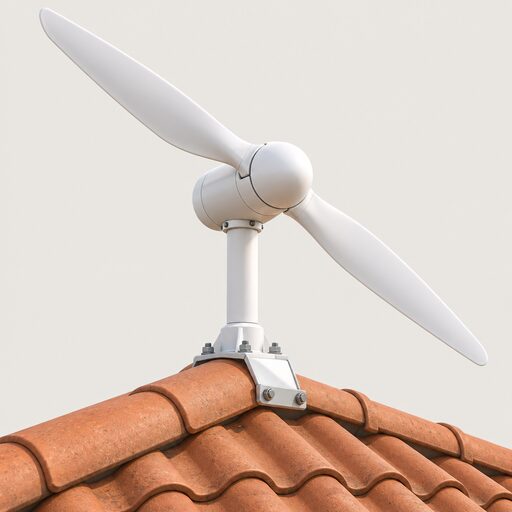 Building-Mounted Wind TurbinesWill a wind turbine on your roof actually make enough electricity to be worth it?
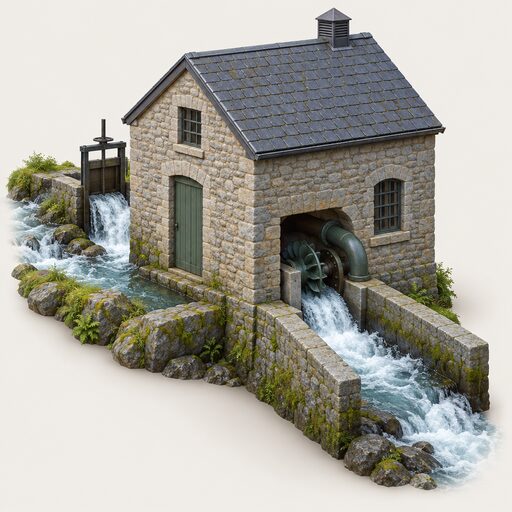 Micro Hydro Power for HomesA stream on your land that flows all year can make steady electricity, day and night, even when there is no sun or wind.
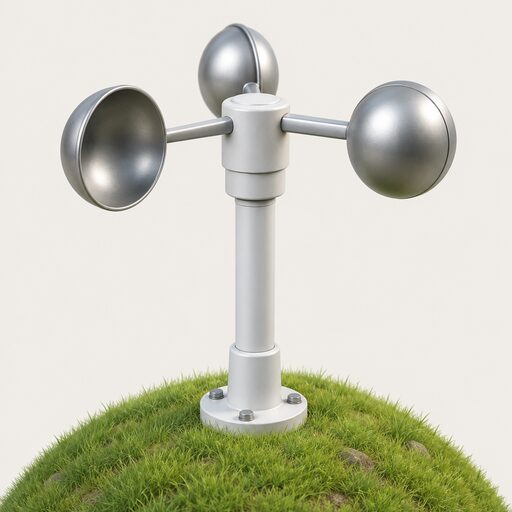 Wind Turbine Output and SizingHow much electricity a home wind turbine makes depends far more on your wind than on its size.
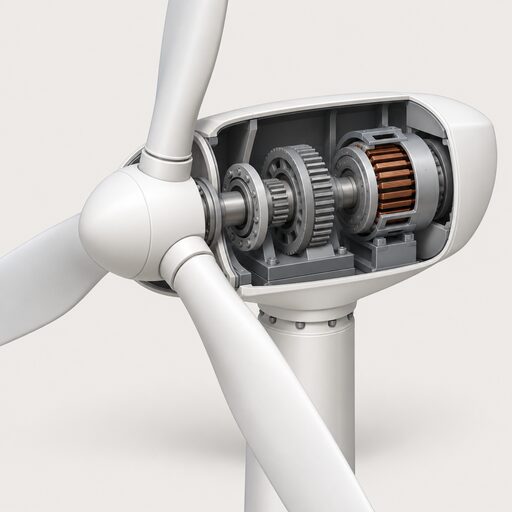 Domestic Wind TurbinesCan a wind turbine really power a home, and is your site windy enough?
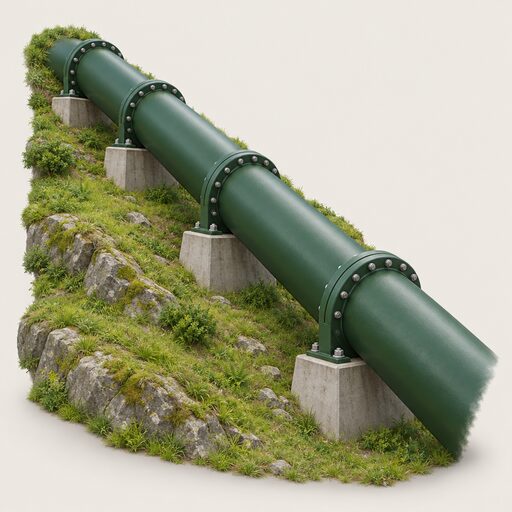 Micro Hydro CostHow much does a micro hydro scheme cost to build and run, and what makes one worth it?
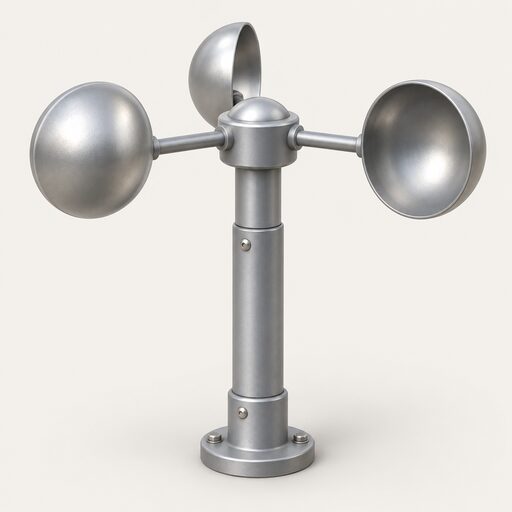 Turbine Siting and Wind SpeedIs my garden windy enough for a home wind turbine?