

In this answer
Short answer
For most owners of a listed building, the answer is yes: microgeneration needs listed building consent. Adding solar panels to the building or its curtilage requires consent1, and consent is required even where permitted development rights would otherwise apply2. The same applies to heat pumps: listed building consent is needed to install any type of heat pump at a listed property3, and an air source heat pump needs both planning permission and listed building consent4.
The reason is that listed building consent is not a general planning permission. It is consent for demolition of a listed building, or for alteration that would affect its character5, and it is required for all applications involving alteration, extension or demolition6. Microgeneration almost always alters the fabric or appearance of the building in some way, whether that is a mounting bracket on a roof slope, a flue through a wall, or a cylinder and pipe run inside.
The practical consequence is that permitted development rights, which allow many householders to install solar panels or a heat pump without a planning application, do not remove the listed building consent requirement. A householder with a listed property is therefore dealing with a discretionary heritage decision, not a set of automatic rights, and the outcome depends on the significance of the building and the visibility and reversibility of the works.
What listed building consent covers, and when microgeneration needs it
Listed building consent is a separate regime from planning permission. It exists to protect the special architectural or historic interest of a listed building, and it bites on works that would affect that interest. Some minor works require listed building consent when they affect the special character of a listed building8, and external works, including decorative alterations, require it8. Internal and external alterations, such as the removal of partition walls, fireplaces, and new flues and vents, are within scope1.
For microgeneration specifically, the position is settled in official guidance. Adding solar panels to the building or curtilage requires consent1, and listed building consent is always needed for solar panels on listed properties9. Consent is required to place solar panels on a listed building, including buildings within the curtilage of the listed building which pre-date July 19487. New roofing materials, or the addition of fabric or features to a roof such as solar panels, require consent10.
Heat pumps are treated the same way. Listed building consent is needed to install any type of heat pump at a listed property3, and both planning permission and listed building consent are needed for an air source heat pump on a listed building4. Ground source heat pumps are a partial exception on the planning side: installation within the curtilage of a house or block of flats does not require planning permission, but listed building consent may be required if the property is listed4.
The breadth of this matters for energy independence. A listed building can usually be made more efficient, but the household cannot assume it can act unilaterally. The consent process is the point at which the conservation interest and the energy interest are weighed against each other, and the outcome is a decision about that specific building rather than a right.
Permitted development rights and why they usually stop at listed buildings
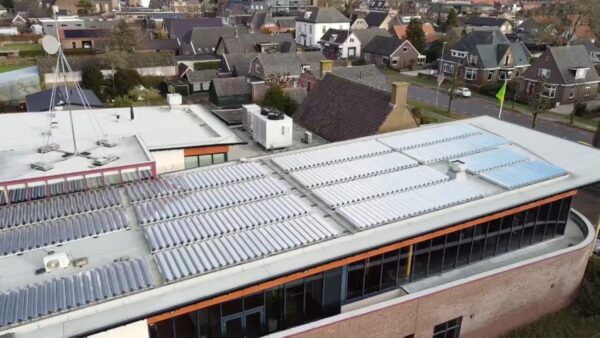
Permitted development rights are the national grants of planning permission that let many householders install microgeneration without an application. In England, Class A of Part 14 of Schedule 2 to the 2015 Order covers the installation, alteration or replacement of microgeneration solar PV or solar thermal equipment on a dwellinghouse or a block of flats, or a building within their curtilage11. Class G covers the installation, alteration or replacement of a microgeneration air source heat pump on a dwellinghouse or a block of flats, or within the curtilage, including on a building within that curtilage12. Class L covers microgeneration ground source heat pumps within the curtilage of a building other than a dwellinghouse or a block of flats13.
Those rights are subject to conditions, and one of the most important is the listed building condition. Whether permitted development applies depends on whether the property is a listed building14, and there are different requirements if the property is a listed building15. Permitted development is restricted for buildings in conservation areas and listed buildings16. In Wales, if the building is listed, even where permitted development rights are enjoyed, listed building consent will be required2. In Northern Ireland, the position is written into the legislation itself: development within the curtilage of a listed building is excluded unless listed building consent for the development has previously been granted17.
Scotland has its own householder permitted development regime, and the Scottish Government's guidance on householder permitted development rights sets out the classes and their limits5. The principle is the same across the four nations: permitted development can remove the need for a planning application, but it does not remove the need for listed building consent.
Which technologies raise the fewest concerns
There is no technology that escapes consent entirely on a listed building, but the level of concern varies with how much of the building is touched and how visible the change is.
Solar panels are the most visible intervention, because they sit on a roof slope or a wall. Consent is required for panels on the building or its curtilage1, and for the addition of fabric or features to a roof10. The design question a conservation officer will consider is whether the panels can be placed on a less prominent elevation, or on a detached outbuilding or a modern extension, rather than on the principal roof slope.
Heat pumps raise a different set of issues. An air source unit is an external box with a fan, and it needs both planning permission and listed building consent4. Noise is a factor in the permitted development rules for air source heat pumps, which require compliance with the Microgeneration Certification Scheme Planning Standards (MCS 020) in order to be permitted development, because air source heat pumps can be noisy4. On a listed building the unit's position, screening and distance from the building become part of the consent decision.
Ground source heat pumps have the smallest external footprint, since the visible elements are typically the ground loop or borehole head and the internal plant. Installation within the curtilage of a house or block of flats does not require planning permission, but listed building consent may be required if the property is listed4. Water source heat pumps are covered by their own permitted development class for installation, alteration or replacement within the curtilage of a dwellinghouse or a block of flats18.
Flues and internal works are often overlooked. Central heating or other flues, solar panels, air conditioning and heat recovery units and pipework may require listed building consent8. For a micro-combined heat and power system in a listed building or designated area, consent is also likely to be needed for internal alterations19. Drilling into walls for cabling or installing equipment, the visibility of cabling, adding external boxes or fixtures, and altering original materials or finishes are all matters that can bring a scheme into the consent regime20.

How to apply: heritage statements, consultees and what the conservation officer weighs
An application for listed building consent must be made to, and determined by, the local planning authority7. The application must include a site plan, location plan, design and access statement and heritage assessment6. The heritage assessment is the document that sets out the significance of the building and explains how the proposed works affect it, and it is the main opportunity to make the case for the scheme.
Some authorities offer pre-application advice. Brighton and Hove, for example, invites enquiries by email to its conservation team about whether listed building consent is required and any related matters21. An historic buildings advisor may assist with submitting an application8. For commercial premises, a design and access statement is required if the site is within a conservation area, and a listed building consent form is needed if installing on a listed commercial premises22.
The conservation officer will weigh the significance of the building against the harm the works would cause, and against the public benefit of the renewable installation. The factors that tend to matter are the visibility of the equipment from public viewpoints, whether the fixings are reversible, whether original fabric is penetrated or altered, and whether the equipment can be relocated to a less sensitive part of the site. The condition of the building and the quality of the heritage assessment also shape the decision.
"Adding renewable energy solutions like solar panels or air and ground source heat pumps might be acceptable but will require listed and or planning consent"
The eight-week determination period runs from validation, not from submission6, so an incomplete application can sit for weeks before the clock starts. A household that wants a decision before a heating system fails or a roof is replaced should allow time for pre-application discussion and for the heritage assessment to be prepared properly.
Working with the building: reversible fixings, non-visible locations and alternative locations
The most straightforward route through consent is a scheme that touches as little original fabric as possible and is not visible from public viewpoints. That usually means panels on a rear or side roof slope, or on a detached garage or outbuilding, rather than on the elevation that faces the street. It means heat pump units sited away from principal elevations and screened where the officer considers screening appropriate. It means cable routes that use existing voids and services rather than new surface runs.
Reversibility is a recurring theme. Fixings that can be removed without damaging the roof covering or the wall fabric are easier to justify than those that require permanent alteration. Repointing in different materials or a different pointing style requires listed building consent8, and new roofing materials require consent8, so a scheme that involves re-roofing or re-pointing alongside the installation brings additional consent questions. The insertion of roof lights requires consent8, which is relevant where a household is considering a loft conversion or a plant space at the same time.
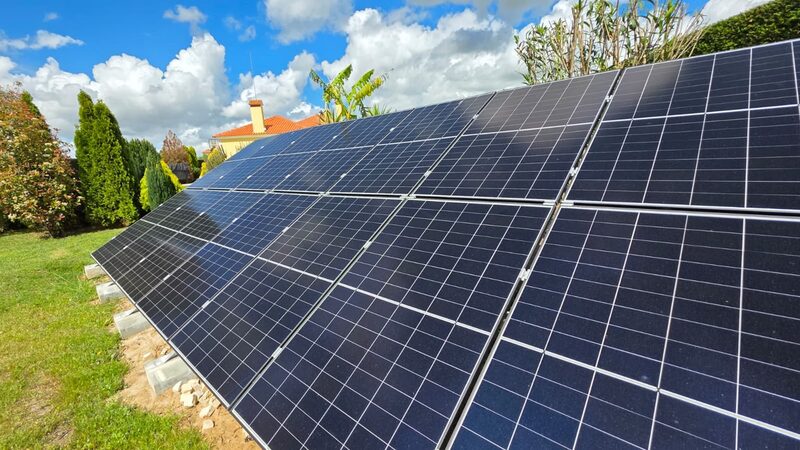
Alternative locations are worth exploring before an application is submitted. A ground-mounted array in a garden, a panel on a modern extension, or a heat pump on a detached outbuilding may all be less sensitive than the main house. Where a curtilage building is itself caught by the consent regime, because it pre-dates July 1948, the same considerations apply to it7.
Refusal, conditions and appeals

Consent can be granted with conditions, and conditions are the usual way a sensitive scheme is made acceptable. A condition might limit panels to a particular elevation, require a specific fixing method, require the equipment to be removed and the fabric made good when it is no longer in use, or require the position of a heat pump to be agreed before installation. Local listed building consent orders take this further: a local listed building consent order is a pro-active and blanket grant of listed building consent, so owners of specified listed buildings do not have to make individual applications and can proceed with the works provided they comply with any conditions attached to the Order23. Southwark consulted on a proposed local listed building consent order24, and Kensington and Chelsea consulted on a building consent order covering solar panels23.
If consent is refused, the household can appeal to the Secretary of State, and the appeal is decided on the same heritage grounds as the original application. Refusal does not prevent a revised application: a scheme that moves the equipment to a less visible location, changes the fixing method, or reduces the extent of the works may succeed where the first proposal did not.
Carrying out works without consent is an offence, and the consequences can be significant. Listed building consent can be applied for after work to a listed building has taken place6, so retrospective consent is possible, but it is not a substitute for getting consent first. Where a lawful development certificate is rejected and the changes have already taken place, the householder may be required to revert any alterations back to their original state or apply for retrospective planning permission25. If the building is listed, an application for listed building consent will be required before any major changes are made26.
There is also a knock-on effect at the point of sale or letting. Where relevant, listed building consent must exist for the redevelopment of a dwelling to be sold or rented out27, and the same condition applies to a building other than a dwelling28. A buyer's solicitor will ask for evidence that the works were consented, and an unconsented installation can hold up a transaction or reduce the price a buyer is willing to pay.
Sources28 cited
- When consent is required, Buckinghamshire Council
- Planning permission for boilers and heating, Welsh Government
- Planning guidance: heat pumps, Richmond upon Thames Borough Council
- Heat pumps, New Forest District Council
- Householder permitted development rights guidance, Scottish Government
- Listed building consent, Planning Portal
- Solar photovoltaics and planning in conservation areas, West Suffolk Council
- Getting consent for works to a listed building, North Northamptonshire Council
- Planning and solar, Frome Town Council
- Building consent order: solar panels, Royal Borough of Kensington and Chelsea
- Part 14, Class A: solar PV and solar thermal, legislation.gov.uk
- Part 14, Class G: air source heat pumps, legislation.gov.uk
- Part 14: renewable energy, legislation.gov.uk
- Find out if you need planning permission, Buckinghamshire Council
- Do I need planning permission, New Forest National Park Authority
- What is permitted development, Wandsworth Borough Council
- The Planning (Listed Buildings) Regulations (Northern Ireland) 2015, legislation.gov.uk
- ECO flexibility funding, Ceredigion County Council
- Planning permission: micro combined heat and power, Welsh Government
- Renewable energy: solar panels and heat pumps, Rother District Council
- Improving energy saving and sustainability in conservation areas and listed buildings, Brighton and Hove City Council
- Common queries about planning permission, Wiltshire Council
- Proposed local listed building consent order, Southwark Council
- Boiler Upgrade Scheme: installers, Ofgem
- Do you need planning permission to install an outside flue, Planning Portal
- Making alterations to a listed building, Bristol City Council
- Electric vehicle charging: planning permission, Planning Portal
- The Town and Country Planning (Control of Advertisements) (England) Regulations 2007, legislation.gov.uk
 Listed Buildings and AreasYour home is listed or sits in a conservation area, so do you need permission before adding solar panels, insulation or a heat pump?
 Permitted Development RightsDo you need planning permission for solar panels or a heat pump?
 Permitted Development by HomeCan you put up solar panels or a heat pump without asking the council?
 Building Regulations EnglandAdding a heat pump, solar panels or an extension usually needs building regulations approval, and it is separate from planning permission.
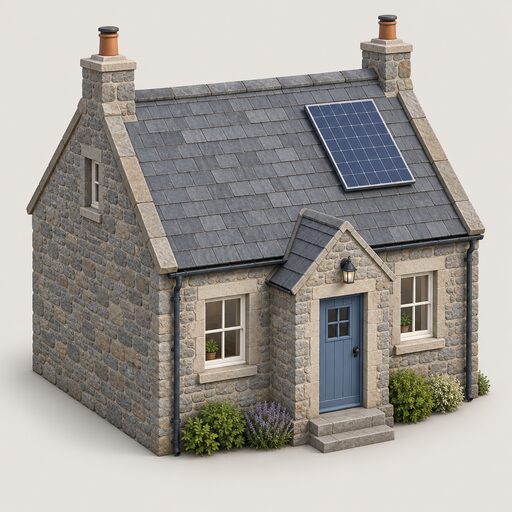 Planning Permission ScotlandMost solar panels on Scottish homes go ahead without planning permission, but flats, conservation areas and listed buildings change that.
 Home Energy Planning ScotlandDo you need planning permission for solar panels or a heat pump in Scotland?