

In this comparison
For a household on a mains gas connection, a modern condensing gas boiler is usually the cheapest way to heat a home, and an electric heater is not close on running cost. The Energy Saving Trust puts electricity at around four times the price of gas per kWh, and describes the price of electricity in Great Britain as typically three to five times more expensive per unit than gas1. Which? states plainly that replacing a gas boiler with an electric boiler on mains electricity at a standard tariff would more than double energy bills3.
The counter-intuitive part is that electric heaters are the more efficient appliance. An electric heater turns all the electricity it uses into heat, so nothing is lost up a flue, while a gas boiler loses some energy in combustion and exhaust4. Efficiency at the point of use does not decide the bill. The price of the fuel does, and the gap between the two fuels is wide enough to swamp the efficiency difference.
That gap has a name: the electricity to gas price ratio. It is the single number that decides whether electric heating is a close rival to gas or a distant one, and it is the thread running through every figure on this page.
What each option offers a UK household
A gas boiler burns mains gas to heat water that circulates through radiators or a cylinder. It needs a flue, a gas supply and an annual service, and it is the incumbent technology in most UK homes with a mains connection. The Energy Saving Trust's position is that if you have a mains gas connection, a modern condensing gas boiler is usually the cheapest to run compared with oil, electricity, LPG and house coal8. That is a statement about running cost, not about carbon or about futureproofing.
An electric heater takes a different route. It converts electricity directly into heat, either in a resistive element, a storage heater or an immersion heater. The Energy Saving Trust notes that electric heating is more efficient than using a boiler, because all the electricity is turned into heat, but that the higher cost of electricity more than offsets that advantage4. Direct electric heating therefore typically has high running costs, because standard rate electricity is more expensive than gas or oil4.
Between the two sits the electric boiler, which heats water for a wet central heating system using electricity rather than gas. Which? describes these as a similar size and price to gas boilers to buy, but much more expensive to run because of the higher price of electricity3. For a household already on mains gas, that is the central trade-off: a familiar appliance with a familiar bill, or a cleaner and simpler appliance with a much larger one.
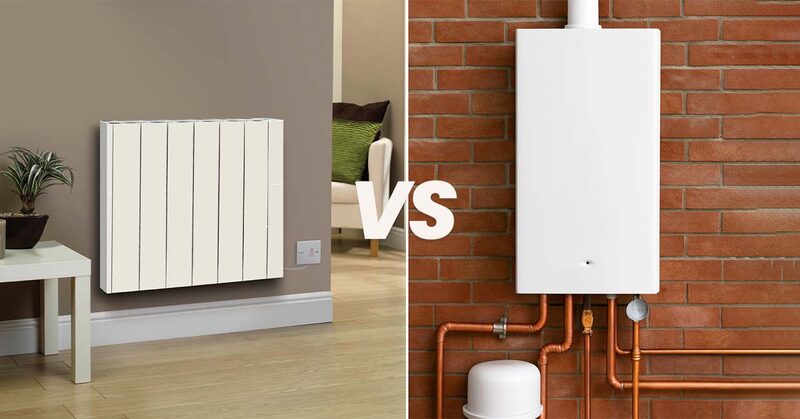
Specifications: efficiency, output and what the numbers mean
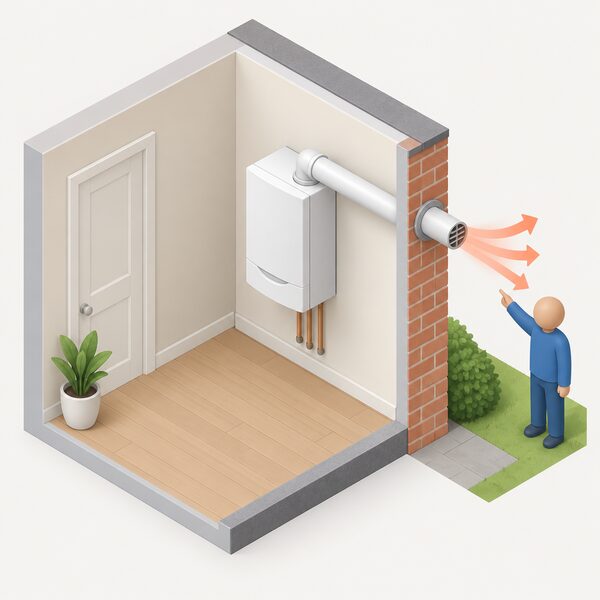
The efficiency figures favour electricity, and the cost figures favour gas. An electric heater is effectively 100% efficient at the point of use, because all the electricity becomes heat4. A gas boiler loses a share of its input up the flue, which is why the running cost comparisons are usually drawn against an 85% efficient gas boiler rather than a perfect one9.
The comparison that matters for a household is not efficiency but delivered heat per pound. The Northern Ireland building regulations discussion document gives an illustrative figure: the heat from a gas boiler will still only cost 4.5p/kWh of delivered heat10. That is a worked example rather than a market price, but it shows the shape of the calculation: gas delivers heat at a low cost per unit because the fuel itself is cheap per unit.
Electric heating has no flue, no combustion air requirement and no gas connection. It also has no annual service requirement, which the Energy Saving Trust notes as a genuine advantage: maintenance costs are minimal, and an annual boiler service is not needed, unlike with gas central heating4. Against that, gas boilers carry maintenance costs of £80 to £100 a year according to Nesta7, and £80 in a separate Nesta lifetime cost breakdown11. The servicing saving is real, but it is tens of pounds against a fuel bill difference measured in hundreds.
| Gas boiler | Direct electric heater | |
|---|---|---|
| Fuel | Mains gas | Electricity |
| Efficiency at point of use | Loses heat up the flue; comparisons use an 85% efficient boiler9 | All electricity becomes heat4 |
| Annual service | Required | Not required4 |
| Maintenance cost | £80 to £100 a year7 | Minimal4 |
| Flue and gas supply | Needed | Not needed |
| Running cost driver | Gas unit price | Electricity unit price, around four times gas1 |
The electricity to gas price ratio decides the answer
Everything on this page turns on one ratio. UKERC puts the breakeven point in the price difference ratio of electricity to gas at 3.4 to 1: where the ratio is greater than that, heat pumps become more expensive to run than gas boilers12. Nesta reported the ratio at around 3.8 in October 2022, describing it as crucial in comparing the costs of running a heat pump to a gas boiler13. The Energy Saving Trust gives a typical Great British range of three to five times more expensive per unit than gas2.
The ratio has moved around. Nesta reported a unit of electricity in the UK at around 4.1 times more expensive than gas in June 202414. The Scottish Government's draft Heat in Buildings Strategy put electricity prices at 4 to 5 times greater than gas in February 202115. The European Heat Pump Association states that to make heat pump running costs competitive, the cost of electricity should be at most twice the price of gas16. Nesta has suggested a cap at 2.5, with electricity costing 2.5 times more per unit than gas17.
Those thresholds are not the current position. They are the level at which the arithmetic would change. The Scottish Government's Expert Advisory Group found that in areas on the gas grid, fuel costs for gas boilers are cheaper than for heat pumps, despite the latter's much greater thermal efficiency18. That finding is about heat pumps, which are far more efficient than resistive electric heaters, and it still lands on gas as the cheaper fuel. A resistive heater, with no efficiency multiplier to offset the price gap, is further behind again.
"the breakeven point in the price difference ratio of electricity:gas is 3.4:1"
What it costs: running costs, purchase and servicing

The running cost figures are consistent across sources. Which? gives a gas boiler heating figure of £680 a year for a typical three-bed semi-detached house, space heating only5. The same source gives an electric wallpaper comparison, noting that because it runs on electricity, electric wallpaper will be more expensive to run than a gas boiler, and also more expensive to run than a heat pump5. Which? reports its top-scoring electric heater heats a room quickly for around 50p an hour6. That is a room, not a house, and an hour, not a year, but it shows the direction of travel for resistive heating.
Nesta's lifetime cost example for a gas boiler is £980 in total: £200 upfront, £80 maintenance and £700 running costs11. The Energy Saving Trust's heat pump comparison uses a gas boiler figure of £823 a year for the same amount of heat that a heat pump example would deliver9. The two annual figures, £680 and £823, come from different sources and different assumptions, and they disagree on the exact number; both point the same way.
Purchase cost is where electric heating can look attractive. Which? describes electric boilers as a similar size and price to gas boilers to buy3. Nesta puts a typical gas boiler installation at £2,000 to £4,00017. For a household with no gas connection, the comparison is not gas versus electric at all, but electric versus oil, LPG or solid fuel, and the Energy Saving Trust's ranking of a modern condensing gas boiler as cheapest to run applies only to homes with a mains gas connection8.
Warranty and service cover
Warranty length differs sharply between the two technologies. Which? reports that gas boiler warranties usually last several years, with some manufacturers offering warranties that last for 10 years or more, while electric boilers typically offer warranties for only two or three years6. A Glow-worm Energy regular boiler carries a 10 year standard warranty as an example of the longer end of the gas market19.
Cover is not always complete. Which? notes that most warranties cover the cost of parts, but some may not cover labour costs to carry out repairs, and some take a deposit for a call out that is returned only if the fault is covered6. Which? Recommended boiler brands cover the costs of both parts and labour for any repairs covered by their warranties, which is the standard to look for rather than the default6.
Where a boiler is installed or repaired under a government scheme, minimum warranty terms are set in legislation. The Electricity and Gas (Energy Company Obligation) Order 2018 requires that, in the case of a repair, the measure is accompanied by a warranty for at least two years20. The earlier scheme rules require that a heating qualifying action which is the repair of a qualifying boiler or a qualifying electric storage heater must be accompanied by a warranty for at least one year21. Those are floors set by regulation, not typical market terms.
Which? weights reliability at 40% and engineer score at 40% in its boiler brand scoring, so warranty length is only part of how a brand is judged22. For a household weighing gas against electric, the practical point is that the cheaper fuel also tends to come with the longer and more comprehensive cover, and the more expensive fuel with the shorter one.
Where electric heating wins, and where it does not
Electric heating has genuine advantages that the running cost figures do not capture. It needs no flue, no gas connection and no annual service, and maintenance costs are minimal4. It can be installed where a gas supply does not reach. It produces no combustion products in the home. For a single room used for short periods, a resistive heater can be a reasonable tool, and Which? found a top-scoring model that heats a room quickly for around 50p an hour6.
The limits are equally clear. Heating water using electricity is more expensive than using gas, according to Which?23. The Energy Saving Trust states that electricity is around four times more expensive than gas per unit4. The National Energy Action electric boiler assessment project, which studied 10 households, evaluated the cost of electric boilers against the previous heating system and against expected costs of using mains gas, and reported the comparatively high cost of heating properties with electric boilers24. That study dates from 2015, and the direction of its finding has not been reversed by later price movements.
For a household on mains gas, the arithmetic is not close. For a household off the gas grid, the comparison changes entirely, and the relevant rivals are oil, LPG and solid fuel rather than gas. The Climate Change Committee's June 2026 assessment states that since the start of the Iran war, households with gas boilers and petrol cars have seen energy bills rise almost four times more than those with heat pumps and electric vehicles25. That is a statement about exposure to fossil fuel price shocks, not about the current unit price of electricity against gas, and the two points sit alongside each other rather than cancelling out.

What it means for a household's energy independence
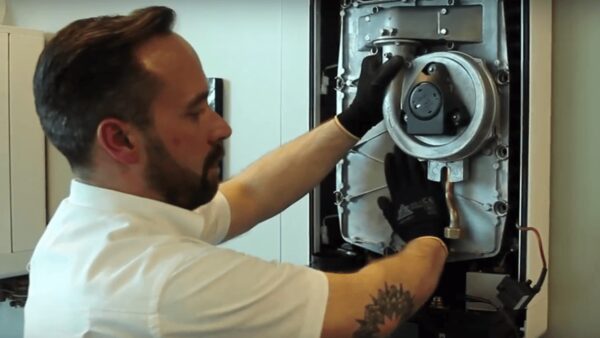
A gas boiler ties a household to the gas grid, to a supplier and to imported gas. An electric heater ties a household to the electricity grid and to a supplier, but not to a gas connection, and it can be fed by a home's own generation. That is the independence argument for electric heating, and it is real. It is also incomplete: without on-site generation or a tariff that shifts load to cheaper hours, an electric heater simply swaps one grid dependency for another, at a higher unit price.
The cost of that swap is the ratio. Nesta modelling found that with full rebalancing, running a heat pump would be around £420 a year cheaper than a boiler for a typical household using gas26. That is a modelled outcome under a changed price structure, not a current bill. The Energy Saving Trust notes that for a typical-sized home, a heat pump currently costs about the same to run as a gas boiler, with the unit price of electricity almost four times higher than gas27. A resistive electric heater has no efficiency multiplier to bring it to that parity.
The direction of policy is towards electrification. The Climate Change Committee's June 2026 assessment argues that faster electrification would cut UK household bills25. Nesta has set out a policy plan for decarbonising home heating that includes a recommended cap on the electricity to gas price ratio at 2.517. The European Heat Pump Association's threshold is electricity at most twice the price of gas16. Until those thresholds are reached, the running cost answer for a household on mains gas stays the same.
For a household weighing the decision, the honest summary is that a gas boiler is cheaper to run today, an electric heater is cheaper to install and simpler to maintain, and the gap between them is a policy variable rather than a physical constant. Households can track their own consumption through meter readings and compare tariffs through switching supplier, and the wider steps towards independence are set out in home energy independence.
Sources27 cited
- Boilers, Energy Saving Trust, 2026
- What the UK needs from the Warm Homes Plan (England), Energy Saving Trust, 2025
- Electric boilers: what you need to know, Which?, 2025
- Electric heating, Energy Saving Trust, 2026
- Electric wallpaper explained, Energy Saving Trust, 2026
- Common mistakes that can invalidate your boiler warranty, Which?, 2025
- How Heat Scotland's homes, Nesta, 2021
- The best heating for your home, Which?, 2025
- Heat pumps vs boilers, Which?, 2025
- Building regulations discussion document, Northern Ireland Department of Finance, 2023
- Seven reasons we still need heat pump subsidies, Nesta, 2025
- Benefits of heat pumps and the role of electricity and gas prices, UKERC, 2023
- How the costs of heat pumps compare to gas boilers since the energy crisis, Nesta, 2022
- How to make heat pumps more affordable, Nesta, 2024
- Draft Heat in Buildings Strategy, Scottish Government, 2021
- Heat pumps versus boilers: taxes and running costs, European Heat Pump Association, 2024
- A policy plan for decarbonising home heating, Nesta, 2023
- Heat Pump Sector Deal Expert Advisory Group final report, Scottish Government, 2021
- Glow-worm boilers review, Which?, 2025
- The Electricity and Gas (Energy Company Obligation) Order 2018, legislation.gov.uk, 2018
- The Electricity and Gas (Energy Company Obligation) Order 2014, legislation.gov.uk, 2014
- How we assess boilers, Which?, 2025
- Immersion heaters, Which?, 2026
- Electric boiler assessment project, National Energy Action, 2015
- Faster electrification would cut UK household bills, say climate advisers, Climate Change Committee, 2026
- Cheaper electricity, fairer bills, Nesta, 2024
- Domestic heating technology options, Nesta, 2025
 Heat Pump Running CostsWhat does a heat pump cost to run each year, and is it cheaper than a gas boiler?
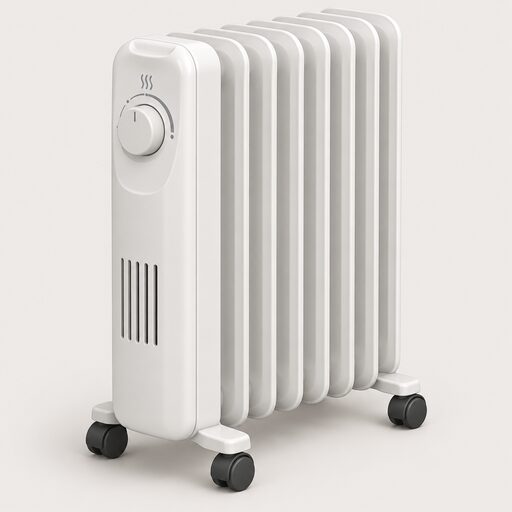 Electric Radiators and PanelsDo electric radiators cost more to run than gas heating, and are they worth it for one room or a whole house?
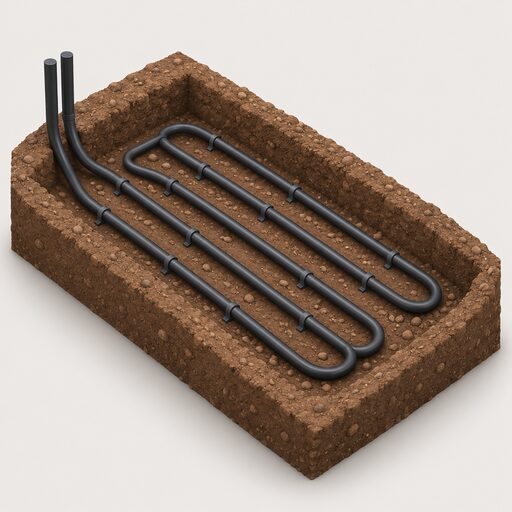 Heat Pumps vs BoilersWill a heat pump actually cost less to run than my boiler, and does it heat the house as well?
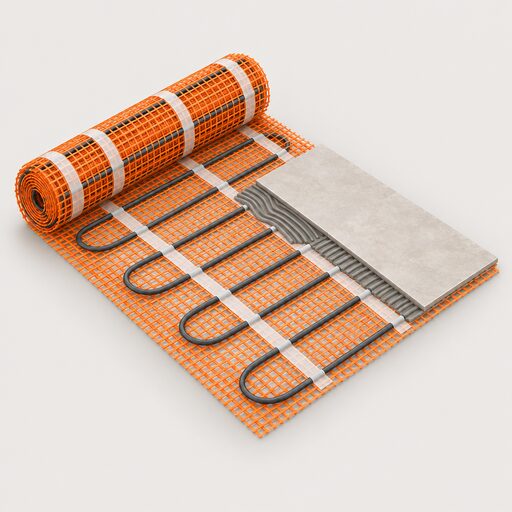 Underfloor Heating SystemsWhich rooms suit electric underfloor heating and which need a wet system?
 Heating Schedules and SetbackIs it cheaper to leave the heating on low all day, or set it to come on only when you need it?
 Domestic Fuel CellsA fuel cell boiler makes electricity and heat at the same time, usually from mains gas.