
In this answer
Short answer
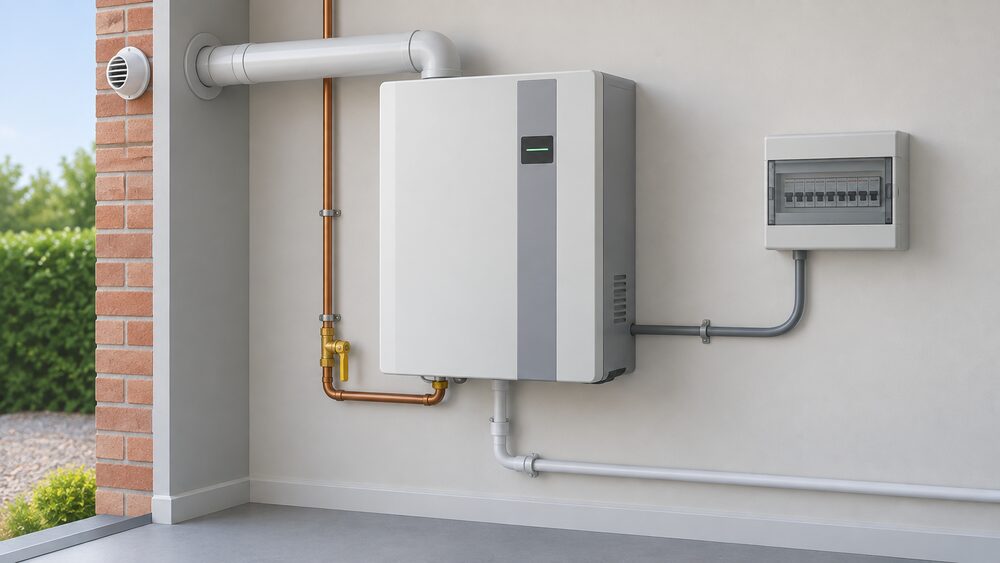
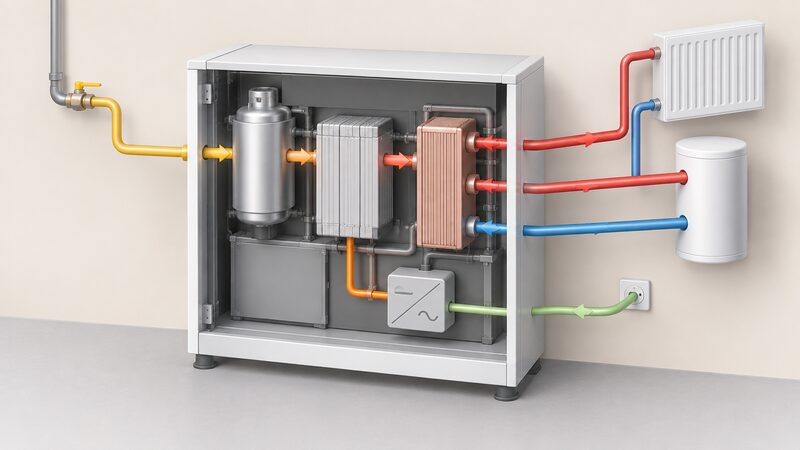
Yes. A domestic fuel cell heating system runs on mains natural gas, not on a bottled or piped hydrogen supply. The unit takes gas from the existing connection and reforms it internally into hydrogen, which the fuel cell then uses to generate electricity through chemical reactions rather than combustion1. Heat is a by-product of that reaction, so one appliance delivers both the electricity and the hot water a home needs.
That matters because it changes what a household is buying. A gas boiler converts fuel into heat and nothing else. A fuel cell micro-CHP unit converts the same gas into heat and electricity, which is why it sits in the microgeneration family rather than the boiler family. The trade-off is that the electrical output is small relative to a home's demand, and the unit still depends on the gas grid, a gas supplier and the reformer inside the box.
The case for the fuel is straightforward on carbon grounds. For each unit of energy or heat delivered, natural gas produces CO2 emissions half those of oil and a third of those produced by coal2. Oil, by contrast, has around double the carbon content and emissions of gas per unit of heat delivered2. A fuel cell running on gas therefore starts from a better position than an oil boiler, though it is still a fossil fuel appliance.
How a natural gas fuel cell produces heat and electricity
A fuel cell generates electricity through chemical reactions1. There is no flame and no reciprocating engine. Natural gas arrives from the mains, is processed to release hydrogen, and the electrochemical reaction between that hydrogen and oxygen produces a direct current, with heat released as a by-product. An inverter converts the current to mains-compatible alternating current, and the heat is captured for space heating and hot water.
This is what separates a fuel cell from the other micro-CHP technologies. Internal combustion engines are generally not suitable for use in the home, while fuel cells are more efficient than Stirling engines1. A Stirling engine unit is a small external combustion engine driving a generator; a fuel cell has no moving parts in its generating section, which is the source of both the efficiency advantage and the quiet operation.
The fuel itself is well understood. Gas fires and fixed gas heaters run on either natural gas, propane, or butane5, and the same fuel flexibility appears in hybrid arrangements: systems running on an electric heat pump along with natural gas, LPG, or oil are described as an effective interim solution6. A fuel cell is a different device from a heat pump, but it draws on the same mains gas infrastructure.
What a household needs to install one
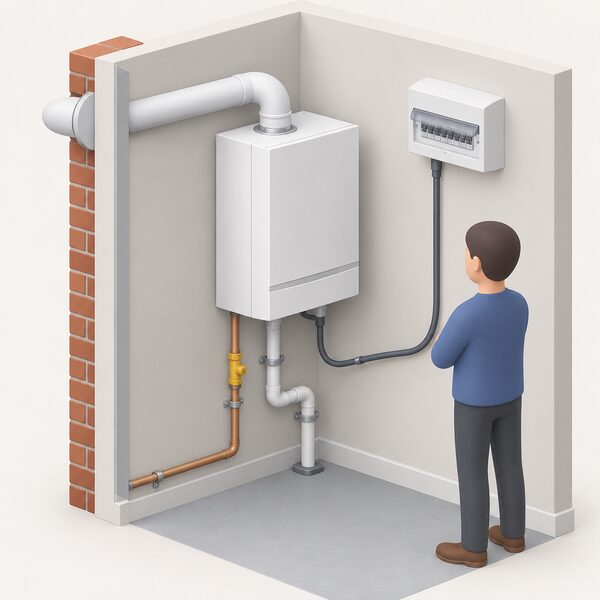
The physical requirements are modest compared with a heat pump conversion, because the unit replaces a boiler rather than a boiler plus an outdoor unit. It needs a mains gas connection, a flue or terminal arrangement appropriate to the appliance, a condensate route, and an electrical connection to the consumer unit. Building regulations apply when a fixed, flueless gas appliance is installed7.
Where the unit is grant funded, the VAT position is favourable. Heating equipment and the connection of gas supply attract a 5% rate to the extent they are grant funded by certain funders to people aged over 60 or who are in receipt of certain benefits, and that list explicitly includes the installation, repair and maintenance of a boiler, radiators, pipework and controls forming a central heating system, including micro combined heat and power systems8.
Support schemes that touch on gas heating are mostly aimed elsewhere. The Warm Home Discount (England and Wales) Regulations 2026 set a condition that a boiler or central heating system fuelled wholly or partly by mains gas must replace an existing mains gas system, with at least one resident aged 65 or over, under compulsory school age, or with significant health problems or a disability9. The Warm Homes: Social Housing Fund requires installation of a low carbon heating measure in each home, with energy efficiency measures such as solar PV or insulation also expected so that bills do not go up10.
Efficiency and running characteristics compared with a gas boiler
The comparison a household actually cares about is cost and carbon against the boiler already on the wall. On running cost, a modern condensing gas boiler on a mains gas connection is usually the cheapest to run compared to oil, electricity, LPG and house coal11. That is the benchmark any fuel cell has to beat, and it is a high one, because the boiler is doing only one job.
The fuel cell's advantage is that it displaces imported electricity as well as gas. Electric heat pumps are described as incredibly energy efficient, using about 3-4 times less energy than gas boilers to produce the same heat12, and a household could save as much as 50% and more on running costs with a heat pump compared to a gas boiler, though that requires high quality installation, high efficiency and a heat pump tariff13. Those figures describe heat pumps, not fuel cells, and they set the context: the electricity a fuel cell generates is worth more per unit than the heat it produces, because electricity is the more expensive and more carbon-intensive vector.
| Appliance | Fuel | Heat output | Electricity output | Servicing |
|---|---|---|---|---|
| Condensing gas boiler | Mains gas | Whole house | None | Annual4 |
| Fuel cell micro-CHP | Mains gas, reformed internally | Whole house | Yes, through chemical reaction1 | Annual4 |
| Stirling engine micro-CHP | Mains gas | Whole house | Yes, less efficient than fuel cell1 | Annual4 |
| Air source heat pump | Electricity | Whole house | None | Annual4 |
The carbon arithmetic follows the fuel. Gas emits half the CO2 of oil and a third of coal per unit of heat delivered2, and heating oil is less efficient than gas as a fuel and often costs more per unit of energy3. A fuel cell running on gas therefore beats an oil boiler on both counts, but it does not beat a heat pump running on a decarbonising grid, and it does not remove the household's dependence on fossil gas.
Where fuel cell heating fits in a move toward energy independence
A fuel cell moves a household part of the way. It generates its own electricity on site, which reduces the amount bought from a supplier and, if the unit is paired with a battery, can shift that generation to the hours when the home needs it. It also keeps the home warm through the existing radiator circuit, so no fabric upgrade is strictly required for the unit to function.
What it does not do is remove the dependence. The unit runs on mains gas, so the household remains connected to the gas grid and to a gas supplier. The reformer, the stack and the control electronics are proprietary parts from a single manufacturer, so servicing and replacement depend on that company continuing to support the model. And the electrical output is small next to the 15,700 kWh mean annual electricity consumption recorded for mains gas households in January to March 20263, against 3,200 kWh of mean annual gas consumption3.
The wider policy direction is worth weighing. Scotland's heat strategy targets at least 1 million homes currently using mains gas to be converted to low or zero-emissions heating by 203014. The Future Homes and Buildings Standards consultation response states that it will not be possible to demonstrate compliance with the FHBS if fossil fuel temporary systems are used15. A fuel cell on natural gas is a lower-carbon fossil appliance, not a zero-emissions one, and it should be read against that trajectory rather than outside it.
For off-gas homes the picture is different again. Heating oil is used to heat homes and buildings that aren't connected to the gas grid16, and government consultation has explored the use of renewable liquid fuels for oil heated buildings as well as decarbonising heating in off-gas grid homes and non-domestic buildings17. A new generation of renewable liquid fuels now in development may offer a straightforward route to future low carbon heating5. A fuel cell needs a gas connection, so it is not an off-grid solution.
Availability and support in the UK

There is no fuel cell specific grant in the material reviewed here. The Boiler Upgrade Scheme supports heat pumps and biomass boilers in England and Wales18, and the Croydon guidance confirms that a household may be eligible for a grant under the Boiler Upgrade Scheme if the home is energy efficient enough19. Neither route covers a gas fuel cell.
Support that does exist is indirect. Support is also available for installers and manufacturers to expand supply chains20, which is a manufacturing and installer measure rather than a household one. The 5% VAT rate on grant funded heating equipment explicitly names micro combined heat and power systems8, so a grant funded installation carries a lower VAT charge than a standard one. The Feed-in Tariff, which once paid for micro-CHP generation, is closed to new applicants, and the licensee contact list remains published for existing participants21.
Certification is the practical gate. MCS covers micro-CHP as a technology1, and the Domestic RHI metering guidance sets out how biomass systems that use electricity, gas or oil purely for ignition purposes can ignore the additional fuel input22, which shows the kind of metering question a dual-output appliance raises. Heat pump systems that combine a heat pump with a fossil fuel system such as a gas boiler within the same product will require metering23, and a fuel cell paired with a heat pump would fall into the same category of scrutiny.
For a household weighing this up, the honest summary is that a fuel cell heating system does run on natural gas, does generate electricity as well as heat, and does reduce the amount of power bought from a supplier. It does not remove the gas connection, the supplier relationship or the manufacturer dependency, and it is not currently supported by a dedicated UK grant. The related questions of how it compares with other micro-CHP technologies and with a heat pump are covered in fuel cell heating vs micro-CHP and micro-CHP vs an air source heat pump, and the wider technology family is set out in microgeneration.
Sources23 cited
- Micro-CHP, MCS Certified, 2026-08-17
- Heating fuel, Uswitch, 2026-01-27
- Fuel poverty scenario modelling based on Ofgem energy price caps, Scottish Government, 2026
- Carbon monoxide safety, OFTEC, 2026-09-17
- Energy efficient heaters, Uswitch, 2026-07-01
- HHIC guidance, HHIC, 2026-09-17
- Boilers and heating, Planning Portal, 2026
- VAT rates on different goods and services, GOV.UK, 2026-07-10
- The Warm Home Discount (England and Wales) Regulations 2026, legislation.gov.uk, 2026-03-27
- Warm Homes: Social Housing Fund wave 3 scheme guidance addendum, MHCLG, 2026-06
- Boilers, Energy Saving Trust, 2026-05-20
- What is the electricity to gas price ratio and why is it important?, Nesta, 2026-04-01
- An introduction to heat pumps, Which?, 2025-09-22
- Heat and Buildings Strategy strategic environmental assessment, Scottish Government, 2020-02
- Future Homes and Buildings Standards consultation response, MHCLG, 2026-03
- Research briefing on heating oil, House of Commons Library, 2026-09-20
- Government publishes consultation exploring alternative heating solutions for off-grid homes, UKIFDA, 2025-11-20
- Heating oil tanks, Which?, 2026-06-01
- Air and ground source heat pumps, Croydon Council, 2026-09-17
- Support for heat pump supply chains, Parliamentary Office of Science and Technology, 2026-09-19
- Feed-in Tariff licensee contact details, Ofgem, 2026-09-17
- Domestic RHI guide to metering, Ofgem, 2022-03
- RHI guidance, RECC, 2026-09-17
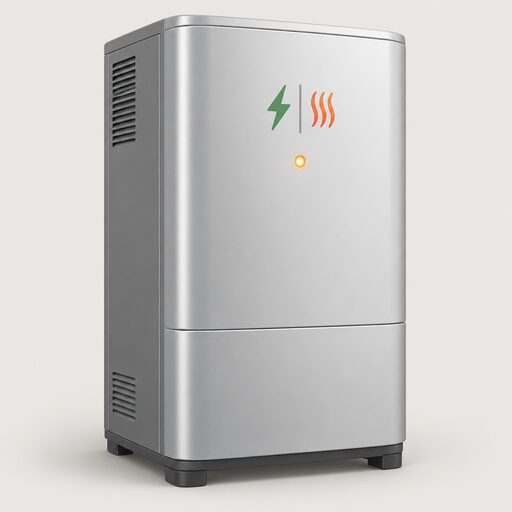 Domestic Fuel CellsA fuel cell boiler makes electricity and heat at the same time, usually from mains gas.
 Energy IndependenceA heat pump runs your heating on electricity instead of gas or oil, so how much does that really cut what you pay and how exposed you are when fuel prices jump?
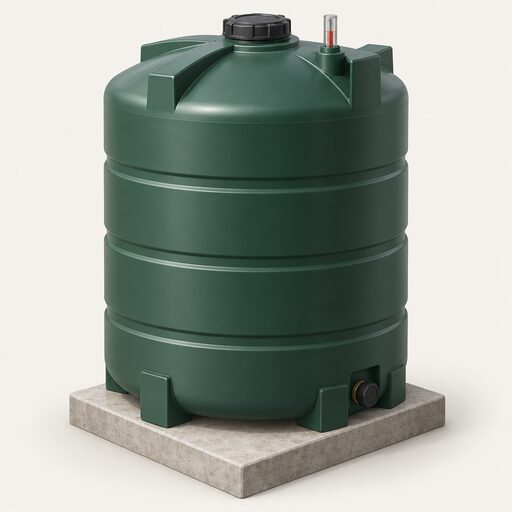 Living Off the Gas GridNo mains gas at your home?
 Fuel Cell Cars as Home PowerCan you really run your home from a hydrogen car?
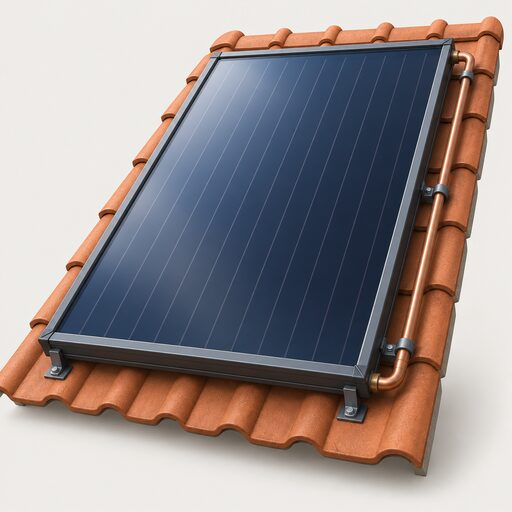 Heating and Energy IndependenceCan you heat your home without relying on gas or oil, and what would that take?
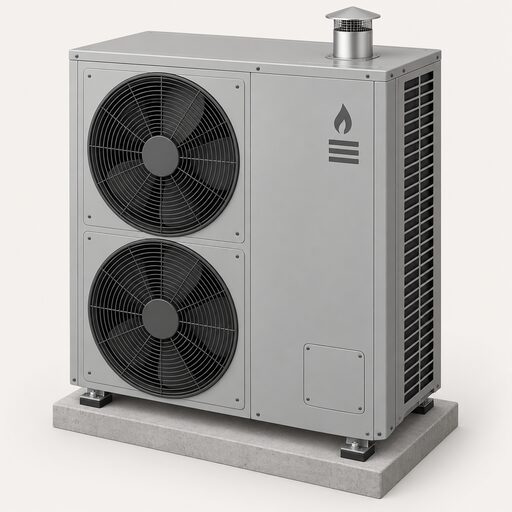 Gas Absorption Heat PumpsGas absorption heat pumps run on gas rather than electricity, so do they cut your bills and can they work in a normal UK home?