

In this comparison
Mains gas is the cheaper fuel to run a boiler on, and oil is the more expensive one. Independent guidance states plainly that an oil boiler usually costs hundreds of pounds a year more to run than its gas equivalent1. The same guidance notes that an oil-fired boiler is typically more expensive to buy than the gas equivalent, which is why oil-fired central heating is rare in areas that have a gas connection2.
The gap is not a matter of boiler quality. It comes from how the two fuels are priced. Mains gas unit rates are held down by the energy price cap, which sets the maximum amount suppliers can charge for each unit of gas and electricity and a maximum daily standing charge3. Heating oil is bought by the litre, delivered in bulk, and sits outside that mechanism entirely. For a rural home with no gas main, oil may still be the cheapest option available, but that is a statement about the alternatives, not about oil being cheap2.
Electric heating sits below both on running cost. Standard rate electricity is more expensive than gas or oil, so direct electric heating carries high running costs even though every unit of electricity is turned into heat4. A modern gas or oil boiler running at about 85% efficiency gives an actual heating cost of about 6.5p per kWh at July 2024 cap prices6.
Gas vs oil: the headline difference in running costs
The headline is a direction rather than a single number. An oil boiler usually costs hundreds of pounds a year more to run than its gas equivalent1. No annual figure for a typical oil-heated home appears in the published guidance, because oil is priced per litre and per delivery rather than per capped unit, and consumption varies with the tank, the boiler and the house.
What can be compared is the cost of delivered heat. A modern gas or oil boiler running at about 85% efficiency gives an actual heating cost of about 6.5p per kWh, based on July 2024 cap prices6. That figure is illustrative and applies to both fuels at that efficiency, which is why the divergence between them comes from the fuel price rather than the combustion process. Heating oil would need to cost about 55p per litre to give a running cost similar to gas, because oil contains roughly that much energy per litre6.
For context on what a gas boiler costs to run in a real house, independent guidance puts gas boiler heating at £680 a year for a typical three-bedroom semi-detached house, covering space heating only9. That is a single modelled case, not a national average, and it excludes hot water and any regional variation.
The comparison also carries a maintenance dimension. Servicing a gas boiler tends to be cheaper than an oil boiler service2, and an oil boiler service typically costs around £90 to £9510. Over a boiler's life those service costs accumulate on the oil side of the ledger.
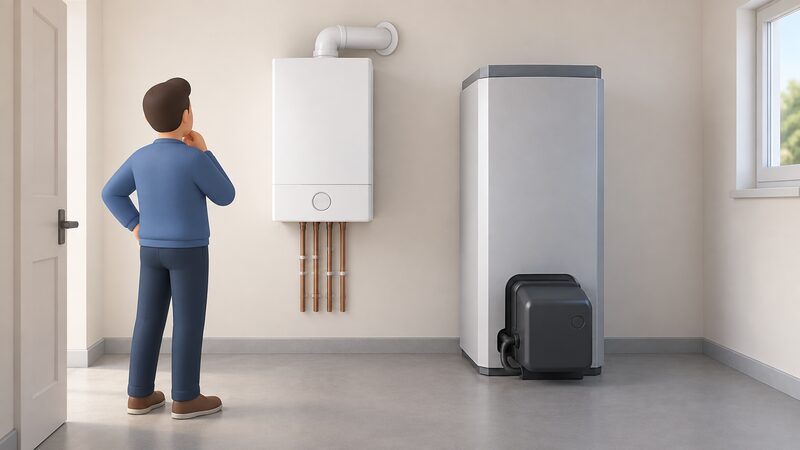
Why oil usually costs hundreds of pounds a year more to run
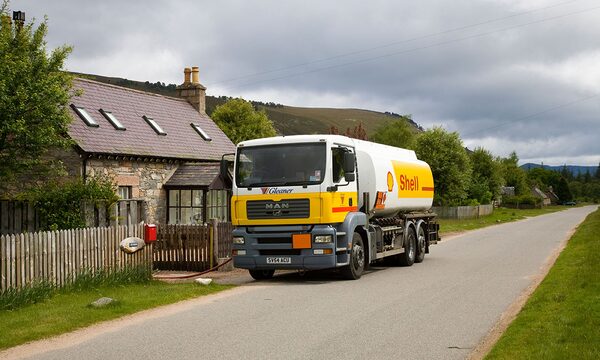
Three things drive the gap: the fuel price itself, the absence of a cap on oil, and the servicing and delivery overheads that come with a tank.
Heating oil is generally more expensive than gas, though it may be the cheapest option for rural homes without a gas supply2. That qualification matters. Off the gas grid, the realistic alternatives to oil are LPG, biomass, electric heating or a heat pump, and several of those carry higher running costs still. Biomass is the exception: it is typically cheaper than gas and oil, currently costing around £400 to £600 a year1.
Mains gas, by contrast, is priced under a regulated ceiling. The energy price cap sets the maximum amount that suppliers can charge for each unit of gas and electricity, and also caps the daily standing charge3. It is calculated on a three month basis11, and the average gas and electricity bill for households on standard variable tariffs is affected almost entirely by the level of the cap, which Ofgem sets according to wholesale market prices12. For the cap period from 1 October to 31 December 2025, the annual gas cap level for a Southern standard credit customer at 12,000 kWh was £910.07, with a nil consumption standing charge figure of £145.1413. Those are official figures for one region and one cap period, and they show the shape of the mechanism rather than a national average.
Oil has no equivalent. A household buying heating oil takes the wholesale and delivery price on the day it orders, and the only way to soften that is to buy when the tank is filled at a favourable point. That is a genuine independence advantage in one narrow sense, and a genuine cost disadvantage in another.
Gas combi boilers vs oil-fired boilers: what the comparison shows
The appliance comparison runs the same way as the fuel comparison. A gas combi is the cheaper unit to buy and the cheaper one to run.
| Gas combi | Oil combi | |
|---|---|---|
| Installed cost | £1,650 to £6,0001 | £2,025 to £2,825, average total cost £3,675 excluding VAT7 |
| Installation element | Included in the range above1 | £500 to £2,000 across all three oil boiler types7 |
| Running cost position | Baseline | Usually hundreds of pounds a year more than the gas equivalent1 |
| Servicing | Tends to be cheaper2 | Typically around £90 to £95 per service10 |
| Best fit | Smaller properties with staggered hot water demand1 | Homes with no mains gas connection2 |
The installation ranges are not directly comparable in scope. The gas combi figure of £1,650 to £6,000 is a broad band covering different property types and system changes1, while the oil combi figure of £2,025 to £2,825 is the appliance and its installation, with a separate £500 to £2,000 band for installation costs across all three types of oil boiler7. A heat-only oil boiler runs from £1,200 to £2,450, with an average total cost of £3,0757.
What the table shows is that the oil route costs more at the point of purchase and more each year thereafter. The one circumstance in which that reverses is a home with no gas main, where the comparison is not gas against oil but oil against the other off-grid options. Households weighing that choice can read more on heating a home off the gas grid and on oil boilers and heating oil.
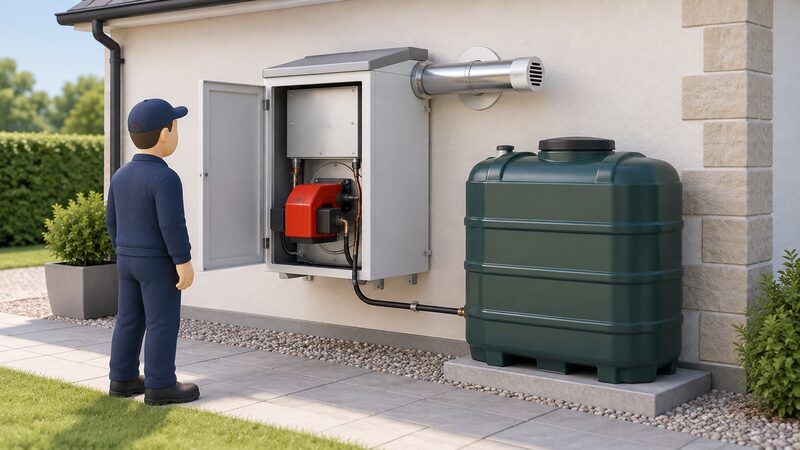
Electric boilers: where they sit against gas and oil
Electric boilers sit last on running cost, and the reason is the unit price of electricity rather than the efficiency of the appliance.
Electric heaters are more efficient than gas boilers, because all the electricity they use is turned into heat8. That advantage is real and it is not enough. Even though electric heating is more efficient than using a boiler, the higher cost of electricity more than offsets the efficiency gain5. Independent guidance puts the consequence at scale: electric heating could cost double the amount to keep warm compared with gas heating8. Standard rate electricity is more expensive than gas or oil, so direct electric heating typically has high running costs4.
The evidence base for electric boilers specifically is small but consistent. An assessment project studied 10 households and evaluated the cost of the boilers against both the previous heating system and the expected costs of using a system fuelled by mains gas, illustrating the comparatively high cost of heating properties with electric boilers14. That study dates from 2015, so the absolute figures have moved, but the direction of the finding has not been contradicted by anything newer.
Installation is not cheap either. Electric boilers cost £3,000 to £6,000 to install5. That headline figure sits against a wider picture in which electric boiler installation is typically cheaper than gas or oil, because there is no gas line to lay and no condensation or flue pipe to fit15, while the same technology carries a higher installation cost than electric radiators or electric heaters, and possibly higher running costs16.
The same logic applies to other direct electric products. Electric wallpaper is more expensive to run than a gas boiler, and also more expensive to run than a heat pump9. Households considering that route can read electric boilers explained and electric heating running costs.
Gas vs electric boilers at current energy rates
The comparison between gas and electric heating turns on a single ratio: the unit price of electricity relative to the unit price of gas.
That ratio is currently almost 4 times higher for electricity than for gas17. An earlier independent figure put it at around 3.816. The significance of the number is that it sets the point at which an electrically driven system becomes more expensive to run than a gas boiler. The breakeven point in the price difference ratio of electricity to gas is 3.4 to 1; where the ratio is greater than that, the use of heat pumps becomes more expensive than the use of gas boilers18. The current ratio sits above that threshold.
This is why heat pumps, which are far more efficient than a gas boiler at converting energy into heat, can still cost about the same to run as a gas boiler rather than less. For a typical-sized home, a heat pump currently costs about the same to run as a gas boiler, with the unit price of electricity the determining factor17. At current energy prices, running costs for heat pumps are around the same as for a new gas boiler19. On standard electricity tariffs, where electricity is nearly four times more expensive than gas, heat pumps can cost slightly more to run than new gas or oil boilers15.
The efficiency gap between the technologies is large. Gas boilers use approximately more than 3.5 times more energy to produce one unit of heat than a heat pump does20. That is the measure of how much the fuel price ratio has to do to cancel out a technology advantage, and it is why the ratio matters more than the appliance.
"Where the ratio is greater than this, the use of heat pumps becomes more expensive than the use of gas boilers"
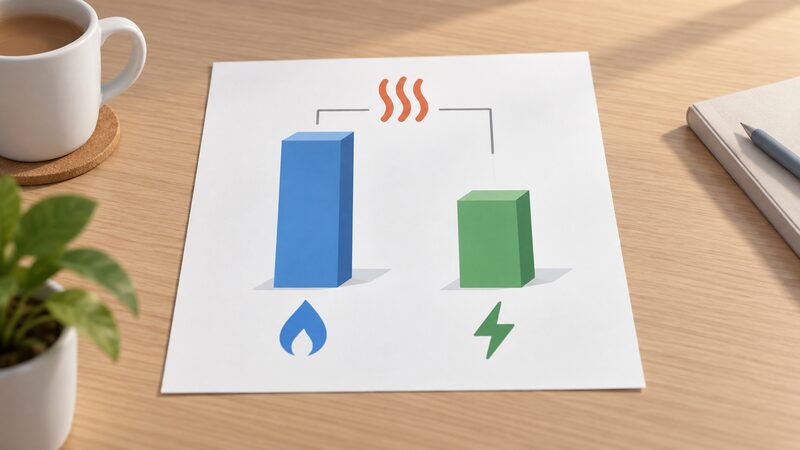
How the price cap shapes the comparison
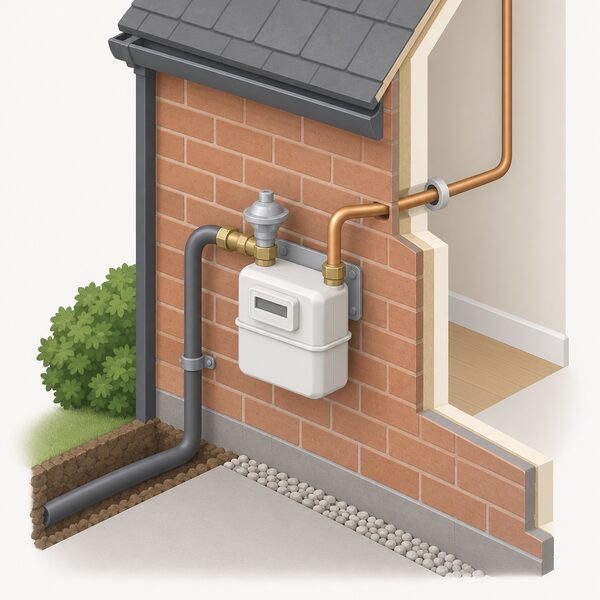
The price cap is the mechanism that keeps mains gas ahead, and it is worth understanding what it does and does not do.
It sets the maximum amount that suppliers can charge for each unit of gas and electricity, and a maximum daily standing charge3. It is calculated on a three month basis11. The average gas and electricity bill for households on standard variable tariffs is affected almost entirely by the level of the cap, which Ofgem sets according to wholesale market prices12. The cap therefore transmits wholesale gas prices to household bills with a short lag, and it applies to gas and electricity alike, which is why it does not narrow the gap between them.
The cap does not cover heating oil, LPG bought in bulk, or solid fuel. A household heating with oil is exposed to the delivered price of oil with no regulated ceiling, and the only lever available is when and how much it buys.
There is a further layer of cost that sits on gas bills rather than on the fuel price itself. Supplier obligations under the Energy Company Obligation scheme are capped: a supplier's non-core spending obligation must not in total exceed the supplier's obligation percentage of £800,00021. That is a scheme accounting rule rather than a household cost, but it illustrates that gas bills carry policy costs that oil bills do not.
For households comparing fuels, the practical point is that the gas side of the comparison is regulated and predictable in three month blocks, while the oil side is not. Households in Scotland can compare supplier offers through Home Energy Scotland's best deal service3, and the same principle of checking the unit rate rather than the headline applies across all four nations.
What the running-cost gap means for household energy independence
Running cost and energy independence pull in different directions here, and it is worth being precise about which is which.
Mains gas is the cheaper fuel, and it is also the one that leaves a household most dependent: on a gas main, on a supplier, on a wholesale market, and on imports. The price cap that holds gas unit rates down is set according to wholesale market prices12, so the household's exposure to that market is managed rather than removed. The Climate Change Committee has reported that since the start of the Iran war, households with gas boilers and petrol cars have seen energy bills rise almost four times more than those with heat pumps and electric vehicles22. That is a statement about exposure, not about running cost in a stable market.
Oil offers a different kind of independence. A household with a tank can buy in bulk, hold a store of fuel, and is not connected to a mains network. What it does not get is a regulated price, and it pays for that independence with a running cost that is usually hundreds of pounds a year higher than gas1.
Electric heating offers the greatest independence from a fuel supply chain, since electricity can be generated on site, but it carries the highest running cost of the three on a standard tariff4. The evidence on household experience is mixed. Households that replaced a working gas or oil boiler with a heat pump were more likely to report an increase in bills or lower satisfaction than their previous system23. Against that, a heat pump can cost less to run than a gas boiler on a heat pump time-of-use tariff15, and independent research has found that by switching to such a tariff, running costs can be reduced significantly15.
The honest summary is that no fuel wins on both counts. Gas is cheapest to run and most dependent. Oil is dearer to run and less dependent on a network, though still dependent on a delivery chain and a tank. Direct electric heating is the most expensive to run and the most flexible in where the energy comes from. Households weighing the wider picture can read home heating and energy independence and home heating running costs by fuel.
Sources23 cited
- Different boiler types, Uswitch, 2026-09-18
- Heating fuel guide, Uswitch, 2026-01-27
- Best deal energy, Home Energy Scotland, 2026-09-20
- Electric heating advice, Centre for Sustainable Energy, 2026-07-01
- Electric heating, Energy Saving Trust, 2026-07-01
- Heat pumps information service, CAT, 2024-07
- Boiler statistics, Uswitch, 2024-01-04
- Electric central heating, Which?, 2024-10
- Electric wallpaper explained, Energy Saving Trust, 2026-03-26
- How much does a boiler service cost, Uswitch, 2026-09-03
- Affording warm homes, Green Alliance, 2025-09
- Average gas and electricity bills in the UK, Uswitch, 2026-08-26
- Energy price cap levels 1 October to 31 December 2025, Ofgem, 2025
- Electric boiler assessment project, National Energy Action, 2015-06-18
- Air source heat pumps, Energy Saving Trust, 2026-07-16
- How the costs of heat pumps compare to gas boilers since the energy crisis, Nesta, 2022-10-25
- Domestic heating technology options, Nesta, 2025-02-03
- Benefits of heat pumps and the role of electricity and gas prices, UKERC, 2023-03-29
- Heat pump fact check, Energy Saving Trust, 2026-07-01
- How to make heat pumps more affordable: assumptions and methods, Nesta, 2024-06-13
- Domestic hybrid heat pumps, GOV.UK, 2016-11
- Faster electrification would cut UK household bills, Climate Change Committee, 2026-06-24
- Heat pump transition report, GOV.UK, 2026-05
 Heat Pump Running CostsWhat does a heat pump cost to run each year, and is it cheaper than a gas boiler?
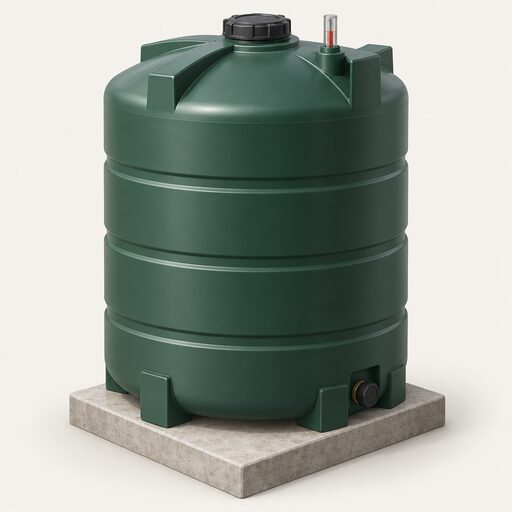 Living Off the Gas GridNo mains gas at your home?
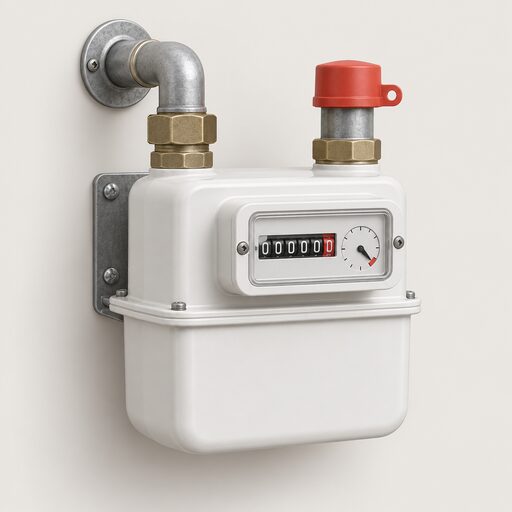 Replacing a Gas or Oil BoilerSwapping a gas, oil or LPG boiler for a heat pump changes how your home is heated and how much it costs.
 Heat Pumps vs BoilersWill a heat pump actually cost less to run than my boiler, and does it heat the house as well?
 Heating Schedules and SetbackIs it cheaper to leave the heating on low all day, or set it to come on only when you need it?
 Gas Boilers GuideMains gas boilers heat around 23 million UK homes.