
In this comparison
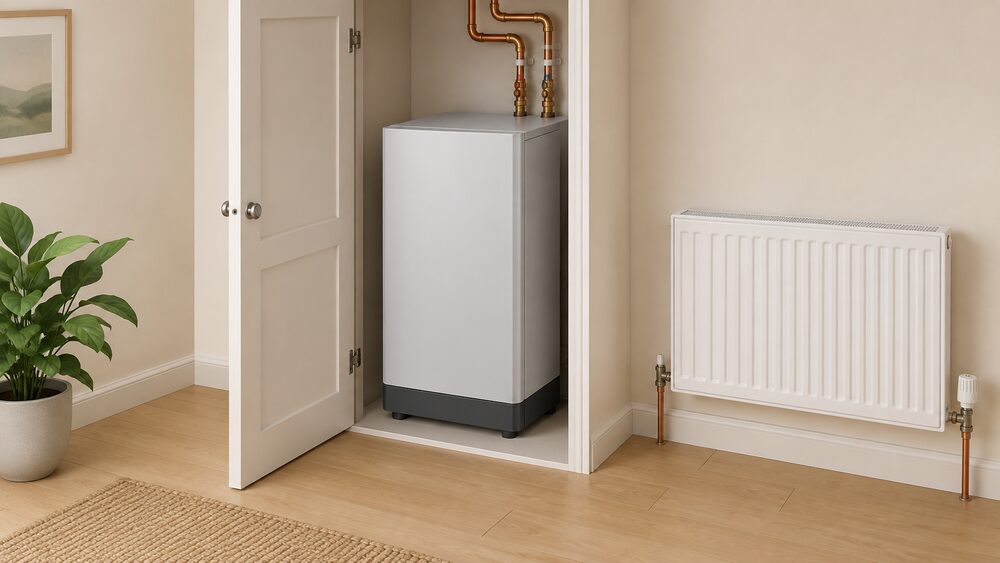
The tepeo Zero Emission Boiler is not a heat pump and not a standard electric boiler. It is a heat battery boiler: a unit that uses electricity to heat a high-density ceramic core, stores that energy as heat, and releases it into a wet central heating system through the radiators or underfloor heating already in the home1. It burns no gas, oil or LPG in the house, and it needs no outdoor unit, so it fits indoors where a heat pump often will not2.
Against a gas boiler the core difference is at the point of use. A heat battery boiler is powered by electricity and produces no carbon emissions at the point of use, and tepeo states it is 100% efficient at converting electricity into heat1. A gas boiler burns fuel in the home, so its emissions happen at the appliance. What the ZEB does not escape is the grid: its indirect carbon impact depends on the electricity used to charge it, and its running costs depend on the tariff it charges on4.
The practical trade is a different one from a like-for-like swap. The ZEB replaces the central heating side of a conventional boiler system, so a household coming from a combi also needs a separate hot water solution, typically a cylinder1. tepeo states the ZEB has a retail price of £6,000, with a £2,500 Early Grant Match reducing the product price to £3,500 for eligible customers5. It is not currently supported by the Boiler Upgrade Scheme4.
What the ZEB is and how it differs from a gas boiler
A gas boiler makes heat at the moment it is needed, drawing on a gas supply that arrives through a pipe. The ZEB separates the moment of buying energy from the moment of using it. It charges using electricity, stores that energy as heat, and releases it through the home's wet central heating system9. tepeo describes it as a low carbon boiler that stores energy as heat for later, rather than relying on electricity only at the moment of heating10.
That distinction shapes everything else. Because the heat is held in a ceramic core, the unit can charge when electricity is cheap or relatively clean and discharge when the house is cold, which is what makes a time-of-use tariff the natural companion rather than an optional extra11. It also means the appliance is a heat-only boiler: it works with a wet central heating system and a hot-water cylinder rather than producing instantaneous hot water1. A household with a combi therefore keeps its radiators but loses its on-demand hot water arrangement, and the installer recommends a suitable cylinder4.
The unit is installed inside the home and requires no outdoor unit, which tepeo presents as one of the biggest advantages of the format3. In a converted flat or a property where a heat pump will not fit, that is the difference between an option existing and not existing12. tepeo describes the ZEB as a simple, low carbon, plug 'n' play boiler replacement, and states that the format eliminates the emission of particulates and other pollutants from domestic boilers13.
What remains dependent is the electricity supply. The ZEB removes gas from the home but not the grid, the supplier or the tariff. A household that wants genuine independence from a supplier needs generation and storage of its own, and the ZEB's relationship with those is partial, as the solar section below sets out.
Zero emissions at the point of use: the core difference

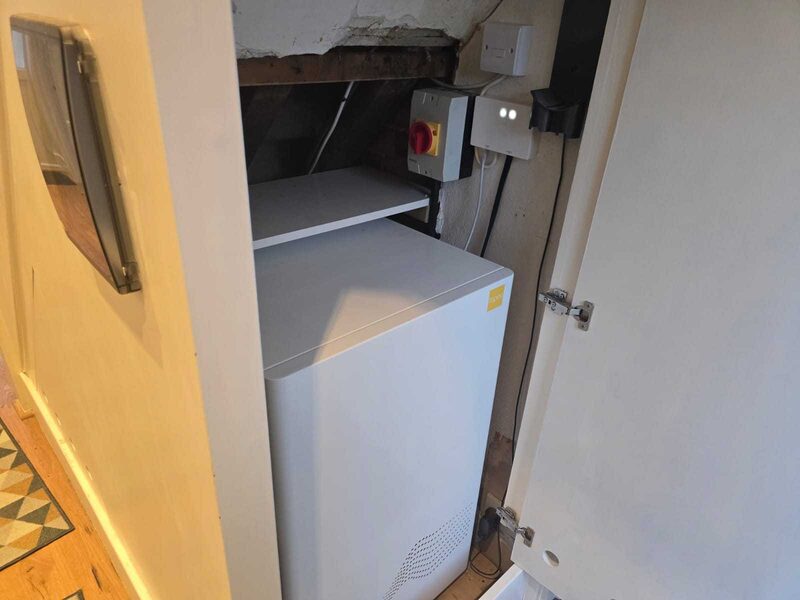
The emissions claim is narrow and worth stating precisely. A heat battery boiler is powered by electricity and produces no carbon emissions at the point of use, because it does not burn gas, oil or LPG in the home1. That is a statement about the appliance and the flue, not about the electricity. The indirect carbon impact depends on how the charging electricity was generated, which is why the charging window matters as much as the appliance4.
Two further claims sit alongside it. tepeo states that a heat battery boiler like the ZEB is 100% efficient at converting electricity into heat, which is the ordinary physics of resistive heating rather than a performance figure comparable with a heat pump's coefficient of performance3. And the format eliminates the emission of particulates and other pollutants from domestic boilers, which is a local air quality point rather than a carbon one13.
The revamped design has been through daily testing and power cycling, and tepeo states it exceeded all of the company's performance KPIs and stores over 40kWh of usable heat7. That storage figure is the one that determines how long the unit can run the heating between charges, and it is the number to weigh against a gas boiler's unlimited supply at the meter.
For a household's independence, the point-of-use claim is real but bounded. No gas is burned in the home, no flue is needed, and no carbon monoxide risk arises from combustion in the property. The carbon outcome still depends on the grid mix at the hour the unit charges, and the cost outcome still depends on the tariff. The appliance changes where emissions happen, not whether they happen.
Running costs: comparable to gas, but how it gets there
tepeo states the ZEB delivers comparable running costs to gas boilers14. The company is equally clear about the limit: there is no guarantee that the ZEB will reduce bills, because heating costs depend on the property, tariff, energy use, weather and household behaviour15. Both statements come from the maker, and the second qualifies the first.
The independent picture on gas is that a modern condensing gas boiler is usually the cheapest to run compared with oil, electricity, LPG and house coal in a home with a mains gas connection16. An oil boiler usually costs hundreds of pounds a year more to run than its gas equivalent17. On electric heating generally, gas fires and fixed gas heaters are cheaper to run than electric heaters18.
The mechanism by which a heat battery closes that gap is timing rather than efficiency. The ZEB is designed to work with smart, flexible electricity tariffs offering cheaper off-peak electricity, and a suitable time-of-use tariff can make a significant difference to running costs because more charging can take place during lower-cost periods19. The unit's smart charging works out when and how much to charge based on heating needs, local weather and the electricity tariff1.
The wider evidence on electric heating is mixed, and the disagreement is worth setting out rather than smoothing over.
| Source | Position on electric versus gas running costs |
|---|---|
| Government guidance | Running costs for heat pumps are typically lower than traditional gas boilers, but a poorly designed or installed system will not deliver20 |
| Citizens Advice | Typically more expensive to run a heat pump than a gas boiler, due to the relative price difference between electricity and gas21 |
| Energy Saving Trust | Heat pump running costs around the same as a new gas boiler at current energy prices22 |
A heat battery is not a heat pump, but it charges on the same electricity and faces the same price gap, which is why the tariff does the work.
Installation: working with existing radiators and pipework
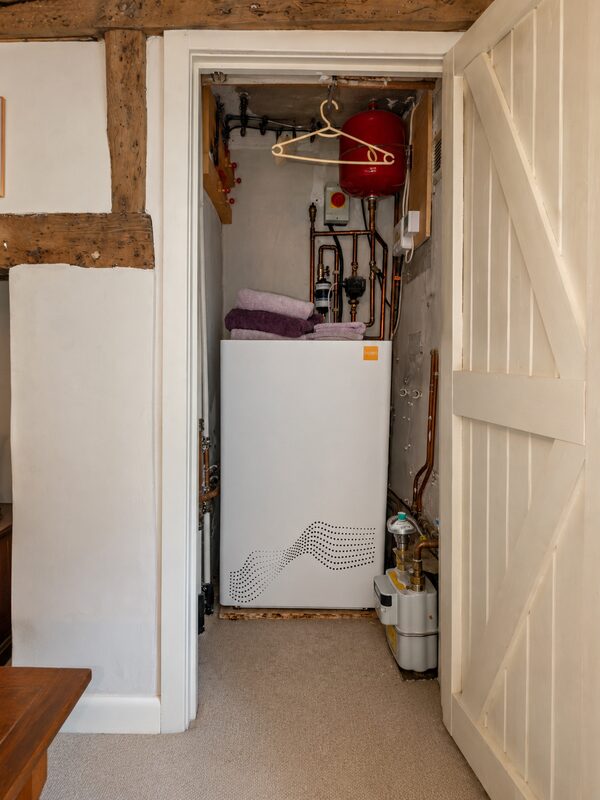
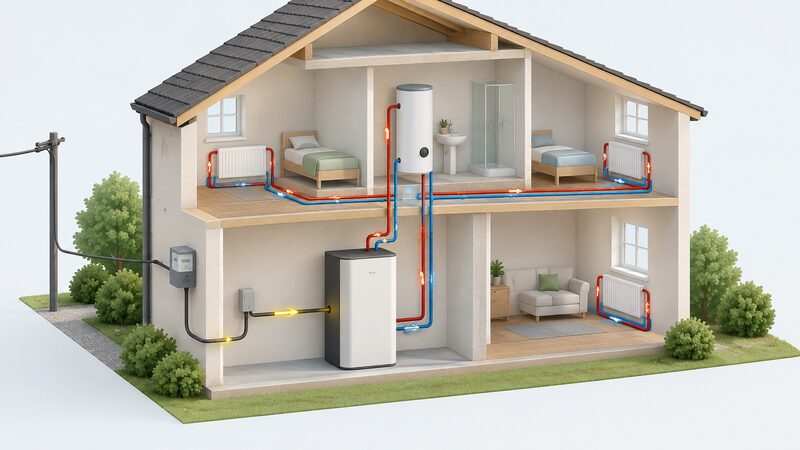
The ZEB is designed to replace the central heating side of a conventional boiler system while working with the radiators and existing pipework installed in many UK homes2. In a suitable home, the existing radiators and much of the existing pipework can often remain in place2. The unit is engineered to connect directly to the existing flow and return pipework of a standard gas boiler14.
That is the practical appeal against a heat pump, which typically brings a cylinder, an outdoor unit and often radiator changes. The ZEB slots into the footprint of the previous system, and in one Berkshire installation it went into the same cupboard as the previous gas boiler12. It fits indoors with no outdoor unit19.
The condition attached is that the existing radiators still need to be suitable for the amount of heat the property requires, and this should be checked before installation1. The home's heat demand, radiators and pipework are part of the assessment, not an afterthought1. The ZEB can work with existing radiators and heating controls in homes with standard radiators or wet underfloor heating, and radiators or underfloor heating are a stated eligibility requirement11.
The assessment covers the property's heat demand, existing radiators and pipework, available indoor space, the electrical setup, domestic hot water requirements and any additional installation work1. A home survey then assesses the existing boiler and central heating system, pipework and radiators, electrical requirements, hot water arrangements, possible locations for the ZEB, and access and installation logistics, before providing a full quote15.
For independence, the installation story is about what stays. The radiators, the pipework and the cupboard remain; the gas connection becomes redundant for heating. What the household takes on instead is an electrical load, a charging schedule and a dependence on the tariff and the supplier behind it.
Suitability: the home check decides, not the technology
tepeo states that the ZEB will not be right for every home, and that the process begins with checks rather than assumptions15. The initial home check asks about the property, the current heating system and energy use to establish whether the ZEB could be suitable before a survey or installation15. The company's own framing is that it always starts with a home check to make sure the ZEB matches needs, layout and lifestyle12.
The stated eligibility is specific:
- Wet central heating, meaning radiators or underfloor heating10
- Space for the unit indoors10
- Heat demand within the ZEB's suitable range, given as whole-home heat loss of 5kW or less8
- A smart meter with a time-of-use tariff10
The route in is a 30 second property check, followed by a Digital Home Assessment using photos and videos, then a quote for the ZEB plus installation10. Where the home does not fit, the household keeps its existing heating and the comparison moves to other options, which is where a heat pump comparison or a modern gas boiler becomes the relevant reading.
The suitability ceiling is the honest limit of the page. A heat battery sized for a whole-home heat loss of 5kW or less will not serve a large, poorly insulated property without other work, and the assessment exists because the technology cannot be sold on specification alone. For a flat, a converted apartment or a home where an outdoor unit is impossible, the format's indoor installation is the reason it appears on the list at all12.
Cost and grants: the £2,500 early grant match and finance options
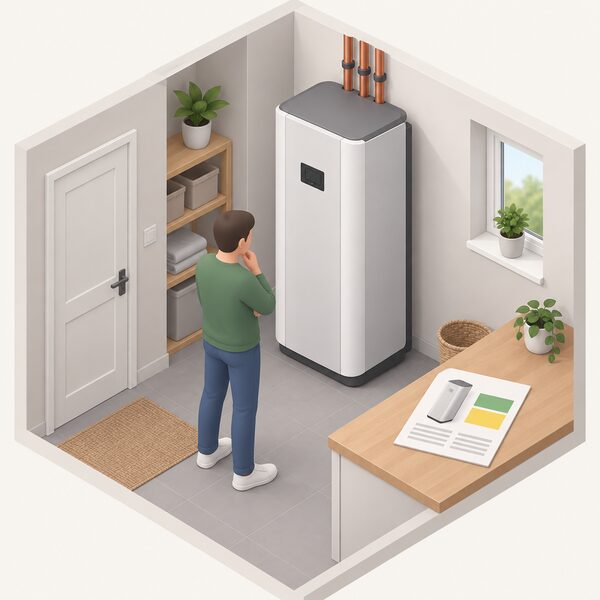
The ZEB has a retail price of £6,0005. tepeo is currently offering eligible homeowners a £2,500 Early Grant Match, which reduces the price of the heat battery boiler, bringing the product price to £3,5006. The company describes the offer as bringing forward the support soon to be available through the government's Boiler Upgrade Scheme10. The Early Grant Match is available only until December 20269.
The scheme it anticipates does not yet cover the technology. tepeo states the ZEB is not currently supported by the Boiler Upgrade Scheme, and that heat batteries are expected to be included from winter 2026 with a £2,500 grant once standards and scheme rules are in place4. The Boiler Upgrade Scheme as it stands provides upfront capital grants to support the installation of heat pumps and biomass boilers in homes and non-domestic buildings23. Eligible technologies listed by Ofgem include biomass boilers25. Applicants must be replacing fossil fuel heating systems such as oil, gas, electric or LPG26.
On finance, tepeo states that finance options may be available for eligible customers who would prefer not to pay the full product and installation price upfront6. No rate, term or provider is published, so the cost of borrowing is quoted case by case rather than stated here. Installation is quoted alongside the product, and the assessment process exists to produce that figure10.
For a household's independence, the grant position is the awkward part. The ZEB's economics currently rest on a maker's own £2,500 offer with a December 2026 end date, not on a statutory scheme. A buyer is relying on a company's commercial decision to bridge the gap until the rules change.
Solar integration and charging flexibility
The ZEB's charging behaviour is its main system-level feature. It uses smart charging technology to communicate with the energy provider and automatically draws electricity during the tariff's cheapest overnight window, storing it as heat in its thermal core22. It can charge ahead of time, storing energy as heat and releasing it later11. tepeo states the unit charges when electricity is cheaper and/or cleaner, using built-in smart controls, and optimises charging daily8.
On solar, the position is partial and tepeo is explicit about it. Because the ZEB will use any available power in the home first when it goes into a charge cycle, it can naturally use generation from a home storage battery or daytime solar if that matches the charging schedule22. But solar optimisation is currently under development, and there is no dedicated feature to charge only from excess solar at present4. A 2023 announcement stated that from Spring 2023 the ZEB would be able to charge on excess solar electricity from a home's solar PV13.
The unit also works with Octopus Energy14. Its smart charging works out when and how much to charge based on heating needs, local weather and the electricity tariff1. The company presents the heat battery and an electric car as a pairing for maximising an off-peak tariff, since both can absorb cheap overnight electricity22.
The independence this delivers is real but conditional. A household with solar and a home battery can have the ZEB absorb surplus generation when the schedule allows, which reduces what it buys from the grid. Without those, the ZEB is a flexible load that shifts when it buys power, not a source of power. It reduces dependence on the evening peak and on gas, and leaves dependence on the supplier, the tariff and the grid intact.
tepeo the company: B Corp status, funding and UK support
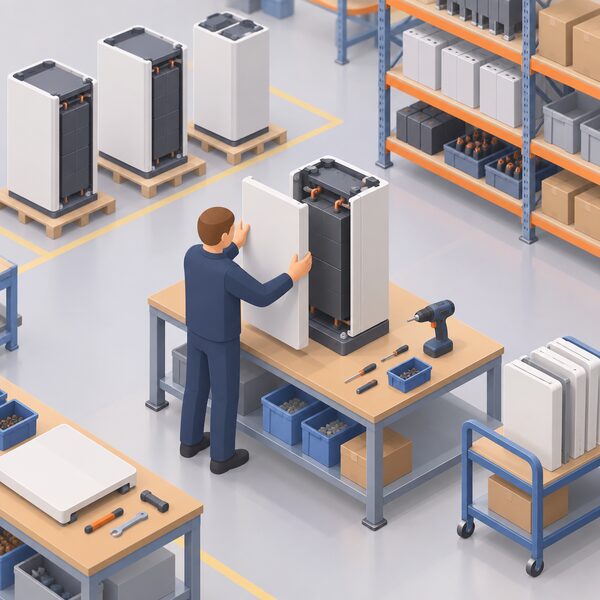
tepeo was founded in 2018 by the engineer Johan du Plessis, with the aim of giving UK households more choice when moving away from gas10. The ZEB is designed, developed and manufactured at the company's base in Wokingham, Berkshire, which tepeo presents as bringing together British engineering10. The company has secured £10.5 million in Series A funding to fuel the next stage of growth, with the money directed at the development of its Wokingham head office, growing production, research and development, assembly and commercial teams, and expanding sales across the UK13. At the time of that announcement tepeo stated it had tripled the size of the business in the last twelve months and launched its first ZEB in the same period13.
tepeo is a certified B Corporation and states it is recognised as an Ethical Consumer Best Buy10. It is a member of the Healthy Homes Hub14. The company's own support offer for ZEB owners includes the tepeo App, troubleshooting and customer support, a Help Centre, a ZEB owner community, servicing and care options, and system monitoring6.
The company is trading and manufacturing, which matters because a heat battery's warranty and servicing depend on the maker remaining in business. Nothing in the record suggests otherwise. The dependence a buyer takes on is nonetheless a single manufacturer's product, app and support organisation, alongside the electricity supplier and the tariff. That is a different shape of dependence from a gas boiler, which relies on a gas supply and a network of engineers, but it is not independence.
Where the ZEB falls short of a gas boiler
Four limits stand out.
- Hot water. The ZEB is a heat-only boiler, so a household with a combi needs a separate hot water solution such as a cylinder, and the installer recommends one1.
- Heat demand. tepeo gives whole-home heat loss of 5kW or less as the band where the ZEB typically works best, so larger or leakier homes fall outside it8.
- The tariff. The unit is designed to work with smart, flexible electricity tariffs, and a smart meter with a time-of-use tariff is part of the stated eligibility10. Without a suitable tariff, the mechanism that makes the running costs comparable to gas is not in place11.
- The grant. The ZEB is not currently supported by the Boiler Upgrade Scheme, and the £2,500 that currently reduces its price is tepeo's own Early Grant Match, available only until December 20264. The scheme support that would replace it is expected from winter 2026, subject to standards and scheme rules4.
Against that, the gas boiler's own limits are worth stating plainly. It burns fuel in the home, so it produces emissions and particulates at the point of use, and it depends on a gas connection and a gas price13. A household weighing the two is choosing between a fuel it can store as heat and a fuel it must buy continuously. For a home that fits the criteria, the ZEB moves the purchase of energy to the cheapest hours and removes combustion from the property. For a home that does not, the assessment will say so before any money is committed15.
Sources27 cited
- Can a heat battery boiler replace a combi boiler, tepeo, 2026-09-17
- Top 7 reasons why UK homes are choosing heat battery boilers, tepeo, 2026-07-30
- What is a heat battery boiler, tepeo, 2026-09-17
- FAQs, tepeo, 2026-09-17
- Don't let winter choose your next boiler, tepeo, 2026-07-21
- ZEB heat battery grant eligibility, tepeo, 2026-07-16
- tepeo ZEB: because low carbon heat doesn't have to mean low performance, tepeo, 2024-09-10
- What makes the tepeo ZEB the ideal GEC Nightstor replacement, tepeo, 2026-07-16
- A smart electric heating setup in Berkshire, tepeo, 2026
- tepeo, tepeo, 2026-09-17
- Switching to electric heating checklist, tepeo, 2026-09-07
- Making low carbon heating work in a converted apartment, tepeo, 2026-07-23
- tepeo secures over £10 million in investment, tepeo, 2026-09-17
- Social housing, tepeo, 2026-09-17
- Moving away from a gas boiler shouldn't feel like a gamble, tepeo, 2026-07-16
- Boilers, Energy Saving Trust, 2026-05-20
- Different boiler types, Uswitch, 2026-09-18
- Energy efficient heaters, Uswitch, 2026-07-01
- Replacing an old boiler: check the cost and carbon first, tepeo, 2026-07-23
- What impact can heat pumps have in domestic heating today, GOV.UK, 2023-11-21
- Balancing act: the implications of transferring policy levies from electricity to gas bills, Citizens Advice, 2023-10-05
- Heat battery and electric car: the dream team for maximising your off-peak tariff, tepeo, 2026
- Boiler Upgrade Scheme quarterly report, issue 17, Ofgem, 2026-08-31
- Boiler Upgrade Scheme installer guidance, Ofgem, 2022-07-21
- Boiler Upgrade Scheme: installers, Ofgem, 2026-09-17
- Check if you're eligible for the Boiler Upgrade Scheme, GOV.UK, 2026-09-17
- Apply for the Boiler Upgrade Scheme, GOV.UK, 2026-09-17
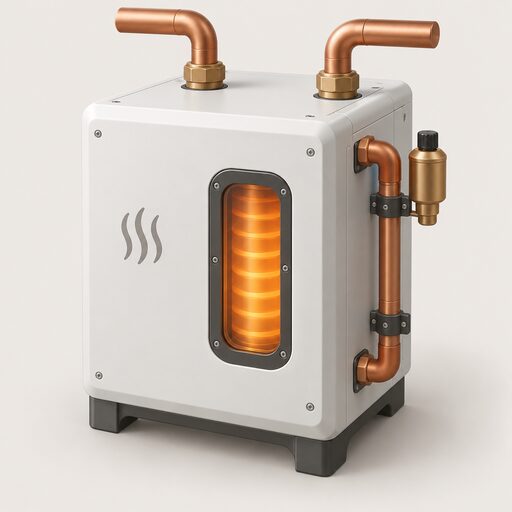 Heat Batteries and Zero EmissionA heat battery stores cheap overnight electricity as heat, then releases it to warm your home or your hot water.
 Domestic Fuel CellsA fuel cell boiler makes electricity and heat at the same time, usually from mains gas.
 Replacing a Gas or Oil BoilerSwapping a gas, oil or LPG boiler for a heat pump changes how your home is heated and how much it costs.
 Hybrid Heat PumpsHow hybrid systems pair a heat pump with a gas, oil or LPG boiler, what decides which appliance runs, what they cost, how much gas they displace, and why the Boiler Upgrade Scheme will not fund them.
 Energy IndependenceA heat pump runs your heating on electricity instead of gas or oil, so how much does that really cut what you pay and how exposed you are when fuel prices jump?
 Heat Pump Running CostsWhat does a heat pump cost to run each year, and is it cheaper than a gas boiler?