In this guide
The Huawei LUNA2000 is a high-voltage lithium iron phosphate (LFP) home battery range, sold in modules of 5 kWh and 7 kWh and configured into systems from 5 kWh to 21 kWh. It is a DC-coupled product: the battery connects to a Huawei SUN2000 or SUN5000 inverter, not to a third-party hybrid inverter, and Huawei lists no other brand as compatible1.
Capacity is built from modules rather than bought as a single fixed unit. The LUNA2000-5-E1 module is rated at 5 kWh nominal, the LUNA2000-7-E1 at 6.9 kWh, and the maker's datasheet lists usable energies of 5 kWh for one module, 11.9 kWh for a 5 plus 7 combination, 13.8 kWh for two 7 kWh modules, 16.9 kWh for three modules and 20.7 kWh for three 7 kWh modules1. Huawei describes the range as offering nine capacity options from 5 kWh to 21 kWh3.
The range is sold in two generations. The S0 family covers 5, 10 and 15 kWh and uses the LUNA2000-5-E0 module with a LUNA2000-5KW-C0 power module2. The S1 family covers 5, 7, 10, 12, 14, 15, 17, 19 and 21 kWh and uses the LUNA2000-5-E1 and LUNA2000-7-E1 modules1. Both are LFP chemistry, both are rated for indoor or outdoor installation, and both are marketed for residential use1.
The LUNA2000 range at a glance
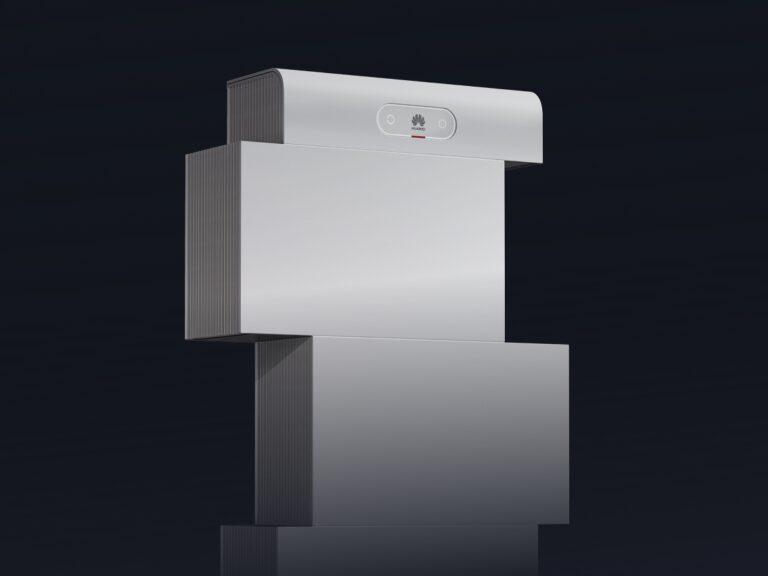
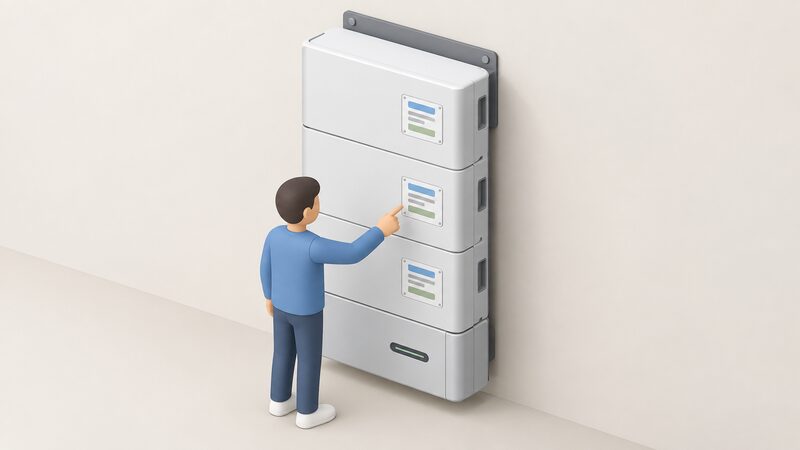
Huawei sells the LUNA2000 as a modular stack rather than a sealed unit, and the two generations differ in how the modules combine. The S0 range is built from a single module size: the LUNA2000-5-E0, rated at 5 kWh, paired with a LUNA2000-5KW-C0 power module. A LUNA2000-5-S0 holds one battery module and one power module, a LUNA2000-10-S0 holds two battery modules, and a LUNA2000-15-S0 holds three, with usable capacities of 5 kWh, 10 kWh and 15 kWh respectively2.
The S1 range adds a second module size. The 5 kWh and 6.9 kWh packs are rated at 5 kWh and 6.9 kWh nominal respectively, and Huawei states that the 5 kWh and 7 kWh packs can be combined flexibly1. That is what produces the nine published capacity options and the odd-numbered system sizes such as 12, 17 and 21 kWh. The largest single-system figure Huawei publishes is 20.7 kWh usable from three 7 kWh modules1.
Both generations are LFP chemistry, which is the more thermally stable of the two lithium-ion chemistries commonly sold for home storage, and both are rated for outdoor or indoor siting1. The S0 range carries a four-layer safety protection claim and states that it passed the German VDE AR-E 2510-50 safety certification4. The S1 range adds an intelligent fire suppression kit that Huawei states detects and extinguishes fires in 15 seconds, and a claim of more than 40% energy throughput improvement over the previous generation3.
| Model | Modules | Usable capacity | Power module |
|---|---|---|---|
| LUNA2000-5-S0 | 1 x 5 kWh | 5 kWh2 | LUNA2000-5KW-C02 |
| LUNA2000-10-S0 | 2 x 5 kWh | 10 kWh2 | 5 kW max output2 |
| LUNA2000-15-S0 | 3 x 5 kWh | 15 kWh2 | 5 kW max output2 |
| LUNA2000-21-S1 | 3 x 7 kWh | 20.7 kWh1 | 3.5 kW per module3 |
Module capacity: 5 kWh per LUNA2000-5-E0 module
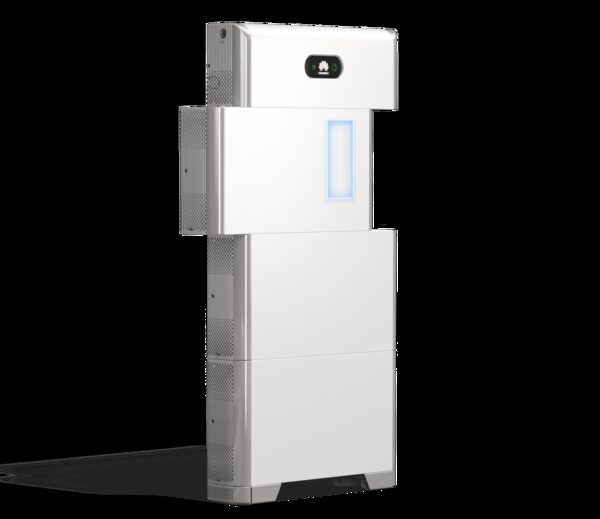
The building block of the S0 generation is the LUNA2000-5-E0, listed at a battery module capacity of 5 kWh2. That figure is the nominal module rating, and the usable capacity of a single-module LUNA2000-5-S0 is also given as 5 kWh, so Huawei is not applying a separate depth-of-discharge discount in the published figures for that model2.
The S1 generation splits the module into two sizes. The LUNA2000-5-E1 is listed at 5 kWh nominal and the LUNA2000-7-E1 at 6.9 kWh nominal1. The usable figures Huawei publishes for combinations are slightly below the arithmetic sum of the nominal ratings: two 7 kWh modules give 13.8 kWh usable, three give 20.7 kWh, and a 5 plus 7 pairing gives 11.9 kWh1. The gap between nominal and usable is the reserve the battery management system holds back, and it is the usable figure that matters for sizing a system against overnight demand.
Each module delivers 3.5 kW of charge and discharge power, and Huawei describes this as fast charge and discharge power per battery module3. That is the figure that sets how quickly a stack can absorb surplus solar or discharge into the house, and it scales with the number of modules rather than being fixed by the system size. A single-module system therefore has a lower power ceiling than a three-module stack of the same nominal capacity per module.
For households comparing this against other modular products, the relevant distinction is that LUNA2000 capacity is added in 5 kWh or 6.9 kWh steps rather than in larger blocks. More on how that compares with other expandable designs is at modular and stackable home batteries, and the nominal versus usable distinction is set out at battery capacity and usable capacity.
Model naming: what designations like LUNA2000-21-S1 mean
Huawei's model numbers carry the capacity and the generation in the name. In LUNA2000-21-S1, the 21 denotes the nominal capacity of the stack in kWh and the S1 denotes the generation. The same logic gives LUNA2000-5-S0, LUNA2000-10-S0 and LUNA2000-15-S0 for the first generation, and LUNA2000-7-S1, LUNA2000-14-S1 and LUNA2000-21-S1 for the second1.
The module and power-module codes follow a separate pattern. The LUNA2000-5-E0 and LUNA2000-5-E1 are battery modules, with the E denoting the module and the trailing digit the generation. The LUNA2000-5KW-C0 is a power module rated at 5 kW, and the C denotes the converter stage2. Huawei's S1 datasheet lists orderable items as the LUNA2000-5-E1, LUNA2000-7-E1, LUNA2000-10KW-C1 and the LUNA2000 S1 wall bracket, so the power module and the mounting hardware are separate line items from the battery packs1.
The S1 range is described by Huawei as a Smart String ESS, and the battery voltage class is listed as HV, meaning high voltage3. That matters for compatibility: a high-voltage DC battery is not interchangeable with the low-voltage batteries sold for many off-grid and hybrid systems, and the two cannot be mixed on one inverter. The S1 range communicates over RS485, FE and CAN, and carries an SOC status indicator and LED indicator on the unit1.
When the LUNA2000 became available
Huawei's smart ESS battery line was stated as available in 2020 Q3 in a Huawei datasheet covering the 5 kWh to 30 kWh range8. That places the LUNA2000 family in the UK market for several years, with the S0 generation as the earlier product and the S1 generation as the current one.
The S1 range is the generation Huawei now promotes on its product pages, with the LUNA2000-21-S1 positioned as the maximum capacity option in the series9. The S0 range remains documented on Huawei's specification pages, so both generations are still described by the maker2.
Documentation dates give a firmer sense of currency than launch dates. Huawei issued revision 14 of the LUNA2000-(107-241) series user manual, dated 2026-03-0210. The LUNA2000-21-S1 installation manual and official datasheet are both recorded as verified on 2026-04-109. Those are recent revisions for a product family that has been on sale since 2020, which indicates the documentation is being maintained rather than frozen at launch.
Availability of specific models is worth checking locally rather than assuming. Huawei notes on some product pages that items are coming in a later phase, and the LUNA2000-21-S1 page lists compatible products as coming in Phase 39. Where a model is not yet orderable in a given market, the installer is the route to a firm answer on what can be supplied.
Documentation: the user manual and its revisions

Huawei publishes the LUNA2000 documentation through its solar.huawei.com support pages. The S1 user manual is listed at a file size of 7.04 MB11. The LUNA2000-(107-241) series user manual reached edition 14, dated 2026-03-02, which is the document that covers the larger commercial-scale units in the family10.
Firmware is handled through the same support channel. Huawei states that if immediate activation is chosen, the LUNA will be upgraded immediately after the firmware package is uploaded11. That is a remote update path run through the inverter and the monitoring platform rather than a manual swap of a component.
The documentation set matters for a household because it is the reference for fault codes, commissioning steps and the warranty conditions. It also matters at handover. Approved Document L Volume 1: Dwellings was updated to clarify requirements relating to the provision of maintenance and operation information to owners of material change of use dwellings, and to make clear that Home User Guides should be provided12. Amendments to Approved Document L and F include guidance to help ensure Home User Guides are provided to material change of use dwelling owners13. In Scotland, updated technical handbooks were published in November 202414. A battery installation should therefore come with a handover pack, and the maker's manual is the technical half of it.
What the data verification status means for buyers
The LUNA2000-21-S1 product page carries a data verification status of partially verified, and states that core comparison fields are incomplete at more than 30% missing, with the product not recommended for direct comparison yet9. The same page records the official datasheet as verified on 2026-04-10 and the certificate as not available9.
Read plainly, that means the headline specification on the product page is not yet complete enough for a like-for-like comparison against other batteries, while the datasheet figures carry a verification date. For a buyer, the practical consequence is to work from the datasheet numbers, which give the module capacities, usable energies and inverter compatibility list, rather than from summary marketing figures1.
The wider point is that verification status is a normal feature of product data, not a warning about the product itself. Official statistics in development are described as not meeting the rigorous quality standards of Accredited Official Statistics, for example with respect to partial coverage15. Certification schemes work the same way: a Heat Pump Keymark certificate is maintained and held in force through periodic review and verification16, and Kiwa verifies that evidence of conformity to the MID and other submitted test data were produced or accepted by an appropriately qualified Notary Body17. A partially verified product page simply has not completed that cycle for every field.
For a household, the firmer documents to ask an installer for are the datasheet, the installation manual and the warranty terms. The datasheet for the S1 range lists the compatible inverters, the module models and the usable capacities, and it is the document that a competent installer will size the system from1.
What owning a LUNA2000 means for household energy independence
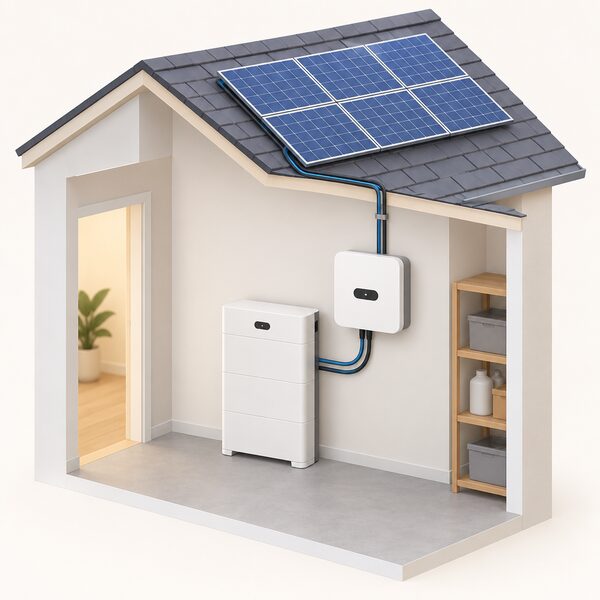
A LUNA2000 stores surplus solar generation for use after dark, which is the core of what a home battery does for self-consumption. Solar Energy UK states that more homegrown energy means greater energy independence18. The battery itself does not generate anything: it shifts when grid electricity is drawn, and it reduces the volume bought at peak rates.
The dependence that remains is specific and worth stating plainly. The LUNA2000 is a DC-coupled, high-voltage battery compatible only with Huawei's own SUN2000 and SUN5000 inverter families, listed as the KTL-L1, K-LB0, LC0, KTL-M1, K-MAP0 and MB0 series1. A household that buys one is committing to the Huawei ecosystem for the life of the system, and replacing the inverter later means replacing the battery interface with it. The comparison with AC-coupled designs, which can pair with a wider range of inverters, is at AC-coupled and DC-coupled battery systems.
Monitoring and control add a second layer. Huawei's smart PV management system integrates solar power, energy storage and smart home control into one app experience7. That is convenient, and it also means scheduling, energy monitoring and remote diagnostics run through the manufacturer's platform and a home broadband connection. Independent guidance notes that some wireless energy monitoring devices may also require subscription apps or additional accessories depending on the manufacturer19, so the app dependency is a general pattern rather than a Huawei-specific one. More on local versus cloud access is at monitoring a home battery.
The warranty position is a maker's statement: Huawei describes the S1 range as extending warranty to up to 15 years5. That is a longer term than many home batteries carry, and the conditions attached to it are set out in the warranty document rather than on the product page. The general framework for reading those terms is at home battery warranties.
For a household weighing independence, the position is that a LUNA2000 reduces the share of electricity bought from a supplier and increases the share of solar generation used on site, while keeping the home on the grid, on a supplier and inside one manufacturer's inverter ecosystem. The wider picture of what a battery can and cannot deliver is at home batteries and household energy independence.
Sources19 cited
- LUNA2000-7-14-21-S1 specifications, Huawei, 2026-09-17
- LUNA2000-5-10-15-S0 specifications, Huawei, 2026-09-17
- LUNA2000-7-14-21-S1 product page, Huawei, 2026-09-17
- LUNA2000-5-10-15-S0 product page, Huawei, 2026-09-17
- LUNA2000-7-14-21-S1 (EG), Huawei, 2026-09-17
- LUNA2000-7-14-21-S1 (RO), Huawei, 2026-09-17
- Smart PV Management System, Huawei, 2026-09-17
- ENA Type Test Register entry for Huawei, Energy Networks Association, 2021-06-14
- Huawei LUNA2000-21-S1, Energidea, 2026-09-17
- LUNA2000-(107-241) series user manual, edition 14, Huawei, 2026-03-02
- LUNA2000-7-14-21-S1 support, Huawei, 2026-09-17
- Future Homes and Buildings Standards Consultation Response, Ministry of Housing, Communities and Local Government, 2026-03
- Building regulation amendments to implement Future Homes and Buildings Standard, ECA, 2026-04-08
- Building standards, Scottish Government, 2026-09-17
- Electric vehicle public charging infrastructure statistics: July 2025, Department for Transport, 2025-07-24
- Heat Pump Keymark certificate 041-K002-78, Heat Pump Keymark, 2025-09-05
- RHI compliant heat meters, Kiwa, 2026-09-17
- Solar Energy Scotland manifesto, Solar Energy UK, 2026-09-17
- Smart meters vs home energy monitors, Smart Energy GB, 2026-08-17
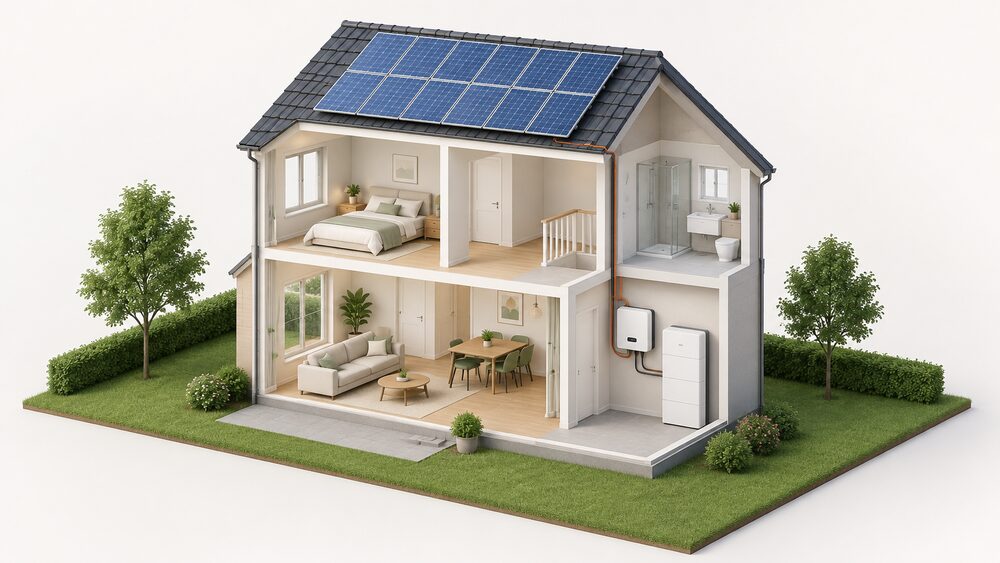 Huawei solar inverters and batteries in the UKHuawei solar panels and batteries are popular in the UK, but people want to know if the warranty is any good and whether their data is safe.
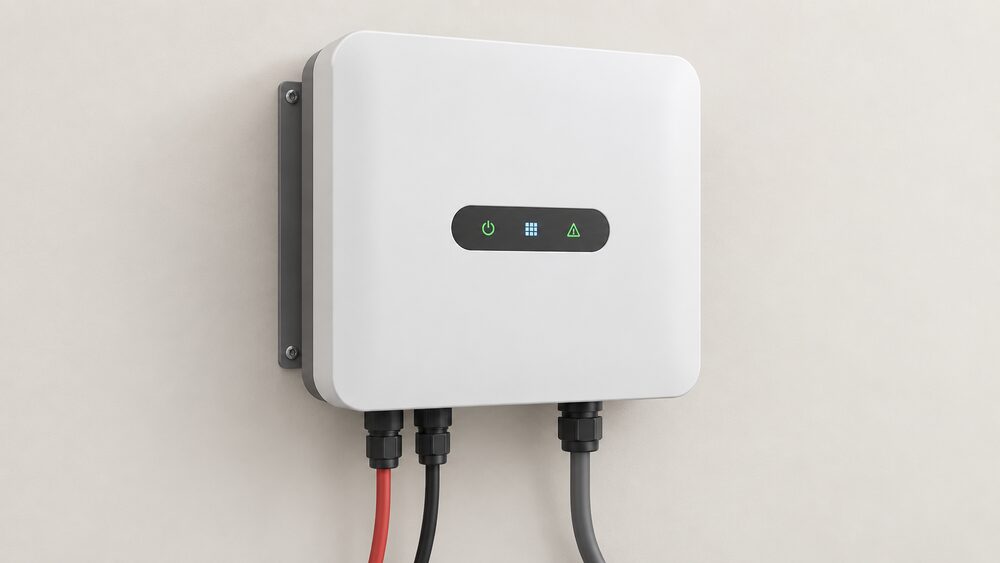 Huawei solar invertersHuawei makes a range of solar inverters for UK homes, but which models suit your roof, and how much power do you need?