In this guide
SolaX builds the X1 as its single-phase line for homes, and the name covers three quite different things: hybrid inverters that pair with a battery, small string inverters for light arrays, and microinverters that sit under individual panels. The hybrid models are the ones most UK households search for, and they run from 3.0 kW to 7.5 kW in the X1-Hybrid G4 family, with the X1-VAST extending the range to 5kW, 6kW, 8kW and 10kW1.
The warranty position is the first thing to understand, because it is not a single number. The X1-Hybrid G4, X1-FIT G4, X1-IES and X1-VAST carry a 5 year standard warranty, starting from the earlier of the first installation date or six months after production3. The X1-Micro models carry 7 years as standard, and the X1-MINI G4 and X1-Boost G4 sit at 7 years too3. Connecting an inverter to SolaXCloud and uploading generation data upgrades many models further, in some cases to 10 or 12 years4.
Prices are trade listings rather than installed prices, and they vary by model and by distributor. The X1-1.1 Mini is listed at two different figures, £250.70 and £208.92, both dated 17 September 2026, and which one applies is not settled5. The X1-VAST-8K is listed at £937.65 and £1,125.18 on the same date, again with no single figure confirmed5.
The X1 range at a glance: hybrid, micro and mini models
The X1 badge is used across a family that spans three product types, and the differences matter more than the shared name. The hybrid models are storage-ready: the X1-Hybrid G4 is described as a single-phase hybrid inverter designed for storage-ready residential systems, and the X1-FIT G4 is a retrofit hybrid for homes that already have panels9. The X1-IES is an all-in-one unit with a plug-and-play design and multi-mode operation, sold in 2.5kW, 3.0kW, 3.7kW, 5.0kW, 6.0kW and 8.0kW sizes11.
The mini models are on-grid string inverters rather than hybrids. The X1-MINI G4 is listed as a single-phase residential on-grid inverter, with a model range running from 0.6kW through 0.7kW, 0.8kW, 1.1kW, 1.5kW, 2.0kW, 2.5kW, 3.0kW and 3.3kW13. It takes a 16A input, uses natural cooling, and offers optional AFCI protection and an optional AC auxiliary power supply13.
The microinverters are a separate approach again. The X1-Micro series runs from 0.75kW to 2.4kW across four types, and the X1-Micro 2 in 1 integrates a microinverter and a DC isolator in one unit14. Microinverters are AC-coupled, so they need an existing AC installation rather than a DC string, and the 2 in 1 supports integration of a single-phase microinverter into a three-phase grid14.
| Family | Type | Sizes | Standard warranty |
|---|---|---|---|
| X1-Hybrid G4 | Single-phase hybrid | 3.0 to 7.5 kW2 | 5 years3 |
| X1-VAST | Single-phase hybrid | 5, 6, 8, 10 kW1 | 5 years3 |
| X1-FIT G4 | Retrofit hybrid | Not stated | 5 years3 |
| X1-IES | All-in-one hybrid | 2.5 to 8.0 kW12 | 5 years3 |
| X1-MINI G4 | On-grid string | 0.6 to 3.3 kW13 | 7 years3 |
| X1-Micro 2 in 1 | Microinverter | 0.75 to 2.4 kW7 | 7 years3 |
X1-VAST and X1-Hybrid G4: the single-phase hybrid models
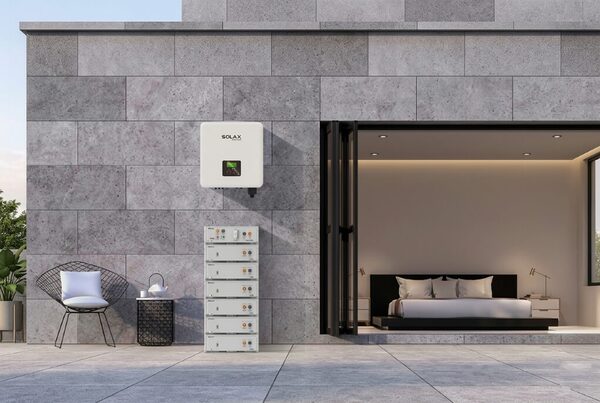
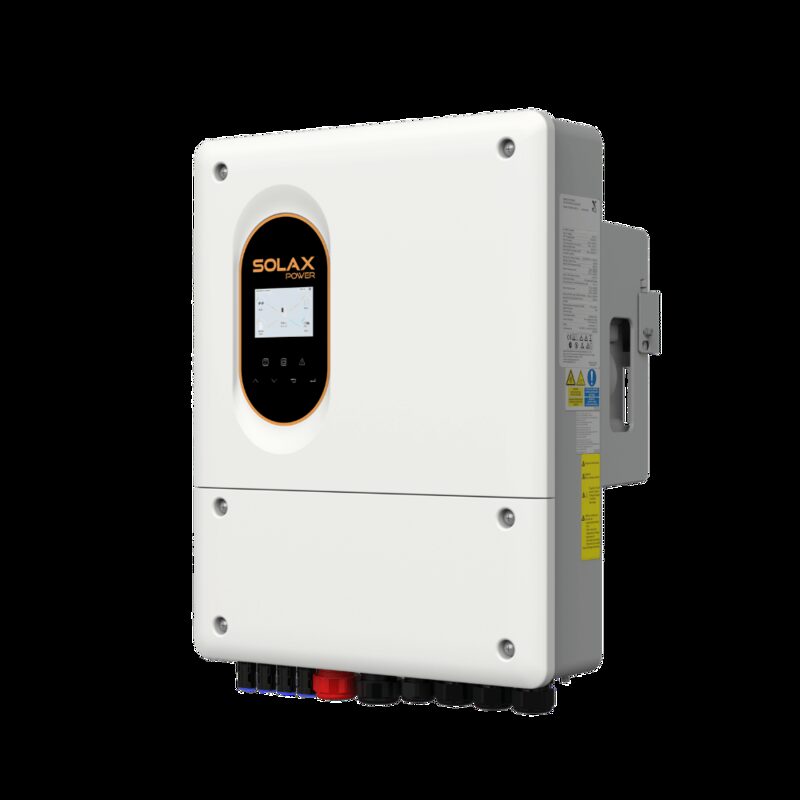
The X1-Hybrid G4 is the core of the range. SolaX describes it as designed for single-phase homes, combining performance, flexibility and smart functionality in one compact unit, and the published sizes are 3.0kW, 3.7kW, 5.0kW, 6.0kW and 7.5kW2. It carries two MPPTs and IP65 protection, with fast switchover on the official product page8. The datasheet gives a maximum efficiency of 97.6%, natural cooling on some variants and smart air cooling on others, and compatibility with both lithium and lead-acid batteries6.
The X1-VAST is the newer and larger option, listed by SolaX as a hybrid inverter in 5kW, 6kW, 8kW and 10kW ratings1. Its headline capability is backup: it provides up to 200% EPS output for 10 seconds with a switchover time under 10ms, which SolaX describes as UPS-level1. It also supports wireless meter compatibility and is built for integration into microgrids and generators for off-grid use1.
Both models are VPP-ready, meaning they can be enrolled in a virtual power plant arrangement where a third party coordinates the battery2. The X1-Hybrid G4 supports up to 200% PV oversizing, up to 110% AC output and up to 97% charging and discharging efficiency15. Oversizing means the array is larger than the inverter's rated output, which lifts generation in weak light at the cost of clipping at peak.
For a household, the practical difference between the two is scale and backup ambition. The G4 suits a typical three to five bedroom home with a battery; the VAST suits larger arrays and homes that want a genuine UPS-grade changeover for essential circuits. Both keep the home on the grid for the majority of the time, and both depend on a battery to store what the panels make.
Warranty: 5 years standard, and what the terms cover
SolaX warranty terms are tiered by product family and by whether the inverter is connected to SolaXCloud. The X1-Hybrid G4, X1-FIT G4, X1-IES, X3-ultra, X3-HYB-G4 PRO and X1-VAST all carry a 5 year standard warranty, starting from the earlier of the first installation date or six months after production3. The X1-Micro 2 in 1, 2 in 1 G2, 4 in 1 and 4 in 1 G2 carry 7 years as standard3. The X1-MINI G3 and G4, X1-MINI G4 PLUS, X1-Boost G3 and G4, X1-SMART G2 and the X3 string families also sit at 7 years3.
Cloud connection changes the term. Where an inverter is connected to SolaXCloud and generation data has been successfully uploaded, the warranty is freely upgraded, in some cases to 10 years and in others to 12 years depending on the model4. The X1-Hybrid-LV, X1-HYB-Lite and X3-NEO-LV reach 10 years when paired with a SolaX battery and connected to the cloud3. The X1-Micro series offers options to upgrade to up to two 5-year extended coverage periods7.
Registration is the step that starts the clock. SolaX requires the product to be registered online within 90 days of the commissioning date, and if that is missed the warranty period is calculated as the production date plus six months16. Claims must be filed within 4 weeks of the failure date16. The warranty start date can be the installation or commissioning date, the purchase invoice date, or the shipment date from the factory if no registration is completed16.
If a replacement inverter is fitted, the remaining balance of the original warranty transfers automatically, and where less than 12 months remain SolaX extends the replacement warranty to a minimum of 1 year16.
Efficiency and safety features, from Rapid Shutdown to IP67 weatherproofing
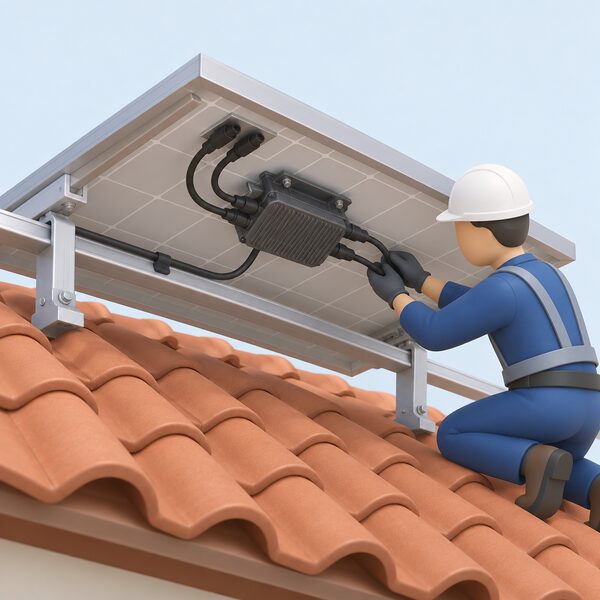
Efficiency figures vary by model and by what is being measured. The X1-Hybrid G4 datasheet gives a maximum efficiency of 97.6%6, while SolaX guidance elsewhere puts battery charge and discharge efficiency at up to 97%2. The X1-Micro 2 in 1 is listed at 98.6% peak efficiency, and the X1-Micro series as a whole at 97.5% maximum14. The X1-FIT G4 is listed at up to 97%9. These are peak figures under test conditions, not year-round averages, and the round-trip loss through a battery is a separate matter from inverter conversion efficiency.
Safety features are where the range differentiates itself. The X1-Micro 2 in 1 carries a Rapid Shutdown function that SolaX describes as NEC-compliant, which reduces DC voltage at the panel during emergency work14. The X1-Boost G4 offers optional AFCI protection and is Rapid Shutdown ready7. The X1 Smart supports AFCI, and the X1-MINI G4 lists AFCI as optional on the datasheet13. AFCI is arc fault circuit interruption, aimed at detecting the kind of DC fault that can start a fire.
Weatherproofing splits by family. The X1-Micro series carries IP67 weatherproof protection, and every listed model, the 750, 800, 900, 1000, 1200, 1300 and 1500, is rated IP6714. The X1-Hybrid G4 and X1-FIT G4 are IP658. The X1-IES is IP6612. IP67 allows temporary immersion and suits a panel-mounted microinverter; IP65 suits a wall-mounted hybrid under a roof overhang.
On the battery side, SolaX states that its residential energy storage is built with advanced battery safety, thermal management and intelligent fault detection20. The LD32 battery adds aerosol fire suppression and CO detection21. These are maker claims about its own products rather than independent test results.
Peak shaving and VPP compatibility: what the X1 can do beyond export
Beyond generating and exporting, the X1 hybrids are designed to manage when energy is drawn from the grid. The X1-Hybrid G4 is VPP-ready, and the X1-FIT G4 is listed as VPP ready2. The X3-HYBRID G4 datasheet also carries a VPP ready listing, and the X3-IES is described with full VPP compatibility22. A virtual power plant arrangement lets a coordinator draw on or charge a home battery at times that suit the network, in return for a payment.
Peak shaving is the related household-side function. The J1-EVC-6K, SolaX's EV charger, supports peak shaving and valley filling for optimal energy use, which means charging or discharging to avoid the most expensive periods24. The X1-Hybrid G4 supports smart load management alongside its 200% PV oversizing8. The X1-IES supports up to 200% PV input power25.
Backup is the other capability that goes beyond export. The X1-Hybrid G4 supports EPS output with fast switchover8. The X1-VAST goes further with up to 200% EPS output for 10 seconds and a switchover under 10ms1. EPS, or emergency power supply, means the inverter can run a set of circuits when the grid is down, provided a battery is charged and the circuits are wired to a dedicated backup consumer unit.
The independence this buys is partial and conditional. A VPP arrangement depends on a third party, a network connection and the manufacturer's cloud platform. Peak shaving depends on a tariff with time-varying prices. Backup depends on a battery being charged at the moment the grid fails, and on which circuits were wired to the EPS output. None of these remove the grid connection; they change how the home uses it.
Cost and availability: from the £250 X1-1.1 Mini to models awaiting stock

There is no manufacturer list price for a SolaX inverter. The figures that exist are distributor trade listings, and several models show two different prices on the same date. The X1-1.1 Mini is listed at £250.70 and at £208.92, both dated 17 September 2026, and which figure applies is not settled5. The X1-2.0 Mini shows £228.69 and £274.43, the X1-1.5MDC shows £177.65 and £213.18, and the X1-MINI 0.7kW shows £175.58 and £210.70, all on the same date5.
The larger hybrids carry higher listings. The X1-FIT5.0 is listed at £596.85 and £716.22, the X1-VAST-8K at £937.65 and £1,125.18, and the X1-VAST-10K at £990.59 and £1,188.71, all dated 17 September 20265. These are trade prices for the unit, not installed prices, and the VAT position is not stated in the listings.
Availability is uneven. A distributor product page states the X1-VAST-8K is awaiting stock arrival and is due around 23 September 2026, with the same date given for the X1-VAST-10K and the X1-IES 6.0K26. The 7.5kW G4 X1-Hybrid is listed as awaiting stock arrival and due in soon26. Stock dates from distributors move, so the position at the time of ordering is what counts.
Installation: one-person design and what owning an X1 means for independence
SolaX designs much of the range for straightforward fitting. The X1-IES is described as an all-in-one, plug-and-play design, and the X-ESS G4 is listed with quick installation by one person in 30 minutes11. The residential all-in-one ESS is positioned as modular and pre-configured to reduce wiring and commissioning time, with parallel expansion and integration with other home electrification devices28. The X1-FIT G4 offers quick configuration with a U-disk9. The X1-IES supports modular expansion up to 40 kWh25.
Cooling is passive on several models. The X1-MINI G4 uses natural cooling, and the X1-IES datasheet lists natural cooling as its cooling concept13. That removes a fan as a wear item but places the unit where airflow is adequate.
The independence an X1 buys is real but bounded. A hybrid X1 with a battery lets a home store its own generation, run essential circuits through the EPS output during a power cut, and shift load away from peak periods. What remains is the grid connection for the majority of supply, a battery that must be charged when backup is needed, and a cloud platform for the warranty upgrade, remote monitoring and VPP participation. The X1-Micro series is AC-coupled, so it depends on an existing AC installation rather than standing alone7.
For households weighing the wider picture, hybrid inverters explains how storage-ready units differ from plain string models, microinverters covers the panel-level approach, and solar panels and household energy independence sets out what self-generation can and cannot replace. A direct comparison with another budget-focused brand is at SolaX vs Growatt, and the full SolaX range is covered in SolaX hybrid inverters for home solar.
Sources28 cited
- X1-VAST product page, SolaX Power, 2026-09-17
- What size inverter do I need, SolaX Power, 2026-05-13
- Warranty, SolaX Power, 2026-09-17
- UK warranty, SolaX Power, 2026-09-17
- Best value inverters: price, performance, warranty, SolaX Power, 2026-07-24
- X1-Hybrid G4 datasheet, SolaX Power, 2026-09-17
- Best solar inverters, SolaX Power, 2026-05-11
- Premium vs mid-range inverters for UK homeowners, SolaX Power, 2026-09-14
- X1 Retro-Fit, SolaX Power, 2026-09-17
- Rooftop vs ground-mounted solar inverters, SolaX Power, 2026-04-17
- X1-IES product page, SolaX Power, 2026-09-17
- X1-IES datasheet, SolaX Power, 2026-09-17
- X1-MINI G4 datasheet, SolaX Power, 2026-09-17
- X1-Microinverter 2 in 1, SolaX Power, 2026-09-17
- Which hybrid inverter should I buy, SolaX Power, 2026-07-31
- Solar inverter warranty, SolaX Power, 2026-06-18
- How to install a solar power inverter, SolaX Power, 2024-12-23
- X1-Microinverter 4 in 1, SolaX Power, 2026-09-17
- X1-Microinverter 2 in 1 G2, SolaX Power, 2026-09-17
- Reliable home battery on a budget, SolaX Power, 2026-08-18
- Recommended home battery backup systems, SolaX Power, 2026-08-27
- Best solar batteries, SolaX Power, 2026-05-12
- All-in-one solar battery solutions, SolaX Power, 2026-04-20
- J1-EVC-6K product page, SolaX Power, 2026-09-17
- All-in-one solar storage for homeowners, SolaX Power, 2026-03-10
- Dependable home battery storage on a tight budget, SolaX Power, 2026-09-09
- X-ESS G4 product page, SolaX Power, 2026-09-17
- Solar inverter fault codes, SolaX Power, 2026-08-12
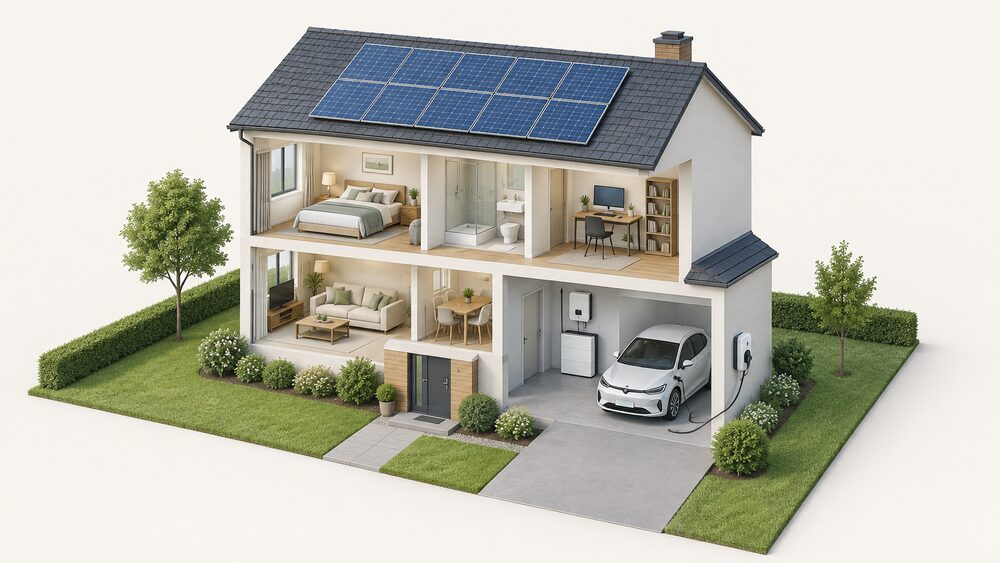 SolaX EV chargersCan a SolaX charger use your spare solar power to fill the car instead of sending it to the grid?
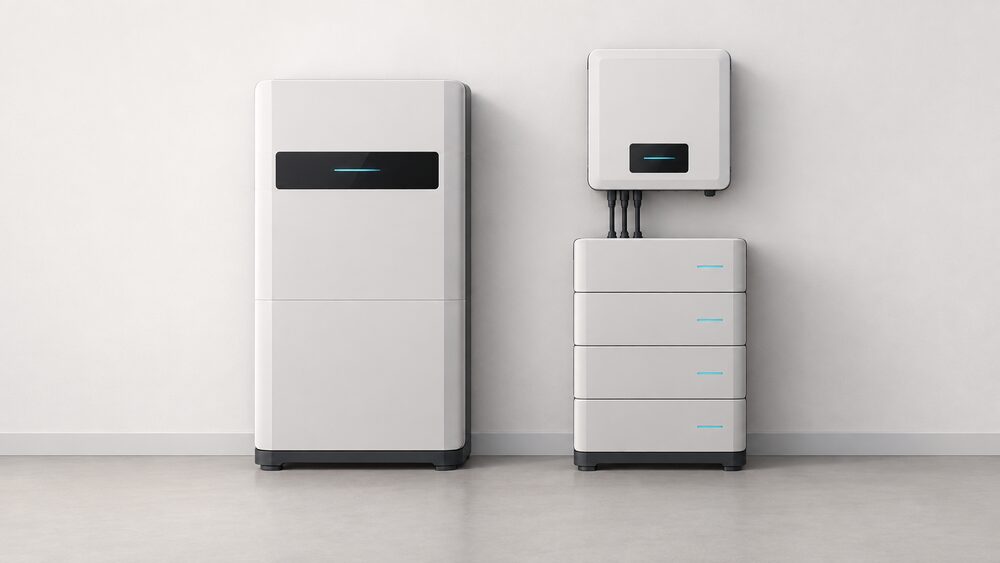 SolaX Home Batteries and Triple Power StorageHow much can a SolaX home battery store, and can you add more later?
 SolaX X3-ULTRAThe SolaX X3-ULTRA is a large three-phase hybrid inverter for big homes and commercial buildings.
 SolaX Power inverters and batteriesSolaX Power inverters and batteries come down to three things for your home: which type fits, how much storage you need, and what the warranty really gives you.
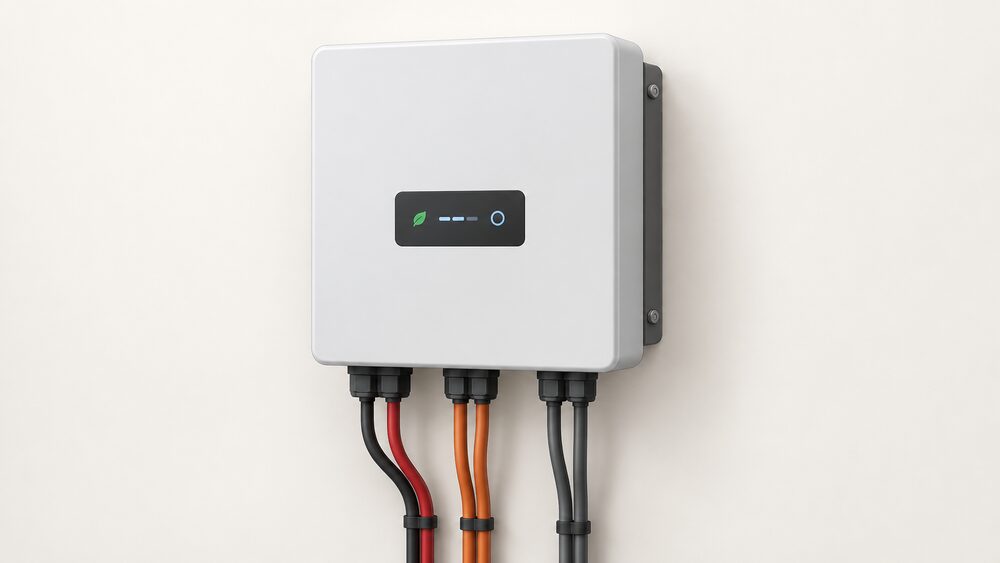 SolaX hybrid inverters for home solarWhich SolaX hybrid inverter suits a typical UK home, and what size do you need?