

In this answer
Short answer
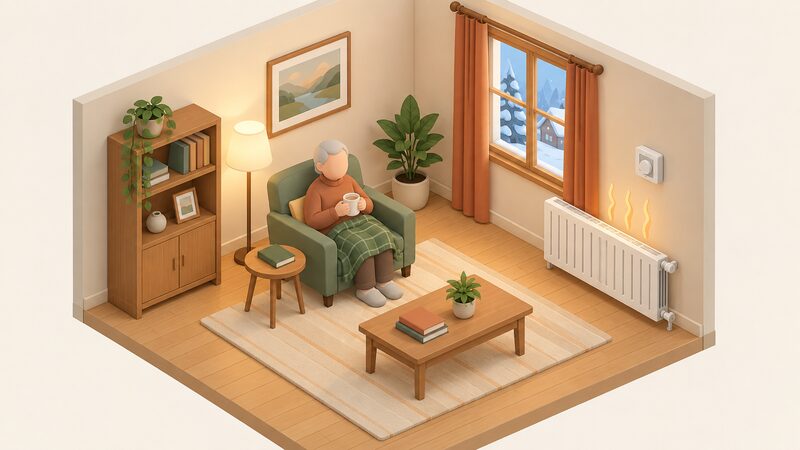
Hypothermia risk at home is highest for people aged 65 and over, those with existing health conditions, and anyone living in a home that is already underheated. Official winter heating guidance singles out people with reduced mobility, people aged 65 or over, and people with a health condition such as heart or lung disease as the groups for whom keeping the home warm matters most1. For those aged 65 and over or with pre-existing health conditions, bedroom temperatures of at least 18 °C overnight are advised1.
The risk is not evenly spread. Independent guidance warns that if a house gets too cold it could be dangerous for older residents, people with health conditions, and anyone living in a home that is already underheated2. Cold homes also worsen a wide range of conditions beyond hypothermia itself, including circulatory problems, diabetes, arthritis and mental health issues3. In 2020, 10,000 people are thought to have died as a result of living in a cold home4.
For a household's energy independence, the picture is uncomfortable: the people least able to tolerate cold are often the least able to afford continuous heating, and the least able to act quickly when a supply fails. Support exists, but it is fragmented across nations, suppliers and health routes.
Who is most at risk of hypothermia at home
The groups most vulnerable to cold at home overlap heavily with those most vulnerable to heat. Independent guidance on heatwaves identifies older people aged 65 years and over, babies and young children aged 5 years and under, and people with underlying health conditions as those most at risk1. The same physiological limitations, poor thermoregulation, reduced mobility, and existing cardiovascular or respiratory disease, make these groups least able to cope when a home is too cold.
Age is the strongest single factor. People aged 65 years or over are the most susceptible age group to temperature extremes2. Reduced mobility matters because it limits a person's ability to move to a warmer room, add layers, or leave a cold home. Heart or lung disease matters because cold air constricts airways and raises blood pressure.
Low income compounds all of this. ECO Flex eligibility covers households identified as low income and vulnerable, with an occupant whose health conditions may be impacted further by living in a cold home, and includes an NHS referral route7. The Warm Home Discount Scheme notes that other low income or vulnerable households may also be eligible8. A household that cannot afford to heat every room, or to heat them continuously, faces a higher risk regardless of age.
Babies and young children are also at risk, though the mechanism differs. The same guidance implies that temperatures below the recommended range carry their own risks for infants, who cannot regulate body temperature as effectively as adults.
"This is particularly important if you have reduced mobility, are 65 or over, or have a health condition, such as heart or lung disease"
Health risks in cold homes: what the evidence shows
The health consequences of cold homes extend well beyond hypothermia. Independent guidance states that circulatory problems, diabetes, arthritis and mental health issues can be made worse by living in a cold home3. Warm Home Prescription guidance lists cardiovascular conditions, respiratory conditions including chronic obstructive pulmonary disease and childhood asthma, illnesses affecting the immune system, and physical disabilities that limit mobility as conditions worsened by cold environments4.
The scale is significant. Cadent research found that 25% of people living in cold and damp homes reported an impact on their physical health5. That is a quarter of an already vulnerable population experiencing measurable health deterioration linked to their housing conditions.
The Warm Home Prescription model was developed specifically to address this. It works by identifying people whose health is made worse by living in a cold home9. A pilot study ran from December 2021 to March 2022, where 28 people in Gloucestershire with health conditions made worse by a cold home were "prescribed" warmth to reduce the risk that the cold would cause harm and hospitalisation9. The approach treats warmth as a health intervention rather than a comfort measure.
Official eligibility routes reflect the same evidence. ECO4 Flex health eligibility requires that a person in the household has a severe or long-term health condition that is adversely affected by living in a cold home, and is due to one of the following: a cardiovascular condition, a respiratory disease, limited mobility, or immunosuppression10. Route 3 NHS Referrals use the same conditions: cardiovascular condition, respiratory disease, immunosuppression, or limited mobility, where health is adversely affected by a cold home11.
For a household's independence, this means the health system itself is a route to energy improvements. A GP referral can unlock funding that a household could not access on income grounds alone. That is a form of independence that does not depend on the grid or a supplier, but on the health service recognising cold as a clinical risk.
Rural and off-gas households: the Highlands oil-heating case study
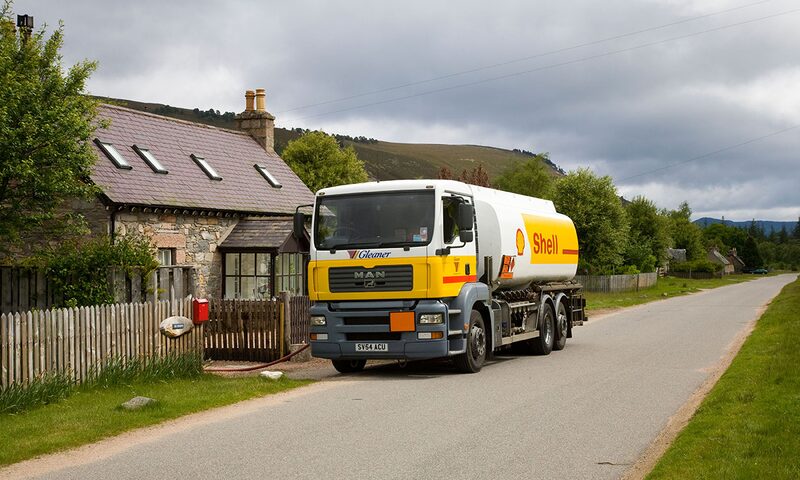
Off-gas grid households face a distinct set of risks. They use a range of fuels to heat their homes including heating oil, liquefied petroleum gas (LPG), solid fuels, mains electricity, and microgeneration12. Each of these carries different cost volatility, different supply reliability, and different support pathways.
The Highlands case illustrates the problem. A rural Highlands social tenant saw their oil refill rise to around £900 from roughly £400, and received £300 from the Scottish Government's Emergency Heating Fund plus advice and referrals13.
Support for off-gas households varies by nation. In Northern Ireland, the Home Heating Oil Support Scheme is open to households who use oil as their primary source of heating, are resident in Northern Ireland, and, in either of the qualifying months, are in receipt of a qualifying benefit, or a single person or couple, including pensioners, with an annual income of less than £30,000 (net of allowable deductions)14. Households in receipt of Disability benefits are also an eligibility group15.
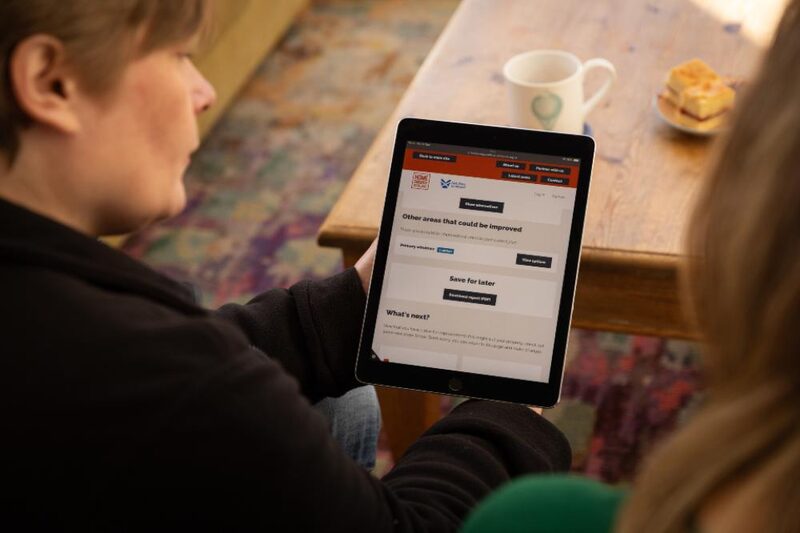
In Wales, a one-off £200 Heating Oil and LPG Payment is available to low income households in Torfaen who heat their homes using oil or LPG16. In Scotland, Home Energy Scotland offers free and impartial advice on saving energy, making your home warmer, exploring heating options for off-gas homes, and finding funding for energy-saving home improvements17.
For England, the Warm Homes: Local Grant is open to low income households in private housing in England (including off-grid homes)18. The scheme covers all fuel types, including on-gas-grid households and off-gas-grid households19.
Homes heated by oil or LPG may be eligible for a £9,000 government grant towards the cost of installing a heat pump until March 202720. That is a significant sum, but it requires a household to move away from a fuel they may have used for decades, and to have the capital or finance to cover any remaining cost.
Power cuts and vulnerability: Priority Services and Power Cut Plans
A power cut turns a cold home into a dangerous one within hours. The Priority Services Register is the main mechanism for protecting vulnerable households during supply interruptions. It is a free service21, and eligibility includes people who are elderly, have a disability or long-term health condition, have young children, or need extra help during power cuts6.
The benefits are practical. Registering provides priority support with heating and cooking facilities if your supply is cut off, advanced notice of power cuts, and an identification and password scheme for home visits22. Suppliers also offer a personalised Power Cut Plan with guidance on what to do before, during, and after a power cut23.
For households with specific medical needs, the support extends further. If staying at home is unsafe during a power cut, suppliers can help find alternative accommodation as required24. Free personalised Power Cut Plans are tailored to needs, routines and communication preferences25, and to communication preferences, equipment and support needs26.
Customers who may be more vulnerable in a power cut can seek advice by calling 10527. That number connects to the local network operator, not the energy supplier, and is the fastest route to information during an outage.
The independence question here is stark. A household on the Priority Services Register is still dependent on the grid, but it has a formal relationship with the network operator that acknowledges its vulnerability. That relationship does not generate electricity, but it does generate information, priority and, in the worst case, alternative accommodation. For a household with a medically dependent member, that is the difference between a manageable interruption and an emergency.
Support schemes and reports that address cold-home risk
Support for cold-home risk is delivered through a patchwork of schemes, reports and consultations across the four nations. The Warm Homes Plan is supported in part by the Heat and Buildings factsheet28. The Warm Home Discount scheme has been evaluated under reference RAF037/222329.
In Northern Ireland, the Warm Healthy Homes Fund consultation has published an Equality Impact Assessment Screening and Rural Needs Impact Assessment30. That is a sign that rural needs are being formally considered in scheme design, though the consultation stage means the fund is not yet delivering.
The Committee on Climate Change has recommended that the health sector assess its vulnerability to existing and future climate risks, particularly for care homes and home-based care. That recommendation recognises that cold-home risk is not only a housing problem but a health-system problem.
For households, the practical routes are:
- Check eligibility for ECO Flex through the local authority or an NHS referral10.
- Check eligibility for the Warm Home Discount through the energy supplier8.
- Register for the Priority Services Register through the supplier or by calling 1056.
- For off-gas households, check nation-specific oil and LPG support schemes14.
- For oil or LPG households considering a heat pump, check the £9,000 grant deadline of March 202720.
The energy independence lens here is about reducing dependence on a single fuel, a single supplier, or a single income stream. A household that has registered for Priority Services, accessed ECO Flex, and moved off oil to a heat pump has reduced its exposure to price spikes, supply interruptions and cold-home health risk. A household that has done none of these remains dependent on whatever the market and the weather deliver.
Sources30 cited
- Keeping your home warm in winter, Met Office, 2026-09-20
- Should I turn my boiler flow temperature down?, Energy Saving Trust, 2026-05-20
- Cold homes and health, Centre for Sustainable Energy, 2026-08
- Warm Home Prescription, Energy Systems Catapult, 2025-11-13
- The Cold Truth, Cadent Gas, 2026-09-20
- Worried about your energy bills, Energy Ombudsman, 2026-03-24
- ECO4 Scheme, West Lindsey District Council, 2025-07
- Grants and funding, Tameside Council, 2026-09-17
- Warm Home Prescription pilot report, Energy Systems Catapult, 2021
- Energy Company Obligation (ECO): homeowners and tenants, Ofgem, 2026-09-17
- ECO4 Flex and GBIS Flex information document, Ceredigion County Council, 2025-11
- Research briefing SN05806, House of Commons Library, 2026-09-17
- How to prepare your home for winter, Home Energy Scotland, 2026-08
- Home Heating Oil Support Scheme, Department for Communities (NI), 2026-09-17
- Lyons announces agreement on Home Heating Oil Support, Department for Communities (NI), 2026-04-16
- Welsh Government Heating Oil and LPG Scheme, Torfaen County Borough Council, 2026-09-17
- Heat pump, UK Government, 2026-09-10
- Research briefing CBP-9585, House of Commons Library, 2026-09-17
- Heat pump deployment tables Q2 2026, Department for Energy Security and Net Zero, 2026-09-10
- Carbon Budget and Growth Delivery Plan: heat and buildings factsheet, UK Government, 2026-06-23
- What to do in a power cut, Met Office, 2026-09-20
- Support schemes, Cheshire West and Chester Council, 2026-09-17
- Priority Services community toolkit, SSEN, 2026-09-20
- Chronic and serious illness, Electricity North West, 2026-09-20
- Priority Services for dementia, SSEN, 2026-09-19
- Priority Services for hearing, SSEN, 2026-09-19
- Emergency planning portal for residential customers, SSEN, 2026-09-19
- Evaluation of the Warm Home Discount Scheme 2022 to 2024, UK Government, 2026-04-30
- Consultation on the Warm Healthy Homes Fund, Department for Communities (NI), 2026-09-17
- Risks to health, wellbeing and productivity from overheating in buildings, Committee on Climate Change, 2026-09-19
 Cold Homes and HealthCold homes cause real harm, especially to older people and anyone with a heart or lung condition.
 Heatwaves and HealthWhich homes get dangerously hot in a heatwave, and which rooms?
 Older People and Home EnergyOlder people often pay more to keep warm and can miss out on help they are entitled to.
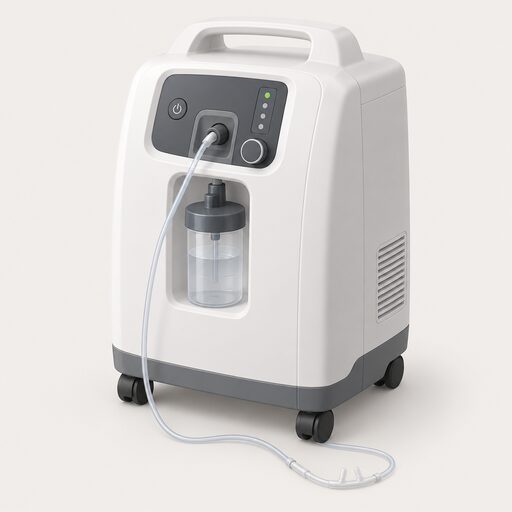 Vulnerable Households EnergyIf someone in your home relies on powered medical equipment, or needs extra warmth because of a health condition, what help is available?
 Overheating and Hot WeatherIs your home getting uncomfortably hot in summer, and is there anything you can do about it?
 The Full Insulation and Glazing GuideWhere is your home losing the most heat, and what can you do about it?