
In this answer
Short answer
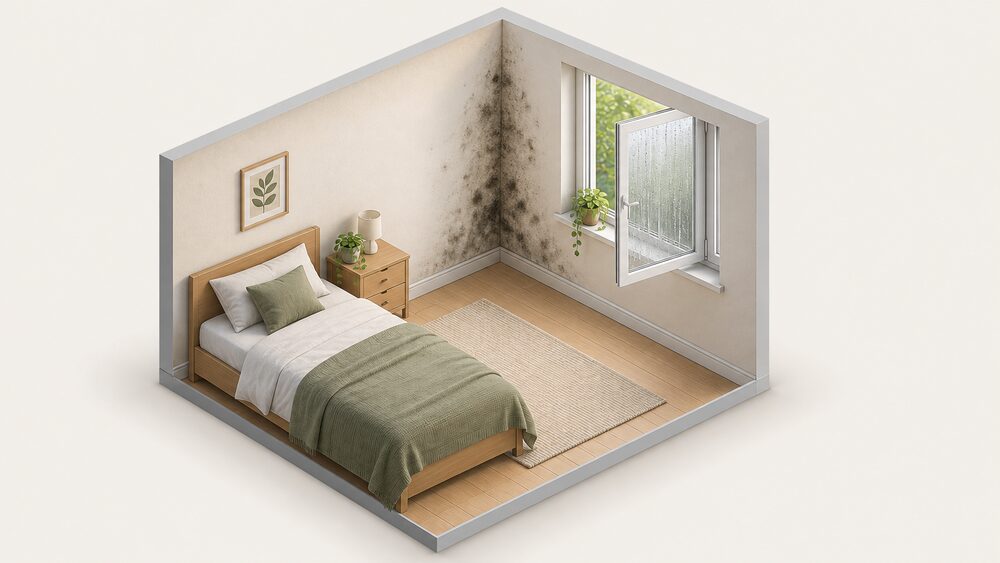
Damp and mould in a home are associated with a 30 to 50 per cent increase in respiratory problems, a figure repeated across independent fuel poverty and health guidance1. The same conditions are linked to skin irritation and poor mental health4. Among UK adults who reported mould or damp in their home, 14 per cent reported respiratory issues5.
The health link is the reason damp is treated as more than a cosmetic problem. It is also why the law has moved: Awaab's Law, which came into effect from October 2025, requires social landlords in England to investigate and resolve damp and mould within set time periods6. It is named after two-year-old Awaab Ishak, who died from mould exposure4.
For a household, damp sits at the intersection of health, housing rights and energy. Cold homes and poorly insulated homes are where damp takes hold, and renters and people with health conditions are far more likely to be stuck in unsafe housing, with damp and mould a daily reality7. This page sets out the evidence, the duties, what tenants can do themselves, and where to get help.
Health effects: a 30 to 50 per cent rise in respiratory problems
The headline figure is consistent across the main independent sources. Damp and mould are associated with a 30 to 50 per cent increase in respiratory problems1, and damp homes are linked to a 30 to 50 per cent increase in respiratory problems3. The same range appears in guidance on cold homes and fuel poverty2.
What drives the range is the difficulty of isolating damp from the other conditions that travel with it. Damp homes are usually cold homes, and cold homes are usually low-income homes. The resultant mould and damp can lead to respiratory issues, skin irritation and poor mental health4, so the health effect is rarely respiratory alone. The 30 to 50 per cent band reflects study populations and exposure measures that differ between research projects rather than a single measured rate.
The survey evidence gives a household-level view. Among UK adults who experienced mould or damp, 14 per cent reported respiratory issues5. That is a self-reported figure from a consumer study, weaker than the clinical association, but it shows how common the symptom is among people living with the problem.
For a household's energy independence, the health link changes the calculation. A damp home is not just uncomfortable; it is a home where the building fabric is failing to manage moisture, and where the occupant may be running heating to try to dry it out. That is dependence on more energy to solve a problem that insulation, ventilation and repairs should address. The health evidence is the strongest argument for treating damp as a housing standards issue rather than a housekeeping one.
"Damp and mould are associated with a 30-50 per cent increase in respiratory problems"
Why damp and mould take hold in rented and poorly insulated homes
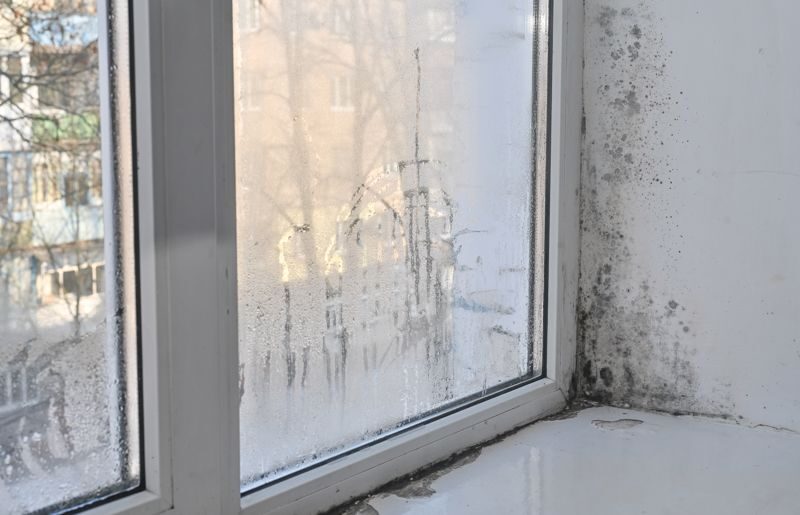
Condensation damp has a specific set of causes. They include not having proper ventilation, not having good enough extraction fans in kitchens and bathrooms, broken heating systems such as a boiler not working properly, not having insulation on external walls or ceilings, and no suitable way to dry clothes10. Each of these is a building or equipment failure, not a lifestyle choice.
The retrofit paradox makes this worse. Insulation, double glazing and draught-proofing all help save energy, but they also trap moisture inside11. A home that has been sealed without adequate ventilation will hold the moisture produced by cooking, bathing and drying clothes. Inappropriate insulation or ventilation strategies can lead to issues such as damp and mould12, and substandard installation has been found to range from missing or incomplete paperwork, insufficient ventilation, or missing or exposed insulation, which if left unchecked could lead to damp and mould13.
Renters and people with health conditions are far more likely to be stuck in unsafe housing, with damp and mould a daily reality7. The private rented sector concentrates the problem because tenants cannot commission structural work and landlords have limited incentive to fund it. When viewing a home, the signs to check for are damp and mould, condensation, draughts and poor ventilation14.
Damp and mould problems often need to be fixed before other energy saving measures like insulation can be installed14. That sequencing matters: a household cannot improve the energy performance of a damp wall until the source of moisture is dealt with. It also means damp is a barrier to energy independence, not just a symptom of poor housing.
Landlord duties: fit for habitation, repairs and Awaab's Law
The legal position depends on the type of tenancy and the nation. In many cases the landlord is responsible for dealing with rising damp, because a term implied into the tenancy agreement says it is their responsibility to keep the exterior and structure of the home in repair10. The same applies to penetrating damp: the landlord must keep in repair the exterior and structure of the home as well as installations like basins, sinks, baths, toilets and their pipework10.
For private renters, the landlord might be responsible for the damp if it means the home is not safe to live in, for example if it has made you or your family ill10. For council and housing association tenants, the landlord is responsible if the damp means the home is not safe to live in or it is an ongoing serious problem affecting physical or mental health10.
Awaab's Law sharpens this for social tenants. From October 2025, it requires social landlords to investigate and resolve damp and mould in homes within set time periods6. The requirements compel social landlords to investigate and fix dangerous damp and mould within set time periods15. Your social landlord has a duty to fix reported damp, mould and emergency repairs by law16. The government plans to extend Awaab's Law to the private rented sector through the Renters' Rights Bill, with implementation expected later in 20264.
Gas safety runs alongside these duties. Your landlord is responsible for servicing boilers and appliances annually and must provide an up-to-date gas safety record, which is a legal requirement9. Maintaining pipework and appliances in safe condition is part of the maintenance duty17. In Wales, building regulations apply to providing services and fittings such as washing and sanitary facilities, hot water cylinders, foul water and rainwater drainage, replacement windows, and fuel burning appliances of any type18.
What renters can do themselves: ventilation, dehumidifiers and draught-proofing
The measures a tenant can take without landlord consent are mostly about moisture and air. All habitable rooms should be ventilated directly to the open air by opening a window19. That is the baseline, and it costs nothing.
Draught-proofing is more constrained. Official guidance for private rented housing fitness checks lists draught proofing external doors and windows, but not in rooms containing an open-flue gas appliance19. That exclusion is a safety rule: sealing a room with an open flue can affect combustion and ventilation.
Landlords have their own list of insulation and draught duties in properties rented to tenants: make sure roof spaces are insulated; replace draughty, ill fitting windows and doors; draught proof external doors and windows, subject to the open-flue exclusion; insulate exposed water pipes; and fit the hot water tank with a good quality insulation jacket19. These are landlord obligations, not tenant tasks, but knowing them helps a tenant frame a request.
Dehumidifiers are not named as grant-funded measures in the available guidance. The grant route that does exist is for insulation: consider insulating your walls and loft if they have not been done, and you may be able to get a grant for this20. In Northern Ireland, the Department proposes that private rented sector landlords may access fully funded cavity and loft insulation, draught proofing, and ventilation where the tenant meets eligibility criteria22.
If damp and condensation persist after these steps, contact your landlord20. The order matters: evidence that the tenant has ventilated and dried clothes sensibly strengthens a repair request.
Support and grants for health-vulnerable households
Support for households whose health is affected by cold or damp homes runs through the energy efficiency schemes and the health referral routes.
ECO Flex identifies households as low income and vulnerable, with an occupant whose health conditions may be impacted further by living in a cold home, and includes an NHS referral route23. That is the clearest formal link between a health condition and eligibility for energy efficiency funding.
The Warm Home Discount supports two and a half million low-income and vulnerable households8, and other low income or vulnerable households may also be eligible24. The Warm Healthy Homes Fund targets lower-income households in owner-occupied and private rented homes25. In Northern Ireland, households may qualify for financial support towards the cost of loft and cavity wall insulation26, and NI Energy Advice provides referrals to energy grants and other sources of help26.
| Scheme | Who it targets | Nation |
|---|---|---|
| ECO Flex | Low income and vulnerable households, with an occupant whose health conditions may be impacted further by living in a cold home23 | Great Britain |
| Warm Home Discount | Two and a half million low-income and vulnerable households8 | Great Britain |
| Warm Healthy Homes Fund | Lower-income households in owner-occupied and private rented homes25 | Northern Ireland |
| Loft and cavity wall insulation support | Households in Northern Ireland may qualify for financial support26 | Northern Ireland |
One caution on scheme delivery: the Warm Homes: Social Housing Fund Wave 3 guidance states that there are special provisions that apply in respect of awarding grant funding to an ailing or insolvent enterprise27. That is a signal that some delivery routes carry financial risk.
For households with an urgent health and safety risk, Manchester Care & Repair notes that grant assistance may be accessible where there is an urgent risk to Health & Safety28.
Where to get help: advice services and trusts

The first point of contact for a tenant whose landlord will not act is the landlord, in writing, after the standard steps have been tried. If you live in a rented property and you have tried all the above, but the damp and condensation is not going away, then contact your landlord20.
Beyond that, local authority and regional services provide routes in. The Warm Homes: Local Grant lists Bury Council as a contact for private sector housing29. The WarmHomesEssex website has details of other funding, advice, and support available in Essex30. Winter Wellbeing Guides are available as paper copies from Council Information Points, GP surgeries, NHS premises, libraries and other partner sources, plus downloadable copies31.
In Northern Ireland, NI Energy Advice provides referrals to energy grants and other sources of help26. For households with health conditions, the NHS referral route into ECO Flex is the formal channel23.
For the wider picture on rights and remedies, the site's pages on damp and mould in rented homes and landlord duties on energy, heating and home safety set out the duties and evidence in more detail. Tenants who want to understand what they can change without consent will find renting and home energy useful, and households whose health is the deciding factor should see vulnerable and medically dependent households. The broader context sits in the home energy guide.
Sources31 cited
- About fuel poverty, End Fuel Poverty Coalition, 2026-04-20
- Fuel poverty, CIPHE, 2026-09-17
- Warm Homes, Healthy Futures, National Energy Action, 2026-08-20
- The cold truth, Cadent Gas Foundation, 2026-09-20
- Mouldy Nation report, Uswitch, 2026-02-23
- EINAS 2025 heat and buildings, Department for Energy Security and Net Zero, 2025-10
- Cold homes figures revealed as Warm Homes Plan is delayed further, End Fuel Poverty Coalition, 2025-12-30
- Warm Home Discount, House of Commons Committee of Public Accounts, 2026-09-20
- Gas safety and carbon monoxide, nidirect, 2025-11-24
- Repairs: damp, Citizens Advice, 2026-09-20
- Home ventilation guide: stop condensation, damp and mould, IAAS, 2026-09-20
- CIBSE highlights importance of informed decision making in heat pump transition, CIBSE, 2026-05-07
- Action taken to protect households with poor quality insulation, GOV.UK, 2025-01-23
- Energy saving house viewing tips, Energy Saving Trust, 2026-05-20
- Government affairs October 2025 update, CIBSE, 2026-09-17
- Condensation, damp and mould, Centre for Sustainable Energy, 2025-12
- Know your rights and responsibilities in rented properties, HHIC, 2025-09-11
- When you need approval, Planning Portal, 2026
- Checking your home is fit to live in, nidirect, 2026-09-17
- Dealing with condensation and mould, National Energy Action, 2026-07-13
- NI: dealing with condensation and mould, National Energy Action, 2026-09-07
- Warm Healthy Homes Fund consultation, Department for Communities NI, 2026-05
- ECO4 scheme, West Lindsey District Council, 2025-07
- Energy saving grants and funding, Tameside Council, 2026-09-17
- Warm Healthy Homes Fund, Department for Communities NI, 2026-09-17
- Energy saving grants in your area, nidirect, 2026-09-02
- WHSHF Wave 3 scheme guidance addendum, Department for Energy Security and Net Zero, 2026-06
- Home improvement assistance, Manchester City Council, 2026-09-20
- Warm Homes Local Grant, Greater Manchester Combined Authority, 2026-09-17
- ECO4 and other schemes, Essex County Council, 2026-09-17
- Winter wellbeing, Cornwall Council, 2026-06-30
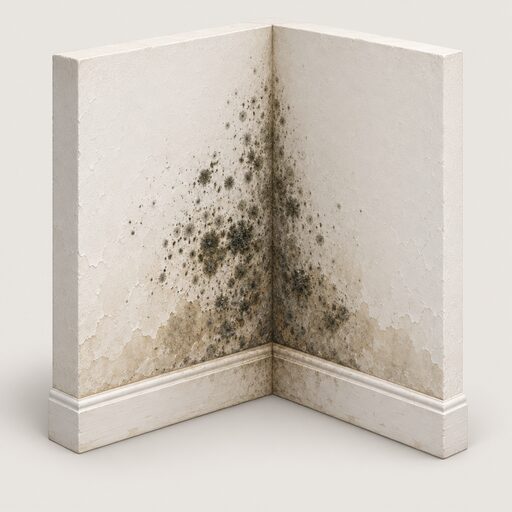 Damp and Mould in Rented HomesDamp or mould in your rented home is your landlord's problem to fix.
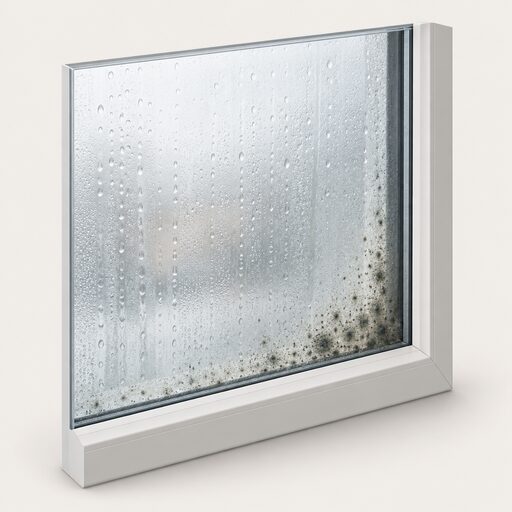 Condensation, Damp and MouldWhy does mould appear after insulation or new windows go in?
 Ventilation in FlatsGetting enough fresh air into a flat is harder than a house, because you often have only one outside wall and neighbours on every other side.
 Energy in Social HousingWhat must your landlord do if your home is cold, damp or mouldy?
 Airtightness and Air LeakageDraughty rooms, cold spots and higher bills often come down to air leaking through gaps in the walls, floors and roof.
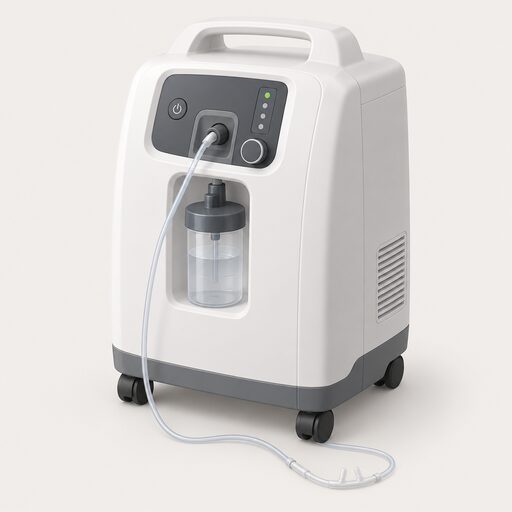 Vulnerable Households EnergyIf someone in your home relies on powered medical equipment, or needs extra warmth because of a health condition, what help is available?